English
Contact
Configure
Catalog
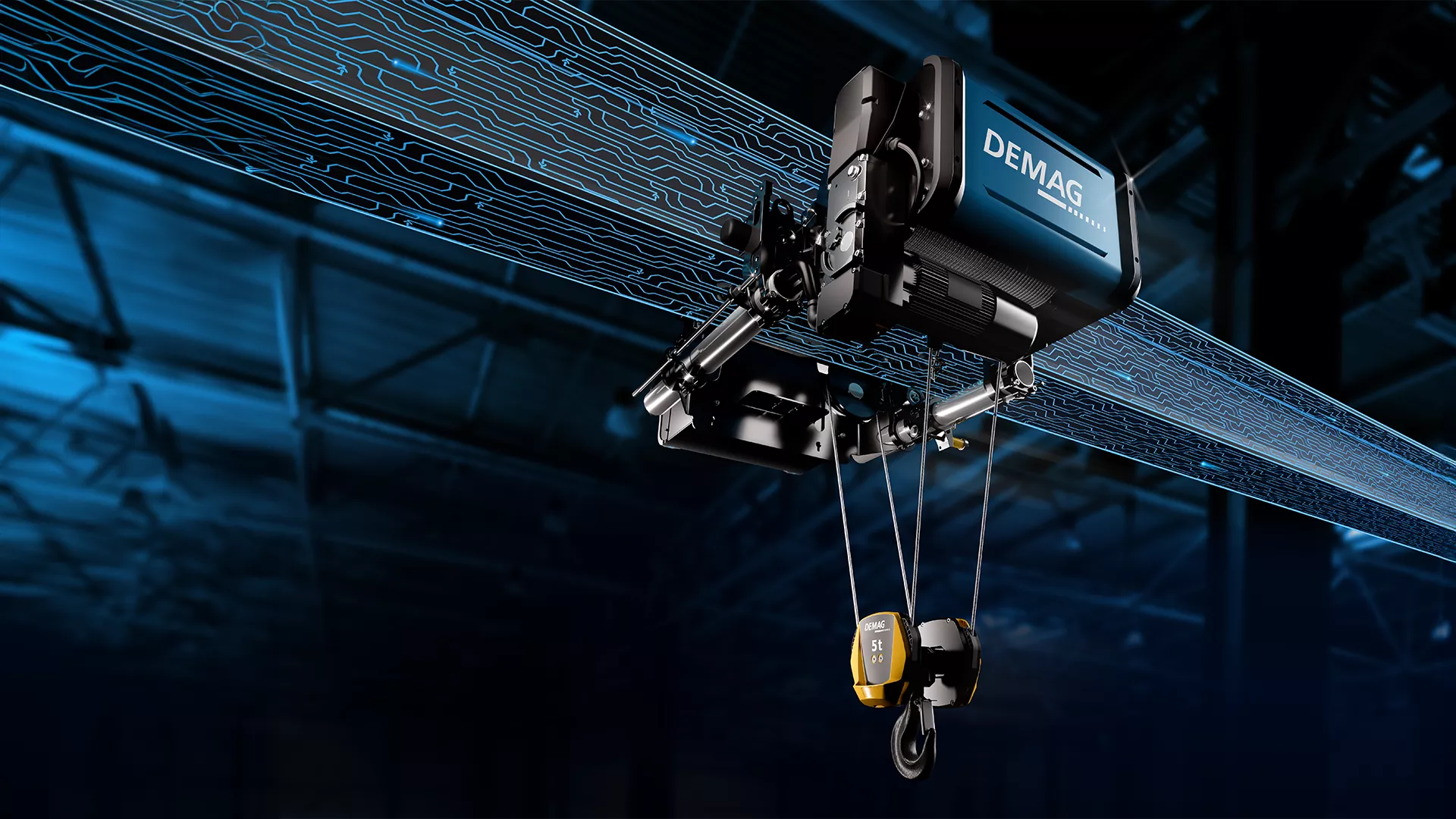
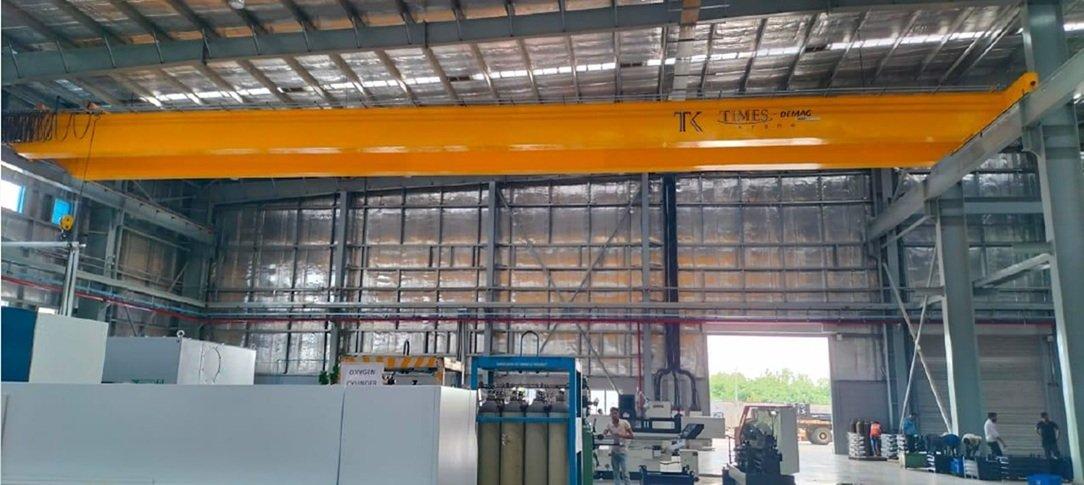
A foundry is one of the hardest places to run a crane. Heat, dust, scale and shock loads act on the crane every shift, and in some bays the hook carries molten metal over people. A crane bought for a general workshop will not last in this environment. Timeskrane designs and supplies EOT cranes for foundries in India, with specifications built around duty class, heat and dust, and not only around tonnes.
Timeskrane has been engineering industrial lifting equipment since 1988. Our range of double girder EOT cranes, single girder EOT cranes and rope hoists can be configured for the heat, dust and duty of foundry work.
In a workshop the crane lifts occasionally and the environment is clean. In a foundry the crane works through most of the shift, moves moulds, flasks, castings, scrap and furnace charge, and sits above radiant heat. Components age faster, cables dry out, lubricants break down and dust finds its way into every opening. That is why the first question is not capacity alone. It is the combination of load, duty class and environment.
Heat shortens the life of motor windings, insulation, brake linings and lubricants. For a foundry crane, specify motors with a higher insulation class, heat-resistant cables and heat shields where the crane passes over furnaces or hot castings. Keep control panels and radio receivers away from the hottest zones, or place them in ventilated enclosures with filters that can be cleaned. Ask your manufacturer for the maximum ambient temperature at which each major component is rated, and compare it with the temperature you measure at crane height in your bay.
Foundry dust is abrasive and often conductive. Choose sealed motors, enclosures with a suitable protection rating, and covers for limit switches and collector shoes. Wheels, rails and gear cases need a lubrication plan that accounts for dust, because grease collects grit and turns into grinding paste when the interval is too long. Plan access for regular cleaning of motors, brake housings and panels, and keep a log of what was cleaned and when.
Duty class describes how hard the crane works. A foundry crane that lifts every few minutes across two or three shifts needs a heavier duty class than a crane of the same capacity used for occasional maintenance lifts. Selecting too light a class is the most common reason for early wear on wheels, gearboxes and brakes. Share the number of lifts per hour, the share of lifts close to full load and the shifts per day with every manufacturer you contact, so that quotations are comparable.
Most foundry bays use double girder cranes, because they carry heavier loads, support longer spans and leave room for walkways and a second hoist. Our heavy duty double girder EOT crane page shows the range. Lighter bays such as pattern shops, fettling and finishing areas can use single girder cranes. If you are unsure, read our guide to single girder vs double girder EOT cranes.
A crane that carries a ladle of molten metal is a specialist category. It needs extra safety measures such as redundant braking on the hoist, higher design margins and carefully selected components, and it must follow the standards that apply to your plant. If your process involves molten metal, say so in the very first enquiry and ask your manufacturer to explain how the design meets the safety requirements. Do not accept a standard crane with a ladle hook added later.
| Bay zone | Main challenge | What to specify |
|---|---|---|
| Furnace and charging area | Radiant heat and sparks | Heat shields, higher insulation class motors, heat-resistant cables and cabin or radio control |
| Pouring and ladle handling | Molten metal over people | Specialist ladle crane design, redundant braking and extra design margin |
| Moulding and core shop | Continuous cycling and fine dust | Heavy duty class, sealed electrics and variable frequency drives |
| Shakeout and fettling | Heavy dust, scale and shock loads | Sealed enclosures, strong structure and frequent cleaning access |
| Pattern shop and stores | Light, occasional lifts | Single girder crane with pendant or radio remote |
Our guide to EOT crane control panel and remote control selection explains how to choose between pendant, radio remote and cabin control, and how a variable frequency drive helps with smooth handling.
Ask for an overload limiter on every hoist, upper and lower hoist limit switches, travel limits at the ends of the runway, an emergency stop that the operator can reach at once, and a warning hooter on long travel. In a bay with several cranes, ask for anti-collision protection so that two cranes never meet on the same runway. Keep clear walkways and platforms for inspection, and protect the operator from radiant heat. All of these features should be written into the specification before you compare prices.
A foundry crane has to be right for its bay, not just for a catalogue. We work from your actual duty data, send a written specification that you can check line by line, and answer your engineers' questions openly. We can also advise on upgrading the controls or hoists of an older foundry crane, so you do not have to replace the whole structure when only the electrics have aged.
Typical lifts include moving moulds and flasks on the moulding line, shifting cores and patterns, charging scrap and metal into furnaces, handling ladles between furnace and pouring station, shaking out and moving castings, loading fettling and heat treatment areas, and dispatching finished castings. Each of these has a different load, frequency and positioning need, and a bay often needs more than one crane to keep them apart. List every lift and the heaviest load for each, because they decide the hoist rating, the speeds and the number of cranes.
Plan shorter inspection intervals than you would use in a clean workshop. Check brakes, wire ropes and hooks frequently, clean dust from motors and panels, and keep spare parts for the items that wear fastest. Read about our EOT crane maintenance support, use the preventive maintenance checklist for EOT cranes to set a routine, and see EOT crane safety compliance in India for the statutory side of inspections and records. If you want a yearly contract, the EOT crane AMC cost and inclusions article explains what it can cover.
Many foundry buyers also supply steel plants or work in similar heat. Our page on the EOT crane for steel plant explains how similar conditions shape the design, and the page on heavy duty crane for steel plant covers continuous duty in more detail.
Share your bay details through our quotation request page, and our engineers will help you define the right specification. If you want an engineer to see the bay first, book a technical consultation and site survey, or reach us through our contact page.
Looking for a reliable partner for your next industrial project?