
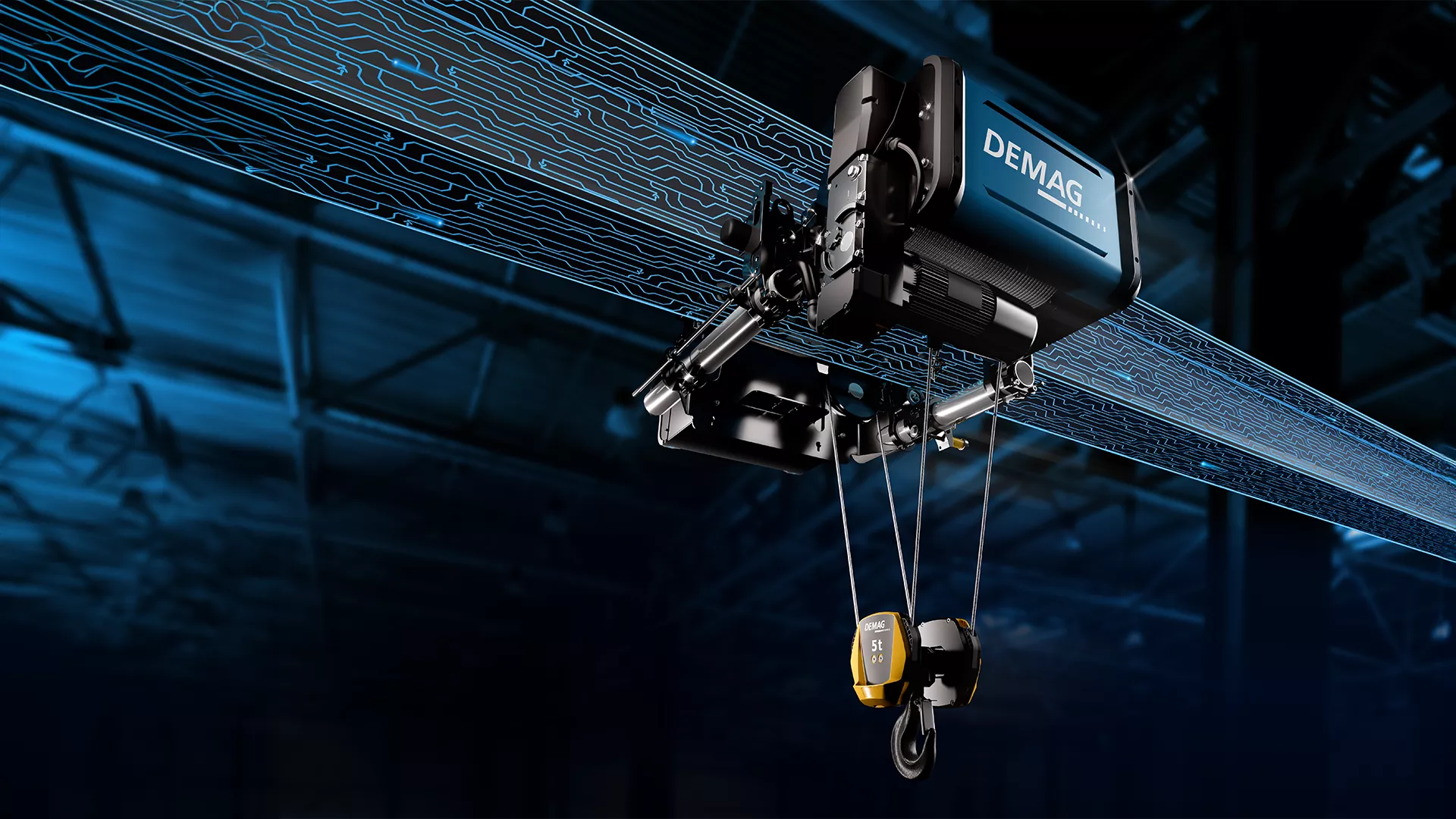
Single Girder vs Double Girder EOT Crane Choice Guide
Table of Content

Single Girder vs Double Girder EOT Crane Choice Guide
The choice between a single girder and a double girder EOT crane affects your building, your runway, your running costs and how long the crane lasts under real production pressure. Many plants make the decision on the quotation price alone and regret it when duty grows. This guide compares the two designs on the points that matter, so you can decide with your load, span and shift pattern in hand.
The Short Answer: Single Girder vs Double Girder EOT Crane
Choose a single girder EOT crane when loads are light to medium, the duty is moderate and your building structure is limited. Choose a double girder EOT crane when loads are heavy, spans are long, the crane works almost continuously or you need a higher hook lift. The sections below explain why.
How Each Crane Is Built
A single girder crane has one main girder that spans the bay. The hoist and trolley hang from the lower flange of that girder and travel along it. The result is a lighter, simpler structure that is quicker to fabricate and install.
A double girder crane has two main girders set side by side. The trolley rides on rails fixed on top of both girders, and the hook drops down between them. This layout carries heavier loads, supports longer spans and leaves room for walkways, platforms and a second hoist.
Single Girder vs Double Girder EOT Crane at a Glance
| Factor | Single girder | Double girder |
|---|---|---|
| Main girders | One | Two |
| Hoist position | Hangs from the bottom flange of the girder | Trolley runs on rails above the two girders |
| Typical capacity | Light to medium, generally up to about 20 tonnes, depending on span | Medium to very heavy, extending well beyond 20 tonnes |
| Span | Short to medium bays | Medium to long bays |
| Hook lift for the same building height | Lower, unless a low-headroom hoist is used | Higher, because the hook passes between the girders |
| Duty class | Light to medium duty | Medium to heavy and continuous duty |
| Load on runway and columns | Lower | Higher, needs a stronger structure |
| Maintenance access | Usually from the floor or a ladder | Walkways and platforms can be added on the girders |
| Upfront cost | Lower | Higher |
Capacity and span limits vary by manufacturer and by design, so treat the table as a general guide and confirm figures against the actual quotation.
When a Single Girder EOT Crane Is the Right Choice
Single girder cranes suit machine shops, light fabrication bays, assembly lines, warehouses and maintenance workshops. They work well when:
- The heaviest load is modest and stays within the crane rating for the foreseeable future
- The crane runs for a few hours a day with moderate lifts per hour
- The building columns and runway beams have limited spare capacity
- The budget needs to stay low without compromising safety
You can see the range on our single girder EOT crane page. If you are still weighing the choice of capacity, the guide on how to choose the right single girder crane for your facility goes deeper into sizing.
When a Double Girder EOT Crane Is the Right Choice
Double girder cranes are the usual answer in steel plants, foundries, heavy engineering shops, power plants and any bay with long spans or heavy dies and coils. Pick this design when:
- The loads are heavy or the span is long enough that a single girder would need very deep sections
- The crane works two or three shifts with frequent lifts
- You need the highest possible hook lift under a fixed roof height
- You want a walkway for inspection or space for a second, auxiliary hoist
Our heavy duty double girder EOT crane range is built for this kind of work, and the EOT crane for steel plant page shows how duty and heat conditions change the specification.
Five Questions That Decide Which Crane You Need
- What is the heaviest load today, and what could it be in five years?
- How many lifts per hour does the crane make, and for how many shifts?
- What is the span between runway rails, and how much height is available under the roof truss?
- Can your columns and runway beams carry the extra dead weight of a double girder crane?
- What is the total cost over ten years, including maintenance and downtime, and not just the purchase price?
If two answers point towards double girder, the extra investment usually pays back through a longer service life and fewer breakdowns.
Compare Lifecycle Cost, Not Only the Quotation
A double girder crane costs more to buy, because it uses two girders, a heavier trolley and stronger end carriages. A single girder crane that is pushed beyond its intended duty costs more in the long run, through worn wheels, overheated motors and repeated repairs.
When you request quotes, give every manufacturer the same load, span, lift height and duty class so the prices can be compared fairly. Our pages on single girder EOT crane price and double girder EOT crane price explain what drives each figure.
Mistakes Buyers Make When Choosing
- Choosing on price and ignoring the duty class
- Sizing the crane for today's heaviest load with no allowance for growth
- Skipping a structural check of the runway beams and columns
- Forgetting maintenance access, which makes servicing slow and risky
- Comparing quotes that were written for different specifications
Upgrading later is possible but rarely cheap, because a heavier crane often means strengthening the runway as well. If you are unsure whether your layout needs a bridge crane at all, read EOT crane vs gantry crane first.
Frequently Asked Questions
Which is stronger, a single girder or a double girder crane?
A double girder crane is built for higher capacity and heavier duty. A single girder crane is perfectly strong for the load it is rated for, but its rating range is lower.
Is a double girder EOT crane always better?
No. For light loads and moderate duty it adds cost and structural load without any benefit. The right crane is the one matched to your load, span and duty.
Can a single girder crane lift 20 tonnes?
Some designs can, depending on the span and the manufacturer. Beyond that range, or on long spans, a double girder crane is normally recommended. Ask for the design calculation for your span.
Which crane is better for a steel plant or foundry?
Double girder cranes are the usual choice because of heavy loads, continuous duty and the need for walkways and higher hook lift.
How do I know if my building can take a double girder crane?
Have a structural engineer check the runway beams, columns and foundations against the crane reaction loads that the manufacturer provides.
Get a Crane Sized to Your Plant
Timeskrane has been engineering industrial lifting equipment since 1988 and builds both single girder and double girder EOT cranes under the TK Crane brand. Send us your load, span, lift height and shift pattern through the contact page, and our team will recommend the right design.
Recent Posts

EOT Crane Full Form and Meaning Explained
EOT crane full form is Electric Overhead Travelling crane. Learn what each word means, the abbreviations on a quotation and what to specify before you order.
Total Cost of Ownership of an EOT Crane
See what an EOT crane really costs over 15 years, and how to compare quotes on lifecycle cost instead of purchase price.

How to Choose the Right Industrial Crane
How to choose the right industrial crane: compare crane types and follow seven checks on load, span, duty and cost.
EOT Crane Repair and Modernization
EOT crane repair and modernization: warning signs, repair vs replacement, key upgrades and what to share for a quote.
Need a Custom Lifting Solution?
Let’s Talk!
Looking for a reliable partner for your next industrial project?
- Expert Consultation
- Pan-India Service