English
Contact
Configure
Catalog
This guide walks through everything that shapes that cost, from structural design to duty classification, so you know exactly what you are evaluating before you request a formal proposal.
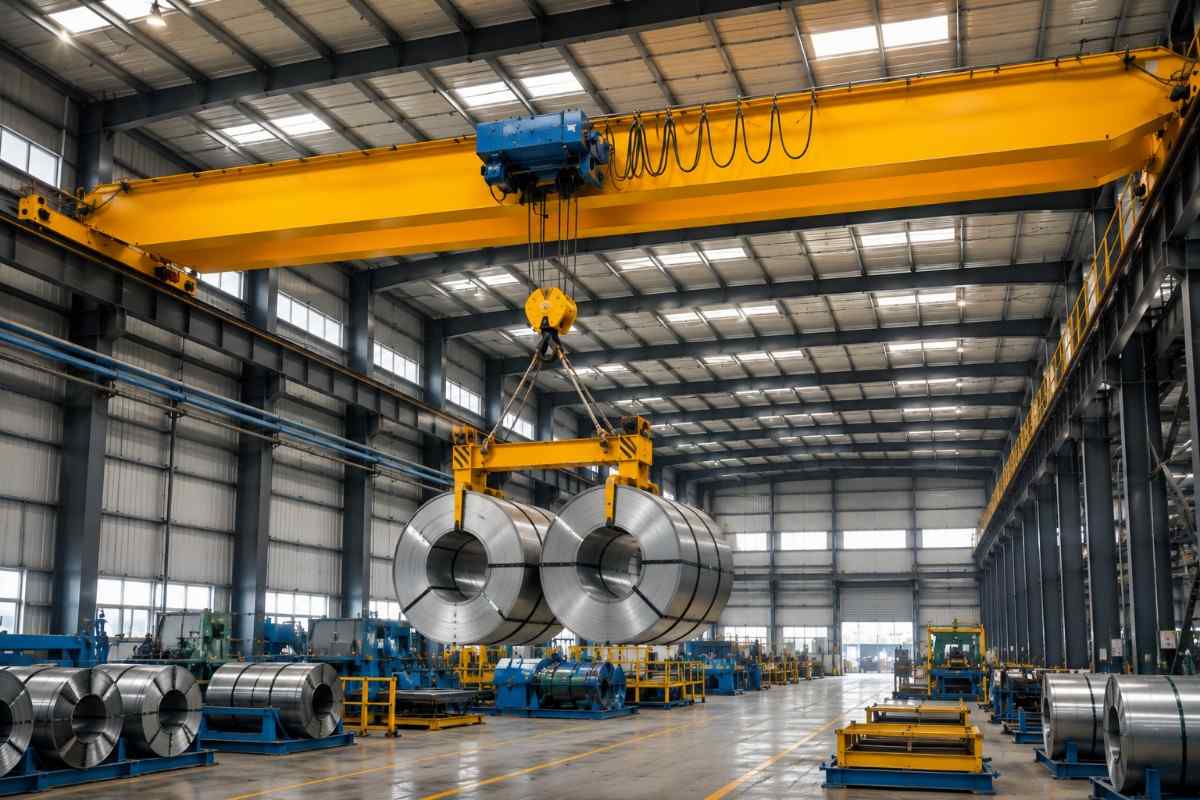
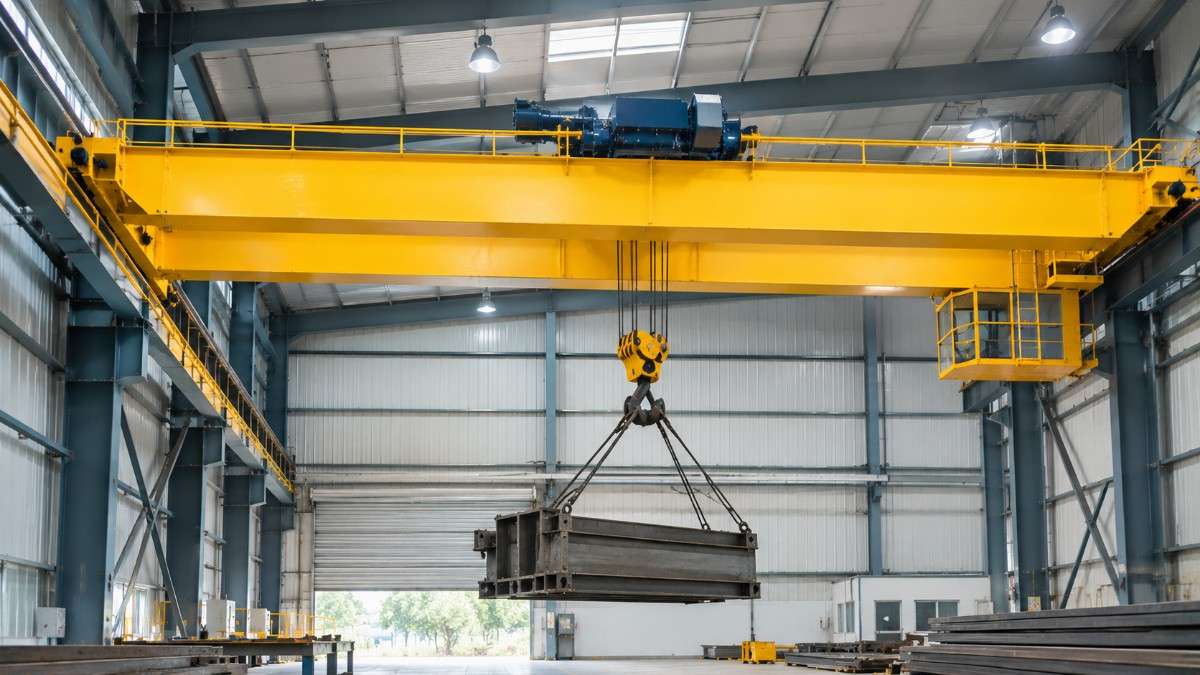
A double girder EOT crane uses two parallel main beams instead of one, with the trolley and hoist running on top of the girders rather than suspended below them.
This design allows for a higher hook lift and greater structural strength, which is why double girder cranes become the standard choice once capacity or span crosses certain thresholds. When I've worked with clients moving from single girder to double girder systems, the shift usually happens around the point where their span exceeds 25 metres or their load requirement crosses into heavier tonnage.
Here is the direct answer: double girder cranes use more structural steel, require stronger end carriages, and typically include more sophisticated drive systems, all of which add to the overall cost compared to single girder equivalents.
The key structural differences include:
One thing many buyers overlook is that the building's civil readiness often has a bigger impact on double girder crane cost than the crane itself, especially when the existing structure was not originally designed for that capacity.
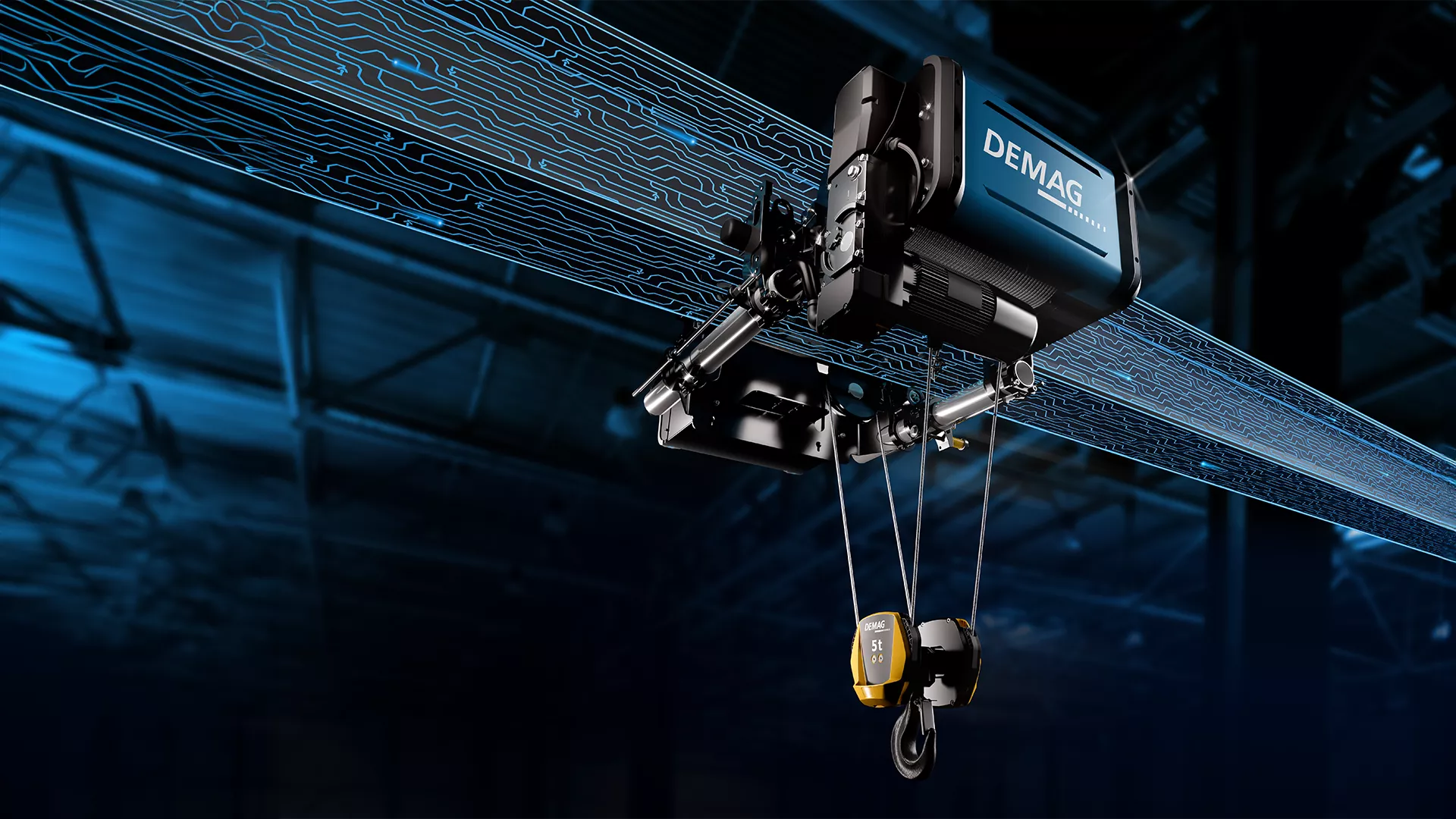
A 5 ton double girder eot crane price sits at the entry point of the double girder range, and it is often the capacity where buyers are deciding between single girder and double girder configurations.
At this capacity, the decision usually comes down to span and hook lift requirements rather than load alone. If your span is under 20 metres and headroom is not restrictive, a single girder crane may still be sufficient. Once you cross that threshold, double girder starts making structural sense even at 5 tons.
From practical use, I've noticed that clients who choose double girder at 5 tons purely for perceived durability, without an actual span or headroom requirement, often end up paying for structural capacity they never fully utilise.
The cost of 10 ton eot crane systems reflects a genuine shift into heavy-duty territory, where duty classification and drive system quality start playing a much larger role than at lower capacities.
At 10 tons, most buyers are running continuous industrial operations, such as steel processing, heavy fabrication, or foundry work. This means the crane needs to handle repeated heavy cycles reliably, which pushes the specification toward higher duty classes under frameworks like ISO 4301.
15 ton eot crane price and 20 ton eot crane price ranges are shaped heavily by application intensity, not just raw capacity.
At these tonnages, the following factors carry significant weight:
When I've reviewed proposals for 15 and 20 ton systems, the biggest cost differentiator between vendors was almost always duty classification accuracy rather than the base crane design itself.
| Capacity | Typical Application | Key Cost Driver |
|---|---|---|
| 5 Ton | Transition zone from single to double girder | Span and hook lift requirement |
| 10 Ton | Heavy fabrication, foundry support | Duty classification |
| 15 Ton | Steel processing, structural assembly | Drive system and safety features |
| 20 Ton | Heavy industrial and continuous operations | Duty class and structural design |
1. Span and Building Structure
Wider spans require heavier girder sections and stronger end carriages, and this scales up significantly as capacity increases.
2. Duty Classification
A crane running multiple shifts under continuous load needs a heavier duty rating, which changes almost every major component specification.
3. Hoist and Trolley Configuration
Top-running double girder trolleys are more complex than under-slung systems, and the hoist mechanism itself scales with capacity and duty requirements.
4. Control and Safety Systems
Higher capacity cranes typically need more advanced control systems, including variable frequency drives and enhanced safety interlocks.
5. Structural Readiness of the Facility
If the existing building structure cannot support the crane without reinforcement, that civil work adds meaningfully to the overall project scope.
6. Installation, Testing, and Commissioning
Heavier cranes require more extensive load testing and commissioning procedures before they are cleared for operational use.
Mistake 1: Choosing double girder without a genuine span requirement
If single girder can handle your span and headroom, double girder often adds unnecessary structural cost.
Mistake 2: Underestimating duty classification
I've seen buyers select a lighter duty class to reduce initial scope, only to face early wear on motors and gearboxes once actual usage patterns kicked in.
Mistake 3: Skipping structural verification
Heavier capacity cranes place significant load on the building structure, and skipping this check has delayed installations I have personally reviewed by several weeks.
Mistake 4: Not comparing complete proposals
Two quotes for the same capacity can differ widely if one excludes installation, testing, or civil work, so always compare full project scope rather than just the crane specification.
Benefits:
Challenges:
One thing I always recommend to buyers evaluating heavier capacities is to request references from the manufacturer for similar installations. Seeing a comparable double girder crane in daily operation reveals far more than technical specification sheets alone.
Another practical tip involves duty classification. Guidance available through the Bureau of Indian Standards (BIS) and international frameworks like ISO 4301 provide a reliable way to match your crane's duty class to actual usage, rather than relying purely on assumptions about how the crane will be used.
Times Krane, based in Faridabad, Haryana, works as both a double girder eot crane manufacturer and a trusted double girder eot crane supplier for industries across India. Our engineering team evaluates span, duty requirement, and structural readiness before recommending a configuration, ensuring you receive a crane suited to your actual operational demands rather than a generic specification.
If you are evaluating double girder eot crane price for a capacity ranging from 5 tons to 20 tons or beyond, our team can guide you through the specification process and prepare a detailed proposal based on your exact site conditions.
Understanding what genuinely shapes double girder EOT crane price across different capacities puts you in a far stronger position when comparing manufacturers. Rather than focusing purely on tonnage, pay close attention to span accuracy, duty classification, and structural readiness, since these factors determine how reliably your crane performs for years of heavy industrial use.
If you would like a detailed evaluation for your facility, the team at Times Krane is ready to guide you through the specification and proposal process based on your actual site requirements.
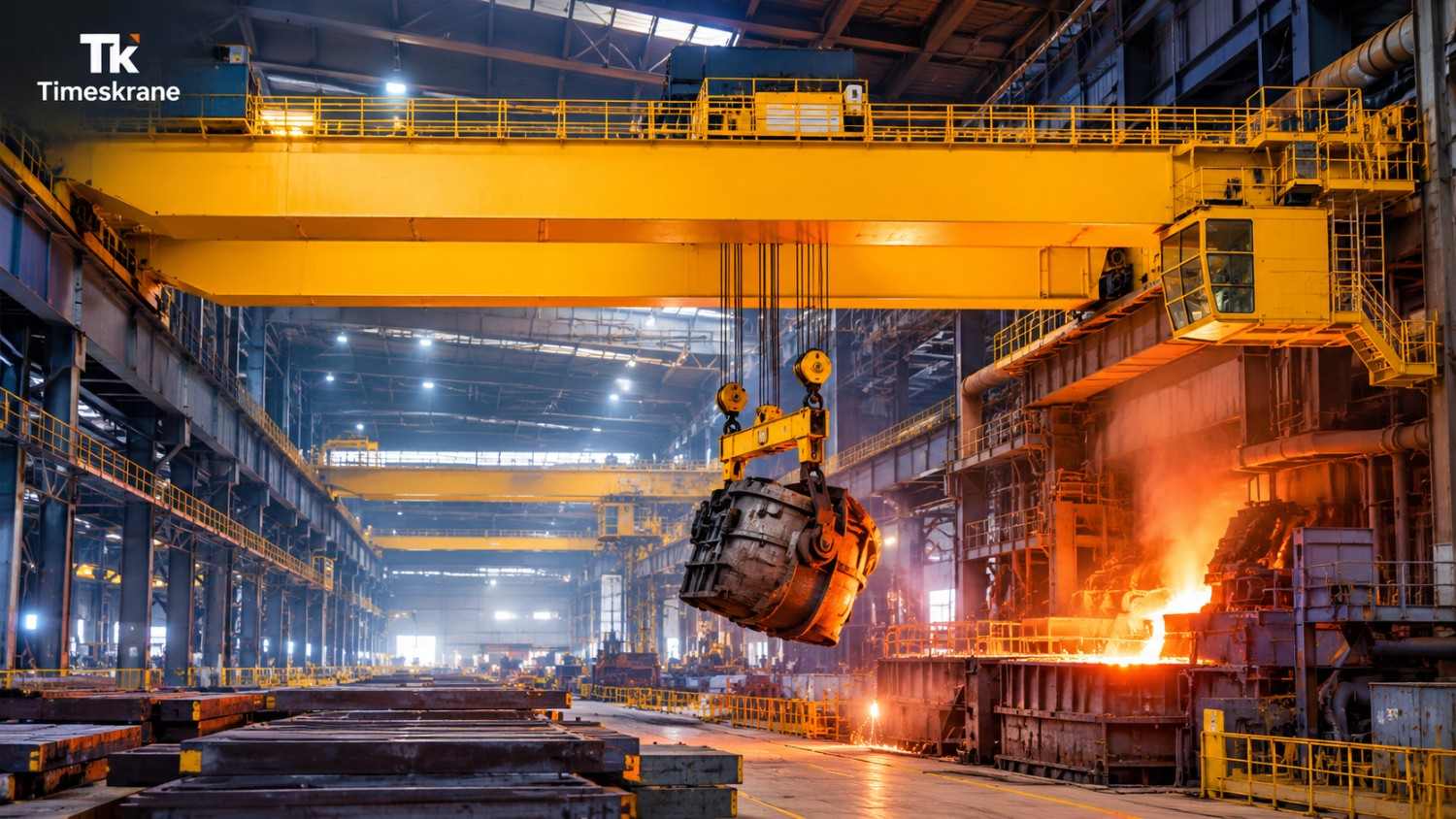
An honest breakdown of what makes a crane genuinely heavy duty for steel plant use, covering duty classification, capacity, and safety features buyers often miss.
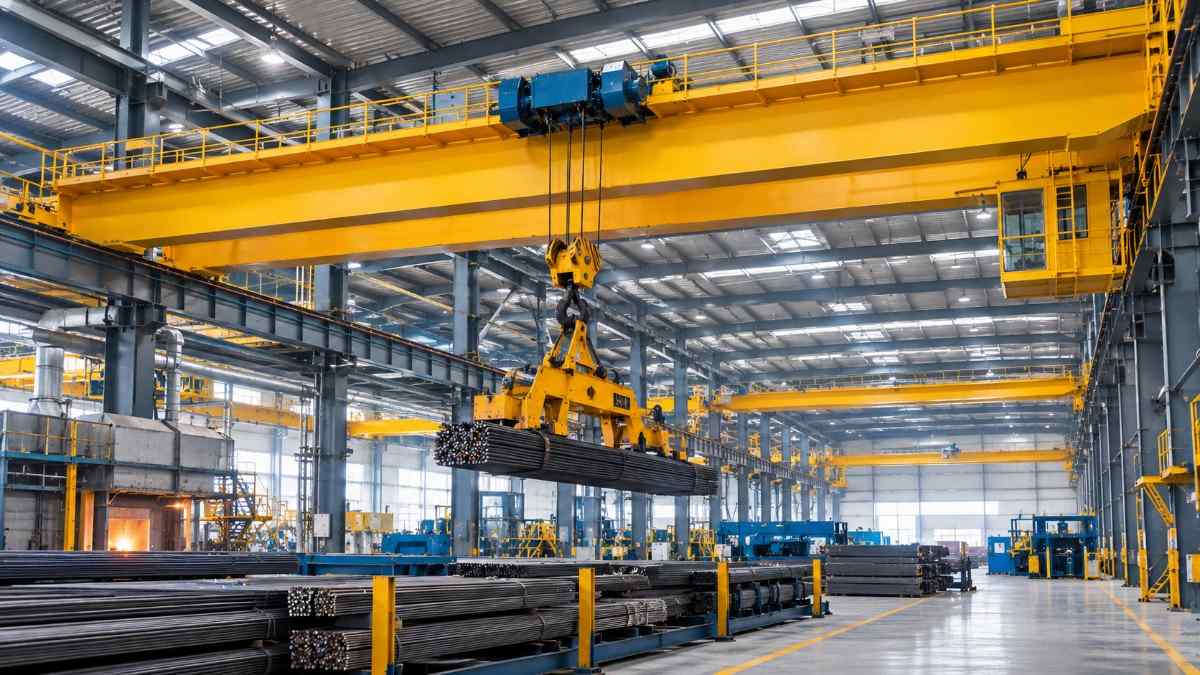
Finding the right steel plant crane manufacturer is perhaps the most important decision a procurement manager or plant owner will make. A poorly designed crane can increase both safety risks and downtime while excessively increasing maintenance costs.
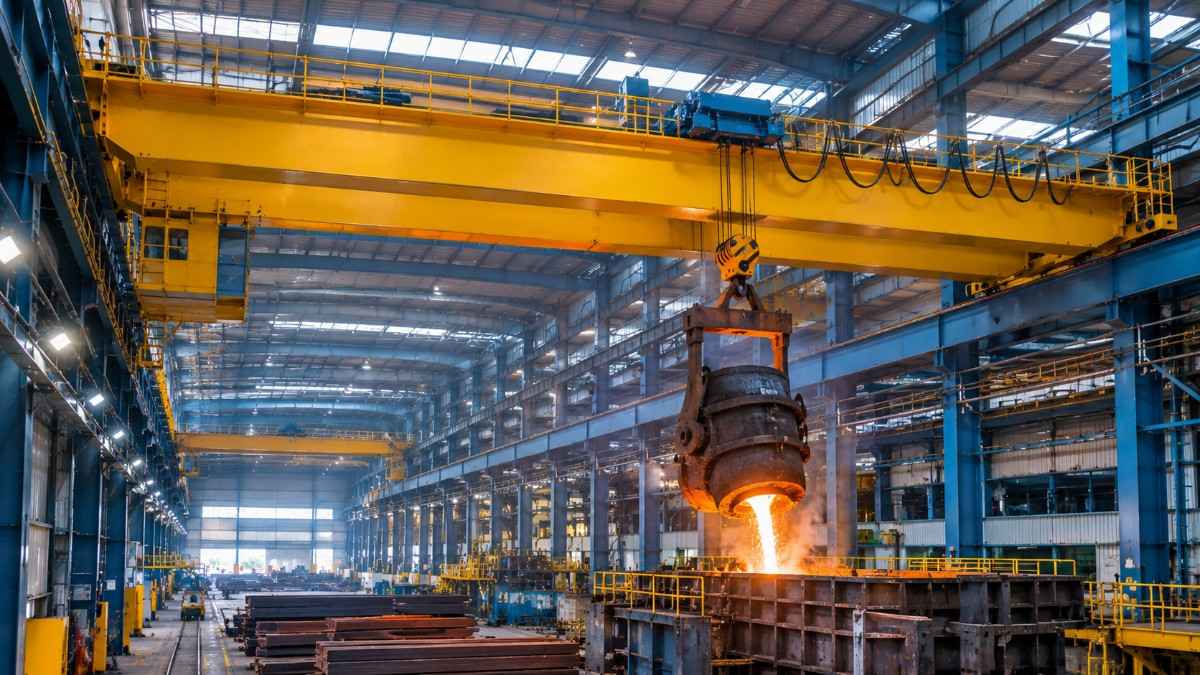
If you run or manage a steel plant, you already know that an overhead crane for steel plant operations is not a luxury. It is the backbone of your material handling process. From moving billets and coils to shifting ladles of molten metal, the right crane decides how smoothly your production line runs.
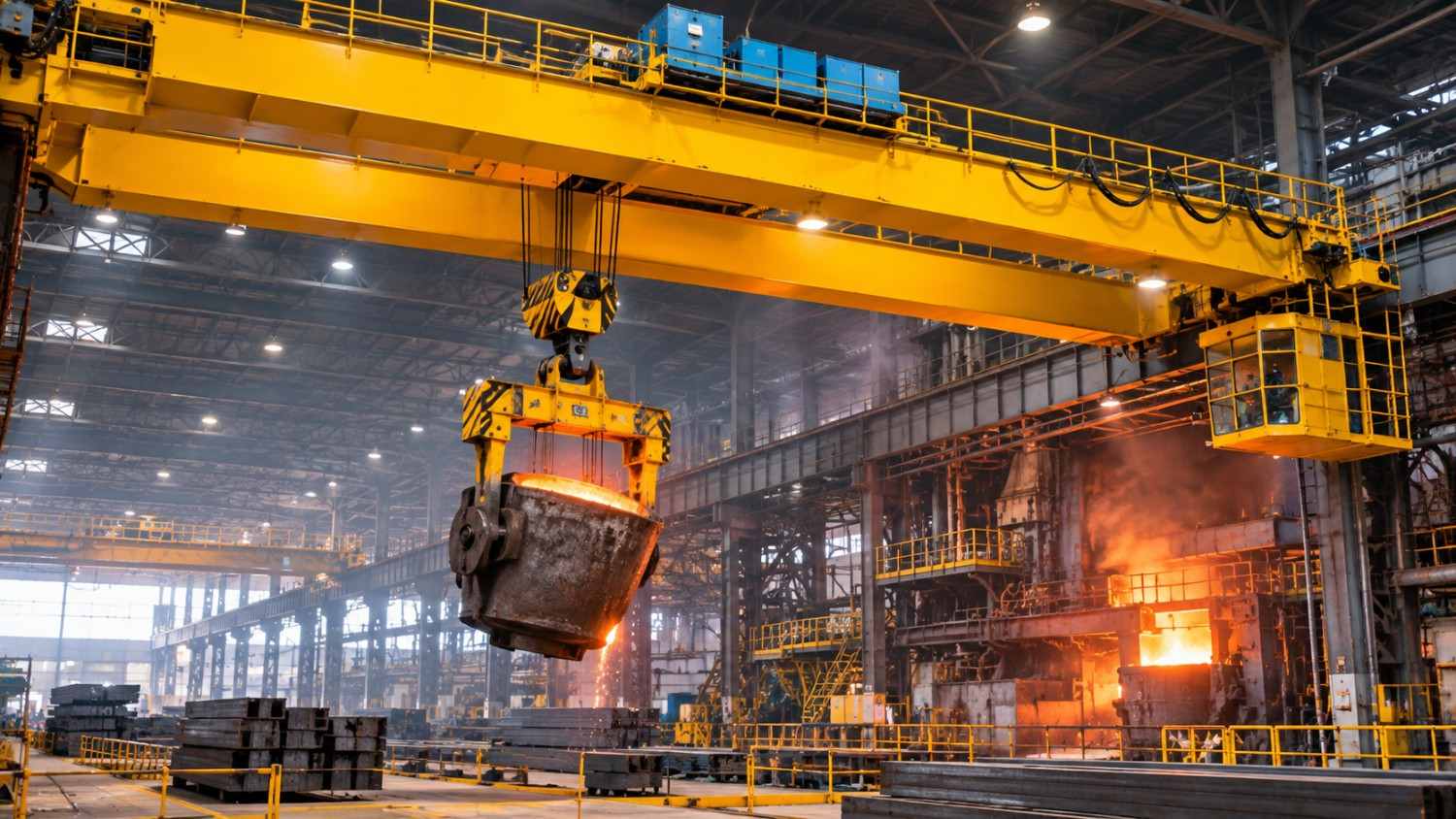
Discover how EOT cranes support steel plant operations, from material handling to molten metal lifting. Learn about crane types, duty classes, safety features, and how to choose the right EOT crane for your steel plant.
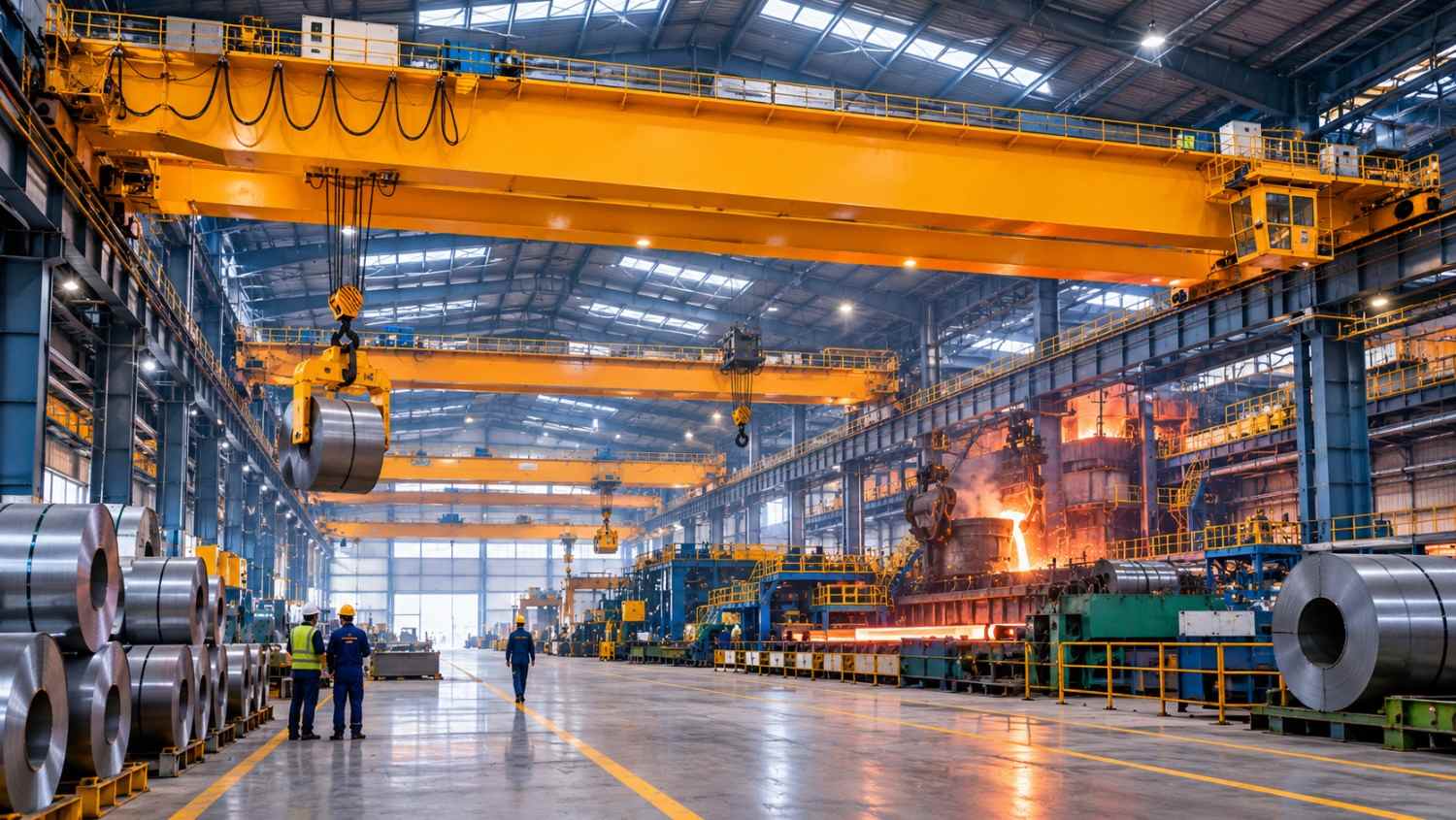
An honest, researched look at the top 5 crane manufacturers for steel plants in India, covering ladle, grab bucket, and coil handling cranes.
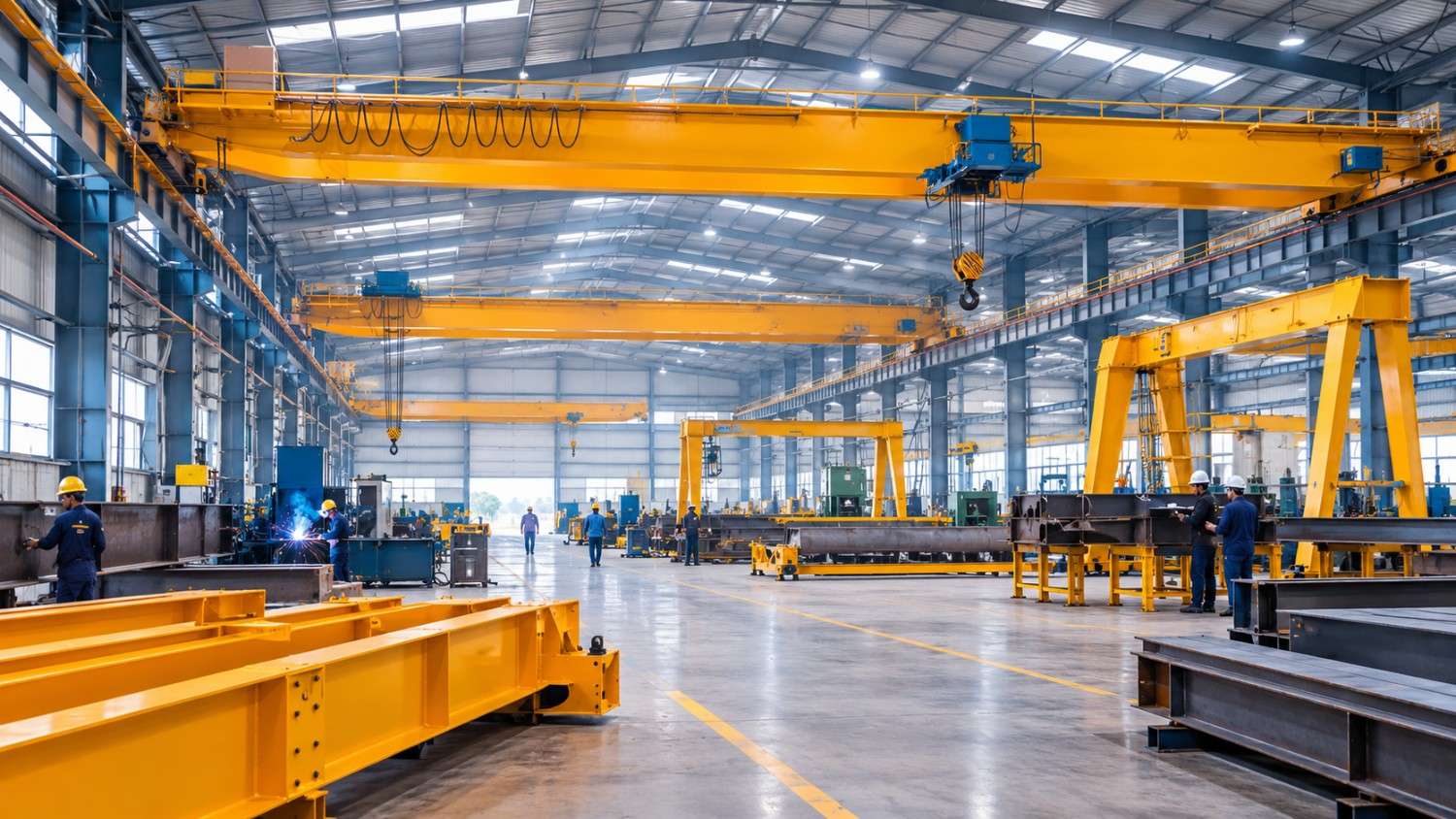
A real, researched look at the top 10 crane manufacturers in North India, covering Delhi NCR, Punjab, Haryana, UP, and Rajasthan, with what actually sets each one apart.
If you are looking for a 10 ton overhead crane for your factory or warehouse, the primary question that arises in your mind is whether this capacity will cater to your daily operations or it will turn out to be a useless and bulky addition to your storage.
Looking for a reliable partner for your next industrial project?