English
Contact
Configure
Catalog
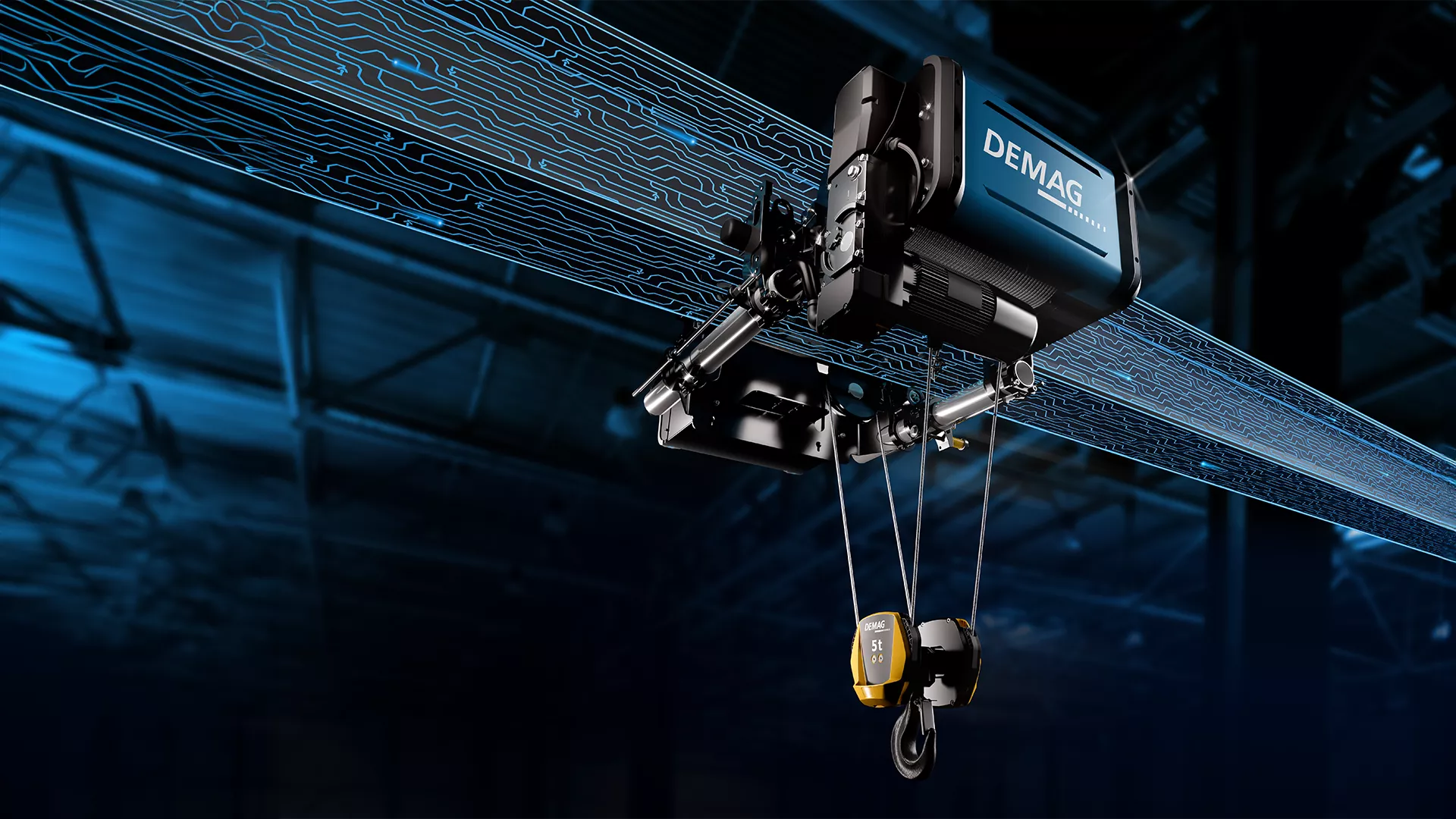
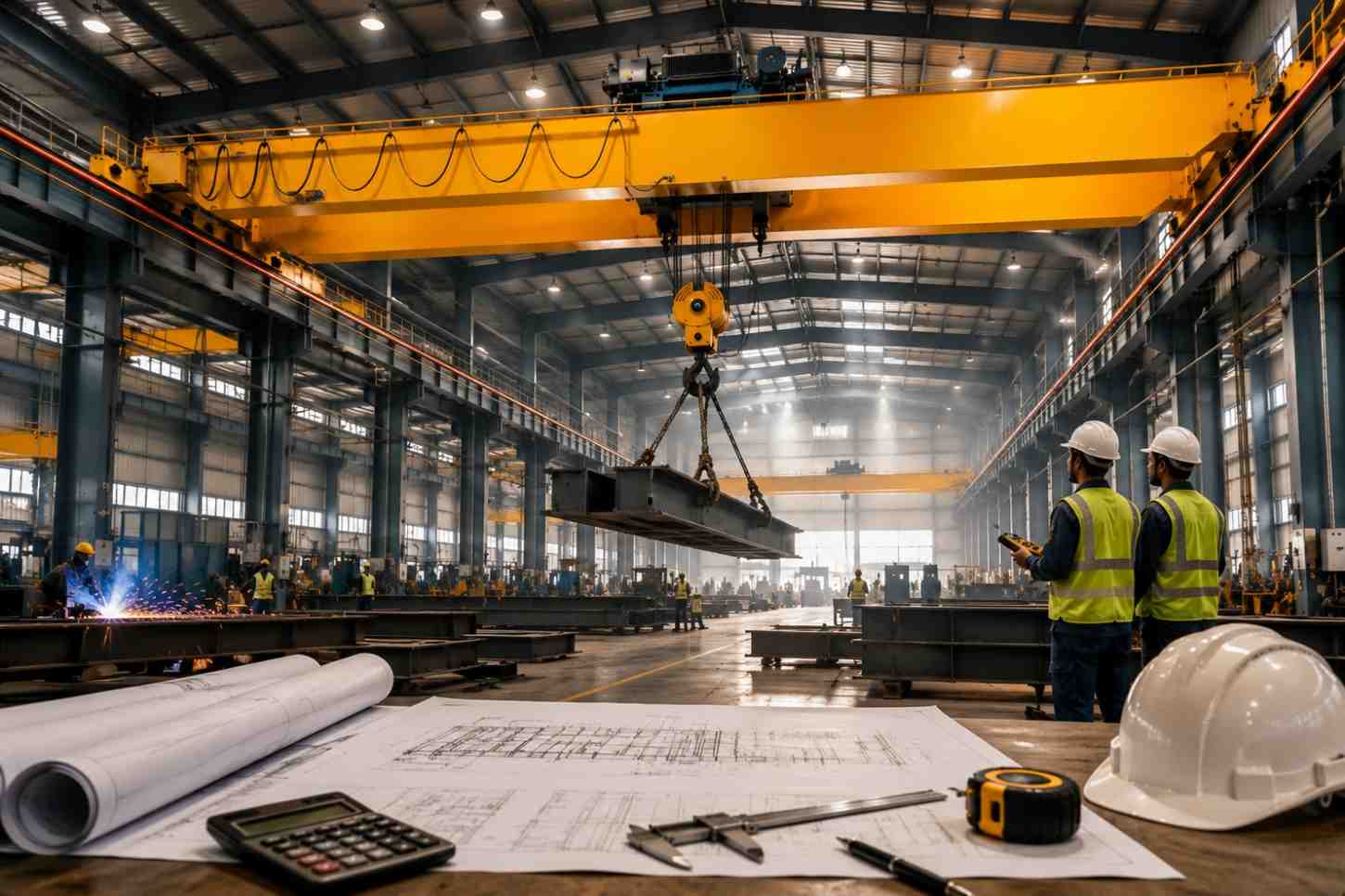
When it comes to setting up material handling systems for a factory, warehouse, or heavy industrial unit, one of the first questions every buyer asks is about the eot crane price. An EOT crane, short for Electric Overhead Traveling crane, is a critical piece of equipment used across industries such as steel manufacturing, automobile production, cement plants, power stations, and general fabrication units. With more than two decades of experience designing, manufacturing, and installing EOT cranes across India, our engineering team has worked with businesses of every size, from small workshops to large scale industrial plants, helping them understand what truly drives the eot crane price and how to choose the right configuration for their operations.
Before we get into the details of pricing, if you are looking for an accurate quotation based on your specific application, span, and lifting requirement, our team is just a message away.
Not sure what fits your facility best? Talk to our crane specialists and get a customized quote today.
Many buyers expect a single fixed number when they search for the eot crane price, but the reality is that overhead cranes are engineered to order equipment. This means the final price depends heavily on the specific requirements of your facility. Based on years of hands on project execution, our team has identified the key factors that consistently influence pricing across every project we handle.
Span of the crane is one of the biggest cost drivers, since a longer span requires heavier structural steel and stronger components to handle the load safely. Lifting capacity naturally plays a role too, as a 5 ton crane will differ significantly in price from a 20 ton or 50 ton crane. Lifting height, or the vertical distance the hook needs to travel, also affects the size of the hoist and the overall structure.
Duty classification is another major factor. Cranes used occasionally for light lifting fall under light duty classification, while cranes running continuously in steel plants or foundries need heavy duty classification with reinforced components designed for extended working hours. The type of control system, whether it is a simple pendant control or an advanced radio remote control, adds to the price difference as well. Finally, the brand and quality of the hoist, motor, electrical panel, and safety devices used in the crane can shift the eot crane price up or down depending on whether you choose standard components or premium imported parts.
The single girder eot crane price is generally more affordable compared to other configurations, making it a popular choice for small and medium sized industries. In a single girder crane, one main beam supports the hoist and trolley, which travels along the bottom flange of the girder. This design uses less structural steel, is lighter in weight, and is quicker to install, all of which contribute to a lower overall cost.
Single girder cranes are best suited for light to medium duty applications where the crane is not required to operate continuously throughout the day. Job shops, small assembly units, tool rooms, and warehouses commonly rely on single girder cranes because they offer a practical balance between performance and budget. Based on our project experience, customers who need occasional lifting support rather than round the clock operation almost always find that a single girder configuration meets their needs without unnecessary expense.
Several elements affect the single girder eot crane price, including the span of the crane, the type of hoist selected such as wire rope or chain hoist, the specification of the end carriage, and whether the crane includes manual or motorized cross travel. Buyers looking for a cost effective lifting solution for lighter operational needs will typically find single girder cranes to be the more economical route.
If you want to explore detailed pricing specific to this configuration, you can check our dedicated page on single girder eot crane price for a deeper breakdown based on capacity and span.
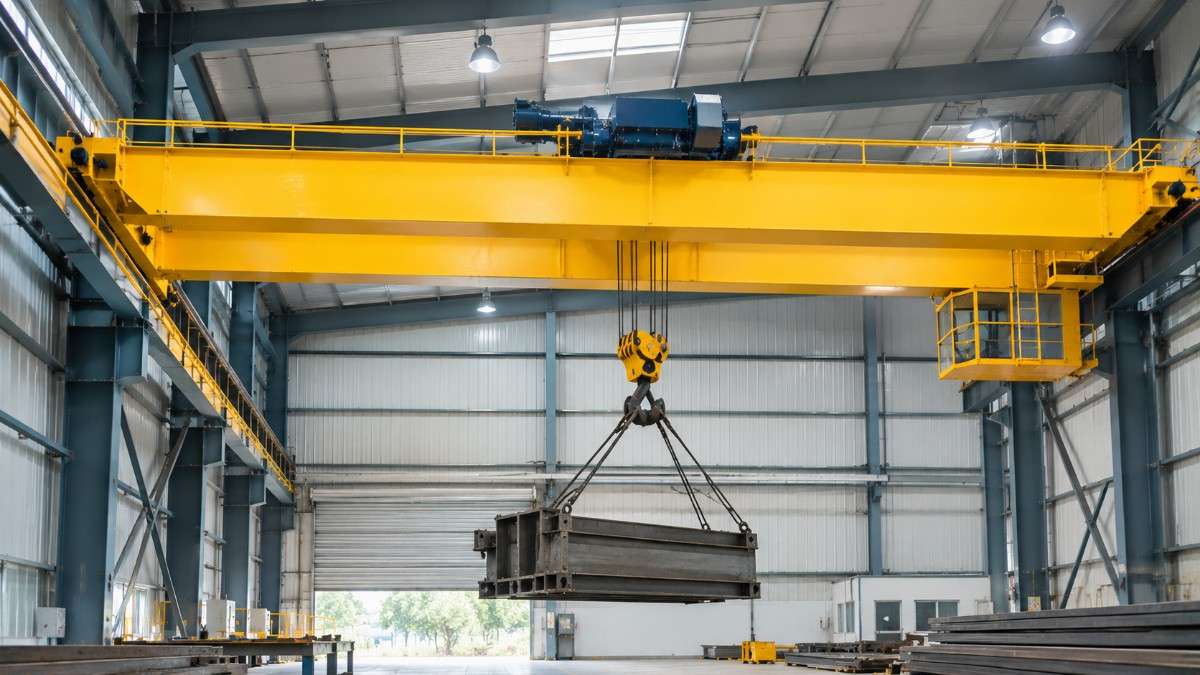
The double girder eot crane price is typically higher than single girder cranes because of the more robust structural design involved. Instead of one beam, double girder cranes use two parallel girders, with the hoist trolley running on top of them rather than underneath. This design allows the crane to handle heavier loads, achieve greater spans, and provide additional lifting height, which is particularly useful in facilities with tight ceiling clearance.
Industries that require continuous or frequent crane operation, such as steel plants, power houses, foundries, and heavy fabrication units, generally opt for double girder cranes because of their durability and ability to withstand demanding duty cycles. Our experience across such projects shows that while the initial investment is higher, double girder cranes offer better long term reliability and lower maintenance frequency when matched correctly to the application.
The double girder eot crane price is influenced by factors such as span length, duty classification as per IS 3177 or FEM standards, the type of drive mechanism used, and the inclusion of advanced safety features like overload protection systems, anti collision devices, and variable frequency drives for smoother operation. Buyers planning for high capacity or heavy duty operations should factor in these additional specifications when comparing quotations.
For a more detailed look at pricing across different capacities, you can visit our page dedicated to double girder eot crane price, where we break down cost factors specific to this configuration.
Choosing between single girder and double girder configurations ultimately comes down to your operational needs rather than price alone. If your facility requires occasional lifting, has moderate load requirements, and works with a limited budget, a single girder crane is usually the practical choice. On the other hand, if your operation demands continuous lifting, higher capacity handling, or greater lifting height due to building constraints, a double girder crane will serve you better despite the higher upfront cost.
Our engineering team often advises clients to think beyond the initial eot crane price and consider the total cost of ownership, including maintenance, downtime, and operational efficiency over the crane's working life. In many cases, spending slightly more upfront on a double girder crane for a heavy duty application saves significant costs in repairs and replacements down the line.
One of the most valuable lessons from years of executing crane projects across India is that no two facilities are exactly alike. Building height, column spacing, gantry rail availability, and even the flooring strength can influence the type of crane structure required and, in turn, the final eot crane price. We have seen situations where customers assumed a certain budget based on general market information, only to discover that their site required custom modifications once our engineers conducted a proper assessment.
This is why we always recommend sharing your building layout, span requirement, lifting height, and intended usage pattern with our team before finalizing any budget. A detailed site assessment ensures that the quotation you receive reflects your actual requirement, helping you avoid unexpected costs later in the project.
Beyond the initial purchase price, buyers should also consider installation and commissioning charges, availability of after sales service, spare parts accessibility, and warranty terms offered by the manufacturer. A crane with a slightly higher upfront cost but strong after sales support and readily available spare parts often proves more economical over its operational lifespan compared to a cheaper crane with limited service backup.
Energy efficiency is another factor gaining importance, especially for facilities running cranes for extended hours daily. Cranes fitted with variable frequency drives and efficient motors can reduce power consumption significantly, offsetting a portion of the initial investment over time.
Understanding the eot crane price requires looking beyond a single number and evaluating your specific application, duty requirements, and long term operational goals. Whether you choose a single girder configuration for lighter, occasional lifting or a double girder setup for continuous heavy duty operation, the right decision depends on matching the crane specification to your facility's actual needs.
With years of manufacturing and installation experience across diverse industrial sectors in India, our team is well positioned to guide you through this decision making process and help you secure a crane that offers both performance and value for money.
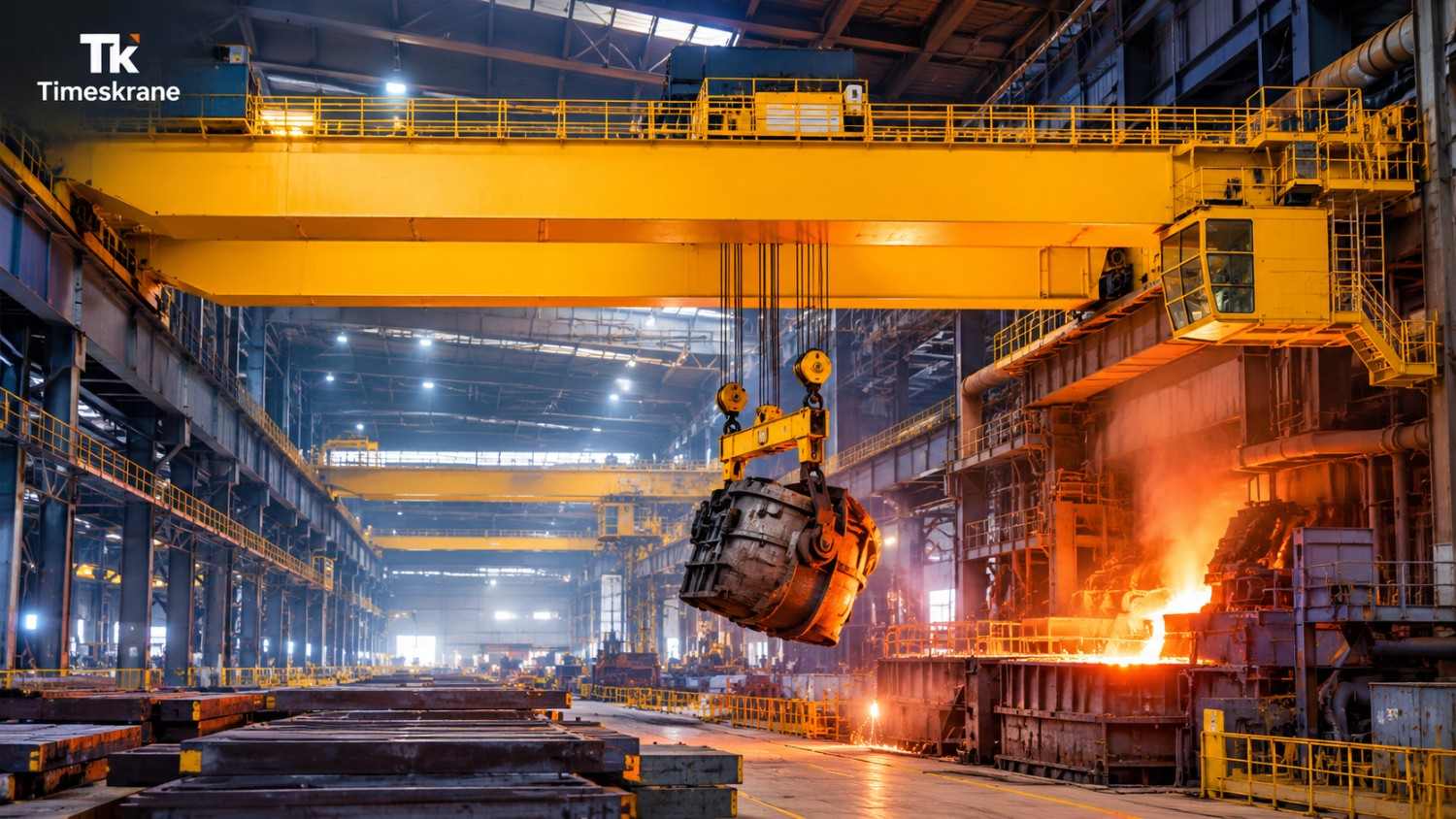
An honest breakdown of what makes a crane genuinely heavy duty for steel plant use, covering duty classification, capacity, and safety features buyers often miss.
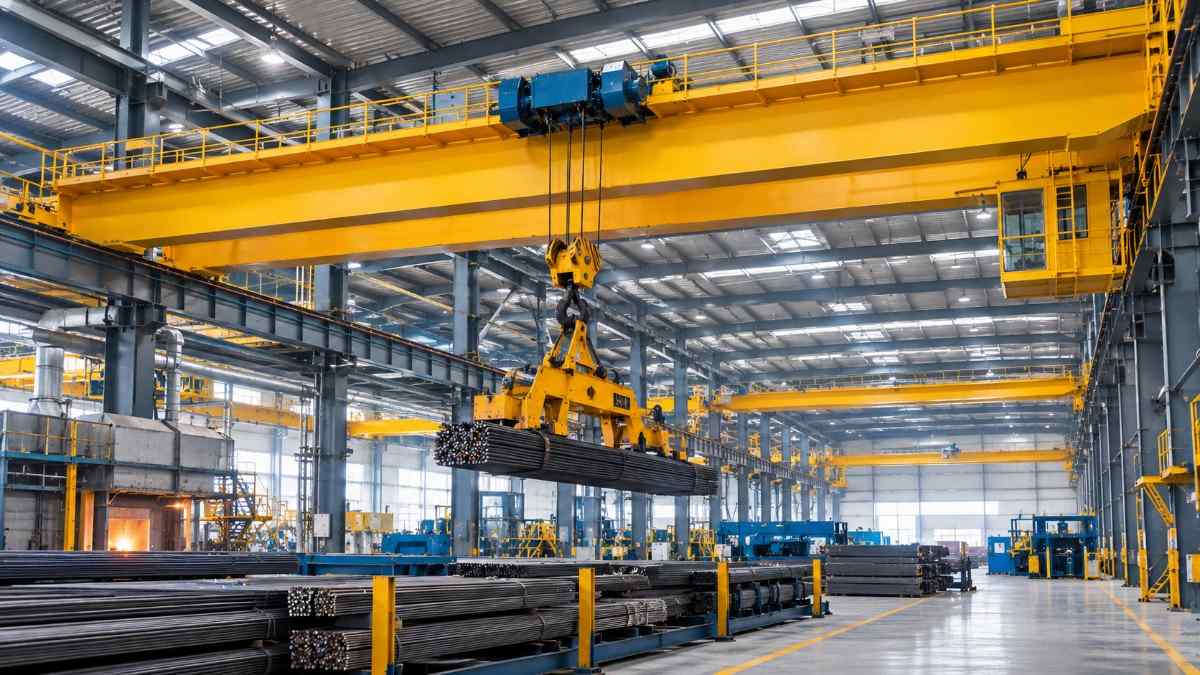
Finding the right steel plant crane manufacturer is perhaps the most important decision a procurement manager or plant owner will make. A poorly designed crane can increase both safety risks and downtime while excessively increasing maintenance costs.
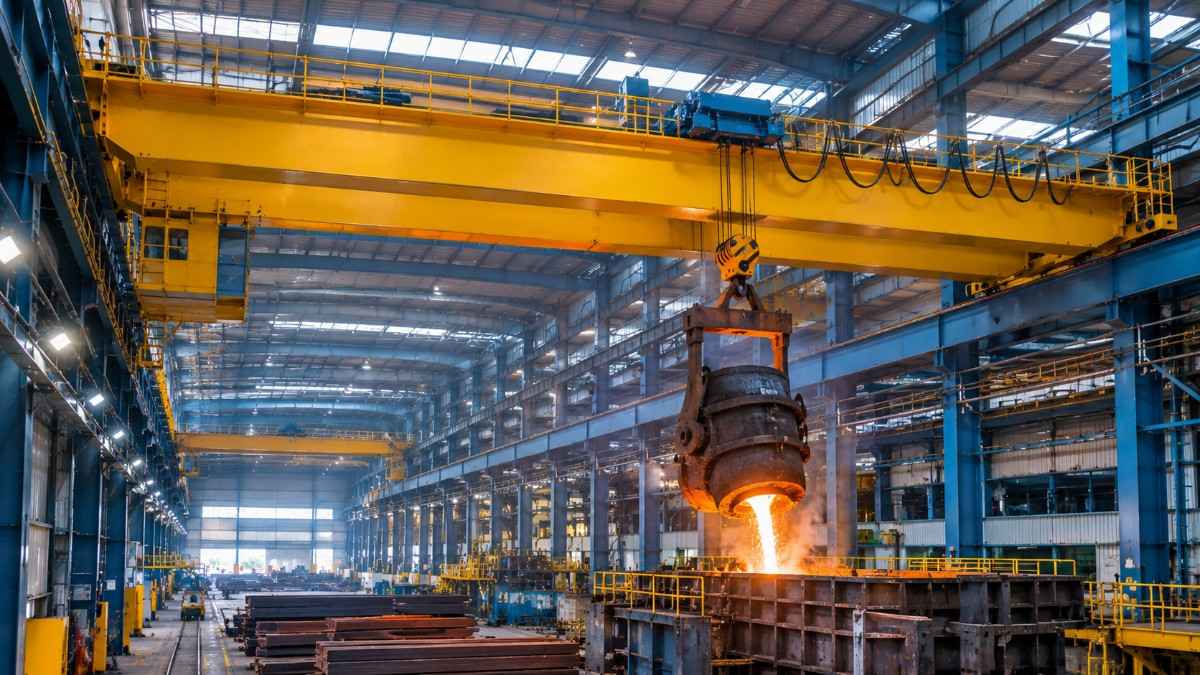
If you run or manage a steel plant, you already know that an overhead crane for steel plant operations is not a luxury. It is the backbone of your material handling process. From moving billets and coils to shifting ladles of molten metal, the right crane decides how smoothly your production line runs.
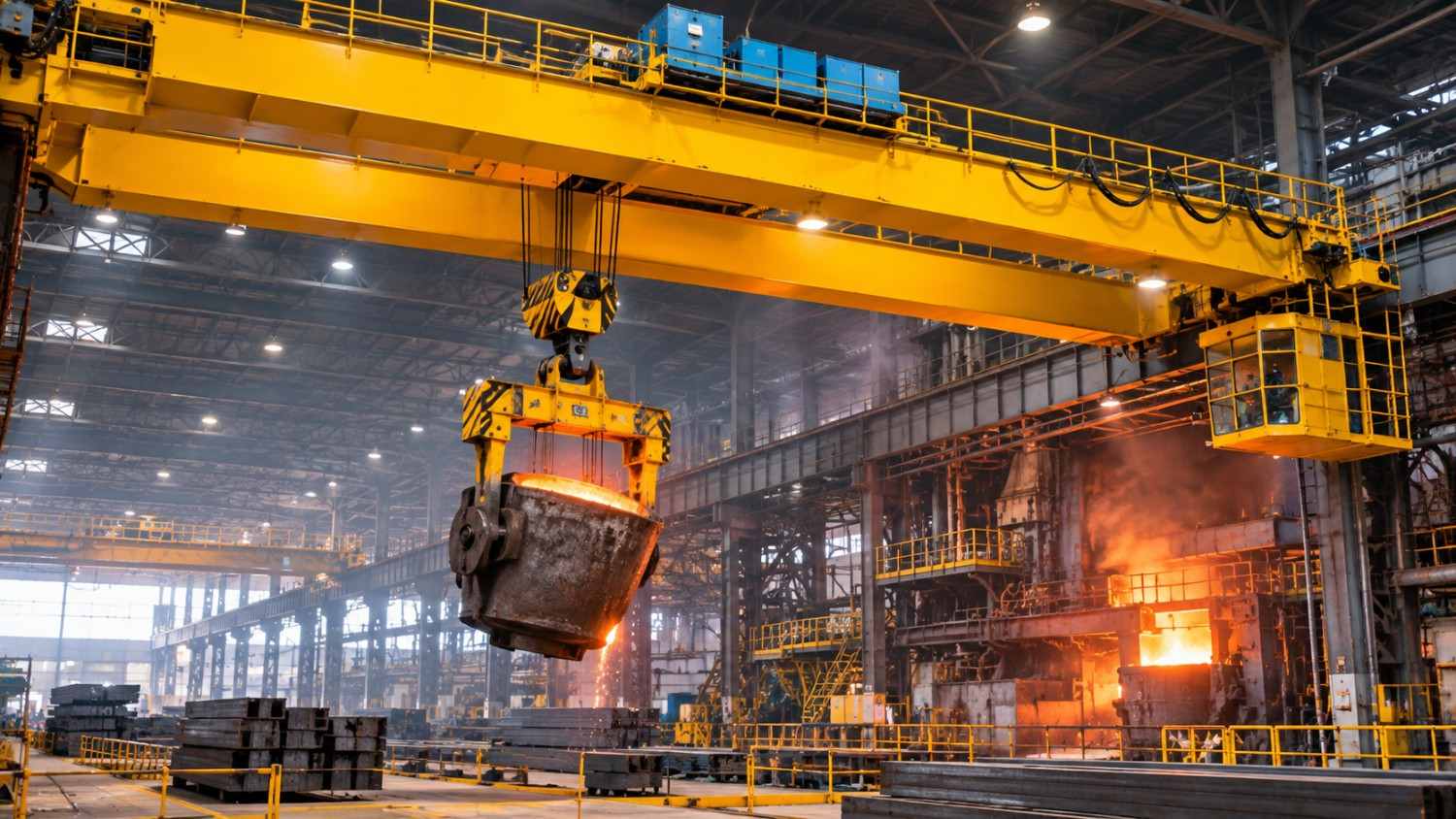
Discover how EOT cranes support steel plant operations, from material handling to molten metal lifting. Learn about crane types, duty classes, safety features, and how to choose the right EOT crane for your steel plant.
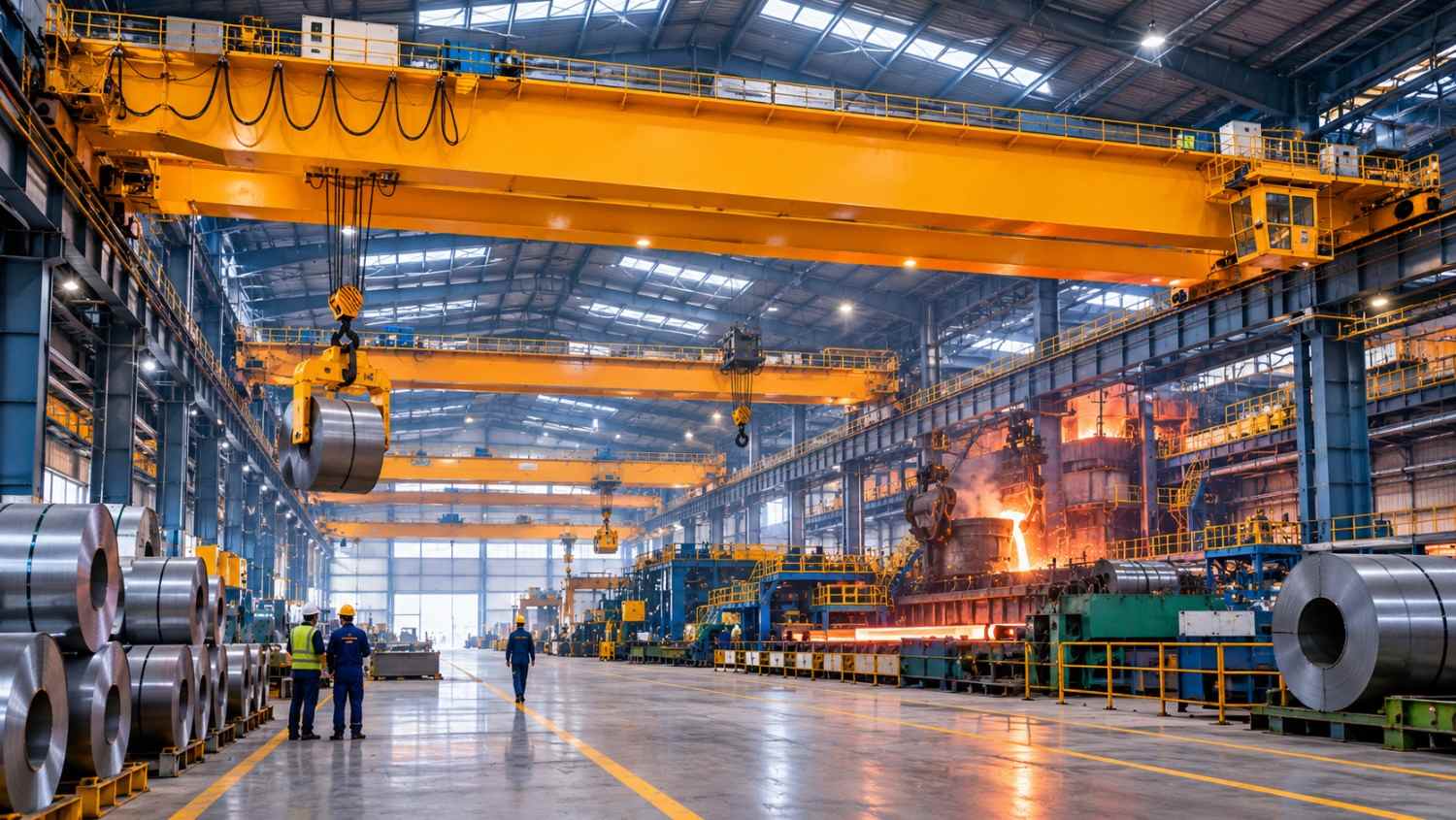
An honest, researched look at the top 5 crane manufacturers for steel plants in India, covering ladle, grab bucket, and coil handling cranes.
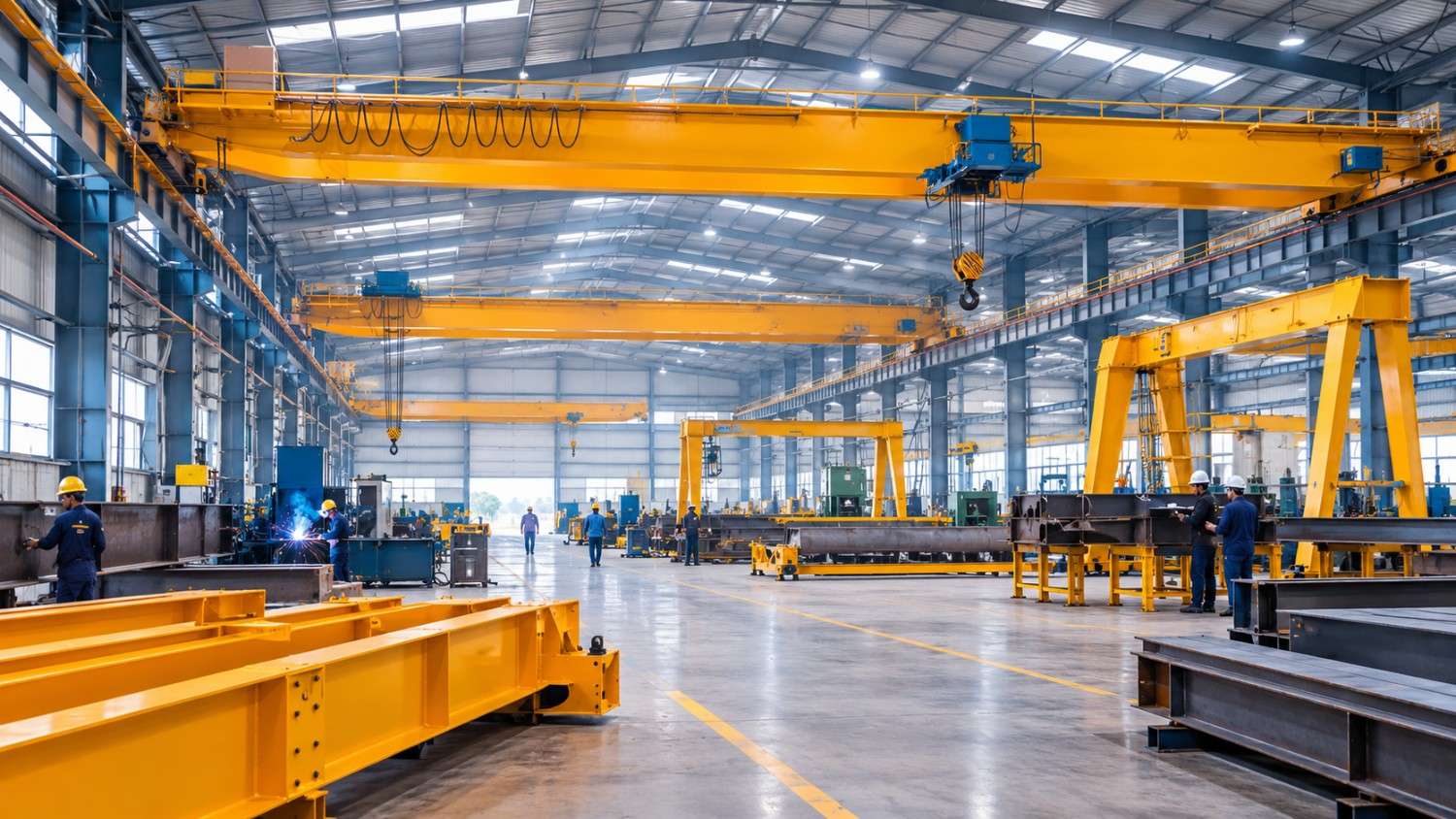
A real, researched look at the top 10 crane manufacturers in North India, covering Delhi NCR, Punjab, Haryana, UP, and Rajasthan, with what actually sets each one apart.
If you are looking for a 10 ton overhead crane for your factory or warehouse, the primary question that arises in your mind is whether this capacity will cater to your daily operations or it will turn out to be a useless and bulky addition to your storage.
Looking for a reliable partner for your next industrial project?