English
Contact
Configure
Catalog
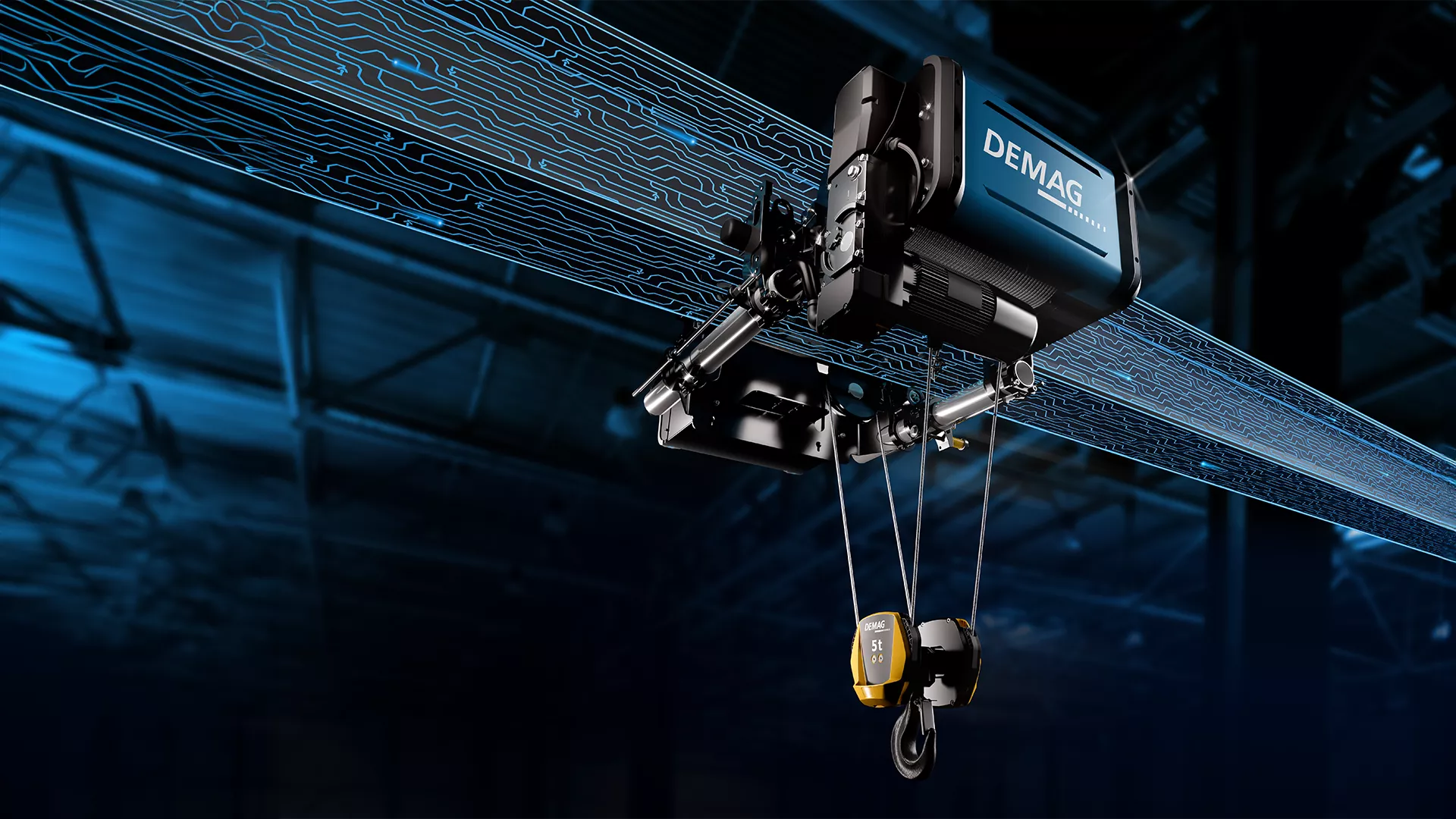
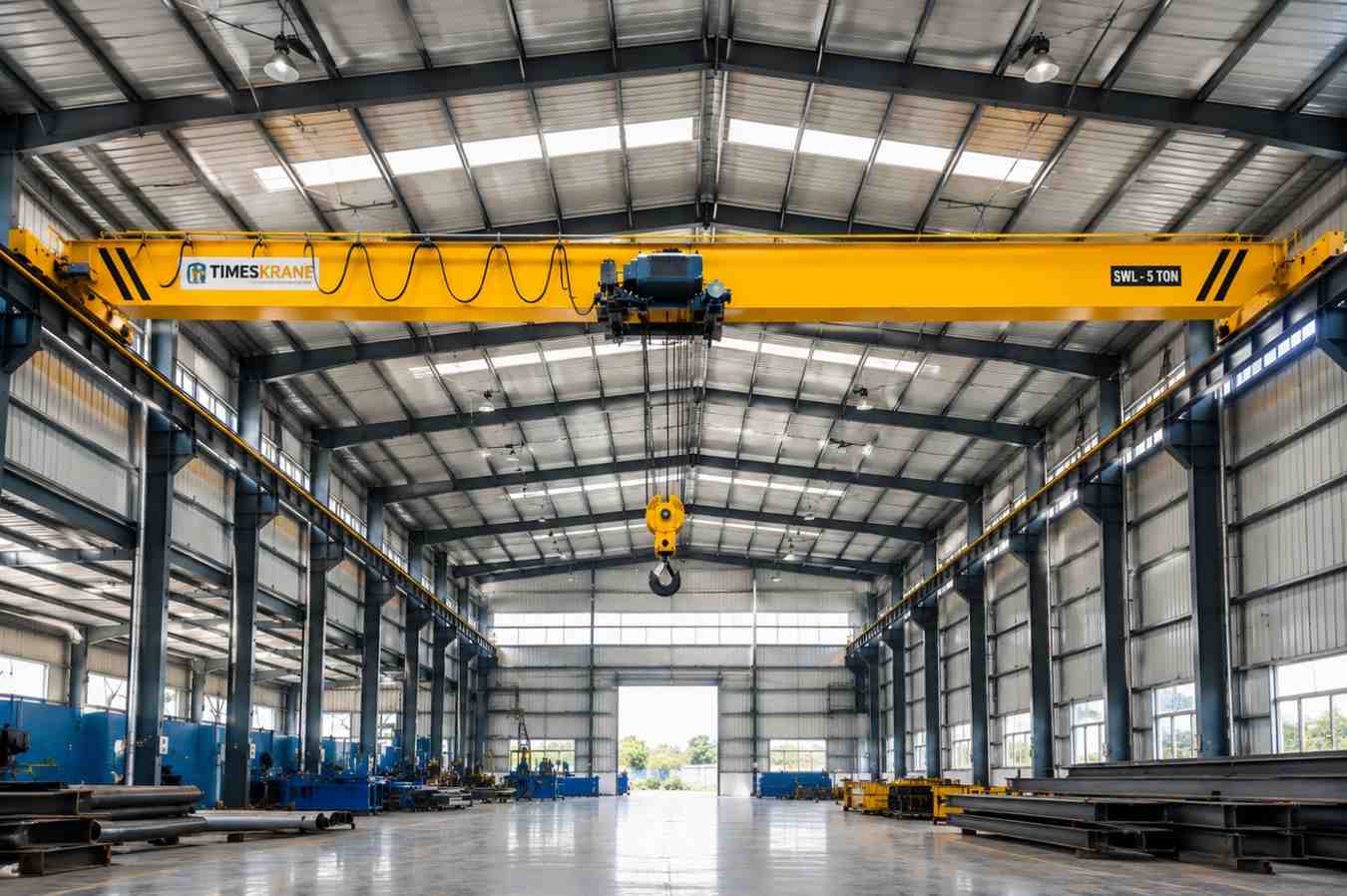
If you are planning to set up or upgrade a material handling system in your factory, warehouse, or workshop, understanding single girder EOT crane price is the first step toward making a smart investment. An Electric Overhead Traveling crane, commonly known as EOT crane, is one of the most trusted lifting solutions used across industries such as manufacturing, steel, automotive, warehousing, and logistics. The single girder version is a popular choice for businesses that need reliable lifting capacity without the higher cost of a double girder system.
Pricing for these cranes is not fixed. It depends on several technical and operational factors including load capacity, span length, lifting height, duty class, and the brand of components used. Because of this, many buyers find it difficult to estimate a realistic budget without proper guidance.
Need a custom quote based on your exact requirement? Talk to our crane experts today and get a price that matches your actual operational needs.
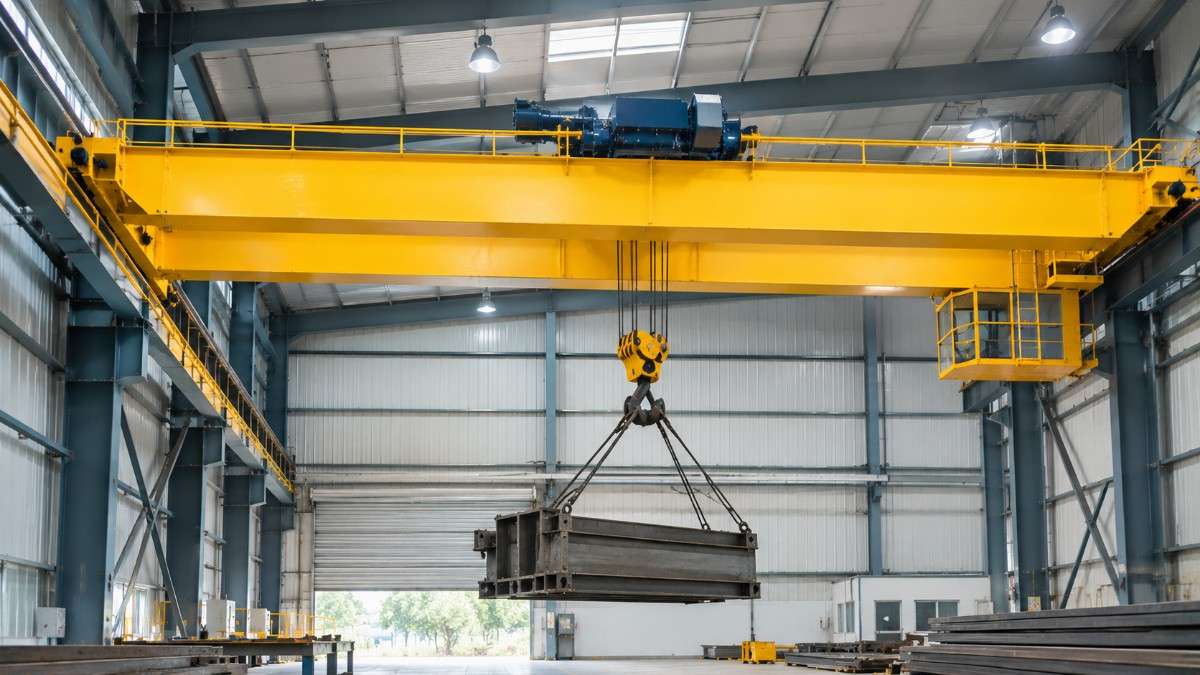
A single girder EOT crane is an overhead lifting system that uses a single beam to support the hoist and trolley mechanism. The beam runs along a runway supported by end trucks that move on rails fixed to the building structure or on a separate support system. Unlike double girder cranes, which use two parallel beams for heavier loads, single girder cranes are lighter, more compact, and generally more affordable.
This design makes single girder cranes ideal for light to medium duty applications where the load capacity typically ranges from half a ton up to twenty tons, though capacity can vary depending on the manufacturer and design specifications.
Over the years, industries have shifted toward single girder cranes because they offer a practical balance between cost, performance, and installation ease. Some of the reasons behind their popularity include:
Businesses working with small to medium load requirements often find that a single girder crane delivers the same operational reliability as heavier systems, but at a fraction of the cost.
Understanding what drives the price of a single girder EOT crane helps buyers avoid overpaying or underestimating their budget. Based on years of experience serving industrial clients, here are the primary cost factors.
The lifting capacity of the crane, measured in tons, is one of the biggest price determinants. A crane designed to lift half a ton will naturally cost less than one built for ten or twenty tons. Higher capacity requires stronger structural components, larger motors, and heavier duty hoists, all of which add to the overall price.
If you are comparing options across different capacities, it helps to check dedicated pages such as eot crane 1 ton price, eot crane 2 ton price, and 3 ton eot crane price to understand how pricing scales with tonnage.
The distance the crane needs to cover, known as span, and the height it needs to lift materials to, known as lift height, both influence material usage and design complexity. Longer spans require thicker or reinforced girders to prevent excessive deflection, which increases material and fabrication cost.
Cranes are classified based on how frequently and intensely they will be used. A crane operating a few hours a day in a small workshop will have a lighter duty class compared to one running continuously in a steel plant. Higher duty classes require more durable components, better cooling systems, and reinforced structural design, all of which raise the price.
The hoist, motor, gearbox, wire rope, and electrical control panel all contribute to the final price. Branded and certified components tend to cost more upfront but offer better safety, longer service life, and fewer breakdowns. Choosing cheaper, unbranded parts might reduce initial cost but often leads to higher maintenance expenses over time.
Special requirements such as explosion proof design, corrosion resistant coating, remote control operation, variable frequency drives, and additional safety devices like overload protection and anti collision systems will add to the base price.
Depending on the site condition, some projects require additional structural support, runway beams, or civil modifications, which are typically quoted separately from the crane unit itself.
While exact figures depend on the specifications discussed above, single girder EOT cranes generally fall into a wide price bracket depending on capacity and features. Smaller capacity cranes used in workshops and light manufacturing units are priced on the lower end, while cranes designed for heavier loads used in industrial and steel applications fall on the higher end of the spectrum.
For a broader comparison of pricing across the full EOT crane range including both single and double girder types, you can refer to our detailed breakdown on eot crane price. If your requirement leans toward heavier capacity, our page on 5 ton single girder price offers a closer look at mid to high capacity single girder options.
With years of hands on experience serving manufacturing plants, warehouses, automobile industries, steel fabrication units, and logistics companies, our team has seen firsthand how the right crane selection directly impacts productivity and operational safety.
One common mistake buyers make is focusing only on the upfront price while ignoring long term operational cost. A slightly higher investment in quality components often results in significantly lower maintenance expenses and downtime over the crane's operational life. In industries where production stoppage translates directly into revenue loss, even a few hours of crane downtime can outweigh the savings made on a cheaper initial purchase.
Another important lesson from field experience is that many buyers underestimate their future capacity requirements. Businesses often grow, and material handling needs increase over time. Choosing a crane with a slightly higher capacity than the current requirement, when feasible, can save the cost of a complete system upgrade later.
Site conditions also play a bigger role than many buyers realize. Factors such as building height, existing structural strength, ambient temperature, dust levels, and humidity all affect which crane design and components will perform best. A crane that works perfectly in one facility might not be suitable for another due to these environmental differences. This is why a proper site assessment before finalizing specifications is always recommended.
Many buyers are unsure whether to choose a single girder or double girder crane. As a general guideline, single girder cranes work well for capacities up to around fifteen to twenty tons with moderate span requirements. Beyond this range, or when very long spans are involved, double girder cranes become more practical due to better structural stability and higher headroom utilization.
For businesses evaluating this decision, it is worth reviewing your actual load requirements, frequency of use, and available headroom before finalizing the crane type.
Single girder EOT cranes are widely used in:
Each of these industries has slightly different requirements in terms of duty cycle, environment, and safety standards, which is why customization plays such an important role in final pricing.
Selecting the right manufacturer is just as important as selecting the right crane specifications. Look for suppliers who offer:
A reliable supplier will not just sell you a crane but will guide you through the entire process, from load assessment to installation and after sales service.
Single girder EOT crane price depends on multiple factors including load capacity, span, duty class, component quality, and site specific requirements. Rather than comparing prices in isolation, it is important to evaluate the complete package, including long term reliability, safety features, and after sales support.
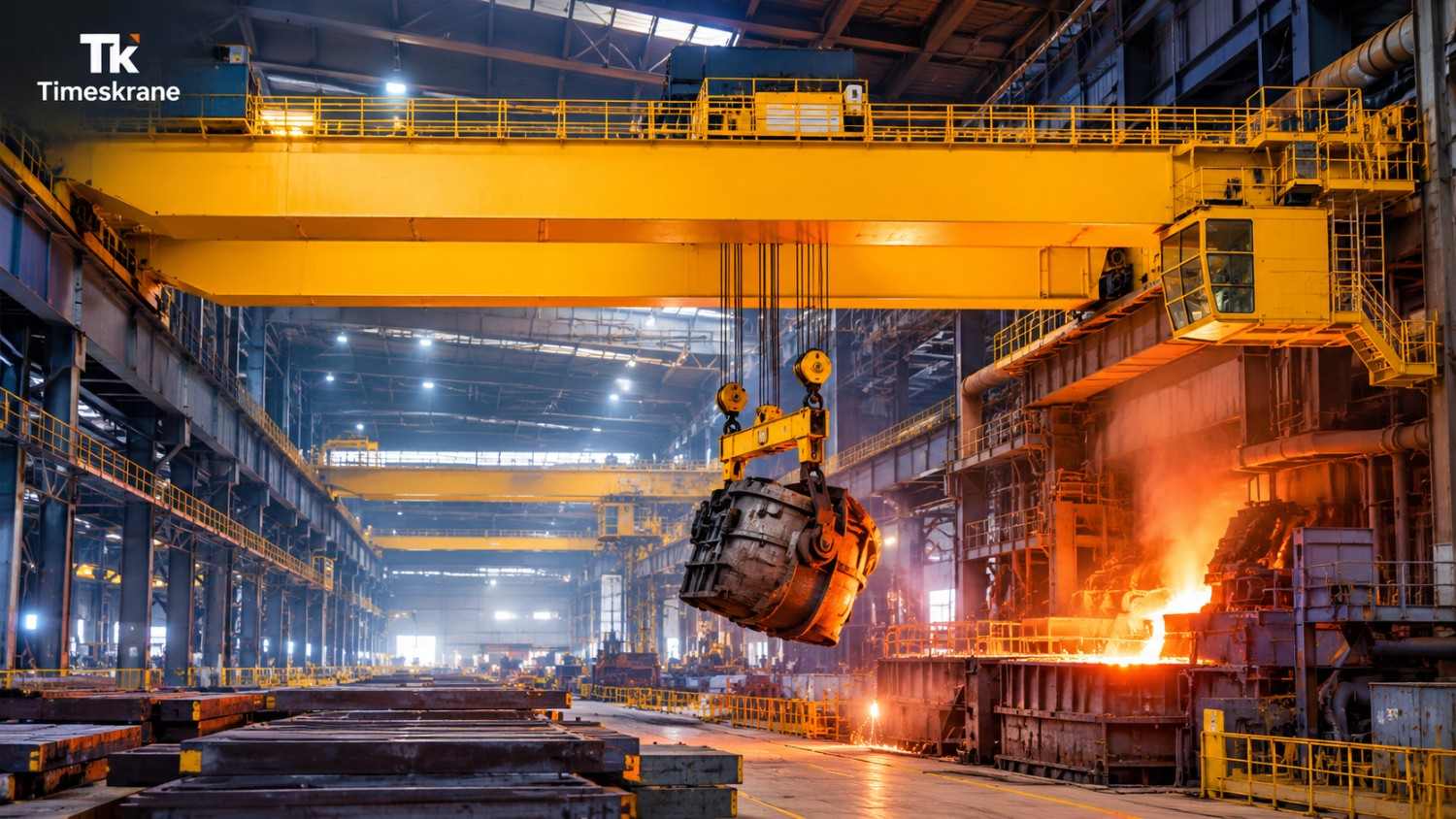
An honest breakdown of what makes a crane genuinely heavy duty for steel plant use, covering duty classification, capacity, and safety features buyers often miss.
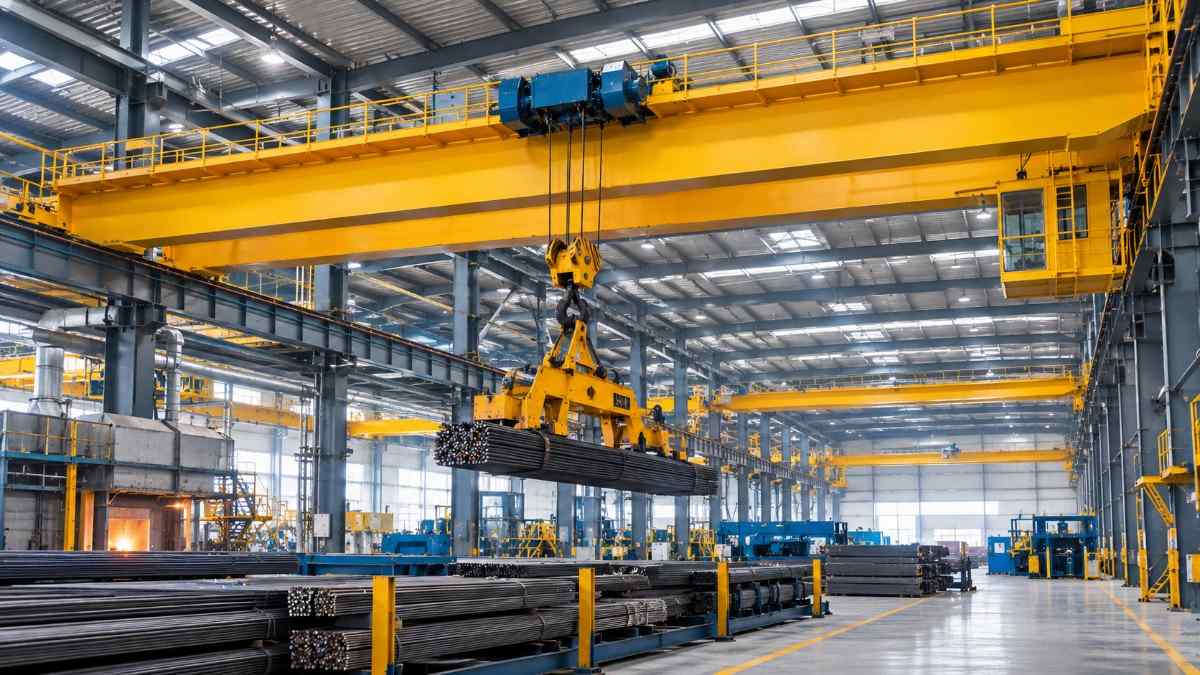
Finding the right steel plant crane manufacturer is perhaps the most important decision a procurement manager or plant owner will make. A poorly designed crane can increase both safety risks and downtime while excessively increasing maintenance costs.
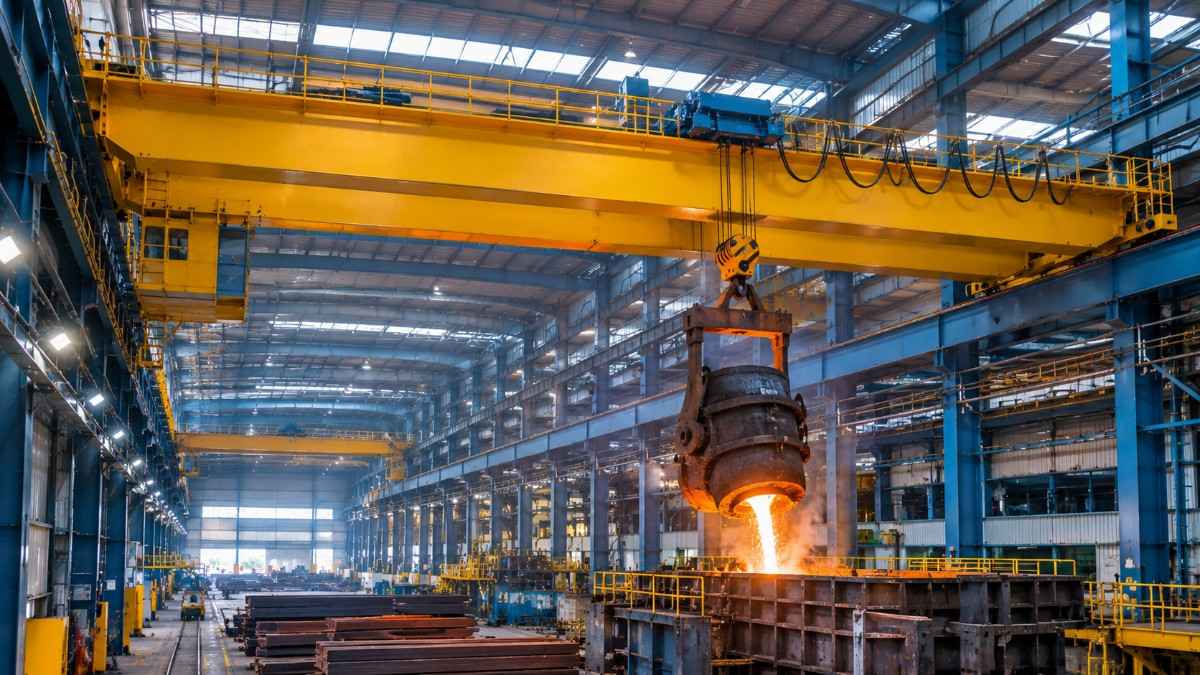
If you run or manage a steel plant, you already know that an overhead crane for steel plant operations is not a luxury. It is the backbone of your material handling process. From moving billets and coils to shifting ladles of molten metal, the right crane decides how smoothly your production line runs.
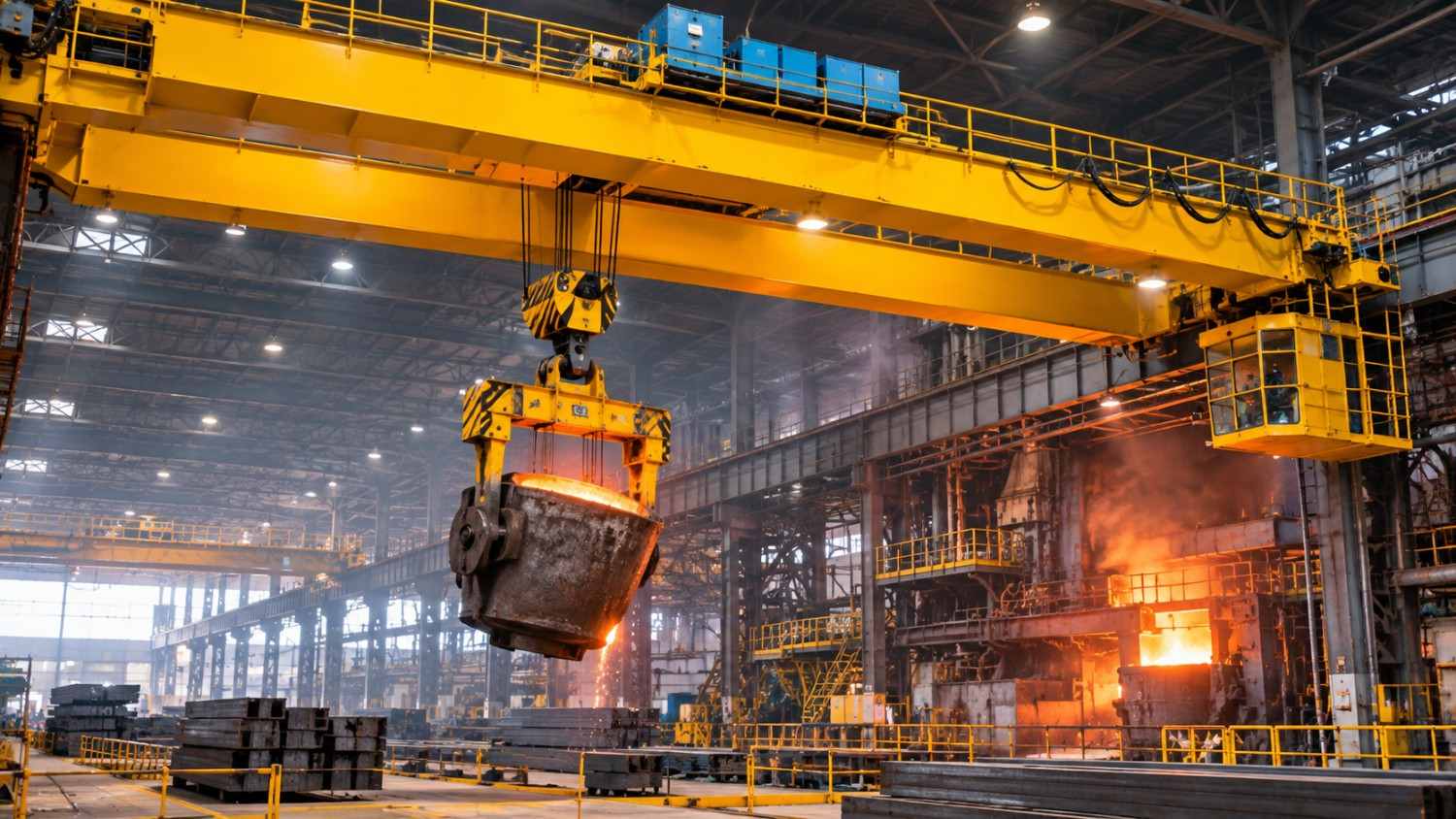
Discover how EOT cranes support steel plant operations, from material handling to molten metal lifting. Learn about crane types, duty classes, safety features, and how to choose the right EOT crane for your steel plant.
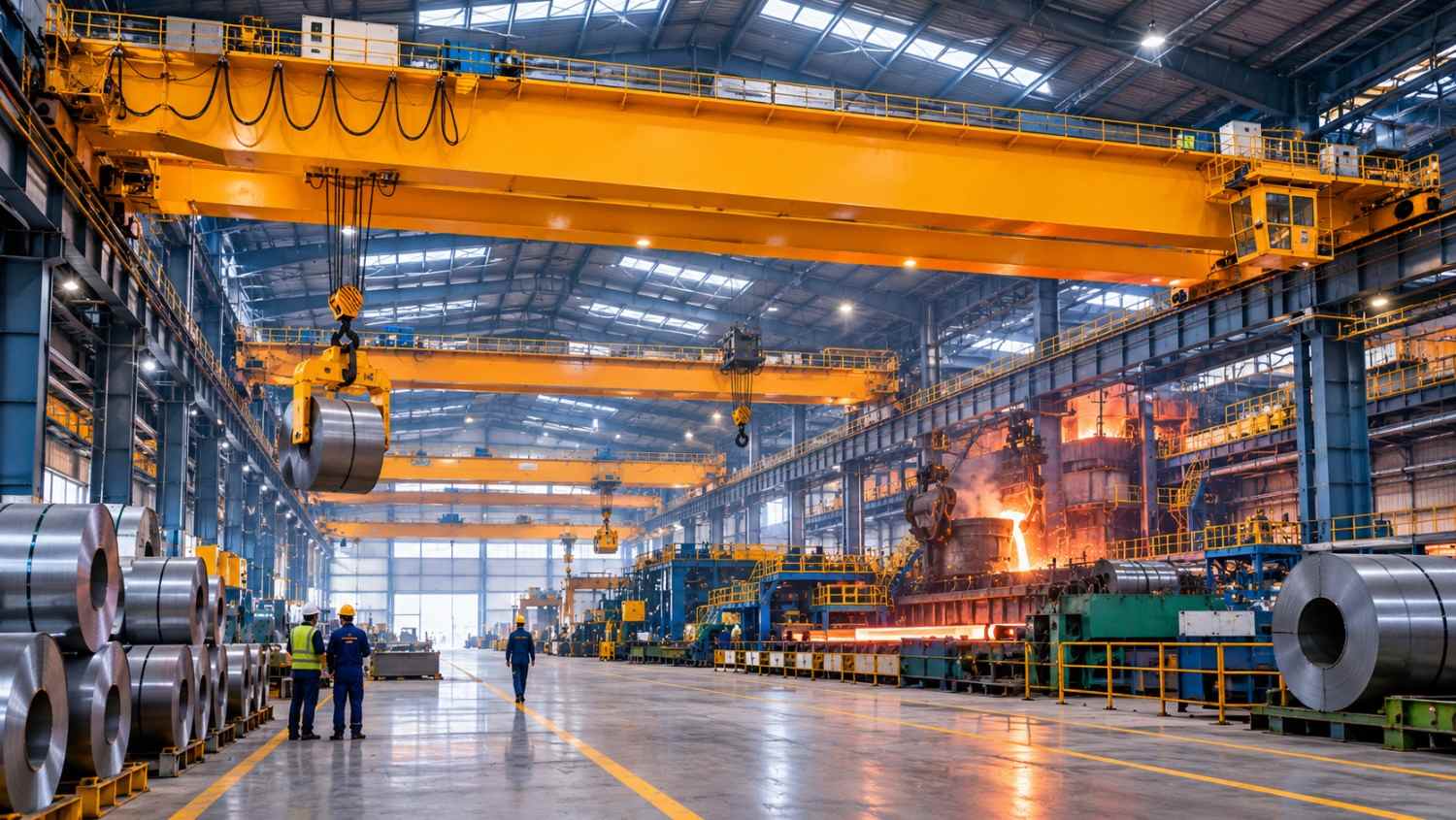
An honest, researched look at the top 5 crane manufacturers for steel plants in India, covering ladle, grab bucket, and coil handling cranes.
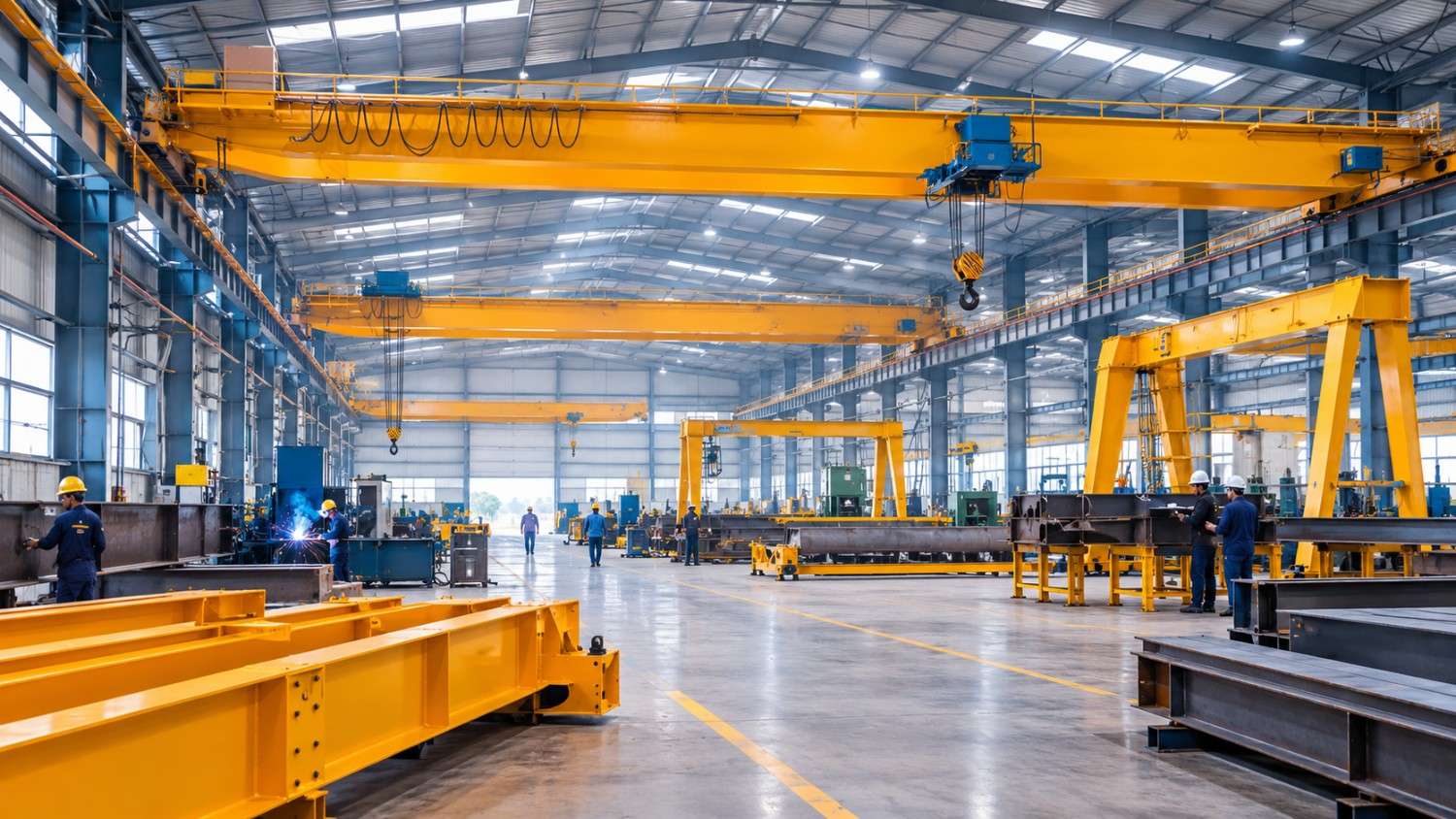
A real, researched look at the top 10 crane manufacturers in North India, covering Delhi NCR, Punjab, Haryana, UP, and Rajasthan, with what actually sets each one apart.
If you are looking for a 10 ton overhead crane for your factory or warehouse, the primary question that arises in your mind is whether this capacity will cater to your daily operations or it will turn out to be a useless and bulky addition to your storage.
Looking for a reliable partner for your next industrial project?