English
Contact
Configure
Catalog
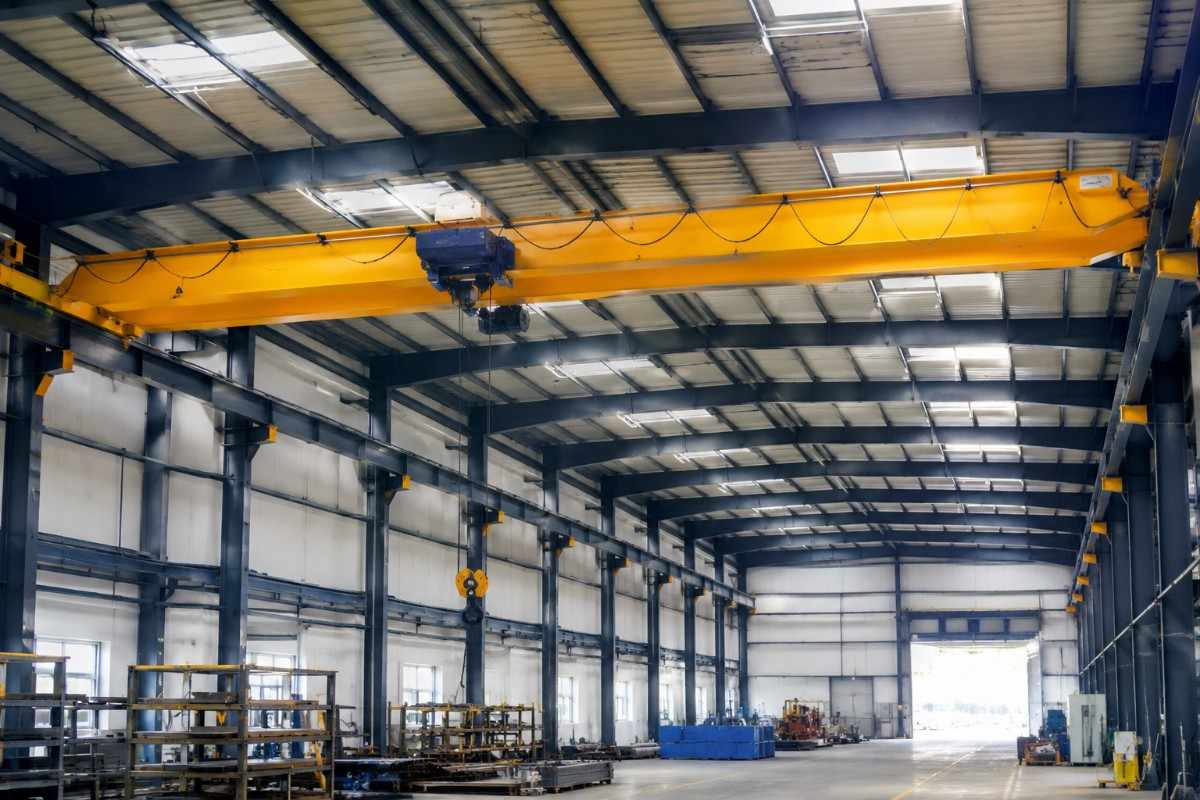
This guide breaks down everything that actually shapes an EOT crane price, without the vague numbers you find scattered online. You will learn what drives cost, which specifications matter, and how to avoid the mistakes that cost buyers time and money later.
An EOT crane's cost is never a single fixed figure. It depends on your building structure, girder type, span length, control system, and duty class.
Two factories asking for the same 1 ton capacity crane can receive very different quotes, simply because their headroom, runway length, and usage pattern differ. When I've worked with clients comparing quotes from multiple vendors, the biggest surprise for them is usually how much the building's existing structure affects the final configuration, and therefore the cost.
Rather than chasing a number, it helps to understand the components that go into that number. That is exactly what the next sections cover.
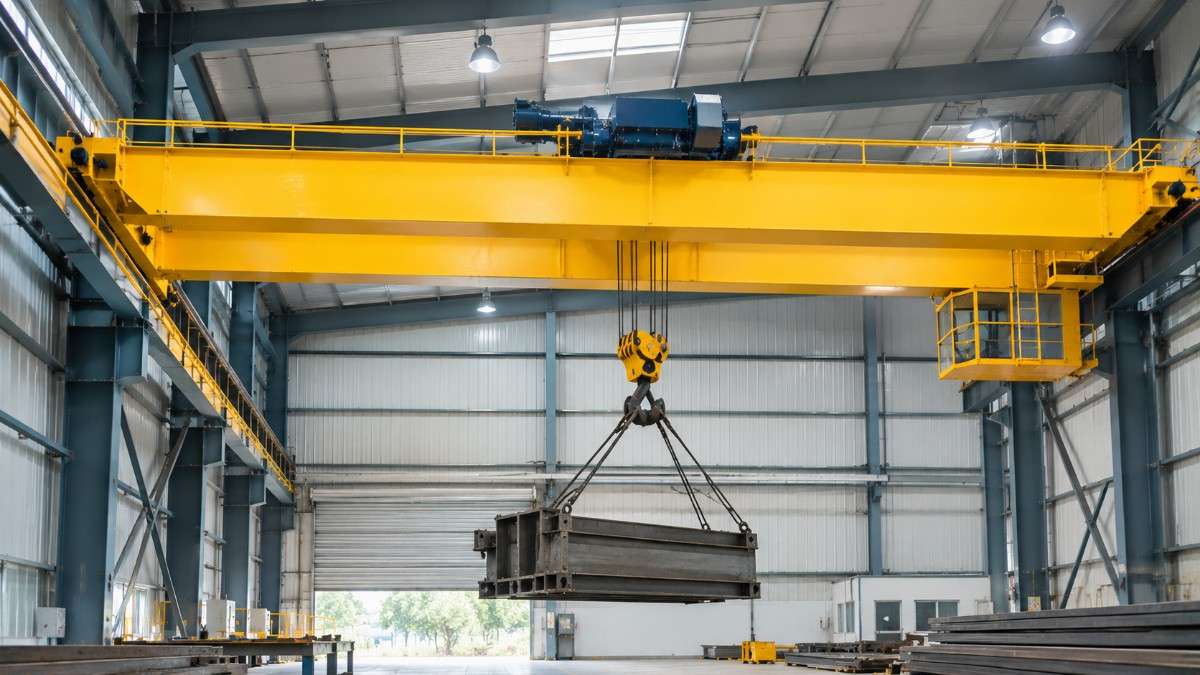
EOT crane full form stands for Electric Overhead Traveling Crane. It is a type of crane that runs on an elevated runway, using electrically powered motors to move loads horizontally and vertically.
Here is how it typically works:
This three-directional movement (up-down, side-to-side, and along the runway) is what makes EOT cranes so useful in manufacturing units, warehouses, and assembly lines.
Most buyers looking for a 1 ton capacity crane end up choosing a single girder EOT crane, and there is a good reason for that.
Single girder cranes use one main beam and are ideal for:
Double girder cranes use two parallel beams and are generally reserved for:
For 1 ton applications, a single girder configuration is almost always the practical choice. This directly affects the single girder EOT crane price, since it requires less steel, fewer components, and simpler installation compared to a double girder setup.
Before requesting a quote, it helps to understand the EOT crane parts name list. One thing many buyers overlook is that pricing conversations become much easier once you know what you are actually paying for.
Key components include:
| Part Name | Function |
|---|---|
| Bridge Girder | Main horizontal beam supporting the trolley |
| End Carriage | Connects the girder to the runway wheels |
| Hoist | Lifts and lowers the load |
| Trolley | Moves the hoist across the girder |
| Crane Runway | Rail system the crane travels on |
| Electrical Panel | Controls power distribution and safety cutoffs |
| Pendant or Radio Control | Operator interface for crane movement |
| Limit Switches | Safety devices preventing over travel |
Each of these parts comes in different grades and specifications, and that variation is a major reason why EOT crane price figures differ so widely between vendors.
Here are the practical factors that shape your final quote:
1. Span and Height of Lift
A longer span or higher lift naturally requires stronger structural components.
2. Duty Class
Cranes rated for continuous heavy use (as per FEM or CMAA duty classifications) cost more than those built for occasional, light use.
3. Control Type
Pendant-operated cranes are generally more economical than radio remote or cabin-operated versions.
4. Motor and Gearbox Brand
Imported or premium motor brands increase cost but often improve longevity.
5. Civil Structure Readiness
If your factory already has a compatible runway structure, you save on structural fabrication.
6. After Sales Support
Manufacturers offering on site installation, commissioning, and AMC packages typically build that value into the quote.
I've noticed that buyers who skip evaluating these factors upfront often end up requesting revised quotes two or three times before finalising, which delays the entire project timeline.
Follow this checklist before reaching out to any EOT crane manufacturer:
Completing this checklist before you contact a supplier makes the entire quotation process faster and far more accurate.
Mistake 1: Focusing only on the lowest quote
A cheaper crane with a lower duty class rating can wear out quickly under continuous use, leading to higher maintenance costs later.
Mistake 2: Ignoring civil structure compatibility
When I've reviewed failed installations, a large number trace back to runway structures that were not properly assessed beforehand.
Mistake 3: Skipping safety certifications
Always confirm compliance with relevant Indian and international safety standards before finalising any order.
Mistake 4: Underestimating future capacity needs
If your production is likely to scale up, it is often more practical to plan slightly ahead rather than upgrading again within a couple of years.
1 ton EOT cranes are widely used across:
From practical use, this capacity range tends to suit facilities handling parts, sub-assemblies, and packaged goods rather than raw heavy materials.
Benefits:
Challenges:
One thing I always tell first-time buyers is to visit an existing installation if possible. Seeing a crane of similar capacity in operation gives a much clearer picture than technical specification sheets alone.
Another practical tip: ask your manufacturer about spare parts availability in your region. A crane sitting idle for weeks due to unavailable spares affects productivity far more than the initial cost ever would.
Industry bodies such as the Bureau of Indian Standards (BIS) and international frameworks like ISO 4301 provide useful reference points for duty classification, and it is worth checking whether your shortlisted manufacturer aligns with these standards.
Times Krane, based in Faridabad, Haryana, manufactures single girder and double girder EOT cranes designed around real factory conditions across India. Our team works closely with buyers to assess span, structure, and duty requirements before recommending a configuration, so you get a crane suited to your actual operations rather than a generic setup.
If you are evaluating an EOT crane 1 ton price for your facility, our engineers can walk you through the specification process and share a detailed quote based on your exact site conditions.
Understanding what shapes EOT crane 1 ton price puts you in a much stronger position when comparing suppliers. Instead of chasing the lowest number, focus on span accuracy, duty class, and structural compatibility, since these decide how well your crane performs over the years.
If you would like a detailed assessment for your facility, the team at Times Krane is available to guide you through the specification and quotation process based on your actual site requirements.
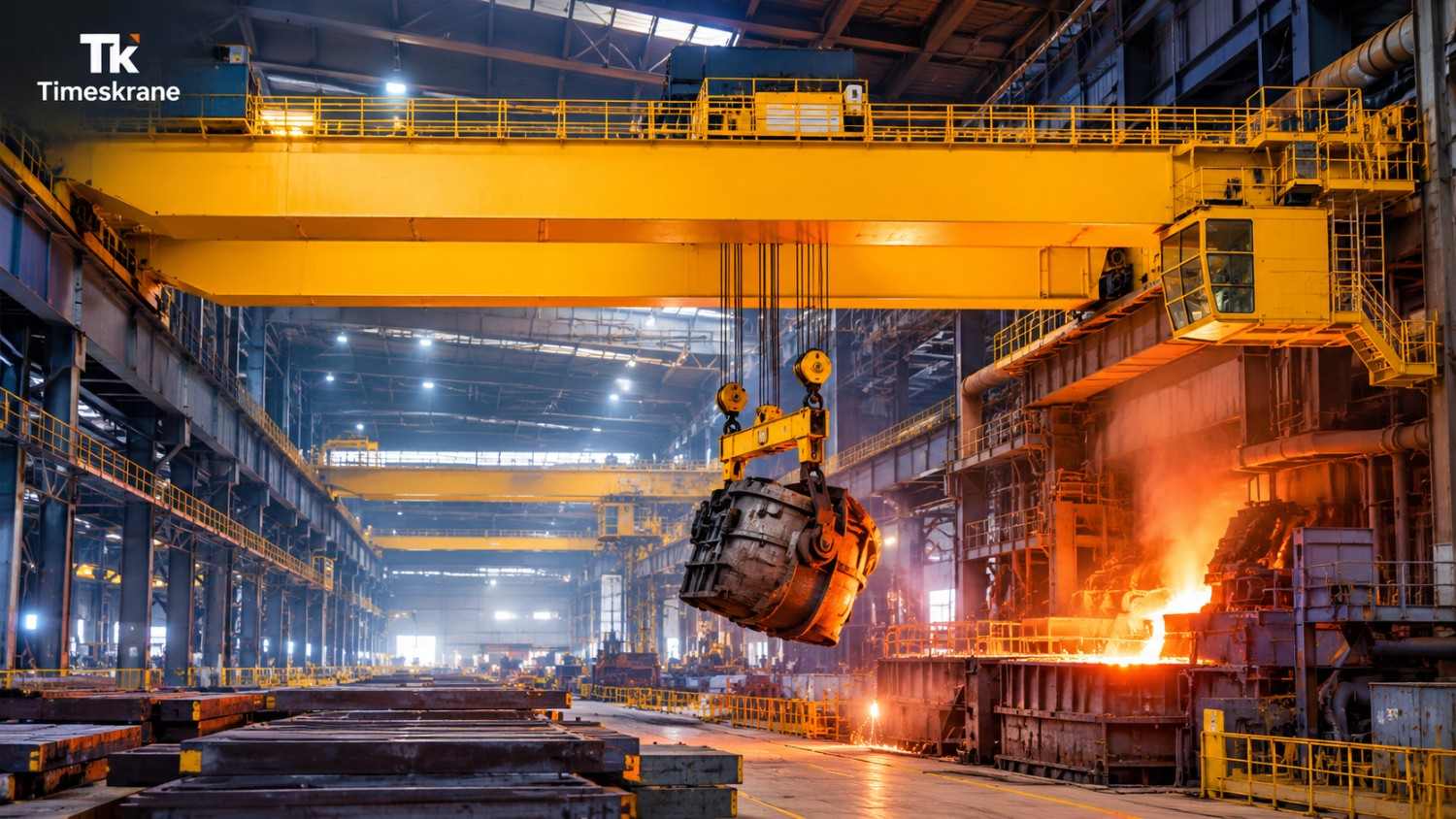
An honest breakdown of what makes a crane genuinely heavy duty for steel plant use, covering duty classification, capacity, and safety features buyers often miss.
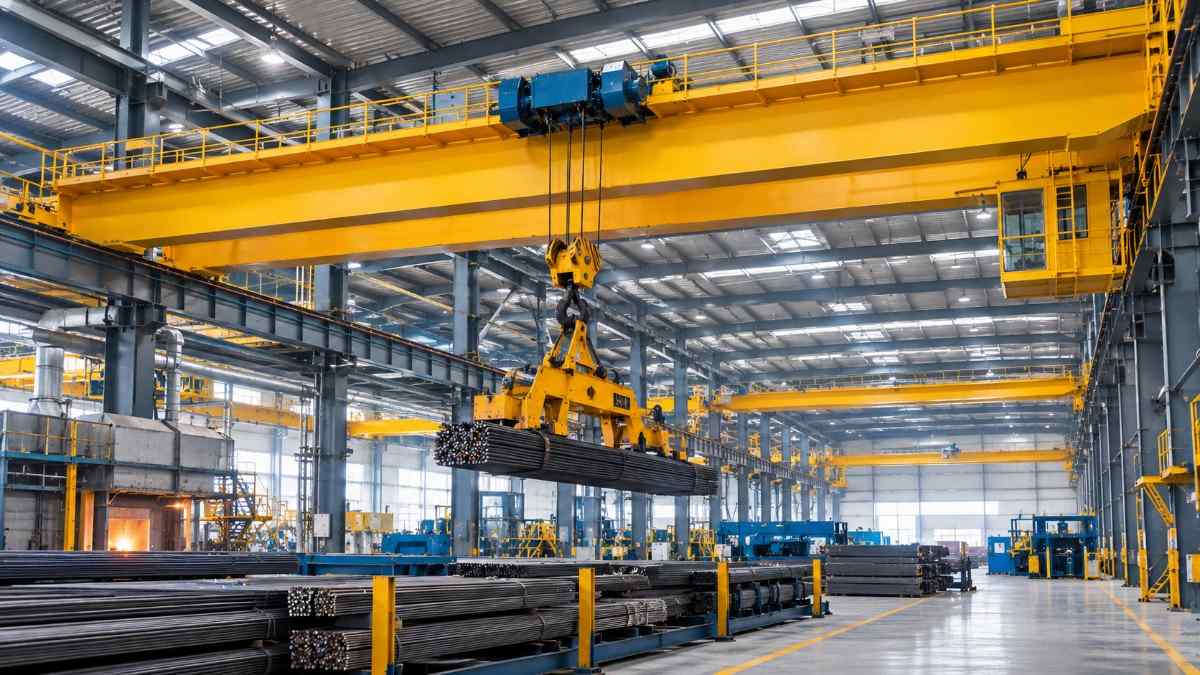
Finding the right steel plant crane manufacturer is perhaps the most important decision a procurement manager or plant owner will make. A poorly designed crane can increase both safety risks and downtime while excessively increasing maintenance costs.
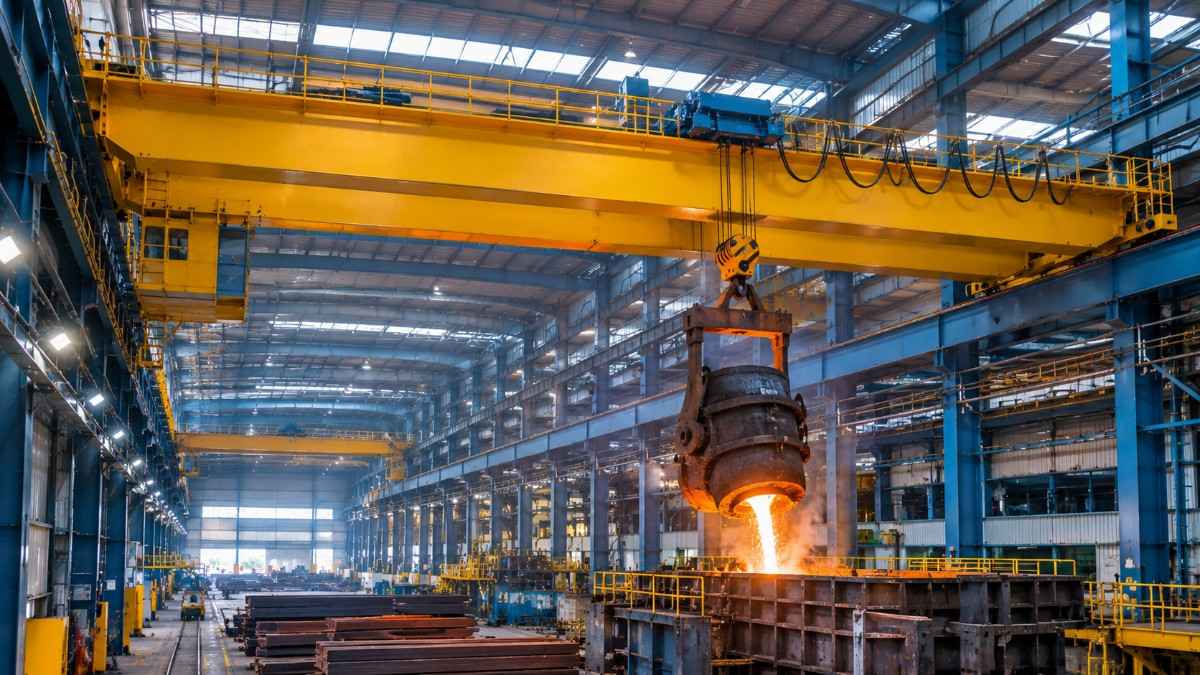
If you run or manage a steel plant, you already know that an overhead crane for steel plant operations is not a luxury. It is the backbone of your material handling process. From moving billets and coils to shifting ladles of molten metal, the right crane decides how smoothly your production line runs.
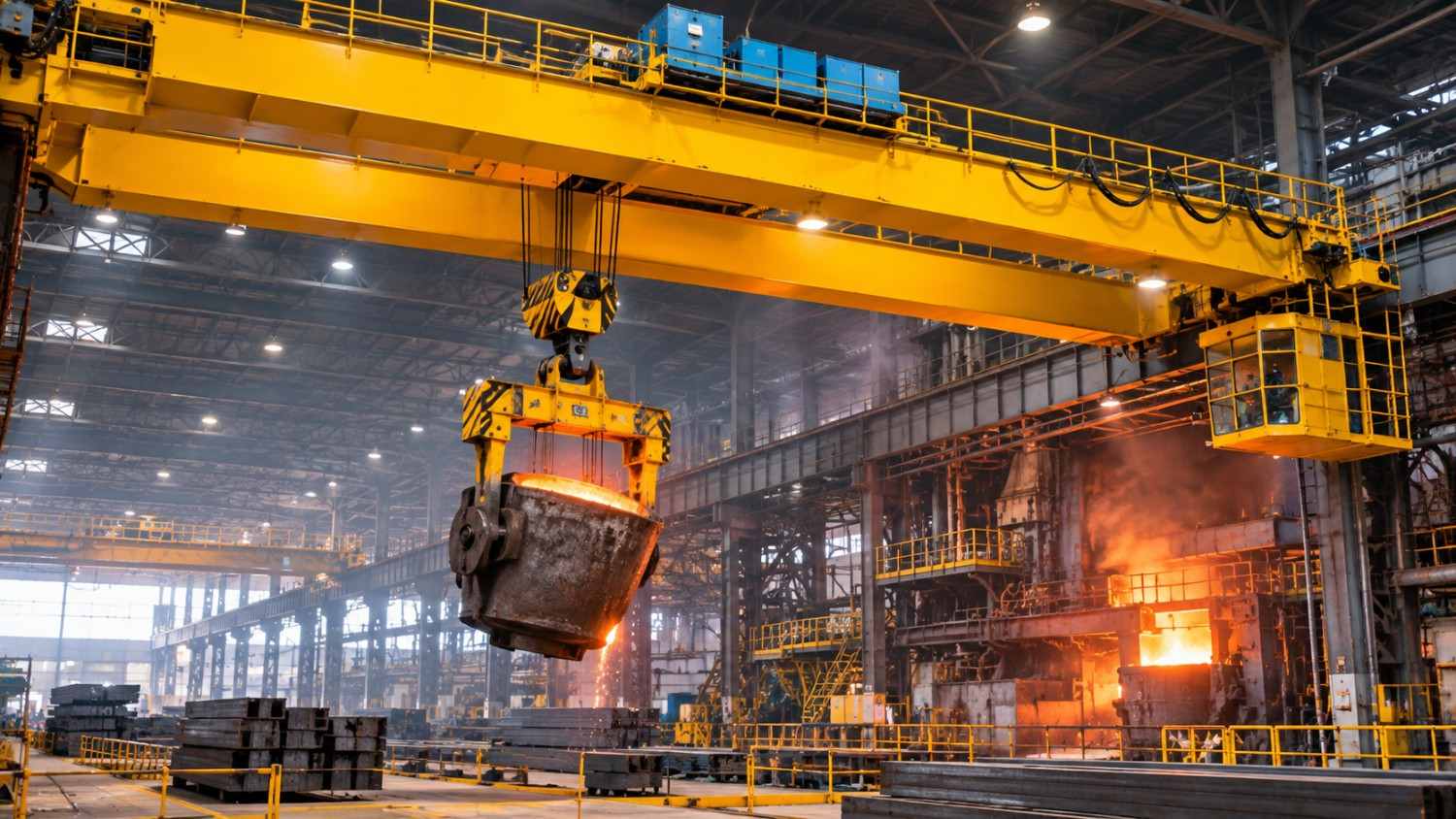
Discover how EOT cranes support steel plant operations, from material handling to molten metal lifting. Learn about crane types, duty classes, safety features, and how to choose the right EOT crane for your steel plant.
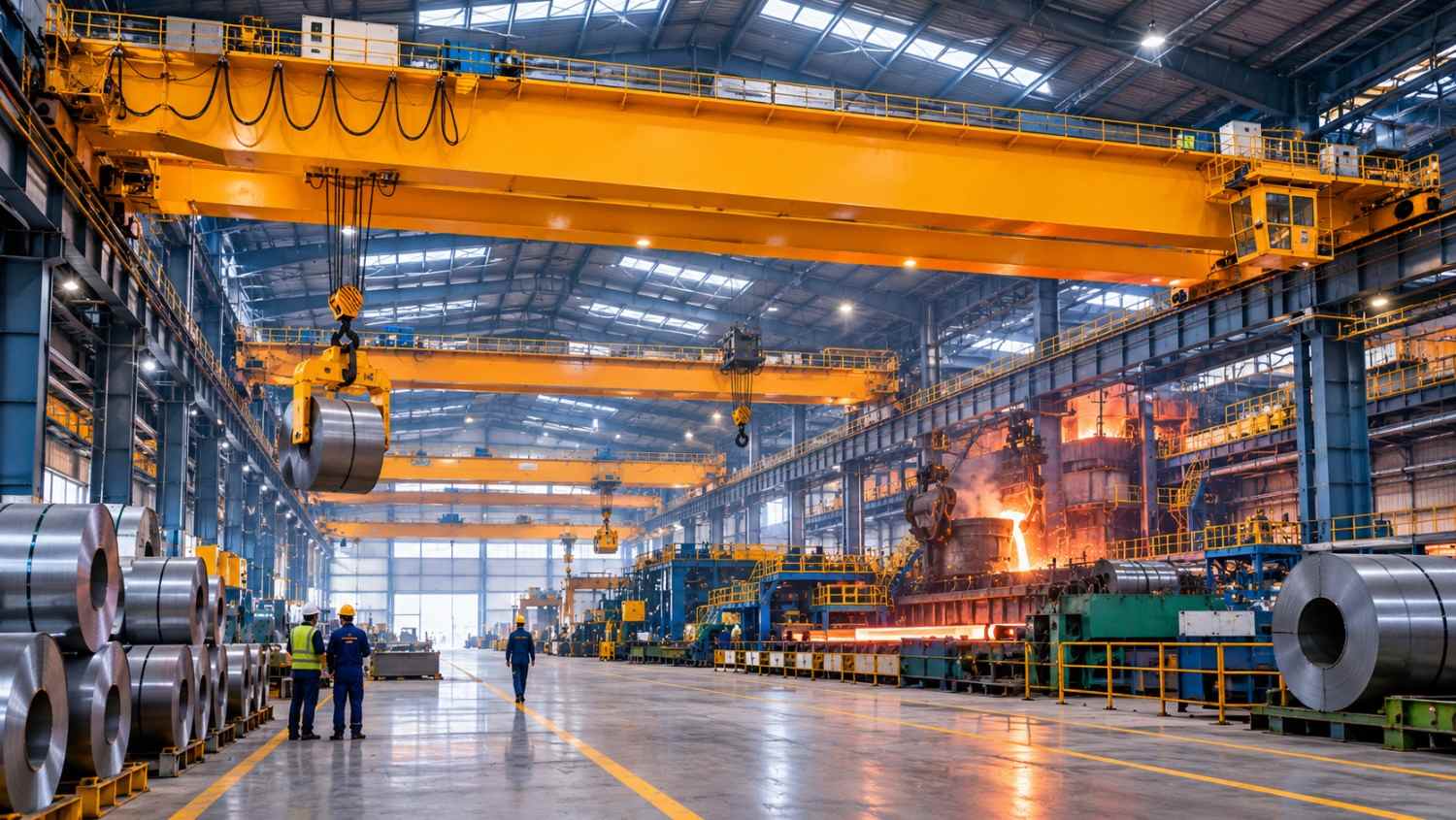
An honest, researched look at the top 5 crane manufacturers for steel plants in India, covering ladle, grab bucket, and coil handling cranes.
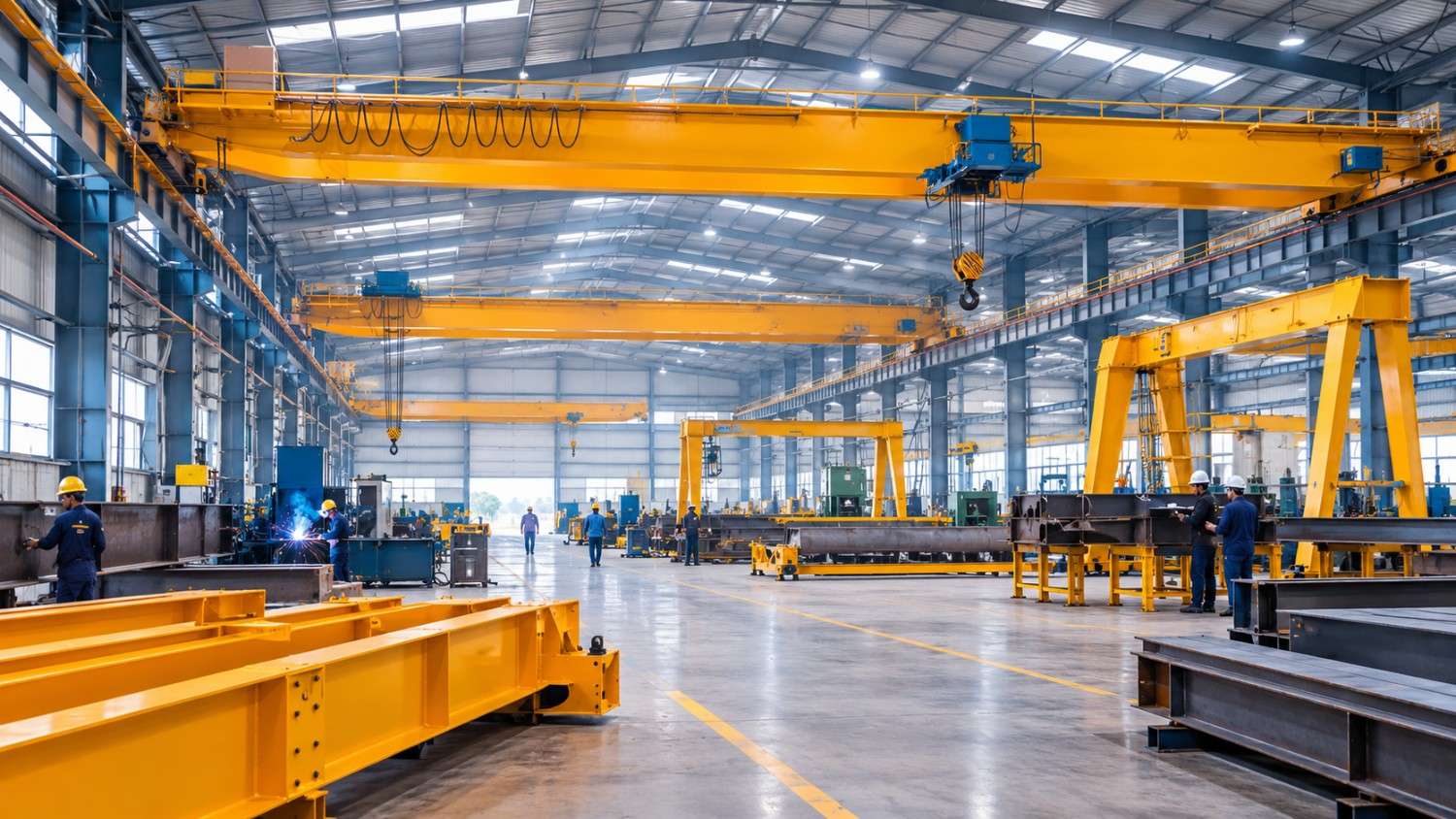
A real, researched look at the top 10 crane manufacturers in North India, covering Delhi NCR, Punjab, Haryana, UP, and Rajasthan, with what actually sets each one apart.
If you are looking for a 10 ton overhead crane for your factory or warehouse, the primary question that arises in your mind is whether this capacity will cater to your daily operations or it will turn out to be a useless and bulky addition to your storage.
Looking for a reliable partner for your next industrial project?