English
Contact
Configure
Catalog
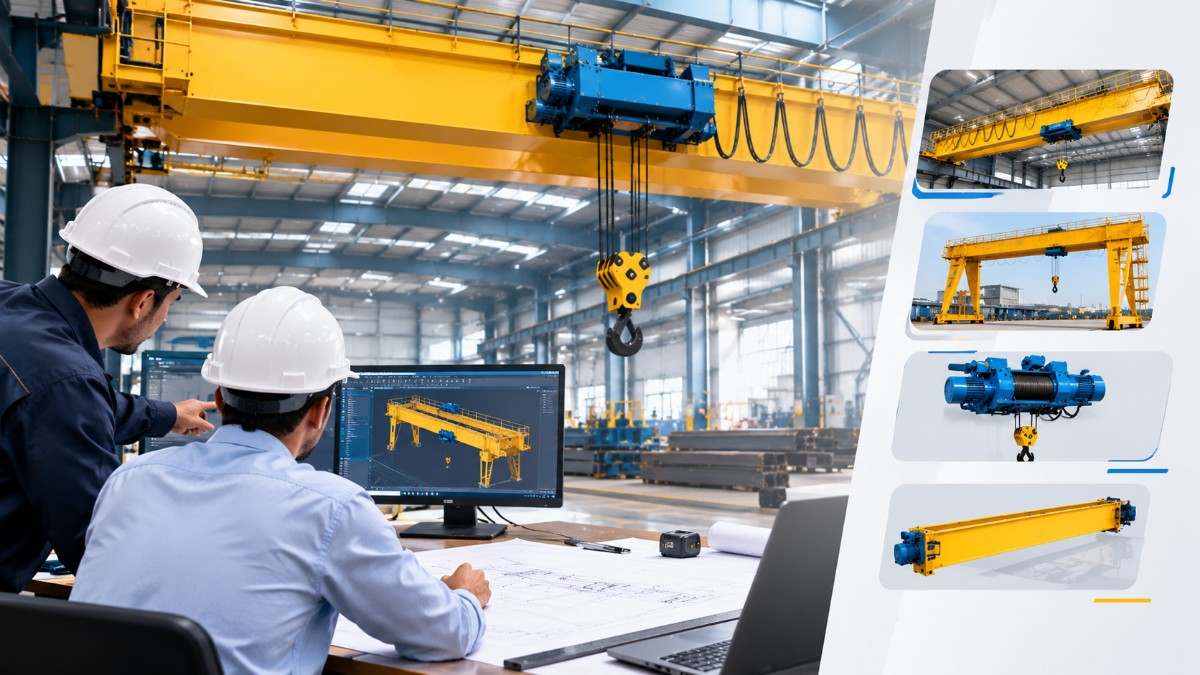
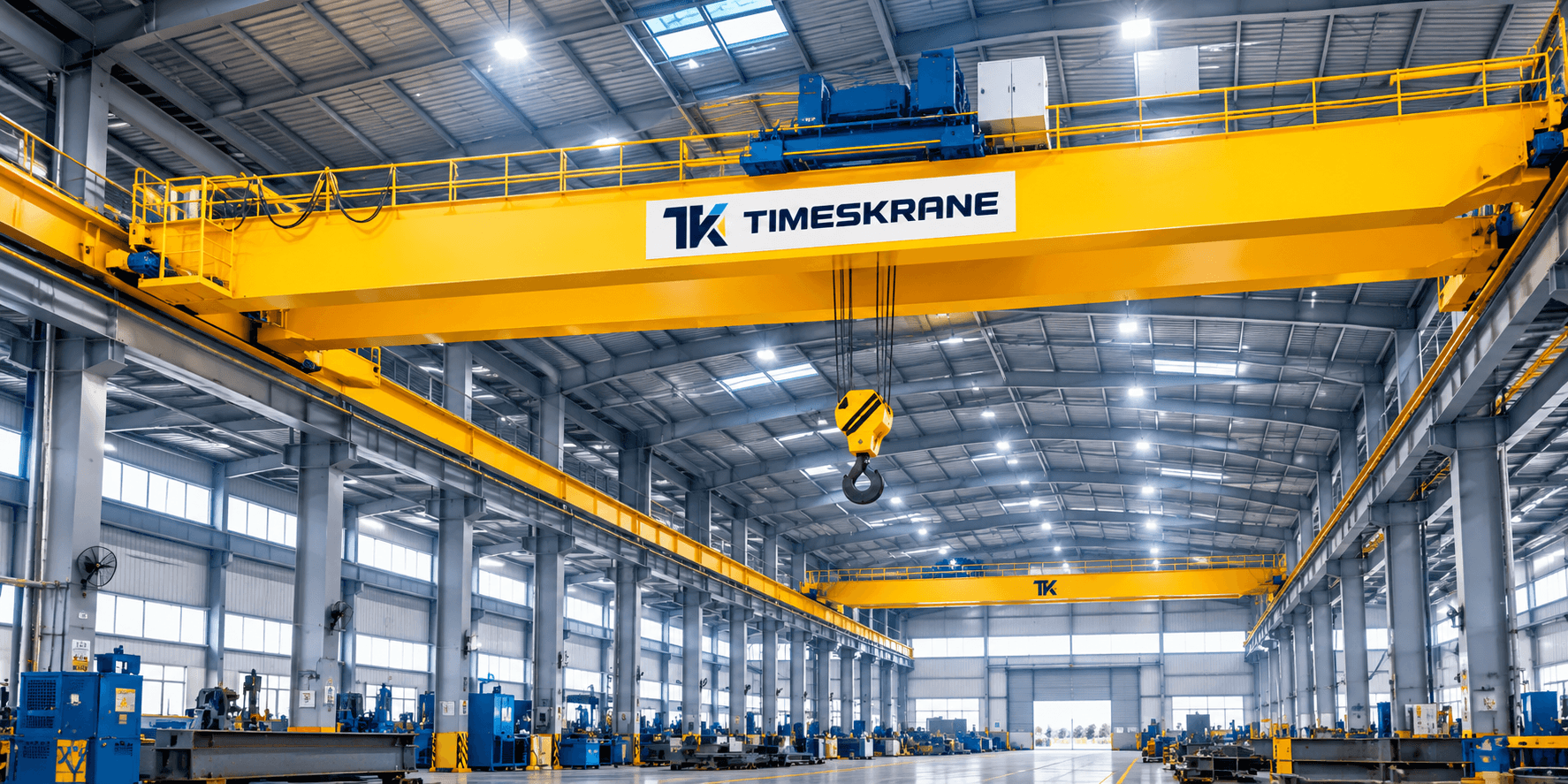
That gap between the catalog and the shop floor is where a tailored crane solution manufacturer does its real work. At Timeskrane, we design, fabricate, install and service overhead cranes, hoists and light crane systems around the constraints of your plant, from roof height and runway length to duty cycle and operating environment.
This page explains what tailoring changes, how we build a crane around a site, and which products and services sit under it. If you are still comparing industrial crane manufacturers in India, the sections below show where customization decides the outcome.
In my experience, most crane problems on a shop floor trace back to a mismatch decided at the enquiry stage, not to a fault in the machine. A crane chosen on capacity alone will lift the load and still foul the roof truss, leave a corner of the bay uncovered, or wear out early because nobody classified the duty properly.
Five inputs decide whether a standard model is enough:
When two or more of these inputs push against the catalog, a tailored design usually serves the plant better over the life of the crane than a standard unit forced into the wrong space.
Every project follows the same six steps, and the first one happens on your site, not on our drawing board.
Our range runs from a single-workstation lift to a heavy-duty bay crane. Each product below can be configured to your span, height, duty and control requirements. You can see the full overview on our EOT cranes page.
Single girder cranes suit workshops, assembly bays and warehouses where loads are light to medium and the building cannot carry much extra weight. We build them for capacities up to 16 tons, spans from 4 m to 30 m and hook paths up to 25 m, with duty classes from M1 to M8.
The bolted main and end beam construction keeps transport, installation and spare part replacement simple. They are not meant for molten metal, explosive atmospheres or corrosive gases, and I would rather say that on the first call than discover it at commissioning. Details are on the single girder crane page.
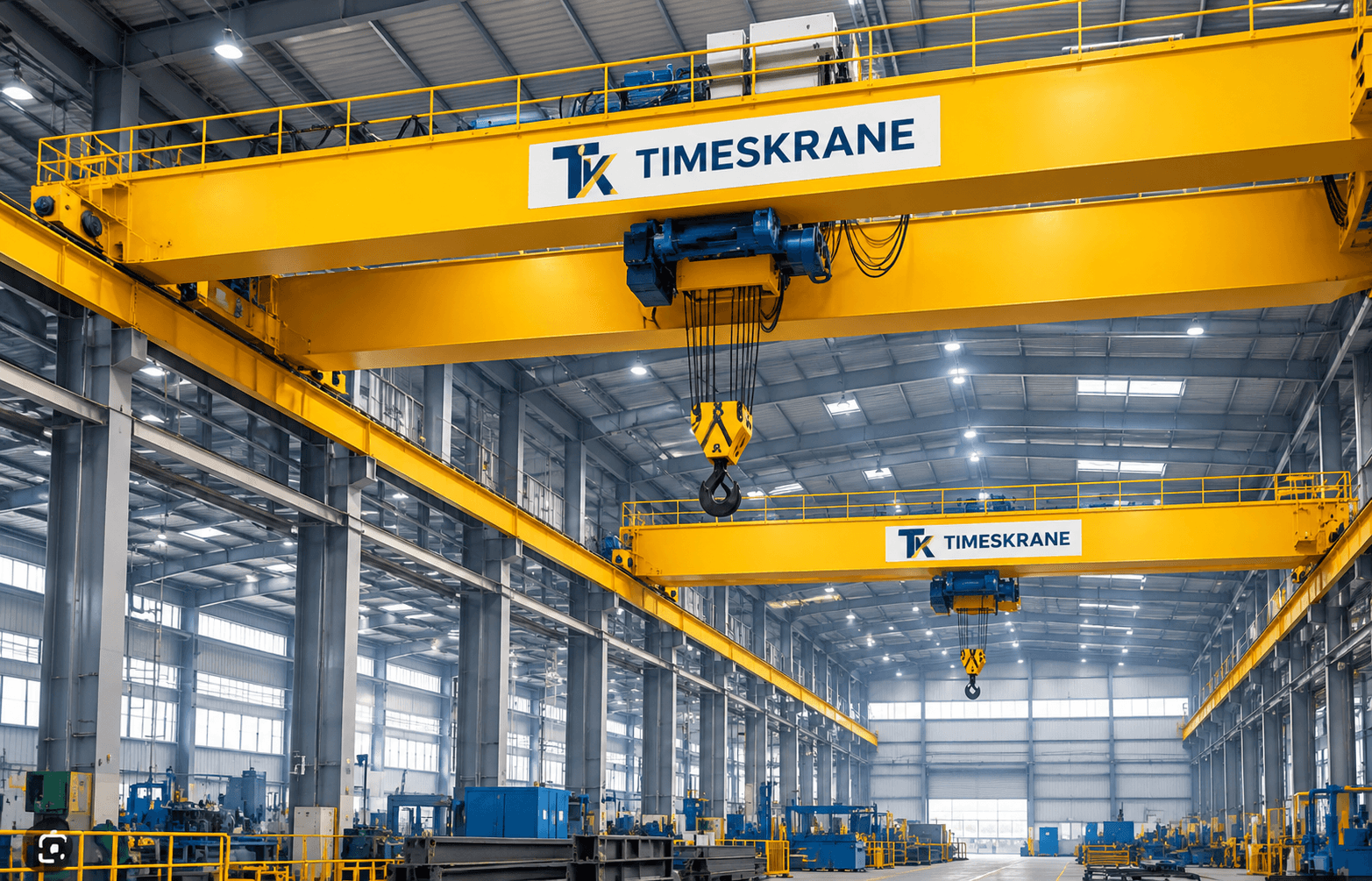
Two beams carry larger capacities and heavier duty, which makes double girder cranes the usual choice for steel, heavy fabrication and continuous production bays. Our range reaches 50 tons, spans from 7 m to 35 m and hook paths up to 40 m, again across M1 to M8.
Variable speed control comes as standard on our cranes, so heavy loads can be positioned with precision. See the double girder crane page for the specification.
An underslung crane runs below the roof structure, which makes it the practical answer for low headroom and for buildings where the floor must stay clear. We build them for capacities up to 10 tons, spans from 3 m to 15 m and hook paths up to 25 m, with duty classes from M1 to M6. The underslung crane page has the full details.
Jib cranes serve a single workstation, a machine tool or an assembly point without needing the building to carry a runway. Our pillar mounted and wall mounted slewing jibs cover capacities up to 5 tons, outreach from 2 m to 6 m and slewing up to 360 degrees.
For rows of adjacent workstations, our EKWK wall mounted travelling cranes reach outreaches up to 12 m with capacities up to 6.3 tons, controlled by pendant or radio. Browse the jib crane page for the variants.
When a plant layout changes often, a modular system beats a fixed bridge. Our KBK light crane systems are built from Demag components that combine into suspension monorails, single and double girder suspension cranes, overhung and extending cranes, cranes for manipulators, stacker cranes and portal cranes.
The KBK Aluline range uses lightweight aluminum profiles for ergonomic push-travel handling up to 2,000 kg. Extending or reconfiguring the system later means adding components, not starting over. More is on the KBK Aluline page.
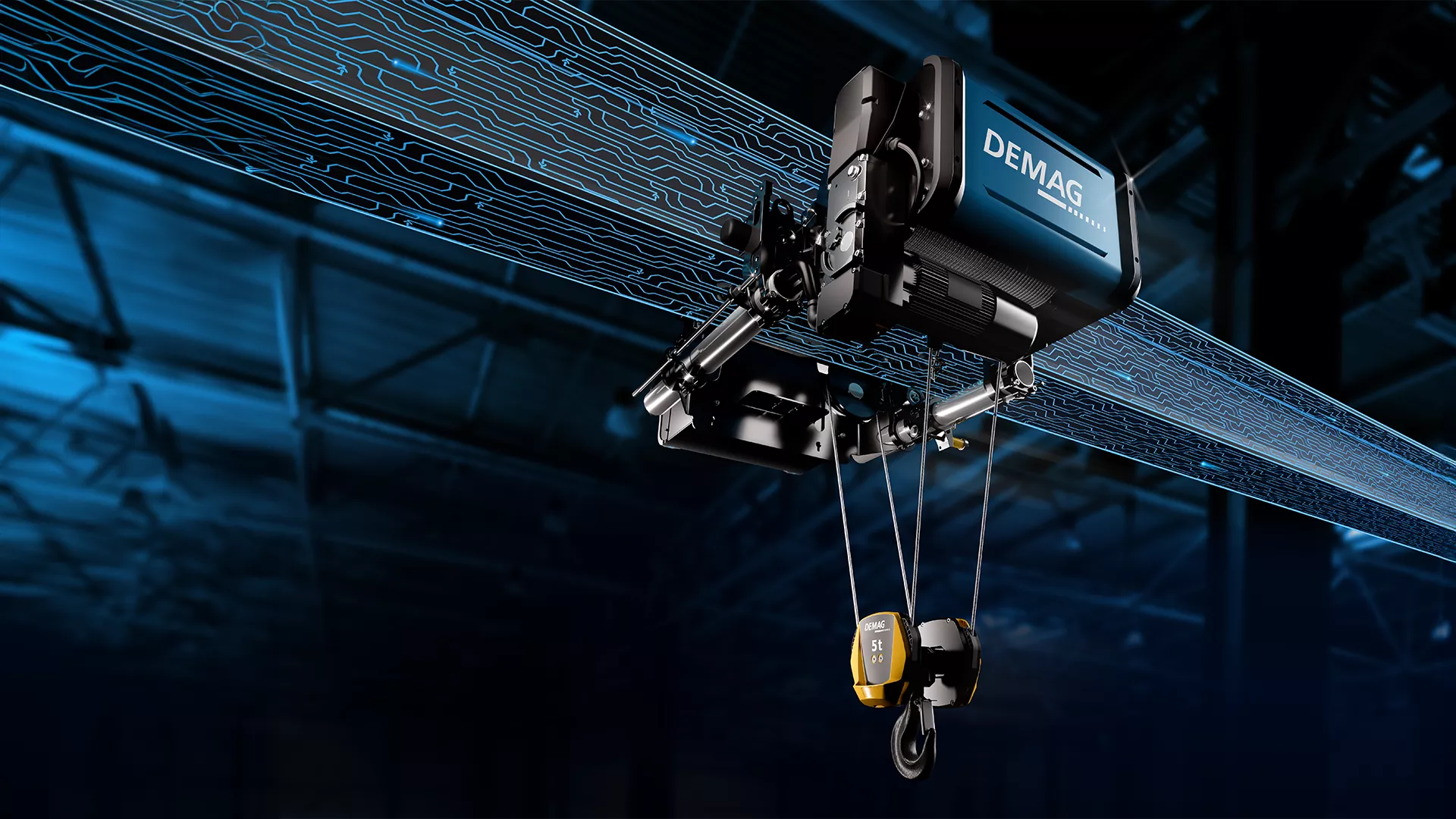
The hoist decides how a crane feels in daily use. Our Demag rope hoists cover loads from 1 ton to 100 tons with lifting heights up to 104 m, including the DHR, DVR and DH hoist units.
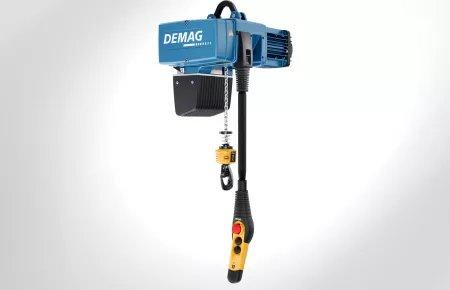
For lighter and more frequent lifts, our Demag chain hoists include the DC-Pro and DCS-Pro series, Manulift models for single-handed load handling, DCBS hoists with a balancer function and low-headroom travelling hoists.
Standard features cover most jobs. The options below are what turn a general crane into your crane:
Our cranes serve manufacturing, engineering and construction sectors across India, and the same tailoring logic carries across them.
A crane is a long-cycle asset, and what happens after commissioning decides how those years go. Timeskrane stays involved after handover through the following services:
I’ve noticed that plants with a written inspection routine catch brake wear and limit switch drift weeks before they turn into stoppages. That is the reason we pair every new crane with a maintenance plan instead of leaving it as an afterthought.
A good brief shortens the design stage and removes most of the back and forth. Share as many of these as you can:
If you are still deciding between crane types, our guide on how to choose the right industrial crane walks through each of these inputs in more detail.
Our story starts in 1988 with industrial process equipment. In 2010 we began our association with Demag cranes and components on a PAN India basis, and in 2012 we set up our fabrication shop in Faridabad as an authorised Demag crane builder and partner in North India.
Our TK Crane brand, launched in 2012 for EOT crane manufacturing, grew from that base. Over 35 years of industrial experience means we have seen how cranes behave after the sales visit ends, and that shapes how we scope a project. I would rather size a crane accurately than promise something your building cannot carry.
What decides the price of an electric wire rope hoist in India: capacity, lift height, duty class, speed, trolley type and controls. Share your duty details and get a clear quotation from Timeskrane.
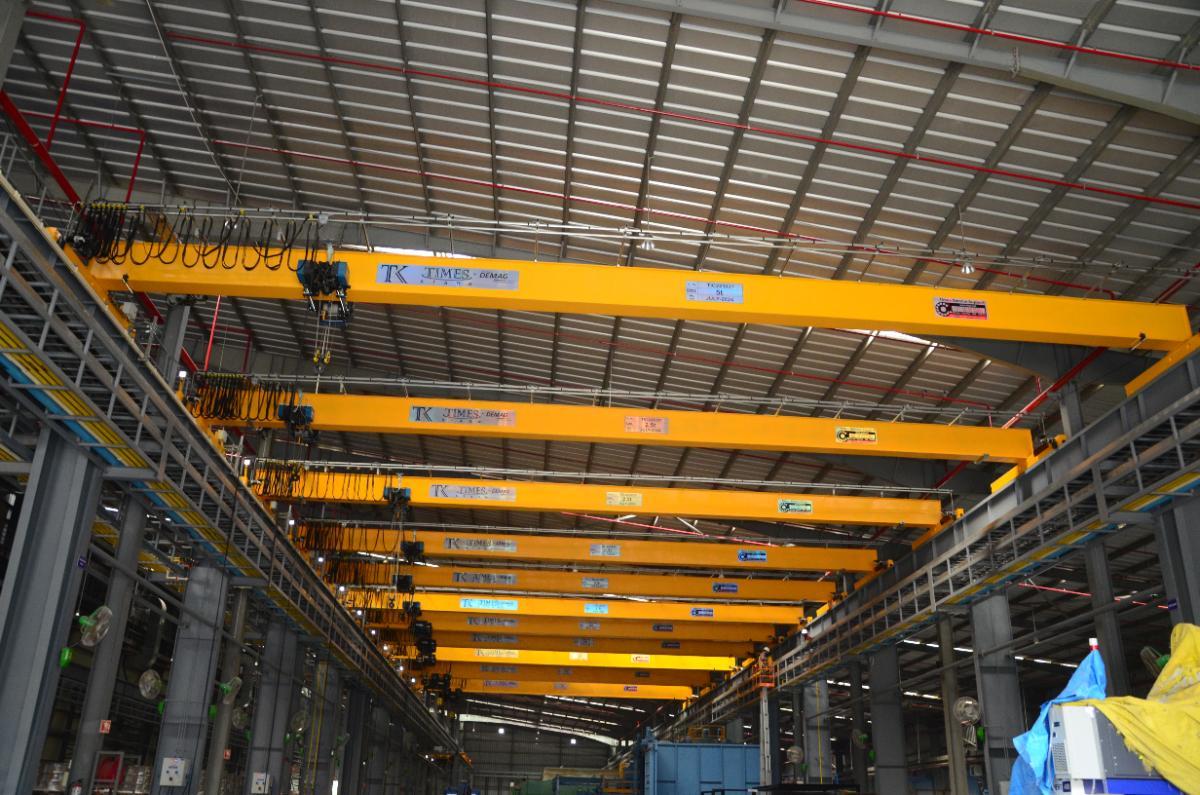
Timeskrane designs and builds underslung (underhung) EOT cranes for workshops, assembly lines and warehouses where headroom and building load are limited. Get a layout-based quotation from our engineers.
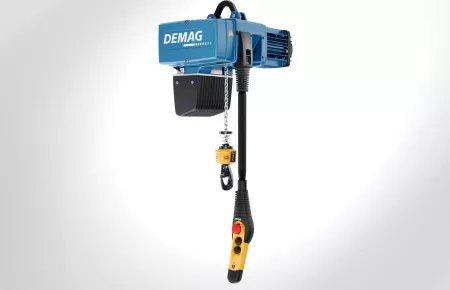
Understand electric chain hoist price in India by capacity, lift height, speed, trolley type and duty. Share your requirement with Timeskrane for an accurate quotation.
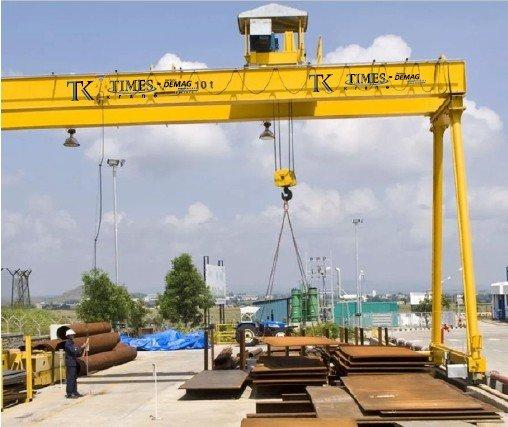
Timeskrane manufactures semi gantry cranes in India for workshops, yards and plants where one side runs on a floor rail and the other on a building runway.
EOT crane manufacturer in Mandi Gobindgarh: crane types, key specs and supplier checks for steel mills and rolling units.
EOT crane manufacturer in Agra: crane types, key specs and supplier checks for foundries and industrial plants.
EOT crane manufacturer in Lucknow: crane types, key specs and supplier checks for industrial plants.
Looking for a reliable partner for your next industrial project?