English
Contact
Configure
Catalog
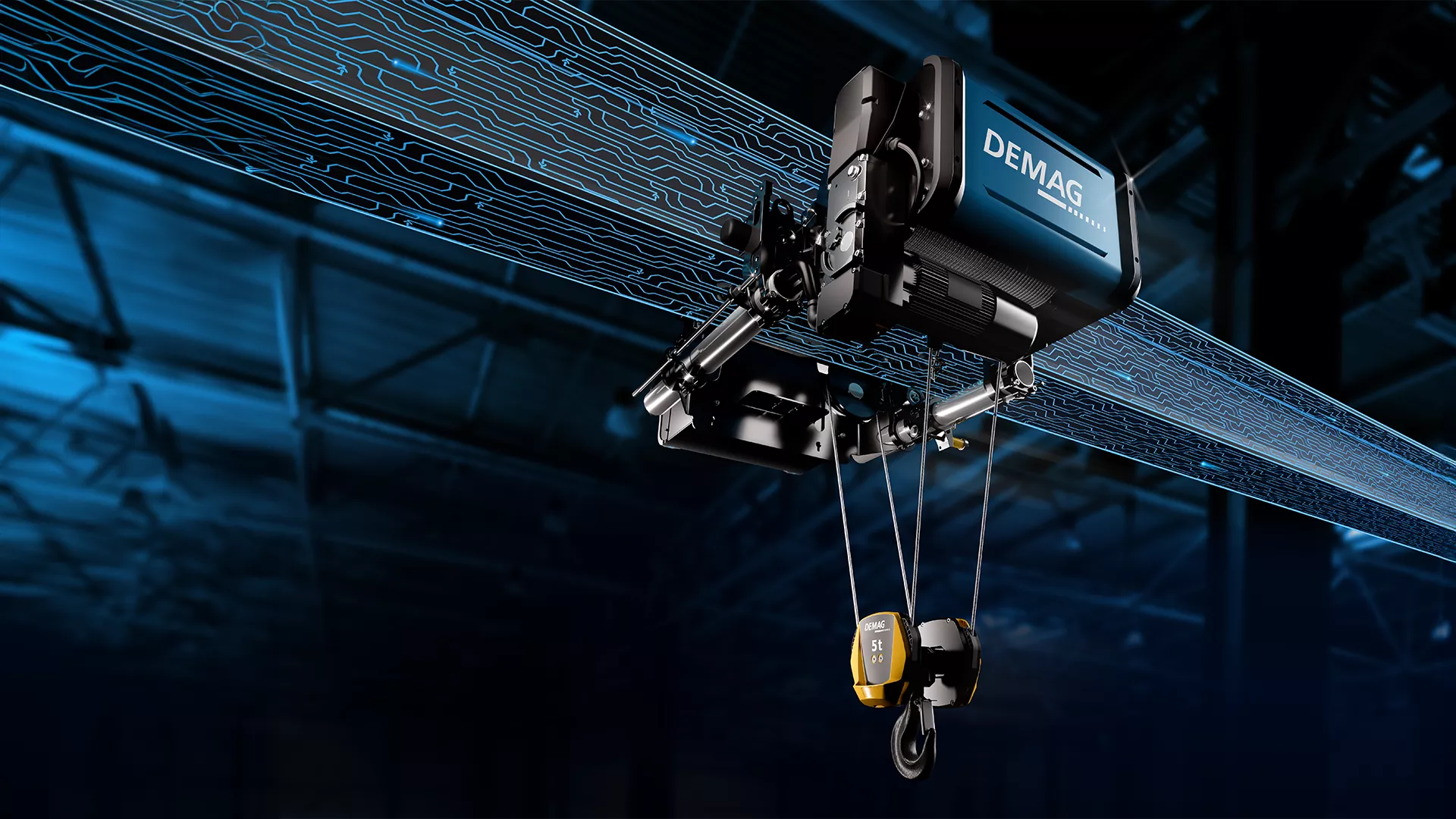
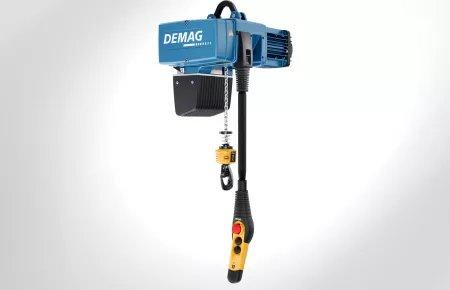
The wire rope hoist price in India is not one fixed number. Two hoists that both say 5 tonnes can differ widely in cost because of lift height, duty class, speed, trolley type, controls and the quality of the brake, motor and rope inside. This page explains what drives the price of an electric wire rope hoist, how to compare quotations fairly, and what information you should give your supplier so the quotation matches your real job. It is written for plant managers, maintenance heads and purchase teams who need a hoist for an EOT crane, a gantry, a jib or a monorail.
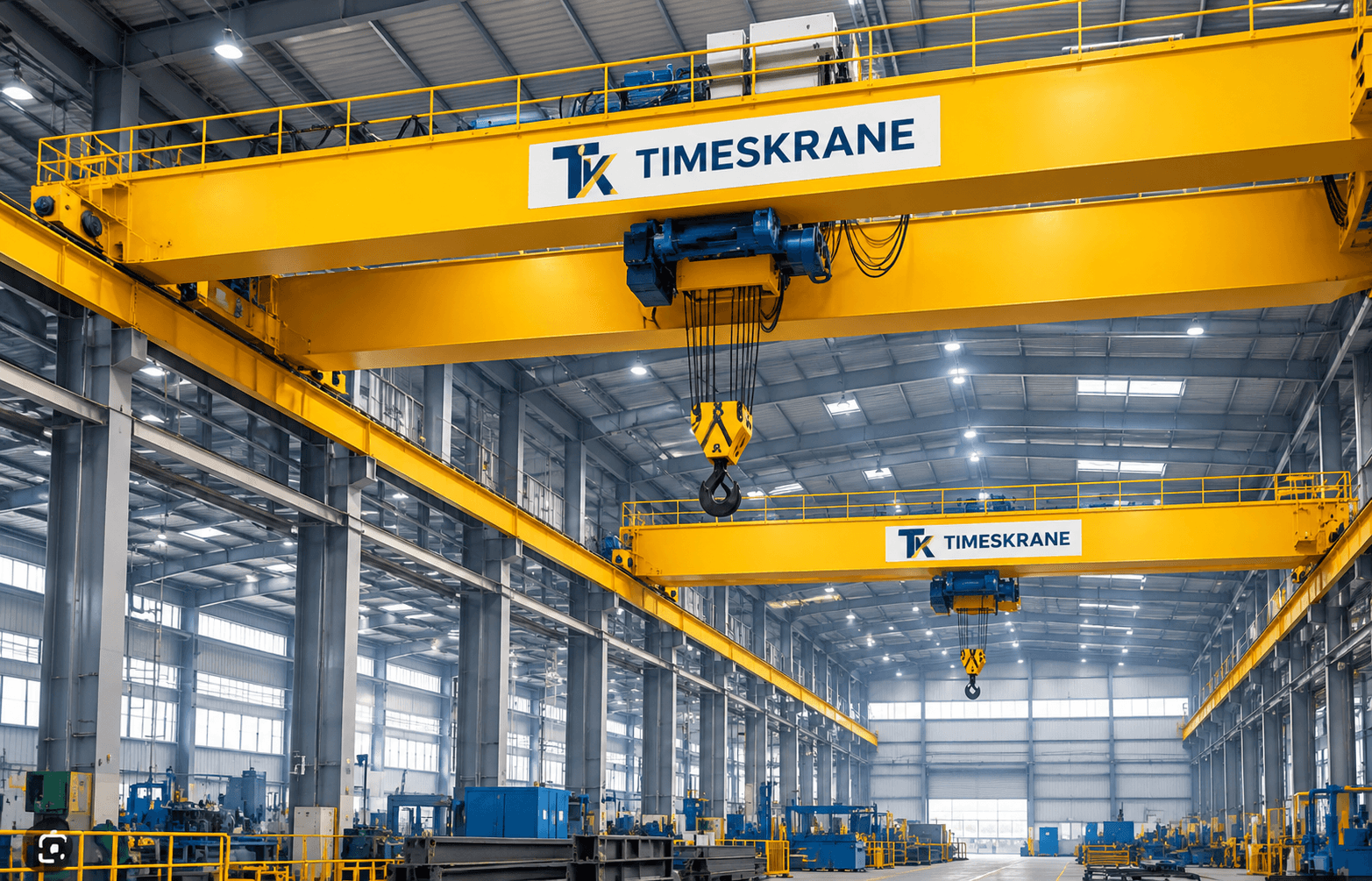
An electric wire rope hoist lifts and lowers loads with a steel wire rope wound on a grooved drum. A motor and gearbox drive the drum, and a brake holds the load when the motor stops. The hoist is usually mounted on a trolley that runs on a single or double girder, so it can move the load sideways as well as up and down. Compared with a chain hoist, a wire rope hoist handles higher capacities, longer lifts and heavier duty cycles, which is why it is the standard hoist on most industrial EOT cranes.
If your load is light and the lift is short, a chain hoist can be cheaper. You can compare it on our electric chain hoist price in India page, or browse the full range of rope hoists.
These are the factors that move the price up or down. Understanding them lets you ask for a quotation that you can compare line by line.
A higher capacity needs a bigger motor, a stronger drum, a larger rope and a heavier gearbox and brake. The price rises with capacity, but not in a straight line. Going from 3 tonnes to 5 tonnes costs less in proportion than going from 10 tonnes to 20 tonnes, because larger hoists need heavier frames and a different design.
The longer the lift, the more rope and the larger the drum. Lift height also affects the drum design and the limit switch set. Give the exact hook travel, not the building height, when you request a price.
Duty class describes how hard the hoist works: lifts per hour, the share of lifts near full load and the shifts per day. A hoist for a workshop that lifts a few times a day is built differently from one in a steel plant that lifts every few minutes. Heavier duty means a stronger gearbox, a higher-rated motor and brake, and a bigger price.
Single speed hoists cost less. Two speed and variable frequency drive (VFD) hoists cost more, but they give smooth starts, precise positioning and less shock on the structure. If you place dies, moulds or delicate machinery, the extra cost often pays for itself in less damage and lower wear.
The trolley can be a fixed or hook-mounted type, a monorail trolley, a low headroom trolley or a double girder trolley. Each has its own cost. Low headroom designs cost more because the hoist is compact and the engineering is harder.
The brand and grade of the motor, brake, gearbox, wire rope, limit switches and contactors affect both the price and the life of the hoist. A very low quotation often hides lighter components, a smaller rope or fewer safety devices. Ask for the specification, not only the price.
Heat, dust, outdoor use or corrosive air need special insulation, sealed enclosures or coatings. Extras like an overload limiter, a radio remote, a hooter, an extra brake or a rope guide also change the cost.
Because every hoist is built to a specification, we do not publish a single price list. As a general guide, the pattern looks like this.
| Job type | Typical hoist | What affects the price most |
|---|---|---|
| Light workshop use | 1 to 5 tonne, single speed | Lift height and trolley type |
| General factory use | 5 to 10 tonne, two speed | Duty class and control type |
| Heavy industry | 10 tonne and above, VFD | Duty class, drive and safety devices |
| Double girder crane hoist | Open winch or compact trolley | Span, capacity and headroom |
For an exact figure, send your details and we will prepare a priced specification.
A chain hoist usually has a lower purchase price for light jobs, but it is limited in capacity and lift height. A wire rope hoist costs more at purchase but handles heavier duty, runs smoother and has a longer service life in demanding plants. The cheapest hoist to buy is not always the cheapest to own. Spares, downtime, rope replacement and energy use all add up, which is why we suggest comparing total cost over the life of the hoist. Looking at the full ownership cost, not only the purchase price, is the safest way to compare quotations.
Ask every supplier to quote on the same basis. A fair comparison includes:
Never compare a price for a hoist alone with a price that includes a trolley, panel and installation. The scope must be equal.
Wire rope hoists are fitted on single girder and double girder EOT cranes, gantry and semi gantry cranes, jib cranes and monorails. You can see how the hoist fits each crane on our single girder crane and double girder crane pages, and on the semi gantry crane manufacturer in India page. If you are pricing the whole crane, not just the hoist, read EOT crane price in India.
Wire rope, brakes and limit switches are the parts that wear first. Regular inspection, lubrication and a replacement plan stop small wear from becoming a stoppage. Use the preventive maintenance checklist for EOT cranes as a starting routine, and see our EOT crane maintenance page for service support. If you want inspection and spares covered under a yearly plan, read EOT crane AMC cost and what is included.
Timeskrane has built and supplied lifting equipment since 1988. We specify the hoist to your duty, explain what each component does and give you a written specification you can compare. We support supply, installation, commissioning, operator training and after-sales service across India. Whether you need a replacement hoist for an existing crane or a hoist for a new line, our engineers will recommend the right size and be open about trade-offs.
To receive a precise quotation, send us the capacity, lift height, span or travel length, duty (lifts per hour and shifts), speeds, control type, power supply and a note about the working environment. Use our contact page and our team will reply with a priced specification.
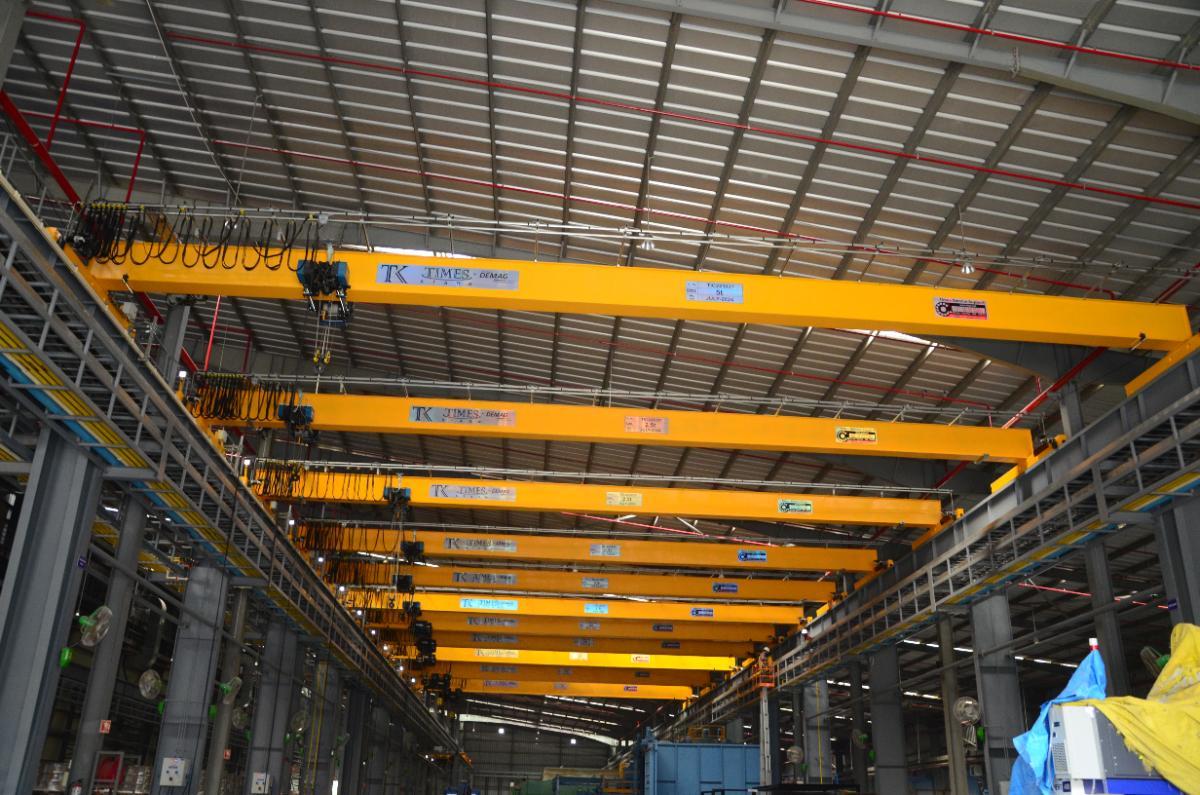
Timeskrane designs and builds underslung (underhung) EOT cranes for workshops, assembly lines and warehouses where headroom and building load are limited. Get a layout-based quotation from our engineers.
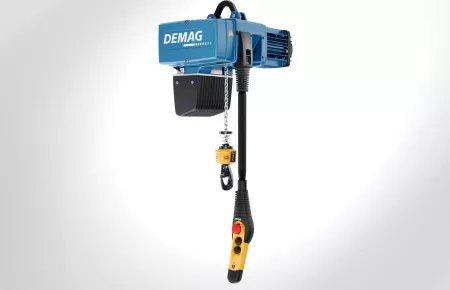
Understand electric chain hoist price in India by capacity, lift height, speed, trolley type and duty. Share your requirement with Timeskrane for an accurate quotation.
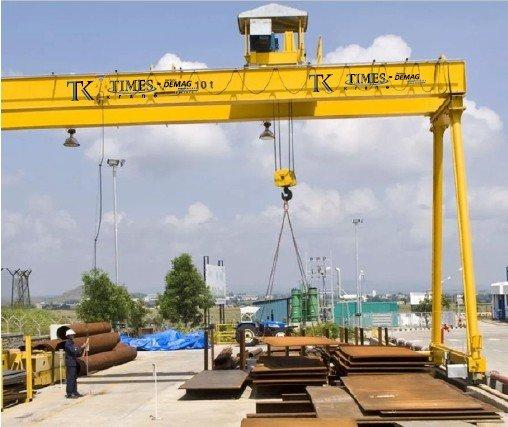
Timeskrane manufactures semi gantry cranes in India for workshops, yards and plants where one side runs on a floor rail and the other on a building runway.
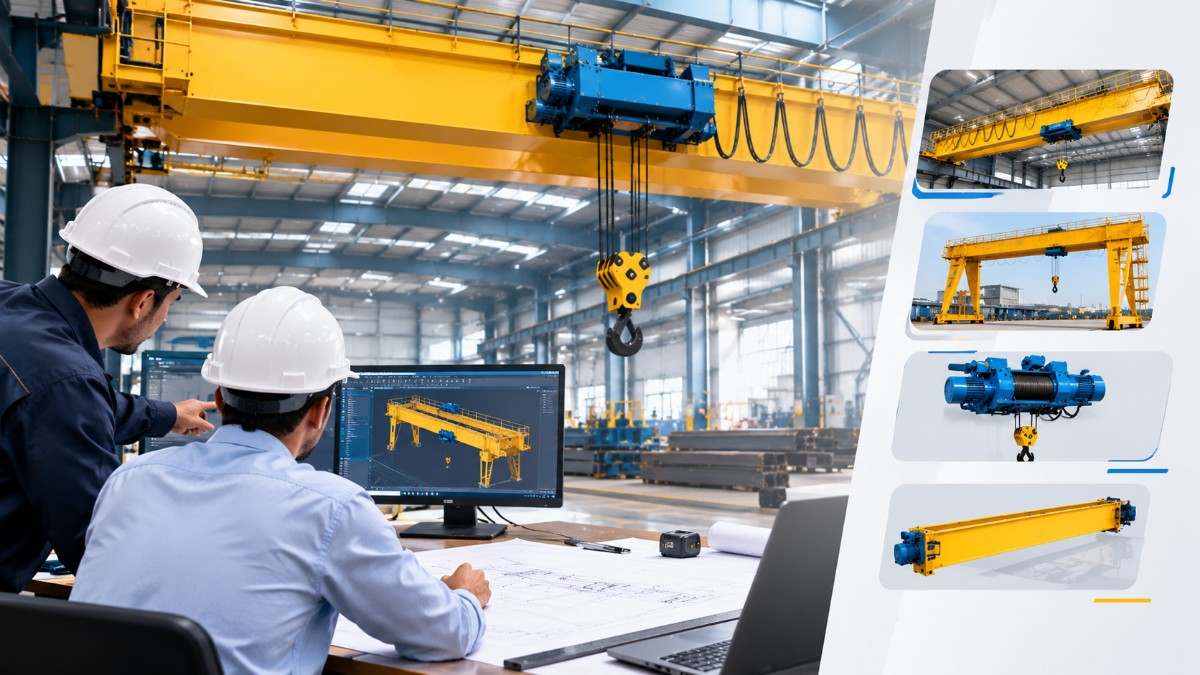
A fabrication shop with a low roof truss. A stamping line where two operators share one bay. A warehouse that cannot give up a single aisle. Each of these plants asks for the same thing in different words: a crane that fits the building, not a building that has to adapt to a catalog model.
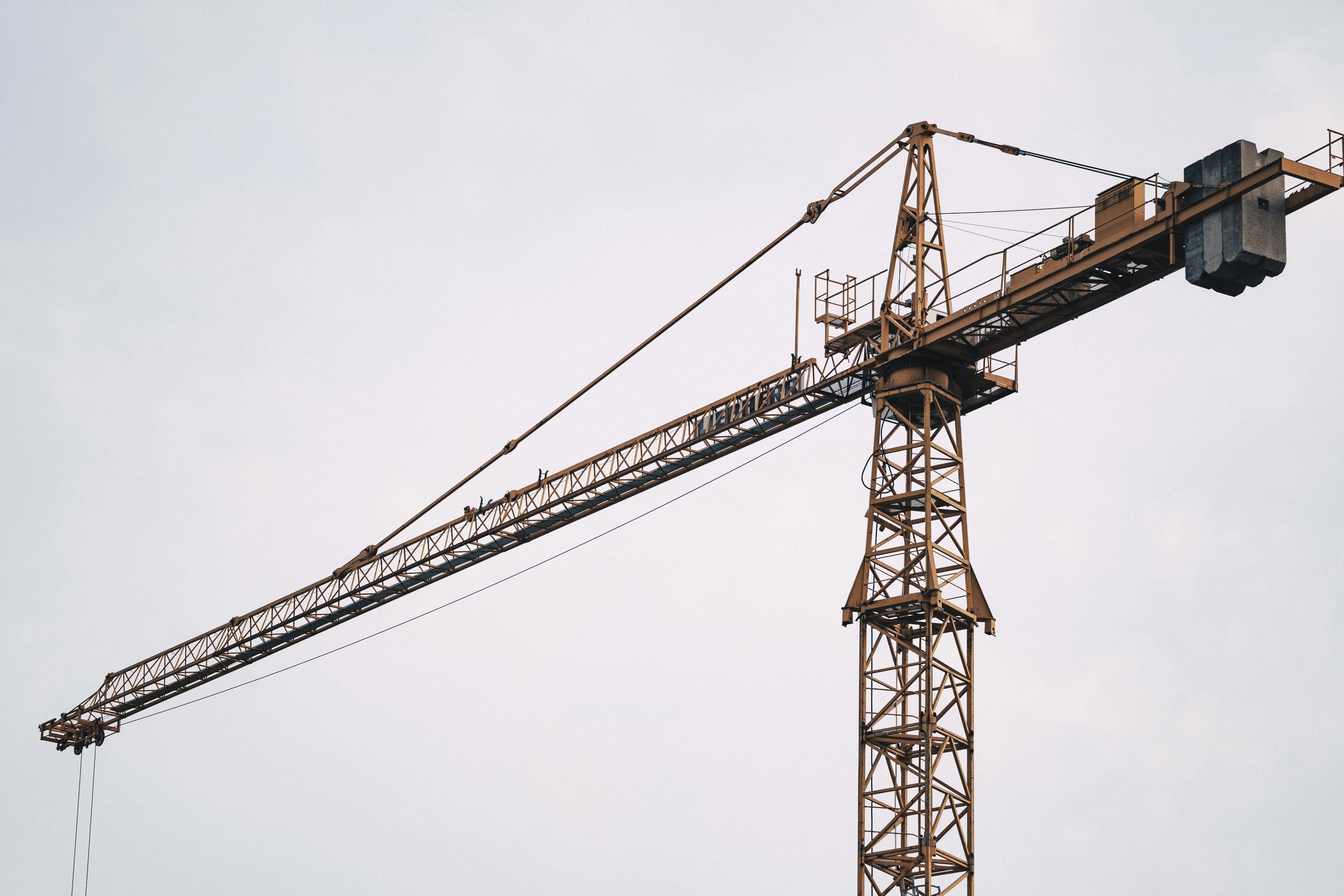
EOT crane manufacturer in Mandi Gobindgarh: crane types, key specs and supplier checks for steel mills and rolling units.
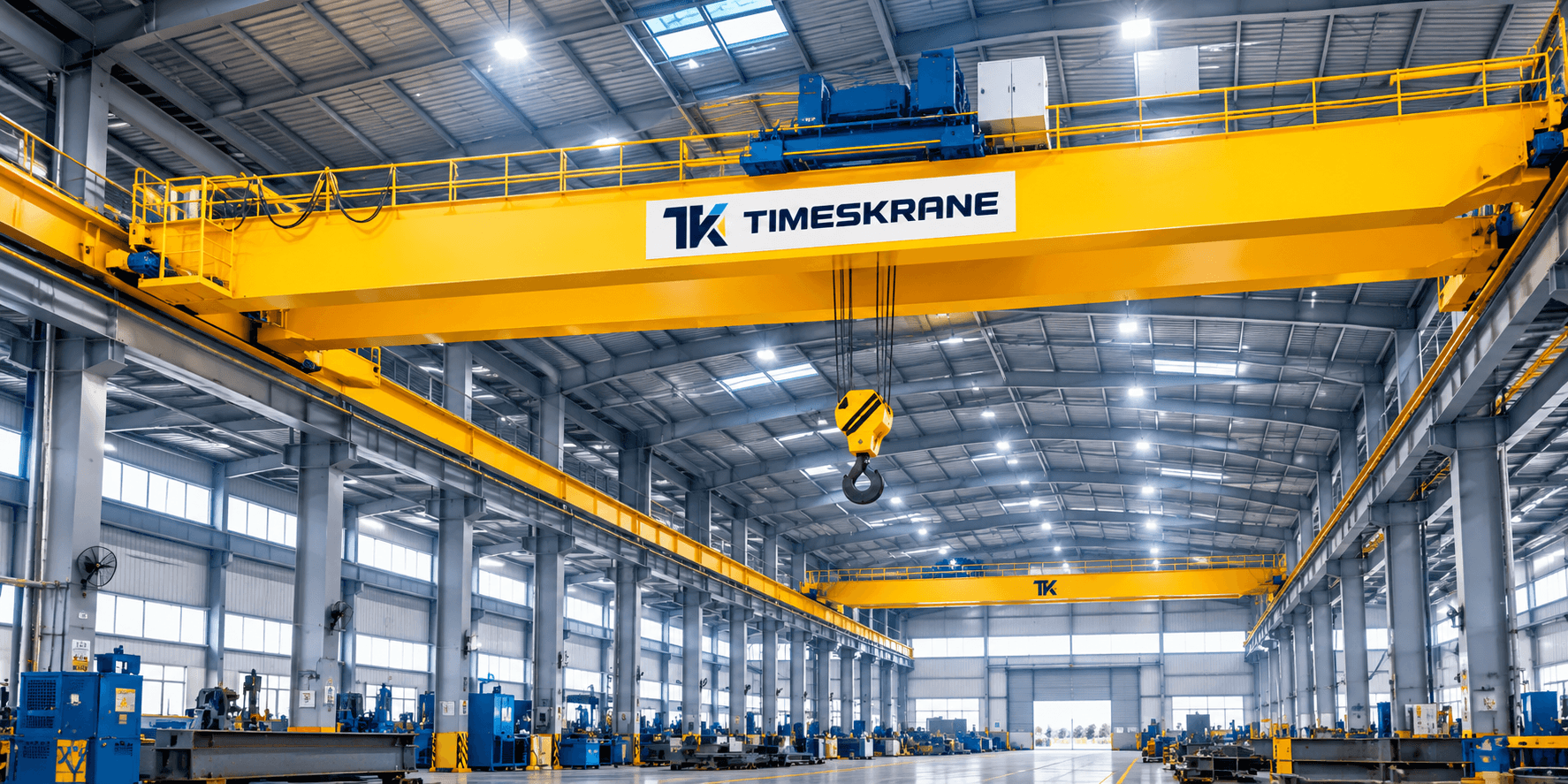
EOT crane manufacturer in Agra: crane types, key specs and supplier checks for foundries and industrial plants.
EOT crane manufacturer in Lucknow: crane types, key specs and supplier checks for industrial plants.
Looking for a reliable partner for your next industrial project?