
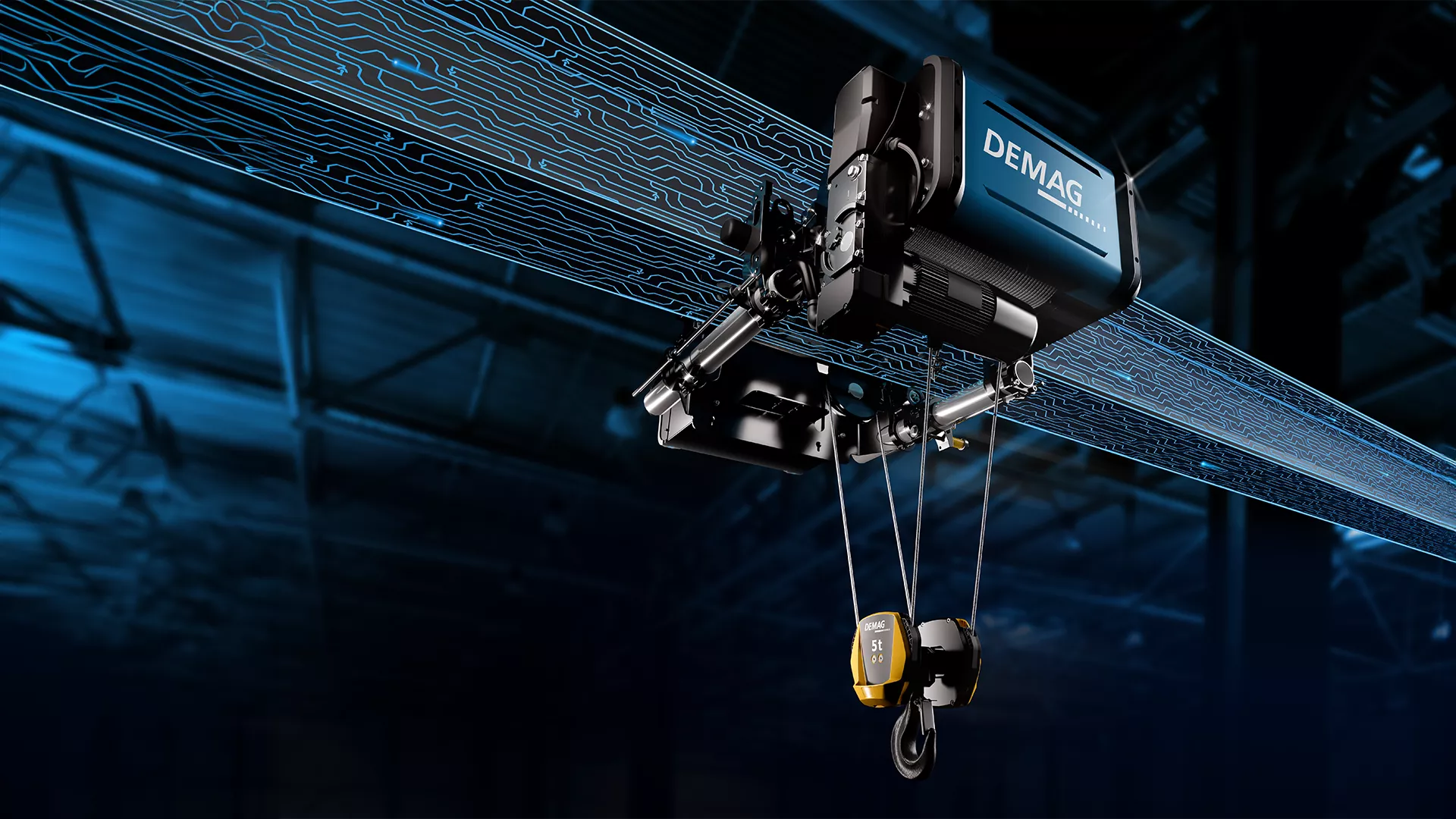
EOT Crane AMC Cost & Whats Included in 2026
Table of Content

EOT Crane AMC Cost & Whats Included in 2026
An EOT crane that stops mid-shift does not just cost a repair bill. It stops the entire line behind it. That is the real reason factories move from ad hoc repairs to a formal Annual Maintenance Contract, or AMC, for their overhead cranes.
This guide explains what an EOT crane AMC actually covers, how pricing works in India in 2026, the difference between comprehensive and non comprehensive contracts, and what to check before you sign one.
What Is an EOT Crane AMC
An EOT crane AMC is a yearly service agreement between a factory and a crane manufacturer or service provider. In exchange for a fixed annual or per visit fee, the provider takes responsibility for scheduled preventive maintenance, breakdown support, and often spare parts, for a defined set of cranes.
Instead of calling a technician every time something fails, an AMC puts your crane on a planned service calendar, usually a set number of visits per year plus emergency call out cover, all backed by a written scope of work.
Suggested Read: If you have not yet built a maintenance routine for your cranes, start with our Preventive Maintenance Checklist for EOT Cranes in 2026. It covers the daily, weekly, monthly, and annual checks that most AMC contracts are built around.
Why Factories Move From Breakdown Repairs to AMC
Reactive maintenance, meaning you fix a crane only after it fails, feels cheaper on paper. In practice it usually costs more, for three reasons.
Downtime is expensive. An idle production line waiting on a crane repair can cost anywhere from a few thousand rupees to several lakh per hour depending on the industry, and that cost never shows up on the maintenance budget line.
Emergency parts and labour cost more. A technician called in on an urgent basis, along with a rush order for a spare part, typically costs three to five times what the same job costs on a scheduled visit.
Neglected cranes fail structurally, not just electrically. Wire rope fatigue, brake wear, and gearbox seizure all build up slowly. Left unchecked, they eventually cause the kind of failure that damages the crane itself, or worse, injures someone on the shop floor.
An AMC shifts this cost from unpredictable emergency spending to a fixed, budgeted annual expense, while also keeping you compliant with the inspection requirements under the Factories Act.
Types of EOT Crane AMC
Not every AMC is the same. Providers in India generally offer three structures.
1. Comprehensive AMC Covers labour, scheduled visits, breakdown call outs, and the cost of spare parts within a defined scope, all inside one fixed annual fee. You know your maintenance cost for the year in advance. This is the most common choice for critical cranes, meaning cranes that run multiple shifts or sit on a bottleneck process.
2. Non Comprehensive AMC Covers labour and scheduled preventive visits, but spare parts are billed separately as and when they are replaced. This costs less upfront and suits cranes that are newer, lower duty, or have a lower risk of part failure in the near term.
3. Breakdown Only or Call On Demand Contract No scheduled preventive visits. The provider is on call for breakdowns at a pre agreed response time and rate. This is the least protective option and is generally not recommended for cranes running critical operations, since it skips the preventive checks that catch problems early.
Most manufacturers, including Timeskrane, recommend comprehensive or non comprehensive AMC over a pure breakdown contract, because preventive visits are what actually reduce failure rates.
What's Included in a Standard EOT Crane AMC
A properly scoped EOT crane AMC should spell out exactly what is covered. Here is what a complete contract typically includes.
Scheduled preventive maintenance visits Usually two to twelve visits a year depending on duty class and criticality, covering wire rope inspection and lubrication, brake adjustment, gearbox oil checks, limit switch testing, and electrical panel inspection.
Breakdown and emergency support A guaranteed response time, commonly four to twenty four hours depending on location and contract tier, for unscheduled failures.
Spare parts coverage In a comprehensive AMC, wear parts such as brake linings, contactors, and minor electrical components are typically included. Major structural parts and wire rope replacement may sit inside or outside the scope, so this needs to be confirmed in writing.
Load testing and safety device calibration Annual load testing at the required percentage of Safe Working Load, along with calibration of the overload limiter and limit switches, to keep the crane compliant under IS:3177 and the Factories Act.
Documentation and certification Updated crane maintenance register, service reports after every visit, and renewal of the statutory inspection certificate.
Operator support Some AMC packages include periodic refresher guidance for crane operators on safe operating limits and stop work criteria.
What is usually excluded, even in a comprehensive plan: Damage from misuse or overloading beyond rated capacity, damage from external events such as fire or flood, and major structural repairs following an accident. Always ask for the exclusion list before signing.
EOT Crane AMC Cost in India 2026
AMC pricing depends heavily on crane capacity, duty class, number of visits, and whether it is comprehensive or non comprehensive. The figures below are indicative industry ranges for a single crane, per year, meant to give you a starting point for budgeting.
| Crane Capacity | Non Comprehensive AMC (per year) | Comprehensive AMC (per year) |
|---|---|---|
| Up to 5 Ton | Rs 25,000 to Rs 45,000 | Rs 50,000 to Rs 85,000 |
| 5 to 10 Ton | Rs 40,000 to Rs 70,000 | Rs 80,000 to Rs 1,40,000 |
| 10 to 20 Ton | Rs 65,000 to Rs 1,10,000 | Rs 1,30,000 to Rs 2,20,000 |
| 20 to 50 Ton | Rs 1,00,000 to Rs 1,80,000 | Rs 2,00,000 to Rs 3,50,000 |
| Above 50 Ton | Custom quote based on span, duty class, and site | Custom quote based on span, duty class, and site |
These ranges assume a standard duty class crane running single shift, with four to six preventive visits a year. Multi shift operation, higher duty class (M6 to M8), older cranes, and remote site locations all push the cost toward the upper end of the range or beyond it.
For a full breakdown of what drives crane purchase price by capacity, see our EOT Crane Price in India 2026: Complete Cost Guide by Capacity.
What Affects Your AMC Price
Crane Capacity and Duty Class : Heavier cranes and higher duty classes (M6 to M8) need more frequent inspection and stronger components, which raises both labour and parts cost.
Number of Cranes On Site : Multi crane AMC contracts usually bring the per crane cost down, since travel and inspection time are shared across visits.
Girder Type : Double girder cranes have more mechanical and electrical systems to inspect than single girder cranes, which typically adds to the service time and cost per visit.
Crane Age : Cranes older than seven to eight years generally need more parts replacement, which pushes non comprehensive contracts toward higher pay as you go costs, and can raise the base price of a comprehensive plan.
Number of Visits Per Year : A four visit annual plan costs less than a twelve visit plan, but for high duty cranes, fewer visits can mean problems are caught later.
Location : Sites far from a service centre usually carry a travel or logistics premium, especially for contracts with fast breakdown response commitments.
OEM Brand : Cranes and hoists from established brands such as Demag or Kone often have brand specific parts and service protocols, which can affect AMC scope and pricing. If your site runs this equipment, see our guide on what a professional Demag crane service actually covers and how Kone crane service keeps heavy industry running.
AMC vs Pay Per Visit: Which Costs Less
A simple way to compare the two is to look at what a year of reactive maintenance typically costs versus a year under AMC.
| Factor | Pay Per Visit / Breakdown Only | AMC |
|---|---|---|
| Cost predictability | Low, varies with breakdowns | High, fixed annual cost |
| Preventive inspections | Rarely scheduled | Built into the contract |
| Emergency response | Negotiated each time, often slower | Guaranteed SLA in the contract |
| Spare parts pricing | Standard or marked up rate | Often discounted or included |
| Downtime risk | Higher, since faults are caught late | Lower, since faults are caught early |
| Compliance documentation | Managed by the factory | Usually managed by the provider |
For a single, low duty crane running occasional shifts, pay per visit may still work out cheaper in a given year. For any crane running daily production, multi shift, or feeding a critical process, the downtime risk alone usually justifies an AMC.
Compliance: Why AMC Is Also a Legal Requirement
In India, EOT crane maintenance is not only good practice, it is a statutory obligation. Under Section 29 of the Factories Act 1948, all lifting machinery including EOT cranes must undergo a thorough examination and load test at least once every twelve months by a competent person, with the results recorded in the crane register.
IS:3177 sets out the design, testing, and periodic inspection requirements for electric overhead travelling cranes, while IS:807 covers structural testing during erection and service life.
A well structured AMC builds this statutory inspection and certification directly into the contract, so your factory does not have to separately track and arrange the annual load test and certificate renewal.
Suggested Read: For the full inspection framework by frequency, from daily operator checks to the annual load test, revisit our Preventive Maintenance Checklist for EOT Cranes in 2026.
Checklist: What to Confirm Before Signing an AMC
Before signing any EOT crane AMC, confirm the following in writing.
- Exact number of preventive visits per year, and whether the schedule shifts with duty class.
- Response time for breakdown calls, in hours, and whether it differs for critical versus non critical cranes.
- What parts are included versus billed separately, especially wire rope, brake linings, and gearbox components.
- Whether annual load testing and certificate renewal is included, and who signs the certificate.
- Escalation clause, meaning how much the AMC fee increases at renewal.
- Exclusions, such as damage from overloading, accidents, or force majeure events.
- Who performs the service, factory trained technicians from the crane manufacturer, or a third party contractor.
- Documentation provided after each visit, including whether it satisfies your Factories Act crane register requirement.
If a provider cannot answer these clearly before you sign, that is usually a sign the contract will create disputes later, most often around what counts as an included part versus a chargeable one.
OEM AMC vs Third Party AMC
Factories generally choose between an AMC from the original crane manufacturer, or OEM, and one from an independent third party service provider.
OEM AMC advantages: technicians trained specifically on your crane model, access to genuine spare parts, and service history tied directly to the manufacturer's design specifications. This matters most for cranes running high duty cycles or handling critical loads.
Third party AMC advantages: often more competitive pricing, and useful when you run a mixed fleet of cranes from different manufacturers under a single contract.
If your facility runs Demag or Kone equipment alongside other brands, it is worth comparing scope and pricing across providers. Our guide on Demag and Kone crane service and spare parts and this overview of the best crane service providers in India can help you shortlist options before requesting quotes.
Conclusion
An EOT crane AMC is not an added expense, it is how you convert unpredictable breakdown costs into a fixed, budgeted, and compliant maintenance plan. The right contract depends on your crane's capacity, duty class, and how critical it is to your production line, so it is worth comparing comprehensive and non comprehensive options against your actual usage pattern before you decide.
At Timeskrane, we have been engineering and servicing EOT cranes since 2012 under the TK Crane brand, backed by over 35 years of industrial engineering legacy. Our AMC plans cover scheduled preventive maintenance, breakdown support, genuine spare parts, and statutory load testing and certification for TK Crane and other EOT crane installations.
Talk to our team about an AMC plan tailored to your cranes: https://www.timeskrane.com/contact
Frequently Asked Questions
What does EOT crane AMC mean?
AMC stands for Annual Maintenance Contract. It is a yearly service agreement where a crane manufacturer or service provider carries out scheduled preventive maintenance, provides breakdown support, and often supplies spare parts, for a fixed annual fee.
How much does an EOT crane AMC cost in India?
Cost depends on capacity and scope. As a general range for 2026, non comprehensive AMC runs from about Rs 25,000 a year for a small crane up to Rs 1,80,000 or more for higher capacity cranes, while comprehensive AMC, which includes spare parts, typically runs from about Rs 50,000 up to Rs 3,50,000 or more depending on capacity, duty class, and number of visits.
What is the difference between comprehensive and non comprehensive AMC?
A comprehensive AMC includes both labour and spare parts within the fixed annual fee, so your maintenance cost is predictable. A non comprehensive AMC includes labour and scheduled visits, but spare parts are billed separately whenever they are replaced.
Is AMC mandatory for EOT cranes in India?
An AMC contract itself is not mandatory, but annual thorough examination and load testing of EOT cranes by a competent person is a legal requirement under Section 29 of the Factories Act 1948. Most factories choose an AMC because it bundles this statutory inspection into a single, managed contract.
How many maintenance visits are usually included in an EOT crane AMC?
Most standard AMC plans include four to six preventive visits a year for normal duty cranes. High duty class cranes, meaning M6 to M8 under ISO 4301, or cranes running multiple shifts, often need monthly or fortnightly visits, along with a mandatory annual load test.
Should I choose an OEM AMC or a third party AMC?
An OEM AMC, meaning a contract with the original crane manufacturer, is generally the safer choice for critical or high duty cranes, since technicians are trained on the specific model and genuine parts are used. A third party AMC can offer more competitive pricing and is useful for factories running a mixed fleet of crane brands.
Recent Posts
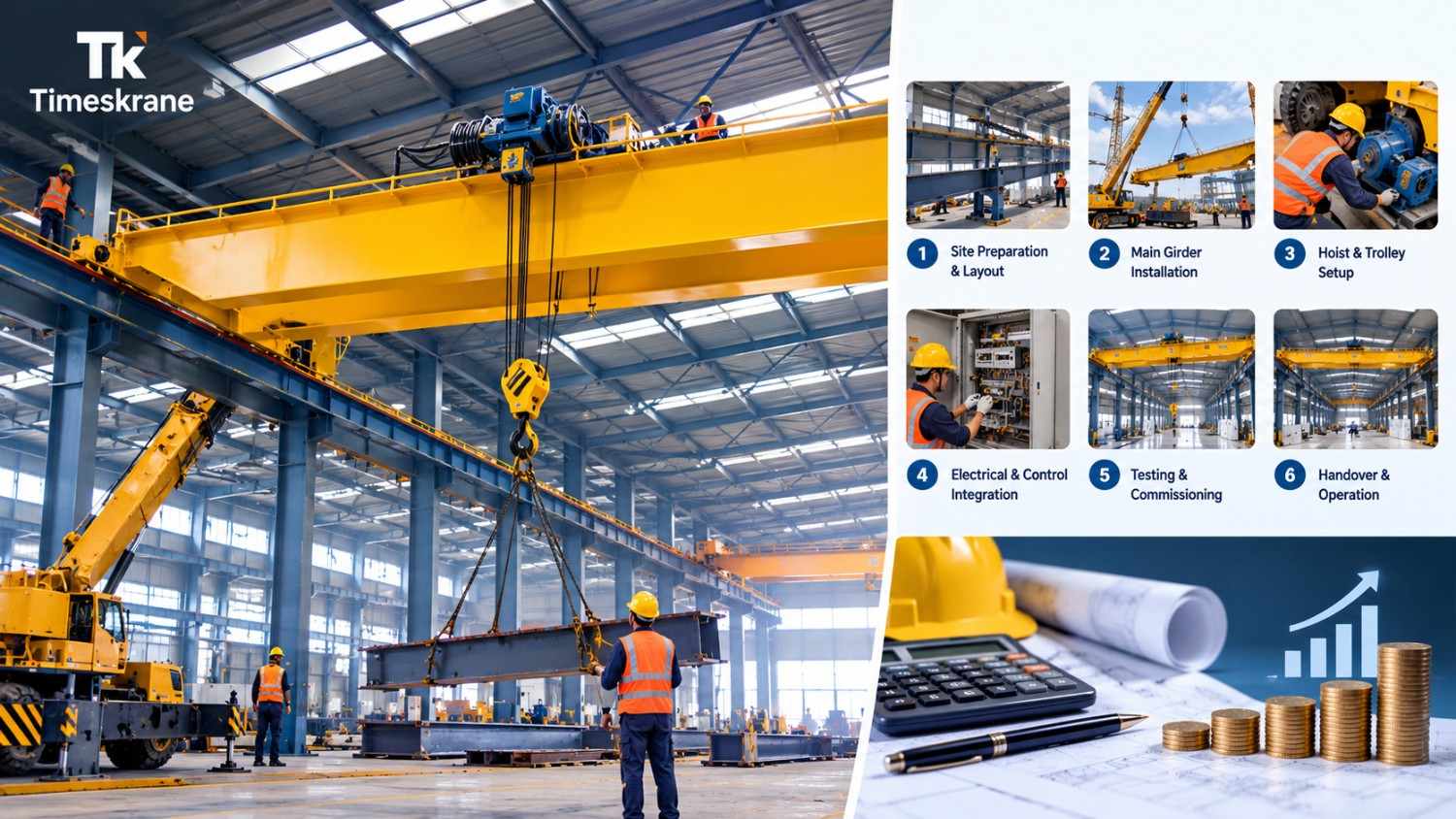
EOT Crane Installation Process and Cost in India
The complete EOT crane installation process in India, covering site survey, runway beams, load testing, and what installation actually costs beyond the crane price.
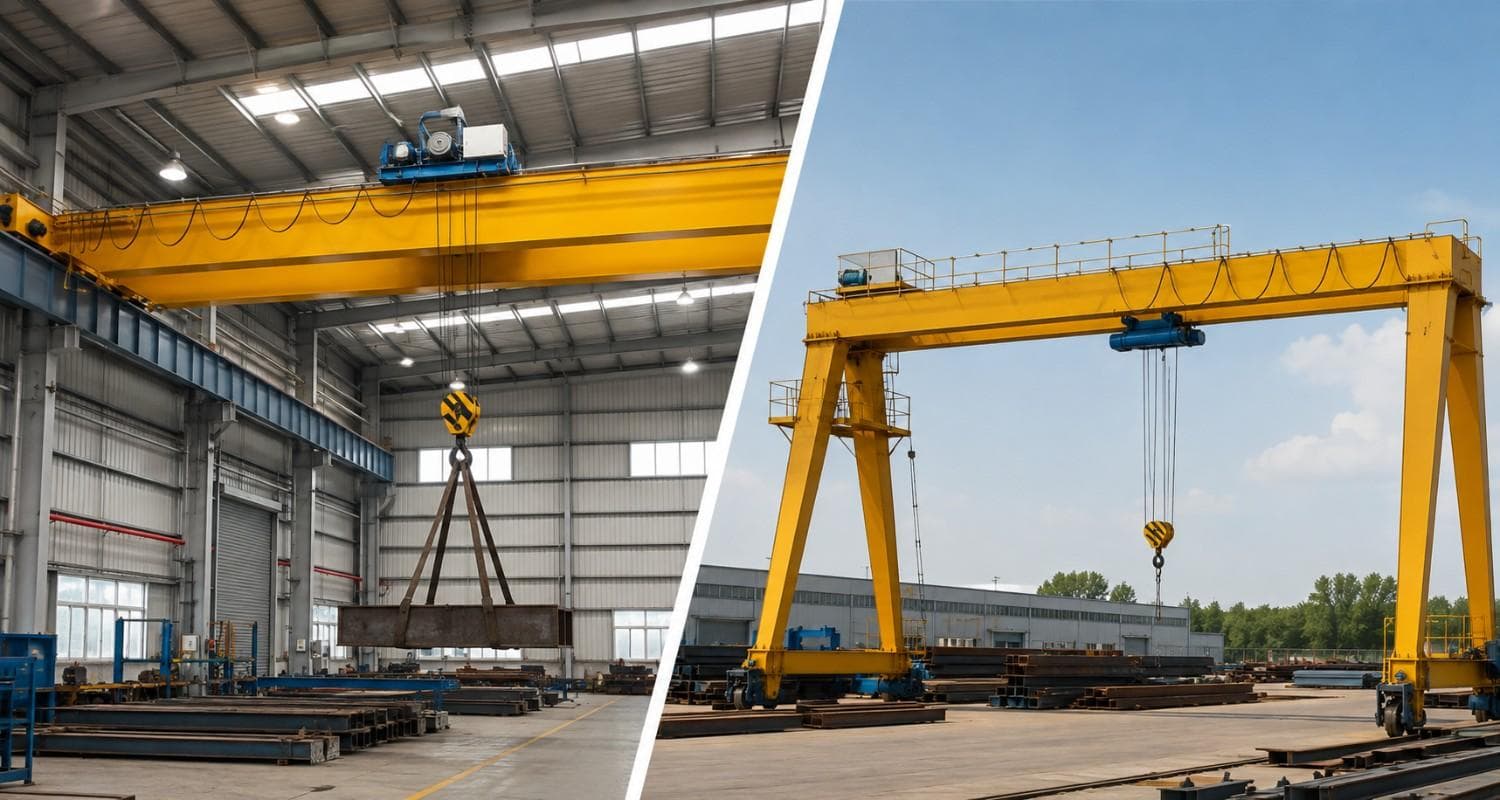
EOT Crane vs Gantry Crane: Which One Does Your Factory Actually Need?
EOT cranes and gantry cranes both lift heavy loads, but they suit very different factories. This guide walks through a simple decision tree covering building structure, floor space, budget, and indoor vs outdoor use, so you can confidently choose the right crane for your facility.

EOT Crane Safety Compliance in India
IS 3177, IS 807, Factories Act rules, and how third-party load testing and certification work for EOT cranes in India.
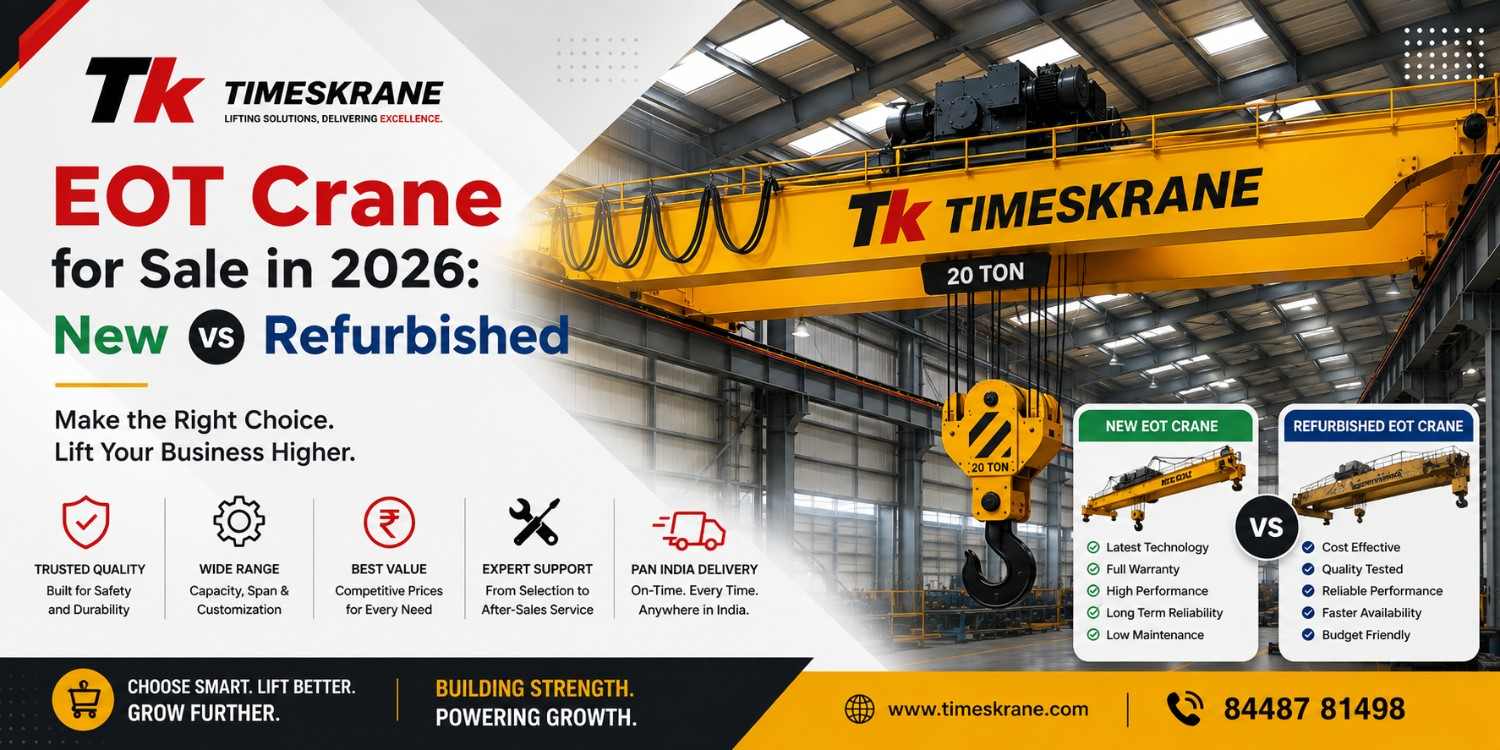
EOT Crane for Sale in 2026: New vs Refurbished
A practical comparison of new vs refurbished EOT cranes in 2026, covering cost, safety, warranty, and long term value, to help you choose based on your budget.
Need a Custom Lifting Solution?
Let’s Talk!
Looking for a reliable partner for your next industrial project?
- Expert Consultation
- Pan-India Service