
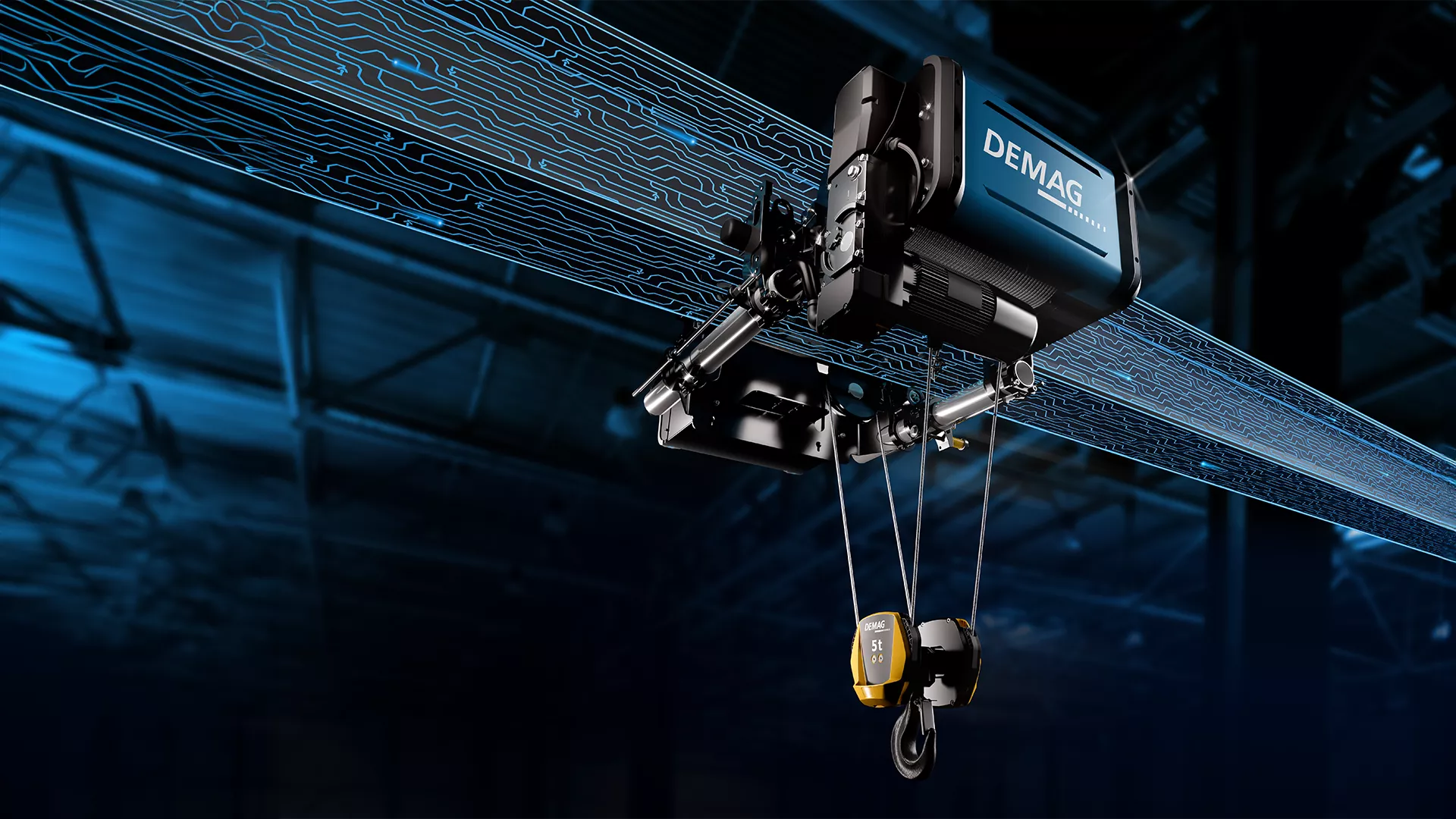
What Does a Professional Demag Crane Service Actually Cover
Table of Content

What Does a Professional Demag Crane Service Actually Cover
There is a question that comes up in almost every plant maintenance meeting, and it rarely gets a satisfying answer: what exactly is included when you call in a crane service team?
Most facility managers have experienced at least one situation where a service visit was completed, a report was signed off, and within weeks the crane was back to causing problems. The technician came, ticked some boxes, and left. Nothing meaningful changed.
If your facility depends on DEMAG crane service to keep overhead lifting equipment operational and safe, you deserve a clear, detailed answer to that question. Not a vague list of service categories but a genuine breakdown of what professional crane servicing involves, why each element matters, and what you should be holding your service provider accountable for.
That is exactly what this guide delivers.
The Gap Between Basic Servicing and Professional DEMAG Crane Service
There is a meaningful difference between a basic maintenance visit and a professional, comprehensive crane service program. Basic servicing typically involves a visual check, some lubrication, and a quick test run. It is fast, inexpensive, and largely ineffective at preventing the failures that cause real downtime.
Professional DEMAG crane service is systematic. It follows a structured methodology aligned with applicable standards including ISO 9927 for crane inspection and IS 3177 for electric overhead travelling cranes. It addresses the mechanical, electrical, structural, and safety dimensions of the crane as an integrated system rather than a collection of isolated components.
The difference shows up not during the service visit but in the months afterward, in the form of fewer breakdowns, more consistent performance, and a maintenance record that satisfies regulatory and insurance requirements.
What a Professional DEMAG Crane Service Actually Covers
Mechanical Inspection and Servicing
Mechanical servicing forms the operational foundation of any crane maintenance program. On DEMAG cranes, this encompasses the hoist unit, travel mechanisms, and all associated power transmission components.
Hoist Mechanism
The hoist is the highest-stress component on any overhead crane. A professional service visit addresses every element within the hoist assembly:
- Gearbox oil level check, oil condition assessment, and oil change at defined intervals
- Visual and tactile inspection of all accessible gear teeth for pitting, scoring, or abnormal wear patterns
- Gearbox shaft seal condition check and replacement if leakage is detected
- Rope drum inspection for groove wear and surface condition
- Drum bearing lubrication and play assessment
- Rope drum flange inspection for cracks or deformation
- Hook block inspection covering hook throat deformation, swivel bearing condition, sheave groove wear, and latch function
- Full inspection of load chain or wire rope against ISO 4309 discard criteria
Travel Mechanisms
Long travel and cross travel units receive the same systematic attention:
- Travel wheel tread and flange measurement and comparison against wear limits
- Wheel bearing lubrication and noise assessment under rotation
- Travel gearbox oil check and seal inspection
- Coupling element inspection between motor and gearbox
- Rail contact assessment for abnormal wear patterns indicating alignment issues
General Lubrication
A professional service includes a full lubrication round covering every greased point on the crane. This is not a random application of grease but a structured lubrication with the correct lubricant type at each point, documented quantities, and verification that each lubrication point is free of contamination before fresh lubricant is applied. Lubricant mixing from incorrect greasing is a common and avoidable cause of bearing failure.
Brake Inspection and Testing
Brakes on DEMAG cranes are safety devices first and motion control components second. A professional service treats them accordingly.
Hoist Brake
DEMAG hoist brakes are spring-applied, electrically released disc brake units. Professional service covers:
- Brake disc thickness measurement and comparison against minimum serviceable dimension
- Friction lining wear measurement and replacement if within 20 percent of minimum thickness
- Spring force verification and replacement of weakened springs
- Electromagnetic coil resistance measurement and gap setting verification
- Brake response testing under no-load condition with timing measurement
- Brake holding test under rated load to verify the brake can hold the suspended load on power removal
The hoist brake holding test is a critical safety verification step. Any brake that cannot hold rated load must be taken out of service immediately pending repair.
Travel Brakes
Cross travel and long travel brakes receive inspection of lining condition, spring tension, and brake gap. Travel brake stopping distance is tested and compared against the design specification for the crane speed and weight class.
Electrical System Service
Electrical faults are among the leading causes of crane breakdowns and, when left unaddressed, can escalate into fire risk or control system failures that affect safety. Professional DEMAG crane service covers the full electrical system.
Control Panel and Power Circuit
- Full inspection of the main incoming panel for loose connections, signs of thermal damage, and correct fusing
- Contactor inspection for contact wear, coil condition, and arc chute integrity
- Relay testing for correct function and calibration
- Circuit breaker testing for correct trip rating and mechanical condition
- Earthing continuity verification from panel to crane structure and hoist body
- Cable insulation spot-check for deterioration, particularly in areas of heat or movement
Motor Inspection
- Visual inspection of all crane motors for signs of overheating, moisture ingress, or mechanical damage
- Terminal connection tightness check
- Insulation resistance test (megger test) on hoist and travel motors at defined service intervals
- Cooling fan integrity check
- Motor nameplate verification against drive parameters where VFDs are fitted
Variable Frequency Drives
On modern DEMAG cranes with VFD control:
- Cooling fan operation check and replacement if noise or reduced airflow is detected
- Fault history log review to identify recurring faults before they cause breakdown
- Parameter verification against commissioning data sheet
- DC bus voltage check at power-up
- Heatsink cleaning
Limit Switches
Every limit switch on the crane is individually tested during a professional service:
- Upper and lower hoist limit switches tested through full travel to confirm correct trip point
- Long travel and cross travel end limit switches tested for correct operation
- Slack rope switch tested where fitted
- All limit switch mounting positions verified to be correctly set and mechanically secure
Pendant and Remote Controls
- Each push button on the pendant tested for correct operation and spring return
- Pendant cable condition inspection for outer sheath damage, kinking, or jacket deterioration
- Cable strain relief at both pendant and crane entry point inspected
- Emergency stop button tested for correct circuit interruption
- For radio remote systems: transmitter battery check, signal test across full working range, emergency stop function test
Conductor Bar and Collector System
- Collector shoe wear measurement and replacement if below minimum contact height
- Conductor bar surface inspection for pitting, corrosion, or mechanical damage
- Insulator condition check
- Current collector mounting and spring pressure verification
Structural Inspection
The structural condition of a crane is assessed through systematic visual inspection supplemented by measurement and, where indicated, non-destructive testing.
Main Girder and End Carriages
- Visual inspection of all main girder welds for cracking, particularly at flange-to-web junctions and at positions of stress concentration
- Check for visible deflection or camber loss in the main girder
- End carriage body inspection for cracks at wheel mount positions and gusset welds
- Buffer mounting structure inspection for deformation or weld cracking
Runway Structure
- Rail joint condition including fishplate bolt tightness and rail gap measurement
- Rail clip condition and tightness along the full runway length
- Rail wear measurement at multiple points to detect abnormal wear patterns
- Runway beam alignment check for gauge and level deviation
Fasteners and Connections
- Systematic tightening check of all structural bolts using calibrated torque tools
- Check of hoist suspension bolts and end stop mounting fasteners
- Verification of all safety retaining devices including split pins, lock washers, and locking wire
Where crack indications are found during visual inspection, professional service includes magnetic particle inspection or dye penetrant testing at the affected location to characterize the indication and determine the corrective action required.
Load Testing and Safety Verification
Following any major repair, component replacement, or at defined periodic intervals, a professional DEMAG crane service includes formal load testing.
Static Load Test
A static load test applies 125 percent of the crane's safe working load in a controlled lift to verify structural integrity under overload conditions. The crane is held at each test position for a minimum of ten minutes while the structure is observed for deformation or distress.
Dynamic Load Test
A dynamic load test applies 110 percent of the safe working load and exercises all crane motions under load to verify brake performance, structural response to dynamic forces, and control system function.
Safety Device Function Test
All safety devices are tested under loaded conditions including the overload protection device, all limit switches, and the emergency stop system. A safety device that only works in theory and has never been tested under actual operating conditions provides no real protection.
Documentation and Reporting
A professional crane service is only complete when it is properly documented. The service report is not a formality. It is a legal and operational record that should include:
- Date, location, and crane identification data
- Names and qualifications of service personnel
- Detailed findings from every inspection category
- Measurements recorded with actual values and acceptance limits
- List of parts replaced with part numbers and quantities
- List of defects identified that require further action
- Clear statement of crane fitness for continued service or conditions on return to service
- Signature of responsible engineer
This documentation forms part of your crane's service history and is required for regulatory compliance, insurance purposes, and informed future maintenance planning.
What a Professional Service Reveals That Basic Servicing Misses
There are specific failure modes that almost never get caught during a cursory service visit but are consistently identified during a systematic professional inspection. These include:
- Early-stage wire rope fatigue at internal strands not visible at the rope surface
- Subtle brake spring fatigue that passes a visual check but fails a force measurement
- VFD fault log entries pointing to developing motor insulation breakdown
- Rail clip looseness that has developed gradually and creates a structural safety risk
- Contactor contact welding that creates intermittent control faults under load
These are the findings that prevent the kind of failure that shuts down a plant and puts workers at risk. They are only found by service engineers who know what to look for and take the time to look properly.
The Role of Preventive Maintenance Contracts
A one-off service visit is better than nothing but it cannot deliver the same reliability outcomes as a structured preventive maintenance contract. A properly designed contract for DEMAG crane service specifies:
- Visit frequency aligned to crane duty class and operating hours
- Defined scope of work at each visit type
- Performance metrics including response time for breakdown calls
- Spare parts availability commitments
- Annual comprehensive inspection and certification
- A single point of contact who understands your facility and crane history
For facilities running DEMAG cranes on heavy-duty cycles, a preventive maintenance contract is not an overhead cost. It is a production continuity investment.
How Times Krane Delivers Professional DEMAG Crane Service
Times Krane brings a structured, technically rigorous approach to DEMAG crane service that goes beyond surface-level maintenance. Service teams are trained on DEMAG crane systems and follow documented inspection methodologies that address every mechanical, electrical, and structural element covered in this guide.
Every service visit at Times Krane results in a detailed written report with actual measured values, clear findings, and actionable recommendations. Clients receive a transparent picture of their crane's condition and a prioritized list of any items requiring follow-up, not a vague assurance that everything is fine.
With experience across manufacturing plants, steel facilities, warehousing operations, and heavy engineering workshops, Times Krane understands the operational context in which these cranes work and the real cost of getting crane service wrong.
Find out more about professional crane service and maintenance at timeskrane.com
Frequently Asked Questions
Q1: How is a professional DEMAG crane service different from a routine maintenance check? A routine maintenance check typically covers lubrication and a visual inspection. A professional service is a comprehensive, documented assessment of every mechanical, electrical, structural, and safety element of the crane, conducted by trained engineers using calibrated tools and following a structured methodology aligned with applicable standards.
Q2: How long does a professional DEMAG crane service take? Duration depends on crane size, configuration, and condition. A standard single girder EOT crane in good condition may take four to six hours for a thorough service. A large double girder crane with complex electrical systems and an extended runway may require one to two full days. Any service provider who completes a comprehensive inspection significantly faster than this should be asked to explain what was covered.
Q3: What qualifications should DEMAG crane service engineers have? Service engineers should hold relevant electrical and mechanical trade qualifications, have documented product-specific training on DEMAG crane systems, and be familiar with applicable standards including ISO 9927 and IS 3177. For load testing, the responsible engineer should be a competent person as defined under applicable occupational safety regulations.
Q4: Can a professional service be conducted while the crane is in production use? Some elements of inspection can be conducted during operational pauses but a full professional service requires the crane to be isolated and locked out. Attempting to conduct a meaningful mechanical and electrical inspection on a crane that is still in intermittent use is unsafe and results in incomplete findings.
Q5: What should I do if the service report identifies defects I cannot address immediately? Any defect involving a safety-critical component such as the hoist brake, wire rope, overload device, or structural crack must be addressed before the crane returns to service. Non-safety-critical defects can be scheduled for correction within a defined timeframe. Your service provider should clearly differentiate between immediate action items and deferred maintenance recommendations in the report.
Conclusion
A professional DEMAG crane service is not a single activity. It is a structured, multi-disciplinary program that systematically addresses every dimension of crane condition and safety. From brake holding tests and wire rope assessment to VFD fault log review and structural weld inspection, every element described in this guide serves a specific purpose in keeping your crane reliable, compliant, and safe.
The question to ask your current or prospective service provider is not just how much the service costs. It is what exactly they cover, how they document their findings, and what happens when they find something that needs attention.
When you are ready to work with a service partner who takes that question seriously, Times Krane is ready to have that conversation.
Contact Times Krane at timeskrane.com to discuss a professional service program tailored to your DEMAG crane and your facility.
Recent Posts
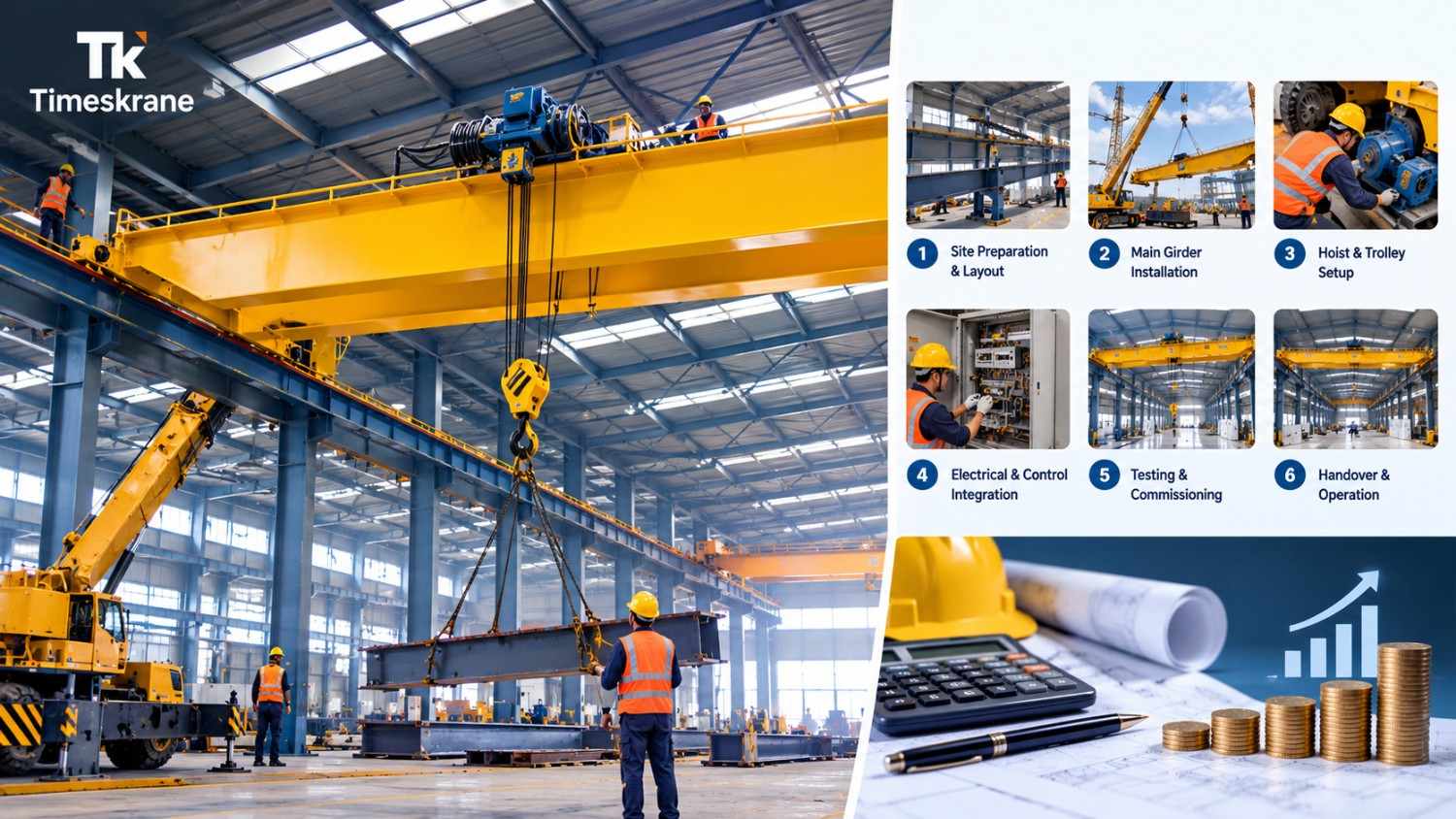
EOT Crane Installation Process and Cost in India
The complete EOT crane installation process in India, covering site survey, runway beams, load testing, and what installation actually costs beyond the crane price.
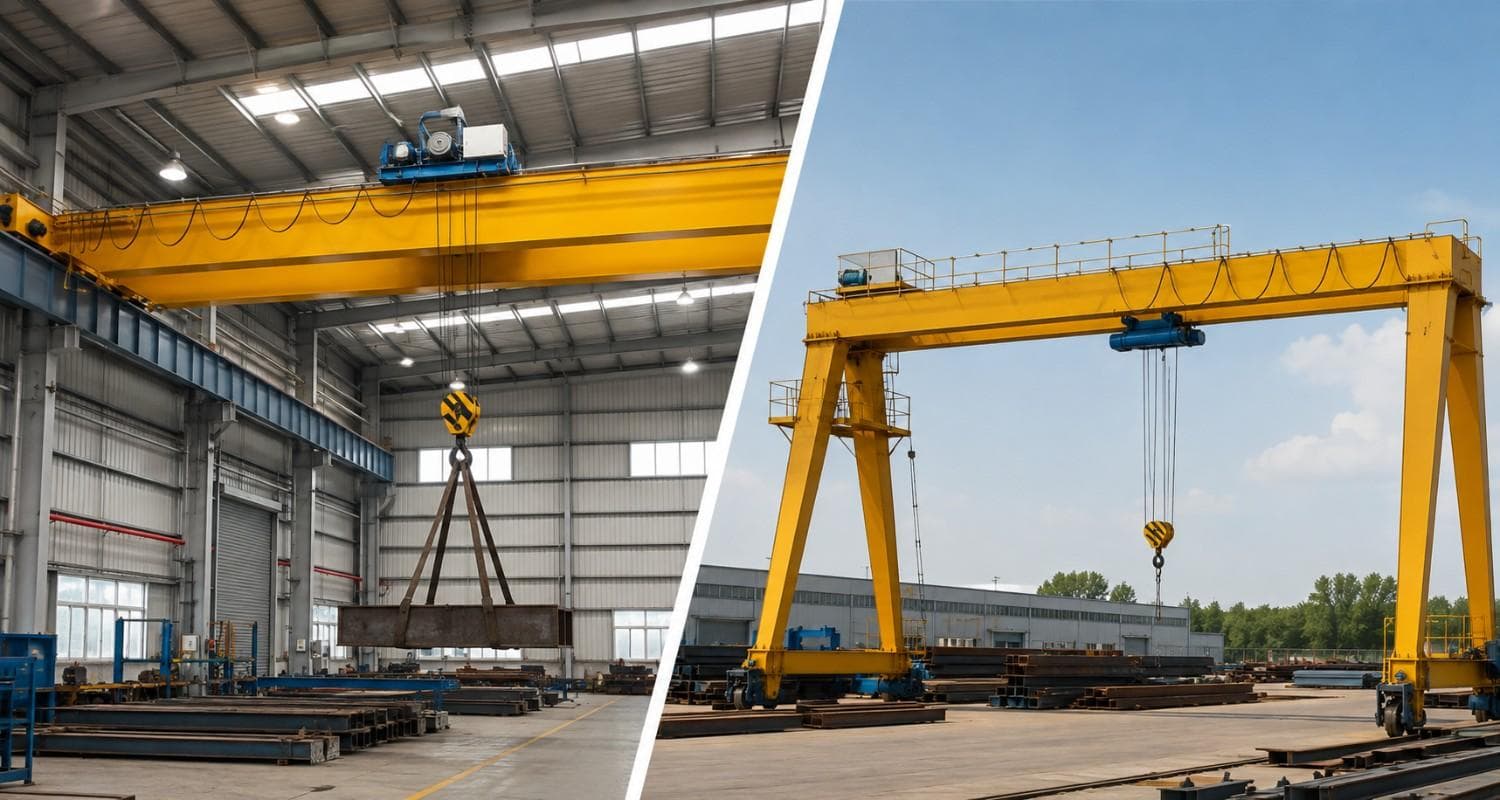
EOT Crane vs Gantry Crane: Which One Does Your Factory Actually Need?
EOT cranes and gantry cranes both lift heavy loads, but they suit very different factories. This guide walks through a simple decision tree covering building structure, floor space, budget, and indoor vs outdoor use, so you can confidently choose the right crane for your facility.

EOT Crane Safety Compliance in India
IS 3177, IS 807, Factories Act rules, and how third-party load testing and certification work for EOT cranes in India.

EOT Crane AMC Cost & Whats Included in 2026
What's actually included in an EOT crane AMC, how comprehensive and non-comprehensive contracts differ, and what drives the cost in India.
Need a Custom Lifting Solution?
Let’s Talk!
Looking for a reliable partner for your next industrial project?
- Expert Consultation
- Pan-India Service