English
Contact
Configure
Catalog
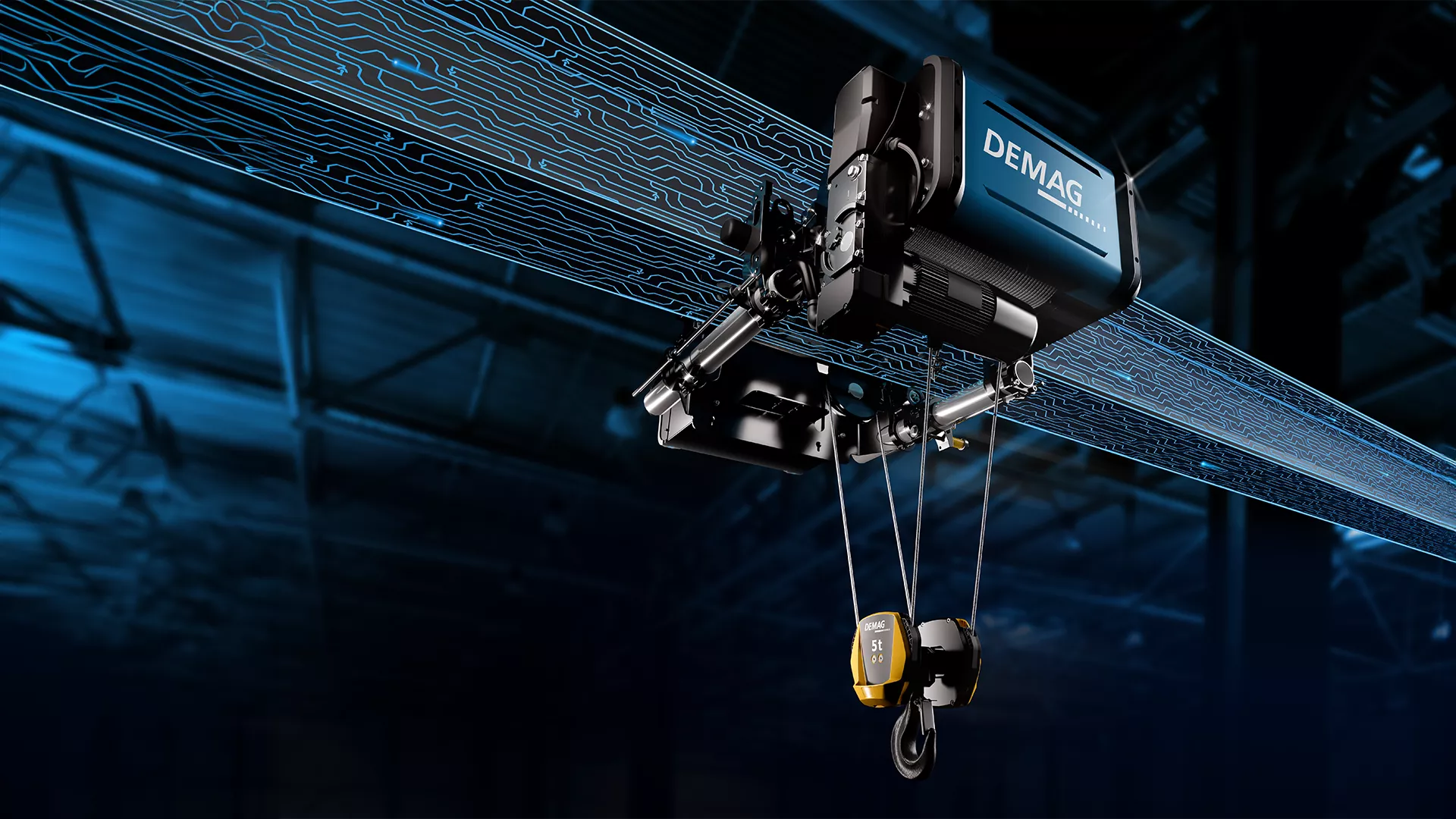
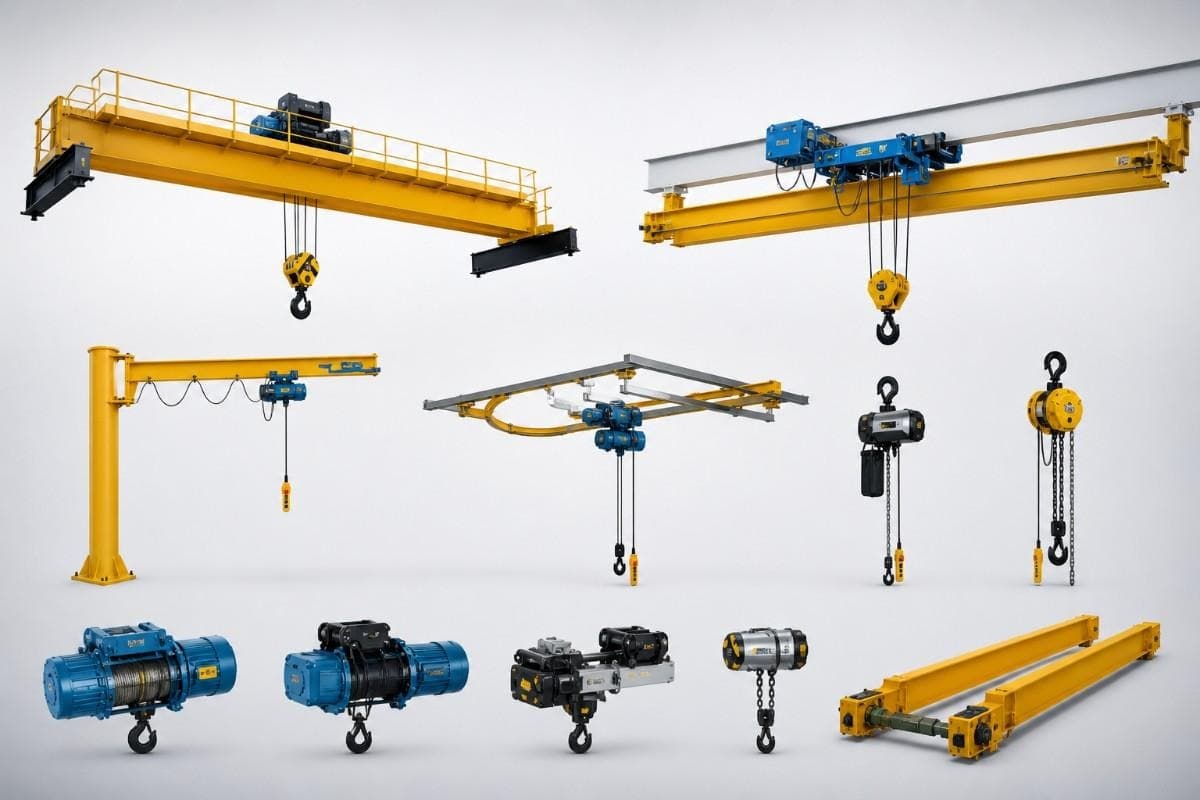
Many industries spend considerable effort selecting the right crane but often underestimate the importance of ongoing maintenance. A well-maintained EOT crane performs better, lasts longer, and significantly reduces the risk of costly breakdowns. Whether you operate a manufacturing facility, warehouse, engineering workshop, or steel plant, understanding proper EOT crane maintenance can help protect both your workforce and your operations.
EOT crane maintenance refers to the systematic inspection, servicing, testing, and repair of Electric Overhead Travelling cranes to ensure safe and efficient operation.
Maintenance activities include checking mechanical components, inspecting electrical systems, testing safety devices, lubricating moving parts, and replacing worn-out components before they fail.
The goal is simple: keep the crane operating safely while minimizing downtime and unexpected repairs.
Every lifting operation places stress on crane components.
Over time, parts experience wear and tear that can affect performance.
Without proper maintenance, minor issues can quickly develop into serious operational or safety concerns.
Organizations that follow structured maintenance programs often experience measurable operational improvements.
A properly maintained crane reduces the likelihood of accidents caused by equipment failure.
Preventive maintenance identifies issues before they disrupt production.
Regular servicing helps extend the operational lifespan of crane components.
Well-maintained systems operate more smoothly and efficiently.
Unexpected breakdowns often require extensive repairs and operational disruptions.
I've noticed that facilities with strong maintenance cultures generally experience fewer production interruptions and better long-term equipment performance.
Successful EOT crane maintenance involves examining every critical component of the crane system.
Wire ropes are among the most heavily used crane components.
Inspect for:
Hooks should be checked regularly for:
The hoist performs the actual lifting function.
Regular inspection helps identify mechanical wear before it affects operations.
Brakes must operate effectively to ensure safe load control.
Inspect:
Bridge girders, end carriages, and runway systems should be examined for signs of stress, corrosion, or damage.
Daily inspections can prevent many common operational issues.
Check for:
Verify:
Ensure:
In my experience, spending a few minutes on daily inspections often prevents hours of downtime later.
Weekly inspections provide a deeper evaluation of crane condition.
Look closely for wear patterns and damaged strands.
Ensure bolts, nuts, and structural connections remain secure.
Proper lubrication reduces friction and minimizes wear.
Inspect electrical components for signs of overheating or damage.
Monthly inspections should be more comprehensive.
Inspect:
Verify that all safety devices operate according to design specifications.
Check remote controls, pendant stations, and operator interfaces.
Carefully evaluate hooks, pulleys, drums, and lifting assemblies.
When I tried implementing a structured monthly inspection program at an industrial facility, equipment reliability improved noticeably within a few months.
Understanding the difference is important for effective crane management.
Preventive maintenance focuses on scheduled inspections and servicing before problems occur.
Benefits include:
Corrective maintenance occurs after a fault or failure has already developed.
While sometimes unavoidable, relying solely on corrective maintenance often leads to increased downtime and higher operational risks.
I've noticed that companies using preventive maintenance strategies generally achieve more predictable production schedules.
Even high-quality cranes can experience issues over time.
Possible causes include:
Potential reasons:
Common causes:
Often linked to:
Early identification helps prevent more serious problems.
Lubrication plays a critical role in crane performance.
Proper lubrication helps:
Components requiring regular lubrication include:
A well-lubricated crane generally operates more smoothly and experiences less component wear.
Maintenance activities themselves must be performed safely.
Ensure the crane is isolated from power sources before maintenance begins.
Only trained technicians should perform inspections and repairs.
Maintenance procedures should align with equipment specifications.
Accurate records help track equipment condition and maintenance history.
According to industrial equipment reliability studies, facilities that maintain detailed maintenance records often achieve significantly better equipment performance and safety outcomes.
A structured maintenance plan helps ensure consistency.
A scheduled approach helps ensure nothing important is overlooked.
Maintaining an industrial crane requires technical expertise and practical experience.
At Times Krane, we understand the operational demands placed on lifting equipment every day.
Our maintenance solutions focus on:
Times Krane works with businesses across multiple industries to help keep crane systems operating safely and efficiently.
Whether your facility uses single girder cranes, double girder cranes, or specialized lifting systems, our maintenance expertise helps support uninterrupted operations.
Technology continues to transform maintenance practices.
Emerging trends include:
These innovations allow maintenance teams to identify potential issues before they become operational problems.
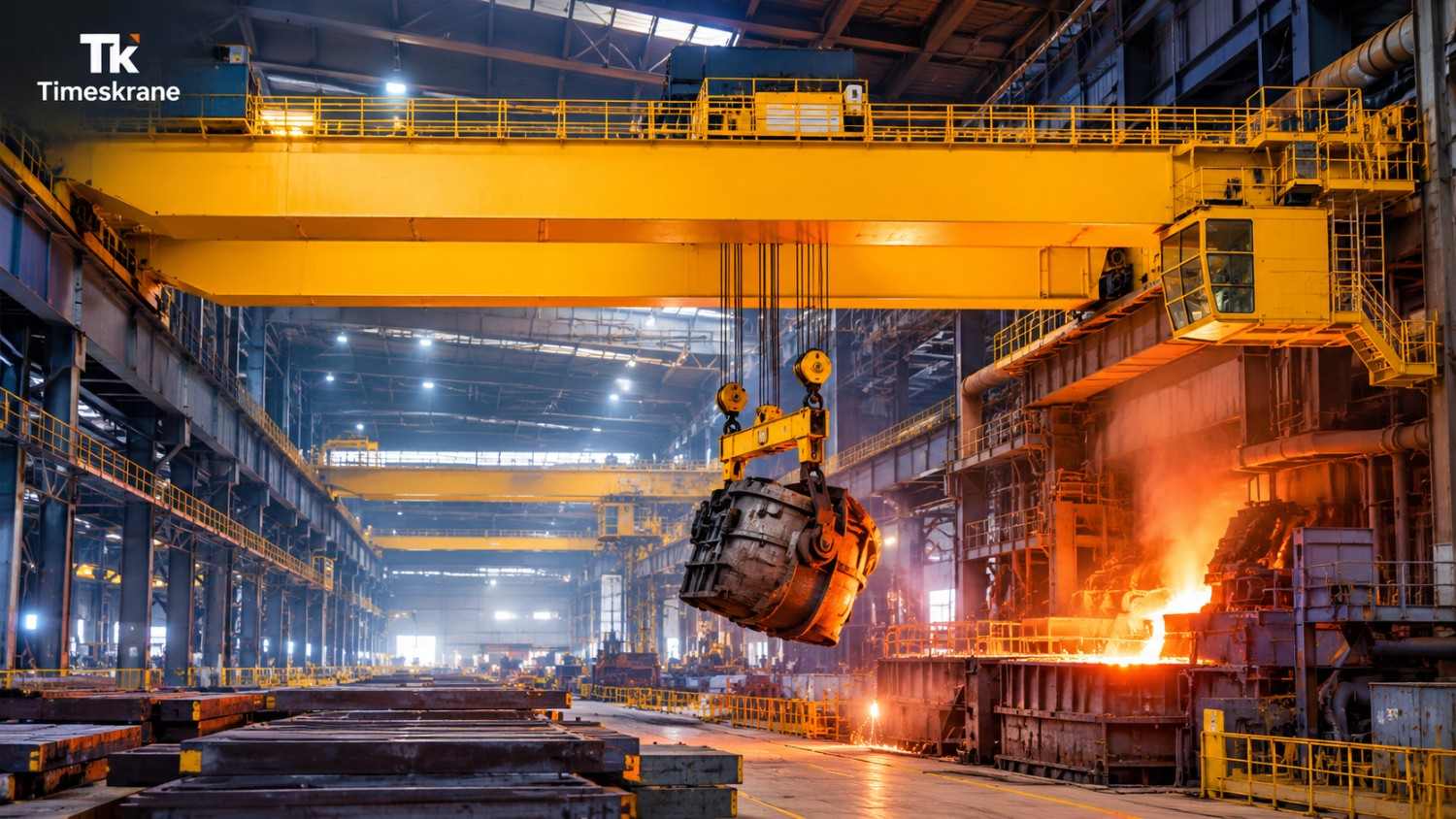
An honest breakdown of what makes a crane genuinely heavy duty for steel plant use, covering duty classification, capacity, and safety features buyers often miss.
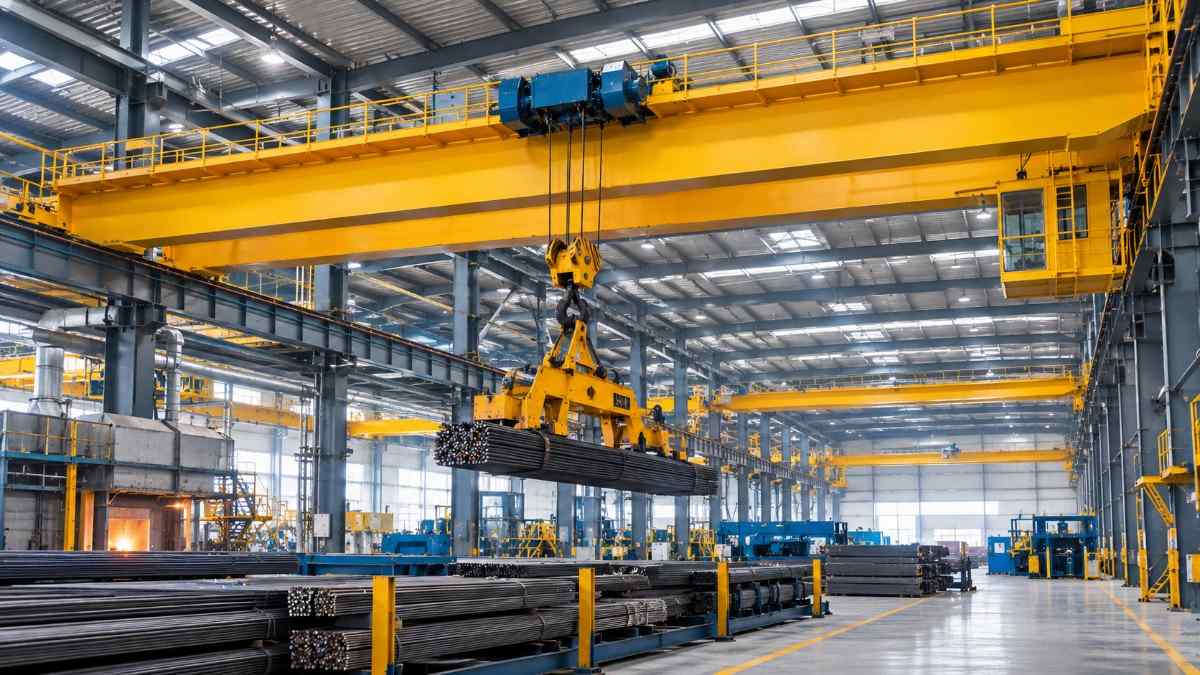
Finding the right steel plant crane manufacturer is perhaps the most important decision a procurement manager or plant owner will make. A poorly designed crane can increase both safety risks and downtime while excessively increasing maintenance costs.
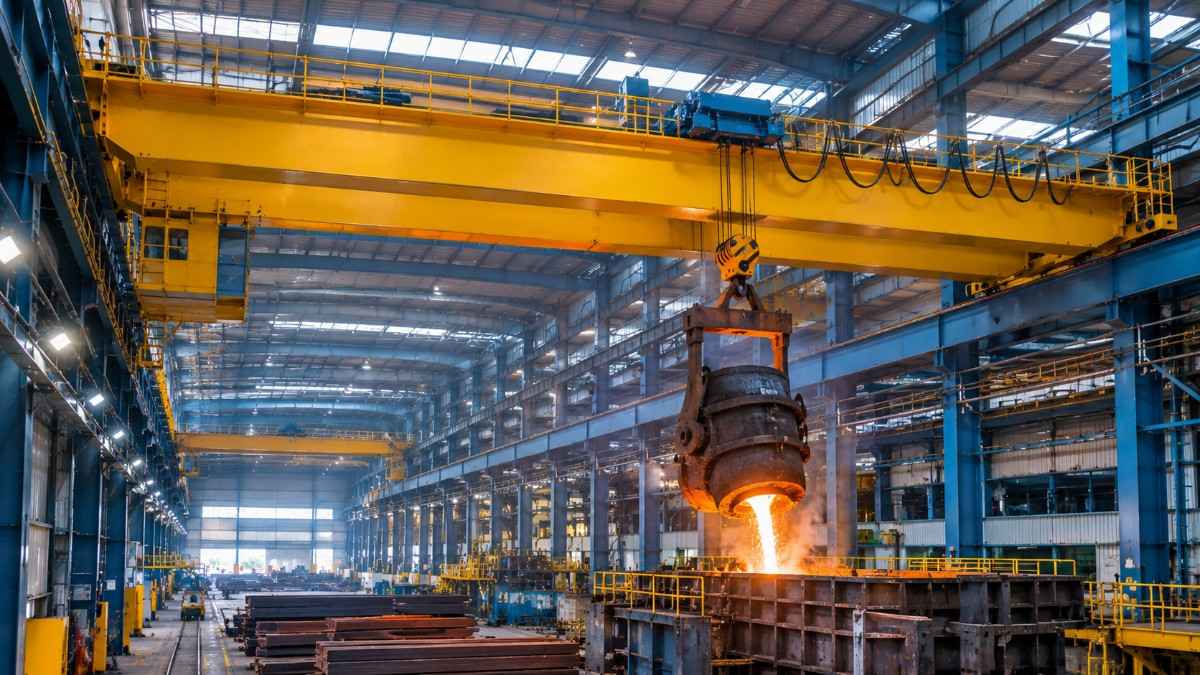
If you run or manage a steel plant, you already know that an overhead crane for steel plant operations is not a luxury. It is the backbone of your material handling process. From moving billets and coils to shifting ladles of molten metal, the right crane decides how smoothly your production line runs.
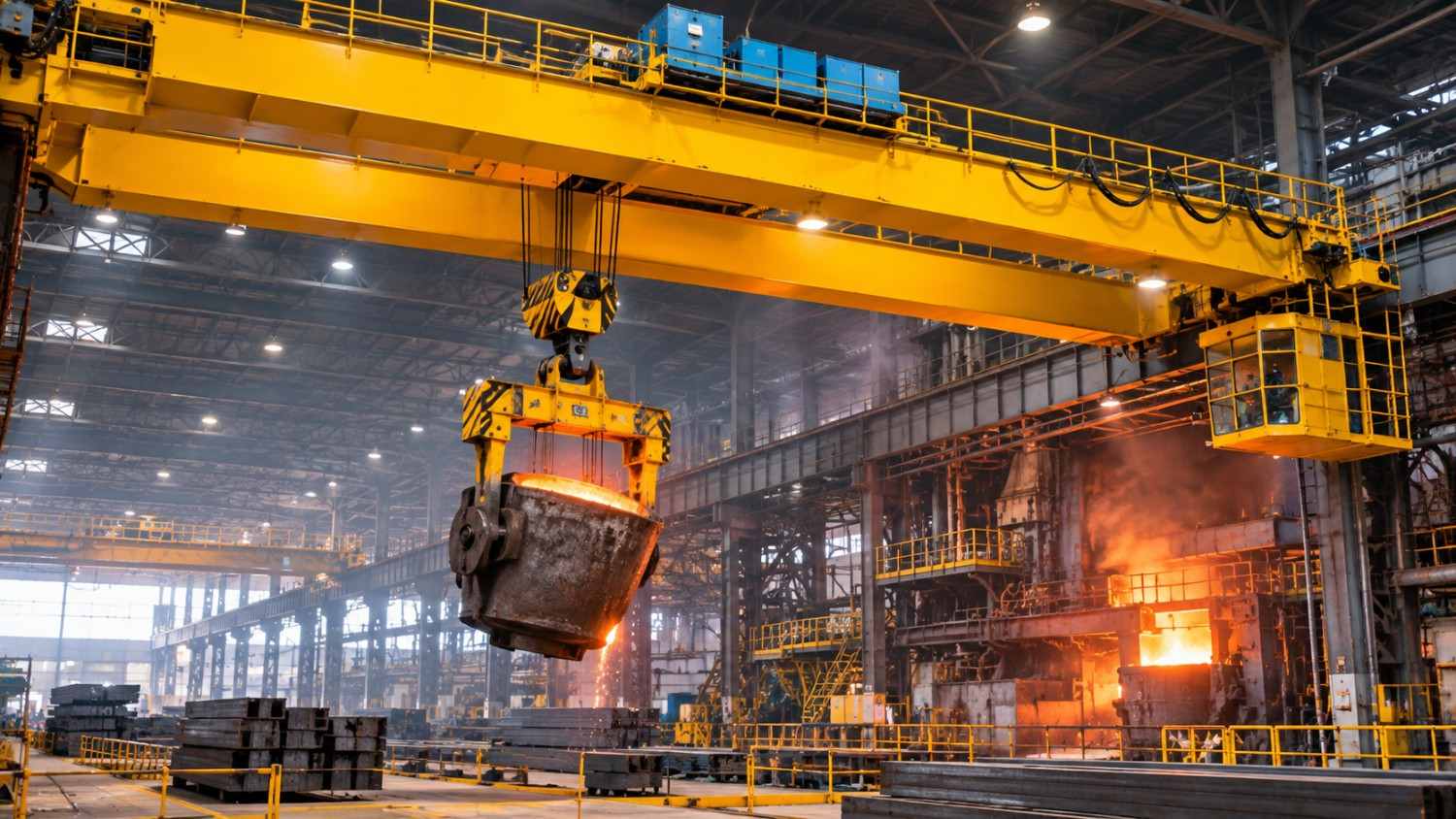
Discover how EOT cranes support steel plant operations, from material handling to molten metal lifting. Learn about crane types, duty classes, safety features, and how to choose the right EOT crane for your steel plant.
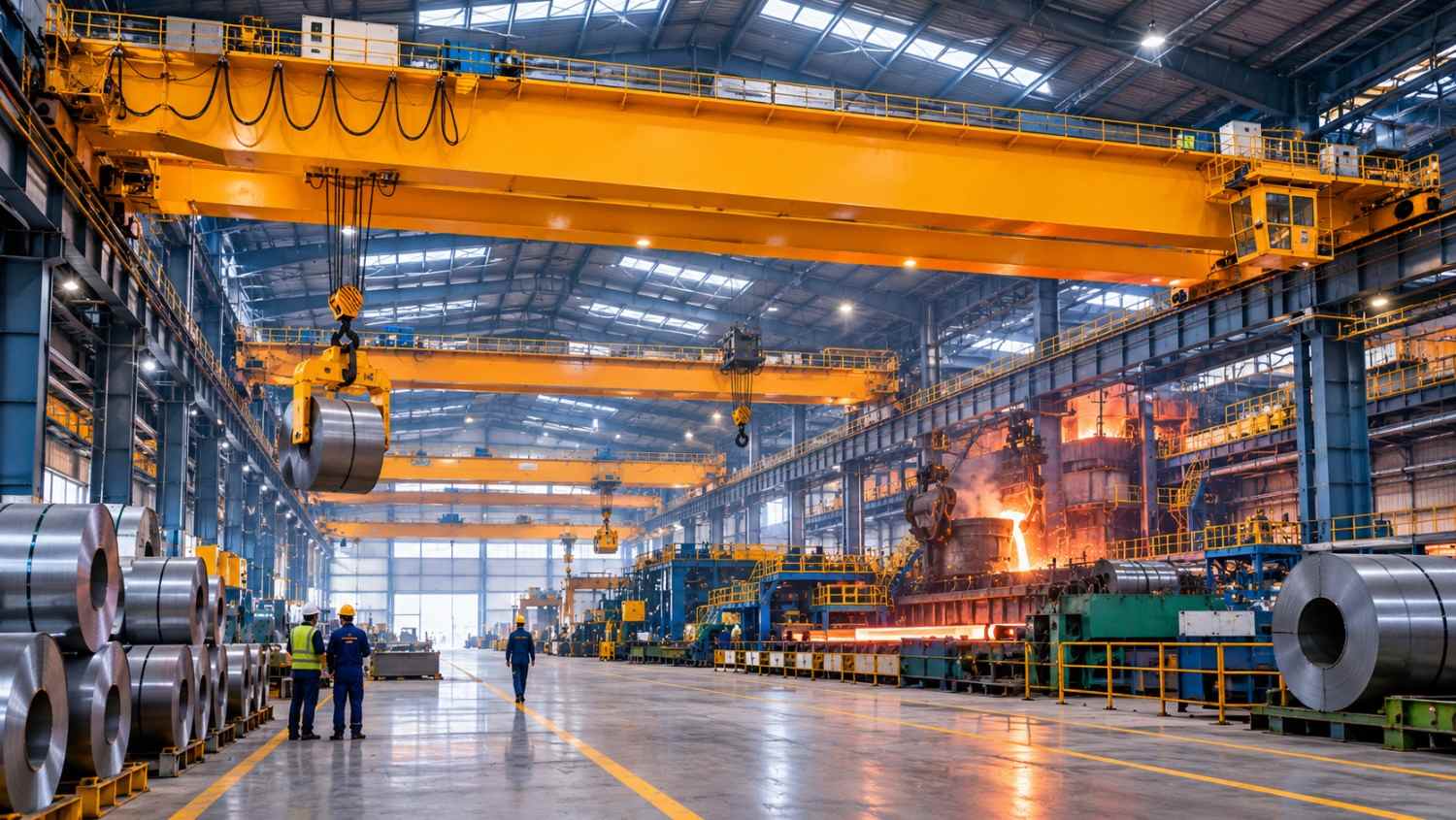
An honest, researched look at the top 5 crane manufacturers for steel plants in India, covering ladle, grab bucket, and coil handling cranes.
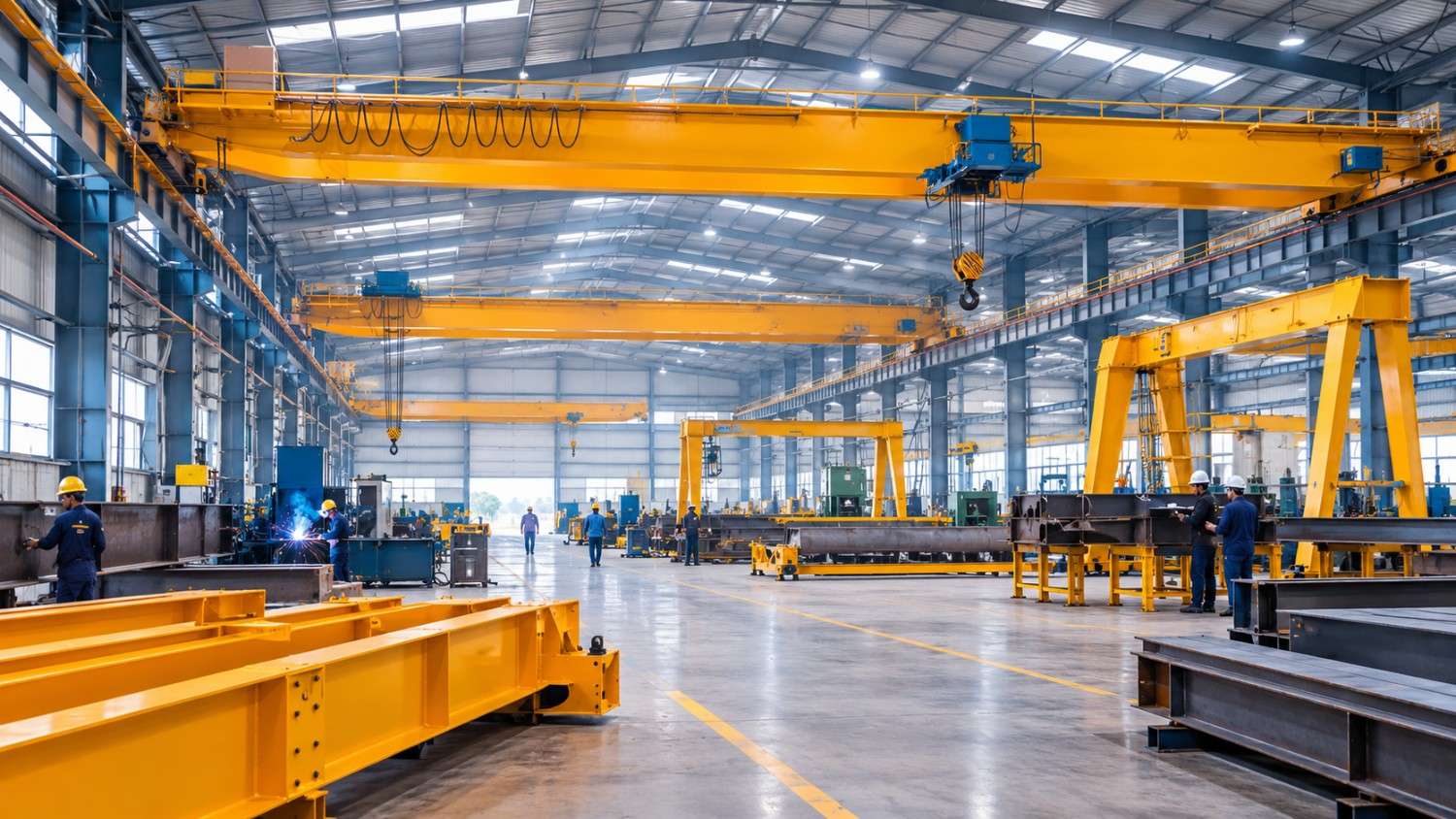
A real, researched look at the top 10 crane manufacturers in North India, covering Delhi NCR, Punjab, Haryana, UP, and Rajasthan, with what actually sets each one apart.
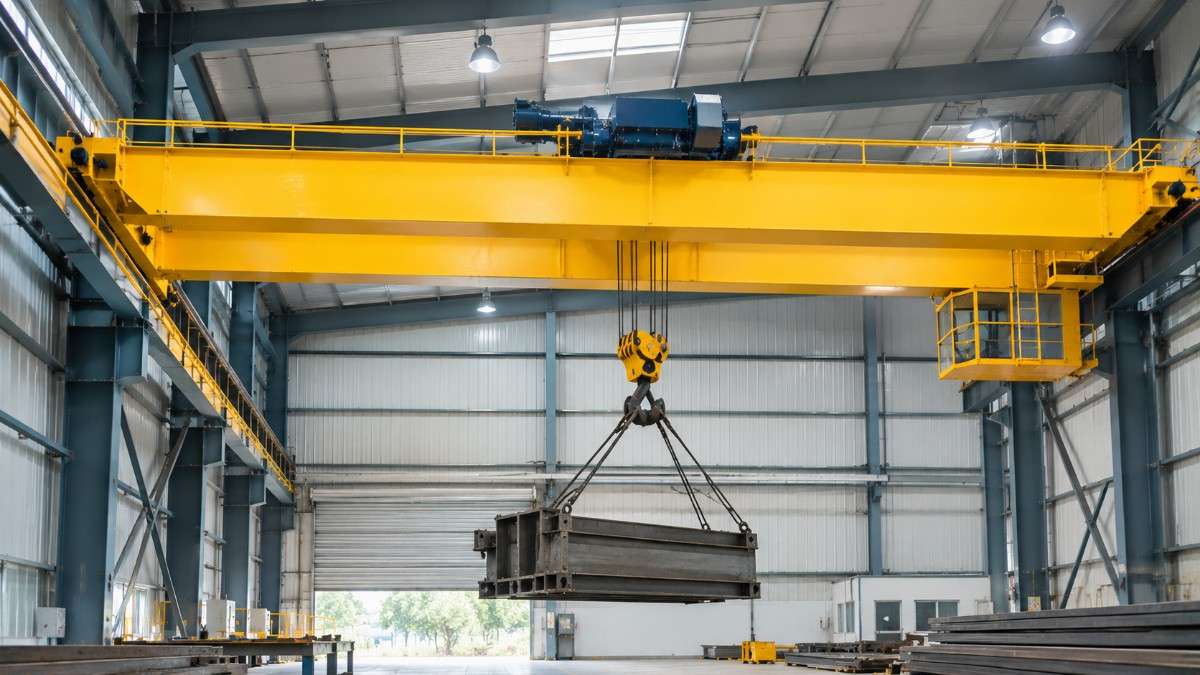
If you are looking for a 10 ton overhead crane for your factory or warehouse, the primary question that arises in your mind is whether this capacity will cater to your daily operations or it will turn out to be a useless and bulky addition to your storage.
Looking for a reliable partner for your next industrial project?