English
Contact
Configure
Catalog
It does not. A 2 ton EOT crane is a configured system, and its final cost depends on your building, your usage pattern, and the components your operation actually needs. This guide walks through every factor that shapes that configuration, so you walk into your next vendor conversation with clarity instead of guesswork.
A 2 ton EOT crane is built for handling moderately heavy loads that are still too much for manual or chain pulley systems. Think mid-sized machine parts, packaged raw material, or assembly components that need repeated, precise movement.
This capacity sits in an interesting middle zone. It is heavier than the light-duty 1 ton segment but well below the double girder territory that starts becoming necessary around 10 tons and above. When I've worked with clients in this range, most of them are automobile ancillary units, packaging plants, or metal fabrication shops running two to three shifts.
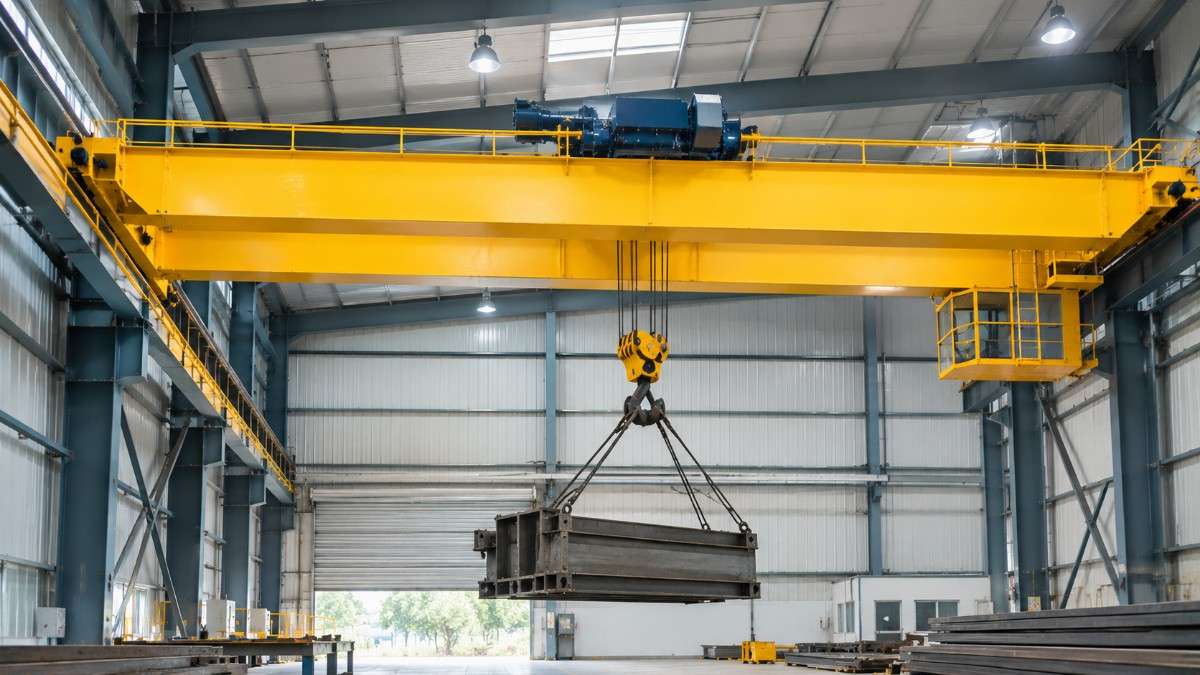
EOT crane full form is Electric Overhead Traveling Crane. It refers to a crane system mounted on an elevated runway that moves along the length of a building while a hoist trolley moves across its width.
The three-axis movement works like this:
Together, these three motions let a single crane cover almost the entire floor area of a workshop, which is exactly why EOT systems remain the backbone of Indian manufacturing floors even with newer material handling technology available.
Here is a quick answer: for 2 ton capacity, a single girder configuration is usually sufficient, though double girder becomes relevant if your span exceeds typical single girder limits.
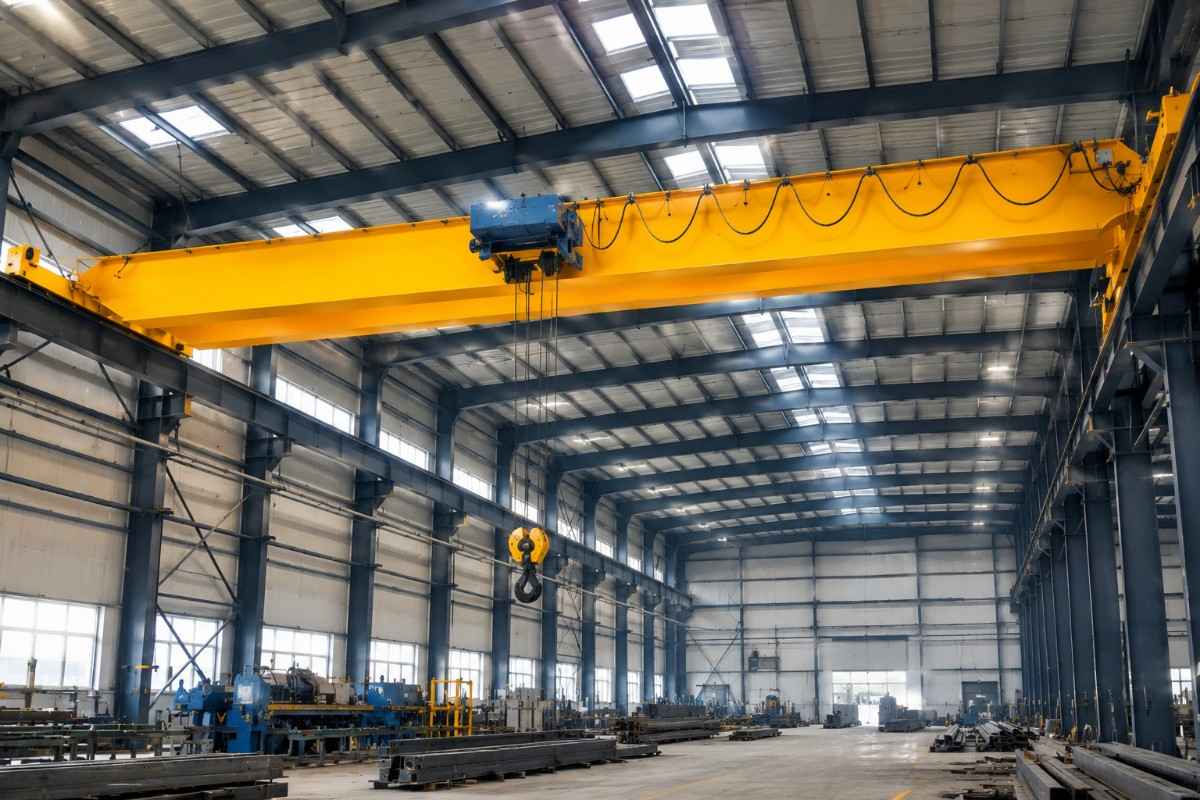
Single girder EOT crane setups use one main beam and are suited for:
Double girder EOT crane setups use two parallel beams and are typically chosen for:
One thing many buyers overlook is that opting for double girder at 2 tons only makes sense if your span or headroom genuinely demands it. Otherwise, you are paying for structural capacity you will never use.
| Feature | Single Girder | Double Girder |
|---|---|---|
| Typical Span Suitability | Up to 20-25m | Beyond 25m or special cases |
| Headroom Requirement | Lower | Higher |
| Structural Weight | Lighter | Heavier |
| Hook Lift Height | Standard | Higher |
| Common Use Case | General manufacturing | Wide bay or heavy structure buildings |
In most cases, the single girder EOT crane price works out lower than a double girder setup at the same 2 ton capacity, simply because it uses less structural steel and fewer components. That said, the actual gap between the two depends heavily on your span and duty class requirements, so it is worth asking your manufacturer for both configurations before deciding, especially if there is any chance your span requirements might change down the line.
Knowing the EOT crane parts name list helps you understand exactly what a quotation is charging you for.
From practical use, I've noticed that buyers who ask their manufacturer to walk through this parts list before finalising a quote end up with far fewer surprises during installation.
1. Span and Runway Length
Longer spans require heavier sections and stronger end carriages, which increases fabrication cost.
2. Duty Classification
A crane running continuously across three shifts needs a heavier duty class rating than one used occasionally, and that changes the motor, gearbox, and structural specifications.
3. Hoist Type
Wire rope hoists generally handle higher usage better than chain hoists, though chain hoists can be adequate for lighter, less frequent operations.
4. Control System
Pendant control is the most economical option, while radio remote or cabin-operated systems add to the overall configuration cost.
5. Building Structure Compatibility
If your factory's existing columns and runway beams can support the crane without reinforcement, you avoid additional civil work costs.
6. Installation and Commissioning Scope
Manufacturers offering full site survey, installation, and load testing typically build that scope into the overall project cost.
When I've reviewed quotations side by side for clients, the ones that looked cheapest on paper often excluded installation or civil work, which showed up as an unexpected add-on later.
Completing this checklist before your first vendor call typically shortens the entire buying process by weeks.
Mistake 1: Comparing quotes without matching specifications
Two quotes for a "2 ton crane" can differ wildly if one includes a higher duty class or a longer span. Always compare apples to apples.
Mistake 2: Choosing hoist type based on cost alone
A chain hoist might look economical initially, but for continuous multi-shift use, a wire rope hoist generally holds up better over time.
Mistake 3: Skipping the structural assessment
I've seen installations delayed by weeks because the existing runway beam was not properly checked for load compatibility before ordering.
Mistake 4: Overlooking spare parts availability
A crane that cannot be serviced quickly due to unavailable spares causes far more downtime cost than the crane itself.
Benefits:
Challenges:
One thing I always recommend to first-time buyers is to request a working demonstration, either at the manufacturer's facility or at a nearby installed site. Specification sheets rarely convey how smoothly a crane actually operates under load.
Another practical tip involves duty classification. Reference frameworks like ISO 4301 and guidance available through the Bureau of Indian Standards (BIS) provide a reliable way to match your crane's duty class to your actual usage pattern, rather than relying purely on a vendor's recommendation.
Times Krane, headquartered in Faridabad, Haryana, designs and manufactures single girder and double girder EOT cranes suited to real industrial conditions across India. Our engineering team evaluates your span, duty requirement, and structural readiness before recommending a configuration, which means you get a crane built around your actual operation rather than a one-size-fits-all unit.
If you are working through an EOT crane 2 ton price evaluation for your facility, our team can guide you through the specification process and prepare a detailed proposal based on your exact site conditions.
Understanding what genuinely shapes EOT crane 2 ton price puts you in a stronger position when comparing manufacturers. Rather than chasing the lowest figure, focus on span accuracy, duty classification, and installation scope, since these decide how reliably your crane performs across years of daily use.
If you would like a detailed evaluation for your facility, the team at Times Krane is ready to guide you through the specification and proposal process based on your actual site requirements.
An honest breakdown of what makes a crane genuinely heavy duty for steel plant use, covering duty classification, capacity, and safety features buyers often miss.
Finding the right steel plant crane manufacturer is perhaps the most important decision a procurement manager or plant owner will make. A poorly designed crane can increase both safety risks and downtime while excessively increasing maintenance costs.
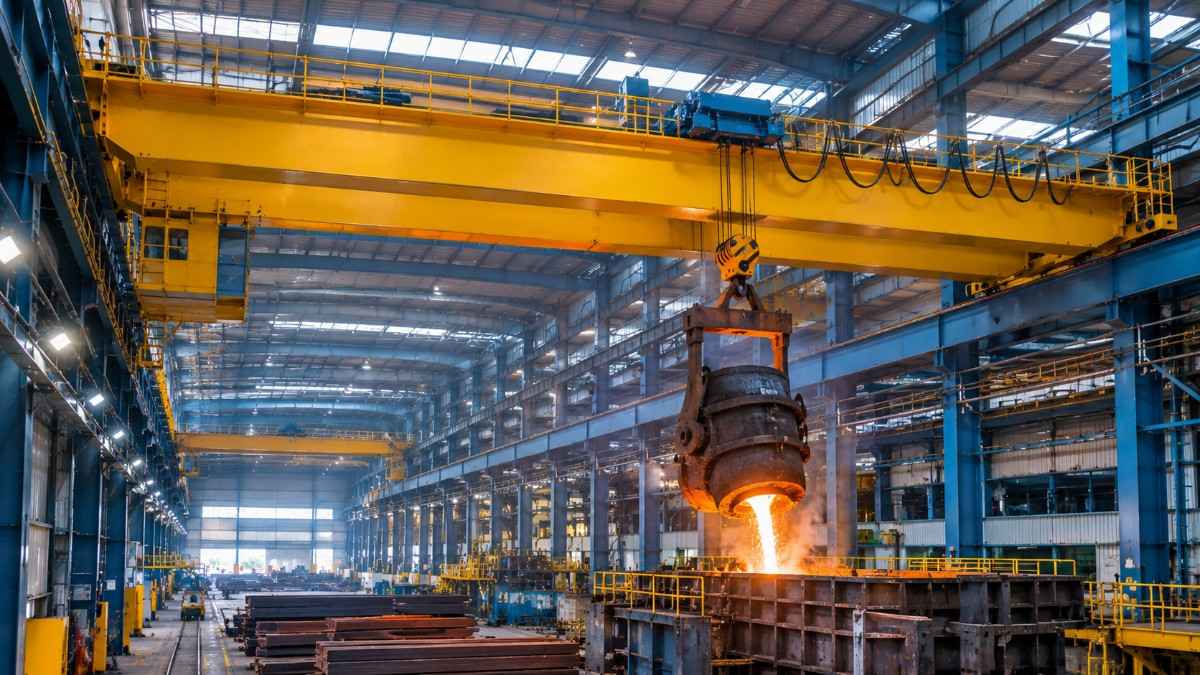
If you run or manage a steel plant, you already know that an overhead crane for steel plant operations is not a luxury. It is the backbone of your material handling process. From moving billets and coils to shifting ladles of molten metal, the right crane decides how smoothly your production line runs.
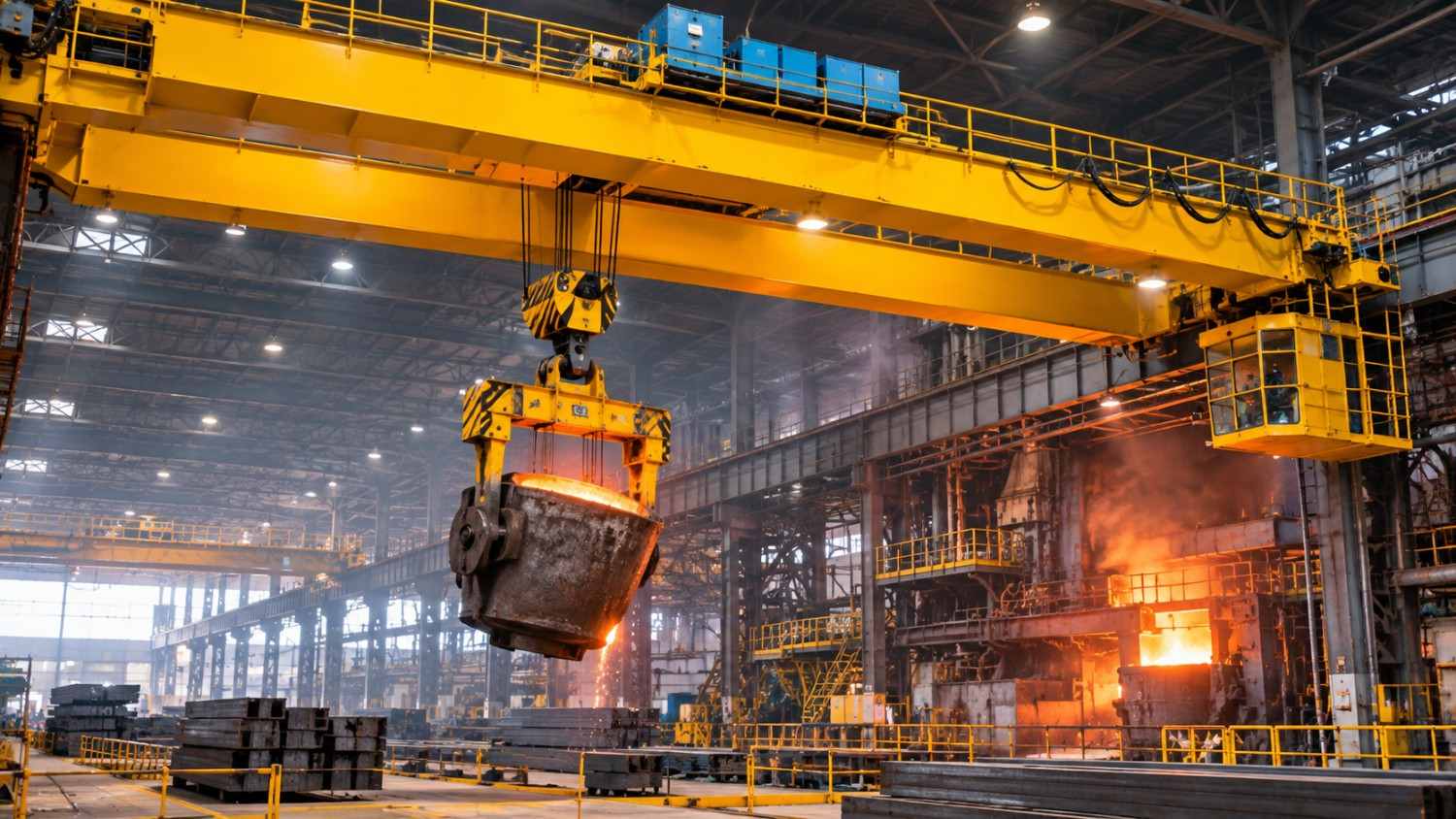
Discover how EOT cranes support steel plant operations, from material handling to molten metal lifting. Learn about crane types, duty classes, safety features, and how to choose the right EOT crane for your steel plant.
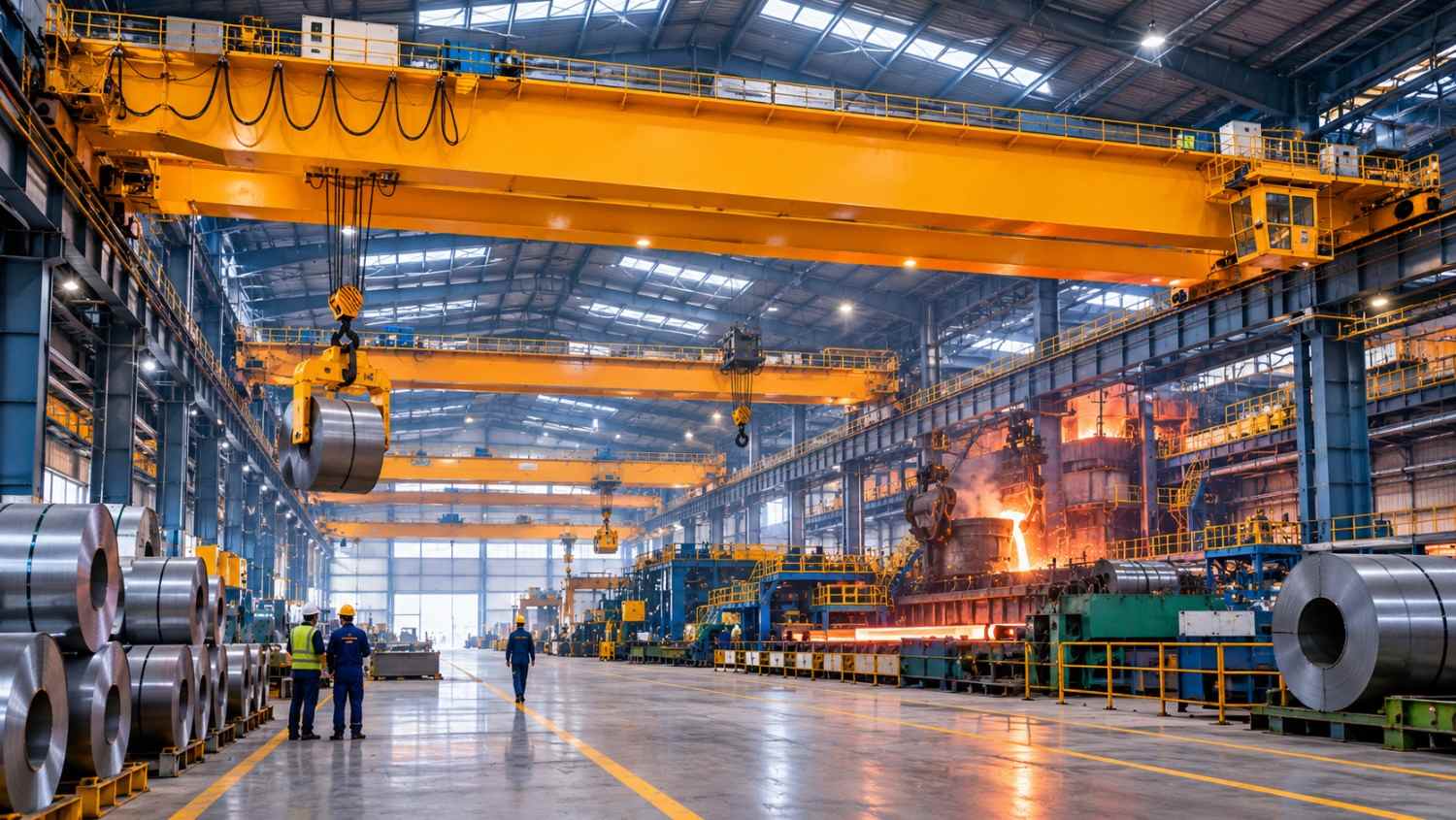
An honest, researched look at the top 5 crane manufacturers for steel plants in India, covering ladle, grab bucket, and coil handling cranes.
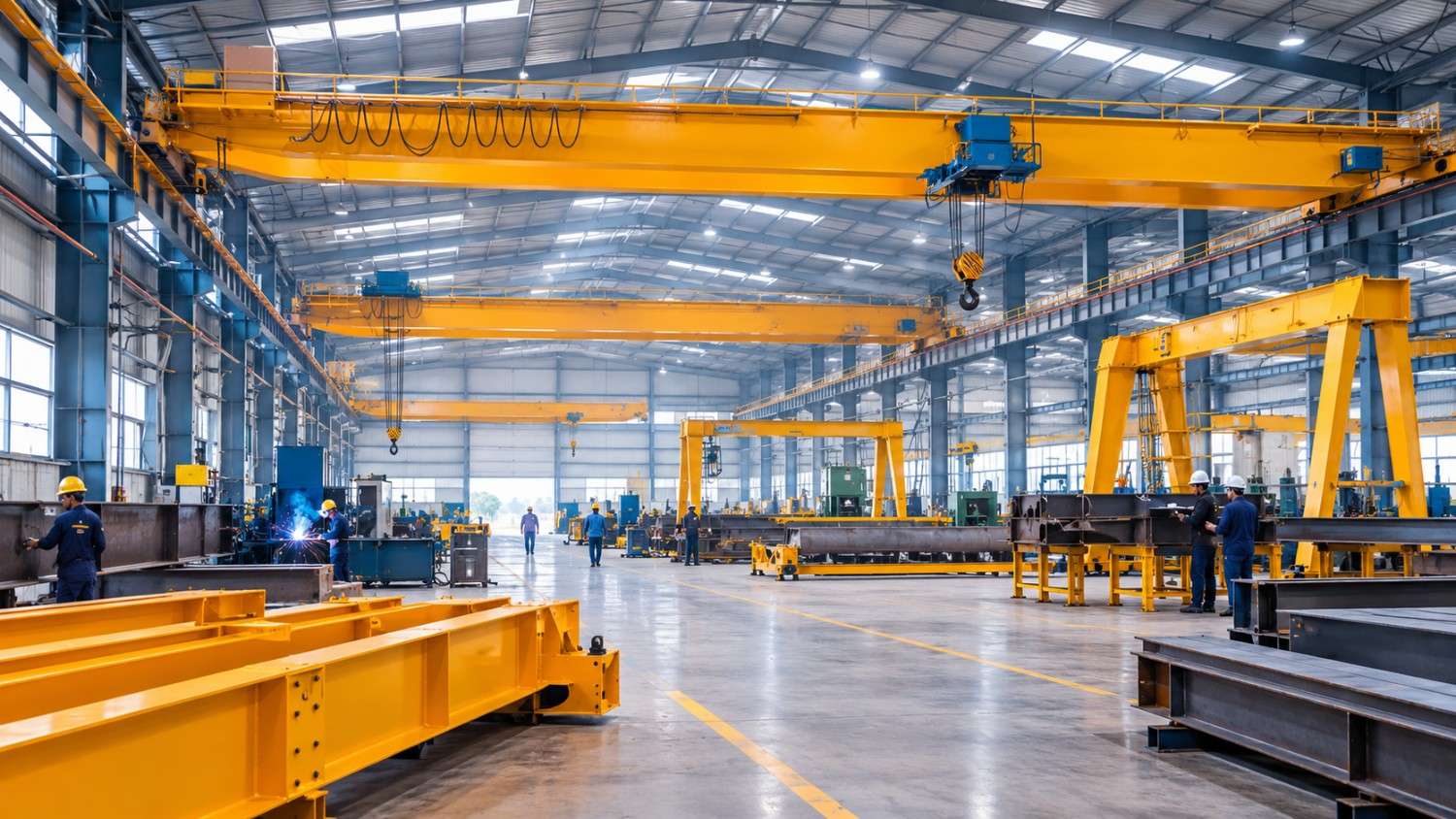
A real, researched look at the top 10 crane manufacturers in North India, covering Delhi NCR, Punjab, Haryana, UP, and Rajasthan, with what actually sets each one apart.
If you are looking for a 10 ton overhead crane for your factory or warehouse, the primary question that arises in your mind is whether this capacity will cater to your daily operations or it will turn out to be a useless and bulky addition to your storage.
Looking for a reliable partner for your next industrial project?