English
Contact
Configure
Catalog
This guide breaks down exactly what shapes that cost, what specifications actually matter at this tonnage, and how to avoid the common mistakes buyers make when evaluating proposals.
A 10 ton eot crane falls into the heavy-duty category, typically used where loads are too substantial for lighter capacity systems but do not yet require the largest structural configurations.
When I've worked with clients in this range, most run steel fabrication units, foundries, heavy machine shops, or warehousing operations handling large equipment and raw material in bulk. At this tonnage, the crane is rarely used occasionally. It usually runs across multiple shifts, which is exactly why duty classification becomes such a major cost factor.
Here is a direct answer: most 10 ton applications require a double girder configuration, since single girder cranes typically cannot handle this capacity efficiently beyond limited spans.
The double girder eot crane price at 10 tons reflects the additional structural steel, the top-running trolley mechanism, and the stronger end carriages needed to support this load safely. Unlike lighter capacities where single girder remains a genuine option, 10 tons is generally where double girder becomes the practical standard rather than a choice based on span alone.
One thing many buyers overlook is that even within double girder systems, the specific span and hook lift requirement still change the final configuration significantly, so two 10 ton cranes from different manufacturers can differ a fair amount depending on these details.
1. Span and Runway Length
A longer span demands heavier girder sections and stronger end carriages, and at 10 tons this scaling becomes more noticeable than at lighter capacities.
2. Duty Classification
Cranes running continuous heavy cycles across multiple shifts need a robust duty rating under frameworks like ISO 4301, which affects motor, gearbox, and structural specifications significantly.
3. Drive System Type
Variable frequency drives offer smoother, more controlled load handling and are increasingly standard at this capacity, though they add to the overall specification compared to basic drive systems.
4. Hoist and Trolley Configuration
Top-running trolleys, typical at 10 tons, are more complex than under-slung systems used in lighter single girder cranes.
5. Safety and Control Systems
Overload protection, anti-collision devices, and advanced limit switches become more critical at this tonnage given the higher risk associated with heavier loads.
6. Structural Readiness of the Facility
If your building's existing columns and runway beams cannot support a 10 ton crane without reinforcement, that civil work adds meaningfully to the total project scope.
When I've reviewed vendor proposals side by side for clients evaluating this tonnage, duty classification accuracy consistently turned out to be the single biggest reason quotes varied, even when the base crane design looked similar on paper.
| Factor | Lower Impact Scenario | Higher Impact Scenario |
|---|---|---|
| Span | Standard span under 20m | Wide span beyond 25m |
| Duty Class | Occasional, single shift use | Continuous, multi-shift use |
| Drive System | Standard AC drive | Variable frequency drive |
| Structural Readiness | Existing structure compatible | Reinforcement required |
| Safety Features | Basic limit switches | Advanced overload and anti-collision systems |
Understanding where 10 tons fits within the broader eot crane price landscape helps set realistic expectations. Lighter capacities in the 1 to 5 ton range generally use simpler single girder designs, while capacities from 10 tons upward shift toward double girder systems with more advanced drive and safety requirements.
This is not a linear scale. The jump from 5 tons to 10 tons often involves a bigger configuration change than the jump from 10 tons to 15 tons, simply because 10 tons is usually where double girder design and higher duty classes become standard rather than optional.
Working through this checklist before your first vendor conversation typically saves significant time during the proposal comparison stage.
Mistake 1: Underestimating duty classification
I've seen buyers select a lighter duty class to reduce initial scope, only to face premature motor and gearbox wear once actual multi-shift usage began.
Mistake 2: Skipping structural verification
A 10 ton crane places considerable load on the building structure, and skipping this check has delayed installations I have personally reviewed by several weeks.
Mistake 3: Comparing incomplete proposals
Two quotes for the same 10 ton capacity can differ significantly if one excludes installation, load testing, or civil work, so always compare full project scope.
Mistake 4: Overlooking after sales support
A crane that cannot be serviced quickly due to unavailable spares or distant support teams causes far more downtime cost than any specification difference between vendors.
Benefits:
Challenges:
One thing I always recommend to buyers evaluating this tonnage is requesting references from the manufacturer for similar 10 ton installations in comparable industries. Seeing a crane of this capacity in daily operation reveals far more than a specification sheet ever can.
Another practical tip involves duty classification. Guidance available through the Bureau of Indian Standards (BIS) and international frameworks like ISO 4301 provide a reliable way to match your crane's duty class to your actual operational pattern, rather than relying purely on assumptions or a vendor's default recommendation.
Times Krane, based in Faridabad, Haryana, manufactures double girder EOT cranes engineered around real industrial conditions across India. Our engineering team evaluates your span, duty requirement, and structural readiness before recommending a configuration, ensuring you receive a crane built for your actual operational demands rather than a generic specification.
If you are working through the cost of 10 ton eot crane for your facility, our team can guide you through the specification process and prepare a detailed proposal based on your exact site conditions.
Understanding what genuinely shapes the cost of 10 ton eot crane systems puts you in a far stronger position when comparing manufacturers. Rather than focusing purely on the base price, pay close attention to duty classification, structural readiness, and installation scope, since these factors determine how reliably your crane performs across years of heavy industrial use.
If you would like a detailed evaluation for your facility, the team at Times Krane is ready to guide you through the specification and proposal process based on your actual site requirements.
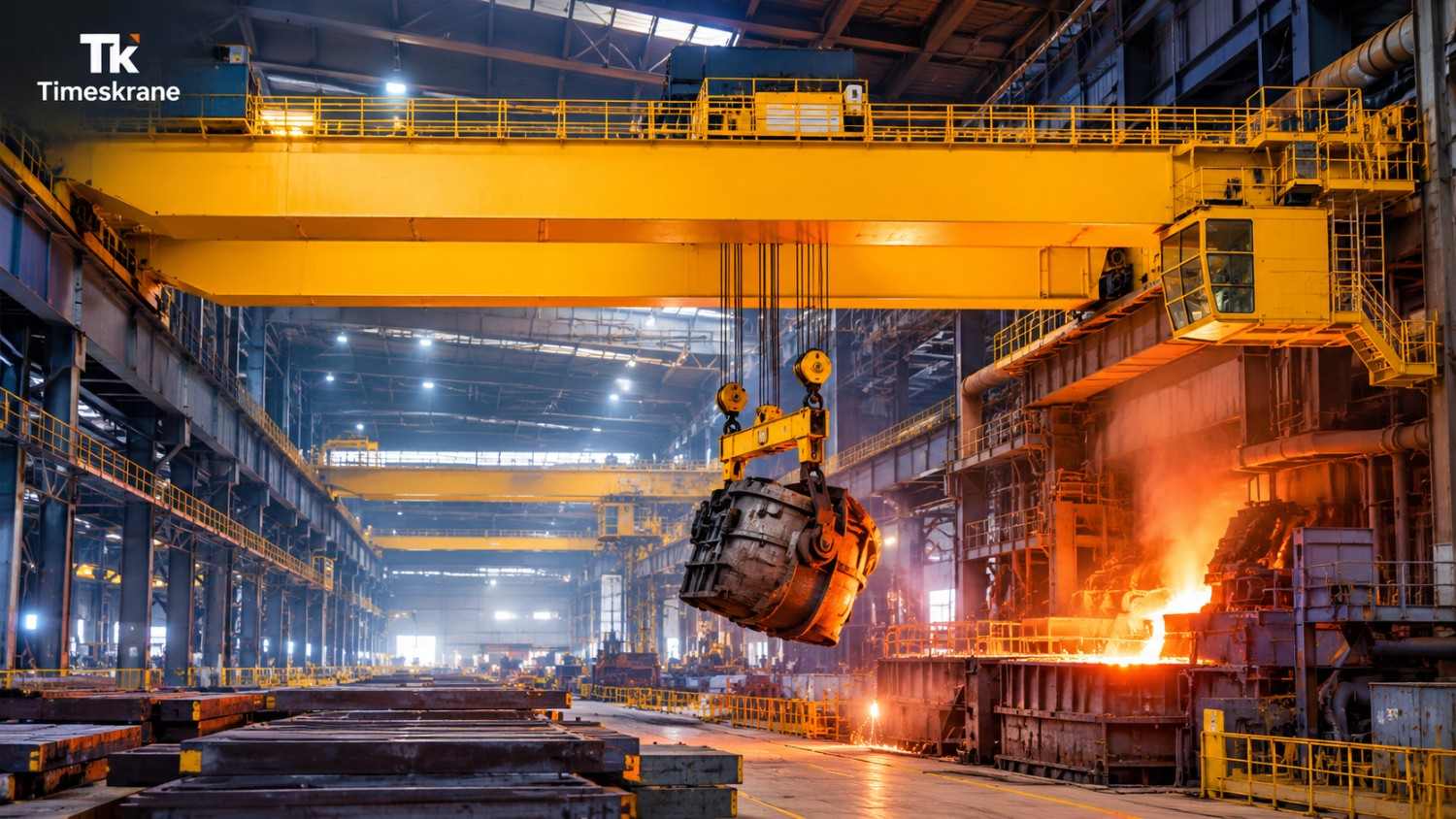
An honest breakdown of what makes a crane genuinely heavy duty for steel plant use, covering duty classification, capacity, and safety features buyers often miss.
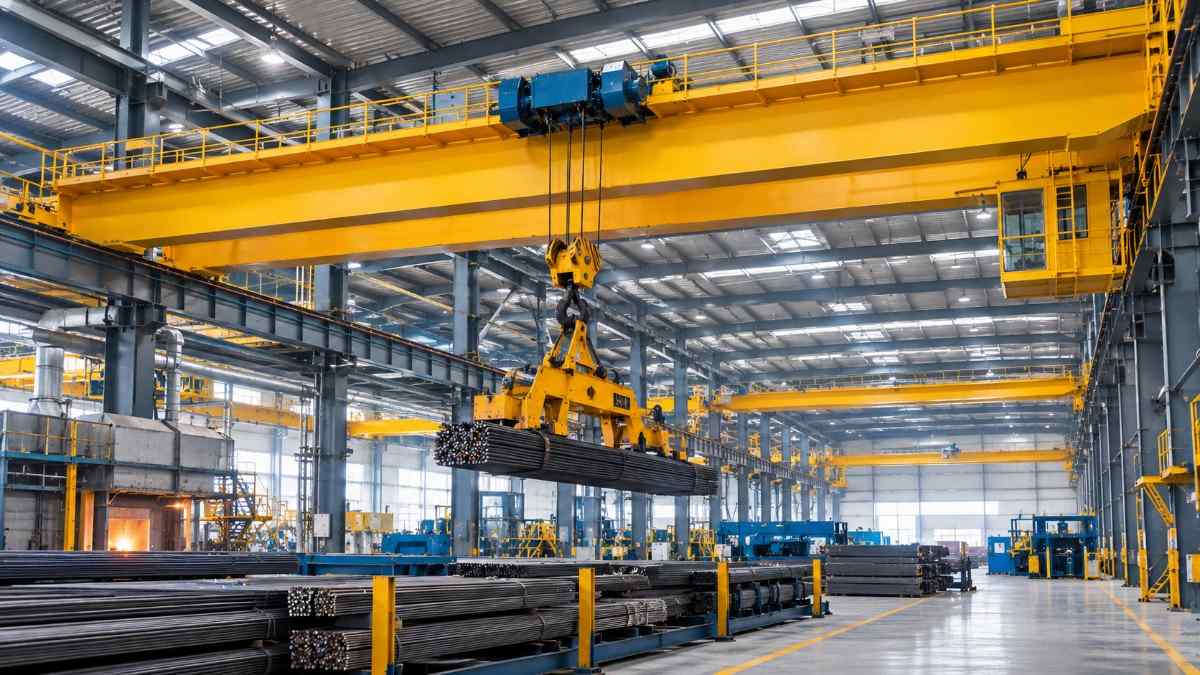
Finding the right steel plant crane manufacturer is perhaps the most important decision a procurement manager or plant owner will make. A poorly designed crane can increase both safety risks and downtime while excessively increasing maintenance costs.
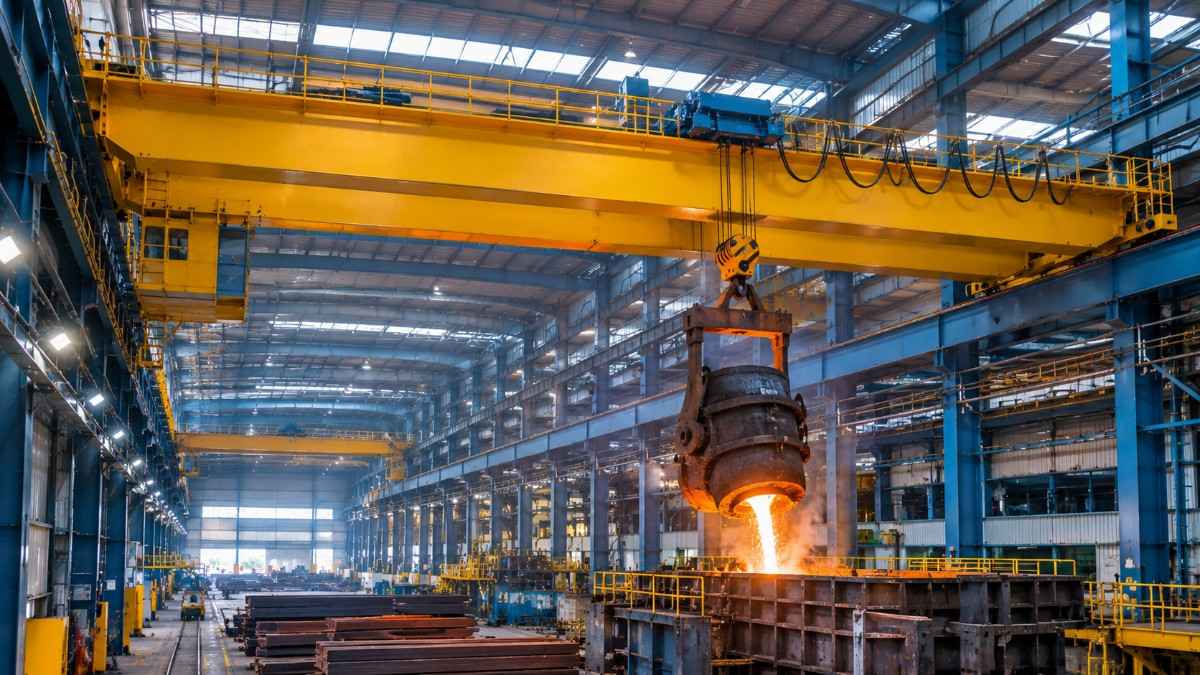
If you run or manage a steel plant, you already know that an overhead crane for steel plant operations is not a luxury. It is the backbone of your material handling process. From moving billets and coils to shifting ladles of molten metal, the right crane decides how smoothly your production line runs.
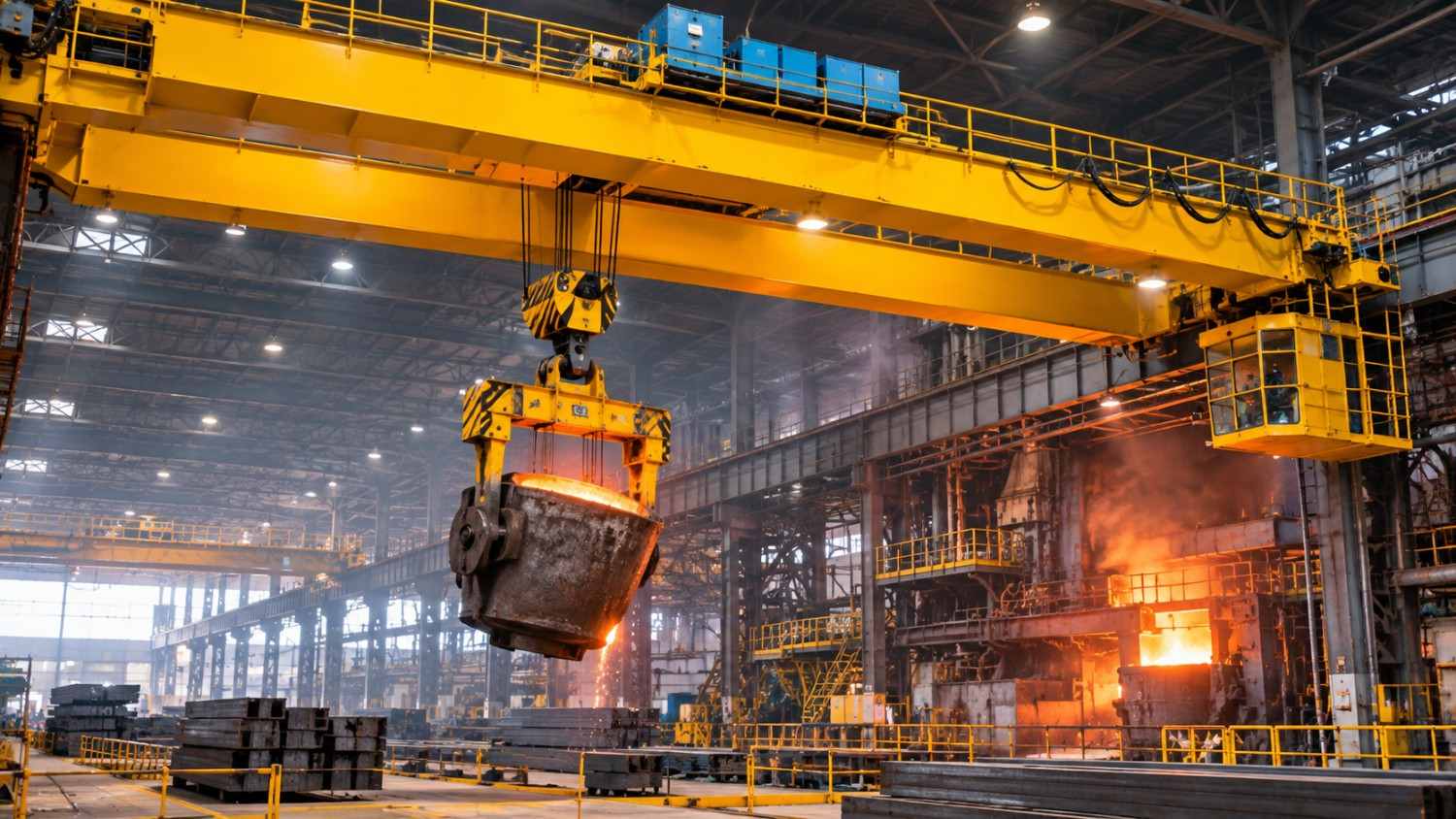
Discover how EOT cranes support steel plant operations, from material handling to molten metal lifting. Learn about crane types, duty classes, safety features, and how to choose the right EOT crane for your steel plant.
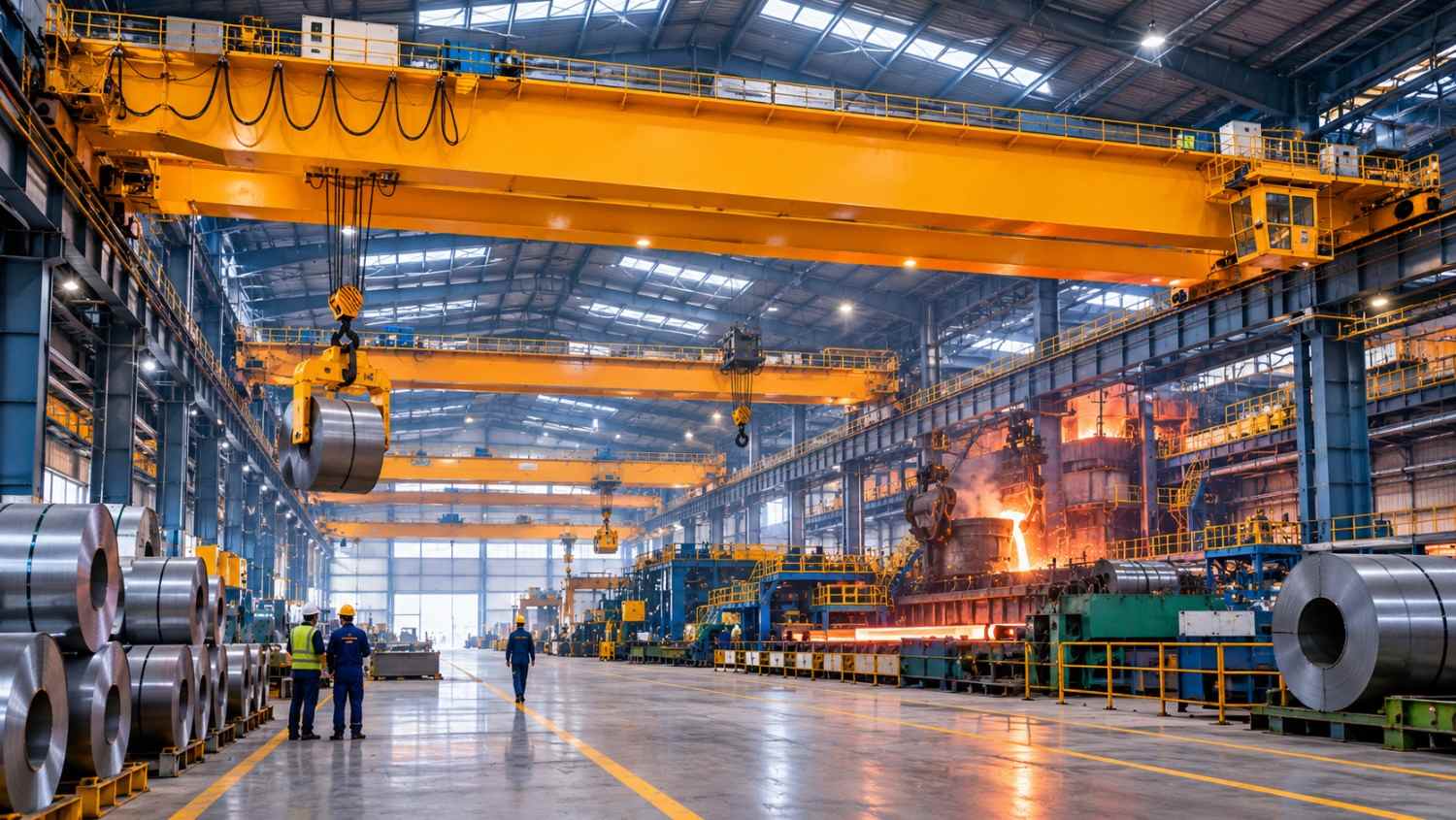
An honest, researched look at the top 5 crane manufacturers for steel plants in India, covering ladle, grab bucket, and coil handling cranes.
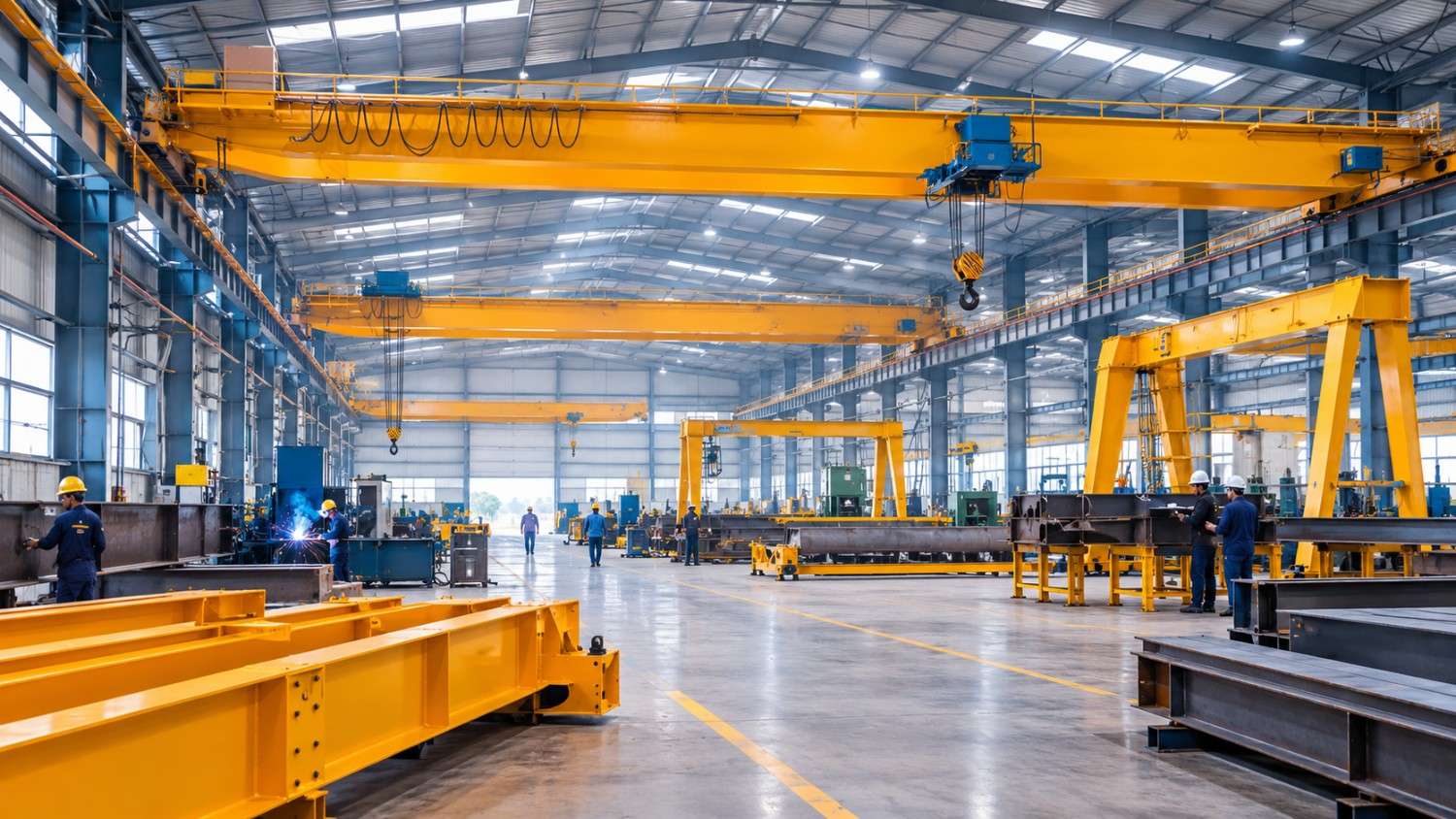
A real, researched look at the top 10 crane manufacturers in North India, covering Delhi NCR, Punjab, Haryana, UP, and Rajasthan, with what actually sets each one apart.
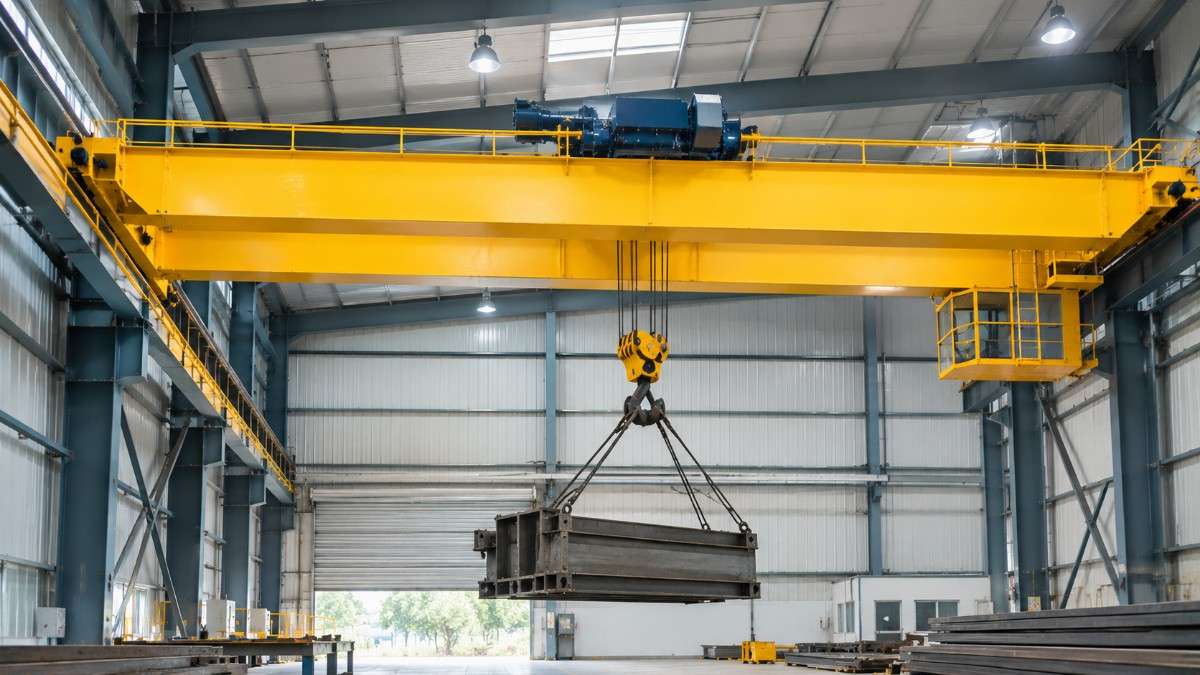
If you are looking for a 10 ton overhead crane for your factory or warehouse, the primary question that arises in your mind is whether this capacity will cater to your daily operations or it will turn out to be a useless and bulky addition to your storage.
Looking for a reliable partner for your next industrial project?