English
Contact
Configure
Catalog
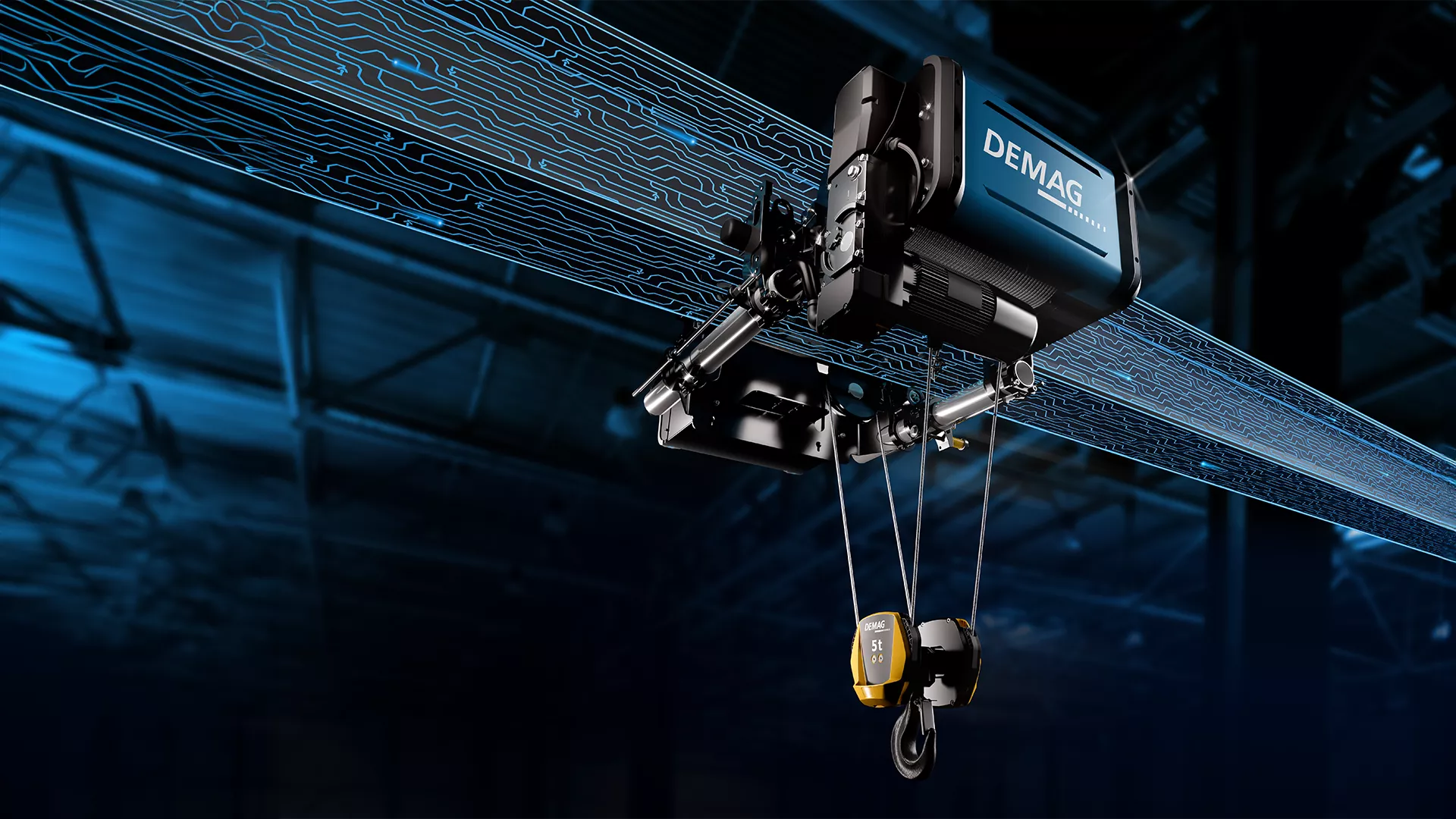
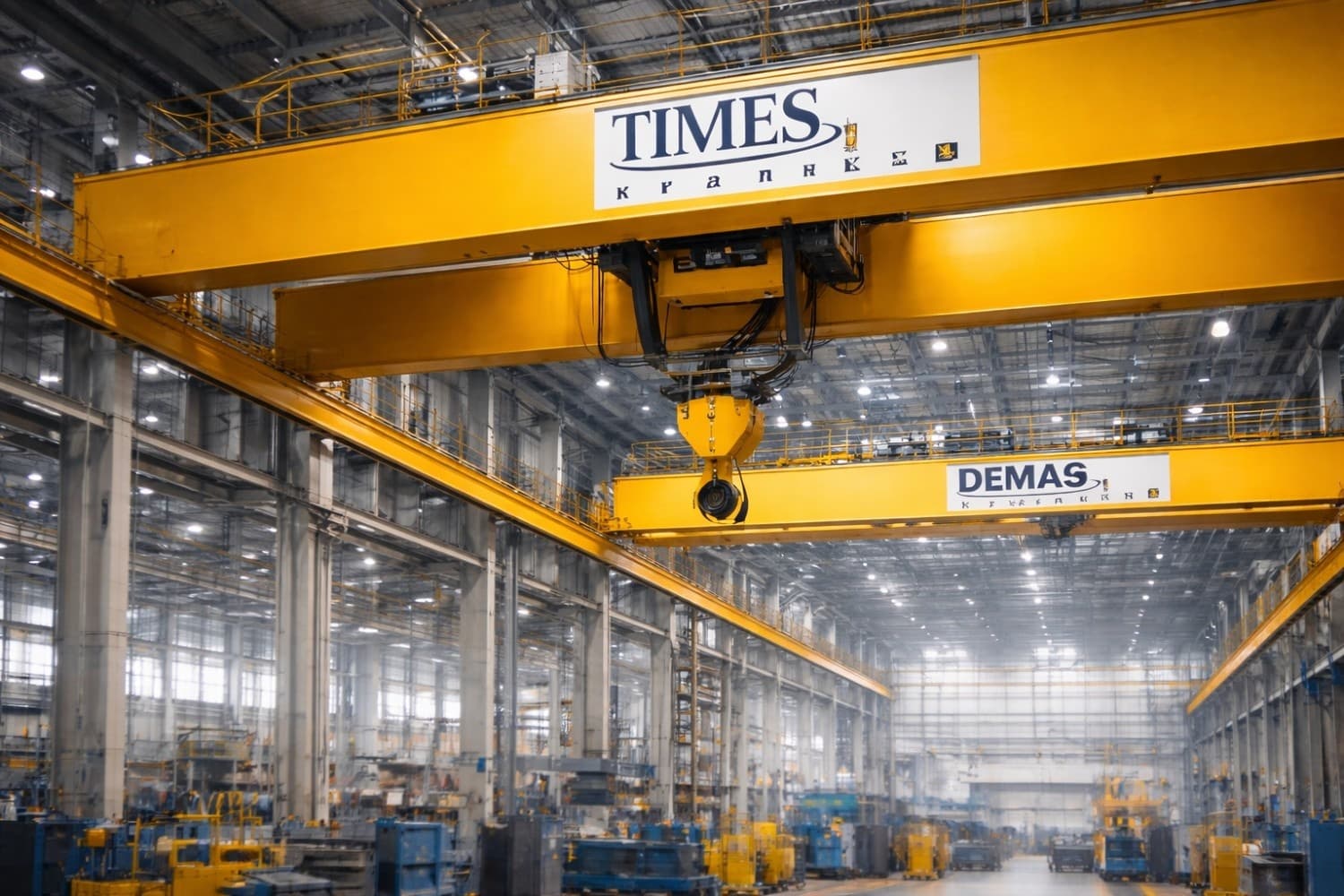
Surat is not a small industrial market. It is one of the fastest-growing cities in India, and its industrial base is far more diverse than most people realize. Textiles, diamond processing, chemicals, plastics, engineering goods, and logistics are all operating out of Surat's GIDC zones. Each of these sectors has its own lifting requirements. Getting an EOT crane that fits your specific application matters a great deal.
EOT stands for Electric Overhead Travel. The crane runs on rails fixed to the building's structure, with an electric hoist managing vertical load movement. The bridge travels along the runway, the trolley moves across the bridge, and the hoist moves up and down. Three axes of controlled movement, all electrically driven.
That sounds straightforward. And the mechanics are. But the engineering behind sizing a crane correctly for your application, duty class, span, lift height, hoist capacity, and environmental conditions, that is where the real expertise lies.
In my experience, facilities that rush the specification stage almost always end up with a crane that either underperforms within two years or sits idle because it cannot handle the actual workloads safely. Neither outcome is acceptable when you have invested in capital equipment.
A 2022 report by the Indian Lifting Equipment Manufacturers Association noted that nearly 35 percent of industrial crane failures reported over a five-year period were attributed to incorrect duty class specification during procurement. That one number should make every buyer slow down and think.
Surat is unique. It is not a single-industry town. The city hosts an extraordinary mix of manufacturing and processing activities, and each segment comes with distinct crane requirements that a good manufacturer must understand before quoting anything.
The textile industry is Surat's backbone. Large looms, heavy rolls of fabric, dyeing machinery, and processing equipment all require careful movement. In these environments, cranes need smooth travel speeds, good span coverage across wide production floors, and pendant controls that are easy for operators to use throughout long shifts.
I've noticed that textile plant managers in Surat often underestimate the hook height they need until they are trying to move a tall machine assembly and find there is not enough clearance. Always calculate lift height with future equipment changes in mind, not just current requirements.
Surat's diamond industry requires a completely different approach. Lifting here involves precise, controlled movement of expensive machinery and processing equipment. Overloading risk is low, but precision and vibration-free operation matter enormously. Single girder EOT cranes with variable frequency drives are commonly the right solution here.
The GIDC zones in Surat host a significant number of chemical and plastic processing units. Corrosion, fumes, and in some cases hazardous atmospheres make crane specification more complex. Weatherproof and chemical-resistant component selection is not optional in these environments. It is a baseline requirement.
Heavy fabrication shops and logistics hubs need cranes built for high-frequency operation. Double girder configurations with higher duty class ratings are the standard here. Speed, reliability, and load stability under continuous use are the non-negotiables.
Before you speak to any EOT crane manufacturer in Surat or a manufacturer serving the Surat region, understand the main configurations available and what they are genuinely suited for.
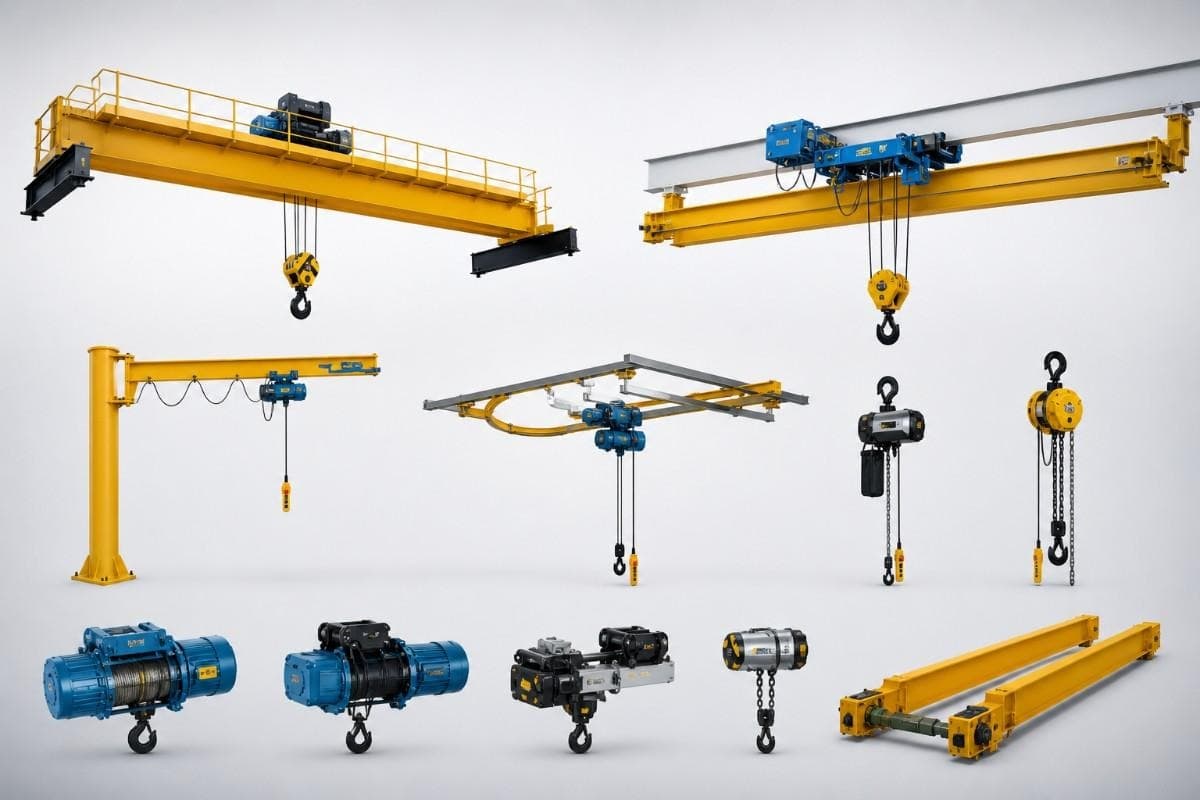
One bridge girder carries the hoist trolley underneath. This is a lighter, more economical option for loads typically up to 10 tonnes and moderate spans. It is well suited for warehouses, light fabrication, and general manufacturing applications where crane usage is moderate.
Two bridge girders with the hoist running on a top-mounted rail between them. This configuration handles heavier loads, longer spans, and higher hook heights. If your facility operates at high frequency with significant load weights, this is where your conversation with any manufacturer should start.
The crane hangs below the runway beams. This is the right choice when headroom is at a premium or when the building structure has lower ceiling clearance. Common in retrofit installations where a top-running system is not structurally feasible.
The most common configuration for new industrial facilities. The crane sits on top of runway rails, allowing maximum hook height utilization. If you are building a new facility or significantly retrofitting an existing one, this is typically the preferred starting point for discussion.
This is where most buyers make their biggest mistakes. They evaluate on delivery timeline and not much else. Here is what you should actually be looking at:
When I tried applying this checklist to a shortlisting exercise for a mid-size plastic processing unit in Gujarat, it cut a list of eight potential suppliers down to two credible ones almost immediately. The process works.
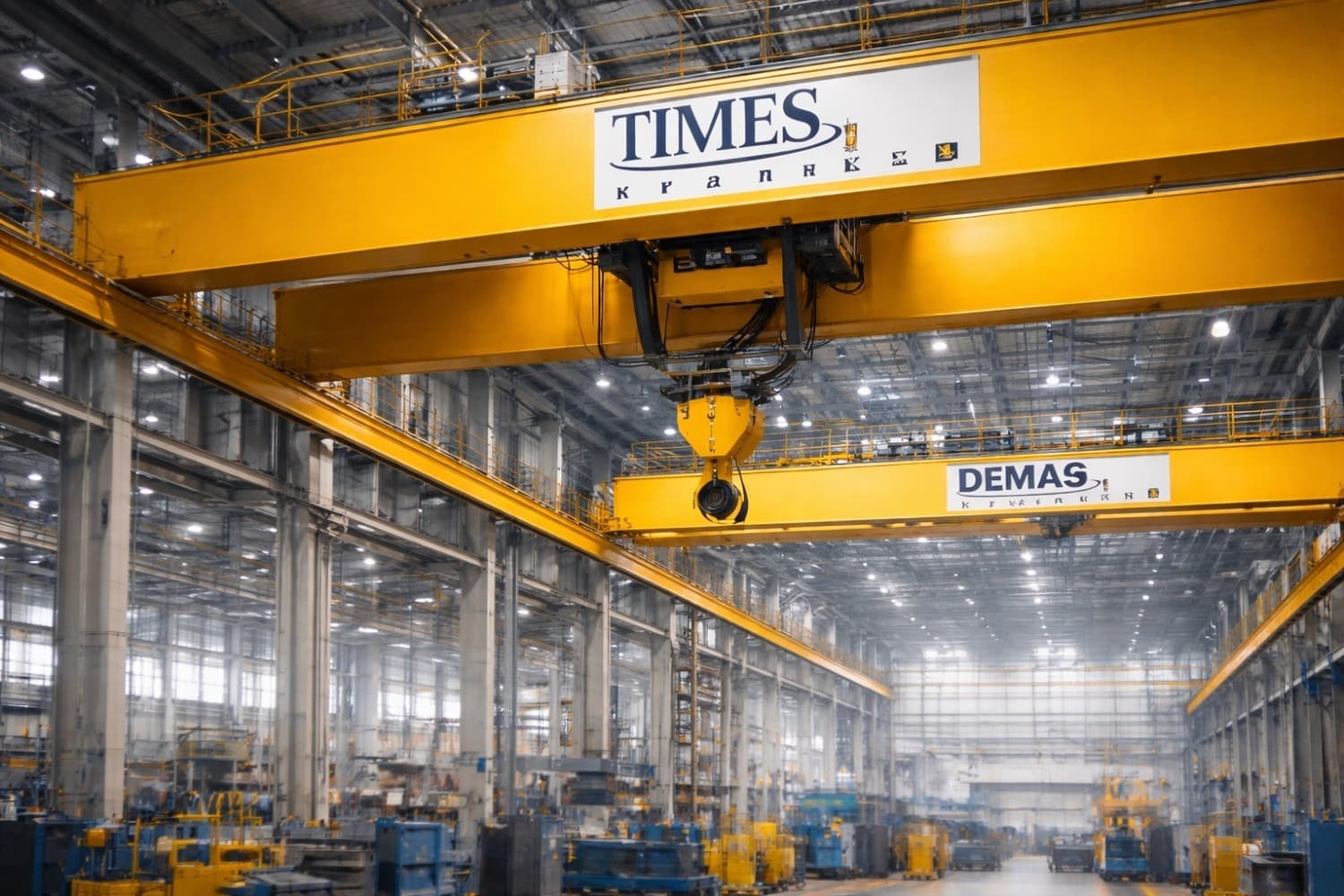
Among the manufacturers you will encounter while researching, Times Krane has a history that goes back to 1988 under the parent company Times Industrial Engineers Pvt Ltd. Their dedicated crane division, operating under the TK Crane brand since 2012, has built a solid track record in EOT crane manufacturing for industries across India.
What stands out about their approach is the emphasis on application-specific engineering. They do not push a standard catalog crane onto every buyer. Span, hook height, duty class, environmental conditions, and control preferences are all factored into what they recommend and build.
Their service coverage across Gujarat includes Surat, Ahmedabad, Vadodara, Rajkot, and surrounding industrial zones. For a buyer in Surat, that regional service presence is meaningful. After-sales support is not a distant phone call to a head office. It is a realistic, accessible service arrangement.
Going into your first conversation with an EOT crane manufacturer without your numbers is a bit like walking into a hospital and just saying you feel unwell. The more specific you are, the better the outcome.
Here is what you need to have ready:
Preparing these details before your first manufacturer meeting changes the conversation quality significantly. You will get more accurate recommendations and a more honest assessment of what you actually need.
The crane leaving the factory is not the end of the journey. Installation quality matters enormously. Runway rail alignment, girder levelling, hoist calibration, and electrical commissioning all directly affect how the crane performs and how long it lasts.
Times Krane provides installation and commissioning support through trained engineers who handle the complete process from runway installation through to load testing and operator handover. This is not universal across the supplier landscape. Some vendors deliver equipment and consider their job done at that point.
After commissioning, a scheduled preventive maintenance programme is essential. EOT cranes are built to last fifteen to twenty years with proper care. Without it, you are looking at significantly shorter service life and higher long-term cost of ownership.
Ask your manufacturer to provide a maintenance schedule as part of the project handover. If they cannot or will not, that tells you something important about how they view the relationship after the sale.
Choosing the right EOT crane manufacturer in Surat is not a one-season decision. A well-specified, well-built, and well-maintained crane will be running in your facility long after you have forgotten what it cost. A poorly specified one will remind you of that decision regularly, in the form of downtime, repair bills, and operational headaches.
Do the groundwork. Know your numbers. Ask every question on the checklist. And choose a manufacturer who treats engineering as the core of their service, not an afterthought to a sales pitch.
Your facility deserves that level of care in a decision this significant.
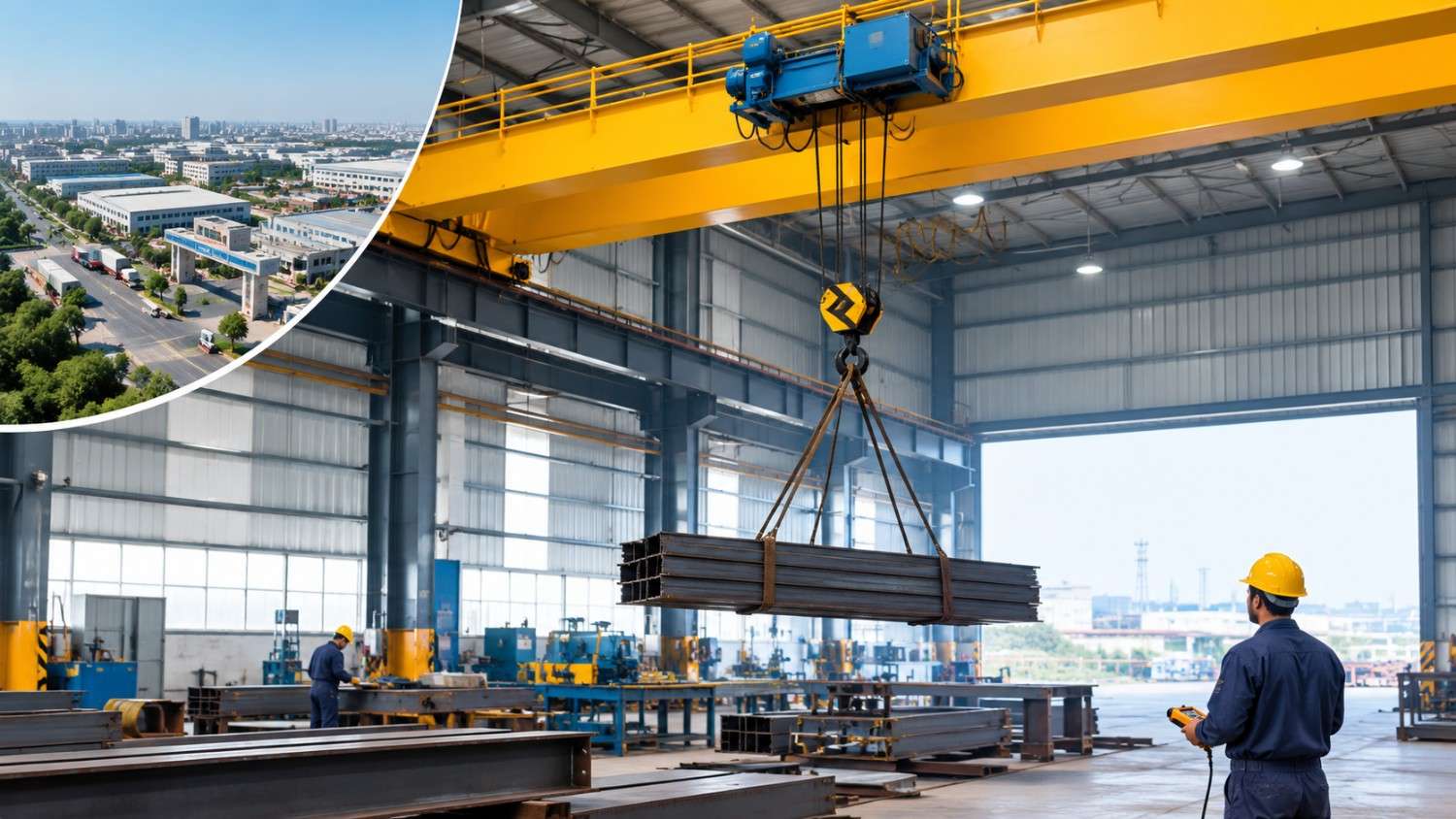
A no-fluff guide to picking crane manufacturers in Vatva, Ahmedabad, covering FLP cranes for chemical units, real cost factors, and buyer mistakes to avoid.
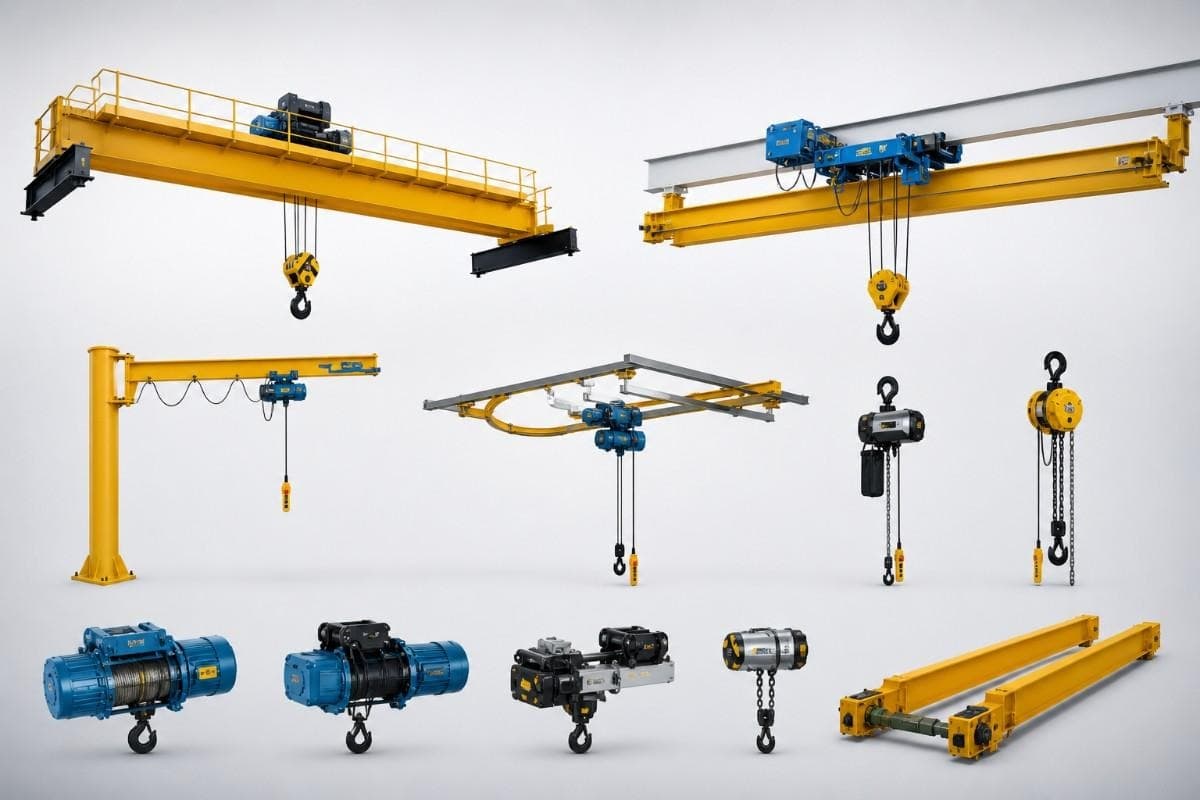
If you're looking for a dependable EOT crane manufacturer in Delhi NCR, you've probably already realized the region has no shortage of options. The problem is filtering out the ones who actually manufacture from the ones who just package and resell.
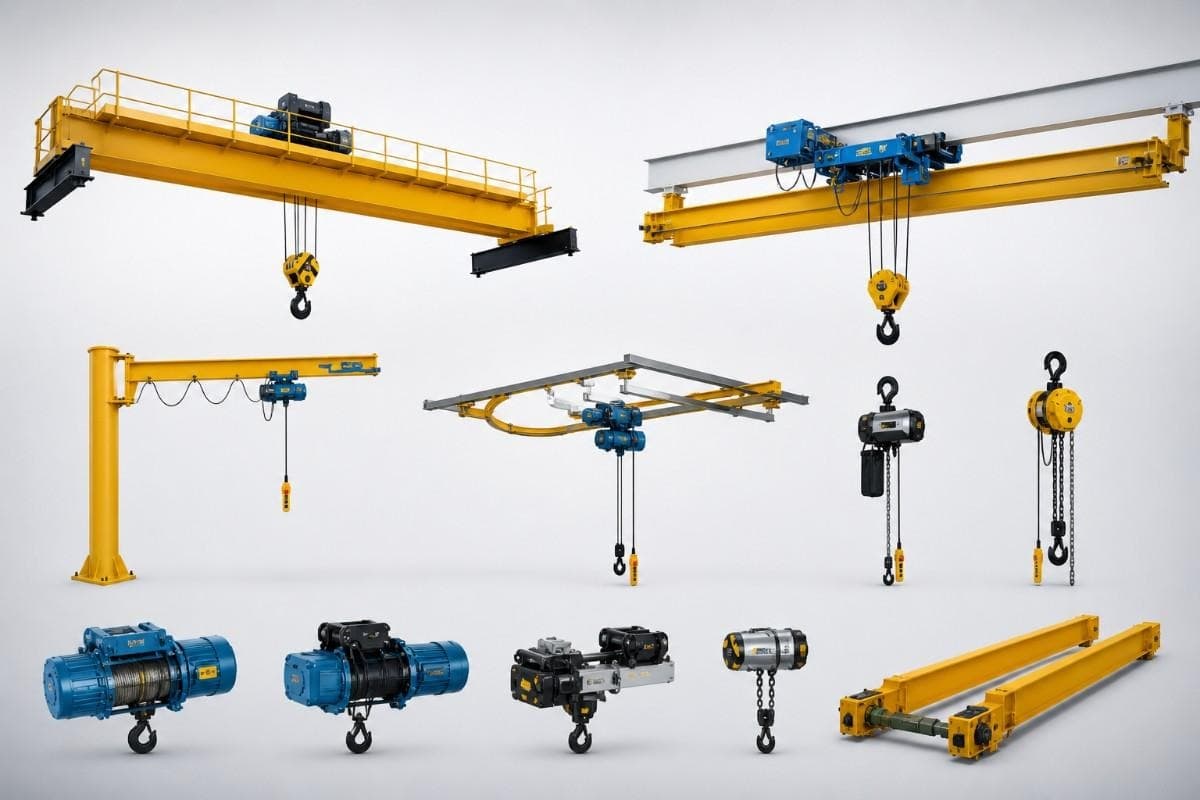
Finding dependable EOT crane manufacturers in Ludhiana can make a huge difference to the efficiency and safety of your industrial operations. Whether you run a manufacturing facility, fabrication unit, warehouse, steel plant, engineering workshop, or logistics center, the right crane system helps move heavy loads faster, safer, and with less effort.
Delhi and the surrounding NCR belt are home to thousands of manufacturing units, fabrication shops, and industrial facilities. And almost every one of them, at some point, needs a crane. The problem is that finding a trustworthy EOT crane manufacturer in Delhi is harder than it should be.
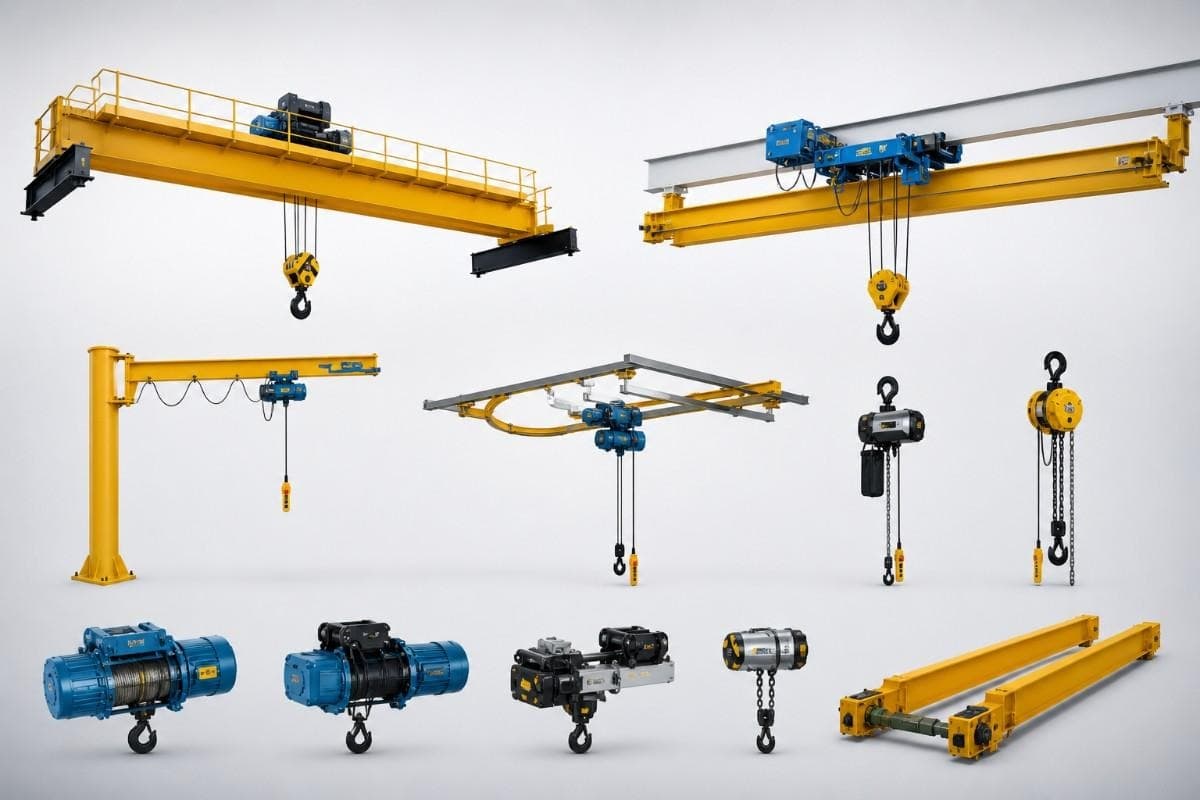
Ahmedabad's industries move fast, and the material handling equipment supporting them needs to keep pace without compromise. If you are searching for a crane manufacturer in Ahmedabad who can deliver engineering depth, documented compliance, and reliable after-sales support rather than just a machine with a price tag, this page is worth your time.
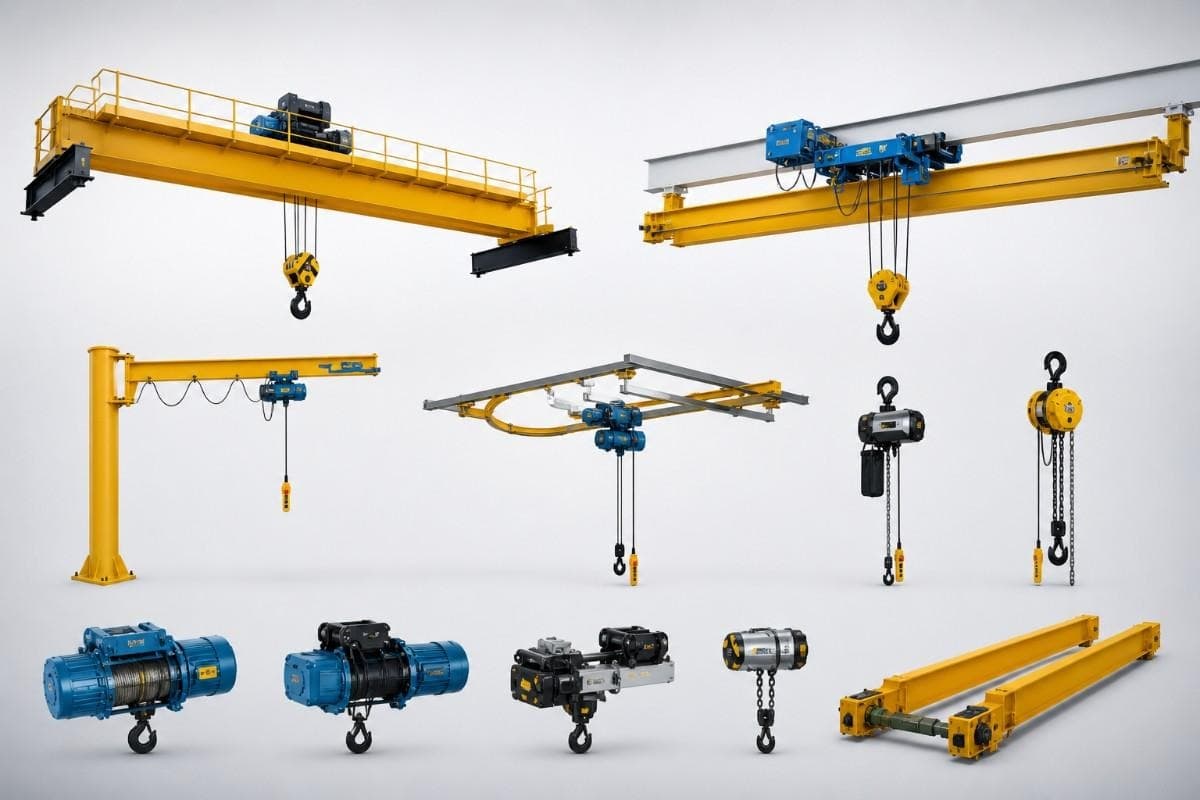
Most plants in Chennai have an overhead crane for the bay and nothing else for individual workstations. That gap costs operators time on every single shift. If you are looking for jib crane manufacturers in Chennai who can actually close that gap with a well-engineered, workstation-level lifting solution, this page will walk you through everything you need to know before making a decision.
Choosing the wrong EOT crane manufacturer in Hyderabad can set your entire project back by months. The stakes are high, the options are many, and most buyers do not know what to look for until something goes wrong.
Looking for a reliable partner for your next industrial project?