English
Contact
Configure
Catalog
Talking from experience, while advising companies and factory owners in India on their overhead crane specifications, the single most common question is not about costs. Instead, the query is what am I paying for and is this suitable for my overhead lifting needs? Because, in my experience, once you establish this, the cost is no longer a mystery. This guide covers all the specifications that affect the overhead crane price in india, comparing costs between 2-ton overhead crane prices to 50-ton overhead crane prices and helping you find the right fit.
With this information, you can analyze the offers of any overhead crane manufacturers you are considering and better understand the costs and specifications in the overhead crane price list in india.
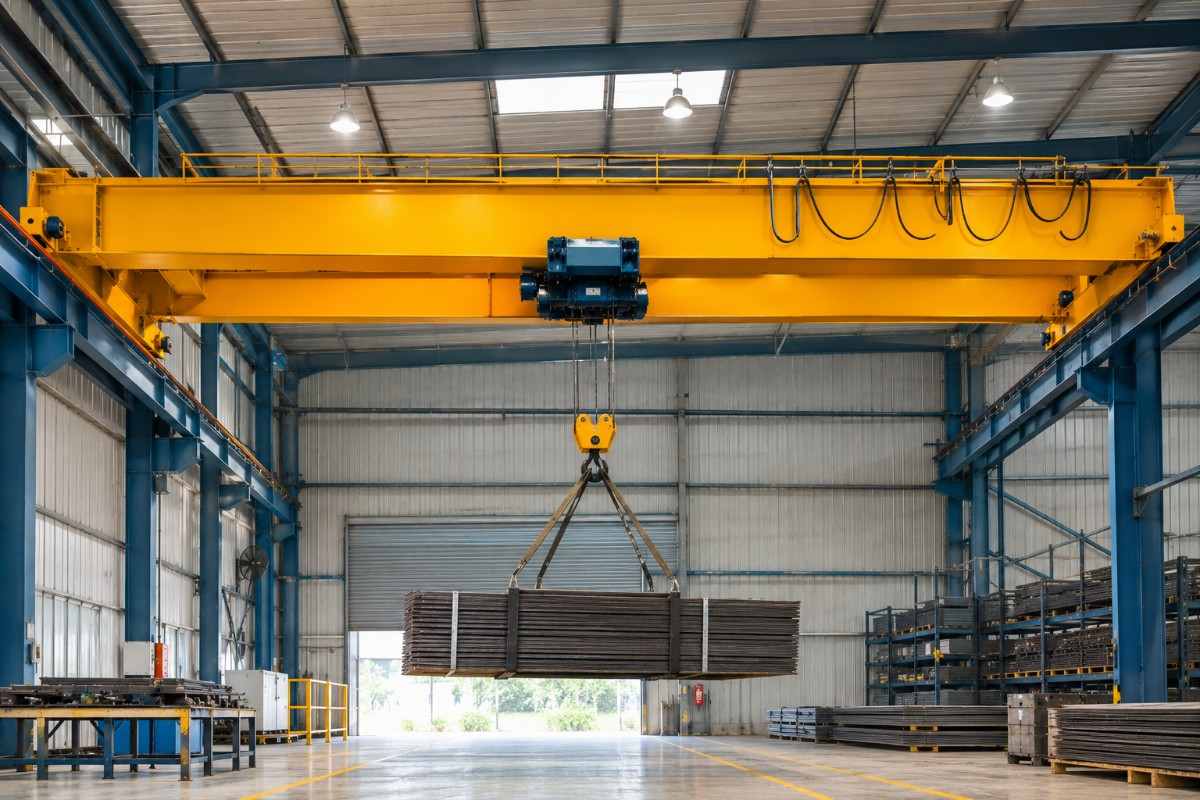
An overhead crane, also called a bridge crane or EOT (electric overhead traveling) crane, is a type of crane used to lift and move objects. It consists of a hoist that runs on tracks that are mounted above the workshop or area where the crane is located. The hoist can move both perpendicular to the tracks (the direction of the tracks) and along the tracks.
Quick answer: Overhead cranes are priced according to their load capacity, span length, and girder configuration, with the hoist type and steel weight also playing a role. Two cranes with the same lifting capacity can vary significantly in price due to the span length and duty class.
That is the main parameter that affects the price of the overhead crane, although it is not always the case. For instance, a 10-ton crane with a relatively short span bay could be significantly cheaper than a 5-ton crane with a much bigger span.
The span of an overhead crane refers to the distance between the rails. Since the span directly impacts the required width of the girder, the bigger the span is, the more steel needs to be used for the construction of the overhead crane.
Single girder overhead crane – single beam which is lighter in design, ideal for low and medium-duty operations; double girder overhead crane – double beam, allowing for heavier and longer span lifting operations.
Crane duty class is primarily determined by the workload – a continuous duty cycle in a manufacturing facility will require a higher duty class than an occasional maintenance lift.
Different types of overhead crane hoists and trollies contribute to the overall cost of the overhead crane system. Including wire rope, chain hoists and trolley systems.
If already present, the beams on the runway are included. However, some facilities need them fabricated and installed from scratch, which dramatically changes the total scope.
Pendant, radio remote, and cabin control have significantly different levels of complexity, which adds to the variability of both equipment and installation costs.
One pitfall that many buyers fall into is thinking of overhead crane price per ton as a multiplier. If you were to purchase a 50 ton overhead crane for example, it may not be five times more expensive than a 10 ton overhead crane, since the relation of tonnage to structural capacity is non-linear.
In my experience, when a buyer approaches me with a quote based on a per-ton comparison, I urge them to look at the complete specification sheet, rather than a side-by-side comparison of two cranes with significantly different specifications.
| Capacity | Typical Girder Type | Common Span Range | Typical Application |
|---|---|---|---|
| 2 Ton Overhead Crane | Single Girder | Up to 15 metres | Light assembly, tool rooms |
| 5 Ton Overhead Crane | Single Girder | Up to 20 metres | Workshop and warehouse handling |
| 10 Ton Overhead Crane | Single or Double Girder | Up to 25 metres | Manufacturing units, machine shops |
| 20 Ton Overhead Crane | Double Girder | Up to 30 metres | Heavy fabrication, steel yards |
| 25 Ton Overhead Crane | Double Girder | Up to 30 metres | Foundries, structural fabrication |
| 30 Ton Overhead Crane | Double Girder | Up to 32 metres | Power plants, heavy engineering |
| 50 Ton Overhead Crane | Double Girder | Up to 35 metres | Ports, shipbuilding, heavy industry |
Note that span ranges shift based on site conditions and duty class, so treat this table as a starting reference rather than a fixed rule.
Quick answer: Single girder cranes are more suitable for lighter capacities and smaller spans while double girder cranes are used for larger capacities and larger spans.
According to practical experience in multiple installations, the choice between double or single girder crane is mostly based on the available height (clearance) in the building where the crane will be operating, not necessarily on the required lifting capacity. There are many cases where the decision was made to install a double girder crane even with smaller lifting capacity just because of the better utilization of the available height.
Create a selection of criteria that can be used for comparing quotes from different suppliers:
There were a few common mistakes that I have come across while working with various industries.
When I have worked with procurement teams finalizing specifications for overhead cranes, there are a few practices that have been consistently useful in avoiding costly reworks
As per the ministry of heavy industries, conducting third-party inspections of overhead lifting equipment on a periodic basis can help in figuring out potential structural fatigue issues, which many smaller manufacturing units forget post-commissioning of the crane.
Times Krane understands that the requirements of an overhead crane solution are dependent on the operational needs of a factory and not a one size fits all solution. At Times Krane, we work with factory owners and their procurement teams to understand the nuances of their operations before recommending any overhead crane solutions.
When comparing overhead crane manufacturers, ask each of them to explain the duty class calculation and structural design process. In doing so, you can determine which overhead crane manufacturer has the knowledge and expertise to offer reliable long-term overhead crane solutions. Below are key considerations when looking to buy an overhead crane.
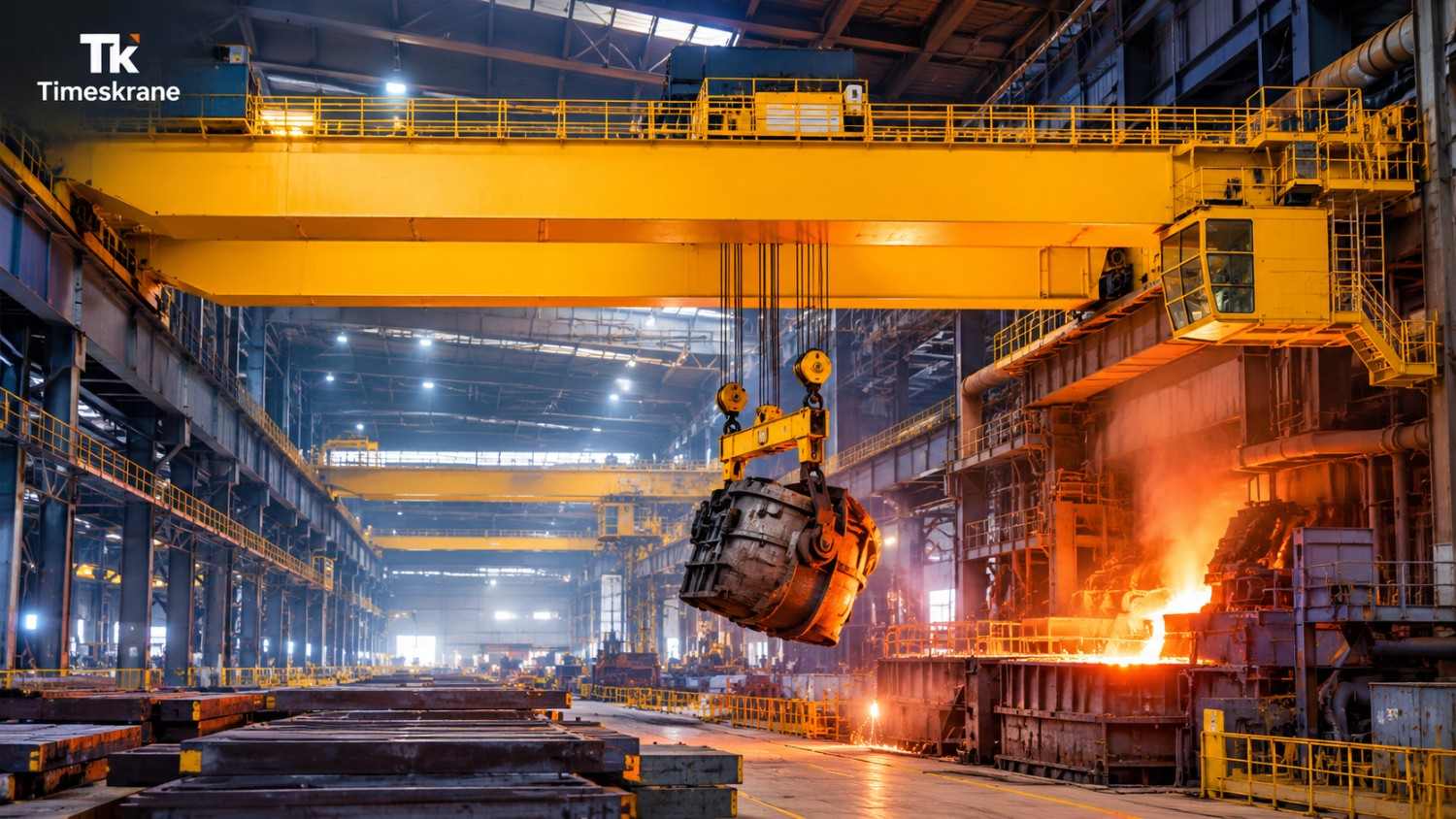
An honest breakdown of what makes a crane genuinely heavy duty for steel plant use, covering duty classification, capacity, and safety features buyers often miss.
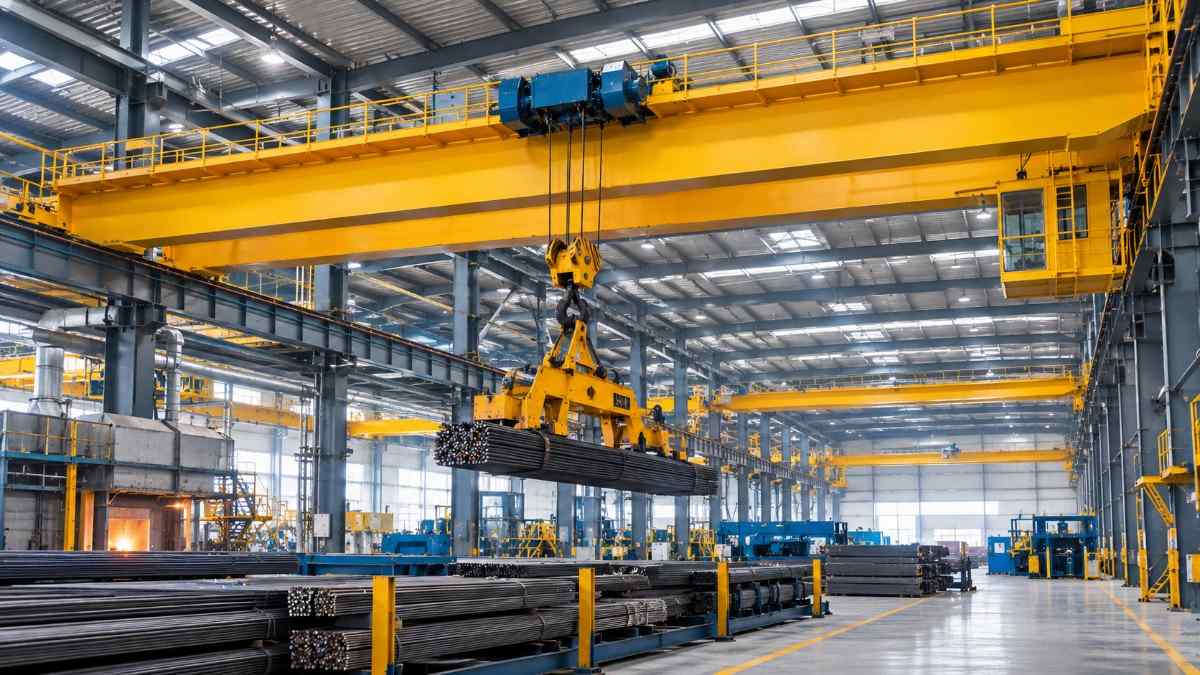
Finding the right steel plant crane manufacturer is perhaps the most important decision a procurement manager or plant owner will make. A poorly designed crane can increase both safety risks and downtime while excessively increasing maintenance costs.
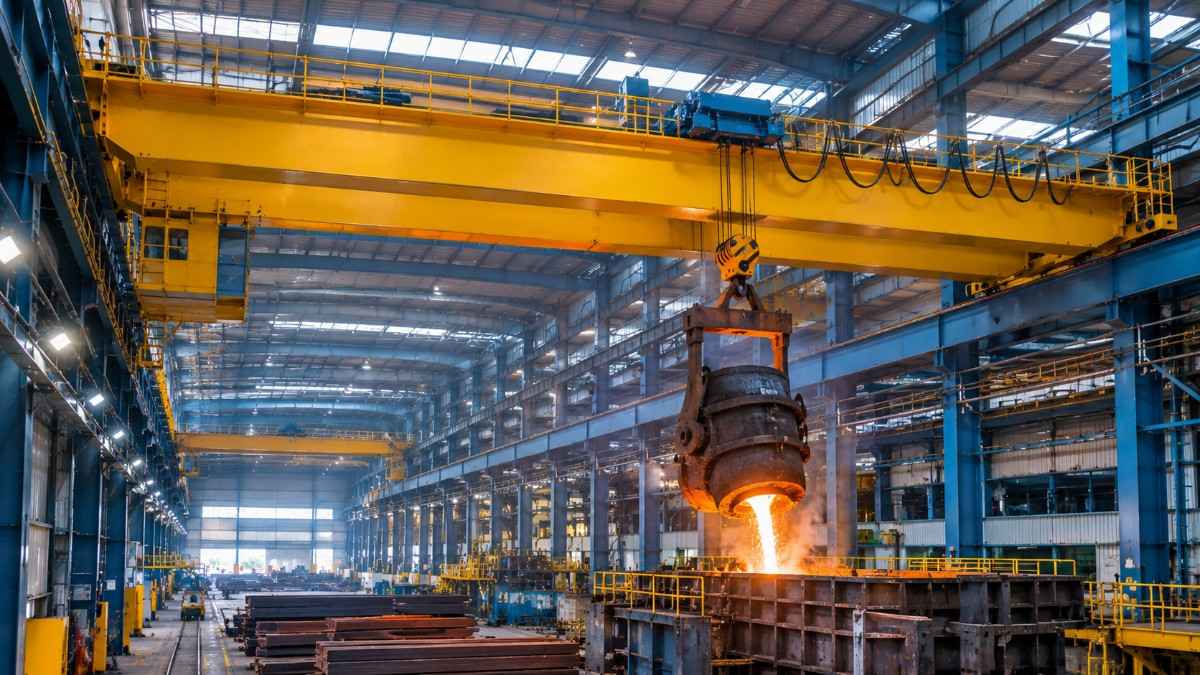
If you run or manage a steel plant, you already know that an overhead crane for steel plant operations is not a luxury. It is the backbone of your material handling process. From moving billets and coils to shifting ladles of molten metal, the right crane decides how smoothly your production line runs.
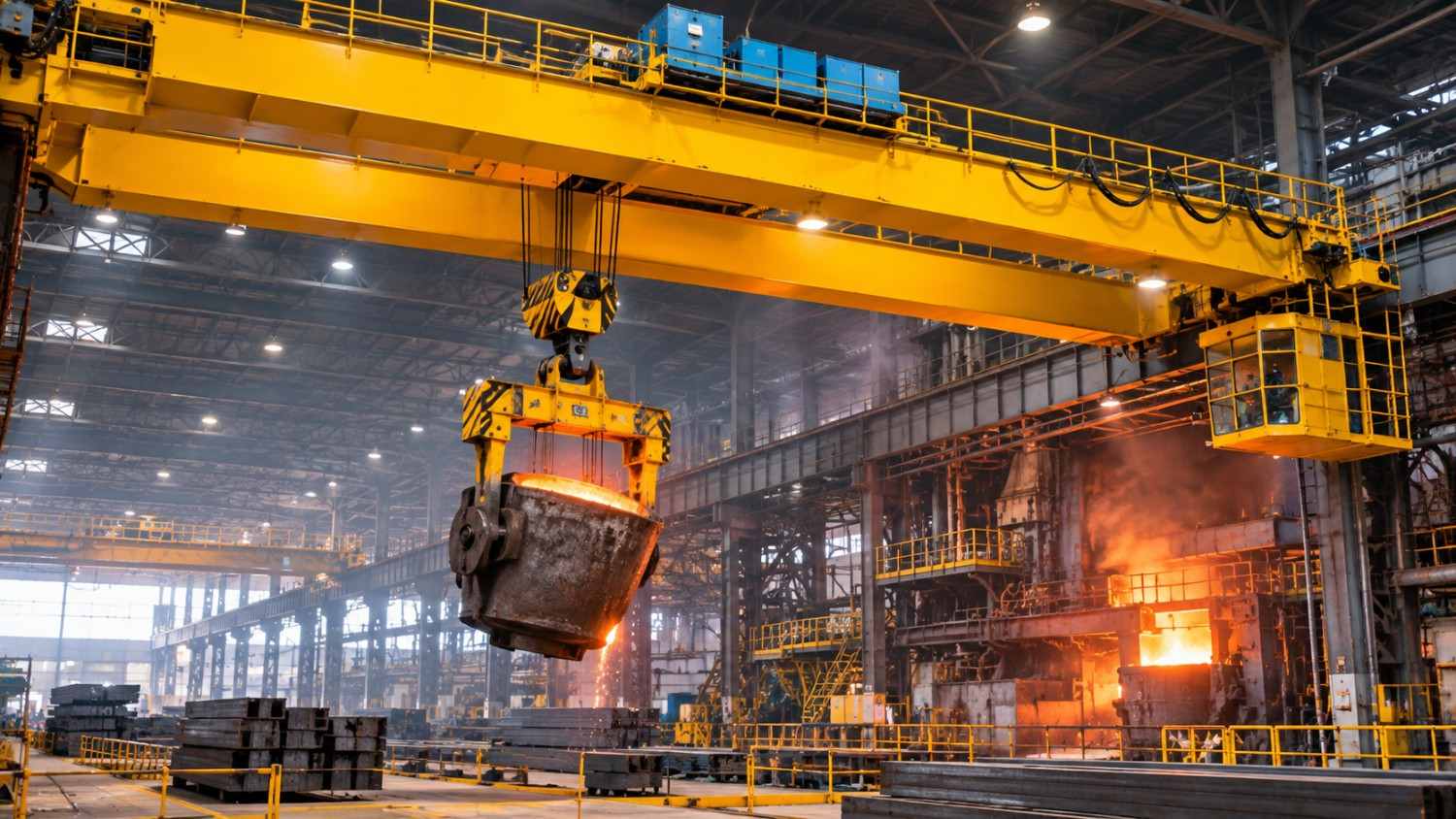
Discover how EOT cranes support steel plant operations, from material handling to molten metal lifting. Learn about crane types, duty classes, safety features, and how to choose the right EOT crane for your steel plant.
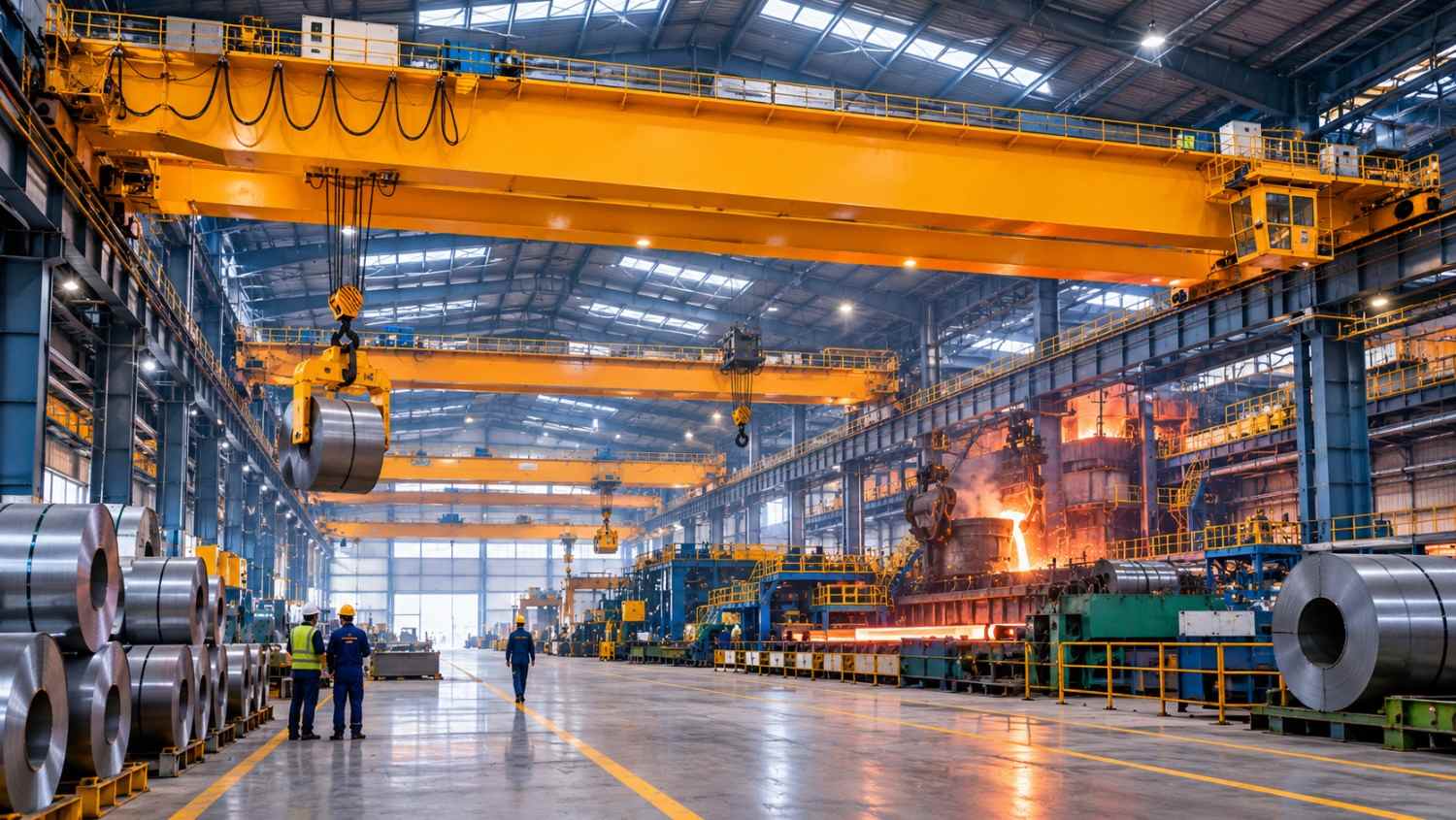
An honest, researched look at the top 5 crane manufacturers for steel plants in India, covering ladle, grab bucket, and coil handling cranes.
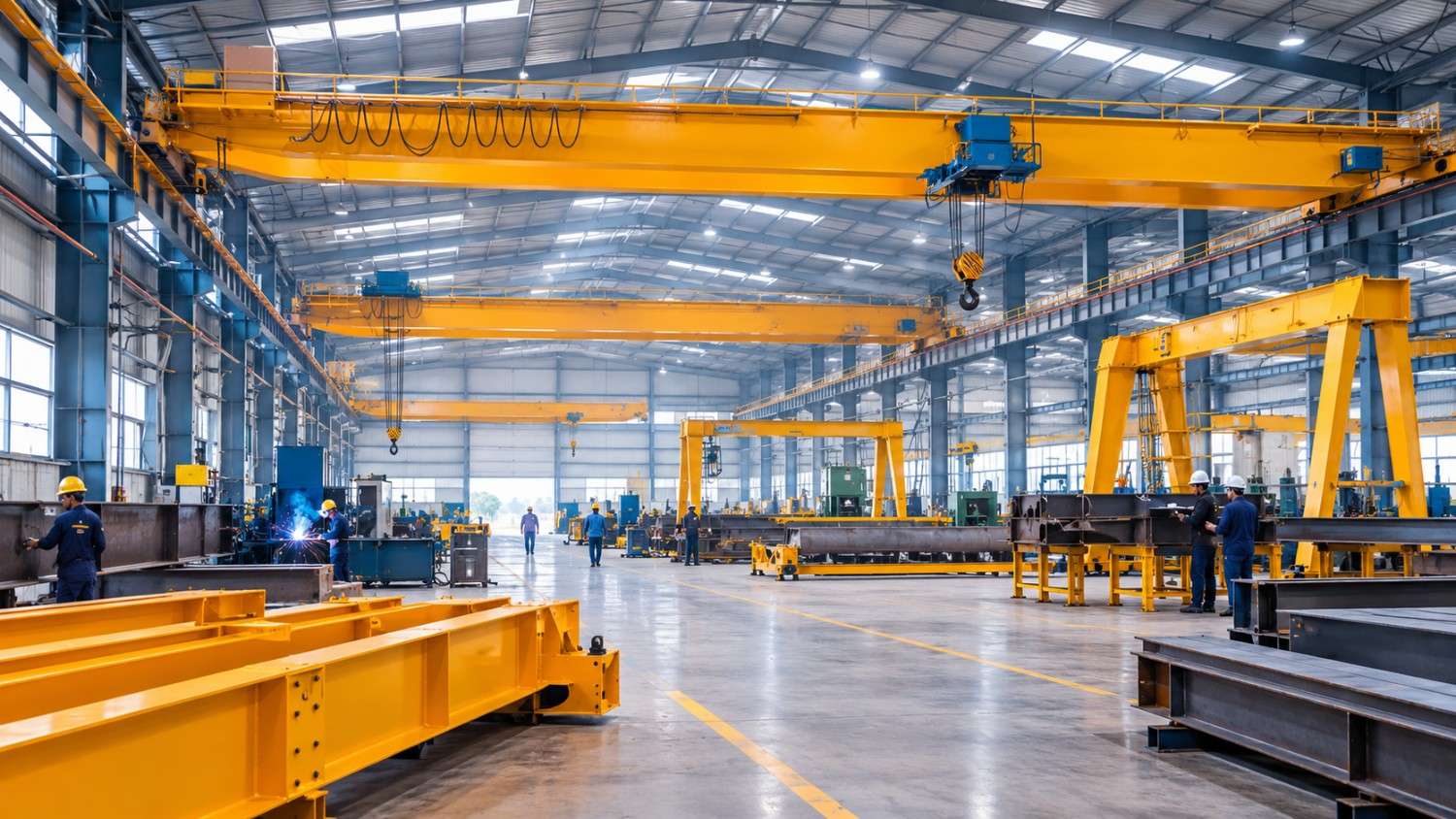
A real, researched look at the top 10 crane manufacturers in North India, covering Delhi NCR, Punjab, Haryana, UP, and Rajasthan, with what actually sets each one apart.
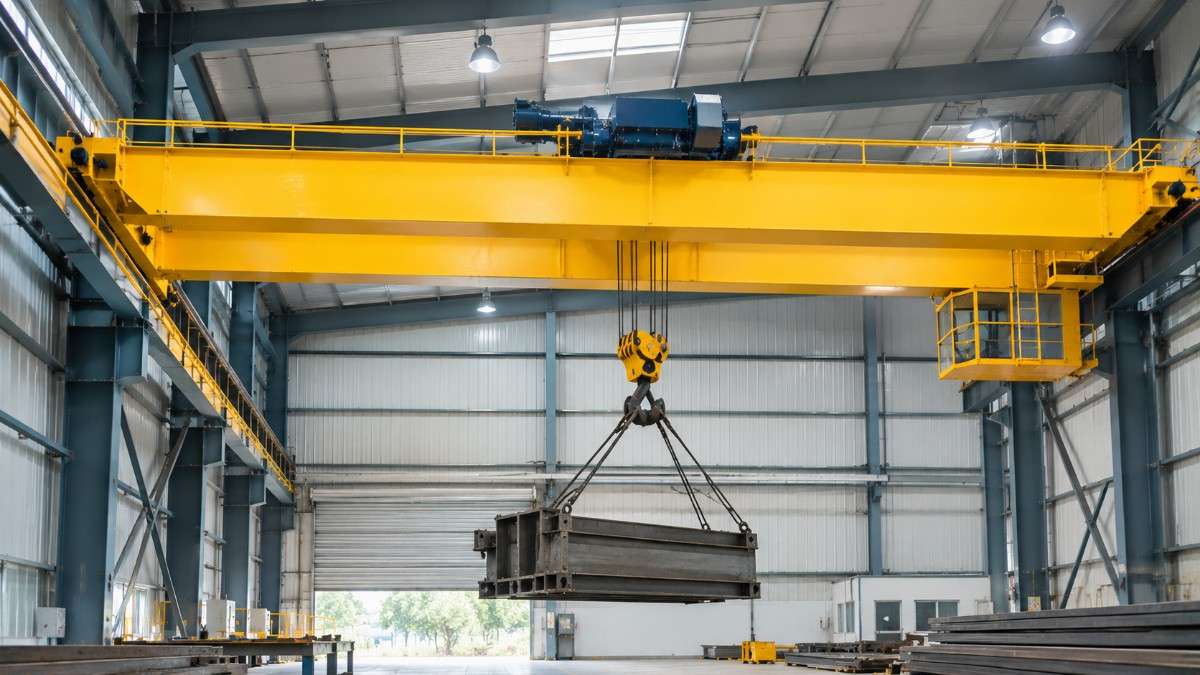
If you are looking for a 10 ton overhead crane for your factory or warehouse, the primary question that arises in your mind is whether this capacity will cater to your daily operations or it will turn out to be a useless and bulky addition to your storage.
Looking for a reliable partner for your next industrial project?