English
Contact
Configure
Catalog
This guide walks through what genuinely drives jib crane cost, how different capacities compare, and what questions to ask before you commit to a vendor.
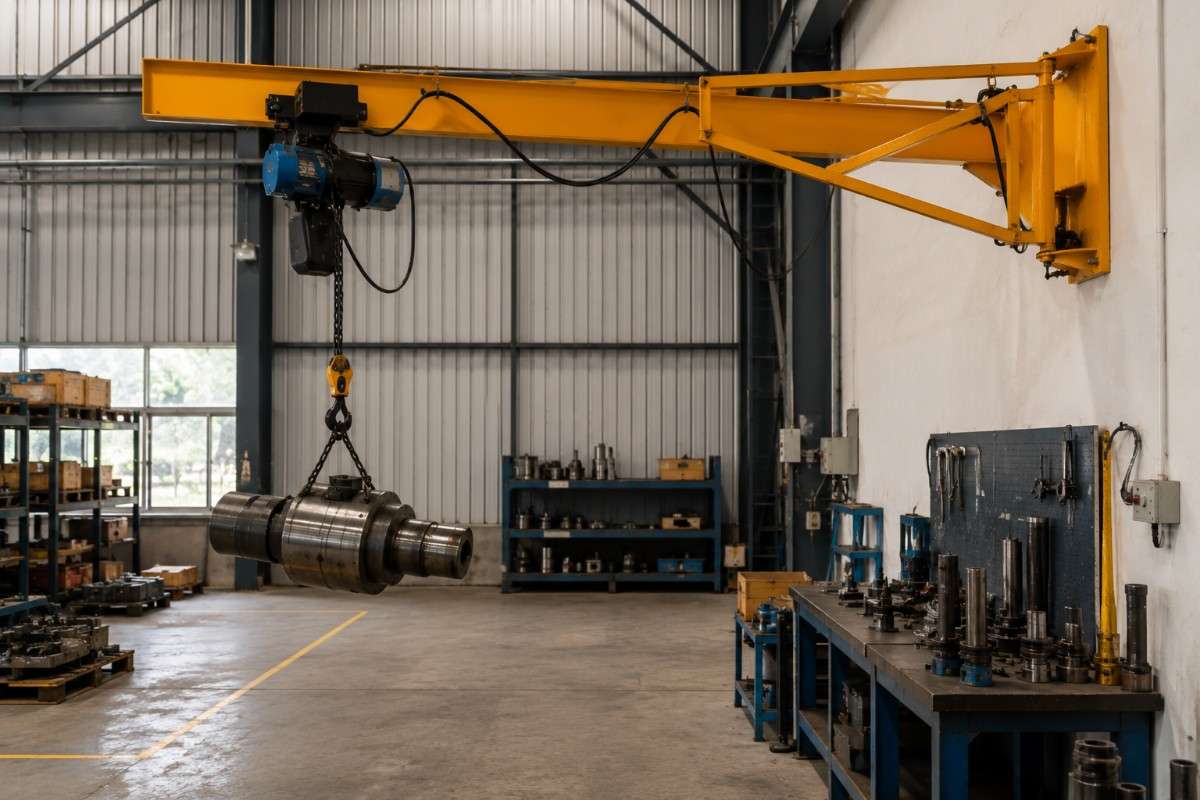
A jib crane is a rotating arm crane fixed to a wall bracket, a floor mounted column, or an existing structural column, designed to lift and move loads within a fixed working radius.
The three common types you will come across are:
When I've worked with clients deciding between these types, wall bracket versions almost always come out cheaper simply because they use the existing building structure instead of requiring a new foundation.
Here is a direct answer: a jib crane typically costs less than an eot crane of comparable capacity, because it covers a smaller work area and needs far less structural infrastructure.
| Aspect | Jib Crane | EOT Crane |
|---|---|---|
| Coverage | Fixed radius, single workstation | Full building span |
| Structure Needed | Wall bracket, column, or small foundation | Complete runway system |
| Typical Setup Time | Days | Weeks |
| Best Fit | Localised, repetitive lifting | Floor-wide material movement |
One thing many buyers overlook is that comparing eot crane price directly against jib crane price without considering coverage area leads to confusion. They solve different problems, and the right choice depends on how your material actually moves through the facility.
A 1 ton jib crane price generally reflects the lightest, most common configuration used in tool rooms, small assembly stations, and maintenance bays.
At this capacity, cost is driven mostly by arm length and rotation range rather than structural reinforcement. A short arm with a limited working arc keeps things simple, while a longer reach with full 360 degree rotation adds to both the column strength required and the overall specification.
A 2 ton jib crane price usually sits at a point where the column and base design start requiring more careful calculation.
From practical use, I've noticed that clients moving from 1 ton to 2 ton capacity are sometimes surprised that the price increase is not simply proportional to the tonnage. The base and column need to handle greater rotational torque, not just vertical load, which is why the structural jump matters more than the capacity jump alone.
A 5 ton jib crane price moves into a category where foundation design, column engineering, and hoist selection all carry significant weight in the final specification.
At this tonnage, free standing pillar or mast type designs become far more common than wall bracket versions, since the structural demand usually exceeds what a standard wall or column can safely support. When I've worked with clients in foundry or heavy fabrication settings evaluating 5 ton jib cranes, the foundation work alone often becomes one of the largest components of the total project.
| Capacity | Typical Mounting | Main Cost Driver |
|---|---|---|
| 1 Ton | Wall bracket or small column | Arm length and rotation |
| 2 Ton | Column or free standing | Base strength and torque handling |
| 5 Ton | Free standing pillar or mast | Foundation and structural engineering |
1. Type and Mounting Method
Wall bracket versions are generally the most economical, while free standing and mast type designs need dedicated foundations that add to cost.
2. Arm Length
A longer reach increases the bending load on the arm and column, which requires a stronger structural design.
3. Rotation Range
Full 360 degree rotation demands more robust bearing and column design compared to a limited working arc.
4. Hoist Type
Chain hoists are common at lighter capacities, while wire rope hoists become more relevant for higher capacity or continuous duty applications.
5. Duty Cycle
A jib crane used continuously across shifts needs a stronger structural rating than one used occasionally through the day.
6. Foundation Requirements
Free standing and mast type jib cranes need proper civil work, which becomes a bigger share of total cost as capacity increases.
Mistake 1: Sizing for average load instead of peak load
Always specify the jib crane for your heaviest expected lift to avoid excessive strain on the arm and column over time.
Mistake 2: Underestimating foundation needs
I've seen installations stall because the foundation for a free standing unit was not planned early enough in the project timeline.
Mistake 3: Choosing insufficient arm length
A jib crane with too short a reach forces manual repositioning of loads, which defeats much of its purpose at the workstation.
Mistake 4: Ignoring rotation requirements
Selecting a limited arc jib crane for a workflow that actually needs full rotation leads to inefficient material handling down the line.
Benefits:
Challenges:
One thing I always recommend to buyers is mapping their actual workstation layout before finalising arm length and rotation range. A jib crane that looks adequate on a specification sheet can fall short once you account for how operators actually move around the workstation.
Another practical reference point involves structural standards. Guidance from the Bureau of Indian Standards (BIS) on crane design provides a reliable benchmark for evaluating whether a proposed jib crane specification genuinely matches your operational needs.
Times Krane, based in Faridabad, Haryana, manufactures jib cranes alongside its full range of EOT crane systems, giving buyers a single, reliable source for both localised and full floor material handling solutions. Our engineering team evaluates your workstation layout, load requirement, and mounting constraints before recommending the right configuration.
If you are comparing jib crane price across capacities for your facility, our team can guide you through the specification process and prepare a proposal based on your exact requirements.
Understanding what genuinely shapes jib crane price helps you make a far more informed decision when comparing manufacturers. Focus on matching mounting type, arm length, and rotation range to your actual workstation needs, since these factors determine how effectively the crane performs in daily use.
If you would like a detailed evaluation for your facility, the team at Times Krane is ready to guide you through the specification and proposal process based on your actual site requirements.
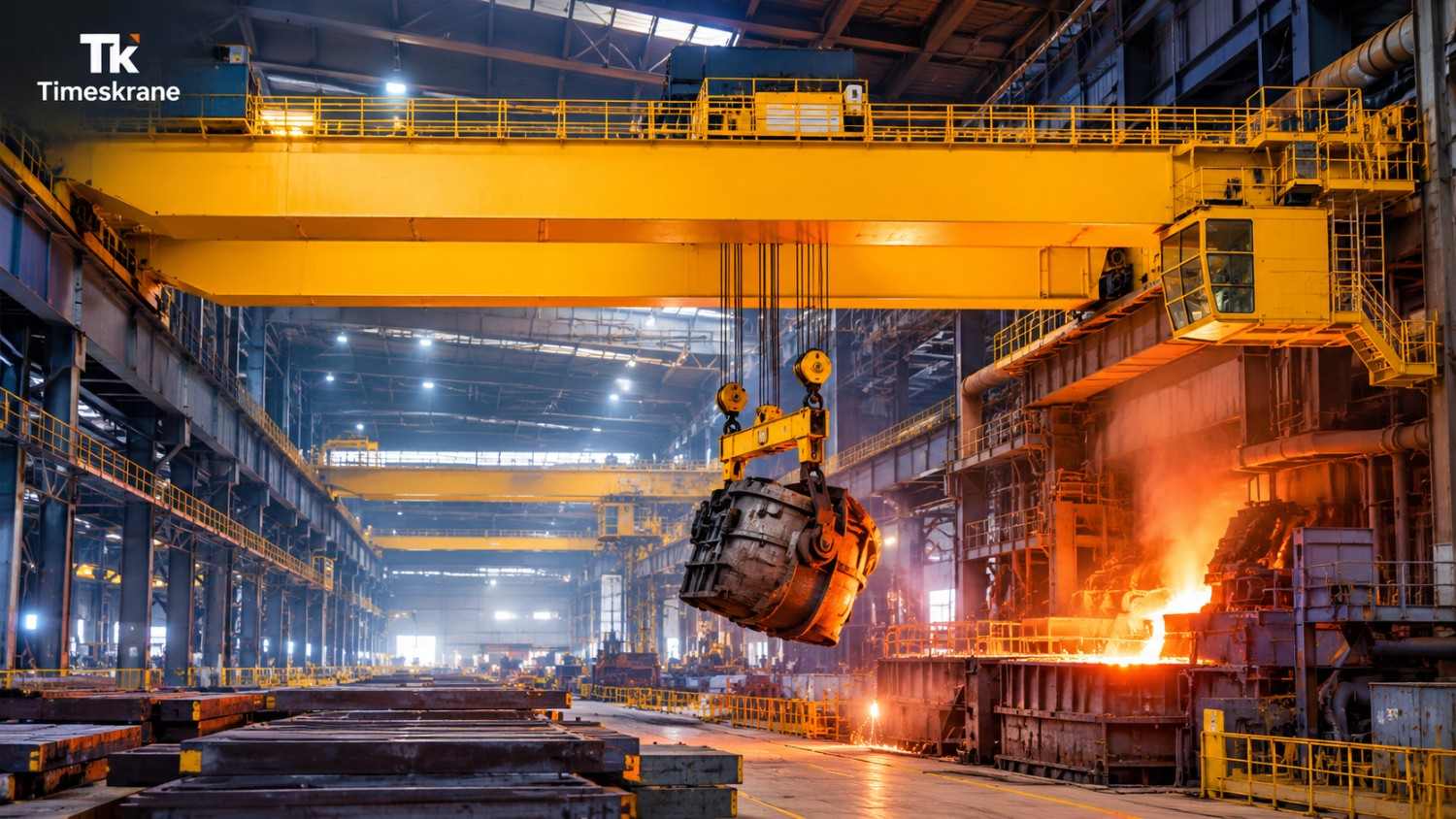
An honest breakdown of what makes a crane genuinely heavy duty for steel plant use, covering duty classification, capacity, and safety features buyers often miss.
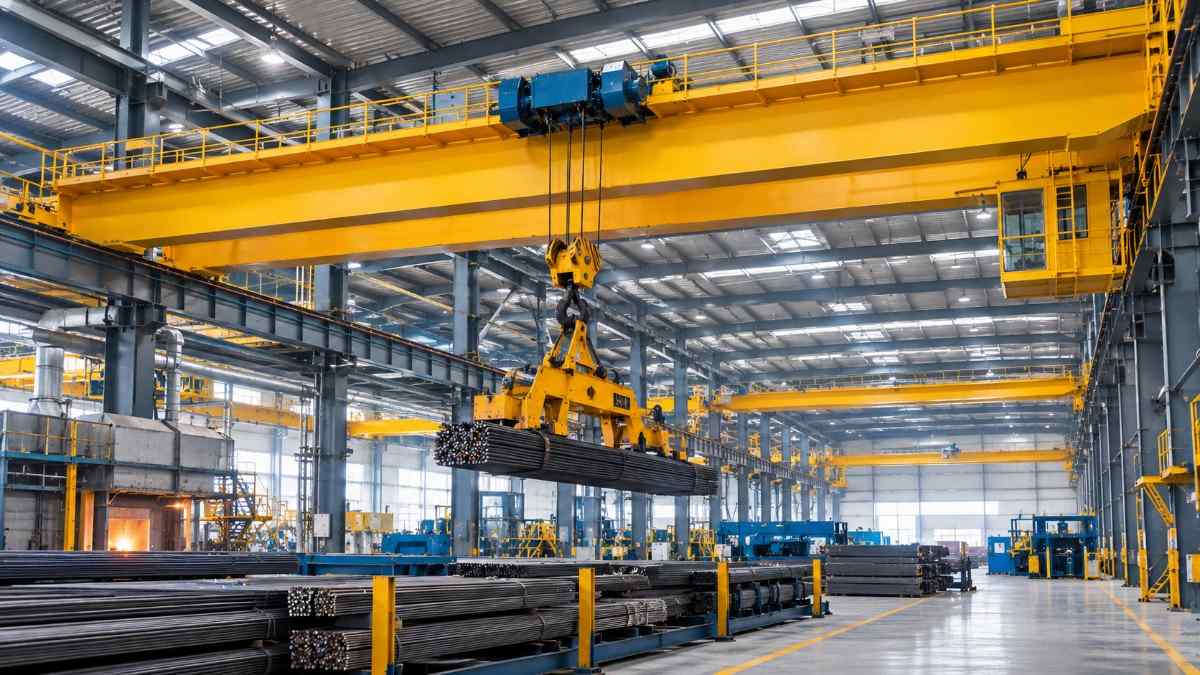
Finding the right steel plant crane manufacturer is perhaps the most important decision a procurement manager or plant owner will make. A poorly designed crane can increase both safety risks and downtime while excessively increasing maintenance costs.
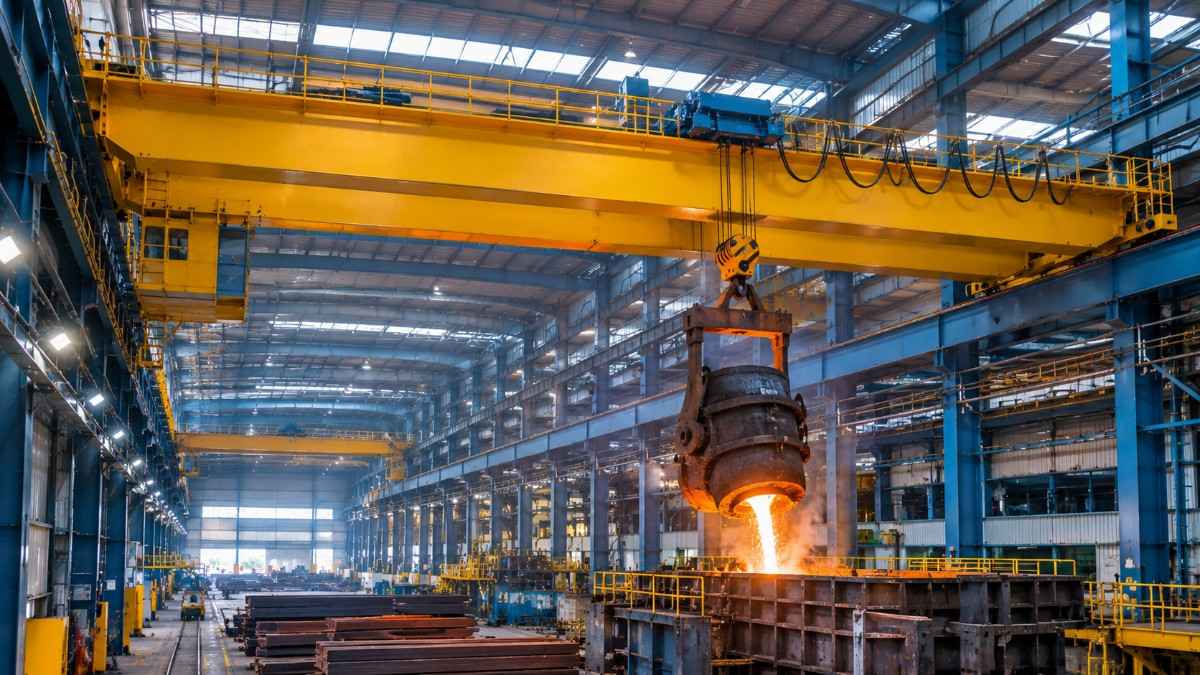
If you run or manage a steel plant, you already know that an overhead crane for steel plant operations is not a luxury. It is the backbone of your material handling process. From moving billets and coils to shifting ladles of molten metal, the right crane decides how smoothly your production line runs.
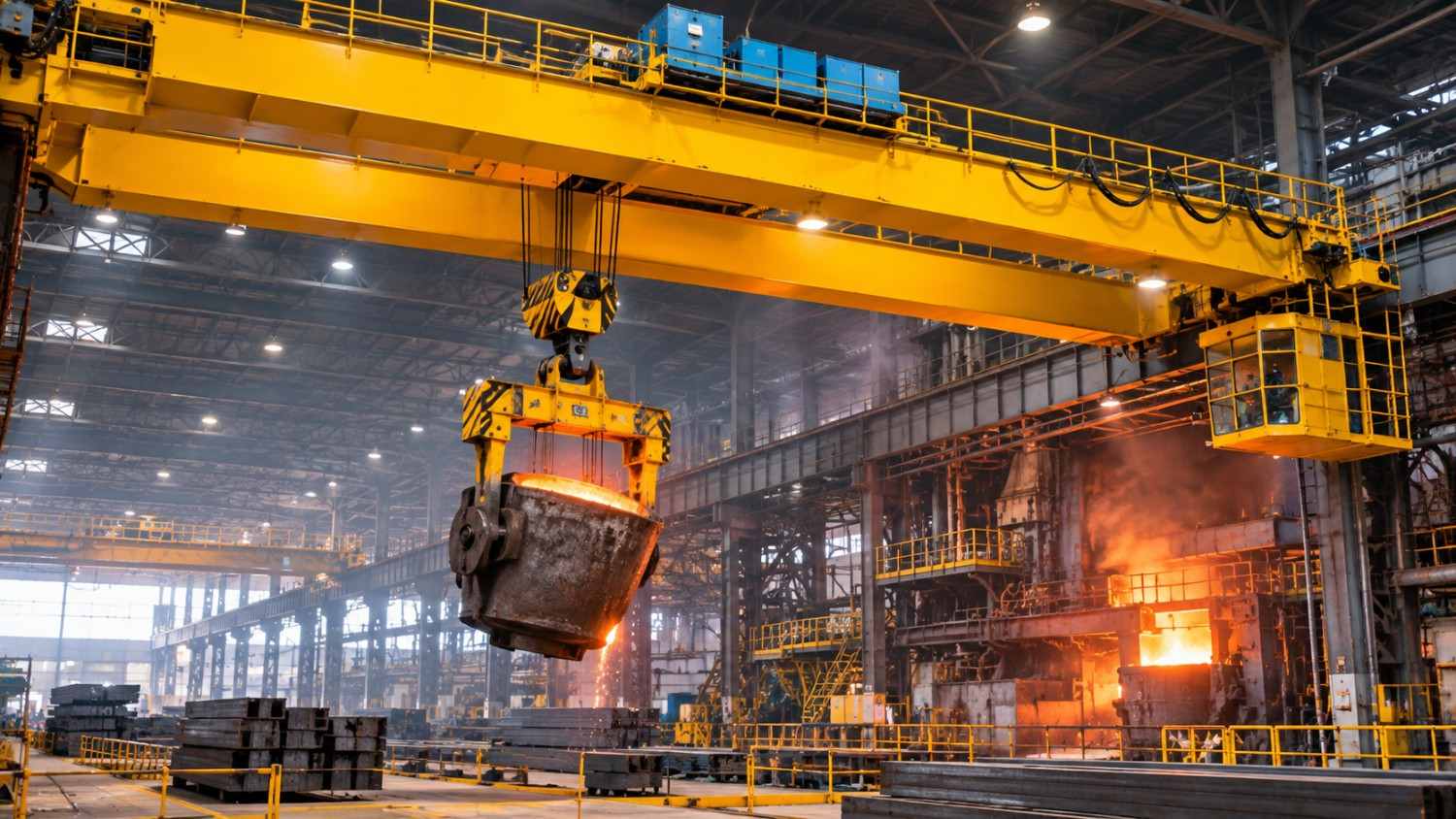
Discover how EOT cranes support steel plant operations, from material handling to molten metal lifting. Learn about crane types, duty classes, safety features, and how to choose the right EOT crane for your steel plant.
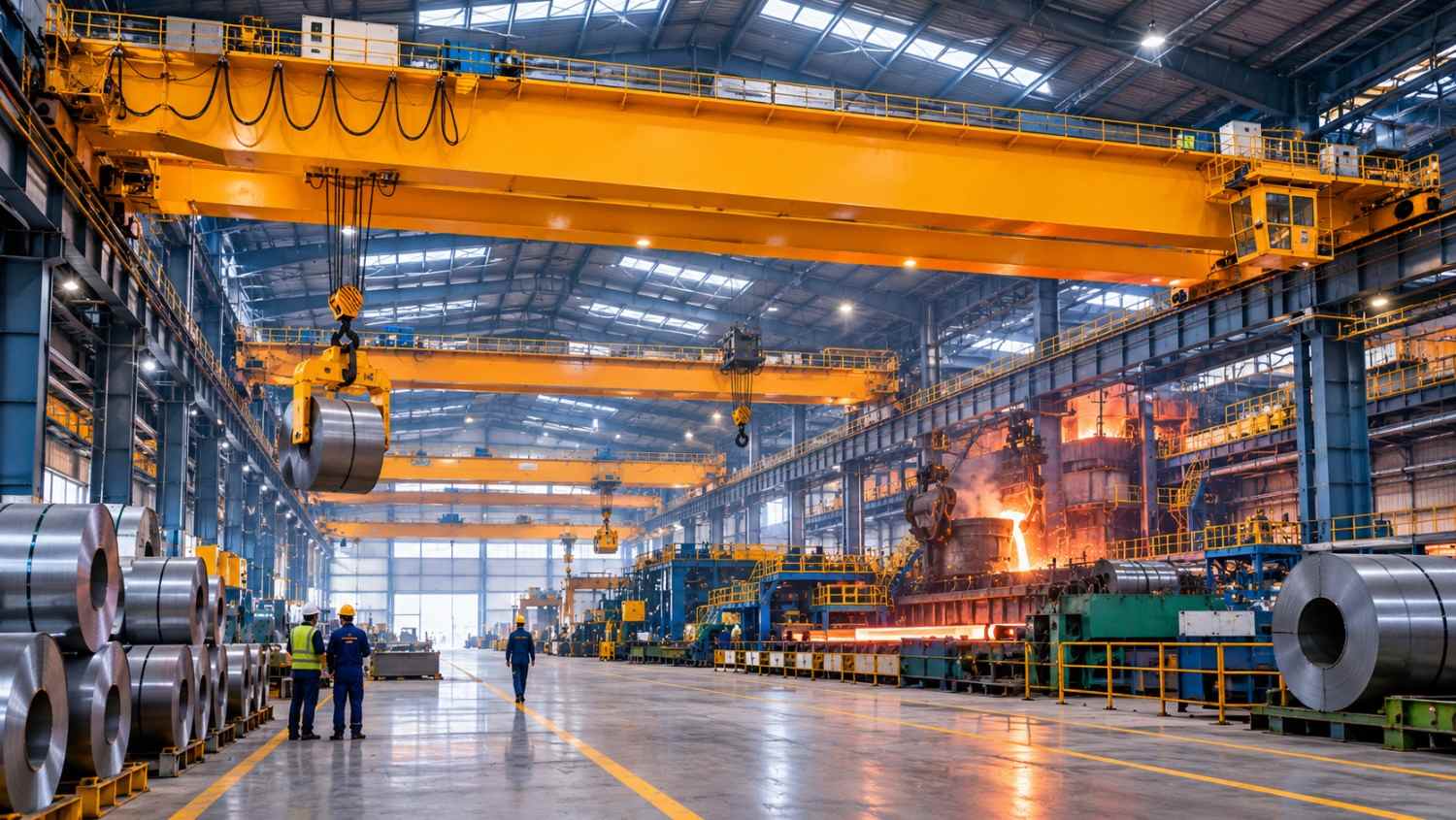
An honest, researched look at the top 5 crane manufacturers for steel plants in India, covering ladle, grab bucket, and coil handling cranes.
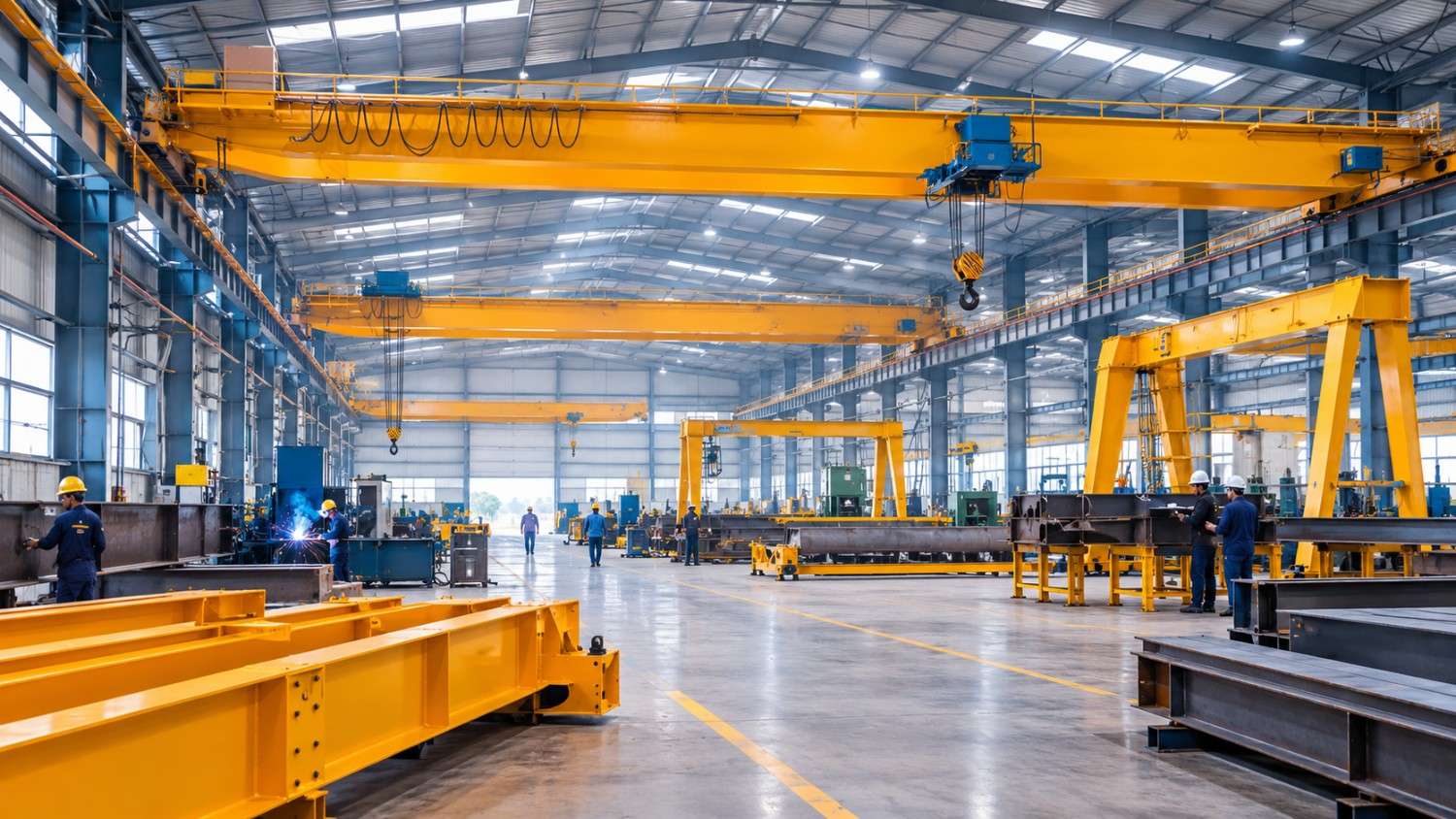
A real, researched look at the top 10 crane manufacturers in North India, covering Delhi NCR, Punjab, Haryana, UP, and Rajasthan, with what actually sets each one apart.
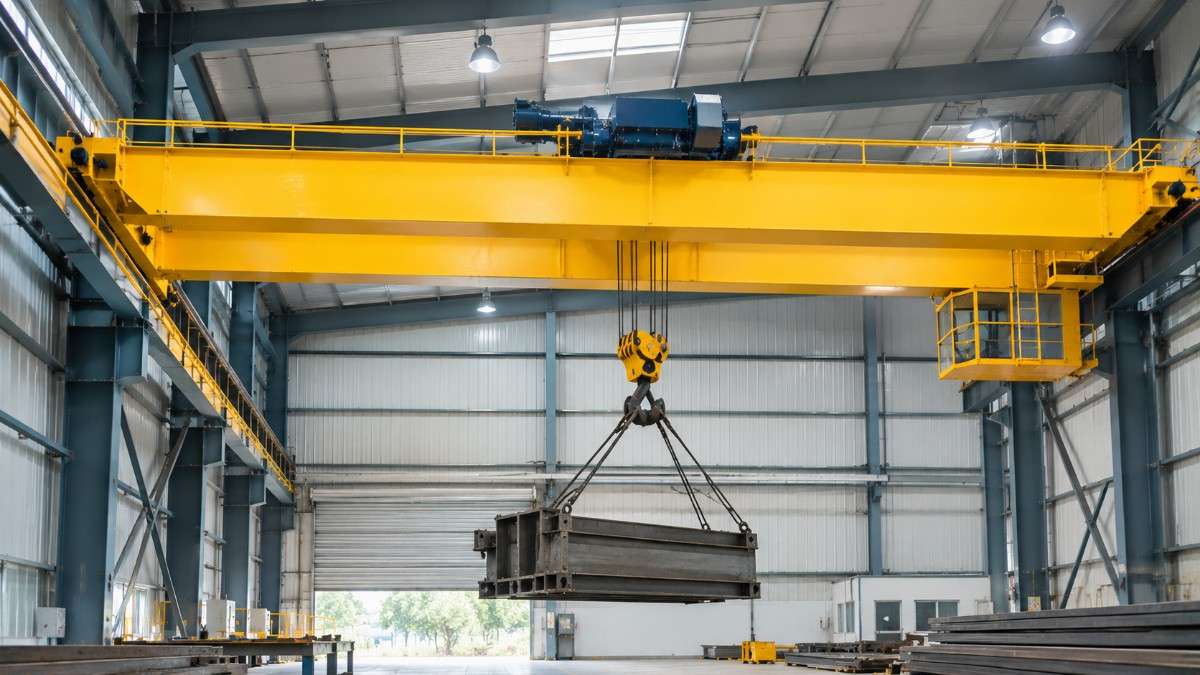
If you are looking for a 10 ton overhead crane for your factory or warehouse, the primary question that arises in your mind is whether this capacity will cater to your daily operations or it will turn out to be a useless and bulky addition to your storage.
Looking for a reliable partner for your next industrial project?