English
Contact
Configure
Catalog
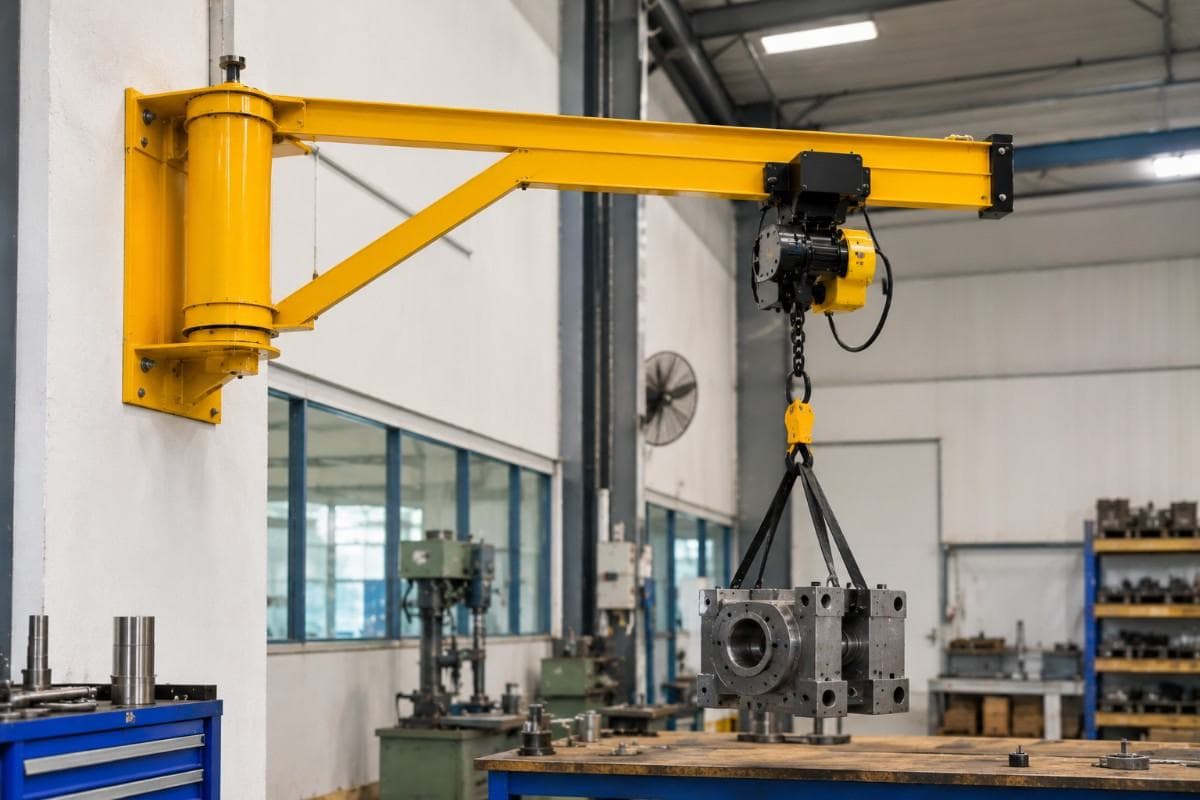
Over the years, through my experience of helping factory owners in Haryana, Gujarat, Tamil Nadu pick the right type of material handling equipment, I have realized that Jib cranes are one of the most misunderstood industrial lifting equipment. While most people think of it as a miniature version of EOT crane, there is a lot of difference between the two in terms of application and cost.
Through this guide, you will learn about factors affecting 1 ton jib crane price. I will make sure not to throw you at random numbers and help you understand why some components of the crane can increase or decrease the 1 ton jib crane price. You will also learn about the most common mistakes while buying a jib crane that I have come across while assisting clients.
A jib crane is a type of fixed-mounted lifting equipment consisting of a horizontal arm called a jib or boom that rotates around a vertical mast or wall-mounted pivot. Unlike an EOT crane, which is used to move materials along the length of a bay, a jib crane is mounted to work in a single work zone.
A 1 ton jib crane can be used to perform relatively light and frequent lifting operations. This type of jib crane works best in machine loading/unloading and small parts assembly where the larger capacity EOT crane would be used too infrequently.
A 1 ton jib crane is therefore suitable for workshop environments where lifts of up to 1000 kg are needed inside a 3-5 metre radius and when lifting needs to be performed repeatedly at a single work position.
When it comes to jib crane prices, most of our clients are human, which means they always ask for just one number. Unfortunately there is no such thing in technical equipment sales. Several parameters ultimately determine the cost of a jib crane.
Wall mounted jib cranes are fixed on a wall or a column and take up less space, and have lower installation costs compared to pillar mounted cranes. The latter have their own foundation and do not require a wall to be mounted on, but require additional foundation work if the building does not have one.
It goes without saying that a 180 degree wall mounted crane will have a different price than, say 270 degrees one, and also nothing compared to a 360 degree pillar mounted option. A longer boom will also require reinforcement to ensure that the bending moment is within acceptable limits for the same 1 ton capacity.
Electric wire rope hoist, electric chain hoist, manual chain block are used together with the 1 ton jib crane respectively. It's suitable for different lifting frequency.
Two sets of 1 ton jib crane may be applied with different steel grades and weld technology, which may lead to different security levels.
The height of the factory, the loading capability of the floor, and even the structure reinforcement extent will impact the installation effort. Some projects need more preparation than others.
The guarantee time and parts supply capability of the supplier decide how safe your investment is. Many buyers may not realize this until their 1 ton jib crane is under maintenance.
| Feature | Wall-Mounted Jib Crane | Pillar-Mounted Jib Crane |
|---|---|---|
| Installation | Attached to existing wall/column | Independent floor-mounted base |
| Rotation | Up to 180 degrees | Up to 360 degrees |
| Space Requirement | Lower | Higher |
| Foundation Work | Minimal | Required |
| Best For | Perimeter workstations | Central floor operations |
| Mobility | Fixed to structure | Can be relocated with base |
We frequently discuss this issue. When I've worked with procurement managers, considering both options, we've always come back to coverage area versus precision.
In case your needs extend beyond one workstation, comparing eot crane price with your jib crane budget will save you the trouble of having to buy both.
Ensure you cross these off your list before finalizing your purchase of a jib crane:
I have observed that almost all installation-related mistakes are made due to wrong choices prior to the crane arrival on site
Typical applications include
Benefits
Challenges
Based on the experience of multiple installations in a variety of factory floors, we offer the following practical advice:
As per the recommendations issued by the Bureau of Indian Standards, structural lifting equipment must be subjected to periodic load testing in order that they are operated within their permissible working load limits, which many small workshops forget to do after the initial installation is complete.
Though most buyers start their search at the 1 ton jib crane price, they often find their needs lean towards the higher end of the spectrum.
Times Krane has served a number of factory owners and buyers in India, helping them choose a lifting equipment that best suits their needs and requirements, and not a generic set of specifications. Each boom is crafted to perfection to meet the criteria of load bearing and structural needs of the site.
While you compare the various suppliers of jib cranes in India, make sure to ask them all the questions listed in the above checklist. You will find the answers much more enlightening than a generic sales pitch.
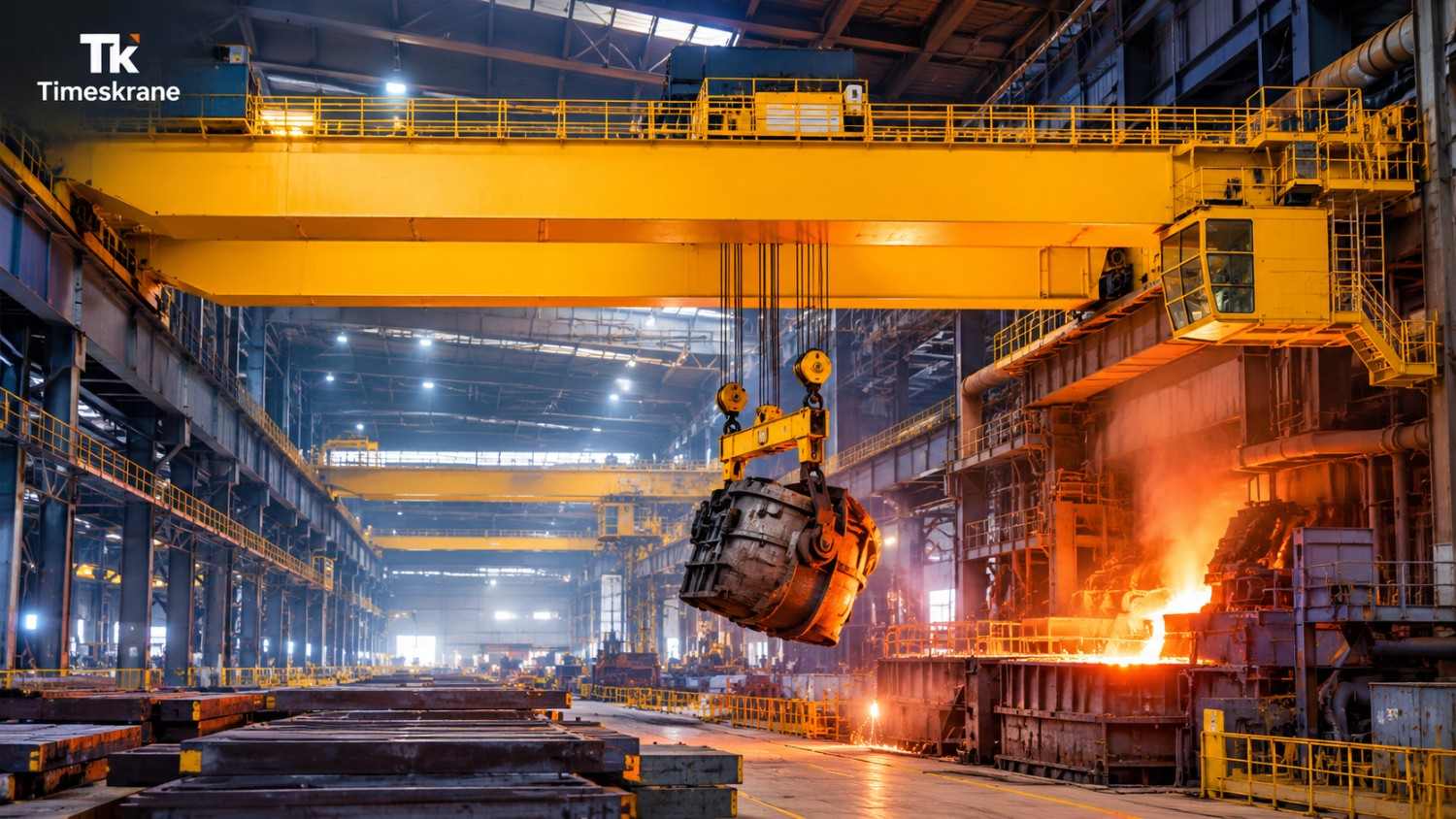
An honest breakdown of what makes a crane genuinely heavy duty for steel plant use, covering duty classification, capacity, and safety features buyers often miss.
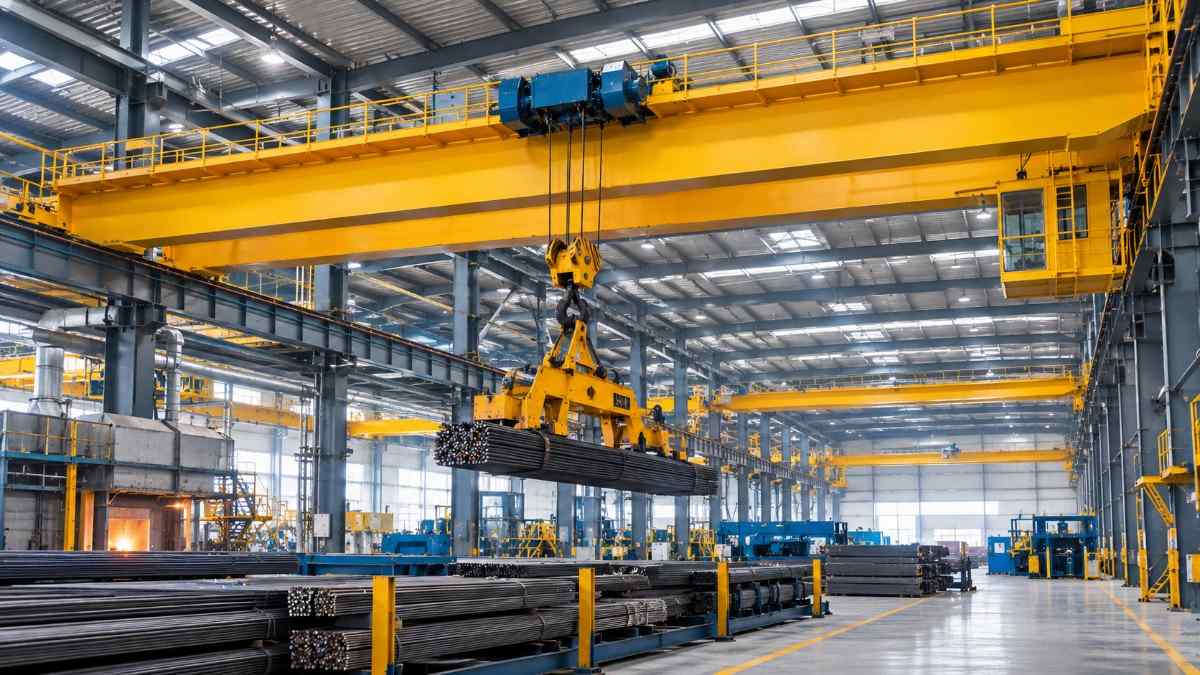
Finding the right steel plant crane manufacturer is perhaps the most important decision a procurement manager or plant owner will make. A poorly designed crane can increase both safety risks and downtime while excessively increasing maintenance costs.
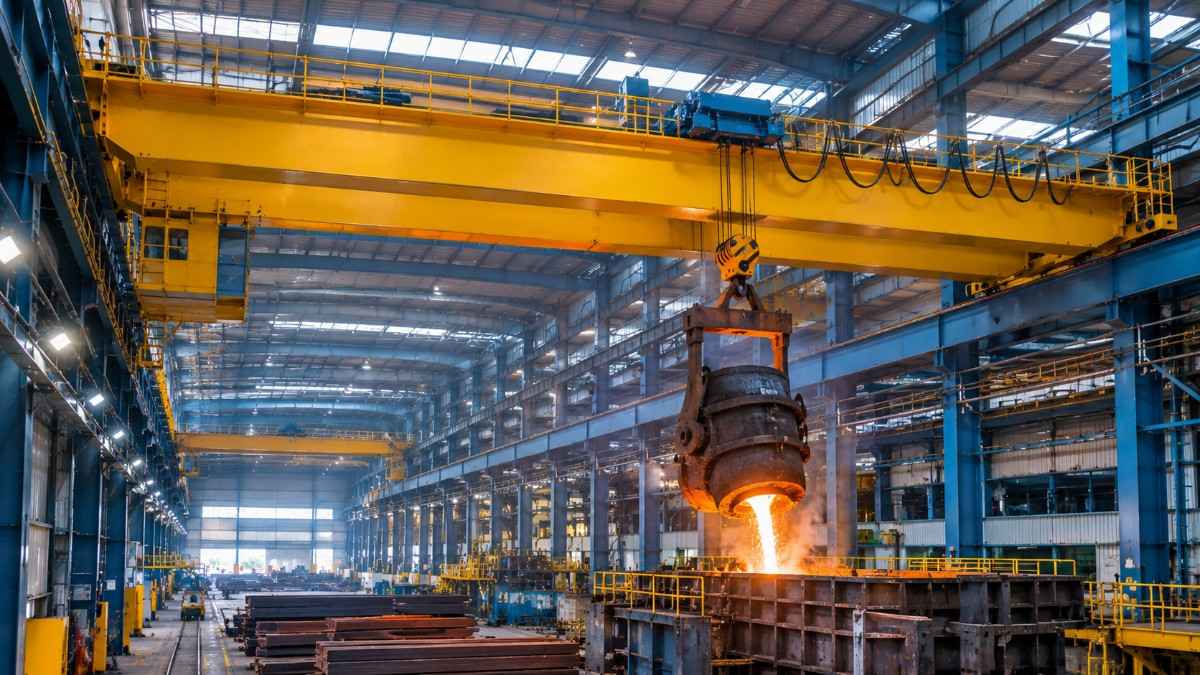
If you run or manage a steel plant, you already know that an overhead crane for steel plant operations is not a luxury. It is the backbone of your material handling process. From moving billets and coils to shifting ladles of molten metal, the right crane decides how smoothly your production line runs.
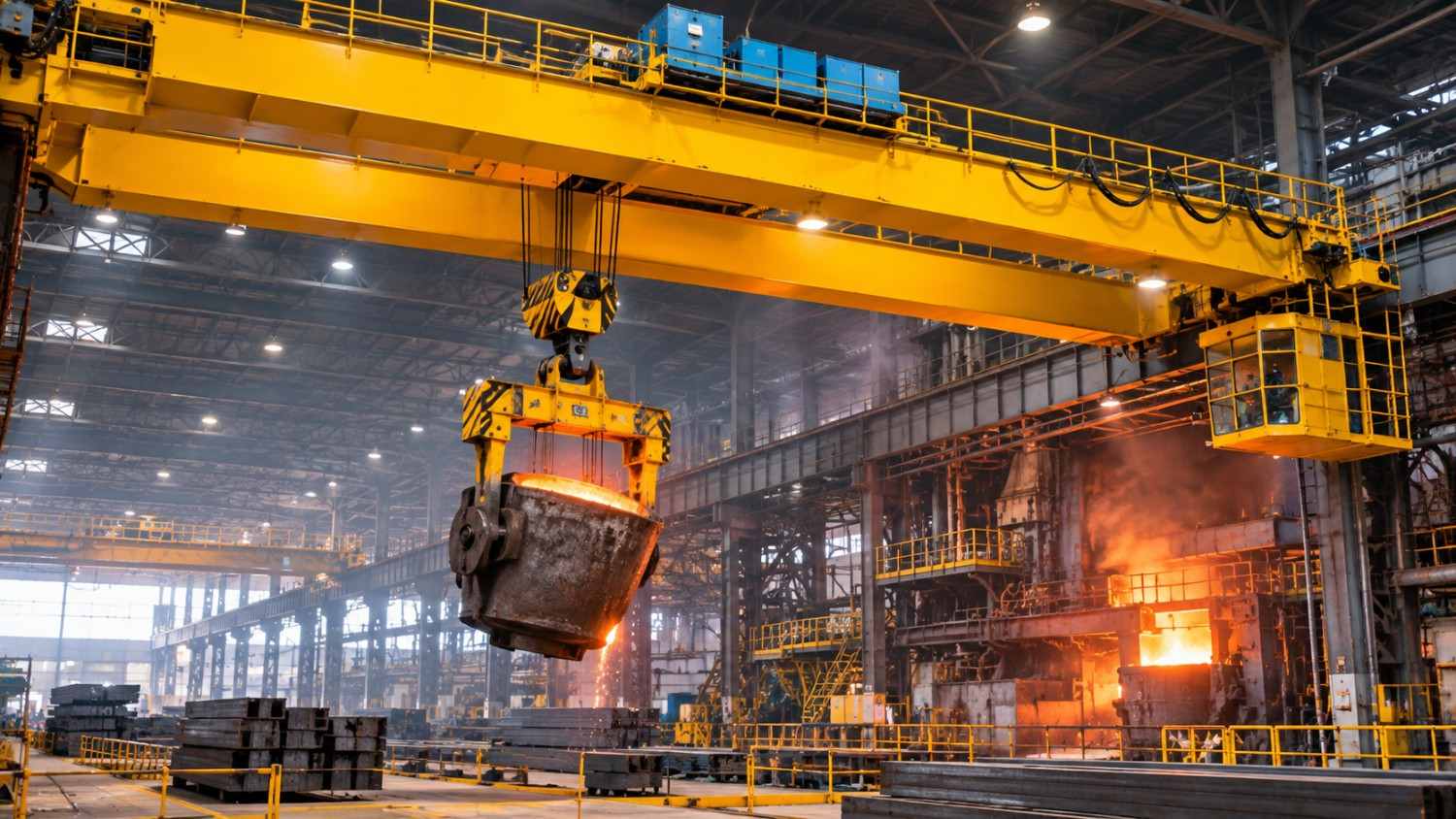
Discover how EOT cranes support steel plant operations, from material handling to molten metal lifting. Learn about crane types, duty classes, safety features, and how to choose the right EOT crane for your steel plant.
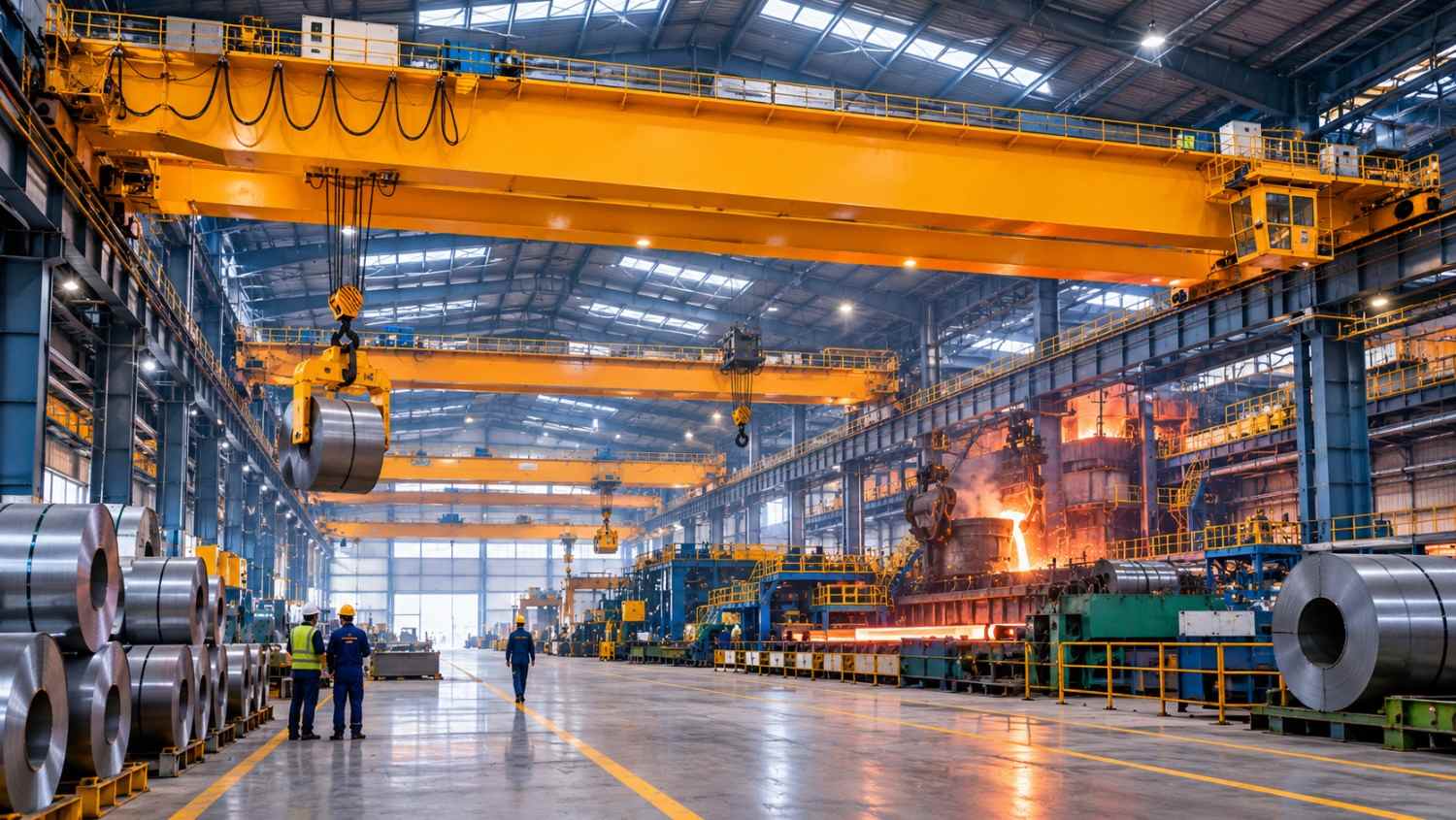
An honest, researched look at the top 5 crane manufacturers for steel plants in India, covering ladle, grab bucket, and coil handling cranes.
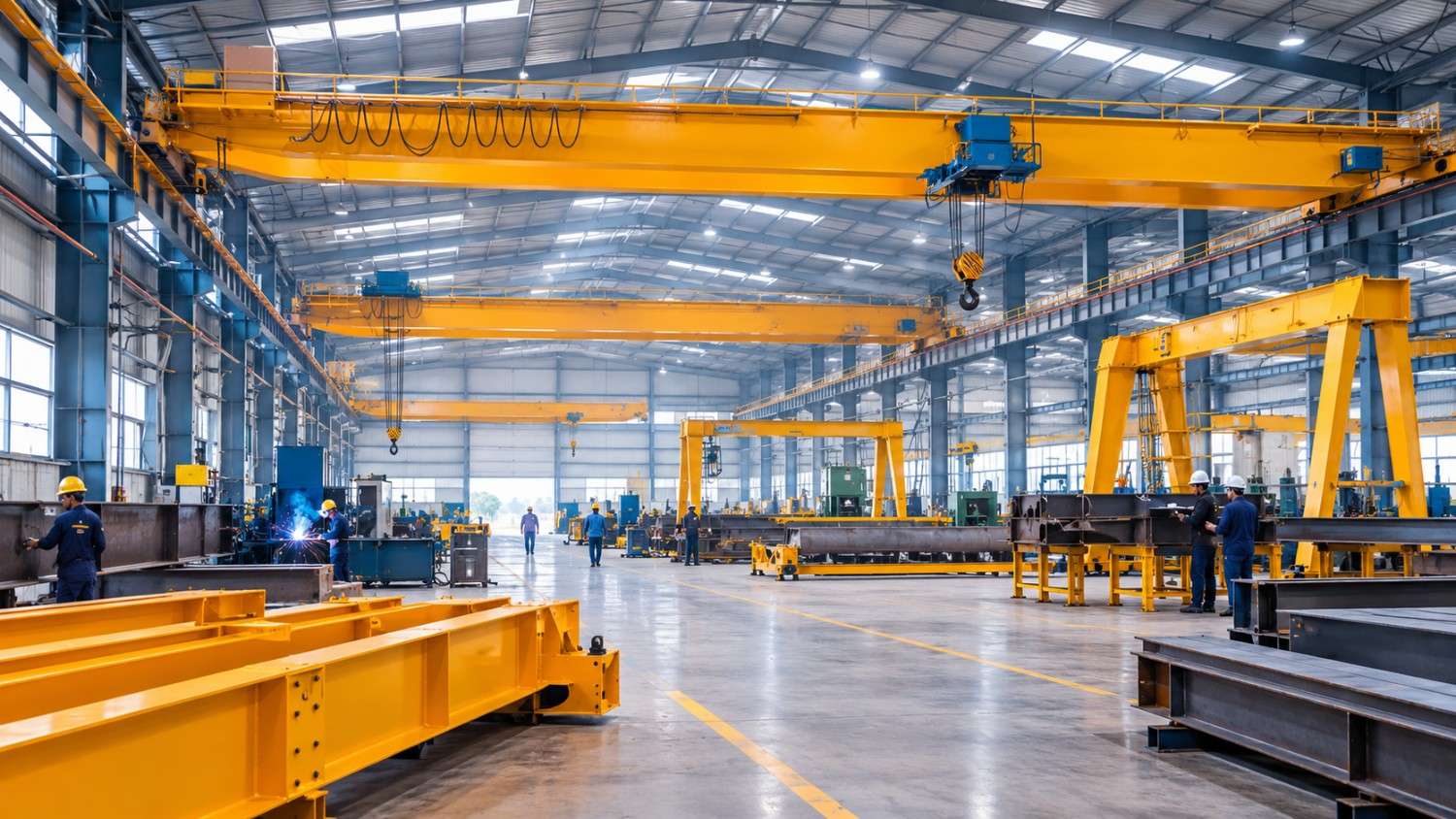
A real, researched look at the top 10 crane manufacturers in North India, covering Delhi NCR, Punjab, Haryana, UP, and Rajasthan, with what actually sets each one apart.
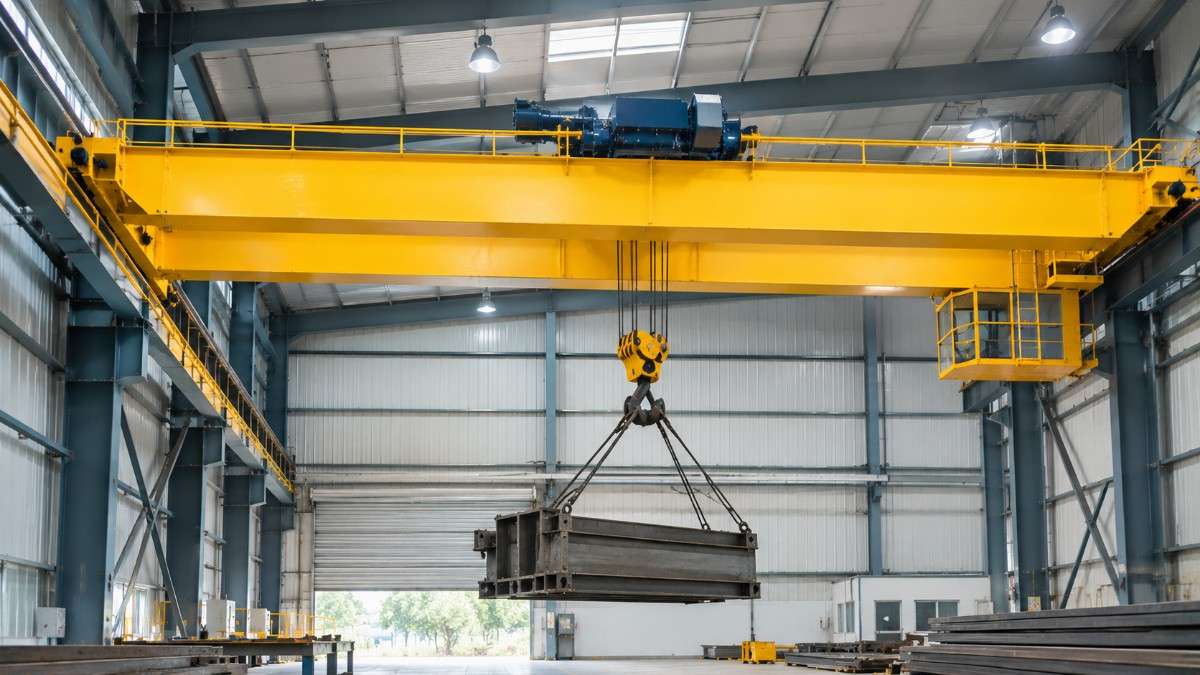
If you are looking for a 10 ton overhead crane for your factory or warehouse, the primary question that arises in your mind is whether this capacity will cater to your daily operations or it will turn out to be a useless and bulky addition to your storage.
Looking for a reliable partner for your next industrial project?