English
Contact
Configure
Catalog
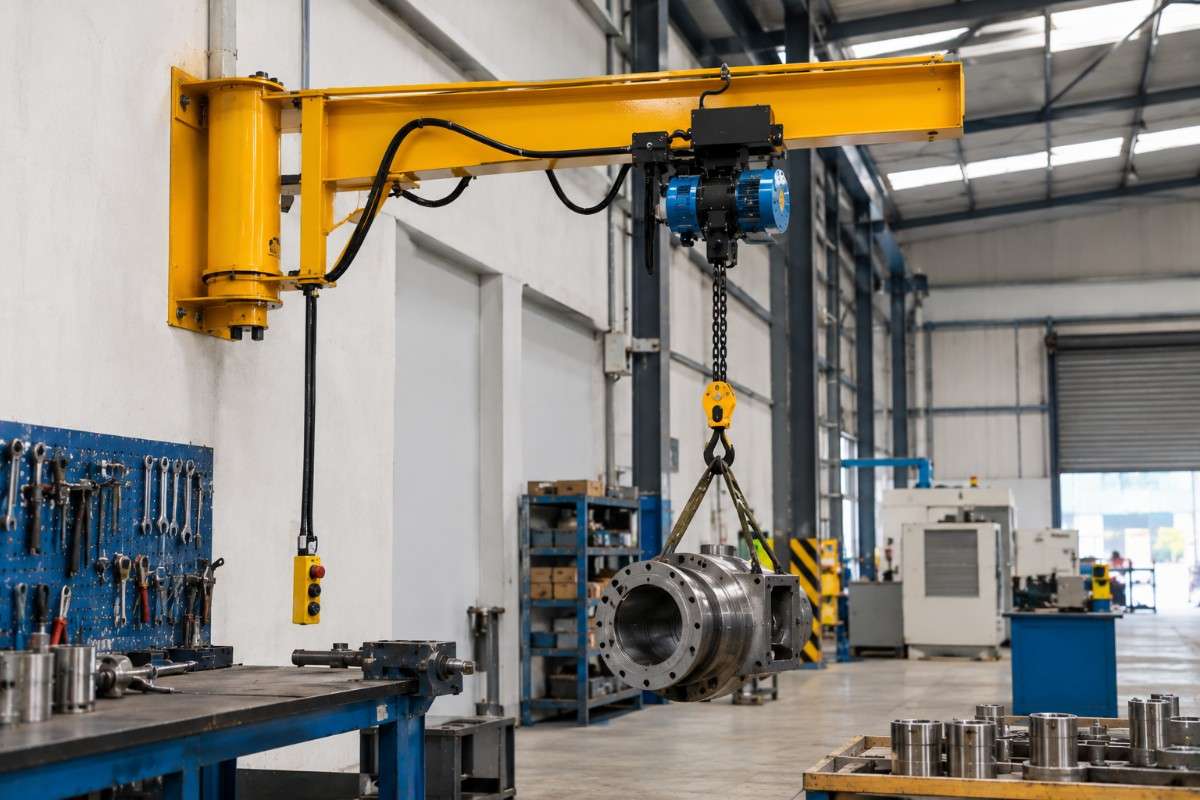
Based on my experience working with factory owners who need to set up new assembly line processes, the 2 ton jib crane offers the best value for smaller engineering units. It is large enough to position most machinery components, equipment, and materials with relative ease while not costing the exorbitant prices of a larger overhead system. In this guide, I will discuss what factors influence the 2 ton jib crane price, compare it to similar capacities and give you a list of requirements to look out for when buying one.
A 2 ton jib crane is a lifting device made of a pivoting arm that can carry a load of up to 2 tonnes and works within a fixed rotational radius around a wall bracket or a floor mounted pillar. Unlike an EOT crane which travels the length of the shed on the runway beams, a jib crane remains fixed to the floor and extends the boom arm on a rotation to cover a certain work area.
Short answer: a 2 ton jib crane allows focused lifting at a particular machine, workbench or loading area and is much cheaper to install than a traveling crane.
Main parts of a jib crane are:
From my experience, having worked with a number of buyers seeking multiple quotes, I can say that price is seldom dictated by a single factor. There are several elements influencing the cost of jib cranes rated at 2 tons capacity.
A factor that many buyers frequently neglect is the rate of hoist. Many believe that a faster hoist will make them more productive, but in reality, it will simply increase the price without delivering any tangible benefits.
Seeing how the 2 ton jib crane price fits between smaller and larger options helps buyers avoid over-specifying or under-specifying their purchase.
| Feature | 1 Ton Jib Crane | 2 Ton Jib Crane | 5 Ton Jib Crane |
|---|---|---|---|
| Typical Use Case | Tool rooms, light assembly | Small to medium workshops, machine loading | Heavy fabrication, foundries |
| Common Span | Up to 3 metres | 3 to 4 metres | 4 to 6 metres |
| Mounting Preference | Wall mounted | Wall or pillar mounted | Free standing pillar |
| Rotation | Usually manual | Manual, motorized on request | Motorized preferred |
| Structural Load on Building | Minimal | Moderate | Significant |
If you are also comparing the 1 ton jib crane price or the 5 ton jib crane price, please remember that, increased capacity does not increase the price linearly. For example, the steel plate thickness, bearing size, and hoist rating will increase step by step, so that the increase from 1 ton to 2 ton jib crane will cost more than the price difference between these two tones suggests.
This type is fixed on to a wall or existing column in a building and is the most common choice at 2 tonne capacity as it saves valuable floor space. In my experience of installations, it has been the preferred choice in a narrow machine shop aisle where a pillar would not have been feasible.
This type is constructed on its own foundation and is independent of the building. It offers greater flexibility in terms of location as it is not dependent on a column or wall but incurs additional foundation costs.
This is a Jib crane supported by a floor base and a ceiling tie. It offers enhanced stability for greater heights.
This is a telescopic type that could be used to avoid overhead obstructions or offer enhanced flexibility in a constrained workspace.
India has its share of jib crane manufacturers and jib crane suppliers. However, the quality and documentation can vary significantly. Here are a few things to look for when shortlisting Jib crane manufacturers in India.
In my experience, insisting on design calculations helps avoid situations where the wall or column was not assessed correctly (by the buyer) leading to incorrect specifications.
The following are some of the industries that use 2 ton jib cranes in their operations:
Benefits
Challenges
Those that are looking to buy an eot crane and compare it against a jib crane can expect to have questions about which of the two cranes will suit their floor layout. The EOT crane moves along the entire span of the bay on rails, making it ideally suited for large production floors that take up an entire bay. The jib crane on the other hand services a confined work area and has much less structural work involved as it doesn't need the beams that support the entire length of the bay. In the case of having a single or two work stations, the jib crane is a more practical and economical choice. However, if the production floor covers the entire bay then looking at the eot crane price is more appropriate.
When my client needed to upgrade their machine shop, it wasn’t the lowest cost vendor that got the contract. It was the company that could show us proper load test documentation and a detailed service plan after installation. Properly maintained equipment will typically see longer operating time between failures.
Engineering studies on material handling equipment breakdowns are pretty unanimous that bearing wear and hoist brake failure are the leading factors causing light duty jib crane failures. So just make sure that the duty class rating is appropriate for your required frequency of use, rather than being focused on the price per tonnage capacity.
Times Krane has been able to partner with factory owners and procurement teams to design jib cranes that cater to the specific workshop layout, rather than forcing a standard catalog size. This attention to detail, such as load test results for every 2 ton jib crane along with sharing details about the structure for buyer's reference to ascertain compatibility, has helped multiple procurement teams across states to place repeat orders.
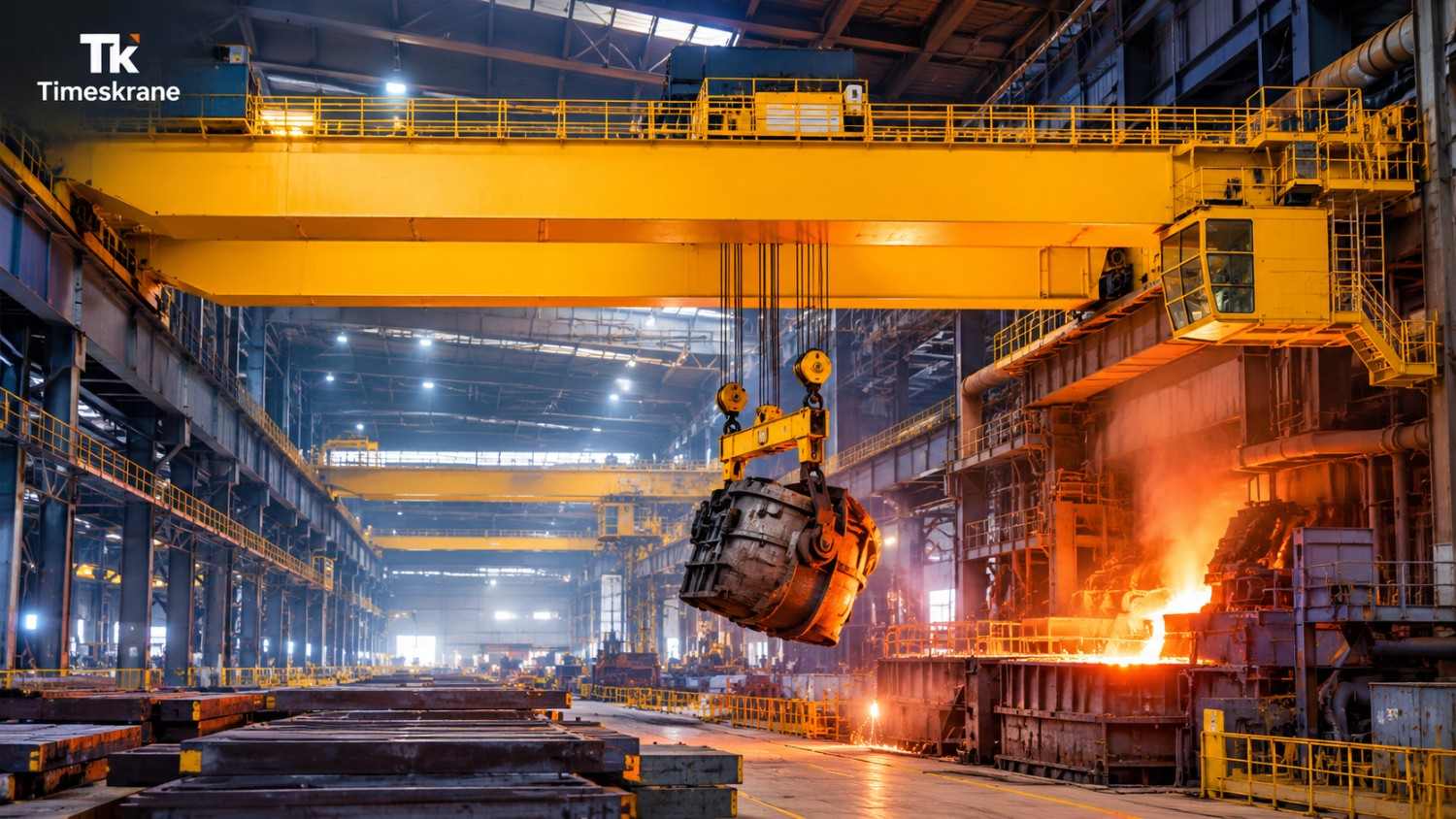
An honest breakdown of what makes a crane genuinely heavy duty for steel plant use, covering duty classification, capacity, and safety features buyers often miss.
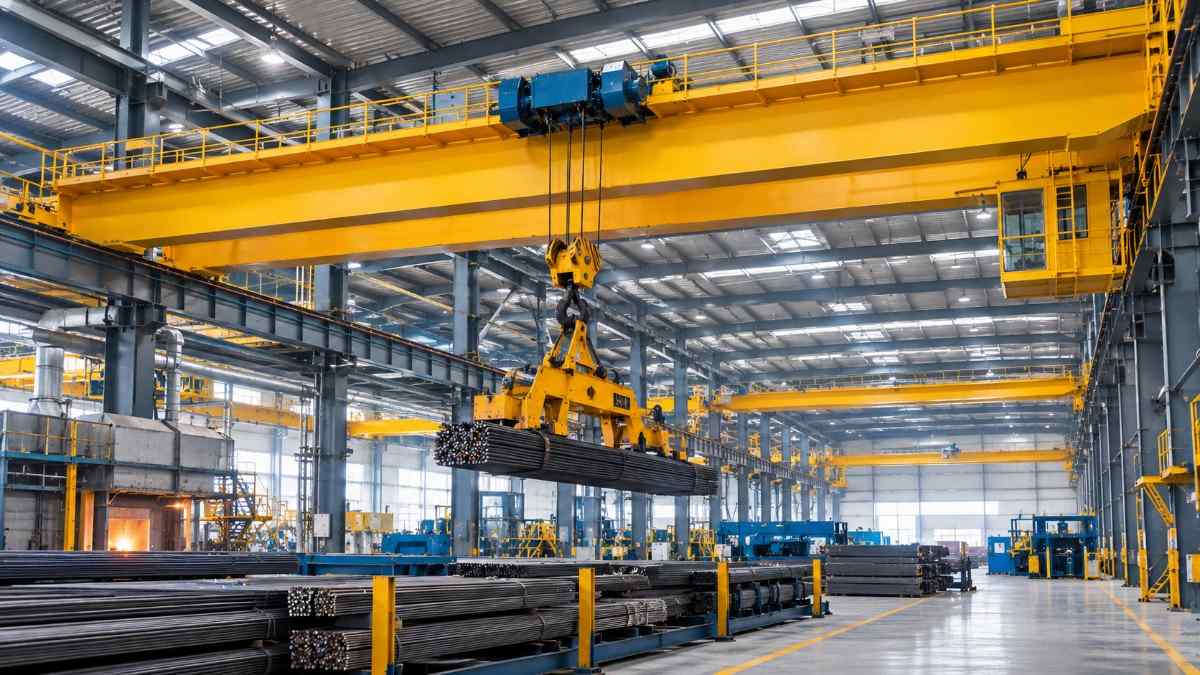
Finding the right steel plant crane manufacturer is perhaps the most important decision a procurement manager or plant owner will make. A poorly designed crane can increase both safety risks and downtime while excessively increasing maintenance costs.
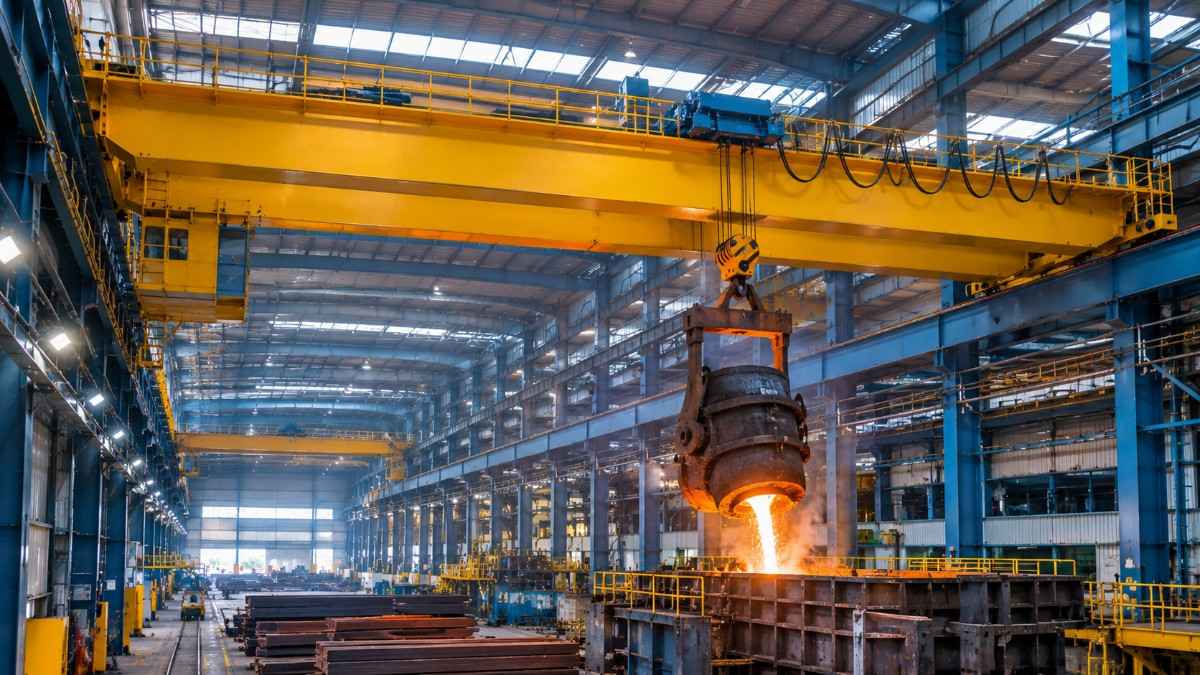
If you run or manage a steel plant, you already know that an overhead crane for steel plant operations is not a luxury. It is the backbone of your material handling process. From moving billets and coils to shifting ladles of molten metal, the right crane decides how smoothly your production line runs.
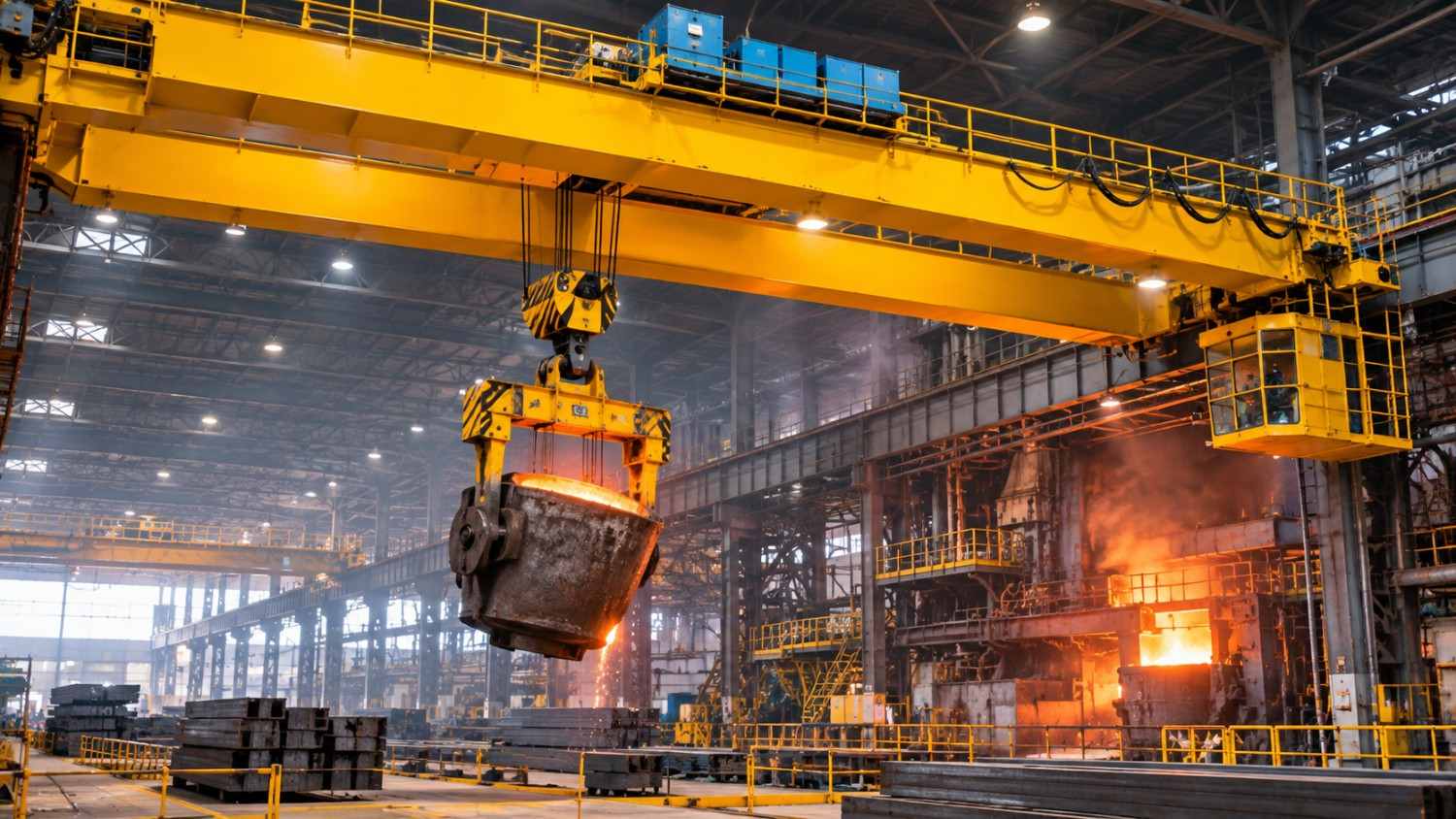
Discover how EOT cranes support steel plant operations, from material handling to molten metal lifting. Learn about crane types, duty classes, safety features, and how to choose the right EOT crane for your steel plant.
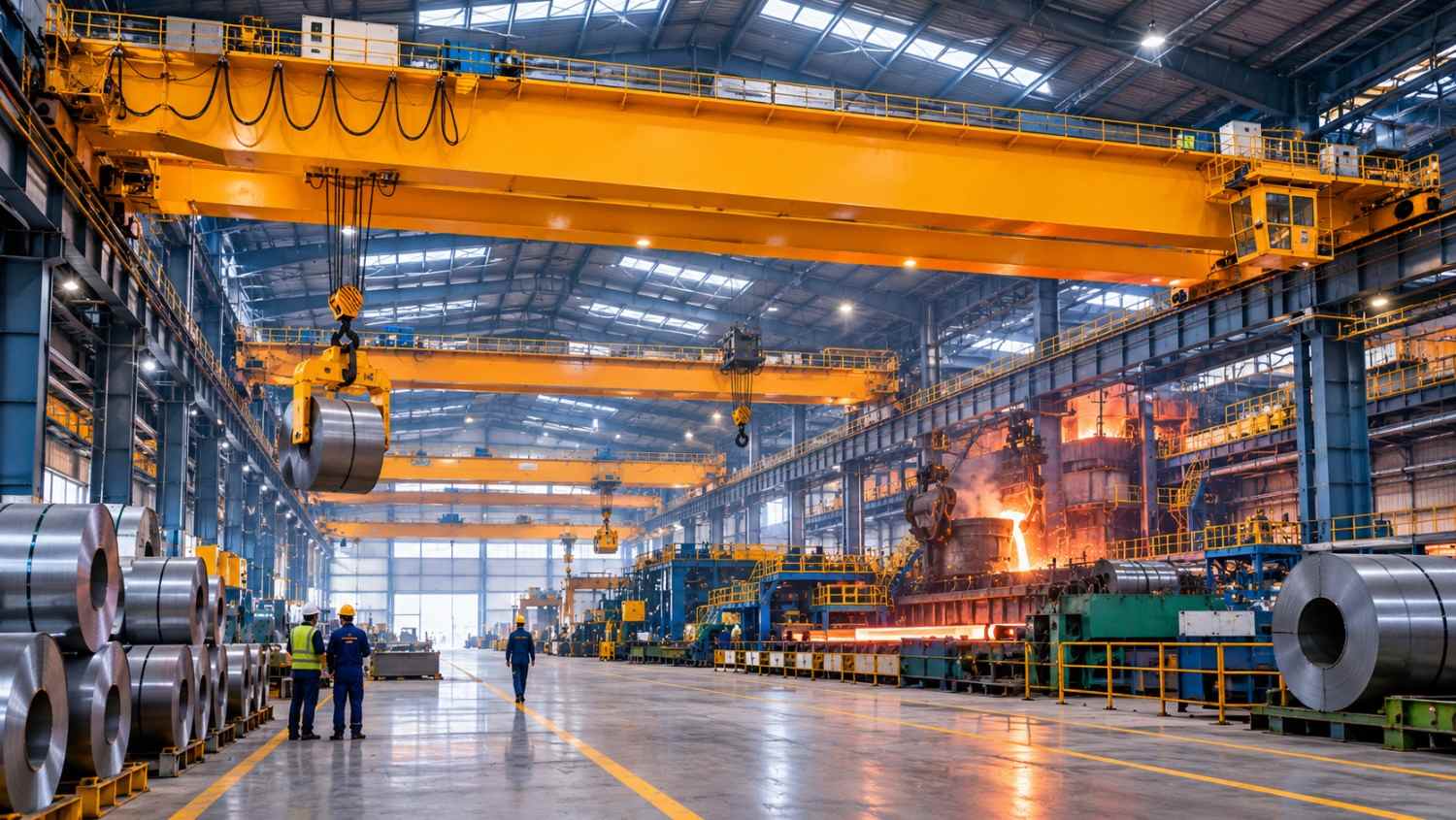
An honest, researched look at the top 5 crane manufacturers for steel plants in India, covering ladle, grab bucket, and coil handling cranes.
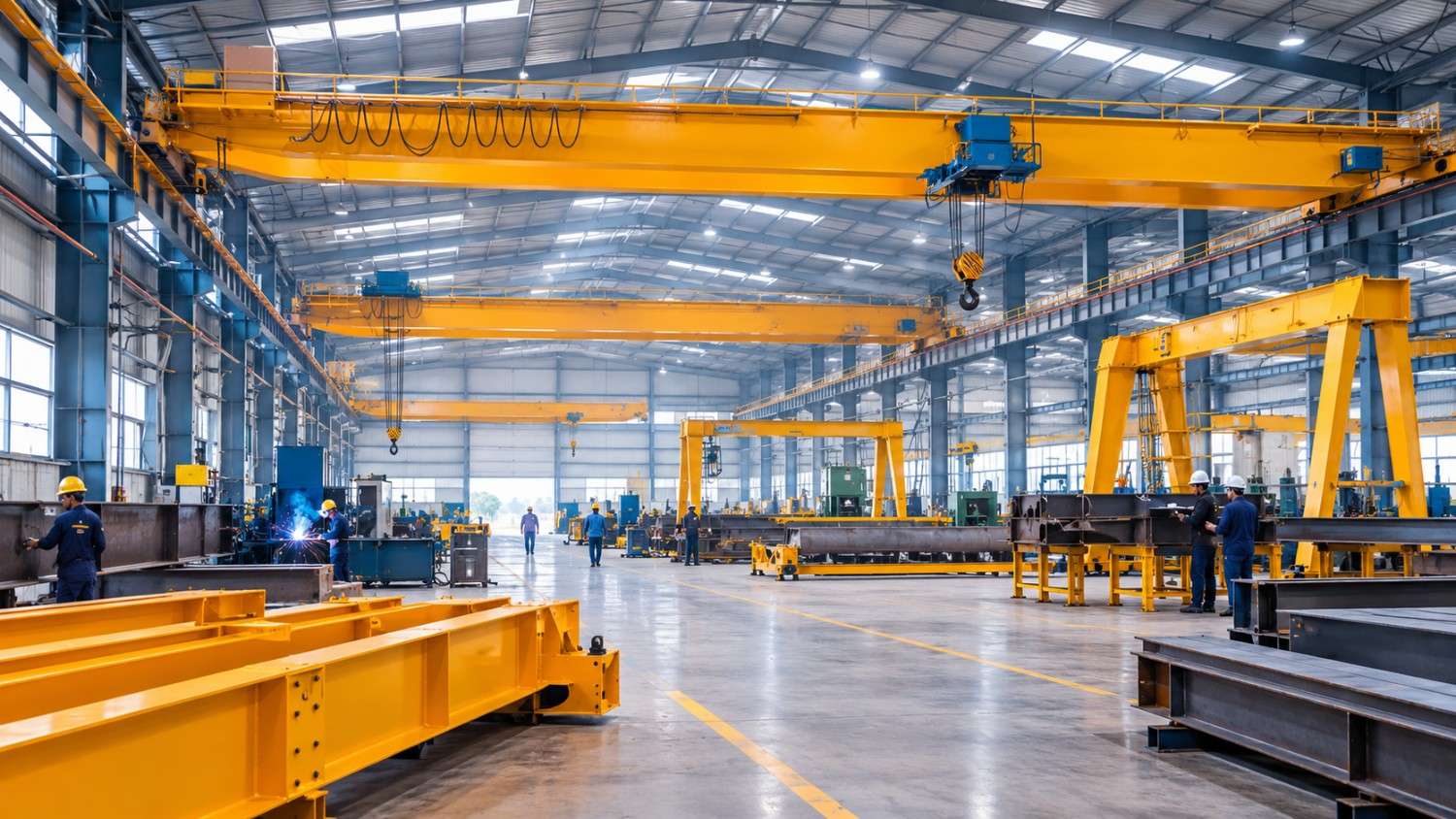
A real, researched look at the top 10 crane manufacturers in North India, covering Delhi NCR, Punjab, Haryana, UP, and Rajasthan, with what actually sets each one apart.
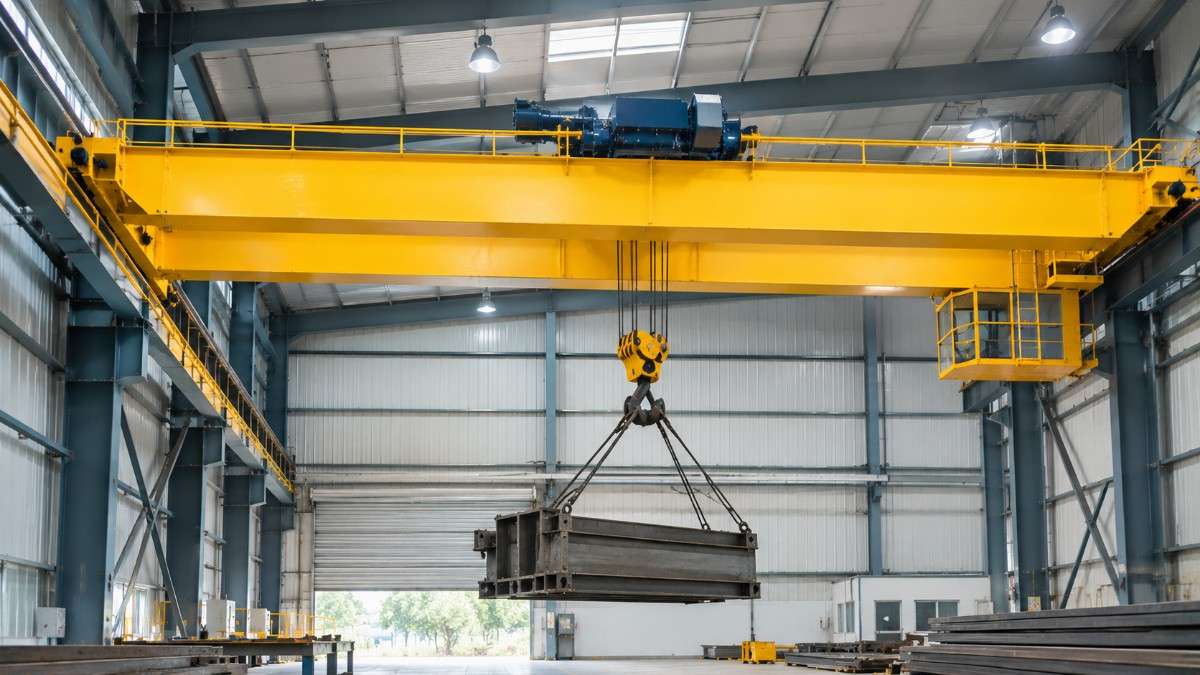
If you are looking for a 10 ton overhead crane for your factory or warehouse, the primary question that arises in your mind is whether this capacity will cater to your daily operations or it will turn out to be a useless and bulky addition to your storage.
Looking for a reliable partner for your next industrial project?