English
Contact
Configure
Catalog
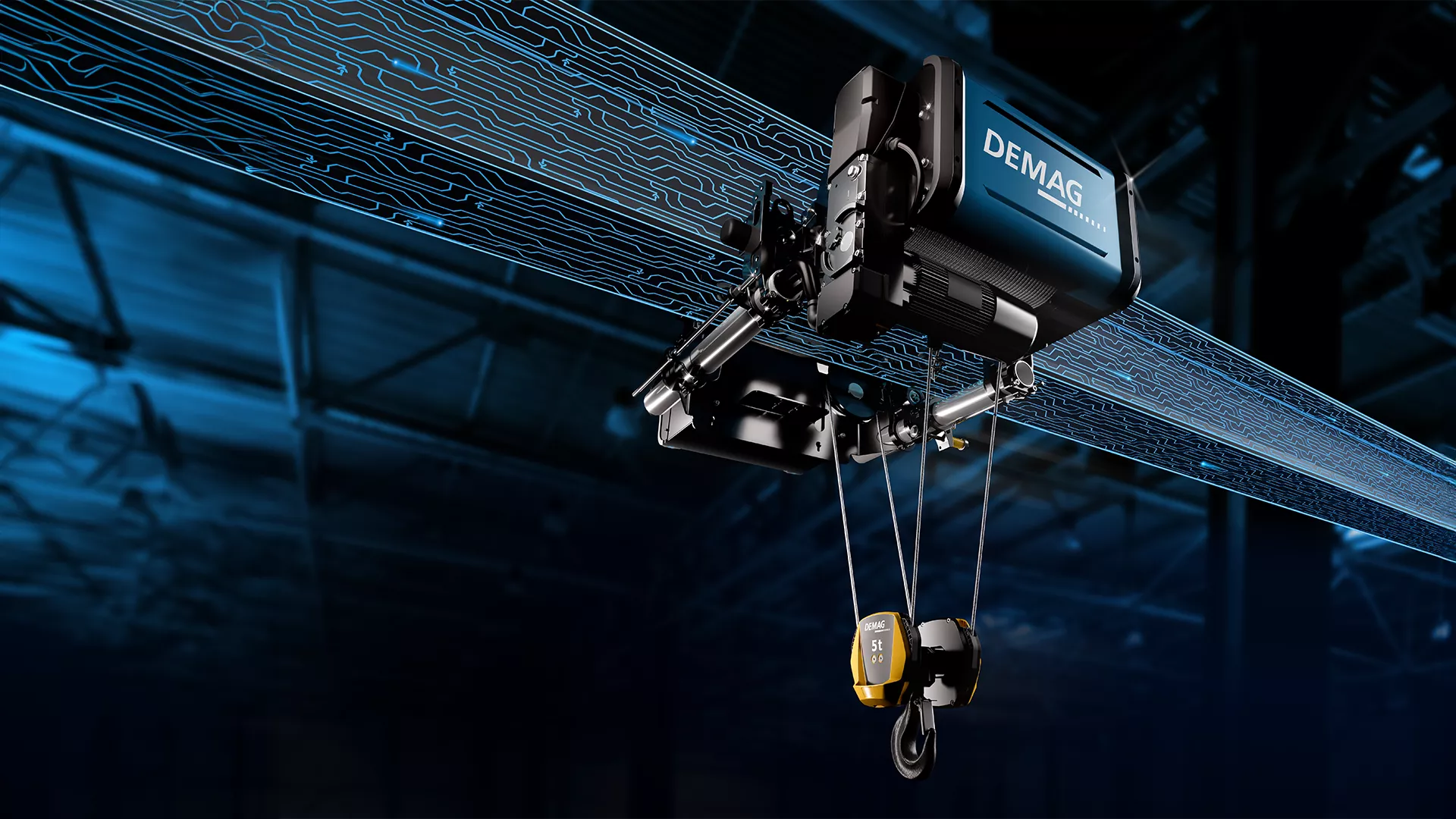
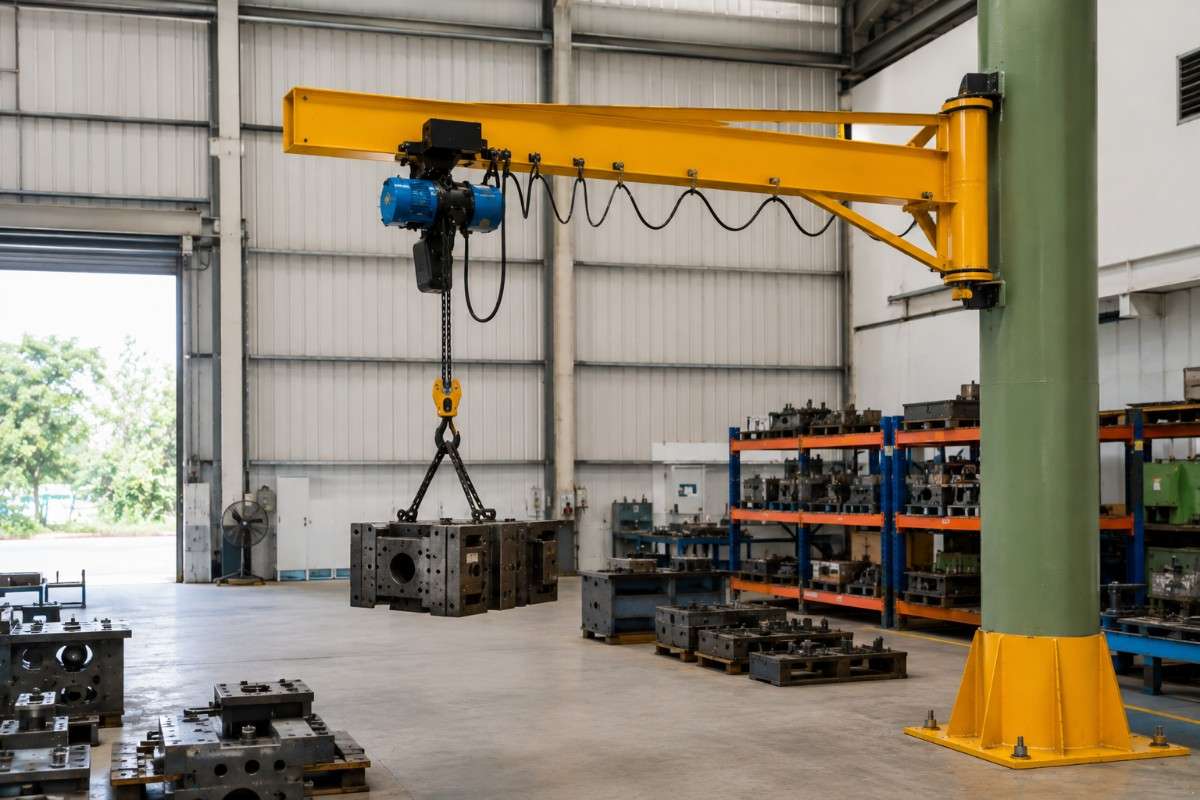
Based on my professional experience working with plant engineers and purchase managers, a 5 ton jib crane is one of the sweet spots in the capacity spectrum. It is powerful enough to perform medium- to heavy-duty fabrication tasks but at the same time takes up less space inside your workshop. This post aims to provide all the critical factors that contribute to the 5 ton jib crane cost, compare it to other capacities, and provide guidelines to selecting the right supplier.
A 5 Ton Jib Crane is a rotating arm type lifting appliance allowing lifting capacity of up to five tonnes within the swing radius of the rotating arm. They differ from EOT (Electric Overhead) cranes in that they do not run the length of a bay but rotate from a single point, either a wall mounted bracket or a floor standing pillar.
In short: A 5 Ton Jib Crane allows you localised, repeatable lifting at one workstation, machine bay or loading dock and saves you installing crane runway beams over an entire shed.
Working with multiple buyers, I’ve had the opportunity to understand what considerations should be taken when comparing prices from different manufacturers. It is rarely as simple as a single factor influencing the price.
Something that is often forgotten when calculating costs is the downtime of the crane. In many cases, a slightly more expensive crane will be a better buy simply because it doesn’t require as much maintenance and has fewer failures.
Buyers researching the 5 ton jib crane price often want to see how it stacks up against smaller options before committing.
| Feature | 1 Ton Jib Crane | 2 Ton Jib Crane | 5 Ton Jib Crane |
|---|---|---|---|
| Typical Use Case | Light assembly, tool rooms | Medium fabrication, small workshops | Heavy fabrication, engine shops, foundries |
| Common Span | Up to 3 metres | 3 to 4 metres | 4 to 6 metres |
| Mounting Preference | Wall mounted | Wall or pillar mounted | Free standing pillar |
| Rotation | Usually manual | Manual or motorized | Motorized preferred |
| Structural Load on Building | Minimal | Moderate | Significant, may need reinforced foundation |
The 1 ton jib crane price and the 2 ton jib crane price are not going to be anywhere near the 5 ton jib crane price, but they grow exponentially with increased lifting capacity. The increased working load limit requires higher grade steel, bigger bearings, and more powerful motors, and is therefore not simply a case of buying two and a half 2 ton jib cranes for the price of one 5 ton jib crane.
Attached to an existing wall or column, this type saves valuable floor space and makes sense in a narrow bay. This type I know from practice, because I have seen such installations in a machine shop, where floor space is at a premium.
Attached to its own base, independent of the building structure. This is the option for a 5 ton jib crane. It can be placed anywhere on your shop floor and doesn't rely on the integrity of your existing columns.
Supported by both a floor foundation and a ceiling bracket, offering higher stability for taller lifts.
Features a jointed arm that can reach around obstacles, useful for irregular workstations.
India has an emerging set of jib crane manufacturers and suppliers. However, not all manufacturers produce cranes to the same standard. Here are some of the key considerations when choosing a jib crane manufacturer in India:
I have observed buyers who neglect the worksite survey, later having to delay the crane's installation in another state because the floor or wall had to be reinforced to bear the load.
The 5 ton jib cranes can be widely applied in the following industry sectors:
When a buyer compares an eot crane with its jib counterpart, their expectations have to do with the applicability of each type in relation to their physical setup. EOT cranes offer full bays coverage by utilizing overhead runway beams along the length and width of the production bay. Meanwhile, a jib crane is a more space efficient solution for lifting operations in a fixed workstation location. Since the jib does not require overhead rail infrastructure in favor of a fixed support beam, its installation costs are lower than those of an overhead crane. In my opinion, a jib type is more appropriate when the lifting is only required at one or two workstations. If the lifting needs to cover the entire shop floor, an EOT crane purchase estimate would be more relevant.
In my experience, when a buyer approaches the task of comparing multiple vendor proposals for eot crane purchases, the main differences are not in the projected figures. The technical details and engineering specifications help sort out the proposals into groups of reliability and performance. When a crane has the correct documentation and certification, it will provide years of uninterrupted service for the plant.
The academic and industry research on overhead cranes shows that the problem of load bearing capacity of jib boom is a frequent occurrence. This issue is a direct result of insufficient design calculations, which is why an EOT crane from a reputable manufacturer should have this documentation to avoid long term liabilities.
The company has served factory owners and buyers in several states by designing jib cranes that fit in different workshop designs instead of the other way round. Their 5-ton jib cranes are put through loading tests before they can be delivered to the buyer. In another feature that has drawn clients to the company, the design process of the jib crane reveals the calculations of its structure, allowing buyers to use it as a guideline for their foundation preparation. This client-centric approach has seen repeat orders from buyers who have ordered 5-ton jib cranes and the company.
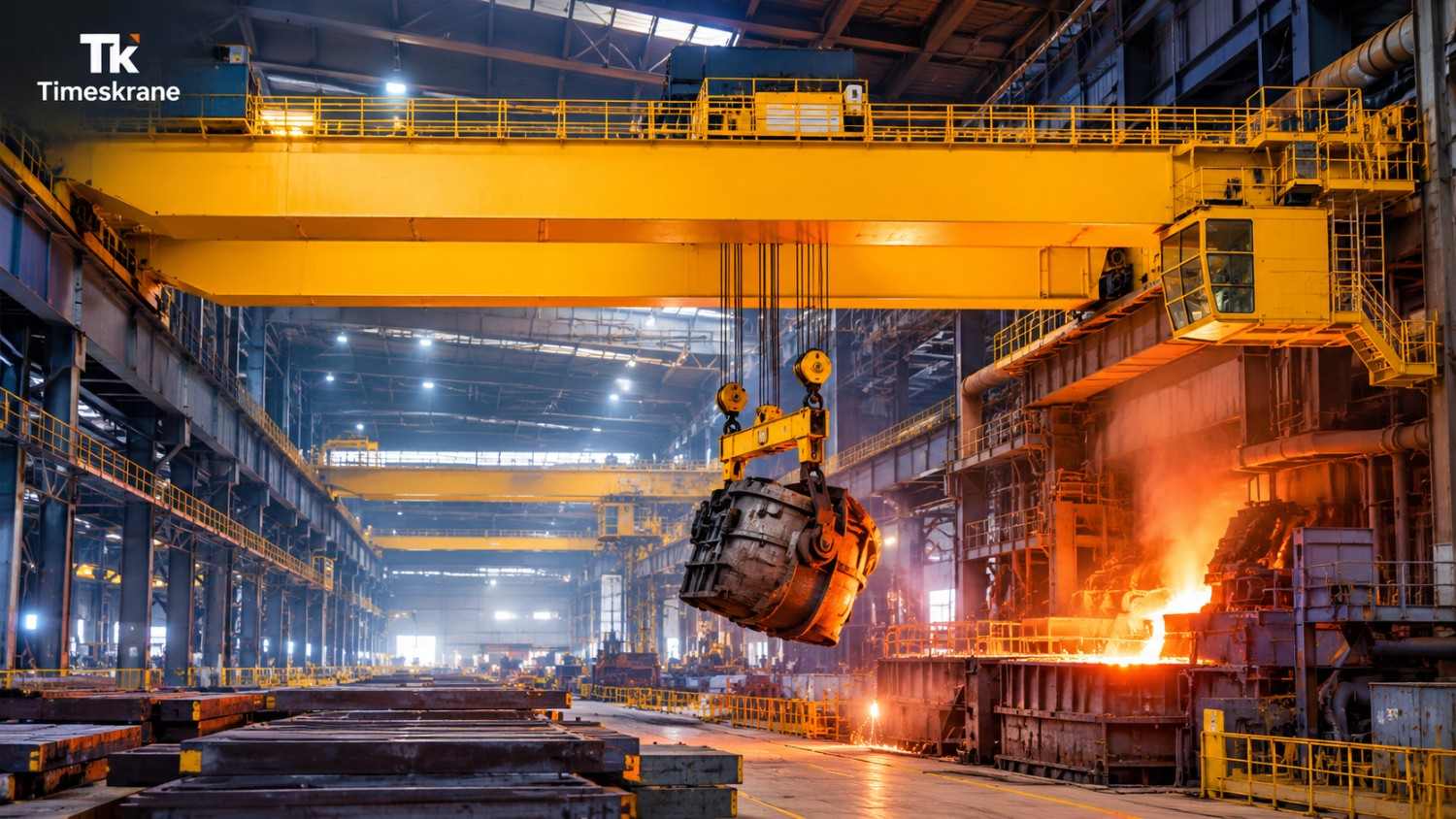
An honest breakdown of what makes a crane genuinely heavy duty for steel plant use, covering duty classification, capacity, and safety features buyers often miss.
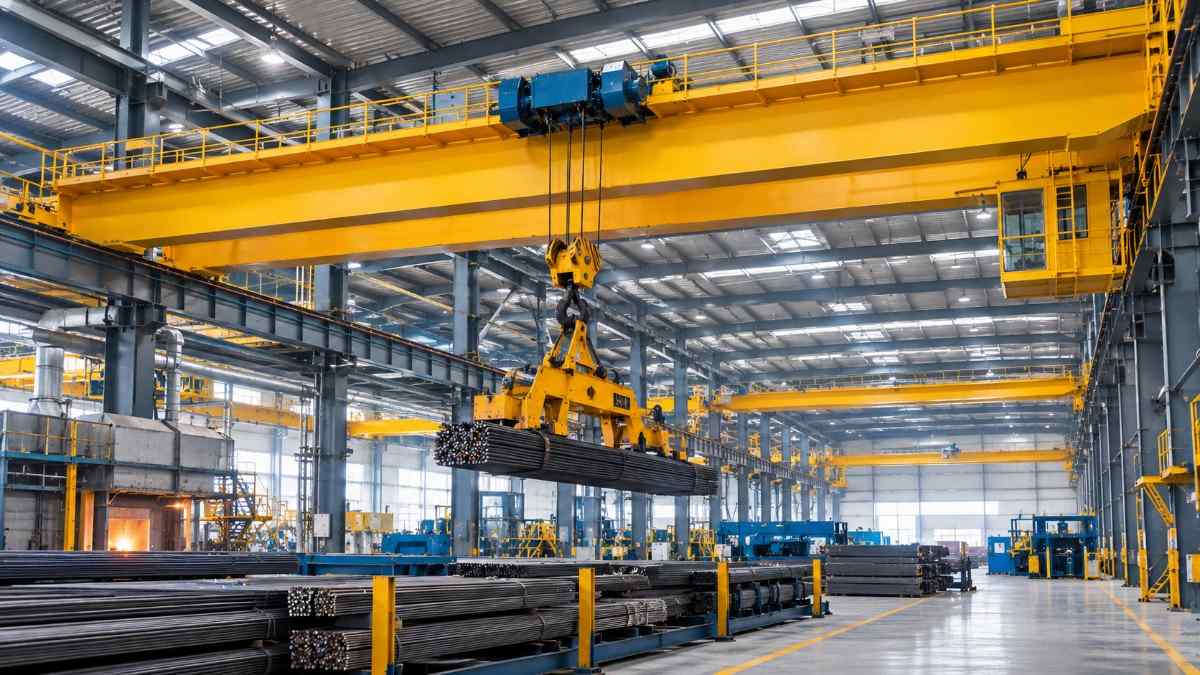
Finding the right steel plant crane manufacturer is perhaps the most important decision a procurement manager or plant owner will make. A poorly designed crane can increase both safety risks and downtime while excessively increasing maintenance costs.
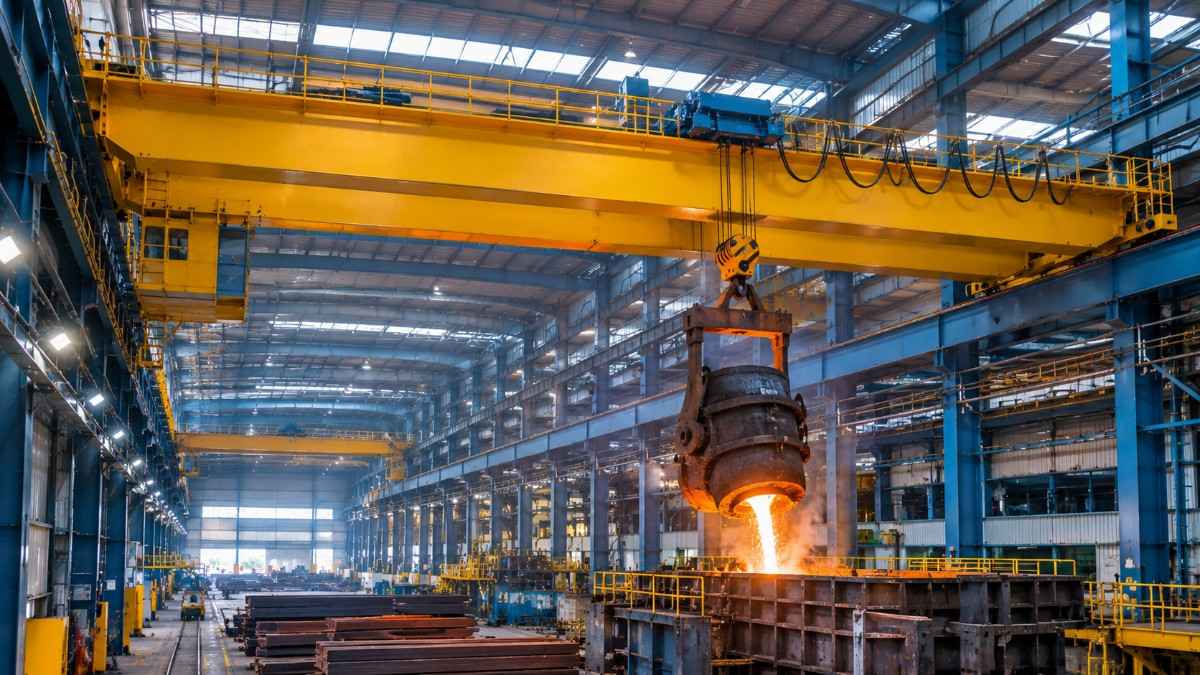
If you run or manage a steel plant, you already know that an overhead crane for steel plant operations is not a luxury. It is the backbone of your material handling process. From moving billets and coils to shifting ladles of molten metal, the right crane decides how smoothly your production line runs.
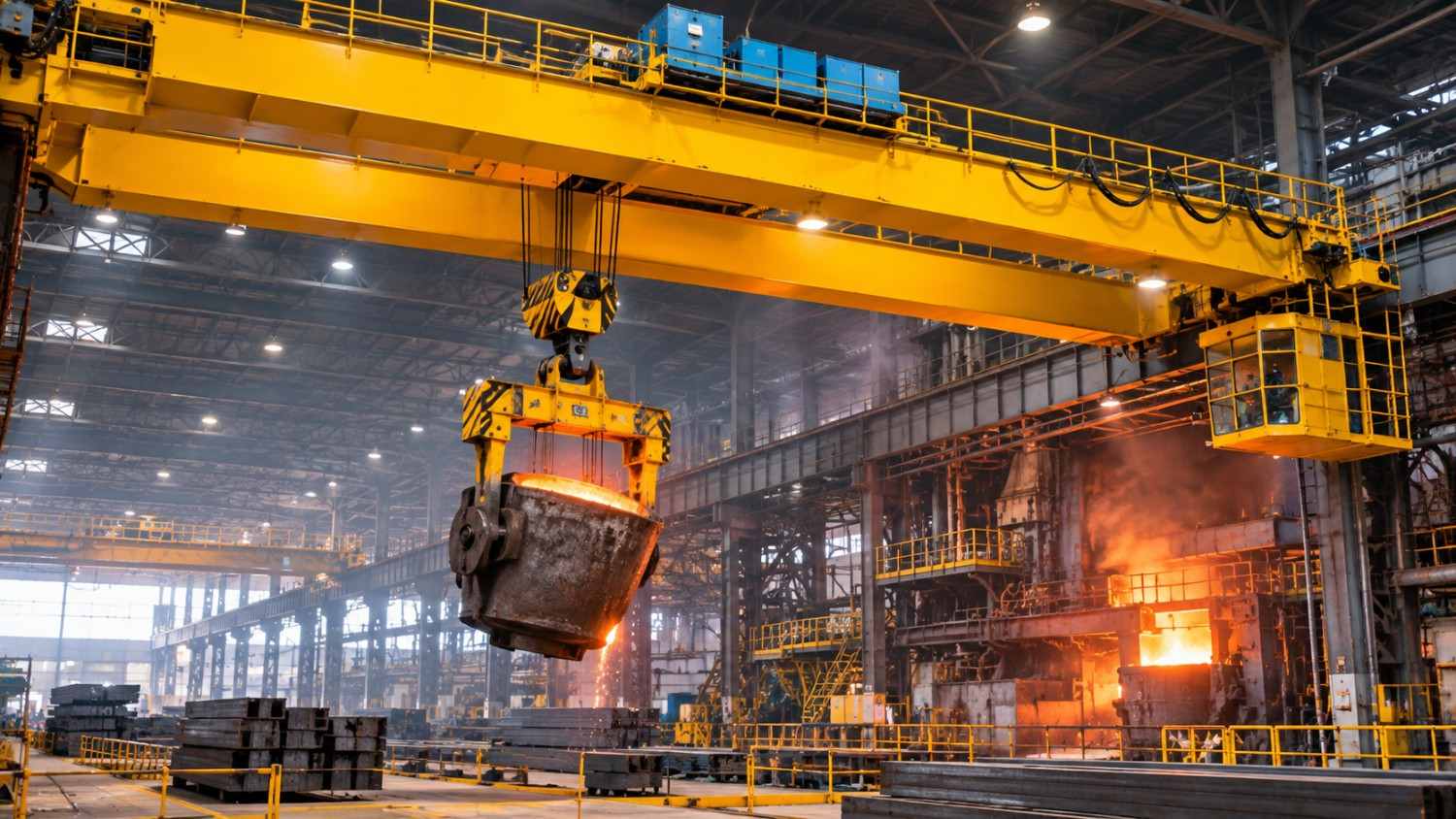
Discover how EOT cranes support steel plant operations, from material handling to molten metal lifting. Learn about crane types, duty classes, safety features, and how to choose the right EOT crane for your steel plant.
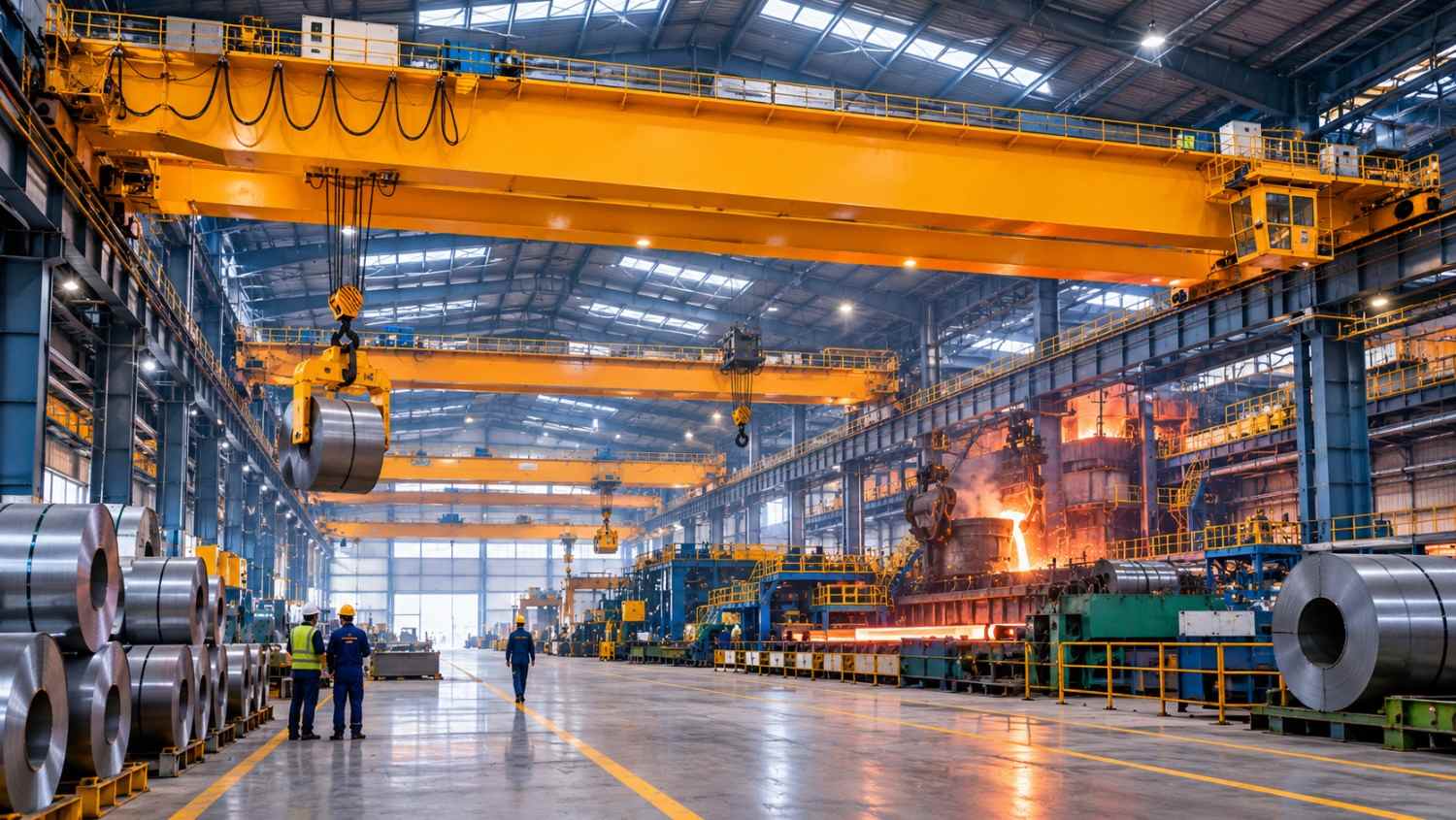
An honest, researched look at the top 5 crane manufacturers for steel plants in India, covering ladle, grab bucket, and coil handling cranes.
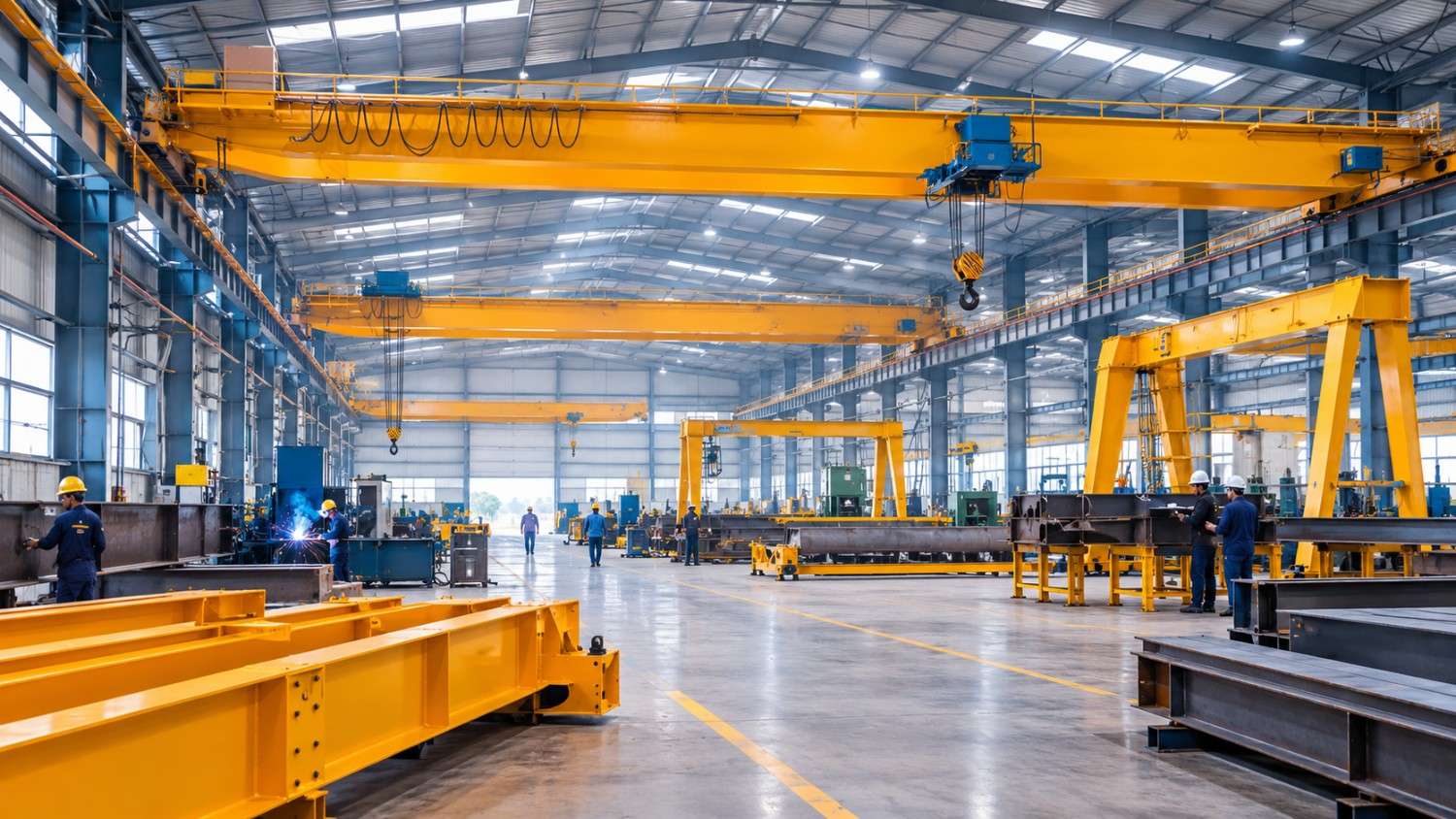
A real, researched look at the top 10 crane manufacturers in North India, covering Delhi NCR, Punjab, Haryana, UP, and Rajasthan, with what actually sets each one apart.
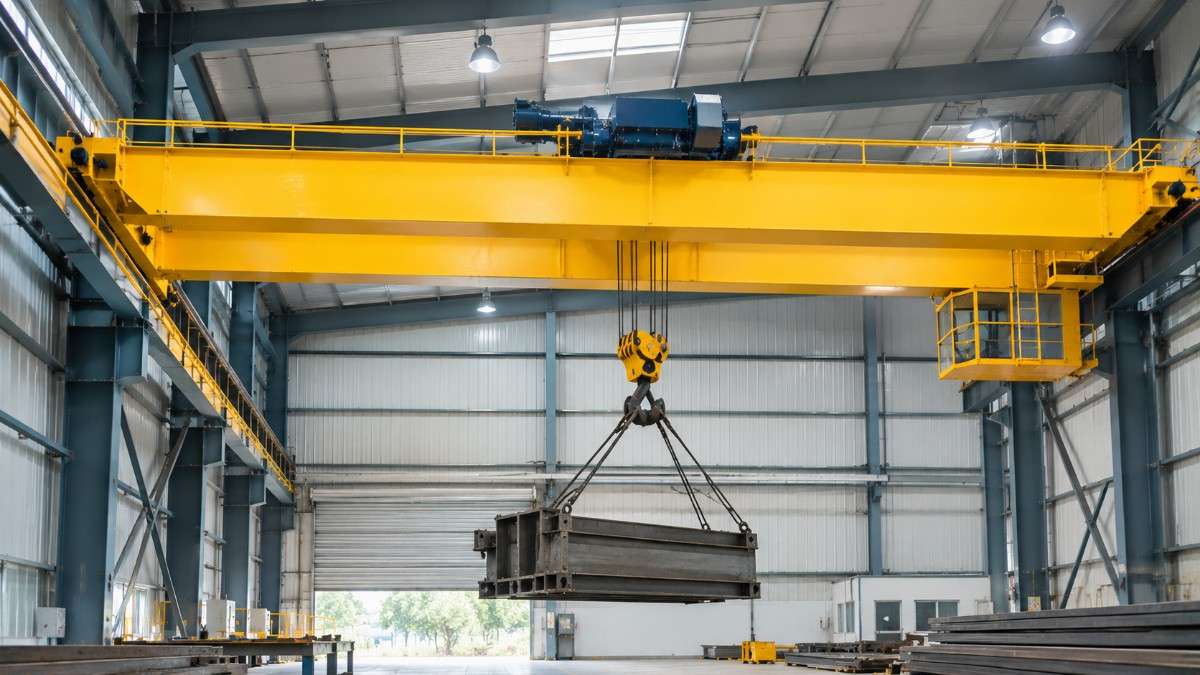
If you are looking for a 10 ton overhead crane for your factory or warehouse, the primary question that arises in your mind is whether this capacity will cater to your daily operations or it will turn out to be a useless and bulky addition to your storage.
Looking for a reliable partner for your next industrial project?