English
Contact
Configure
Catalog
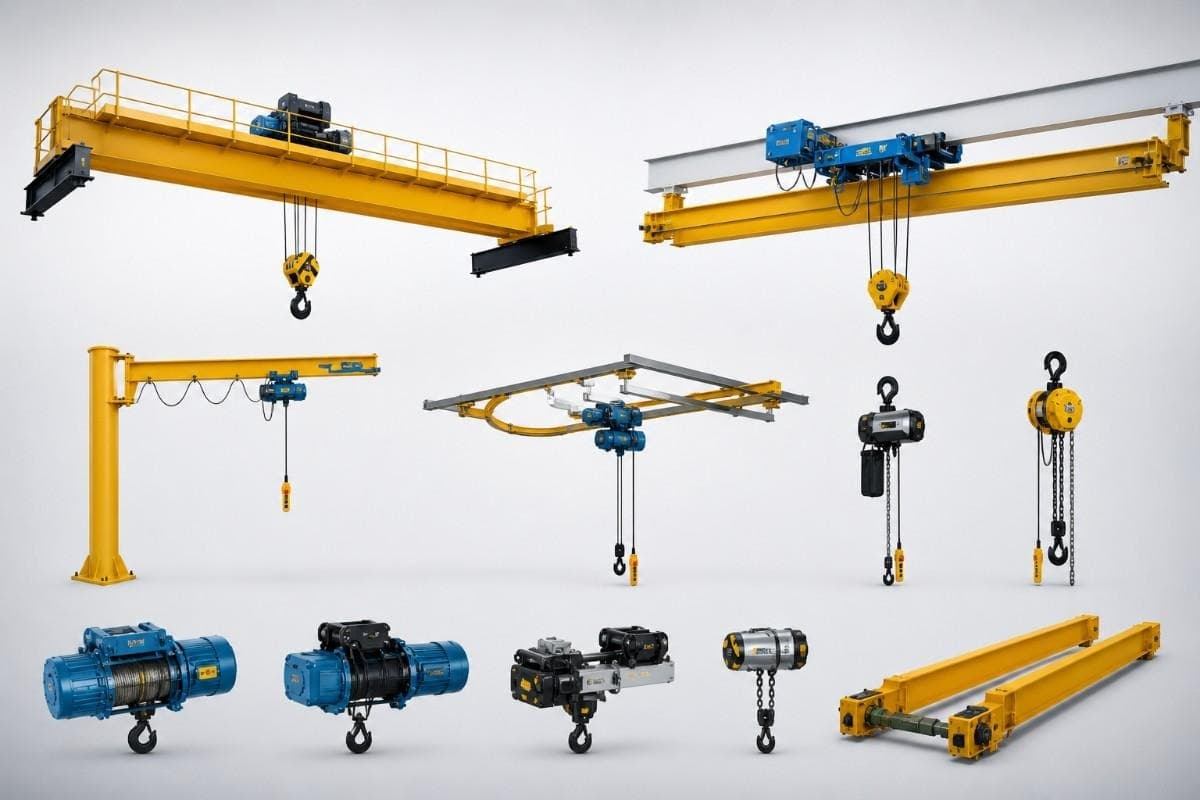
If you searched this term, you're probably trying to work out one of two things: whether a single girder crane will actually handle your load, or whether you need a double girder instead, and what a fair price and a genuine manufacturer look like once you've decided. This page covers both.
Times Krane manufactures single girder EOT cranes from 1 to 20 tons, spans up to 28 metres, built to IS 3177 and IS 807, out of our facility in Faridabad, Haryana, with delivery and installation support pan-India. Every crane ships with a load test certificate at 125% SWL and full IS documentation before it leaves the shop floor.
Need a quote or a spec review?
Talk to our engineering team. Tell us your span, SWL, and duty cycle and we'll come back with a real proposal, not a template price.
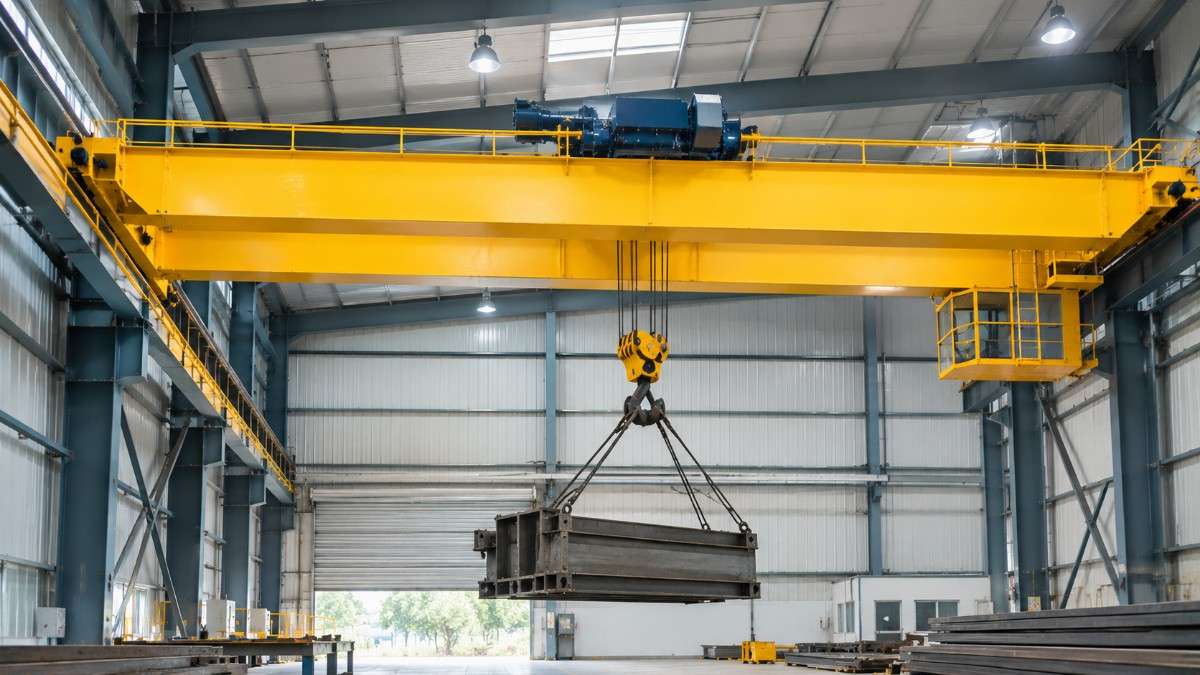
A single girder EOT (Electric Overhead Travelling) crane uses one bridge girder to carry the hoist and trolley, running along elevated runway beams to move loads horizontally and vertically across a bay. It's the configuration most Indian factories reach for first, because it costs less to fabricate and install than a double girder crane while still covering the vast majority of light to medium industrial lifting needs.
Typical specification range we build:
| Parameter | Typical Range |
|---|---|
| Safe Working Load (SWL) | 1 to 20 tons |
| Span | Up to 28 metres |
| Duty class | M3 to M6 (light to medium-heavy duty) |
| Hoist type | Wire rope hoist or electric chain hoist |
| Standards | IS 3177 (design), IS 807 (structural) |
| Lead time | Varies by span, capacity, and current shop load |
If your requirement sits above roughly 20 tons, or you need a longer duty cycle at higher capacity, a double girder EOT crane is usually the better fit. See the comparison section below.
Core components:
Getting the runway and rail specification right matters as much as the crane itself. A crane sized correctly for the load but installed on an under-specified runway beam is one of the more common causes of premature wear we see when inspecting other manufacturers' installations.
This is the question that matters more than any brochure spec. Rough guidance:
Choose single girder when:
Choose double girder when:
If you're still weighing the two, our single girder EOT crane price guide gives you a sense of where the budget lands before you go further into spec discussions.
Steel plants and foundries handling continuous, heavy-duty cycles are the one clear exception on this list. That application usually calls for double girder construction rather than single girder, given the duty class and capacity involved.
Not every company selling single girder EOT cranes actually fabricates them. Some are reselling a bought-in crane kit with their own name on the control panel, which is fine until something needs a spare part or a warranty claim and there's no in-house engineering team to answer for the design.
Before you commit to a supplier, ask directly:
Times Krane has been building industrial lifting equipment out of Faridabad since 1988, and every single girder EOT crane we ship carries full IS documentation and a pre-dispatch load test certificate, with delivery and AMC support extending well beyond the NCR belt.
A well-specified single girder crane should run reliably for 15 to 20+ years with proper upkeep. At minimum:
For the complete schedule and a downloadable checklist, see our EOT crane maintenance guide.
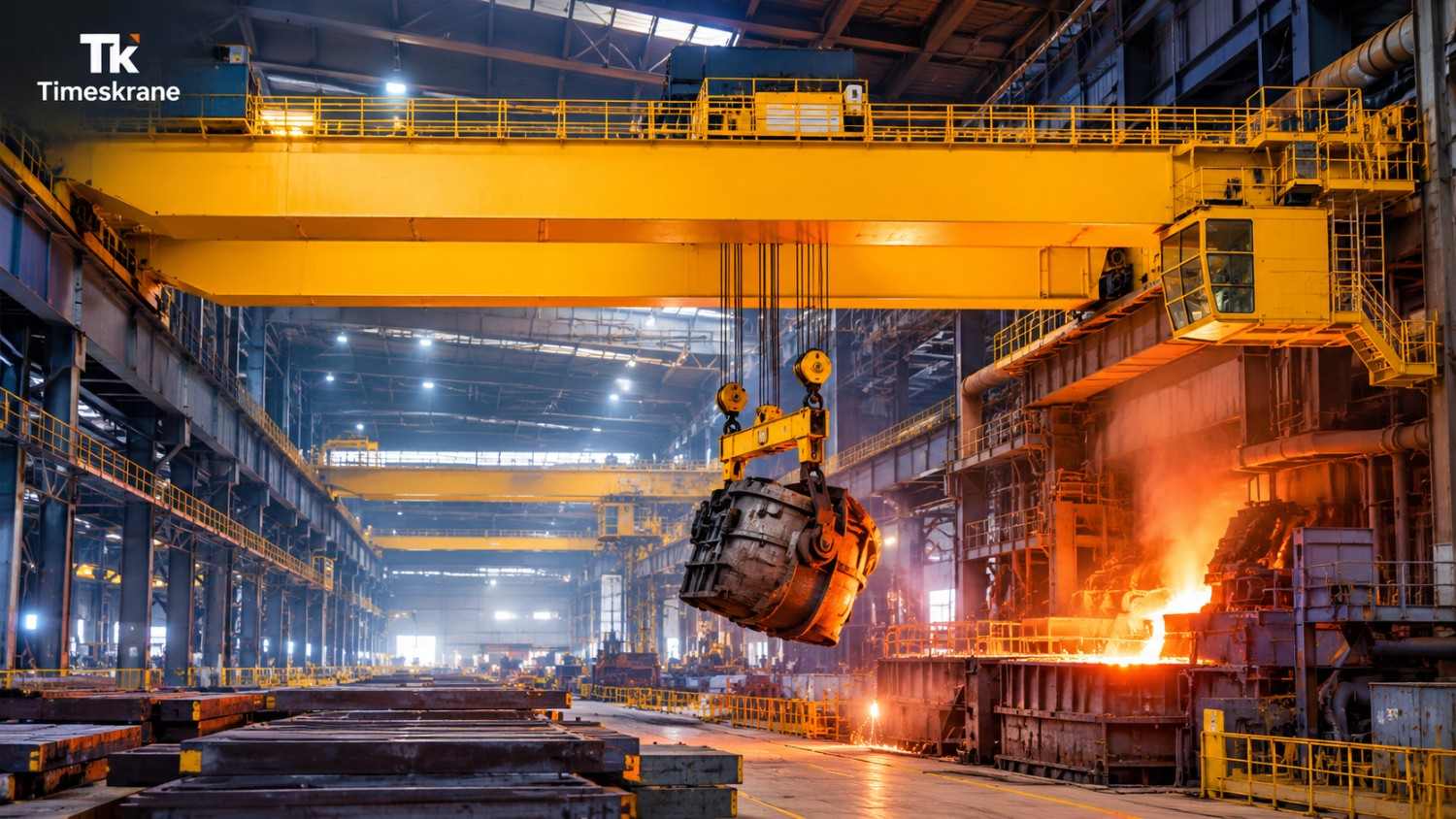
An honest breakdown of what makes a crane genuinely heavy duty for steel plant use, covering duty classification, capacity, and safety features buyers often miss.
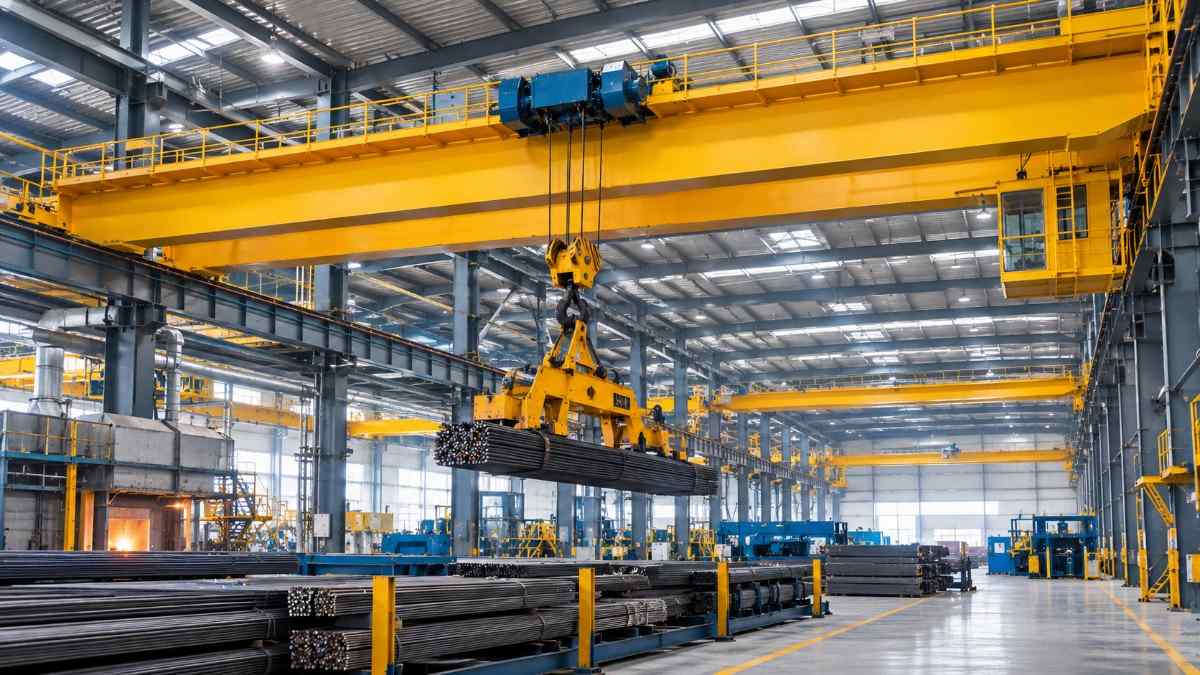
Finding the right steel plant crane manufacturer is perhaps the most important decision a procurement manager or plant owner will make. A poorly designed crane can increase both safety risks and downtime while excessively increasing maintenance costs.
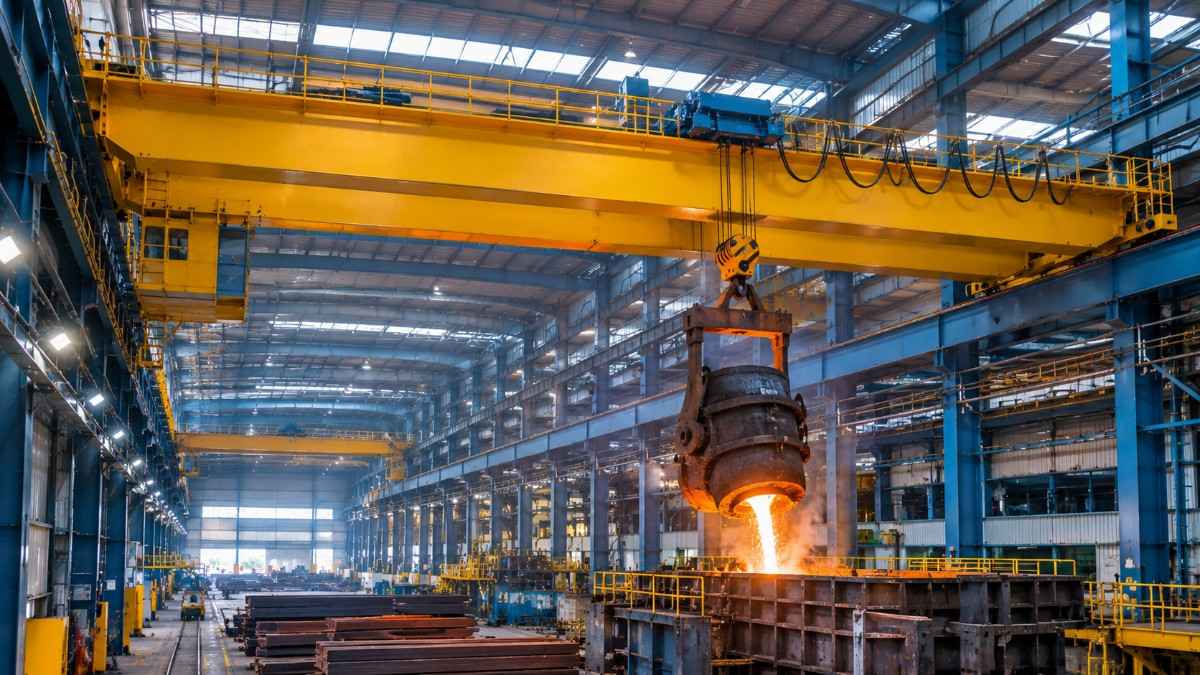
If you run or manage a steel plant, you already know that an overhead crane for steel plant operations is not a luxury. It is the backbone of your material handling process. From moving billets and coils to shifting ladles of molten metal, the right crane decides how smoothly your production line runs.
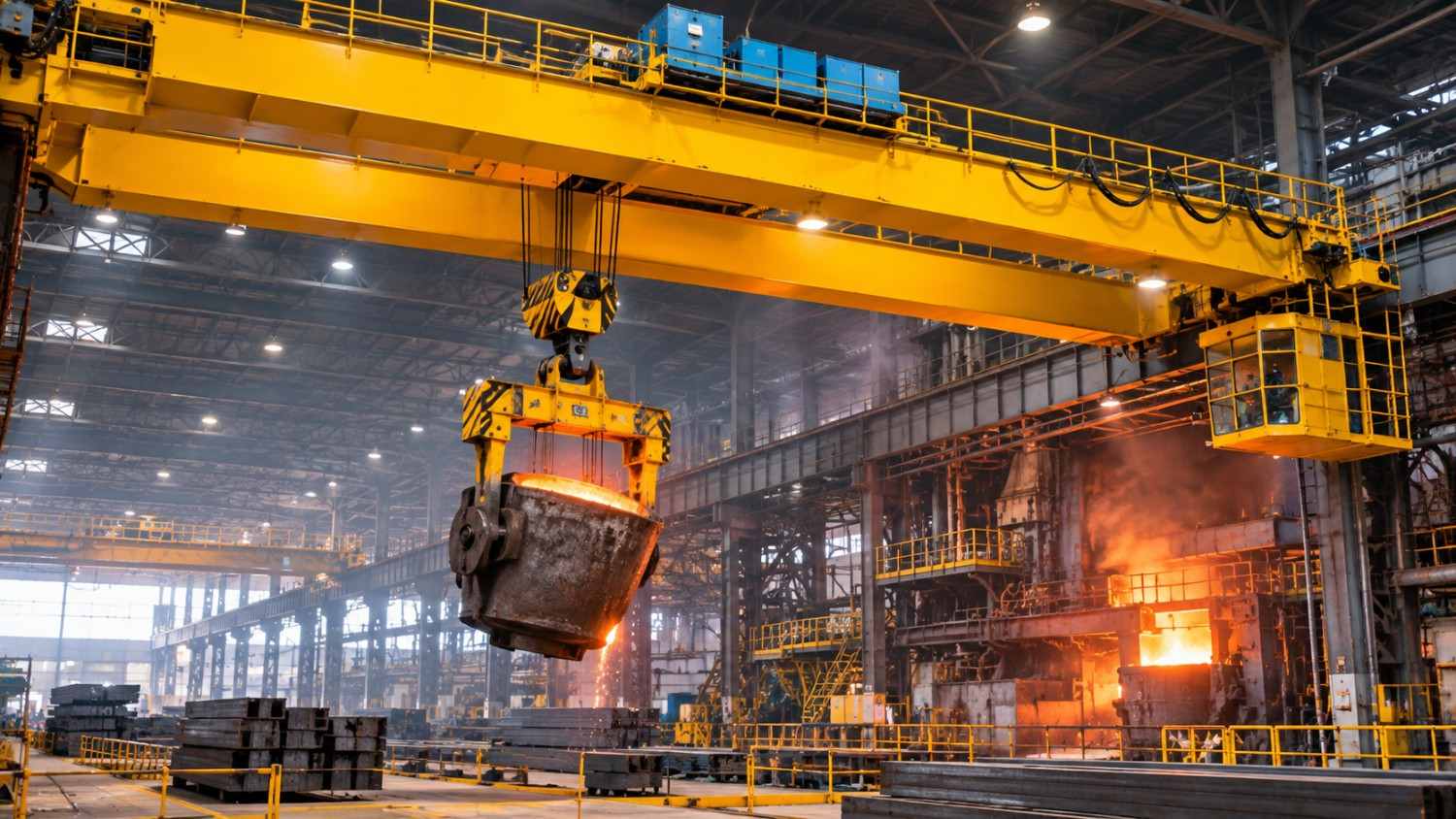
Discover how EOT cranes support steel plant operations, from material handling to molten metal lifting. Learn about crane types, duty classes, safety features, and how to choose the right EOT crane for your steel plant.
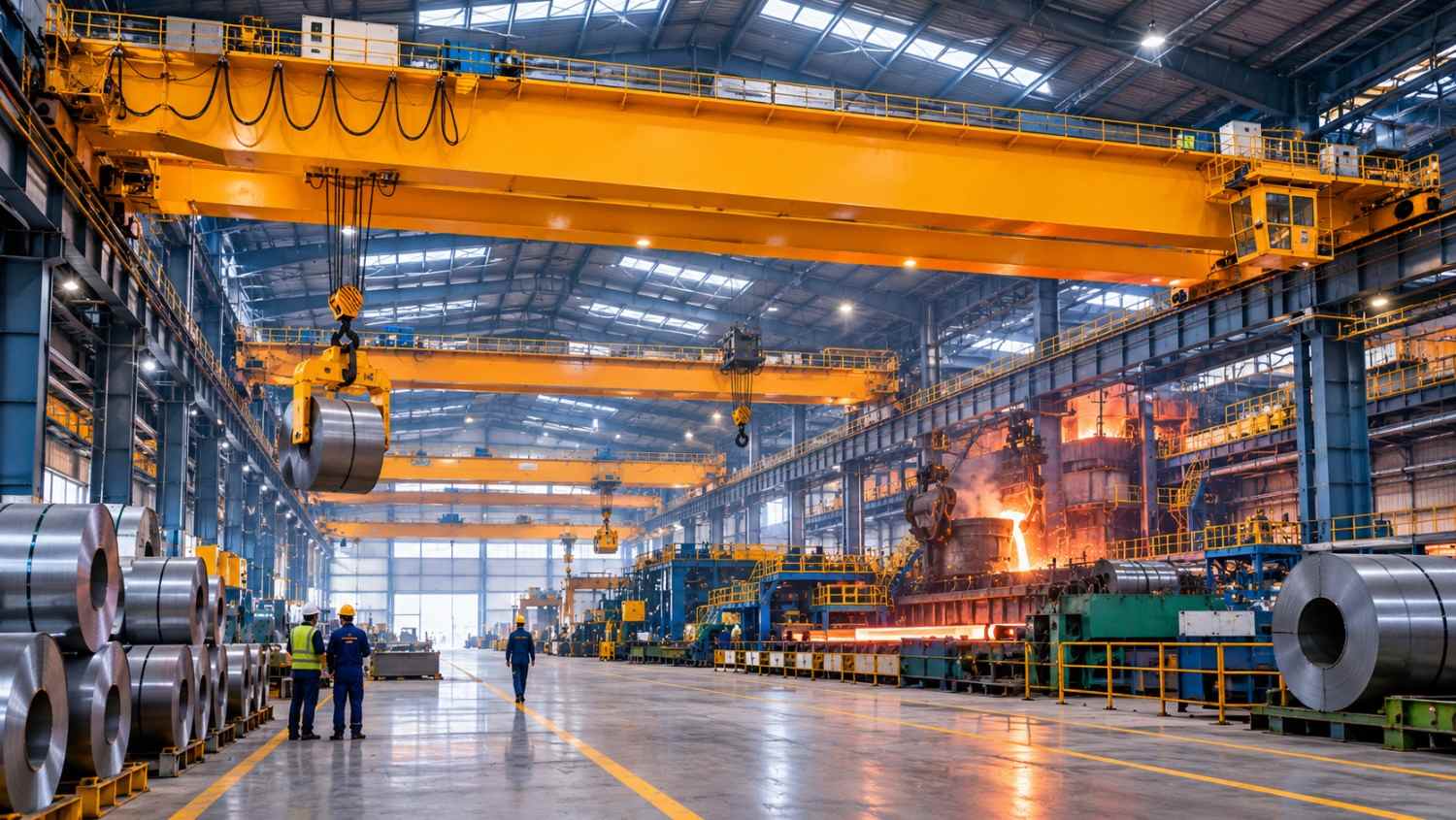
An honest, researched look at the top 5 crane manufacturers for steel plants in India, covering ladle, grab bucket, and coil handling cranes.
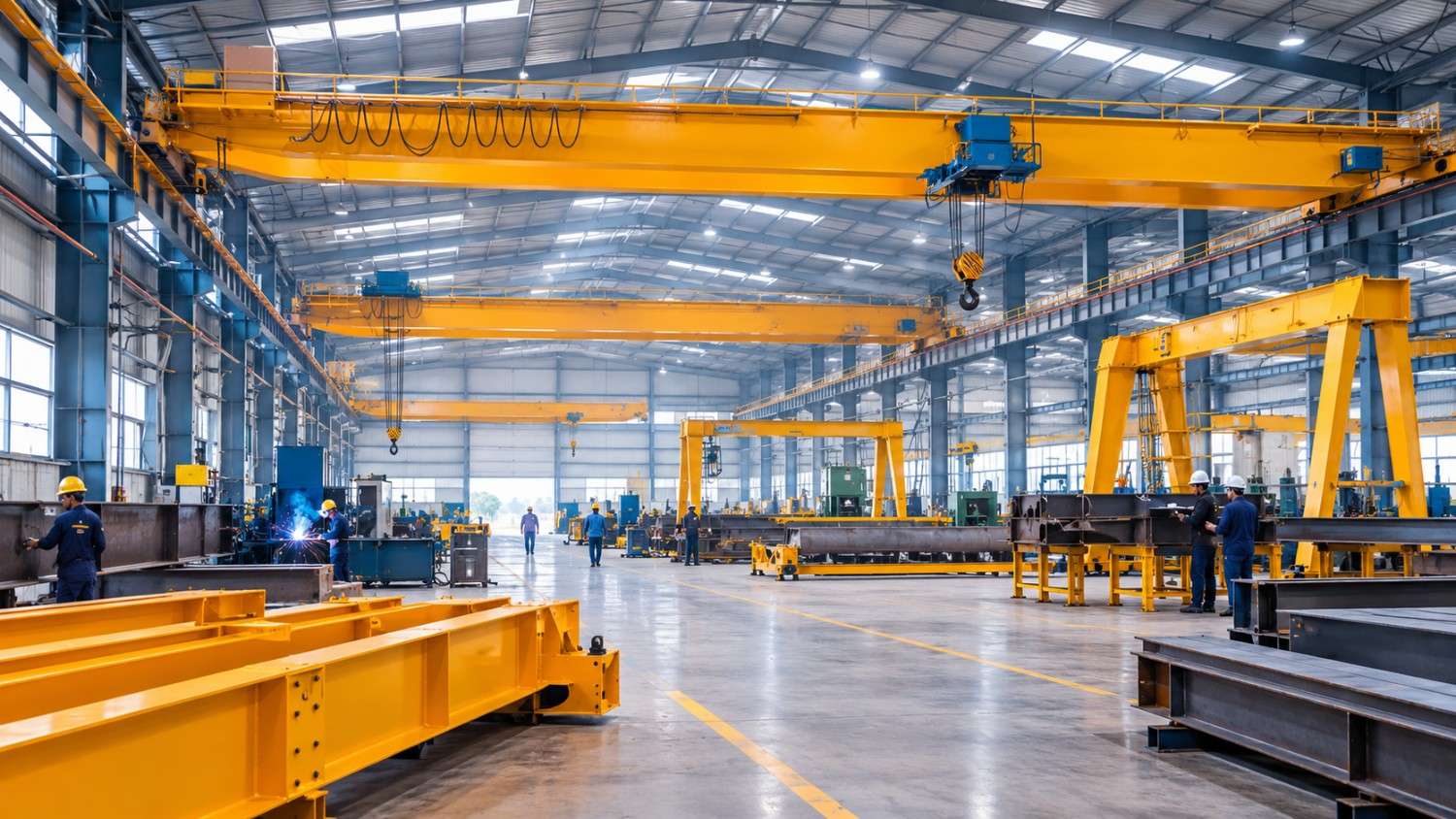
A real, researched look at the top 10 crane manufacturers in North India, covering Delhi NCR, Punjab, Haryana, UP, and Rajasthan, with what actually sets each one apart.
If you are looking for a 10 ton overhead crane for your factory or warehouse, the primary question that arises in your mind is whether this capacity will cater to your daily operations or it will turn out to be a useless and bulky addition to your storage.
Looking for a reliable partner for your next industrial project?