English
Contact
Configure
Catalog
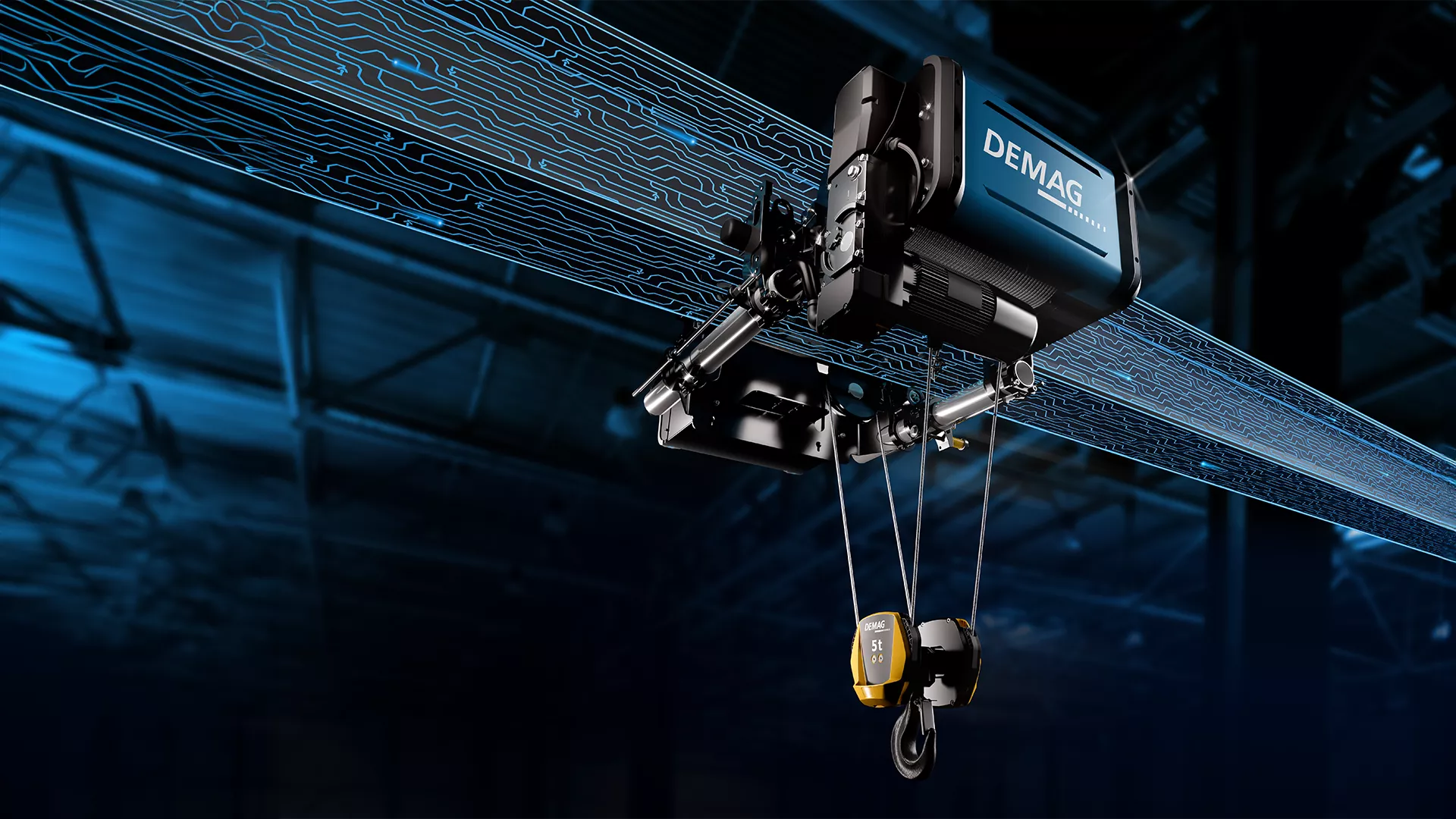
A wire rope hoist does much more than lift loads. It supports productivity, improves workplace safety, and helps industries move heavy materials with precision. Whether you manage a manufacturing facility, warehouse, steel plant, engineering workshop, or infrastructure project, selecting a trusted hoist manufacturer can significantly influence operational efficiency.
If you're exploring wire rope hoists for your business, this guide will help you understand what makes a manufacturer reliable and how to choose the right lifting solution.
A wire rope hoist is a lifting device that uses a steel wire rope wound around a drum to raise and lower heavy loads.
Unlike chain hoists, wire rope hoists are often preferred for applications requiring:
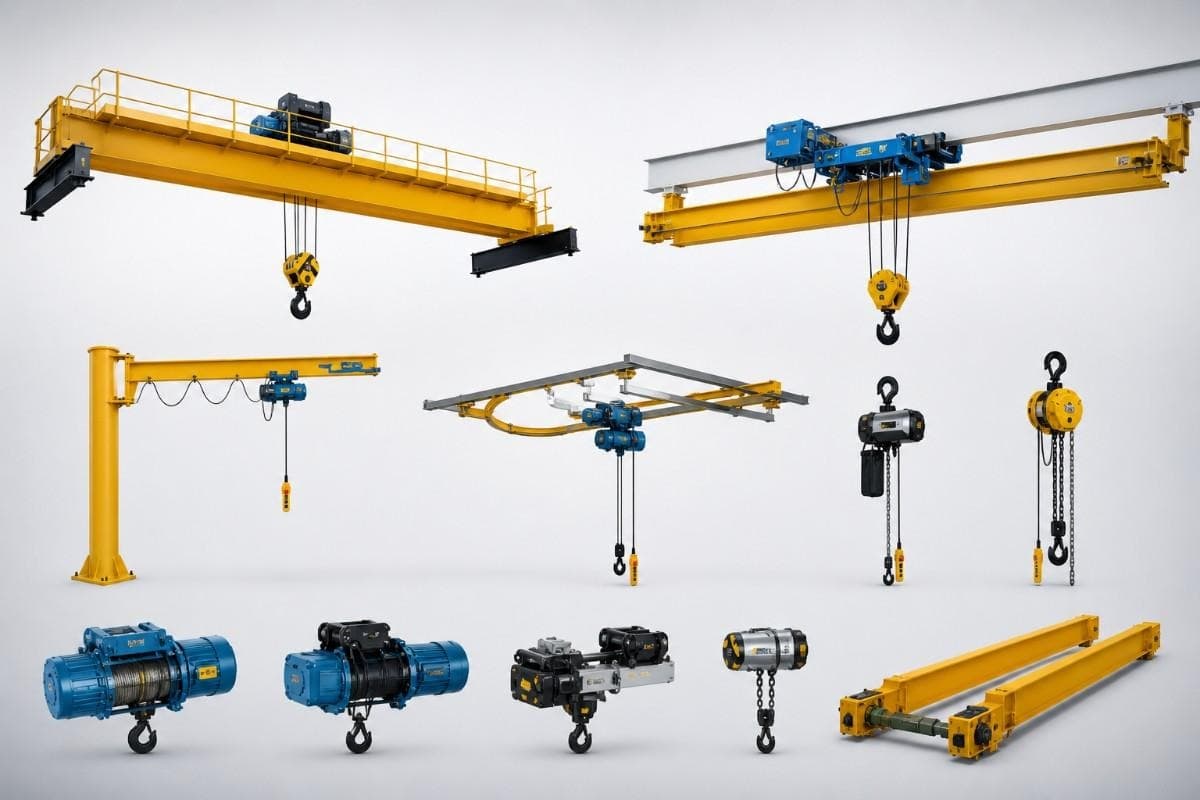
These hoists are commonly integrated with EOT cranes, gantry cranes, jib cranes, and monorail systems.
A typical wire rope hoist consists of:
Together, these components provide controlled and efficient lifting performance.
Industrial environments often demand reliable lifting equipment capable of handling heavy loads consistently.
Wire rope hoists are designed to handle substantial lifting requirements.
The rope-and-drum mechanism provides stable and precise load movement.
These hoists often deliver greater operational efficiency in demanding environments.
Properly engineered wire rope hoists offer durability and dependable performance.
They can be integrated into various crane systems and lifting solutions.
I've noticed that facilities handling heavy materials on a daily basis often prefer wire rope hoists because of their versatility and long-term reliability.
India has developed a strong reputation for engineering and industrial equipment manufacturing.
Leading wire rope hoist manufacturers in India combine technical expertise with advanced manufacturing practices to deliver high-performance lifting solutions.
Indian manufacturers have extensive experience in designing industrial lifting systems.
Different industries require different lifting configurations.
Manufacturers can customize:
Local manufacturing often ensures quicker service and maintenance assistance.
Reputable manufacturers follow strict quality control procedures throughout production.
Wire rope hoists serve a wide range of industrial sectors.
Factories use hoists for moving machinery, components, and raw materials.
Heavy coils, billets, and fabricated structures require reliable lifting systems.
Production lines often depend on precision material handling equipment.
Efficient inventory movement improves operational productivity.
Maintenance and equipment installation activities frequently involve heavy lifting.
Wire rope hoists support fabrication, assembly, and maintenance operations.
When evaluating manufacturers, understanding the features of quality hoists is important.
Strong structural design improves durability and operational reliability.
Efficient motors support smooth and consistent lifting.
Brake performance is critical for operator safety and load control.
Advanced gear systems improve lifting efficiency and reduce wear.
Modern hoists maximize lifting performance while minimizing space requirements.
Leading manufacturers incorporate:
Choosing the right manufacturer requires careful consideration.
Experience often reflects technical knowledge and project execution capability.
Assess material selection, manufacturing standards, and engineering design.
The best manufacturers tailor solutions to specific operational requirements.
Maintenance and technical assistance remain important throughout equipment life.
Past installations provide valuable insight into manufacturer capabilities.
When I tried evaluating lifting equipment suppliers for a production facility, reviewing completed projects often provided a clearer picture than marketing materials alone.
Experienced manufacturers offer advantages that extend beyond equipment supply.
Quality engineering contributes to consistent performance.
Properly designed lifting systems help reduce workplace risks.
Reliable equipment minimizes downtime and supports operational efficiency.
Manufacturers can recommend solutions that align with specific applications.
Ongoing service helps maximize equipment lifespan.
In my experience, businesses that partner with experienced manufacturers often achieve stronger long-term operational outcomes.
Even the highest-quality hoist requires regular maintenance.
Check for wear, corrosion, kinks, or broken strands.
Lubrication helps reduce friction and extend service life.
Ensure emergency stops and overload protection systems operate correctly.
Inspect wiring, motors, and control panels regularly.
Periodic evaluations help identify potential issues before they affect operations.
I've noticed that organizations with structured preventive maintenance programs typically experience fewer unexpected equipment failures.
The lifting equipment industry continues to evolve.
Real-time diagnostics help improve maintenance planning.
Sensors can identify wear patterns before failures occur.
Modern drive systems improve performance while optimizing energy use.
Advanced control technologies improve convenience and operational safety.
According to industrial equipment reliability research, predictive maintenance technologies can significantly reduce equipment downtime and improve asset utilization.
When searching for dependable wire rope hoist manufacturers in India, businesses need a company that understands industrial lifting challenges.
Times Krane provides advanced lifting and material handling solutions designed to support diverse industrial requirements.
Our expertise includes:
At Times Krane, we believe successful lifting solutions begin with understanding the customer's operational needs. This allows us to recommend equipment that supports productivity, safety, and long-term performance.
When I tried comparing various lifting equipment providers over the years, the companies that focused on engineering solutions rather than simply selling products consistently delivered better outcomes. That customer-focused approach remains central to Times Krane.
Capacity is important, but operating conditions also matter.
Frequent lifting operations require equipment designed for intensive use.
Maintenance support significantly impacts long-term performance.
Select equipment that can accommodate future operational growth.
Avoiding these mistakes helps ensure a more successful investment.
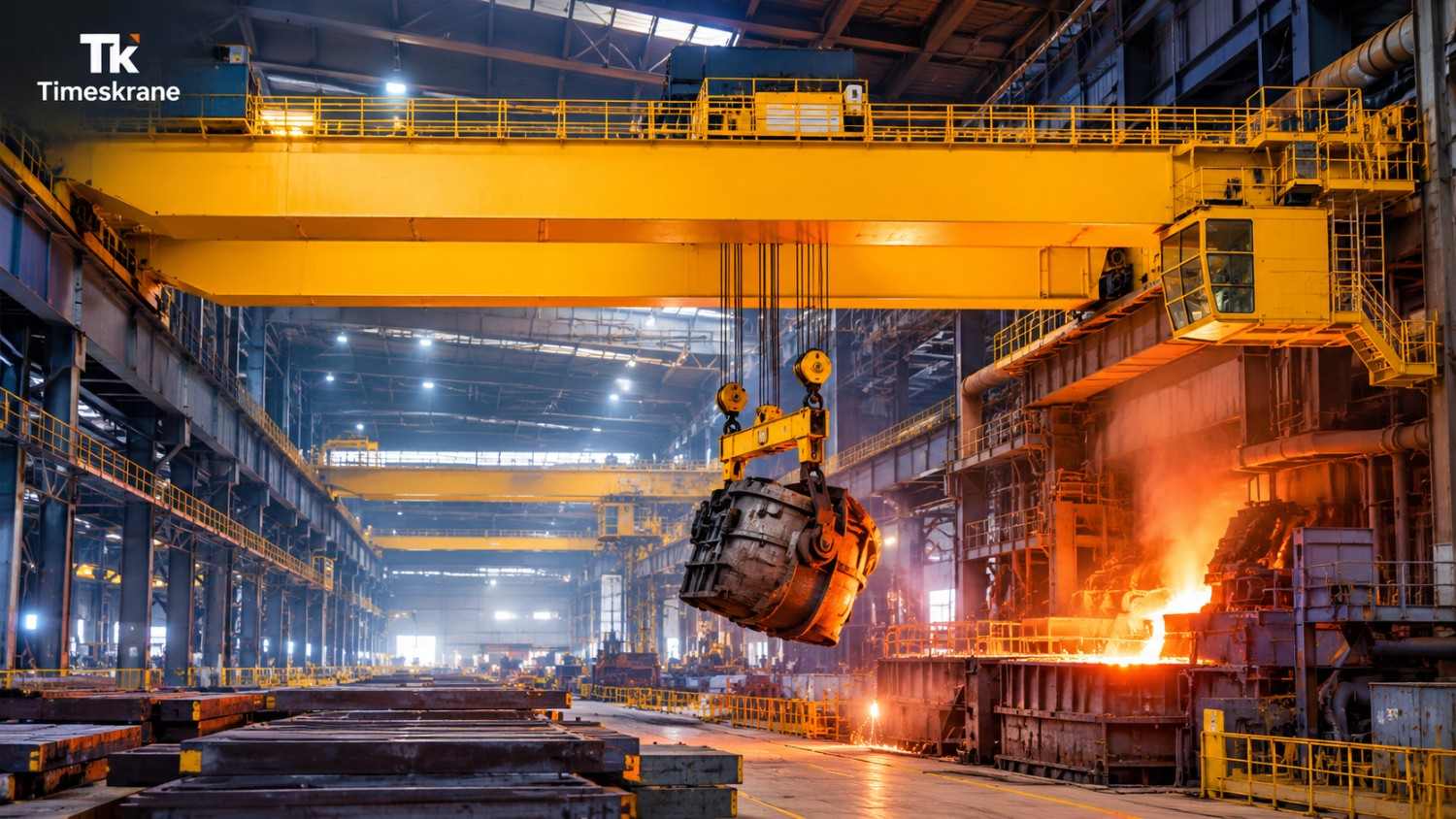
An honest breakdown of what makes a crane genuinely heavy duty for steel plant use, covering duty classification, capacity, and safety features buyers often miss.
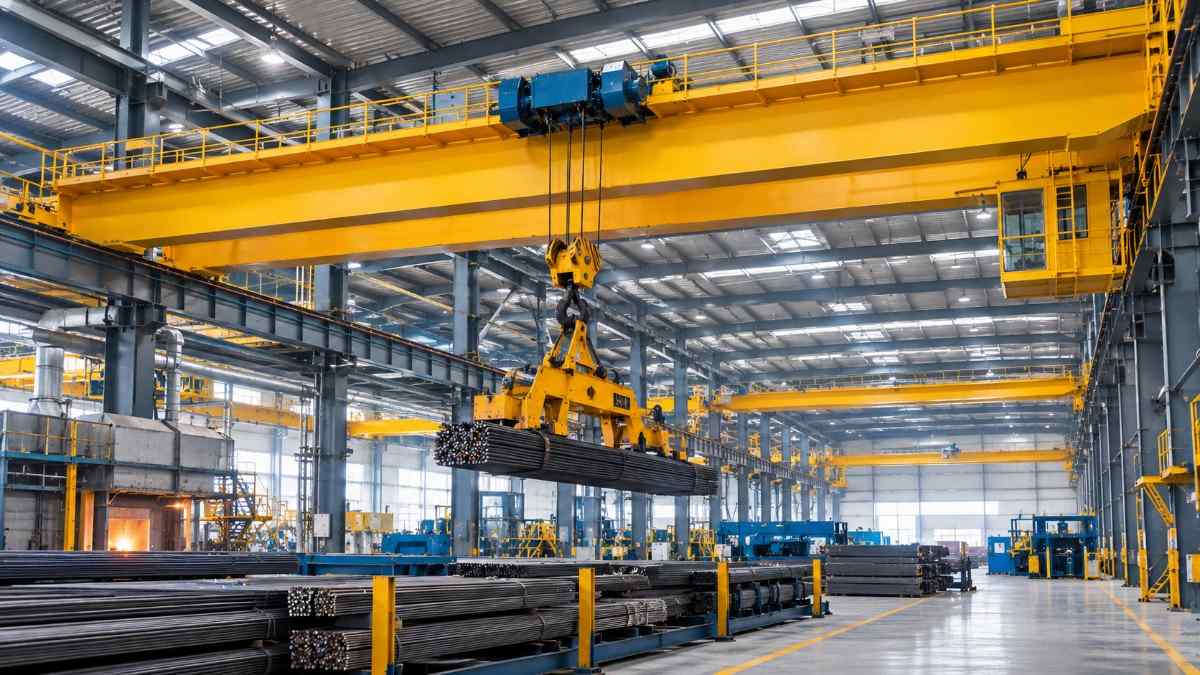
Finding the right steel plant crane manufacturer is perhaps the most important decision a procurement manager or plant owner will make. A poorly designed crane can increase both safety risks and downtime while excessively increasing maintenance costs.
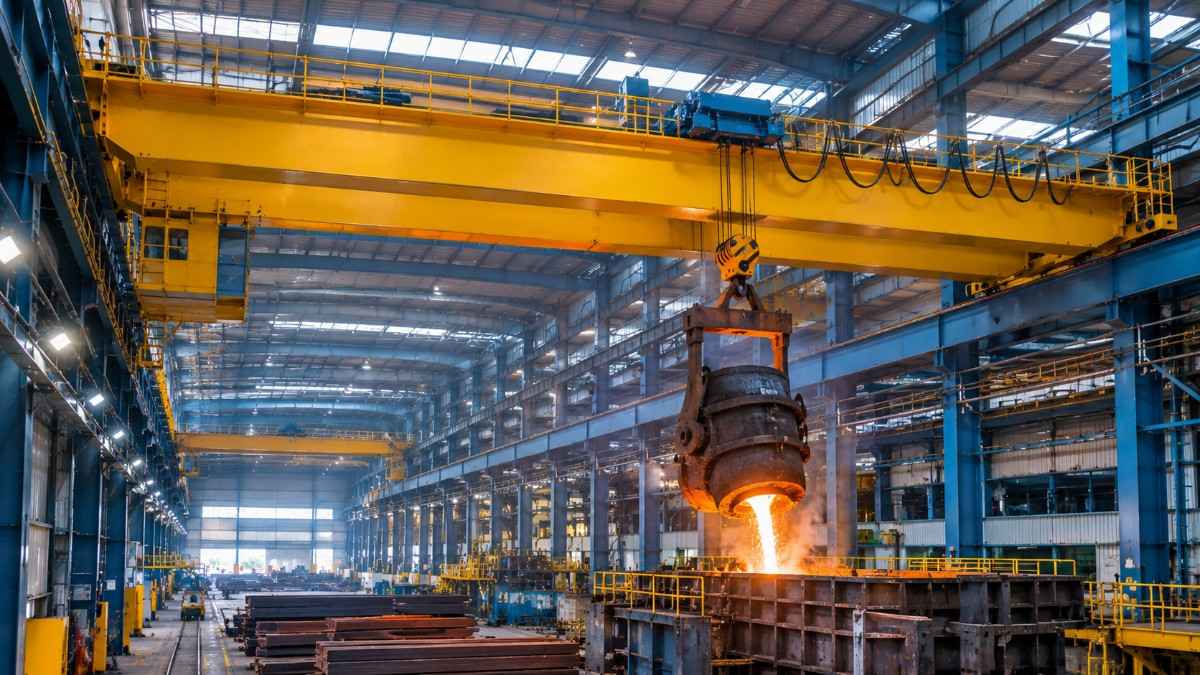
If you run or manage a steel plant, you already know that an overhead crane for steel plant operations is not a luxury. It is the backbone of your material handling process. From moving billets and coils to shifting ladles of molten metal, the right crane decides how smoothly your production line runs.
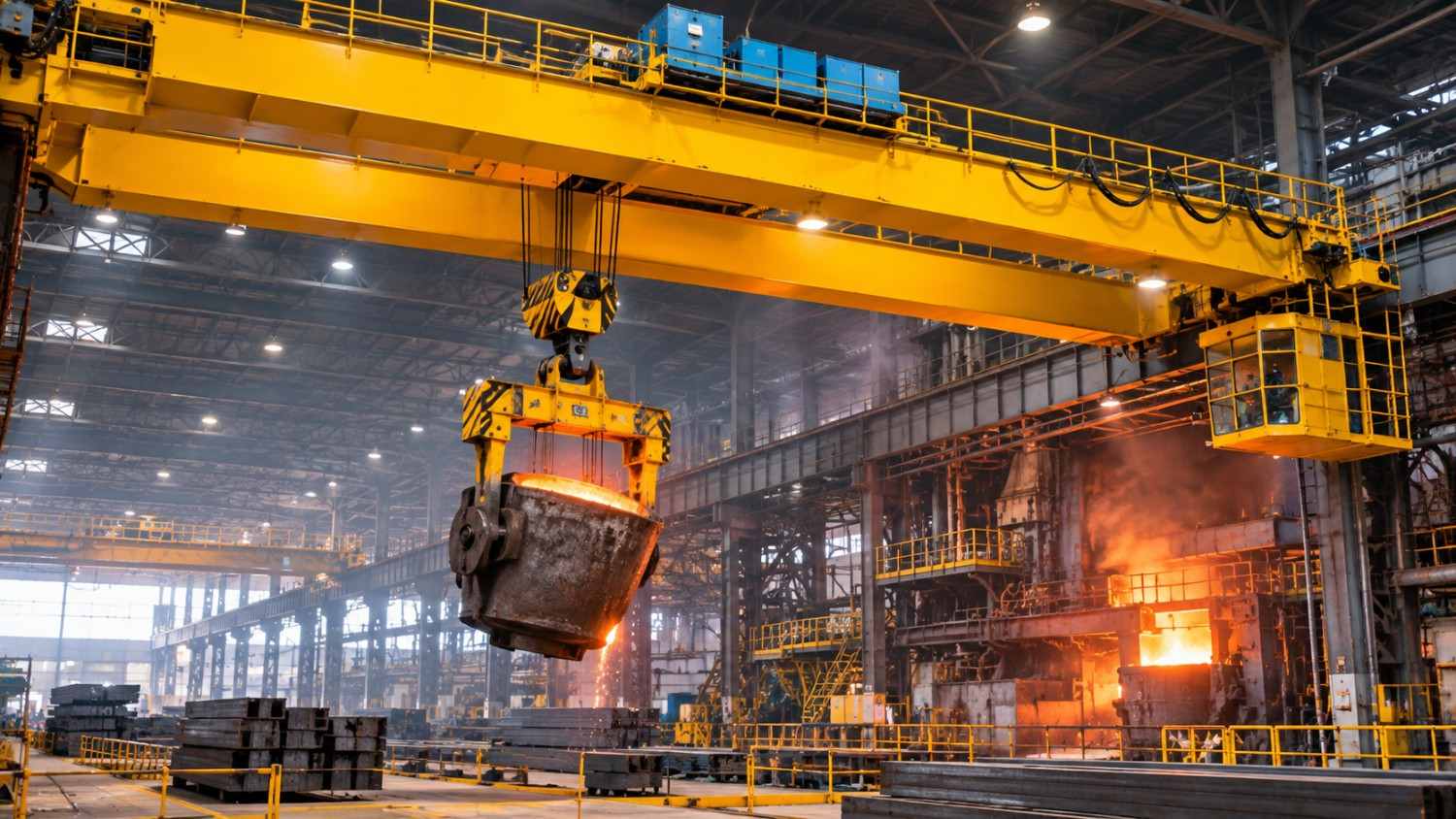
Discover how EOT cranes support steel plant operations, from material handling to molten metal lifting. Learn about crane types, duty classes, safety features, and how to choose the right EOT crane for your steel plant.
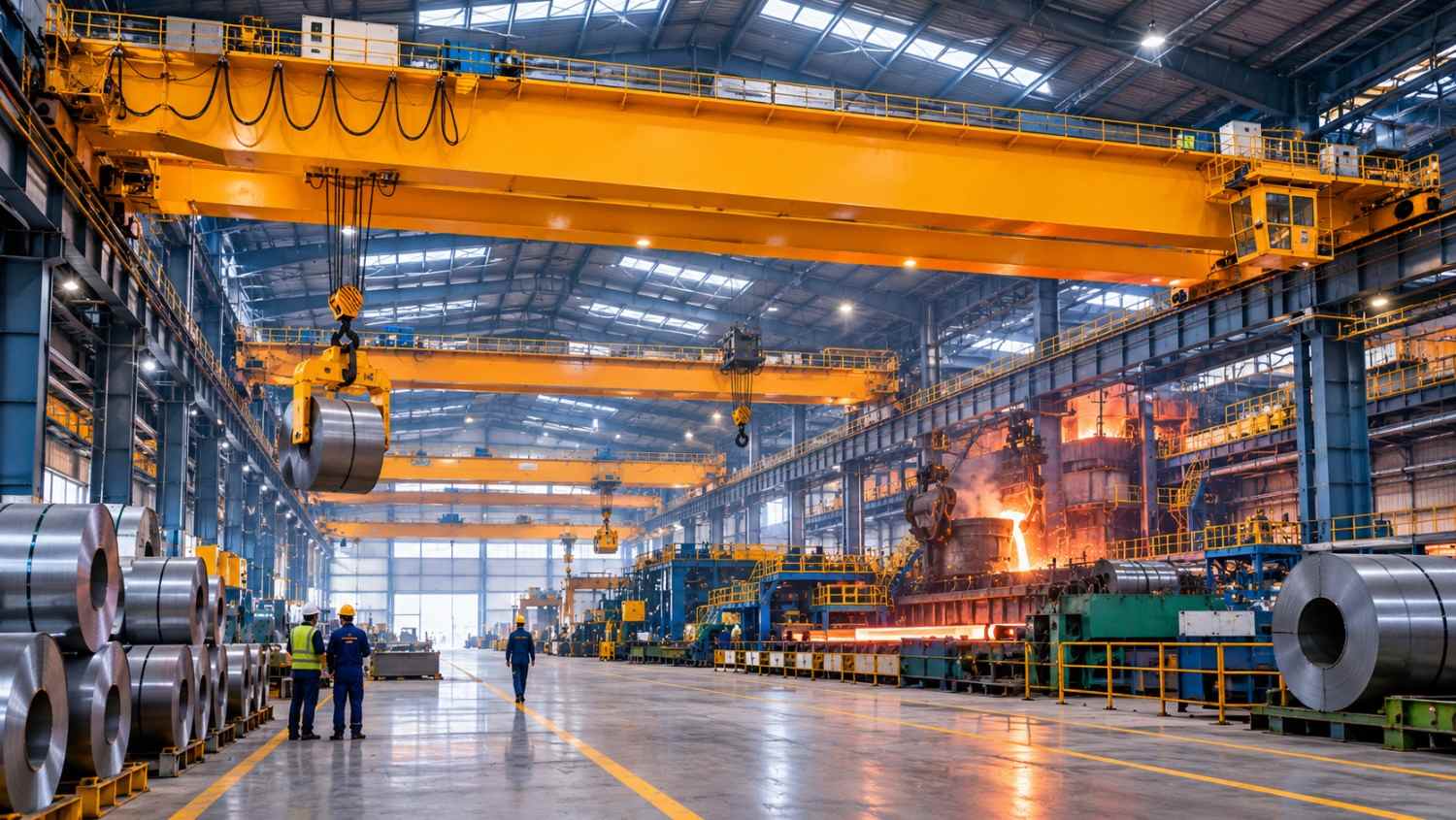
An honest, researched look at the top 5 crane manufacturers for steel plants in India, covering ladle, grab bucket, and coil handling cranes.
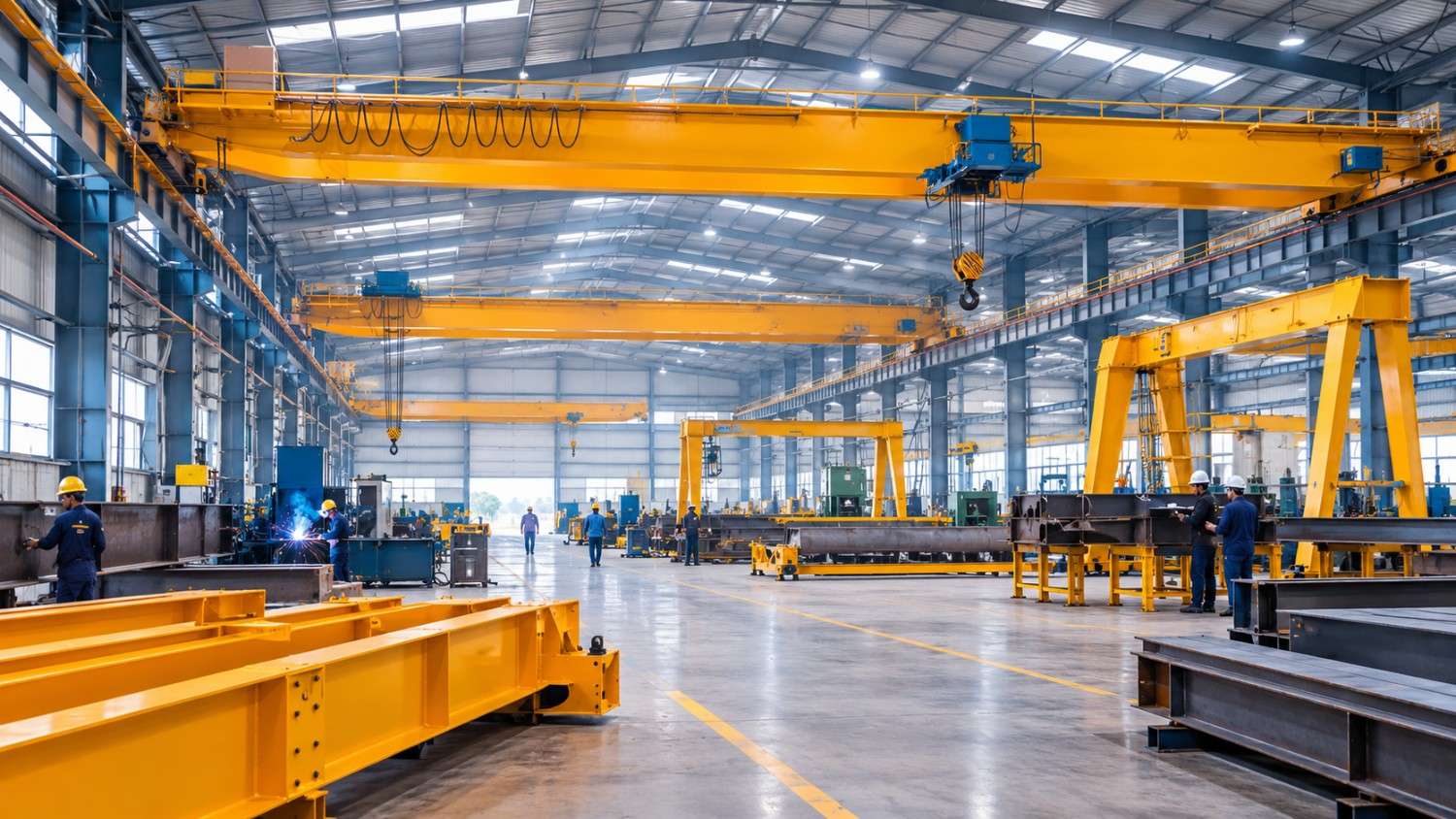
A real, researched look at the top 10 crane manufacturers in North India, covering Delhi NCR, Punjab, Haryana, UP, and Rajasthan, with what actually sets each one apart.
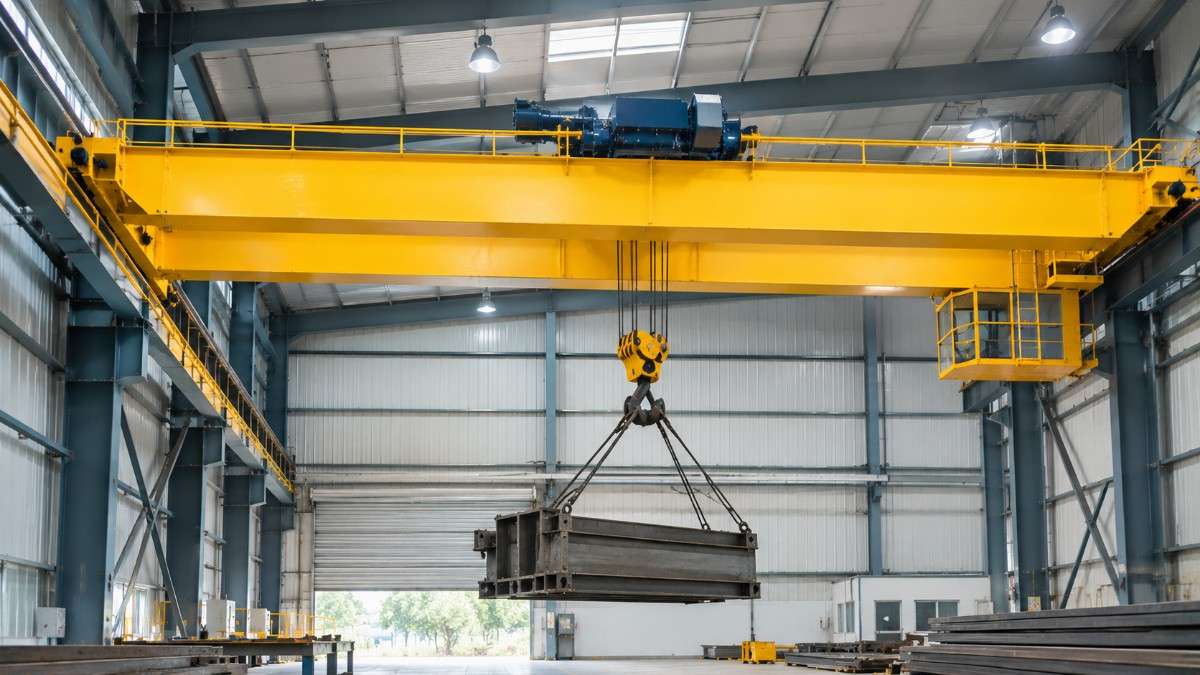
If you are looking for a 10 ton overhead crane for your factory or warehouse, the primary question that arises in your mind is whether this capacity will cater to your daily operations or it will turn out to be a useless and bulky addition to your storage.
Looking for a reliable partner for your next industrial project?