English
Contact
Configure
Catalog
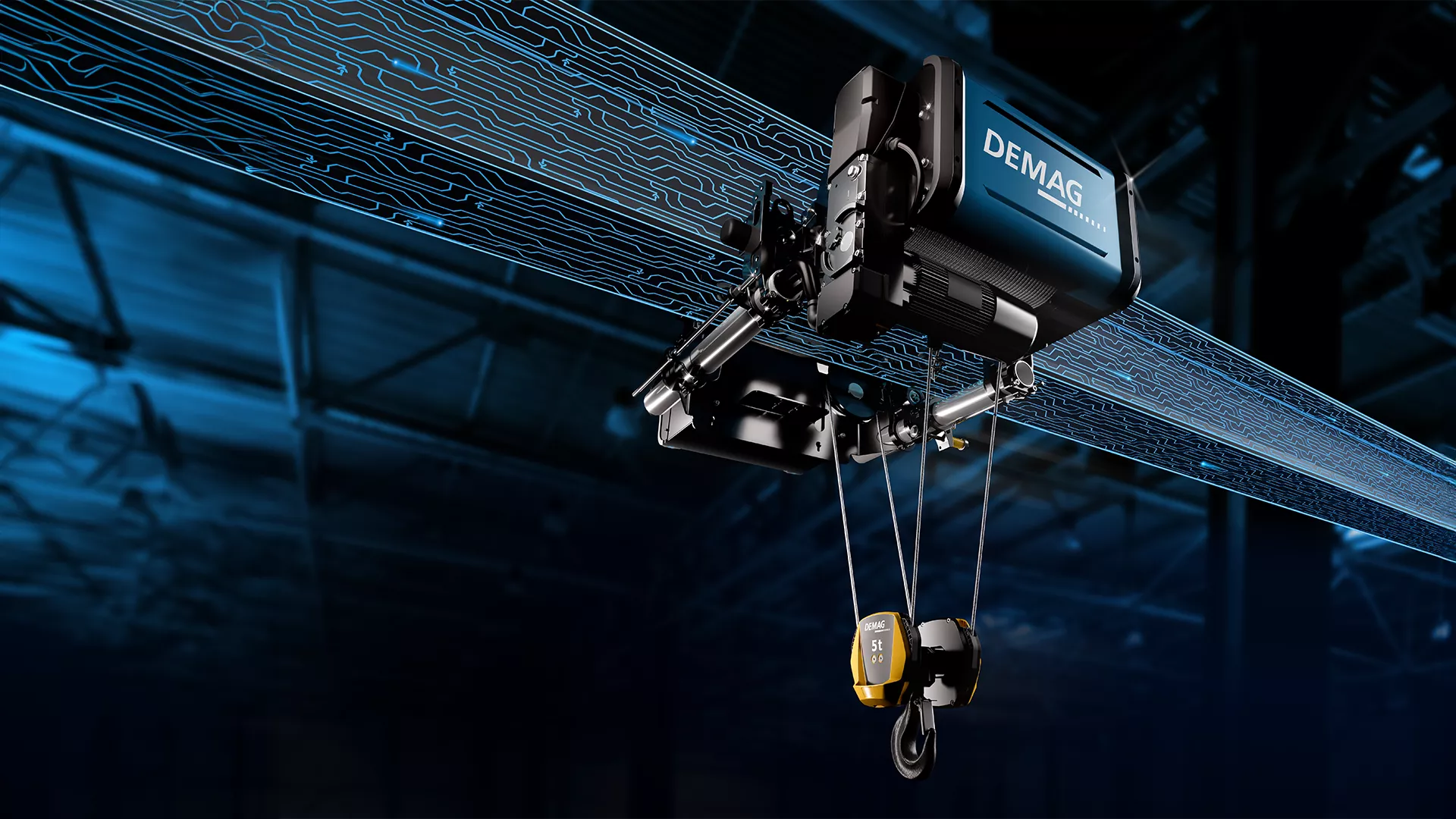
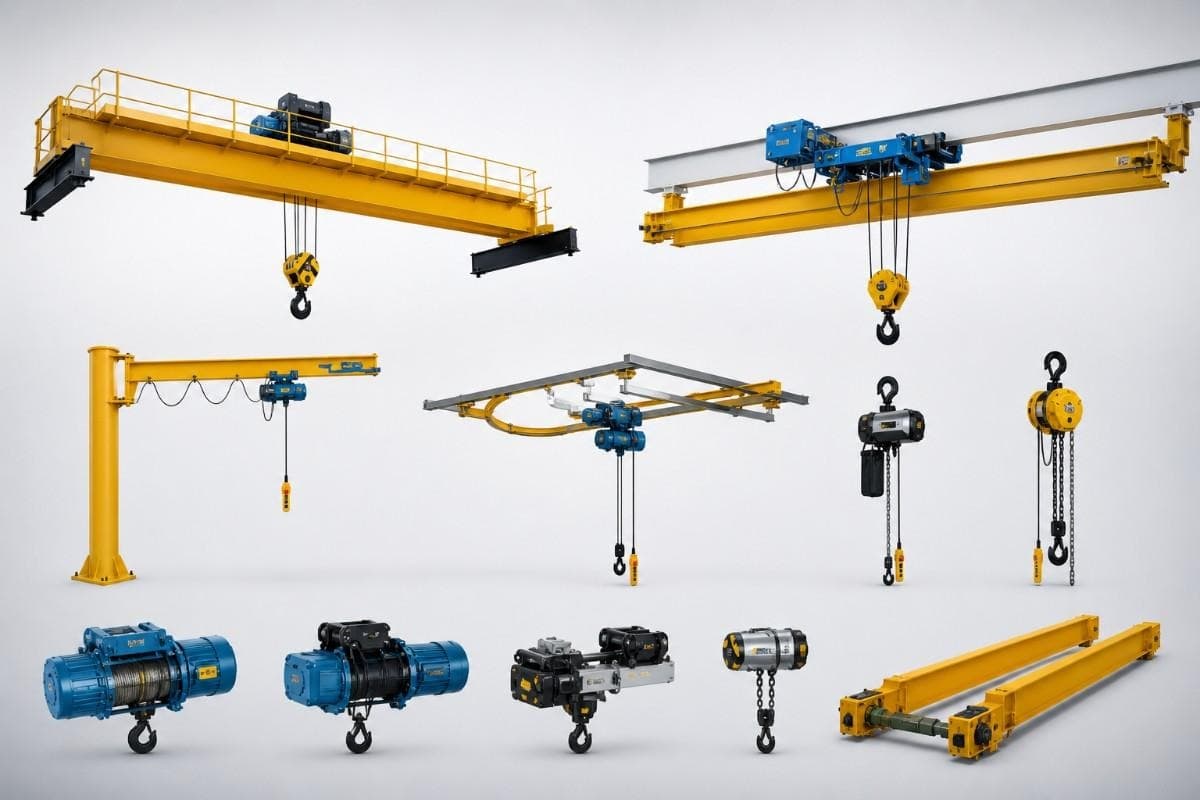
An EOT crane is one of the most important material handling systems used in industrial facilities. It helps move heavy loads safely, efficiently, and with remarkable precision. Whether it's lifting steel coils in a manufacturing plant or transporting machinery components across a workshop, an EOT crane makes operations smoother and safer.
If you're new to industrial lifting equipment, this guide will explain everything you need to know about EOT cranes in simple terms.
The term EOT crane stands for Electric Overhead Travelling Crane.
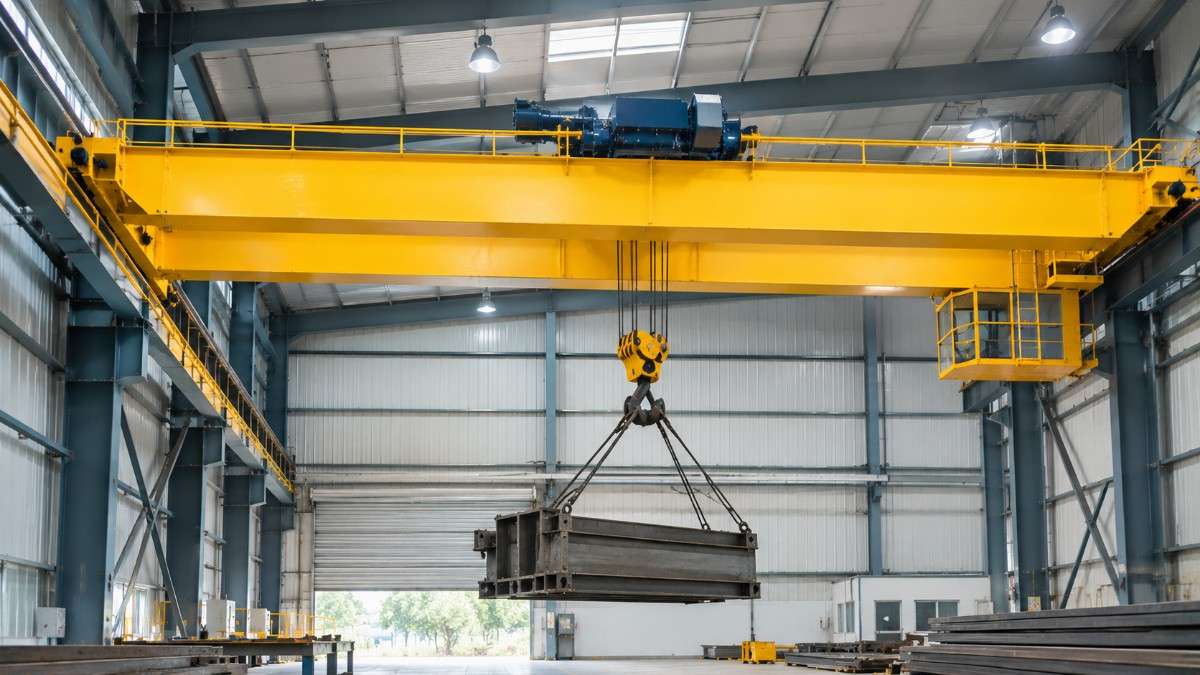
It is a type of overhead crane that operates using electric power and travels along elevated runway beams installed inside industrial buildings. The crane moves loads horizontally and vertically, allowing materials to be transported from one location to another without requiring manual handling.
When people ask what is EOT crane, the simplest answer is this:
It is an electrically operated lifting system designed to move heavy materials efficiently within a facility.
EOT cranes are commonly used in:
An EOT crane works through the coordinated movement of several components.
The system generally performs three movements:
The hoist raises and lowers the load vertically.
The trolley moves across the bridge girder, allowing horizontal movement.
The bridge travels along runway beams, moving materials across the entire workspace.
Think of it like a giant mechanical arm operating on rails above your head.
Instead of workers carrying heavy loads across the floor, the crane moves them safely through the air.
I've noticed that facilities with properly designed EOT cranes often experience better workflow organization and significantly less manual handling.
Understanding the key components helps answer the question: what is EOT crane and how does it function?
The main structural beam supporting the crane system.
The lifting mechanism responsible for raising and lowering loads.
Moves the hoist across the bridge girder.
Located at both ends of the bridge and enable movement along runway beams.
The track on which the crane travels.
Allows operators to control crane movements using pendants, cabins, or remote controls.
Include:
There are several types of EOT cranes designed for different industrial applications.
A single girder crane uses one bridge girder to support the hoist and trolley.
Single girder cranes are commonly used in warehouses, workshops, and manufacturing units.
A double girder crane uses two bridge girders for enhanced strength and stability.
These cranes are often found in steel plants, power plants, and large manufacturing facilities.
The importance of EOT cranes becomes clear when you consider the challenges of moving heavy materials manually.
Heavy loads can pose significant workplace hazards.
An EOT crane reduces manual lifting and improves load control.
Materials can be transported quickly between workstations.
Because the crane operates overhead, valuable floor space remains available for production activities.
Workers spend less time moving heavy items manually.
Modern cranes allow accurate positioning of materials and equipment.
In my experience, companies that invest in efficient material handling systems often achieve better operational consistency and improved workplace safety.
Almost every major industrial sector relies on EOT cranes.
Used for moving raw materials, machine parts, and finished goods.
Handles coils, billets, slabs, and fabricated structures.
Supports assembly lines and component transportation.
Used for equipment installation and maintenance operations.
Facilitates fabrication and assembly processes.
Improves storage and inventory handling efficiency.
Understanding the benefits further answers the question what is EOT crane and why is it so widely used?
Loads move efficiently across large facilities.
Production processes become more streamlined.
Controlled lifting reduces workplace risks.
Well-maintained cranes provide reliable performance for many years.
Suitable for various industrial applications and operating conditions.
When I visited a fabrication facility that recently upgraded its lifting system, the operations manager explained how crane installation dramatically improved material flow between departments.
Selecting the right crane requires careful planning.
Determine the maximum weight the crane must handle.
Consider the distance the crane must cover.
Evaluate vertical lifting requirements.
Assess how frequently the crane will operate.
Ensure the facility can support the crane system.
Plan for future operational growth.
Working with experienced companies such as Times Krane can help ensure the crane is properly matched to your application.
Even the best equipment requires safe operation.
Inspect hooks, wire ropes, controls, and safety systems regularly.
Proper operator training improves safety and efficiency.
Never exceed rated crane capacity.
Regular servicing helps prevent unexpected failures.
According to occupational safety studies, facilities that implement structured crane maintenance programs experience significantly fewer lifting-related incidents compared to facilities with inconsistent maintenance practices.
Industrial facilities often face several material handling challenges.
Manual movement slows operations.
Heavy lifting increases accident potential.
Ground-based transportation systems create congestion.
Improper handling can damage products and equipment.
An EOT crane addresses all of these issues by providing safe, controlled, and efficient material movement.
At Times Krane, we understand that every facility has unique lifting requirements.
Our expertise includes:
Times Krane works closely with industrial clients to develop crane systems that improve efficiency, safety, and operational performance.
Whether you're expanding a manufacturing facility or modernizing an existing plant, choosing the right crane partner makes a significant difference.
Modern EOT cranes continue to evolve with advanced technologies.
Emerging trends include:
These innovations are helping industries improve reliability and reduce downtime.
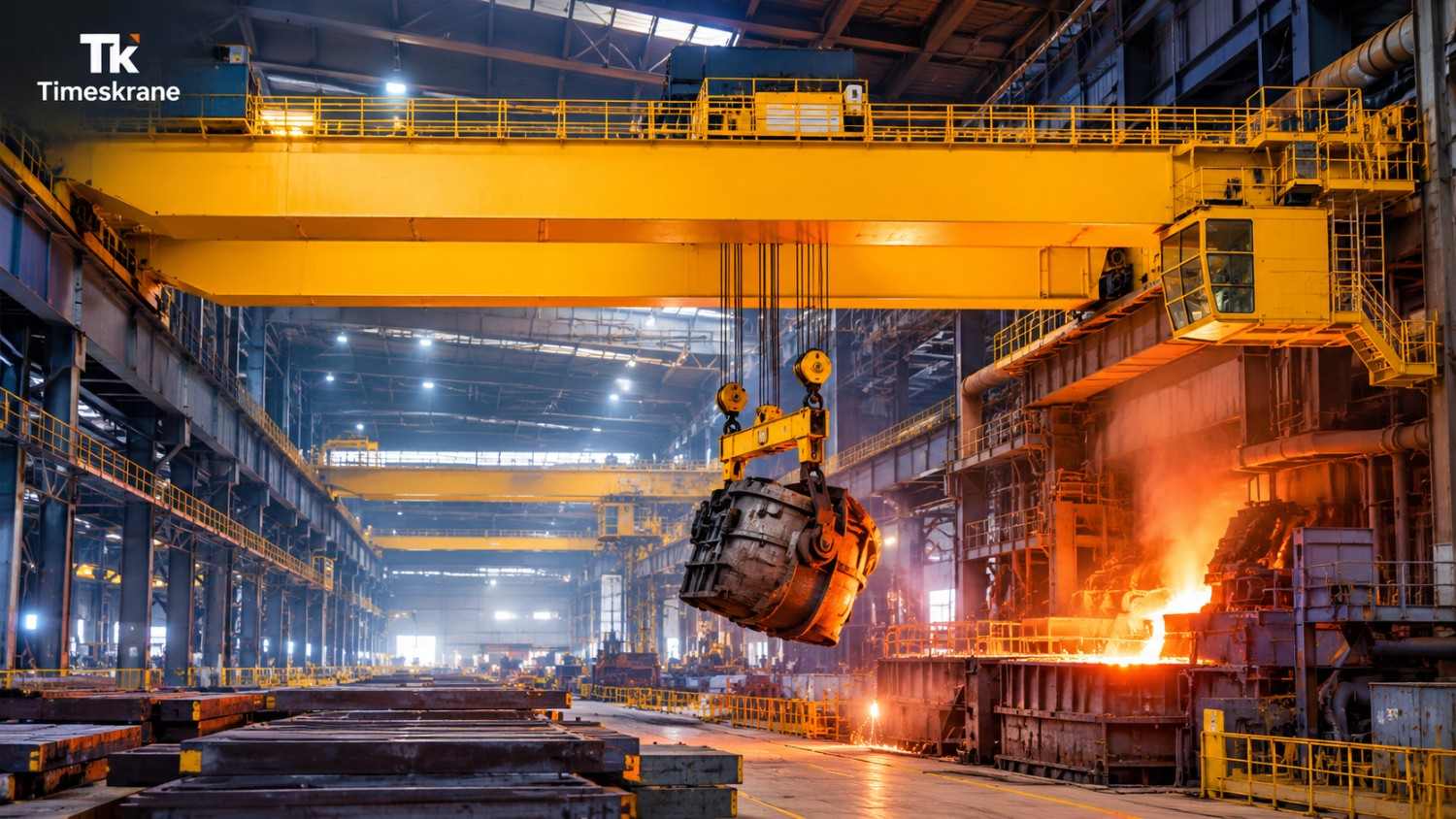
An honest breakdown of what makes a crane genuinely heavy duty for steel plant use, covering duty classification, capacity, and safety features buyers often miss.
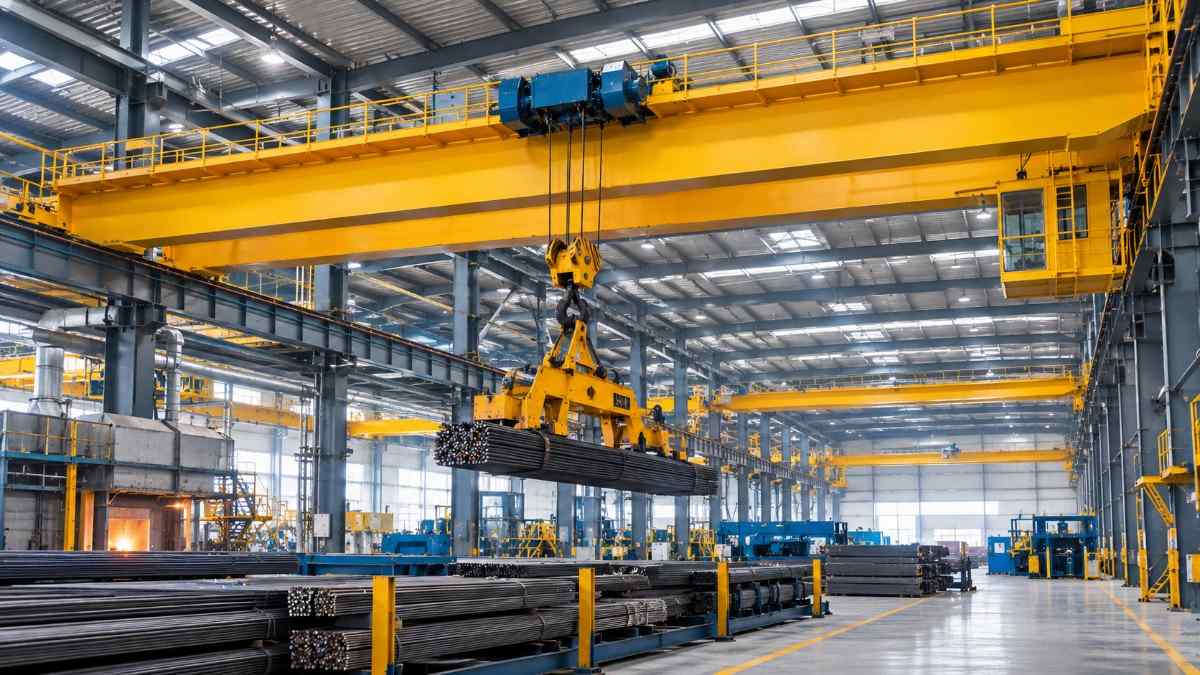
Finding the right steel plant crane manufacturer is perhaps the most important decision a procurement manager or plant owner will make. A poorly designed crane can increase both safety risks and downtime while excessively increasing maintenance costs.
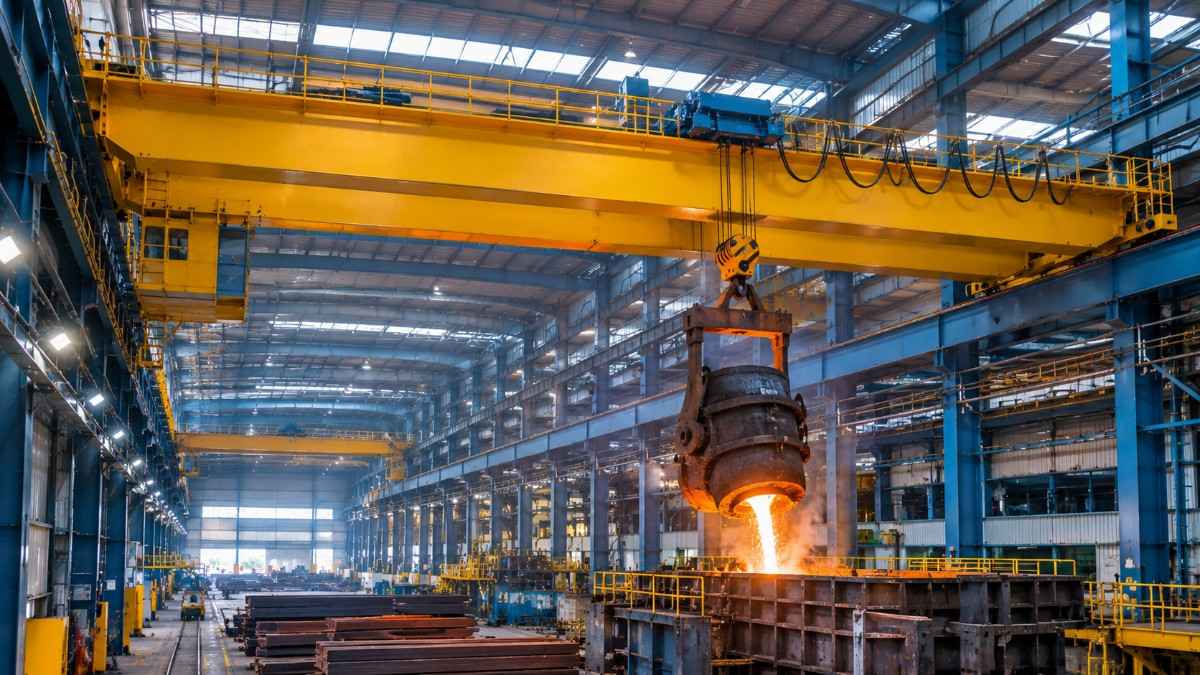
If you run or manage a steel plant, you already know that an overhead crane for steel plant operations is not a luxury. It is the backbone of your material handling process. From moving billets and coils to shifting ladles of molten metal, the right crane decides how smoothly your production line runs.
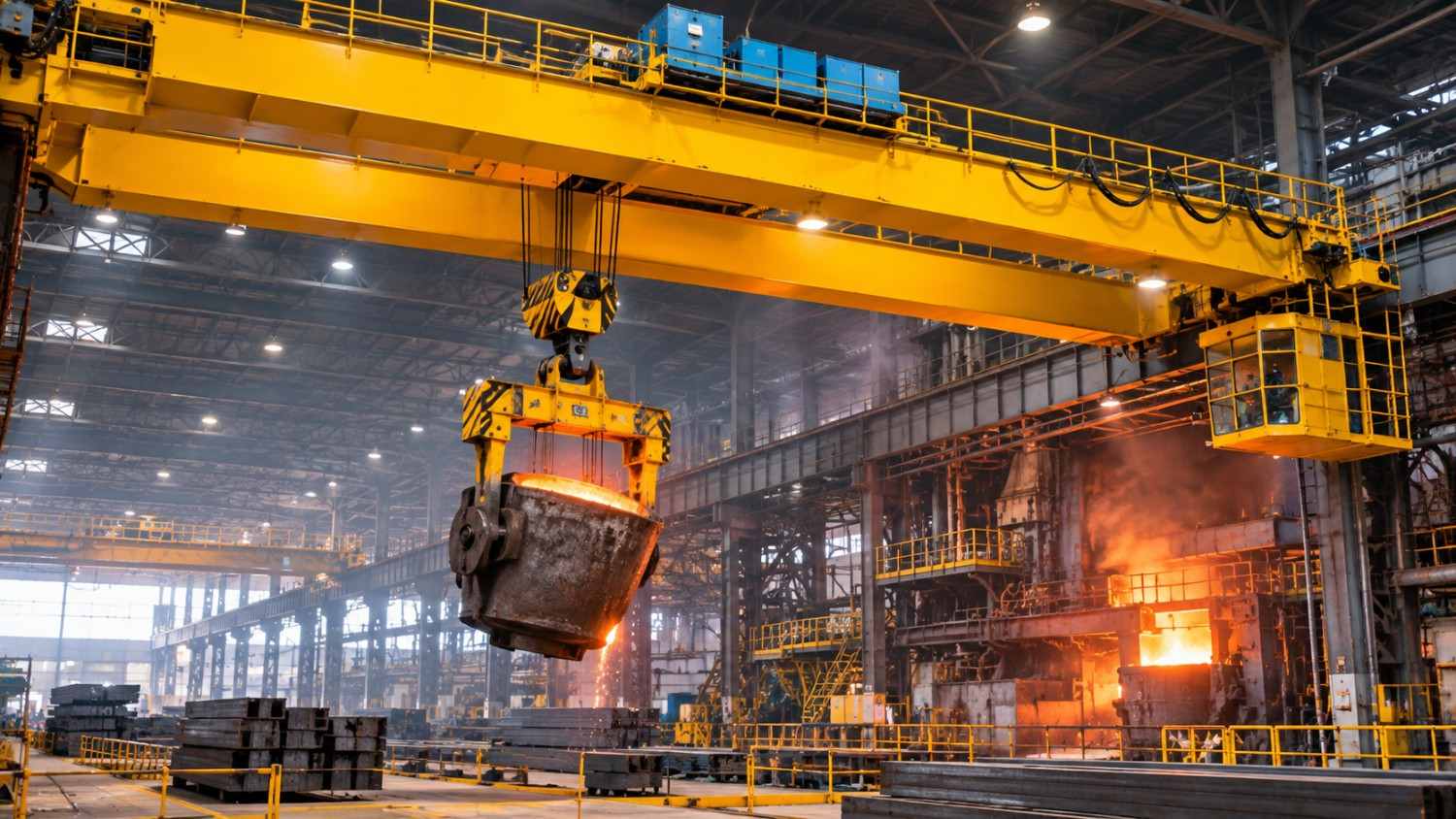
Discover how EOT cranes support steel plant operations, from material handling to molten metal lifting. Learn about crane types, duty classes, safety features, and how to choose the right EOT crane for your steel plant.
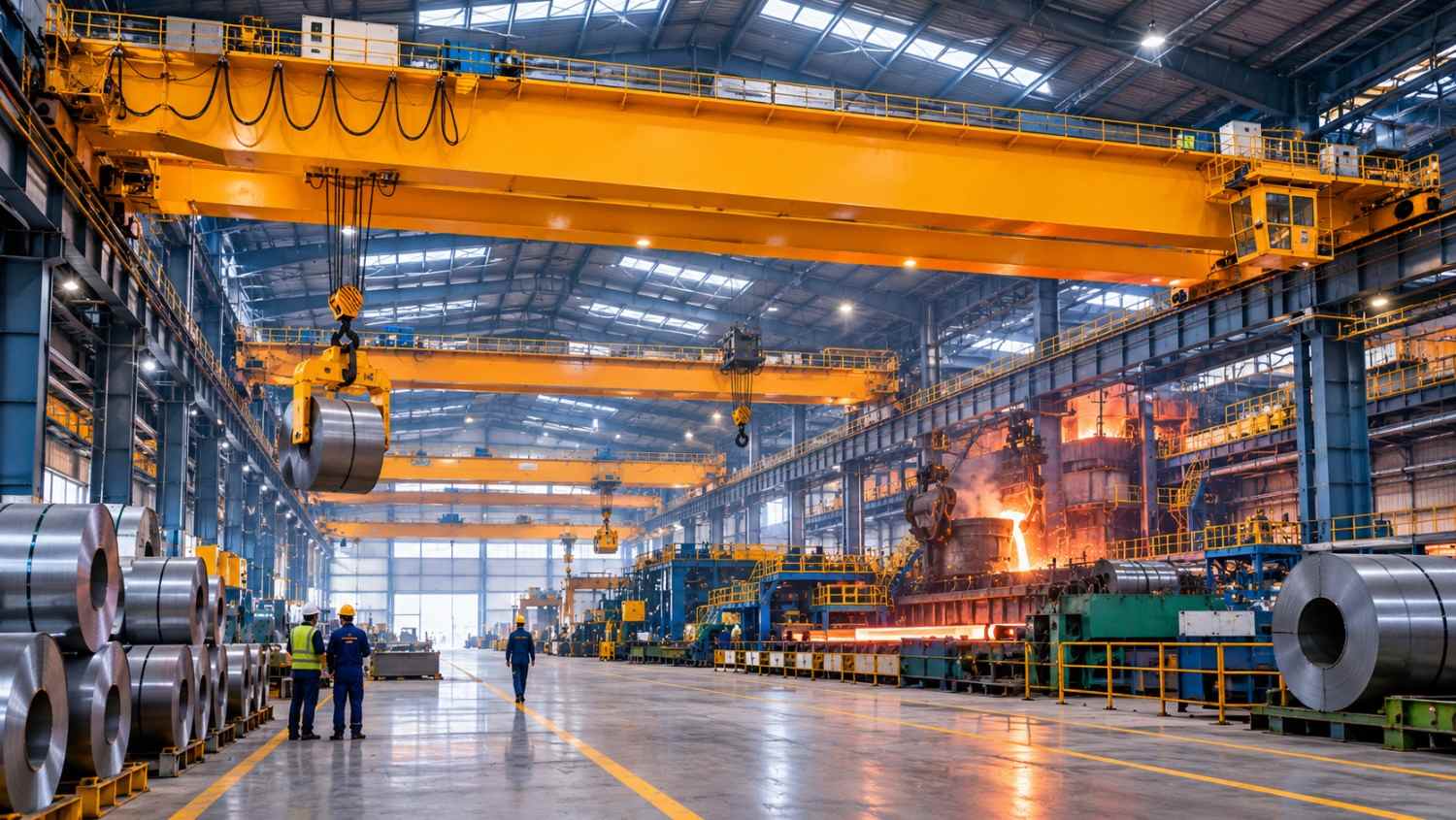
An honest, researched look at the top 5 crane manufacturers for steel plants in India, covering ladle, grab bucket, and coil handling cranes.
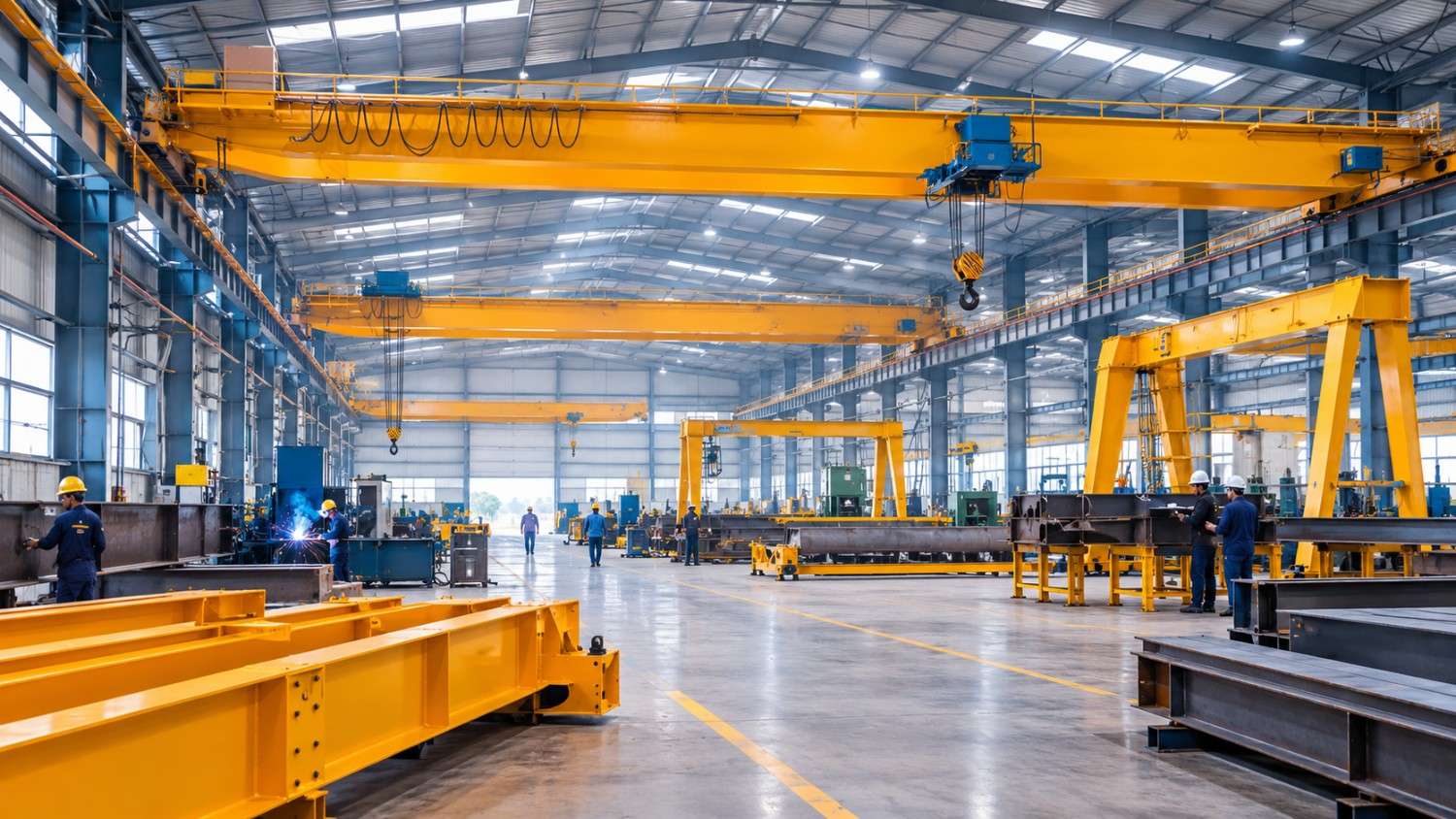
A real, researched look at the top 10 crane manufacturers in North India, covering Delhi NCR, Punjab, Haryana, UP, and Rajasthan, with what actually sets each one apart.
If you are looking for a 10 ton overhead crane for your factory or warehouse, the primary question that arises in your mind is whether this capacity will cater to your daily operations or it will turn out to be a useless and bulky addition to your storage.
Looking for a reliable partner for your next industrial project?