English
Contact
Configure
Catalog
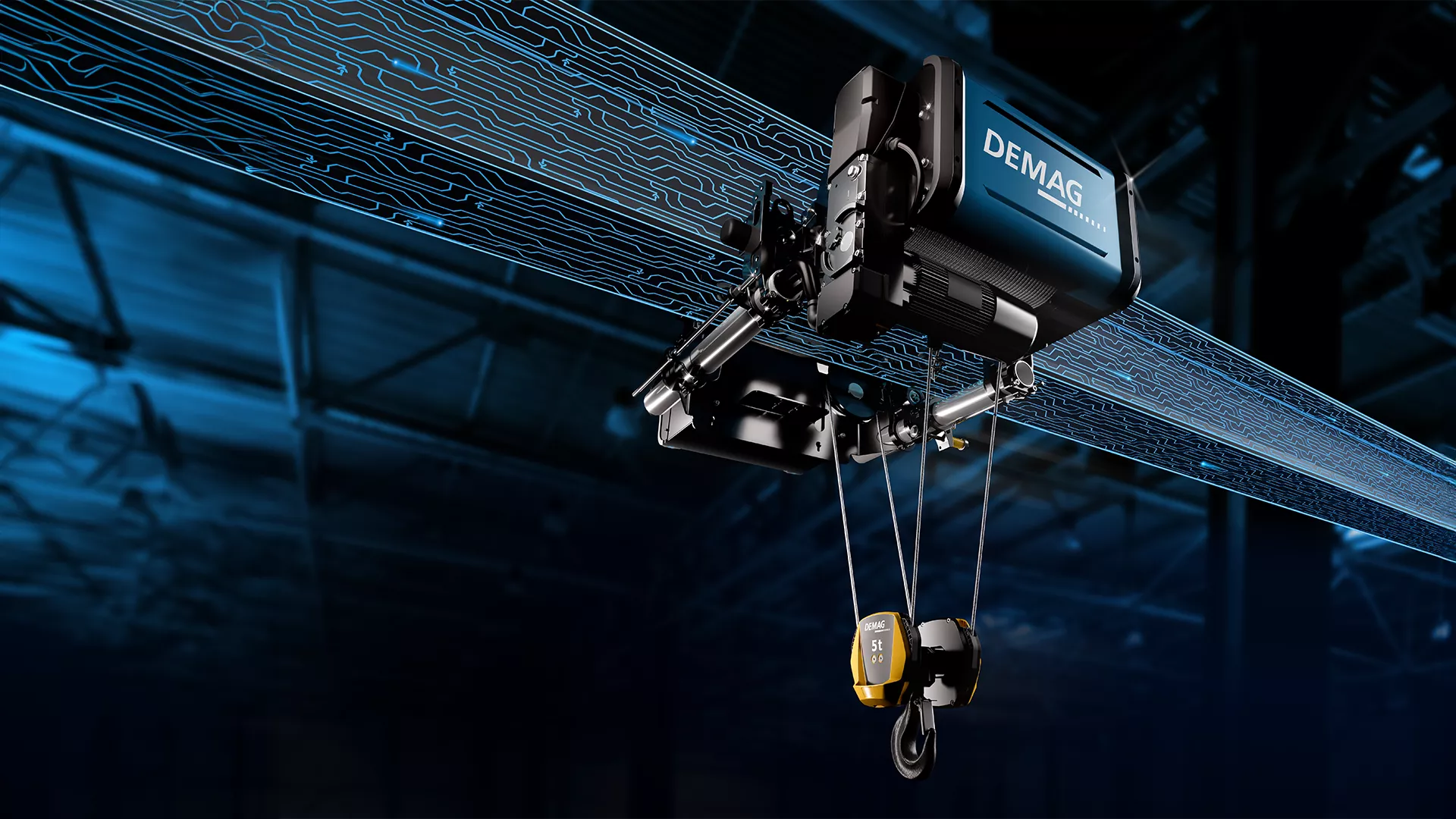

When your factory floor depends on smooth and safe lifting, choosing the right crane is not a small decision. A poorly designed system can slow down production, increase maintenance headaches, and even create safety risks for your team.
That’s where a single girder EOT crane makes a real difference. Compact, efficient, and surprisingly powerful, this crane type is one of the most widely used material handling systems across workshops, warehouses, fabrication units, and manufacturing plants.
At Times Krane, we’ve seen how the right crane setup can completely change workflow efficiency. From small engineering workshops to large industrial facilities, businesses rely on dependable overhead lifting systems every single day.
A single girder EOT crane is an Electric Overhead Traveling crane designed with one bridge girder that supports the hoist and trolley system. It moves horizontally across rails installed on elevated runway beams inside a facility.
In simpler terms, imagine a strong overhead lifting system that helps you move heavy materials without taking up floor space.
These cranes are commonly used for:
Unlike double girder cranes, single girder models are lighter, more compact, and ideal for moderate lifting capacities.
One thing I’ve noticed while visiting industrial plants is that many businesses don’t actually need extremely heavy-duty crane systems. They need something practical, reliable, and easy to maintain.
That’s exactly why the single girder EOT crane remains so popular.
Since the crane uses a single beam structure, it requires less headroom. This becomes especially useful in facilities with height limitations.
If you’ve ever worked in a crowded production unit, you know how valuable overhead space becomes.
These cranes help reduce manual handling and improve workflow movement. Materials can travel quickly from one station to another with minimal effort.
Because single girder cranes are lighter than double girder models, the building structure experiences less stress. This often reduces overall infrastructure requirements.
In my experience, maintenance teams appreciate systems that are simple and accessible. Single girder cranes typically involve fewer components, making servicing easier and faster.
Modern EOT crane systems consume less power while maintaining excellent lifting performance. That means improved operational efficiency over time.
Understanding the structure of a crane helps you make smarter buying decisions.
This is the main horizontal beam that spans across the runway.
The hoist performs the actual lifting and lowering operation. It may use wire rope or chain systems depending on application requirements.
These support the bridge girder and allow the crane to move along the runway rails.
The trolley carries the hoist and moves sideways across the girder.
Controls power distribution, safety systems, and crane movements.
Operators can control the crane through:
A surprising number of industries depend on overhead cranes every day.
Factories use cranes to lift raw materials, machine components, and finished goods.
Heavy metal sheets, coils, and fabricated structures are easier to handle with overhead systems.
Warehouse operators use cranes for organized storage and efficient loading.
Vehicle parts and engine assemblies often require precise lifting support.
Maintenance teams rely on cranes for turbine and equipment servicing.
At Times Krane, we’ve observed increasing demand from medium-sized manufacturing units because businesses want efficient lifting without overcomplicating operations.
Here’s where these cranes really stand out.
Workers spend less time manually shifting heavy loads.
According to a report published by the Occupational Safety and Health Administration, reducing manual lifting significantly lowers workplace injury risks in industrial environments.
Single girder cranes provide strong lifting performance without the complexity of larger crane systems.
You can customize:
Compared to larger overhead crane systems, installation is usually quicker and less disruptive.
Choosing the wrong crane can create long-term operational issues. I’ve seen companies underestimate lifting requirements, only to upgrade equipment a year later.
Before selecting a crane, consider these factors carefully.
Always calculate your maximum lifting requirement, including future expansion needs.
The crane span should match your facility layout and working area.
Measure available headroom accurately.
Some industries operate cranes occasionally, while others run them continuously throughout the day.
Dust, heat, chemicals, and humidity all affect crane design choices.
Modern cranes should include:
Different industries need different crane configurations.
Mounted below the runway beams. Ideal for facilities with limited headroom.
The crane runs on top of rails and supports higher lifting capacities.
Suitable for heavier industrial applications.
Typically used for lighter-duty operations.
A crane is only as reliable as its installation and maintenance practices.
Check:
Even the best equipment can become dangerous when handled incorrectly.
Every crane has a defined lifting capacity for a reason.
When I worked with maintenance teams in fabrication units, one issue kept repeating itself. Cheap replacement parts caused more downtime than savings.
That’s why quality components matter.
A crane isn’t just another machine sitting inside your factory. It directly affects productivity, worker safety, and operational speed.
Low-quality systems often lead to:
A properly engineered single girder EOT crane offers years of reliable performance when built with quality materials and tested components.
Industrial buyers today want more than just equipment. They want dependable support and practical engineering solutions.
At Times Krane, the focus stays on delivering durable and efficient lifting systems tailored to industrial requirements.
Clients value:
Whether it’s a workshop crane or a heavy-duty manufacturing setup, selecting the right overhead system can significantly improve operational efficiency.
Safety should never become an afterthought.
Operators should inspect:
Overloading remains one of the biggest causes of crane accidents.
Avoid unnecessary obstacles beneath suspended loads.
Preventive servicing helps detect issues before they turn into expensive failures.
Industrial automation is changing crane systems rapidly.
Modern cranes now include:
I’ve noticed more factories adopting intelligent crane systems because downtime today affects production targets immediately.
As industries evolve, overhead lifting systems are becoming smarter, safer, and more efficient.
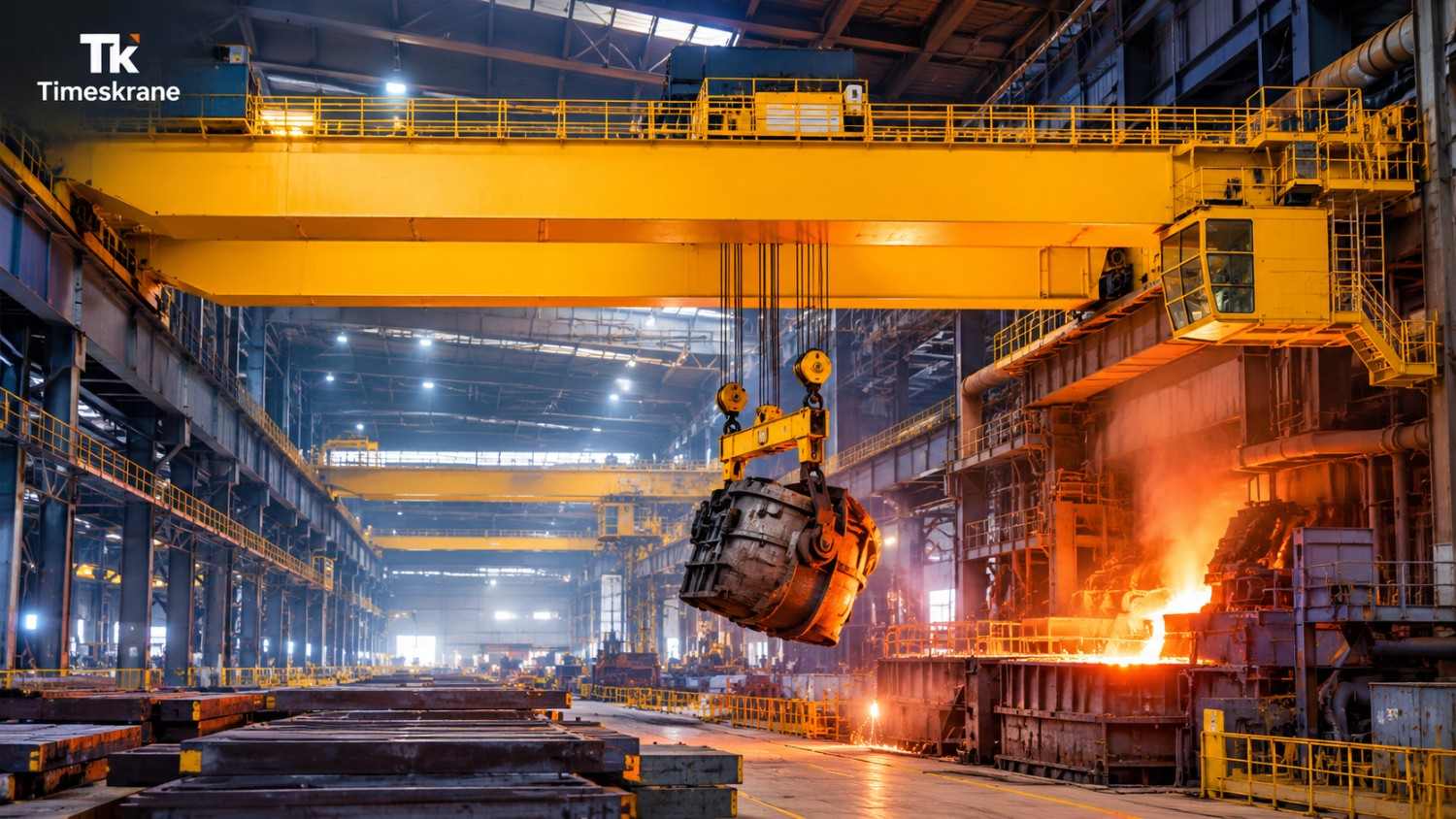
An honest breakdown of what makes a crane genuinely heavy duty for steel plant use, covering duty classification, capacity, and safety features buyers often miss.
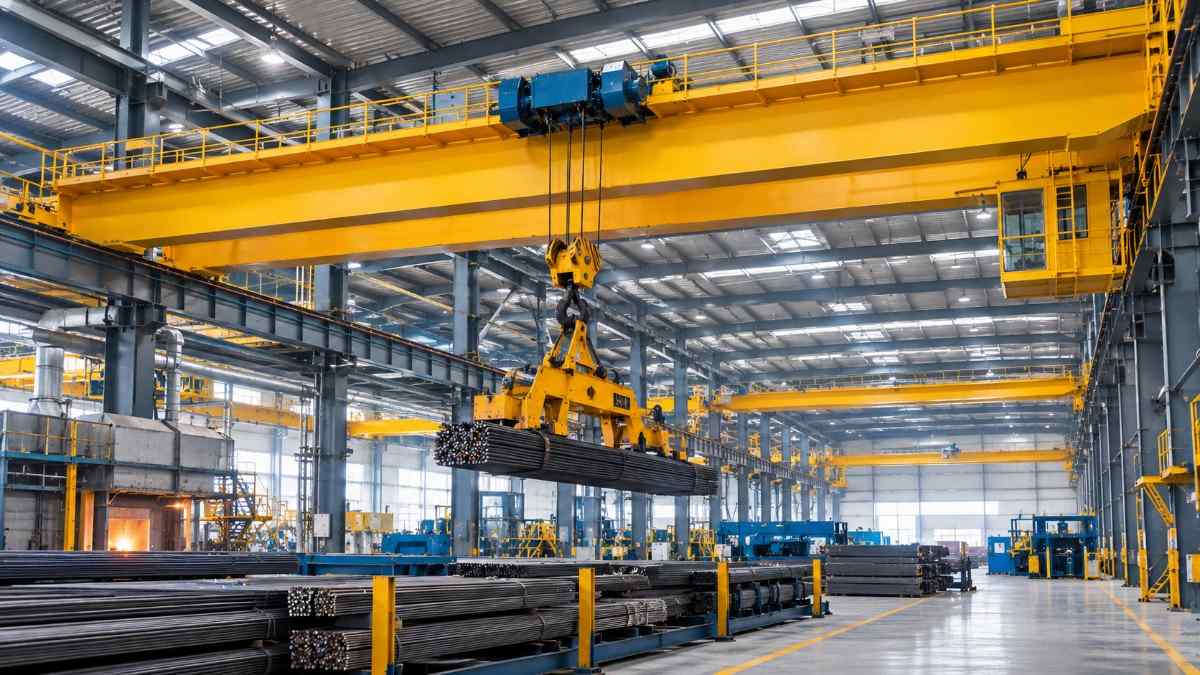
Finding the right steel plant crane manufacturer is perhaps the most important decision a procurement manager or plant owner will make. A poorly designed crane can increase both safety risks and downtime while excessively increasing maintenance costs.
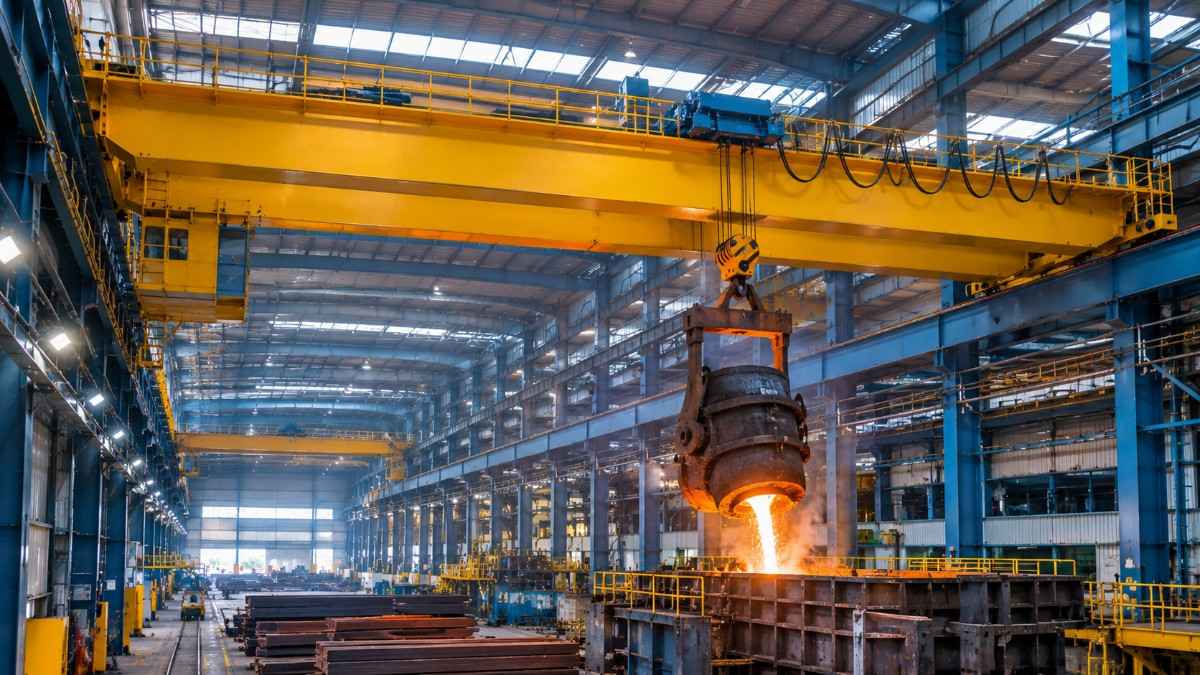
If you run or manage a steel plant, you already know that an overhead crane for steel plant operations is not a luxury. It is the backbone of your material handling process. From moving billets and coils to shifting ladles of molten metal, the right crane decides how smoothly your production line runs.
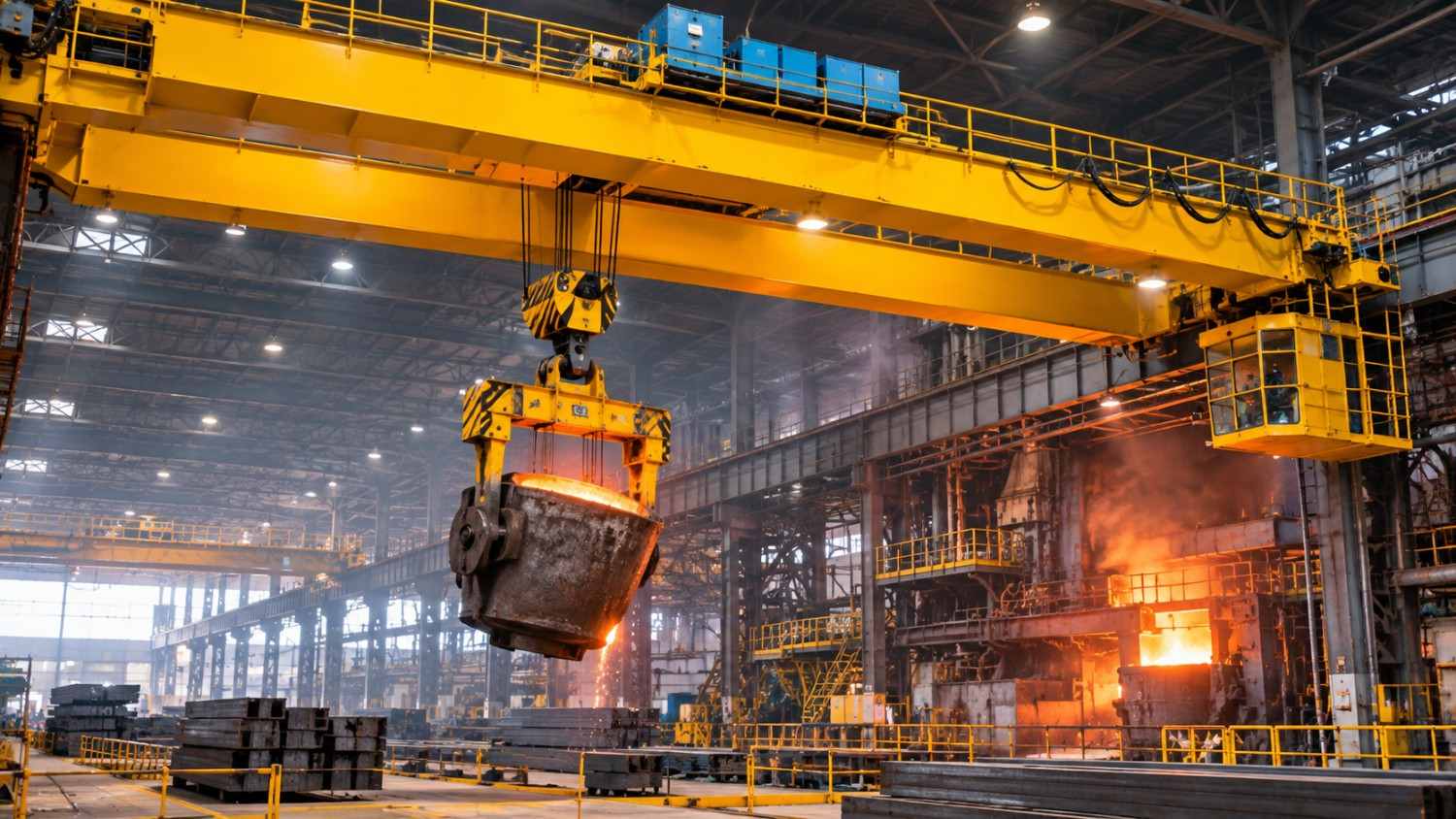
Discover how EOT cranes support steel plant operations, from material handling to molten metal lifting. Learn about crane types, duty classes, safety features, and how to choose the right EOT crane for your steel plant.
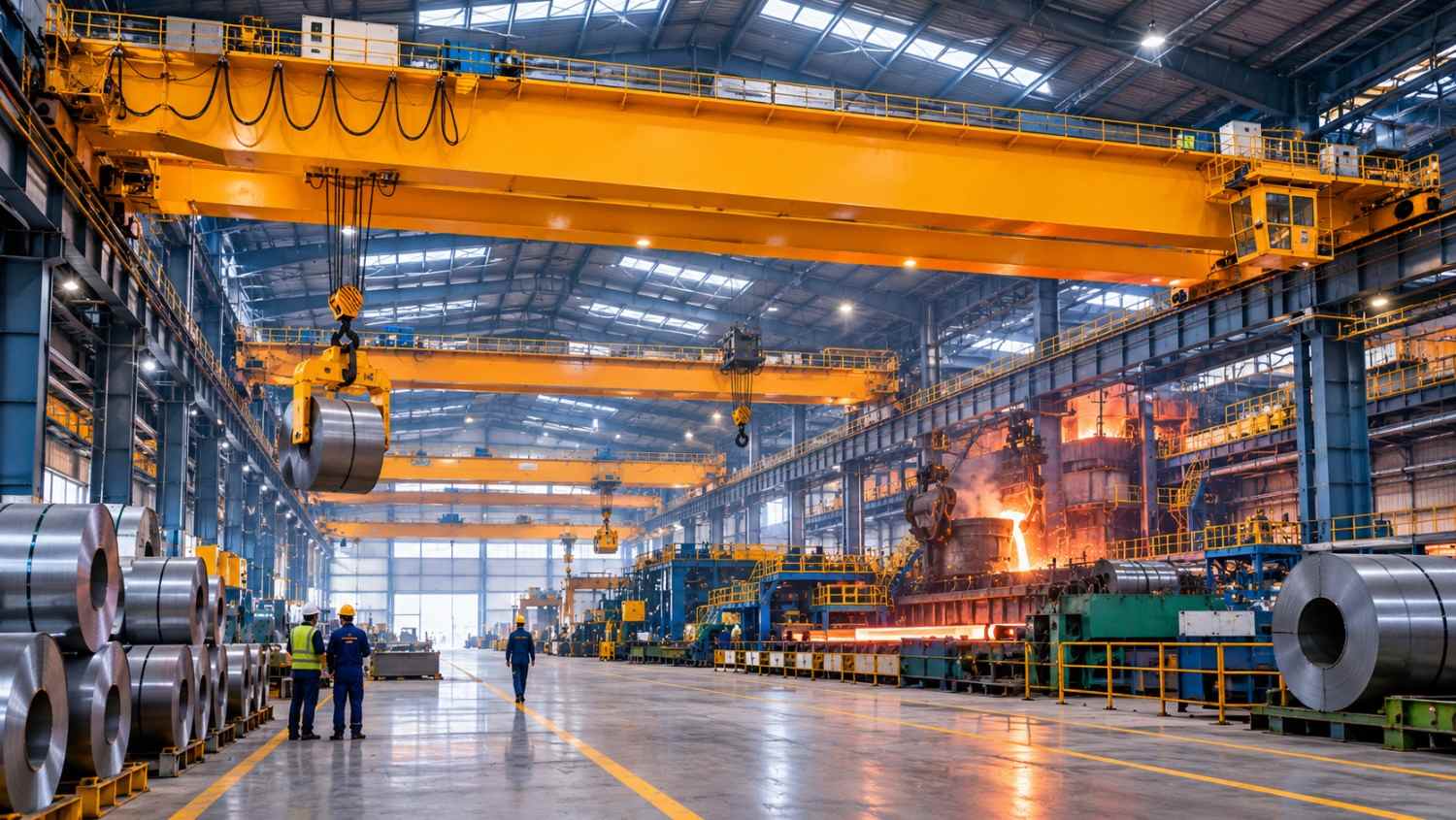
An honest, researched look at the top 5 crane manufacturers for steel plants in India, covering ladle, grab bucket, and coil handling cranes.
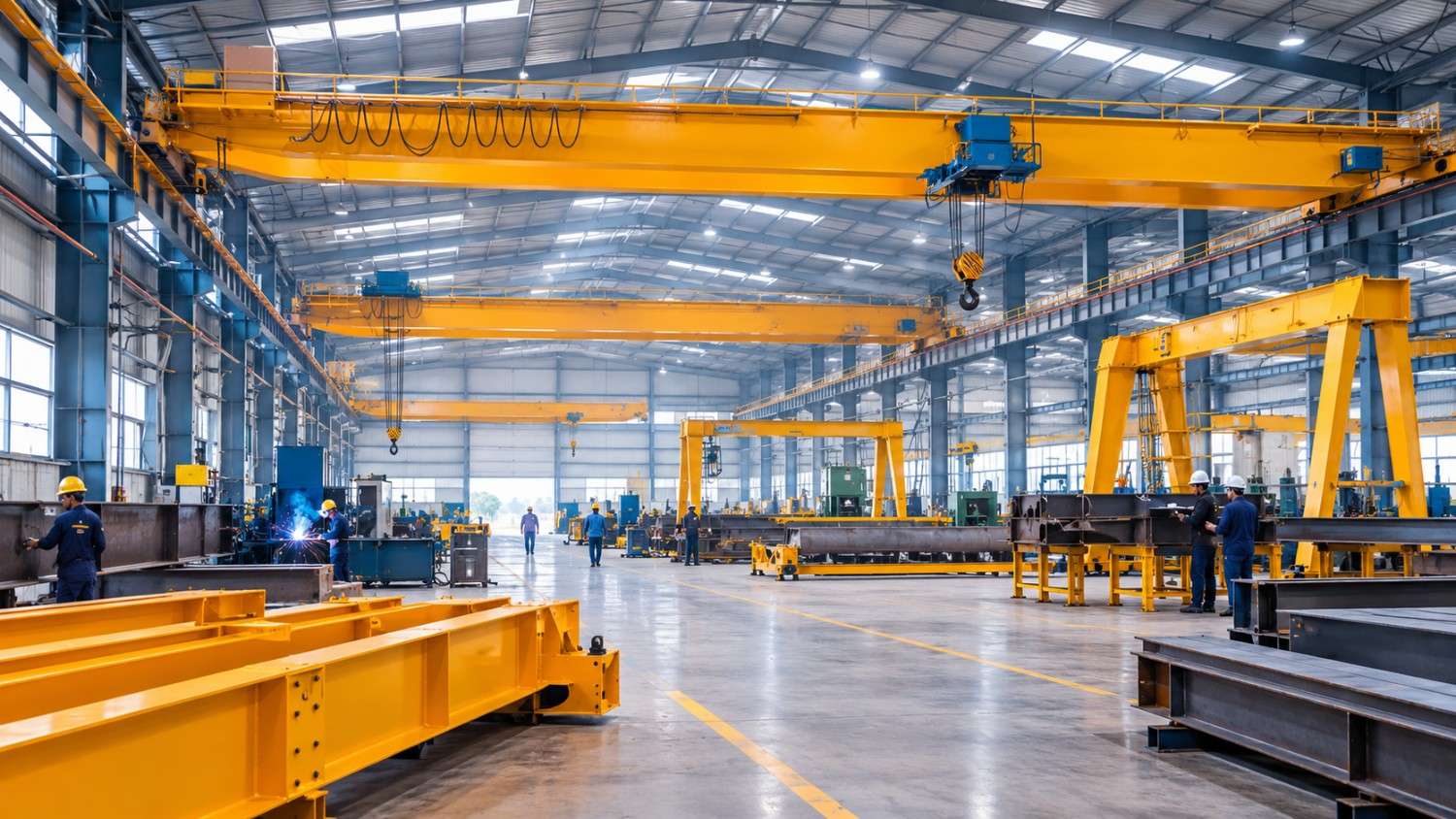
A real, researched look at the top 10 crane manufacturers in North India, covering Delhi NCR, Punjab, Haryana, UP, and Rajasthan, with what actually sets each one apart.
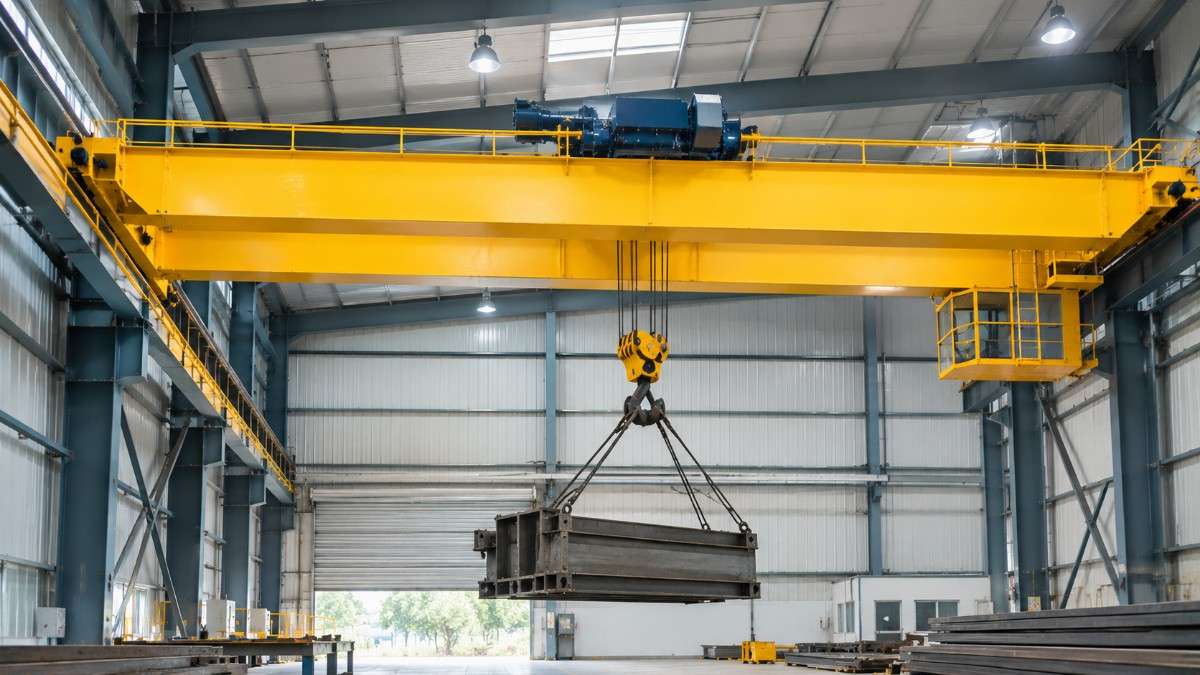
If you are looking for a 10 ton overhead crane for your factory or warehouse, the primary question that arises in your mind is whether this capacity will cater to your daily operations or it will turn out to be a useless and bulky addition to your storage.
Looking for a reliable partner for your next industrial project?