English
Contact
Configure
Catalog
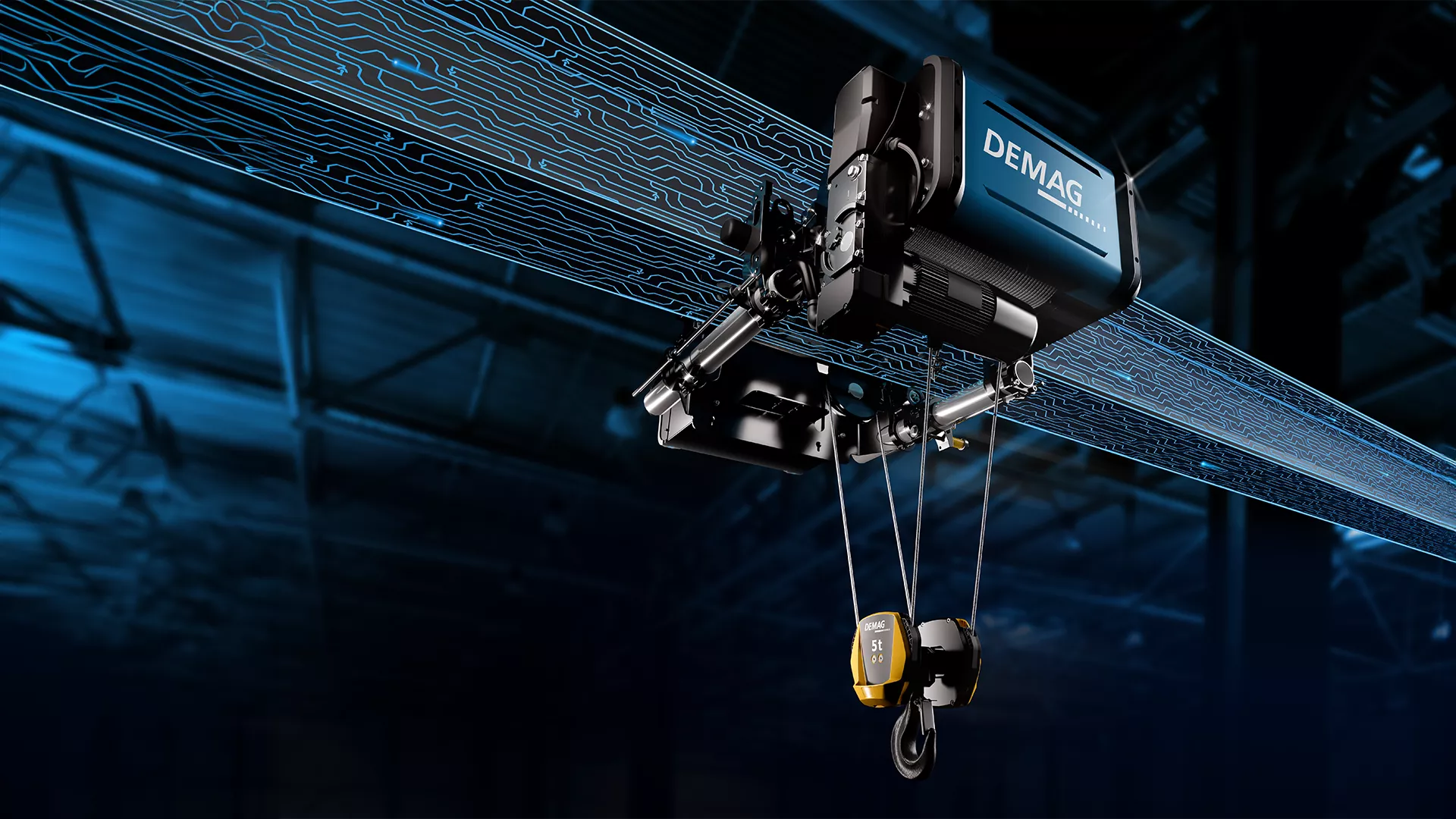
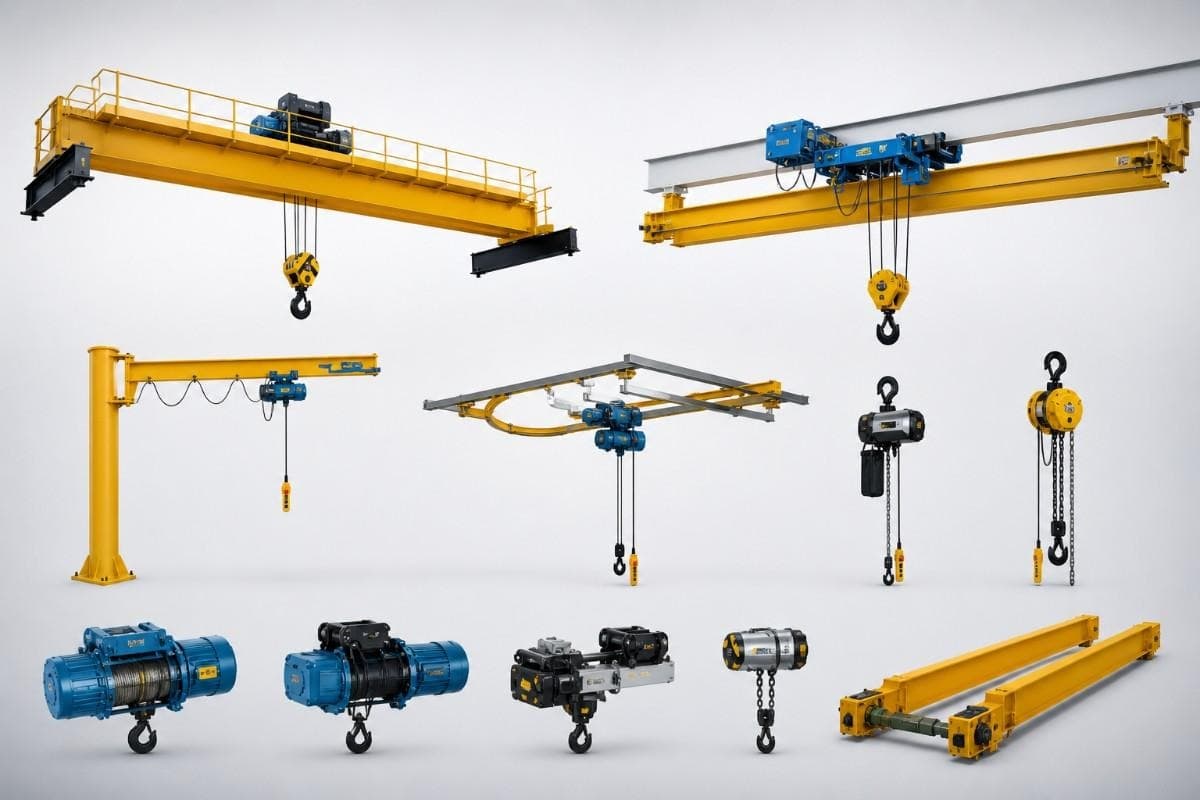
That’s why choosing the right overhead bridge crane manufacturer matters far more than most businesses initially realize.
A dependable bridge crane is more than a lifting machine hanging from steel beams. It becomes part of your daily workflow. It supports production schedules, protects workers, and helps materials move efficiently across the facility.
At Times Krane, we’ve worked with industries where smooth lifting operations directly affect output targets. When crane systems perform well, production flows naturally. When they don’t, every department feels the impact.
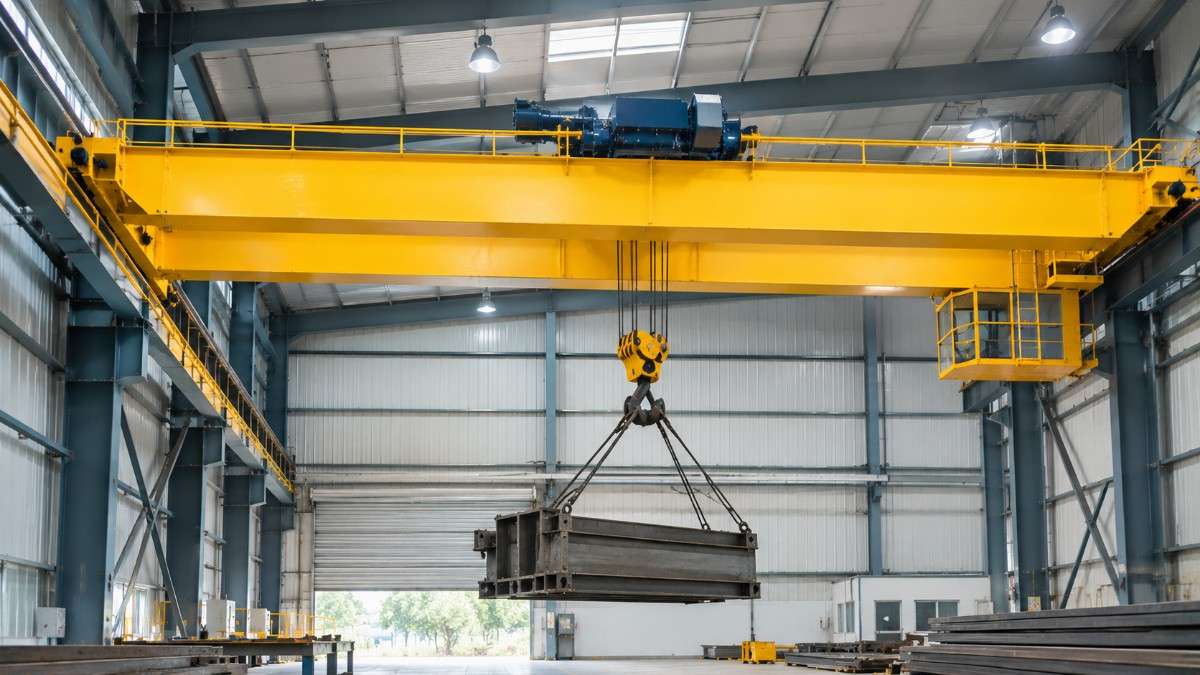
An overhead bridge crane is a material handling system designed to lift and move heavy loads horizontally inside industrial facilities.
The crane typically operates on elevated runway beams and includes:
The bridge travels across the facility while the trolley moves sideways along the girder. Together, these movements allow precise material handling across large work areas.
You’ve probably seen these cranes inside:
A crane manufacturer isn’t just supplying equipment. They’re influencing how efficiently your operations will run for years.
I’ve noticed many companies focus heavily on crane capacity but overlook engineering quality, installation support, and long-term reliability. That often leads to maintenance problems later.
A trusted overhead bridge crane manufacturer helps ensure:
Different industries require different crane systems depending on load handling needs.
This crane uses one bridge beam and is ideal for light to moderate lifting operations.
It works well in:
A double girder crane uses two bridge beams for enhanced lifting capacity and stability.
These cranes are commonly used in:
The crane travels on rails mounted above runway beams, allowing higher lifting capacity.
Mounted beneath runway beams, these cranes help maximize floor and vertical space.
Understanding crane components helps businesses make better operational decisions.
The structural beam supporting the trolley and hoist system.
Handles lifting and lowering operations.
Common types include:
Moves the hoist horizontally along the girder.
Allow crane movement along the runway rails.
Controls crane operation, movement, and safety systems.
Not all manufacturers deliver the same level of engineering quality.
When I tried evaluating crane suppliers during a factory expansion project, one thing became obvious quickly. Strong technical support matters just as much as the equipment itself.
Look for manufacturers experienced in industrial lifting applications.
Every facility has different layout and operational requirements.
Reliable manufacturers prioritize:
Crane durability depends heavily on material quality and fabrication precision.
Maintenance and technical assistance play a major role in crane performance over time.
Bridge cranes support operations across a wide range of industries.
Factories use cranes for moving raw materials and machinery.
Large steel plates and fabricated structures require overhead lifting systems.
Vehicle assembly lines depend on efficient material movement.
Cranes help streamline storage and loading operations.
Heavy equipment installation and maintenance often rely on bridge cranes.
At Times Krane, we’ve observed how customized crane systems improve productivity significantly in these sectors.
A properly engineered crane system transforms daily operations.
Workers spend less time manually handling heavy materials.
Overhead systems free up valuable floor space.
According to the Occupational Safety and Health Administration, reducing manual material handling significantly lowers workplace injury risks.
Bridge cranes allow controlled movement of heavy loads with greater accuracy.
Efficient lifting systems help maintain consistent workflow movement.
I’ve noticed one common issue in facilities relying heavily on forklifts for every lifting task. Congestion builds quickly, especially during peak production hours.
Bridge cranes solve many of those challenges by moving loads overhead instead of through crowded floor pathways.
This leads to:
Safety is never optional in industrial lifting operations.
Prevents lifting beyond safe capacity limits.
Allow immediate crane shutdown during emergencies.
Prevent excessive movement beyond safe operating ranges.
Alerts workers during crane movement or hazardous situations.
Helps stabilize suspended loads during movement.
Even the best crane systems require proper maintenance.
Inspect:
Proper lubrication reduces wear and operational strain.
Ignoring minor issues often leads to larger mechanical failures later.
Experienced operators help extend equipment lifespan significantly.
In my experience, preventive maintenance programs usually reduce unexpected crane downtime dramatically.
One of the biggest mistakes businesses make is underestimating future lifting requirements.
Before selecting a crane, evaluate:
A properly selected crane improves long-term operational efficiency.
At Times Krane, the focus remains on delivering durable, industry-ready lifting solutions designed around real operational needs.
Businesses appreciate:
For industries where lifting operations directly affect productivity, working with a dependable overhead bridge crane manufacturer becomes a critical business decision.
Industrial crane systems continue evolving rapidly.
Modern cranes now include:
When I visited a large engineering facility recently, operators relied heavily on remote-controlled cranes because they improved handling precision and reduced operational fatigue noticeably.
The future of industrial lifting is becoming smarter, more efficient, and increasingly connected.
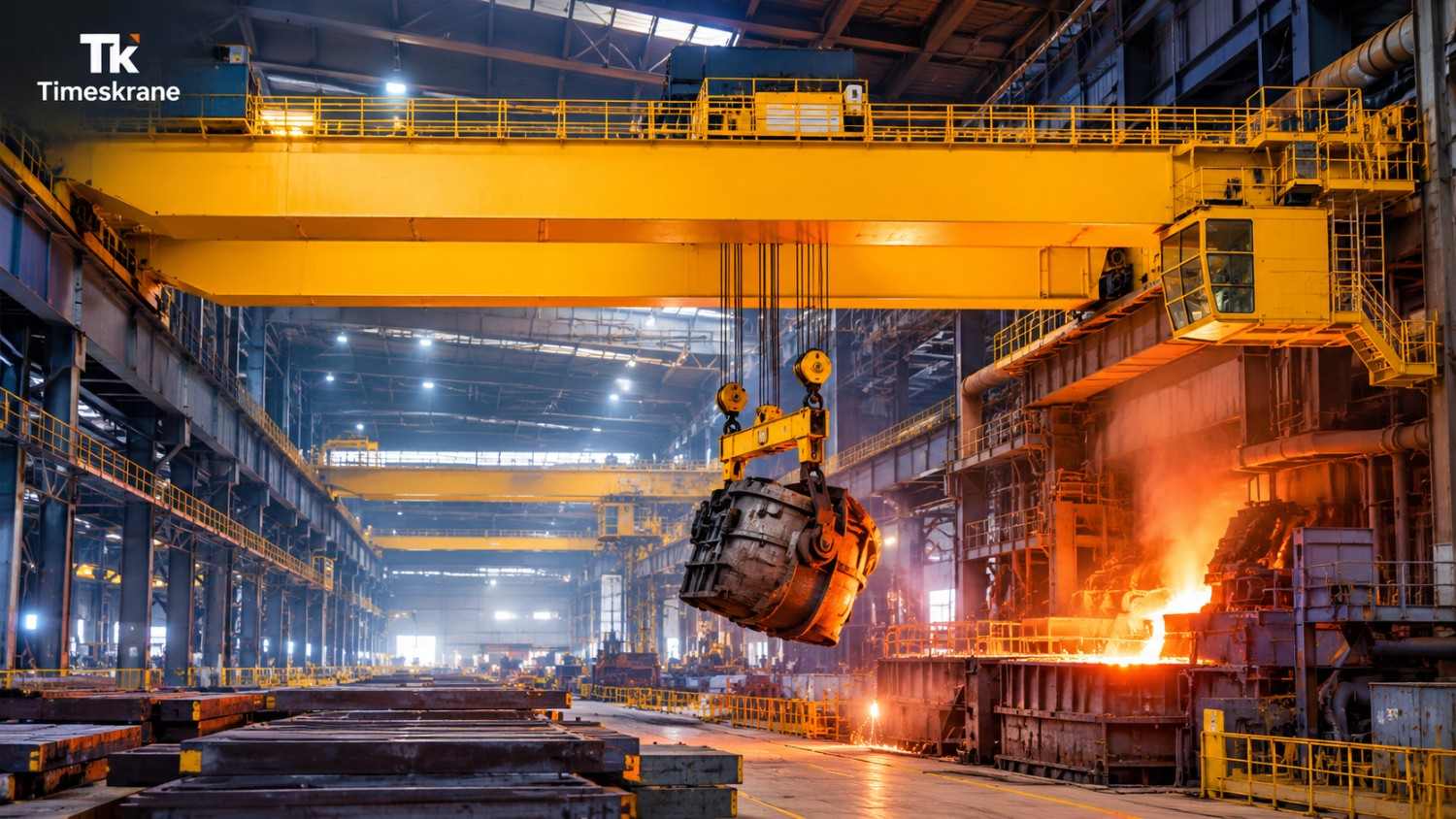
An honest breakdown of what makes a crane genuinely heavy duty for steel plant use, covering duty classification, capacity, and safety features buyers often miss.
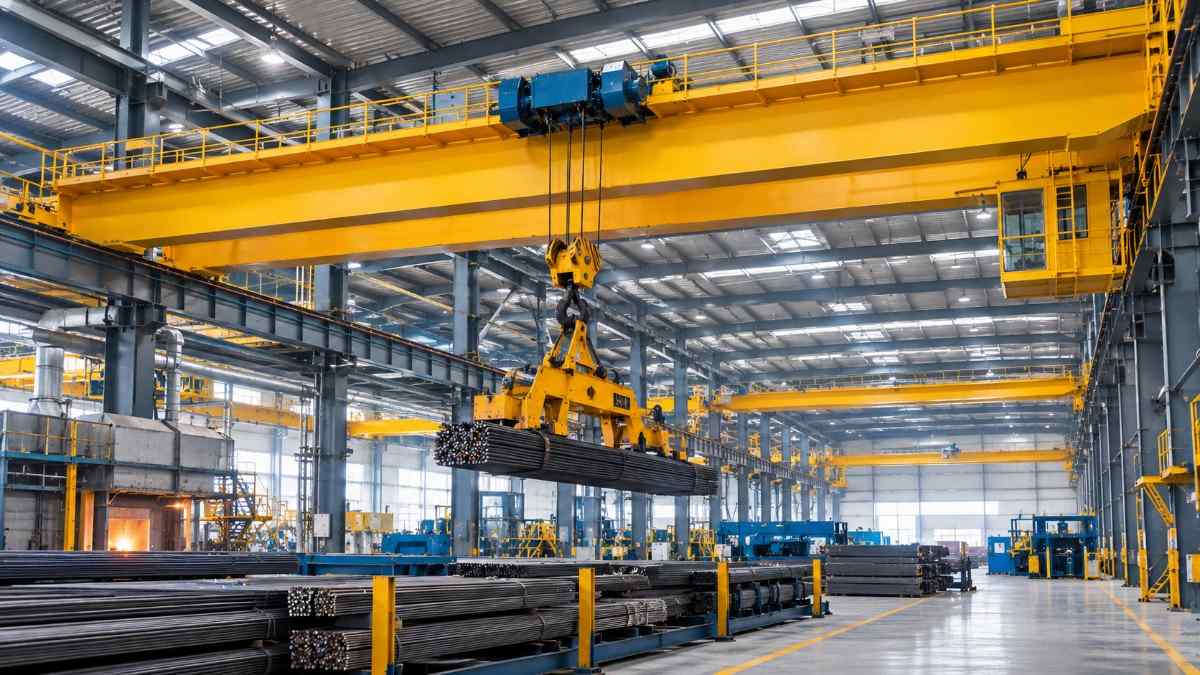
Finding the right steel plant crane manufacturer is perhaps the most important decision a procurement manager or plant owner will make. A poorly designed crane can increase both safety risks and downtime while excessively increasing maintenance costs.
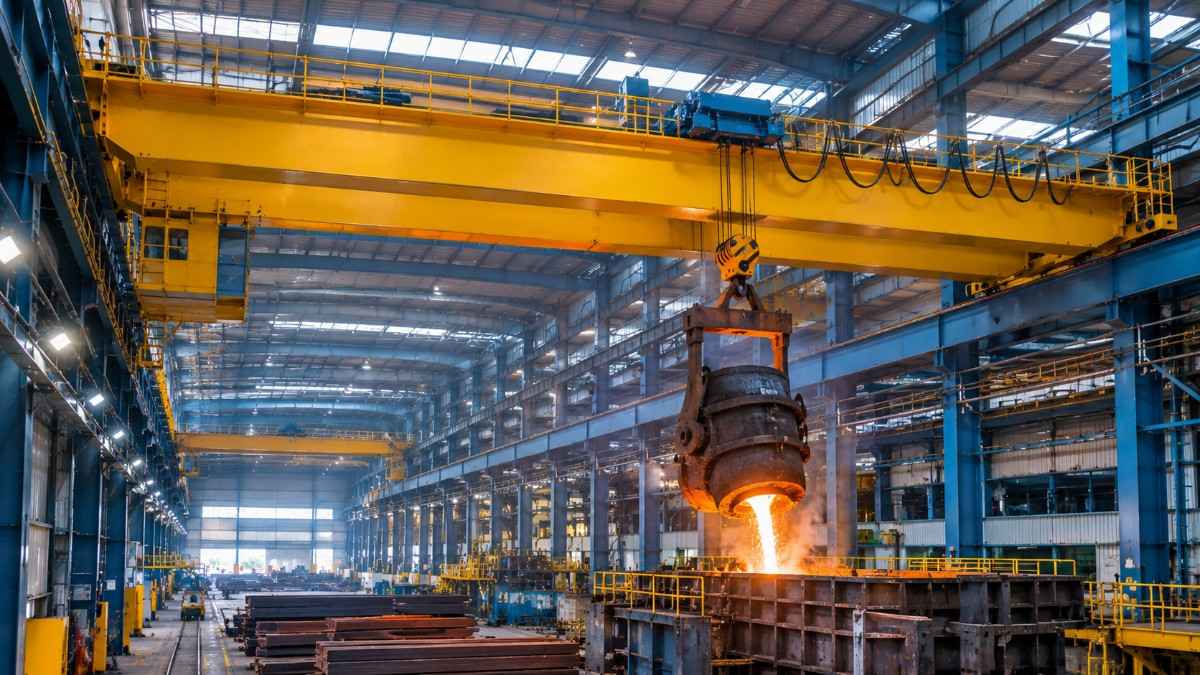
If you run or manage a steel plant, you already know that an overhead crane for steel plant operations is not a luxury. It is the backbone of your material handling process. From moving billets and coils to shifting ladles of molten metal, the right crane decides how smoothly your production line runs.
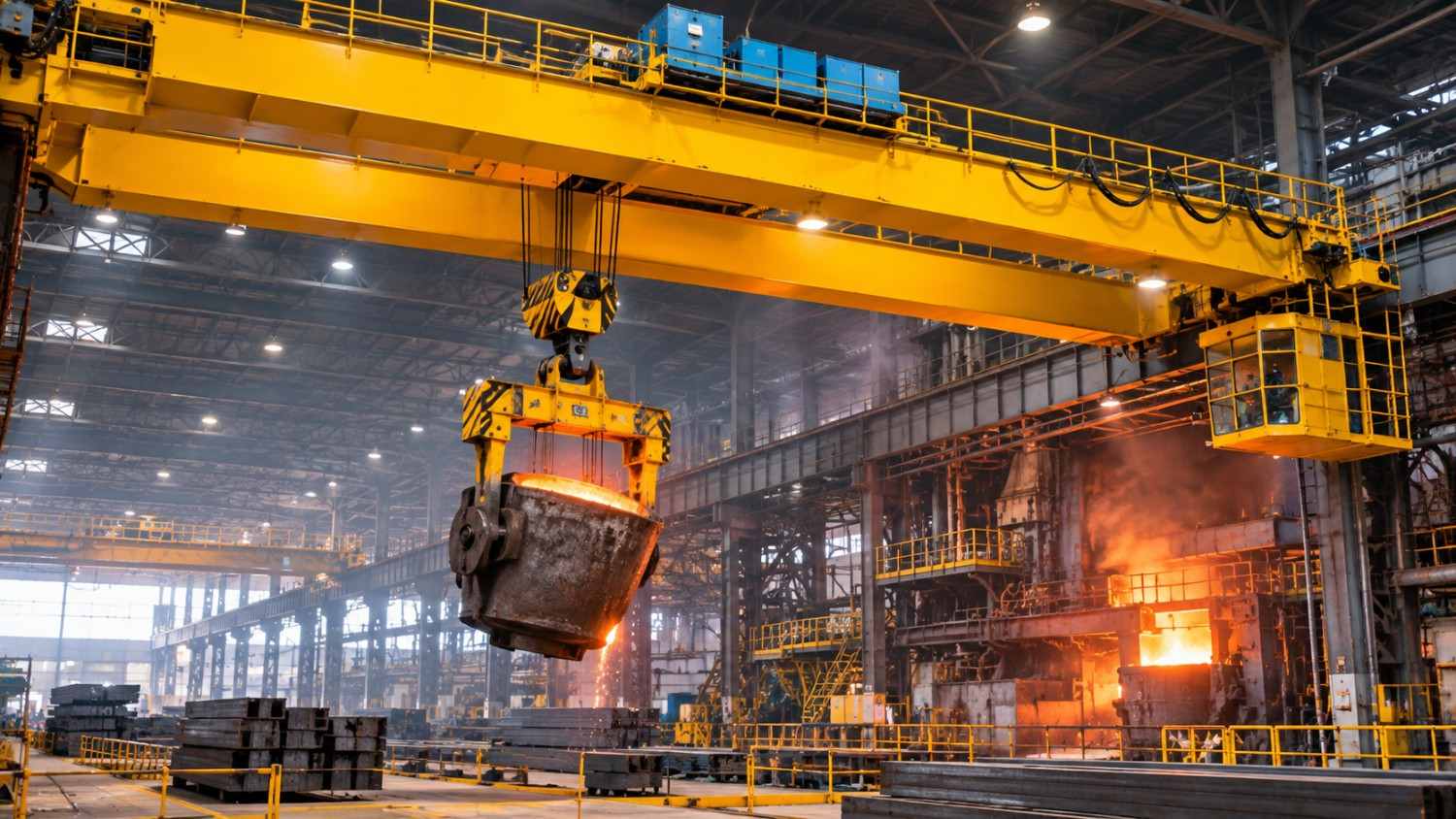
Discover how EOT cranes support steel plant operations, from material handling to molten metal lifting. Learn about crane types, duty classes, safety features, and how to choose the right EOT crane for your steel plant.
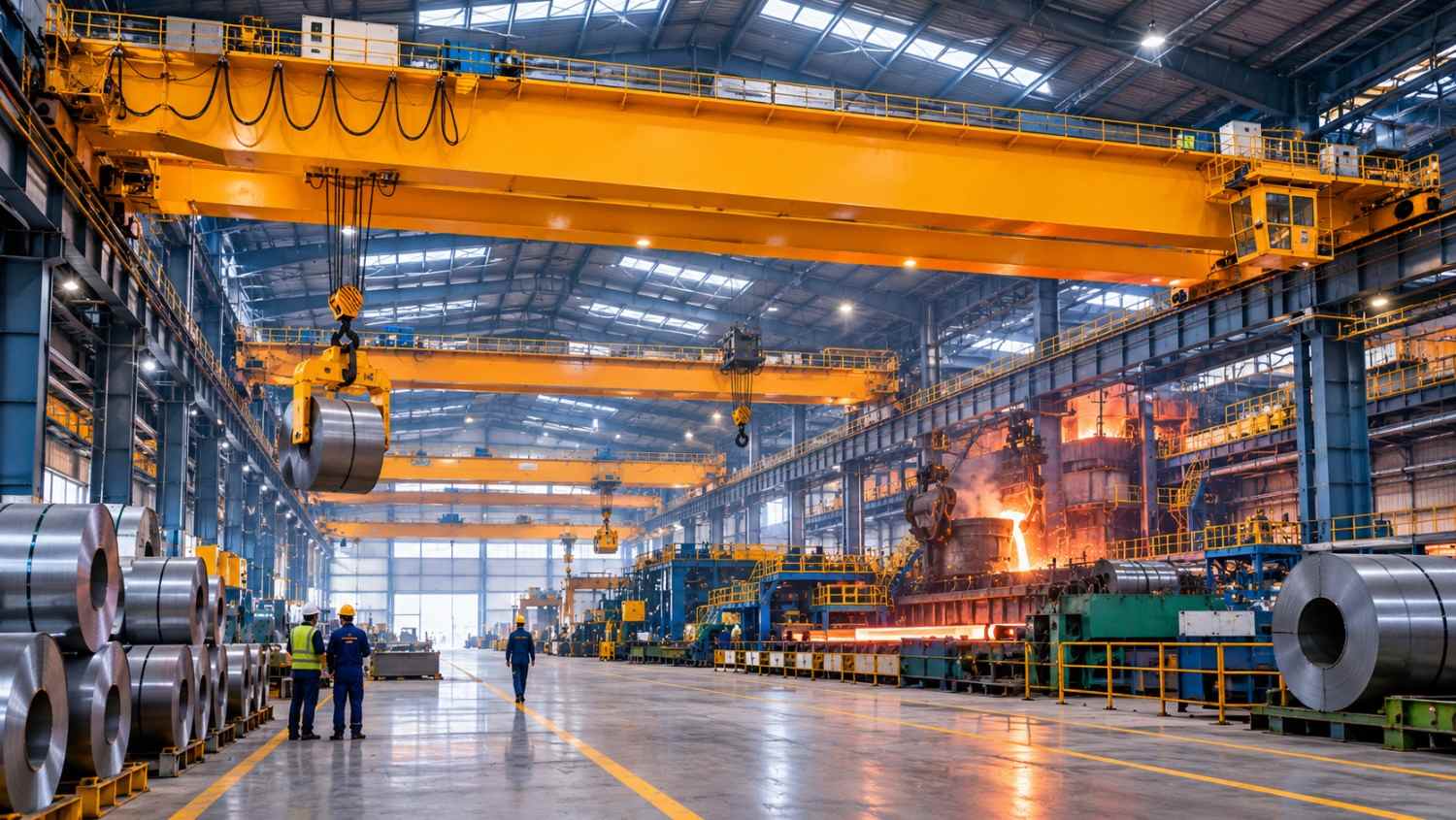
An honest, researched look at the top 5 crane manufacturers for steel plants in India, covering ladle, grab bucket, and coil handling cranes.
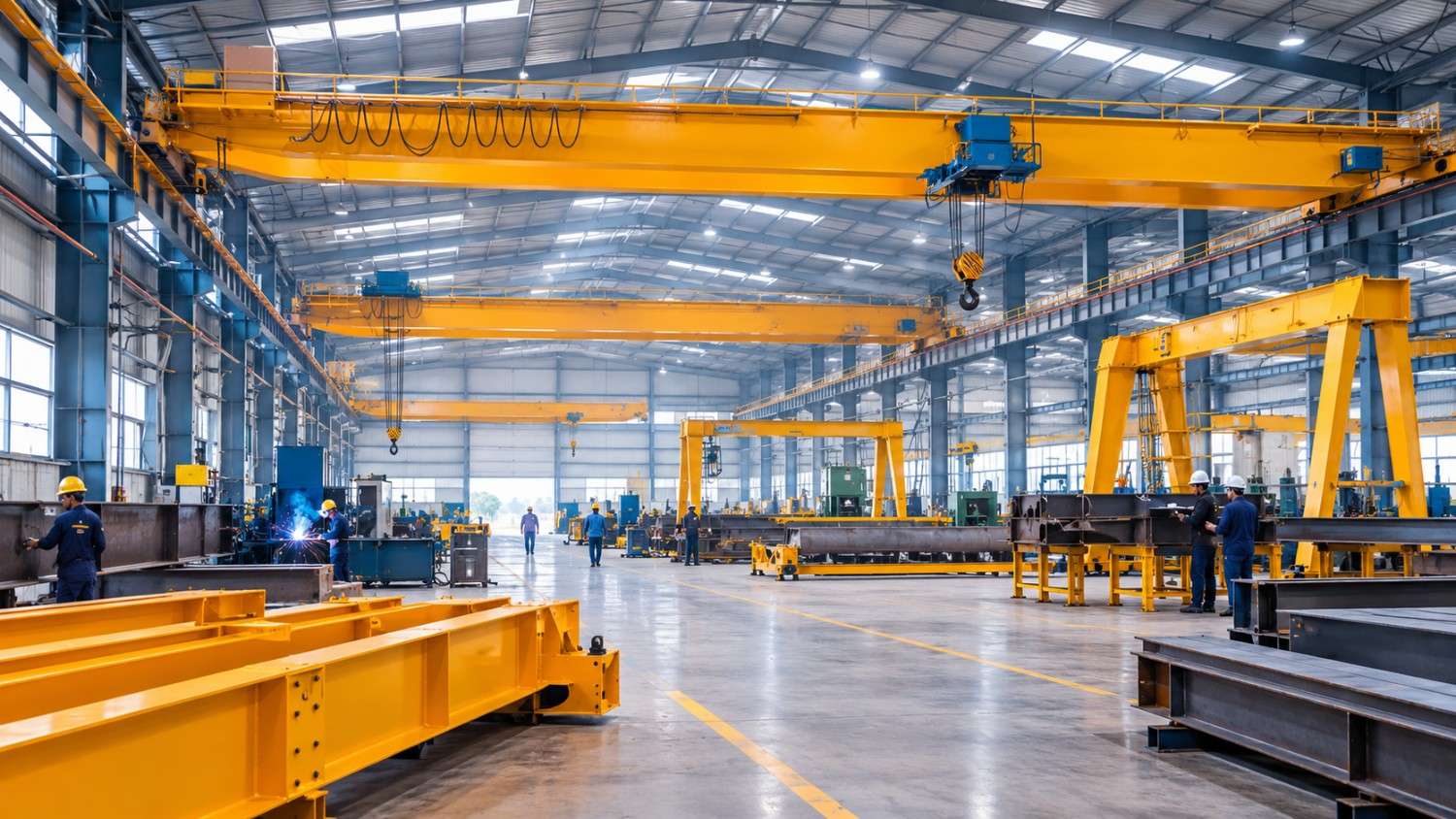
A real, researched look at the top 10 crane manufacturers in North India, covering Delhi NCR, Punjab, Haryana, UP, and Rajasthan, with what actually sets each one apart.
If you are looking for a 10 ton overhead crane for your factory or warehouse, the primary question that arises in your mind is whether this capacity will cater to your daily operations or it will turn out to be a useless and bulky addition to your storage.
Looking for a reliable partner for your next industrial project?