English
Contact
Configure
Catalog
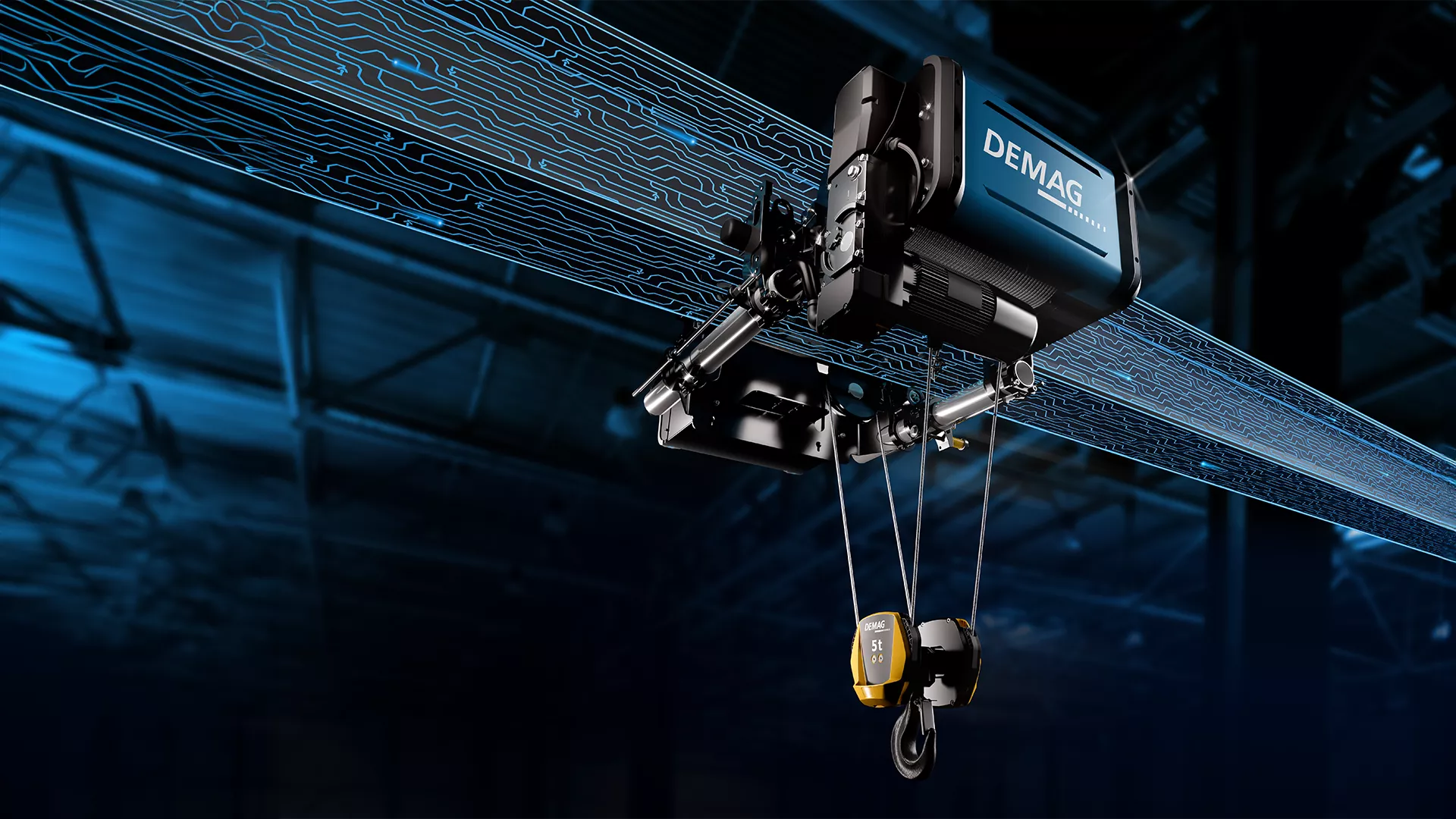
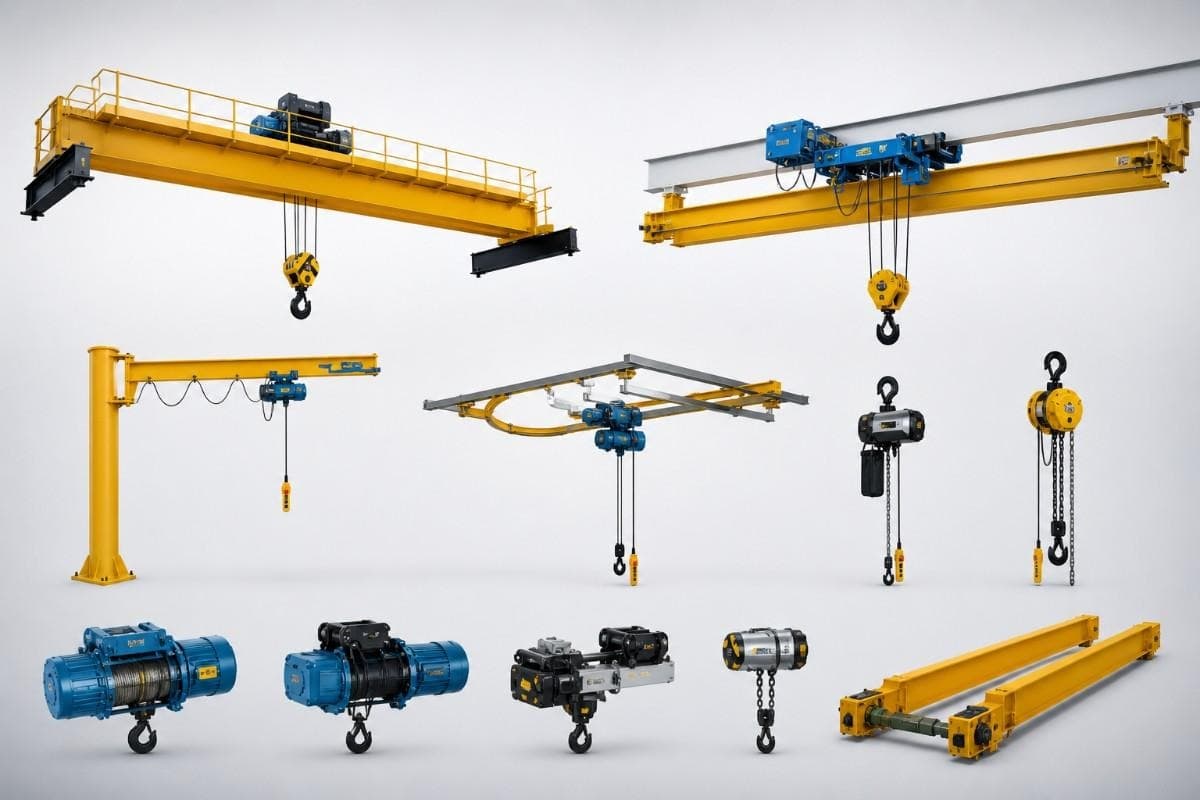
That’s why experienced gantry crane suppliers play such an important role in industrial operations. A well-designed gantry crane improves safety, reduces manual effort, and helps businesses move materials more efficiently without depending entirely on permanent overhead structures.
At Times Krane, we’ve worked with industries where flexibility matters just as much as lifting strength. Gantry cranes often become the preferred solution because they combine mobility, durability, and operational convenience in one system.
A gantry crane is a lifting system supported by legs that move on wheels or rails instead of relying entirely on building-mounted runway beams.
The crane typically includes:
You’ll commonly see gantry cranes in:
Unlike fixed overhead cranes, gantry systems offer greater flexibility for operations requiring movement across open areas.
Material handling becomes much easier when lifting systems adapt to operational needs rather than forcing the workflow to adapt around the equipment.
I’ve noticed that industries handling large outdoor materials often prefer gantry cranes because they eliminate many structural limitations associated with conventional overhead cranes.
Reliable gantry crane suppliers help businesses improve:
Different industries require different gantry crane configurations depending on their workload and environment.
This crane uses two supporting legs running on rails installed at ground level.
It is commonly used for:
One side travels on ground rails while the other operates on elevated runway systems.
Portable systems are lightweight and movable, making them ideal for maintenance workshops and smaller operations.
Designed for moderate lifting applications while maintaining a lighter structure.
Suitable for heavy-duty lifting operations requiring higher stability and load capacity.
Every gantry crane depends on several critical components working together efficiently.
The main horizontal beam supporting the hoist and trolley system.
Handles lifting and lowering operations.
Common hoist options include:
Provide structural support and stability during operation.
Moves the hoist horizontally across the bridge girder.
Allow crane movement along rails or floor surfaces.
Controls crane movements, safety systems, and operational functions.
Not all crane systems deliver the same long-term performance. Engineering quality matters more than many buyers initially realize.
When I tried evaluating lifting systems for a fabrication facility expansion project, one thing became obvious quickly. Poorly designed cranes create operational frustration far beyond the initial installation phase.
Gantry cranes work well in both indoor and outdoor environments.
Unlike traditional overhead cranes, gantry systems require less structural dependency.
Many gantry cranes can move between work areas easily.
These cranes are built to manage large and bulky materials safely.
Installation often becomes simpler compared to permanent overhead crane systems.
Gantry cranes support operations across multiple sectors.
Used for moving heavy construction materials and machinery.
Container handling operations frequently depend on gantry systems.
Steel plates, coils, and fabricated structures require reliable lifting equipment.
Large warehouses use gantry cranes for organized material movement.
Factories rely on cranes for equipment handling and production support.
At Times Krane, we’ve seen gantry cranes improve operational efficiency significantly in industries where flexibility and lifting power are equally important.
One issue I’ve noticed in busy industrial yards is how quickly ground-level congestion develops when materials depend entirely on forklifts.
Gantry cranes solve many of these problems by creating efficient overhead movement paths.
Here’s how they help:
Even small workflow improvements can create major productivity gains over time.
Choosing the right supplier involves more than comparing specifications.
Suppliers should understand industrial operating environments thoroughly.
Every facility has different lifting and layout requirements.
Modern gantry cranes should include:
Strong fabrication improves durability and long-term crane performance.
Reliable after-sales support helps minimize operational downtime.
Safety plays a critical role in every lifting operation.
Prevent lifting beyond safe operational limits.
Allow immediate operational shutdown when needed.
Alert workers during crane movement.
Helps stabilize suspended loads during travel operations.
Prevent unsafe crane movement beyond operational boundaries.
According to the Material Handling Industry Association, facilities using modern safety-equipped lifting systems reported improved workplace safety performance and reduced equipment-related incidents.
Even high-quality crane systems require regular maintenance to perform consistently.
Inspect:
Lubrication helps reduce wear and friction.
Small mechanical issues can become expensive failures if ignored too long.
Experienced operators help extend crane lifespan significantly.
In my experience, facilities that follow preventive maintenance schedules usually experience fewer operational interruptions.
Before selecting a crane system, evaluate:
I’ve noticed that businesses planning for future expansion often make smarter long-term equipment decisions compared to those focusing only on immediate needs.
At Times Krane, the focus remains on delivering dependable lifting systems designed around practical industrial requirements.
Businesses value:
For industries requiring flexible and efficient material handling, working with experienced gantry crane suppliers can improve productivity, safety, and workflow efficiency for years.
Industrial lifting technology continues evolving rapidly.
Modern gantry cranes now include:
When I visited a large manufacturing yard recently, operators were using remote-controlled gantry systems to improve handling precision and reduce material movement delays noticeably.
The future of gantry crane operations is becoming smarter, safer, and more connected.
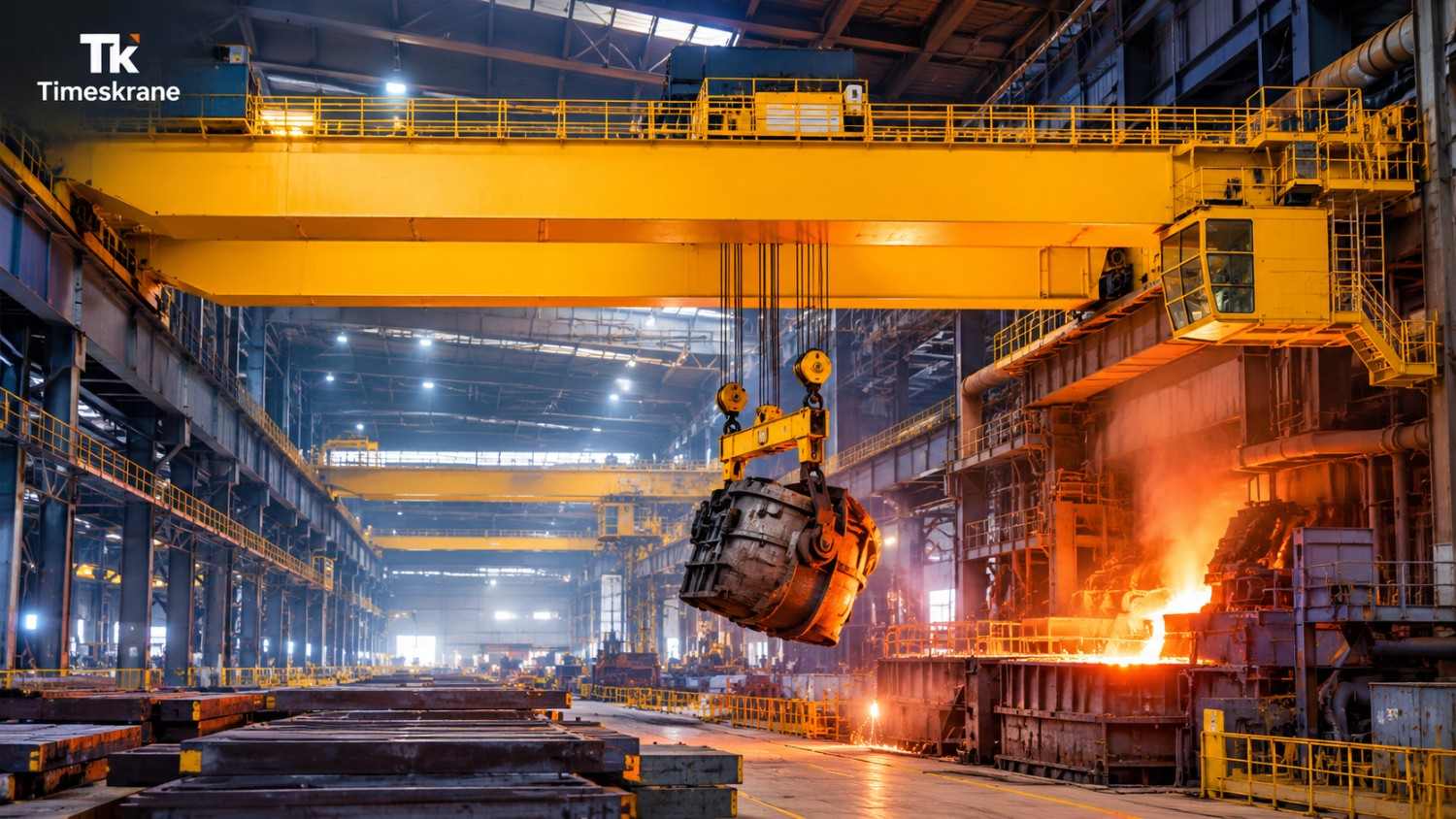
An honest breakdown of what makes a crane genuinely heavy duty for steel plant use, covering duty classification, capacity, and safety features buyers often miss.
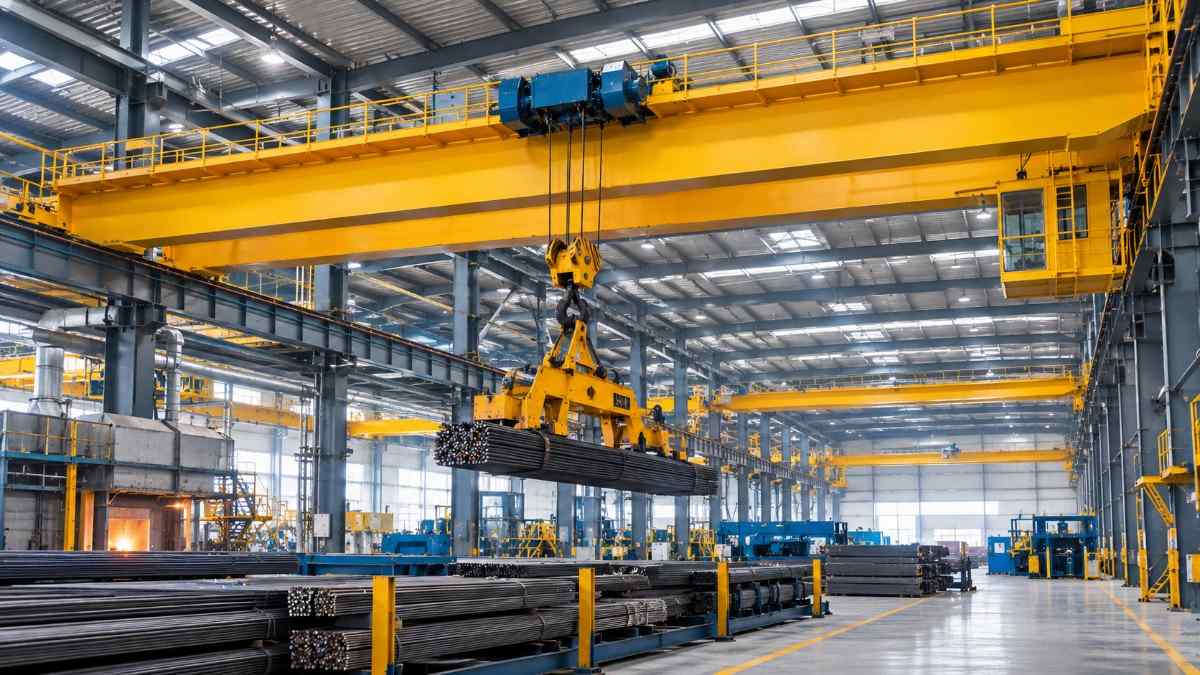
Finding the right steel plant crane manufacturer is perhaps the most important decision a procurement manager or plant owner will make. A poorly designed crane can increase both safety risks and downtime while excessively increasing maintenance costs.
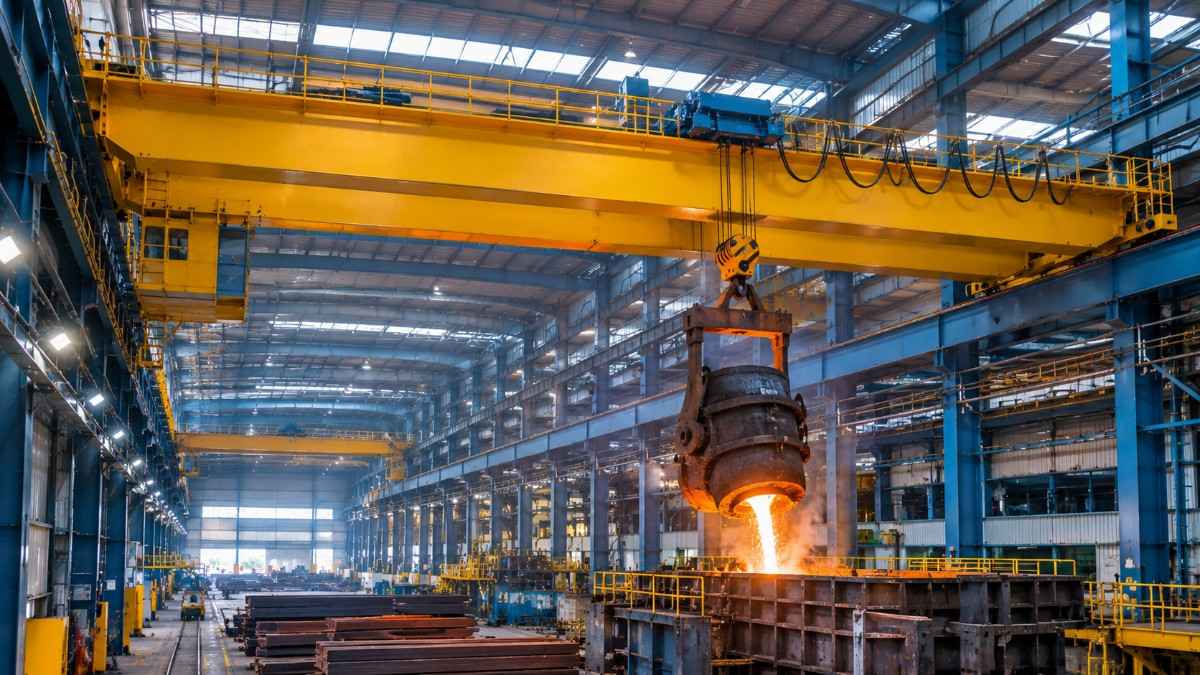
If you run or manage a steel plant, you already know that an overhead crane for steel plant operations is not a luxury. It is the backbone of your material handling process. From moving billets and coils to shifting ladles of molten metal, the right crane decides how smoothly your production line runs.
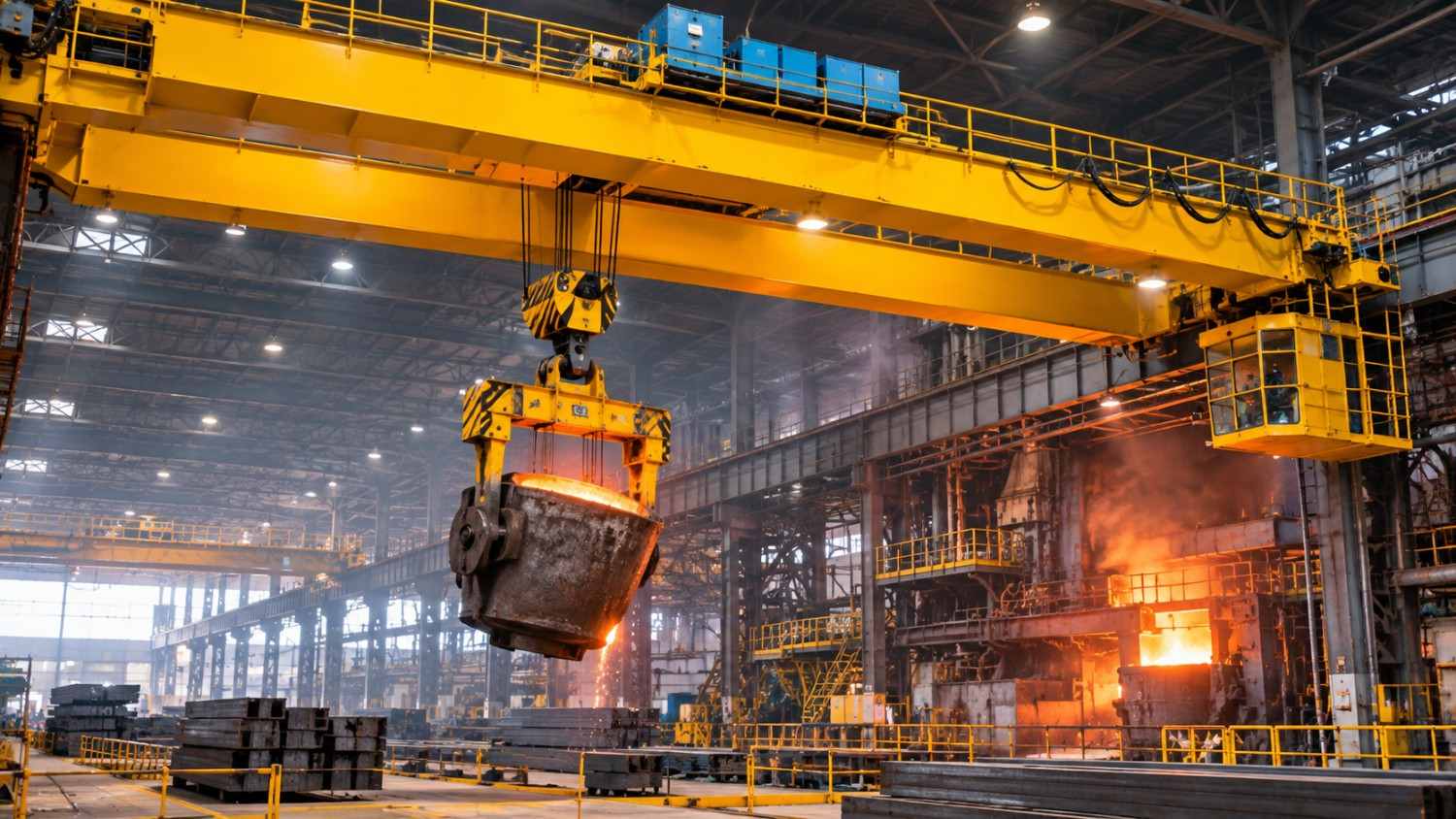
Discover how EOT cranes support steel plant operations, from material handling to molten metal lifting. Learn about crane types, duty classes, safety features, and how to choose the right EOT crane for your steel plant.
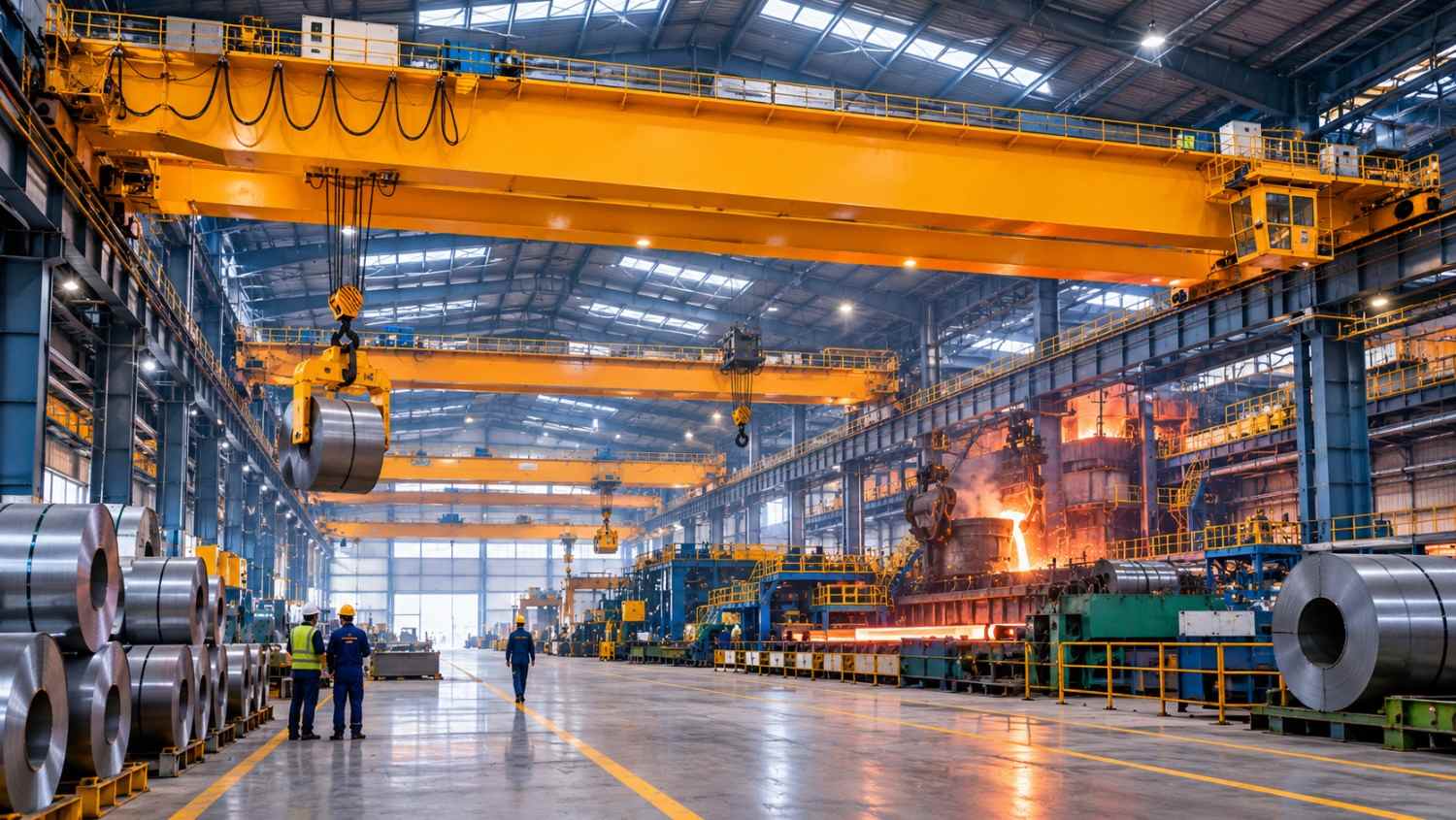
An honest, researched look at the top 5 crane manufacturers for steel plants in India, covering ladle, grab bucket, and coil handling cranes.
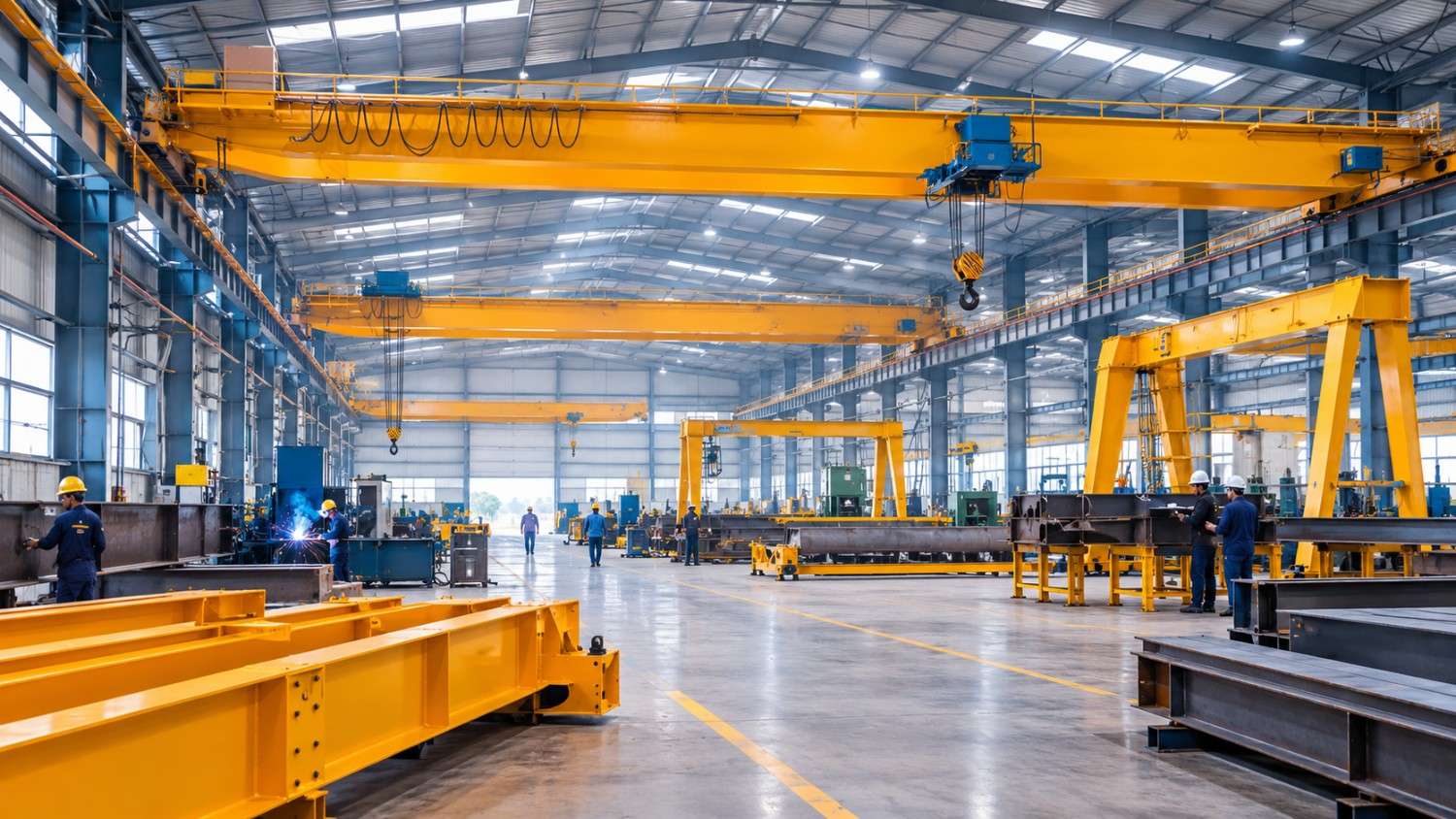
A real, researched look at the top 10 crane manufacturers in North India, covering Delhi NCR, Punjab, Haryana, UP, and Rajasthan, with what actually sets each one apart.
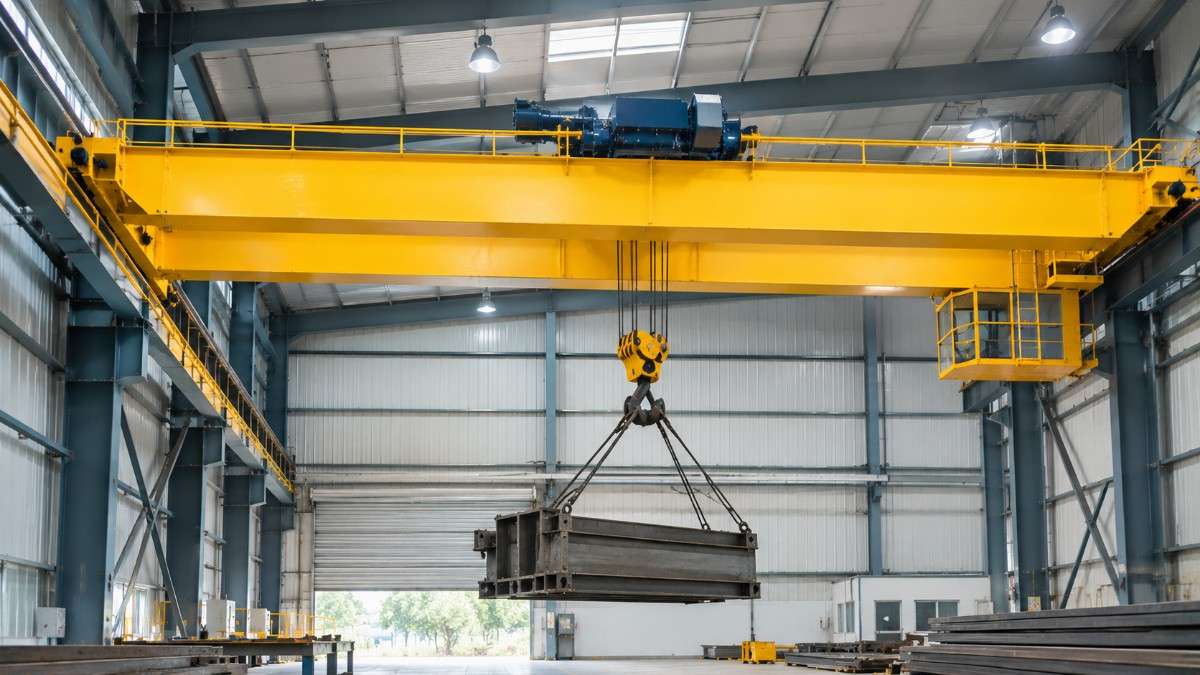
If you are looking for a 10 ton overhead crane for your factory or warehouse, the primary question that arises in your mind is whether this capacity will cater to your daily operations or it will turn out to be a useless and bulky addition to your storage.
Looking for a reliable partner for your next industrial project?