English
Contact
Configure
Catalog
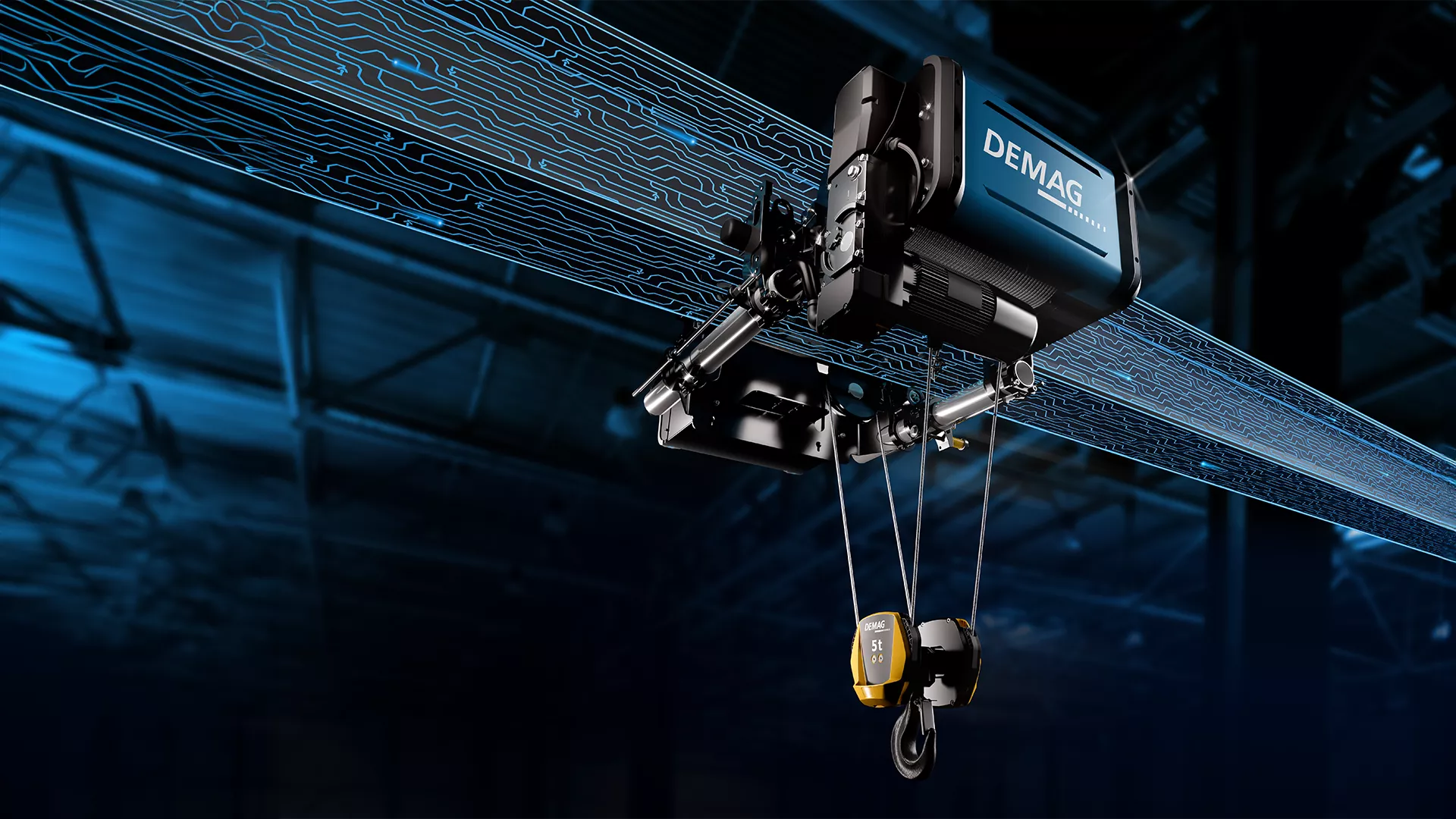

At Times Krane, we understand that every lifting application is different. From compact workshop cranes to high-capacity outdoor lifting systems, selecting the ideal gantry crane requires careful planning and technical knowledge. This guide explains everything you should know before investing in a gantry crane, including types, applications, benefits, selection factors, and industry best practices.
Quick Answer:
Gantry crane manufacturers in India design, manufacture, install, and maintain gantry cranes used for lifting and moving heavy materials across industrial facilities, warehouses, construction sites, ports, and fabrication workshops.
Unlike conventional overhead cranes that rely on building columns, a gantry crane is supported by its own legs. These legs travel on rails or wheels, allowing the crane to operate independently without requiring an existing building structure.
Leading manufacturers typically provide:
Standard gantry cranes
Custom-designed lifting systems
Installation and commissioning
Preventive maintenance
Spare parts support
Crane modernization
Inspection and testing services
One thing many buyers overlook is that the manufacturer plays a much bigger role than simply building the equipment. Their engineering capability, quality control, after-sales service, and understanding of industry requirements can significantly influence the crane's long-term reliability.
Quick Answer:
A gantry crane is a lifting machine supported by legs that move on rails or wheels, enabling heavy loads to be transported across open or indoor workspaces without depending on the building structure.
A typical gantry crane consists of several important components:
Gantry girder
End carriages
Supporting legs
Electric hoist
Trolley mechanism
Control panel
Travel drive
Wheels or rail system
Electrical safety systems
The gantry girder acts as the primary load-bearing beam. It supports the hoist and trolley while maintaining structural stability during lifting operations.
From practical use, I've noticed that businesses often underestimate the importance of selecting the correct girder design. A properly engineered gantry girder improves load distribution, minimizes structural stress, and contributes to smoother crane movement over many years.
Quick Answer:
Industries choose gantry cranes because they provide flexible lifting without requiring expensive building modifications, making them suitable for indoor and outdoor material handling.
Compared to many fixed lifting systems, gantry cranes offer greater operational flexibility.
Some of their key advantages include:
Easy installation
Lower civil construction requirements
Excellent mobility
High lifting capacities
Efficient material movement
Suitable for outdoor operations
Adaptable to different industries
Lower infrastructure investment
For expanding manufacturing units, a gantry crane often proves to be a practical solution because it can be installed where overhead runway structures are not available.
In my experience, companies planning future plant expansion appreciate this flexibility. The crane can often be integrated into new layouts without major structural changes.
Quick Answer:
Different industries require different gantry crane designs depending on load capacity, workspace, operating environment, and lifting frequency.
A single girder gantry crane uses one main bridge girder and is suitable for light to medium-duty applications.
Common uses include:
Engineering workshops
Warehouses
Maintenance facilities
Fabrication units
Small manufacturing plants
Benefits include:
Lower structural weight
Reduced maintenance
Cost-effective installation
Efficient material handling
Double girder gantry cranes are designed for demanding industrial environments where heavier loads and higher lifting heights are required.
Typical applications include:
Steel plants
Heavy engineering
Cement industries
Power projects
Shipbuilding yards
Advantages include:
Higher load capacity
Greater lifting height
Better stability
Longer spans
Improved durability
A semi gantry crane combines one runway supported by the building with one supporting leg traveling on the floor.
This configuration is suitable where:
Floor space is limited.
Existing building structures can support one side.
Expansion projects require partial crane systems.
Portable gantry cranes are compact systems mounted on lockable wheels.
They are ideal for:
Equipment maintenance
Small workshops
Repair facilities
Machine installation
Temporary lifting tasks
Rail mounted gantry cranes are widely used in:
Container terminals
Railway yards
Large fabrication plants
Steel stockyards
These cranes deliver accurate positioning and can handle repetitive heavy-duty operations efficiently.
Quick Answer:
Gantry crane systems are used across industries that require safe and efficient handling of heavy materials, machinery, fabricated components, or containers.
Some of the major sectors include:
Factories use gantry cranes for moving raw materials, machine parts, finished products, and heavy assemblies between production stages.
Steel fabrication facilities frequently lift:
Structural beams
Pipes
Steel plates
Coils
Fabricated assemblies
The strength and stability of gantry cranes make them well suited for these demanding environments.
Large infrastructure and construction sites depend on gantry cranes to handle:
Precast concrete sections
Steel structures
Heavy equipment
Construction materials
Because these projects often operate outdoors, gantry cranes provide an effective alternative to permanent overhead crane installations.
Warehouses handling oversized or heavy products use gantry cranes for faster loading, unloading, stacking, and inventory movement while reducing manual handling risks.
Shipbuilding operations require cranes capable of moving large fabricated components with precision. Double girder gantry cranes are commonly selected for these demanding applications due to their higher lifting capacities and stable operation.
Quick Answer:
The best gantry crane manufacturers in India combine engineering expertise, certified manufacturing processes, quality materials, reliable service support, and customized solutions that match your operational needs.
Selecting a crane is a long-term investment. A well-built gantry crane can deliver dependable performance for decades when designed, installed, and maintained correctly.
Before making your decision, evaluate the manufacturer based on the following factors.
Choose a company with proven experience in designing and manufacturing industrial lifting equipment.
Experienced manufacturers understand:
Load dynamics
Structural engineering
Duty classifications
Site-specific challenges
Industry compliance
I've noticed that manufacturers with years of project experience are often better equipped to recommend practical solutions instead of offering a standard design for every application.
Every facility has different requirements.
Look for manufacturers that can customize:
Span
Lifting height
Safe Working Load (SWL)
Hoist speed
Trolley speed
Crane travel speed
Control options
Electrical systems
Custom-built cranes usually deliver better efficiency than one-size-fits-all equipment.
A reliable manufacturer follows recognized engineering and quality standards.
Consider companies that work in accordance with:
ISO Quality Management Systems
BIS (Bureau of Indian Standards) guidelines
IS standards applicable to crane manufacturing
FEM design recommendations where required
Following established standards helps improve product consistency and workplace safety.
A crane continues to perform well only when backed by dependable service.
Check whether the manufacturer provides:
Installation
Commissioning
Preventive maintenance
Spare parts
Breakdown support
Annual inspections
Operator guidance
One thing many buyers overlook is the availability of spare parts after installation. Quick access to components can reduce downtime and help maintain production schedules.
| Feature | Single Girder | Double Girder | Semi Gantry | Portable Gantry |
|---|---|---|---|---|
| Load Capacity | Light to Medium | Medium to Heavy | Medium | Light |
| Lifting Height | Moderate | High | Moderate | Low |
| Installation Cost | Lower | Higher | Moderate | Low |
| Outdoor Use | Yes | Yes | Limited | Limited |
| Best For | Workshops | Heavy Industries | Expansion Projects | Maintenance Work |
| Customization | High | Very High | High | Moderate |
Quick Answer:
A well-engineered gantry crane improves productivity, workplace safety, material handling efficiency, and equipment reliability while reducing operational interruptions.
Some of the biggest advantages include:
Heavy loads can be moved quickly and accurately with minimal manual effort.
Proper lifting equipment helps reduce accidents associated with manual handling.
Organizations such as OSHA emphasize safe lifting practices and routine equipment inspections to reduce workplace risks.
Since gantry cranes operate independently, they make better use of available floor space.
Many gantry systems can be modified to accommodate changing production requirements.
Quality materials, precision fabrication, and scheduled maintenance contribute to dependable performance over many years.
Gantry cranes are suitable for a wide range of industrial operations.
They are commonly used for:
Machine assembly
Heavy equipment maintenance
Fabrication work
Steel stockyards
Automobile manufacturing
Aerospace components
Railway workshops
Power plants
Mining equipment
Cement plants
Ports and logistics terminals
Wind energy projects
From practical use, I've worked with facilities where replacing forklifts with strategically positioned gantry cranes significantly improved workflow for oversized components that were difficult to transport safely.
Quick Answer:
Routine inspection, preventive maintenance, lubrication, and operator training help extend the life of a gantry crane while improving safety.
Follow these best practices:
Inspect wire ropes before operation.
Check hooks for wear or deformation.
Lubricate moving components regularly.
Test brakes periodically.
Inspect electrical wiring.
Monitor wheel alignment.
Keep rails free from debris.
Verify limit switches.
Tighten structural fasteners.
Schedule annual professional inspections.
The Bureau of Indian Standards (BIS) and international safety standards recommend periodic inspections for lifting equipment used in industrial environments.
Buying the wrong crane can lead to higher operating costs and reduced efficiency.
Avoid these common mistakes:
Choosing a crane based only on initial cost.
Ignoring future expansion requirements.
Underestimating lifting frequency.
Selecting incorrect duty classification.
Not verifying available headroom.
Overlooking after-sales service.
Ignoring maintenance planning.
Purchasing without a proper site assessment.
In my experience, the most expensive mistake is selecting a crane with insufficient capacity for future production growth. Replacing or upgrading equipment later often costs much more than choosing the right specification at the beginning.
Keep these recommendations in mind before placing an order:
Define your maximum lifting capacity.
Measure available workspace accurately.
Evaluate daily operating cycles.
Consider future production expansion.
Verify foundation or rail requirements.
Ask about installation timelines.
Confirm spare parts availability.
Review maintenance support options.
Request load testing documentation.
Choose an experienced engineering partner rather than only comparing quotations.
As noted by the International Organization for Standardization (ISO), maintaining documented quality processes contributes to consistent manufacturing and dependable equipment performance.
At Times Krane, we combine decades of engineering knowledge with modern manufacturing practices to deliver dependable material handling solutions for industries across India.
Our strengths include:
Customized gantry crane solutions
Experienced engineering team
High-quality manufacturing
Strict quality inspections
Reliable installation support
Preventive maintenance services
Genuine spare parts
Customer-focused technical assistance
Whether your project requires a compact workshop crane or a heavy-duty industrial gantry system, our team works closely with you to recommend the most suitable solution based on your application and operational requirements.
Finding the right gantry crane manufacturers in India involves much more than comparing specifications. The ideal partner understands your lifting requirements, designs equipment around your application, follows recognized engineering standards, and continues to support your operations long after installation.
By considering crane type, duty cycle, structural design, maintenance requirements, and long-term service support, you can make an informed investment that improves productivity and workplace safety for years to come.
If you're looking for dependable gantry cranes, customized gantry systems, and expert engineering support, Times Krane is ready to help you identify the right solution for your facility with quality-focused manufacturing and dedicated customer service.
Gantry cranes are self-supporting lifting systems suitable for indoor and outdoor industrial applications.
Choosing experienced gantry crane manufacturers in India improves long-term reliability and operational efficiency.
Single girder, double girder, semi gantry, and portable gantry cranes each serve different lifting requirements.
Proper maintenance significantly extends crane life and enhances workplace safety.
Selecting the right duty classification, load capacity, and manufacturer is essential for a successful investment.
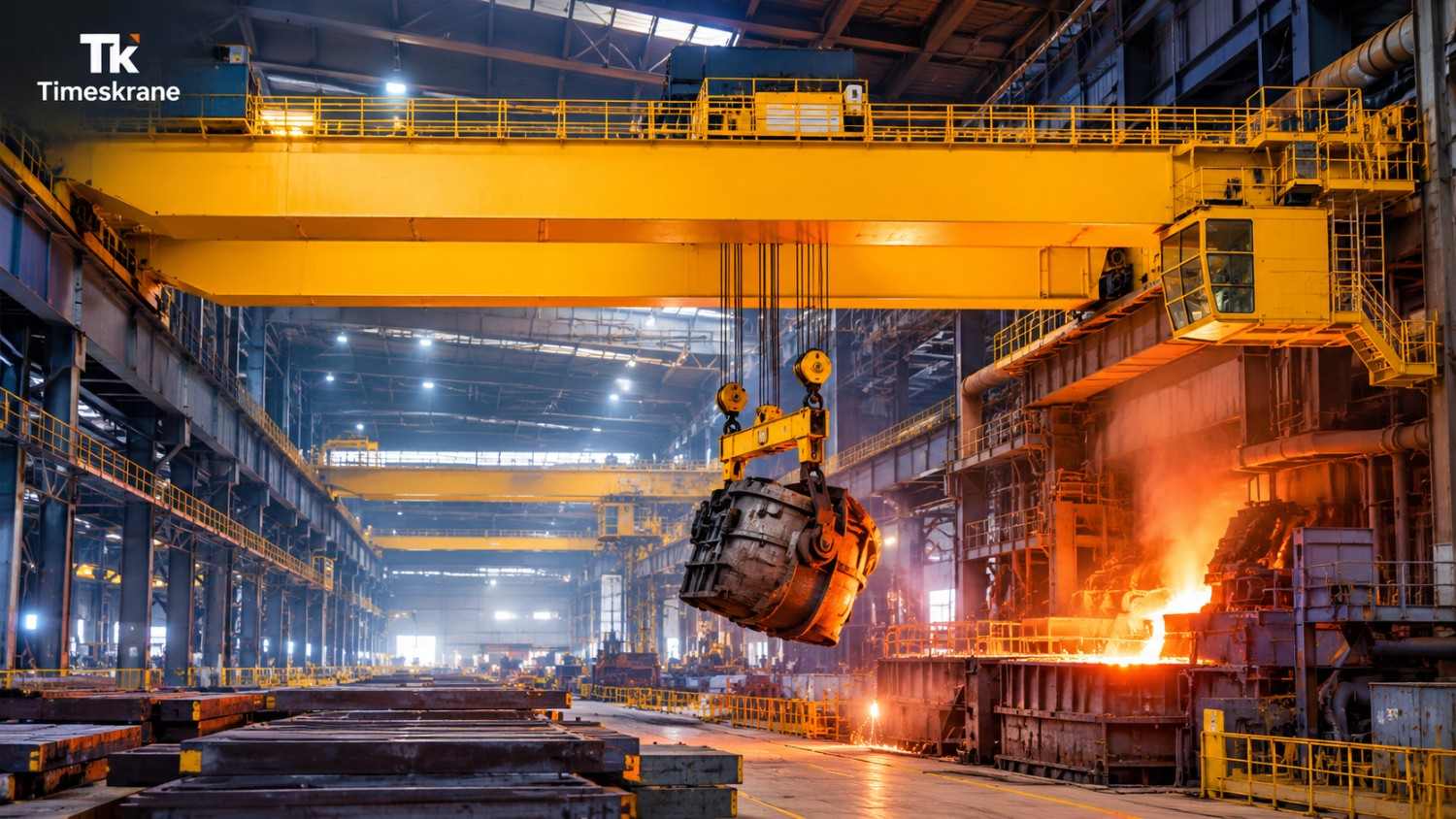
An honest breakdown of what makes a crane genuinely heavy duty for steel plant use, covering duty classification, capacity, and safety features buyers often miss.
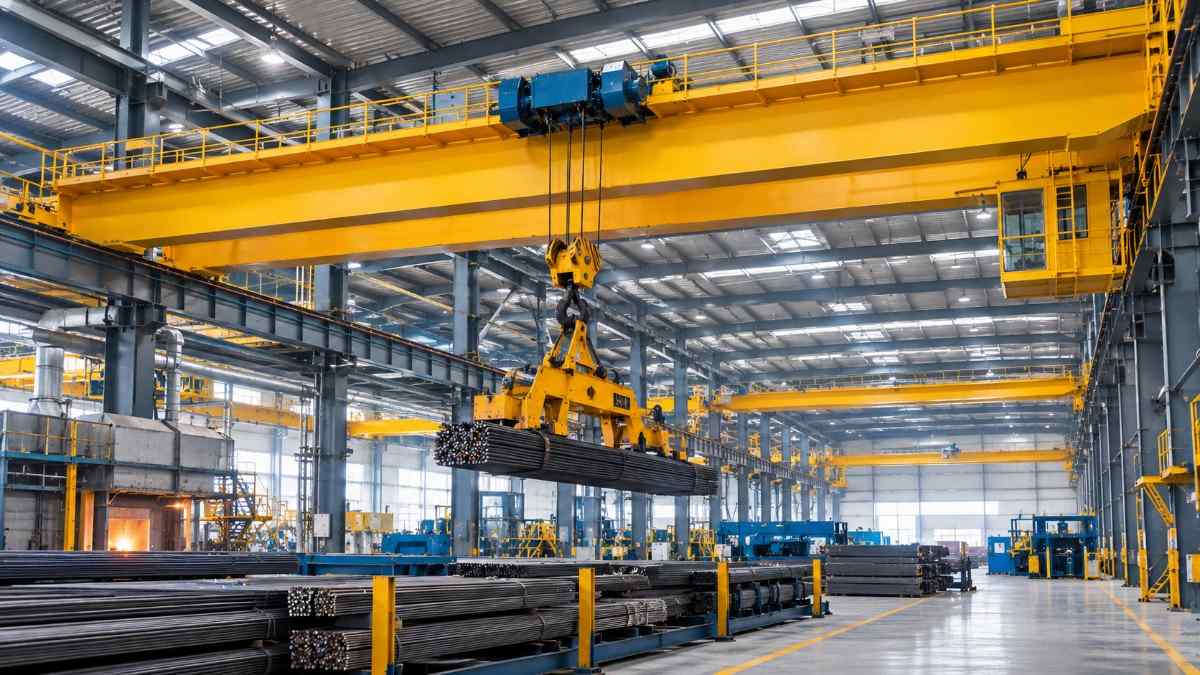
Finding the right steel plant crane manufacturer is perhaps the most important decision a procurement manager or plant owner will make. A poorly designed crane can increase both safety risks and downtime while excessively increasing maintenance costs.
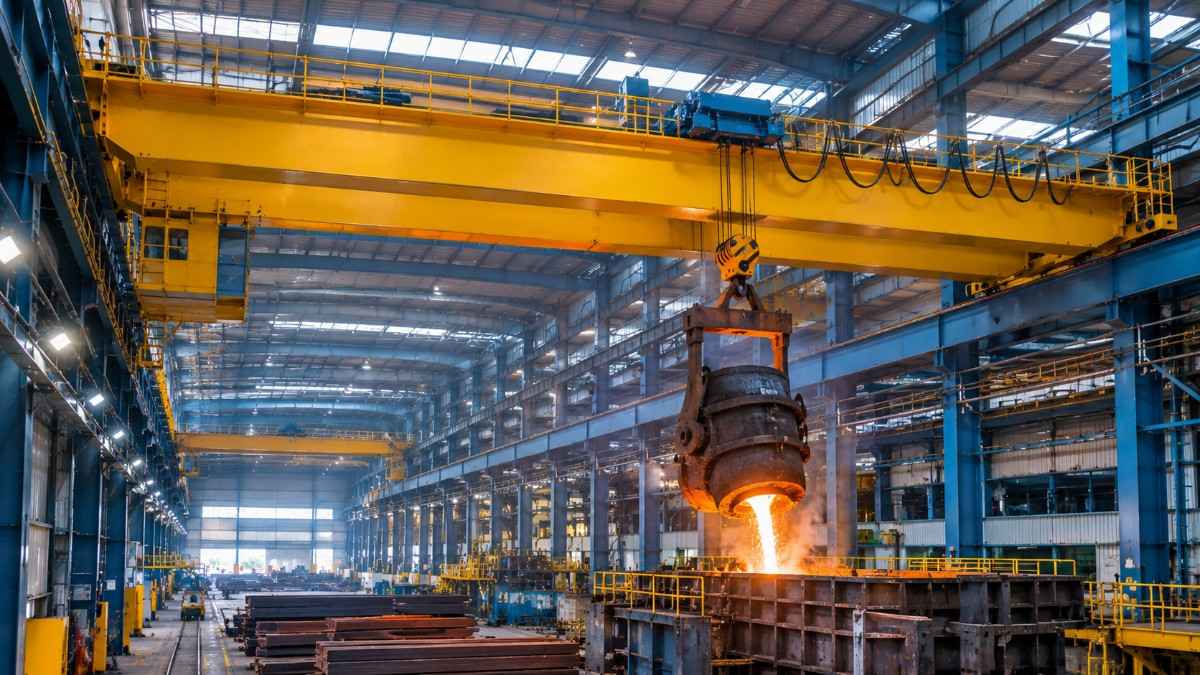
If you run or manage a steel plant, you already know that an overhead crane for steel plant operations is not a luxury. It is the backbone of your material handling process. From moving billets and coils to shifting ladles of molten metal, the right crane decides how smoothly your production line runs.
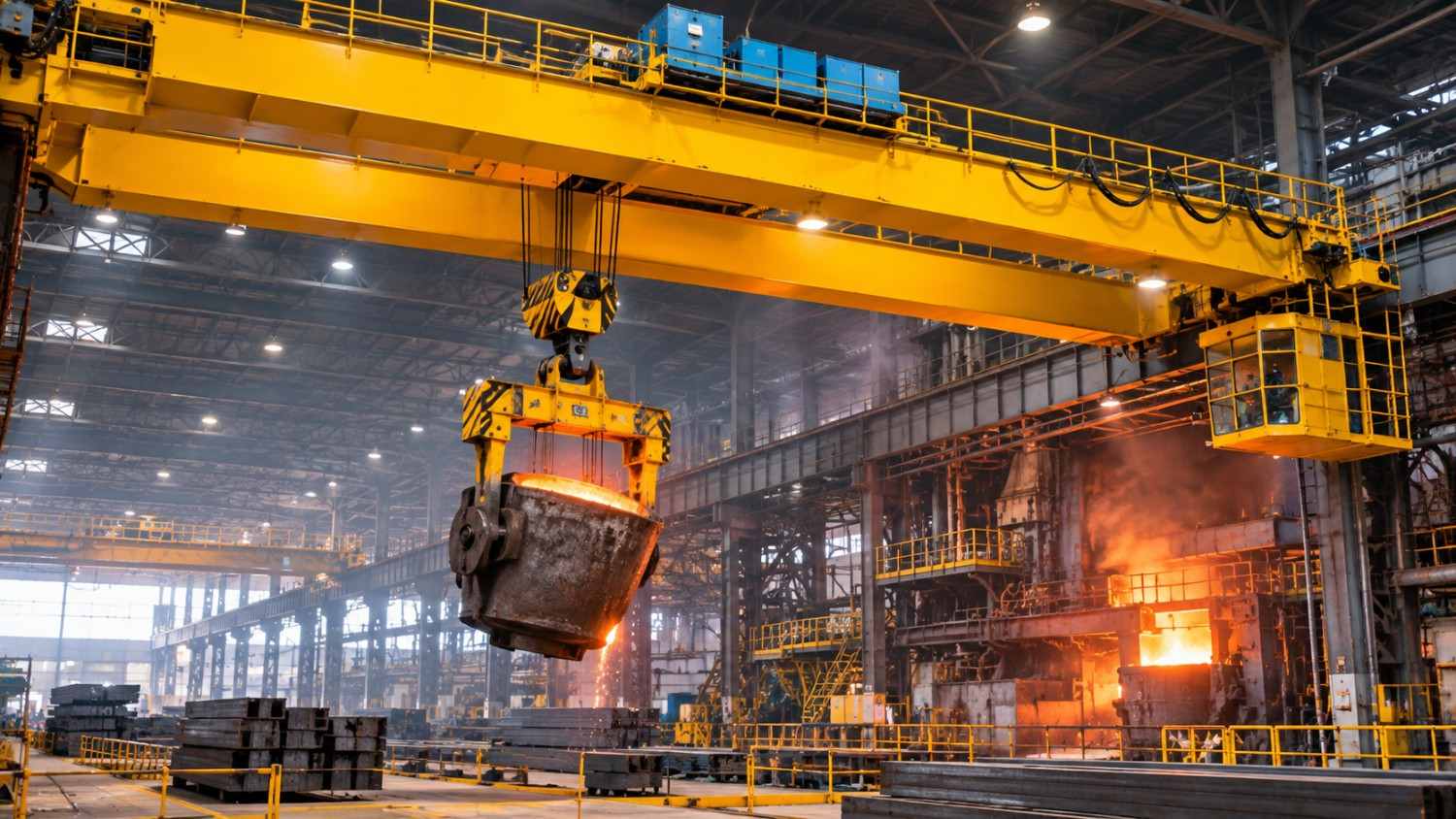
Discover how EOT cranes support steel plant operations, from material handling to molten metal lifting. Learn about crane types, duty classes, safety features, and how to choose the right EOT crane for your steel plant.
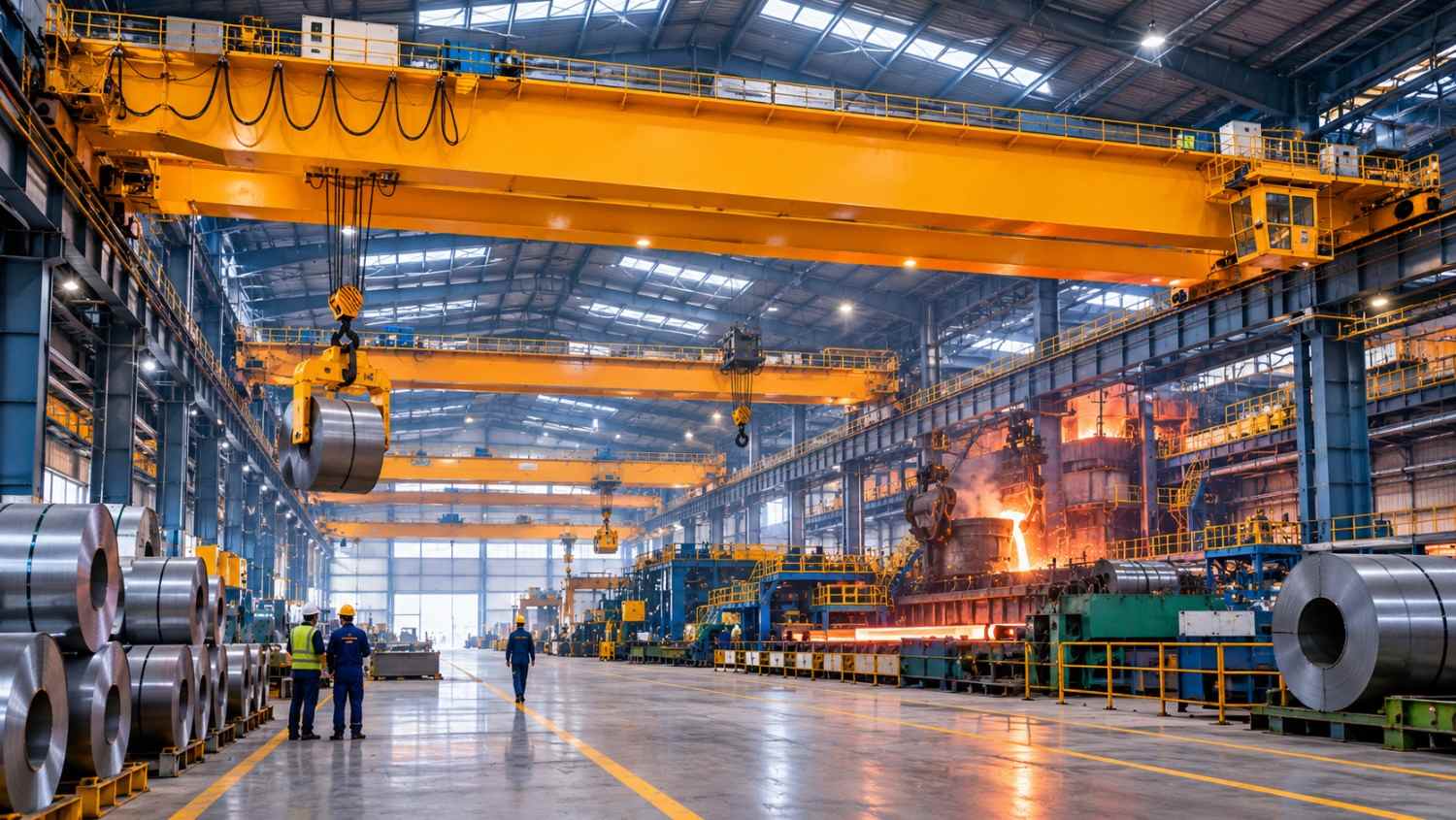
An honest, researched look at the top 5 crane manufacturers for steel plants in India, covering ladle, grab bucket, and coil handling cranes.
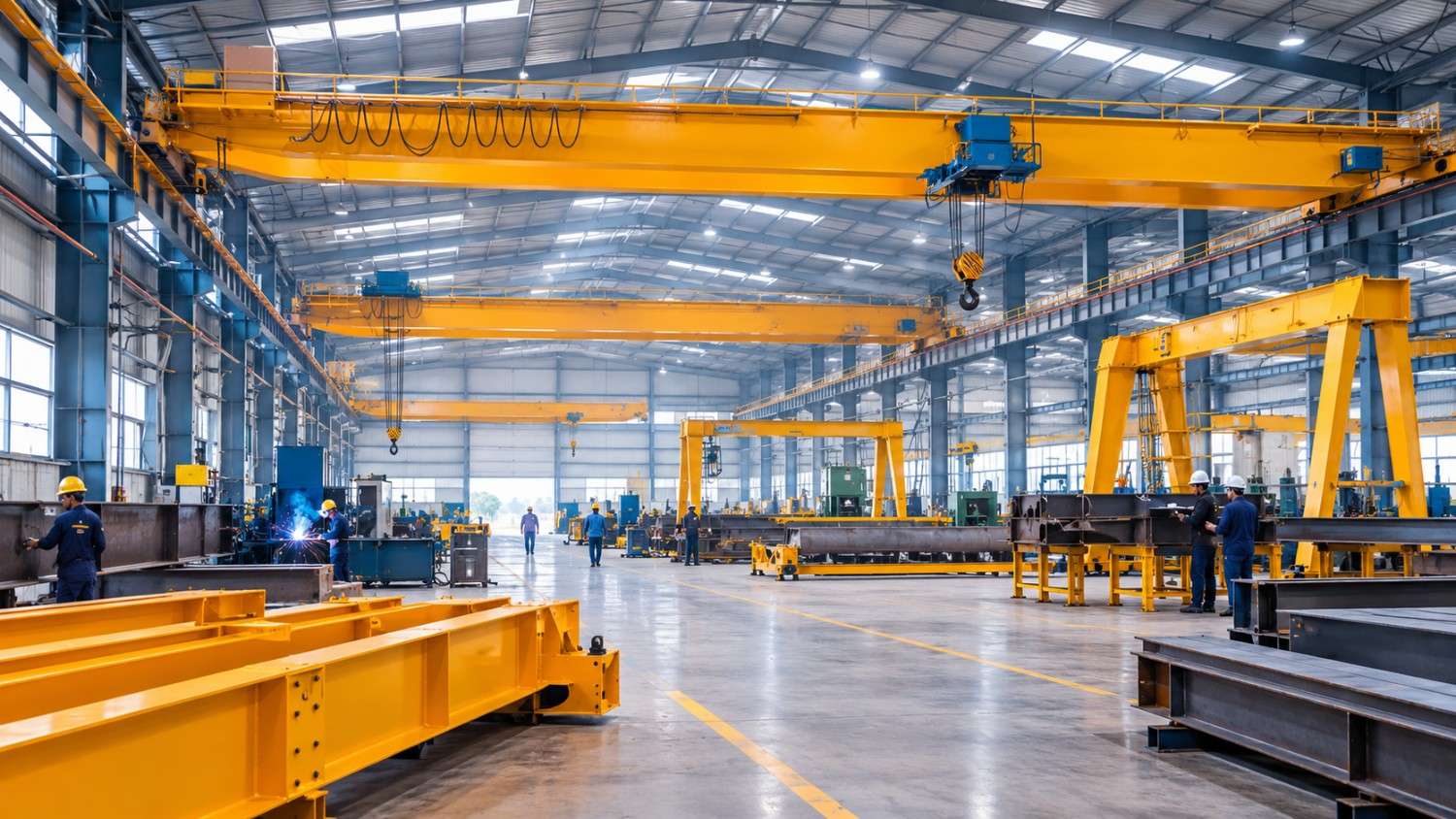
A real, researched look at the top 10 crane manufacturers in North India, covering Delhi NCR, Punjab, Haryana, UP, and Rajasthan, with what actually sets each one apart.
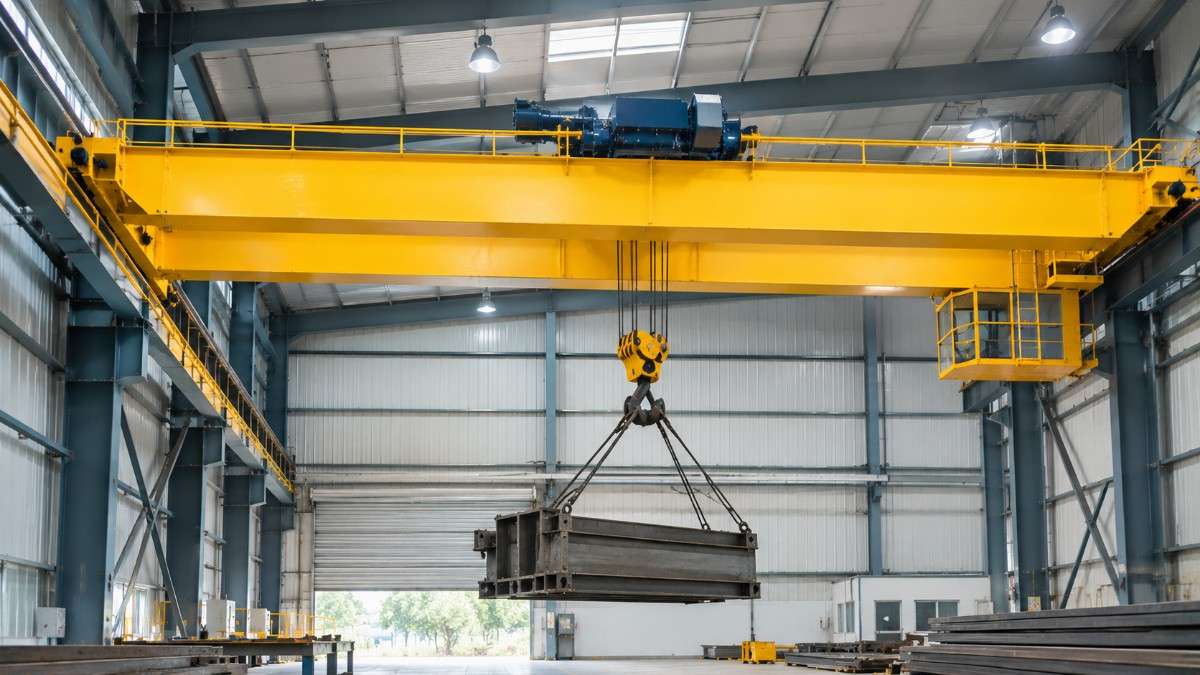
If you are looking for a 10 ton overhead crane for your factory or warehouse, the primary question that arises in your mind is whether this capacity will cater to your daily operations or it will turn out to be a useless and bulky addition to your storage.
Looking for a reliable partner for your next industrial project?