English
Contact
Configure
Catalog
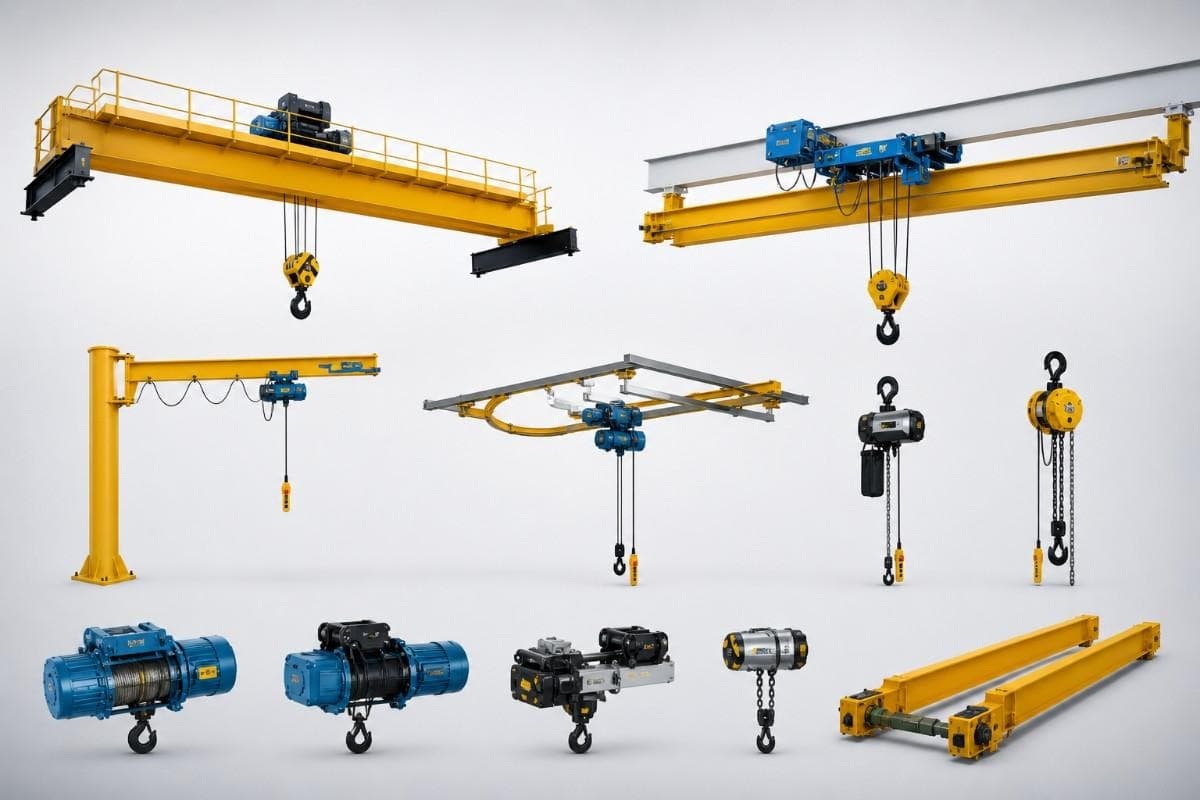
Whether you're planning a new facility, upgrading existing equipment, or simply learning about industrial lifting systems, knowing the different EOT crane types helps you make smarter decisions. Each crane type is designed for specific applications, load capacities, and operational environments.
At Times Krane, we've seen businesses significantly improve productivity simply by selecting the right crane configuration for their unique requirements.
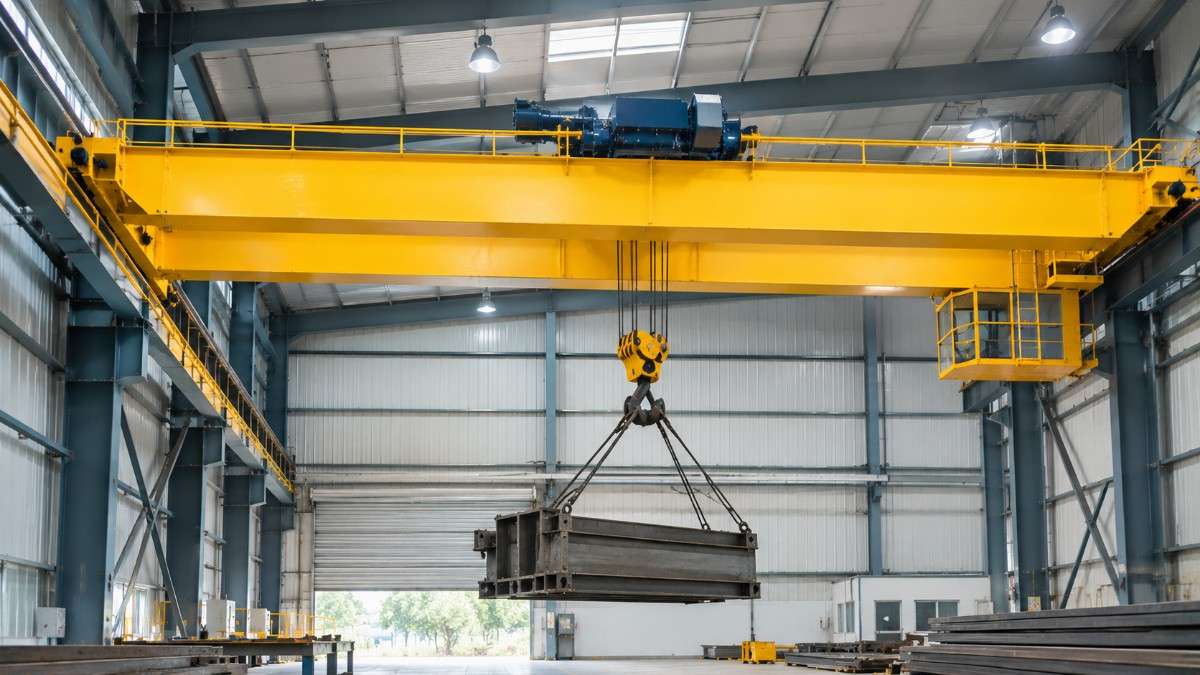
An EOT (Electric Overhead Traveling) crane is a material handling system used to lift, move, and position heavy loads within a facility. These cranes operate on elevated runway beams and travel across designated work areas.
Think of an EOT crane as a giant overhead helper that can safely move loads weighing several tons while keeping your factory floor clear and organized.
The main components include:
These components work together to ensure efficient and safe lifting operations.
Not every crane is suitable for every facility.
A warehouse handling packaged goods has very different lifting requirements than a steel fabrication plant moving heavy structural components. Selecting the wrong crane type can reduce efficiency, increase maintenance requirements, and create operational bottlenecks.
I've noticed that companies often focus only on lifting capacity while overlooking factors like span length, building design, hook height, and workflow patterns. Those details often determine long-term success.
Understanding different EOT crane types helps you choose equipment that aligns with your operational goals.
Let's explore the most common crane configurations and where they perform best.
The single girder crane is one of the most widely used EOT crane types in industrial facilities.
In this design, the hoist travels beneath a single bridge girder.
When I tried evaluating lifting systems for a medium-sized fabrication workshop, the single girder configuration often emerged as the most practical solution due to its versatility and efficient use of space.
Among all EOT crane types, double girder cranes are known for handling demanding industrial operations.
These cranes feature two bridge girders with the trolley positioned on top.
I've noticed that facilities with large and repetitive lifting operations often prefer double girder systems because they deliver outstanding reliability under demanding conditions.
A top running crane operates on rails mounted above runway beams.
The crane bridge travels on top of the runway system, maximizing lifting height.
Many modern industrial facilities choose top running cranes because they offer excellent lifting efficiency while accommodating heavy loads.
Underslung cranes operate beneath runway beams rather than on top of them.
This configuration is particularly useful in facilities with structural limitations.
An underslung crane can often provide a practical solution when conventional crane installations are not feasible.
Although technically different from traditional bridge cranes, monorail systems are often discussed alongside various EOT crane types.
These systems move loads along a single fixed path.
Workstation cranes are designed for lighter lifting applications and ergonomic material handling.
These cranes help reduce worker fatigue while improving operational efficiency.
Process cranes are highly specialized systems built for continuous industrial processes.
These cranes are engineered for environments where downtime is simply not an option.
Technology continues to reshape material handling systems.
Modern EOT crane types increasingly incorporate automation and digital controls.
According to a report from the Material Handling Industry Association, facilities implementing automation-driven lifting systems often experience measurable improvements in productivity and operational safety.
Selecting the right crane requires more than simply comparing specifications.
Consider the following factors:
Determine the maximum load the crane must handle safely.
The width of your facility influences crane design requirements.
Vertical lifting requirements affect crane configuration.
How frequently will the crane operate?
The facility's structural design impacts installation possibilities.
Choose a system that can support future operational growth.
In my experience, businesses that evaluate long-term operational needs often achieve better returns from their crane investment than those focused solely on immediate requirements.
| Crane Type | Best For | Load Handling |
|---|---|---|
| Single Girder | General manufacturing | Medium-duty |
| Double Girder | Heavy industries | Heavy-duty |
| Top Running | Maximum lifting height | Medium to heavy-duty |
| Under Running | Limited headroom | Light to medium-duty |
| Monorail | Linear movement | Application-specific |
| Workstation Crane | Ergonomic lifting | Light-duty |
| Process Crane | Continuous industrial operations | Heavy-duty |
The correct crane configuration delivers benefits beyond lifting performance.
Faster material movement supports efficient workflows.
Proper lifting systems reduce workplace hazards.
Overhead handling keeps valuable floor space clear.
Workers can focus on productive tasks rather than heavy lifting.
Appropriately selected cranes typically require fewer operational adjustments.
Times Krane understands that every facility has unique lifting challenges. A warehouse, fabrication shop, and manufacturing plant all operate differently.
By offering engineered solutions across multiple EOT crane types, Times Krane helps businesses implement material handling systems that align with operational goals, safety requirements, and productivity expectations.
From single girder cranes to specialized heavy-duty systems, the focus remains on reliability, performance, and long-term value.
Industrial lifting systems continue to evolve rapidly.
Emerging developments include:
These innovations are helping industries improve efficiency while maintaining high safety standards.
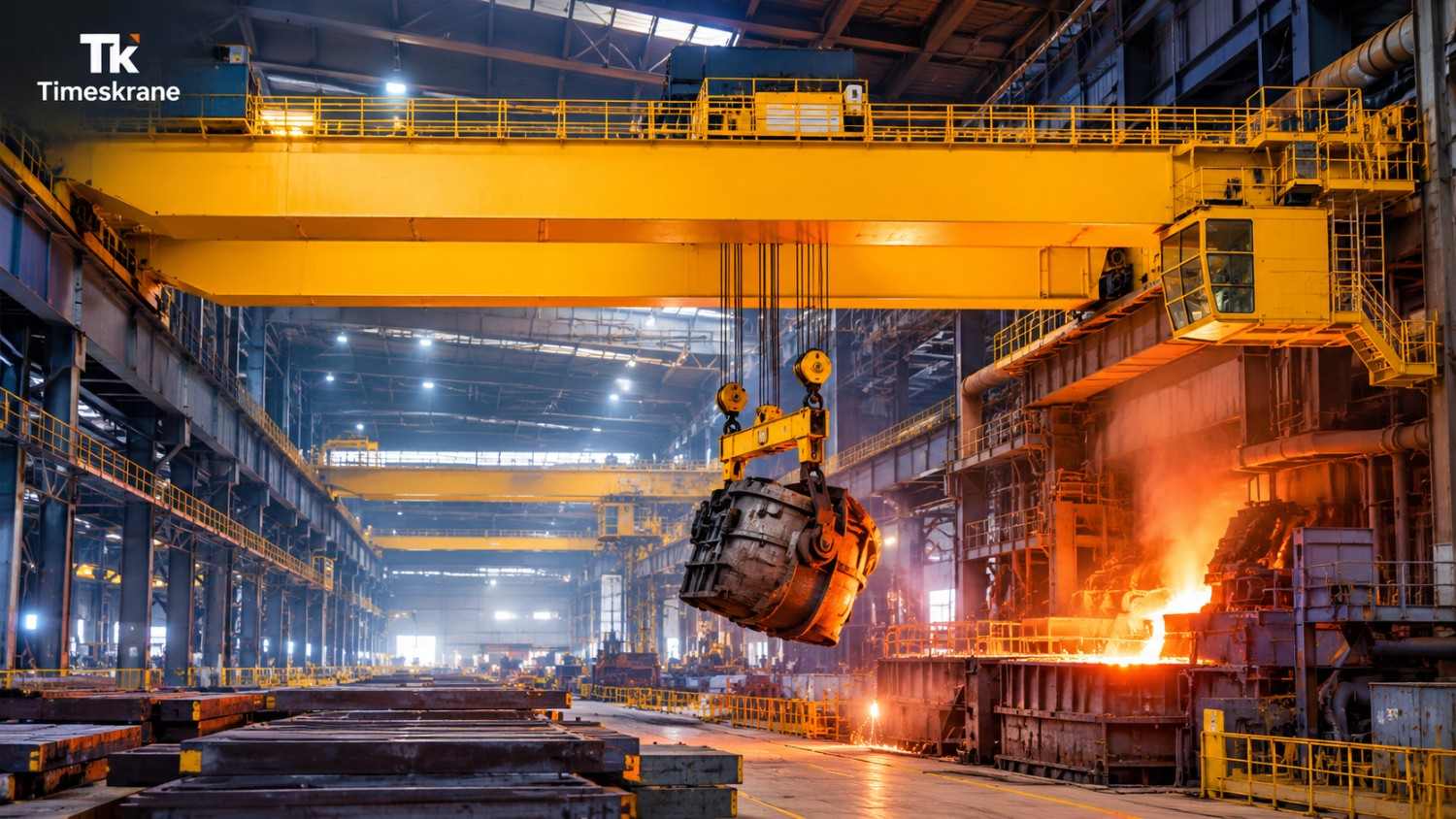
An honest breakdown of what makes a crane genuinely heavy duty for steel plant use, covering duty classification, capacity, and safety features buyers often miss.
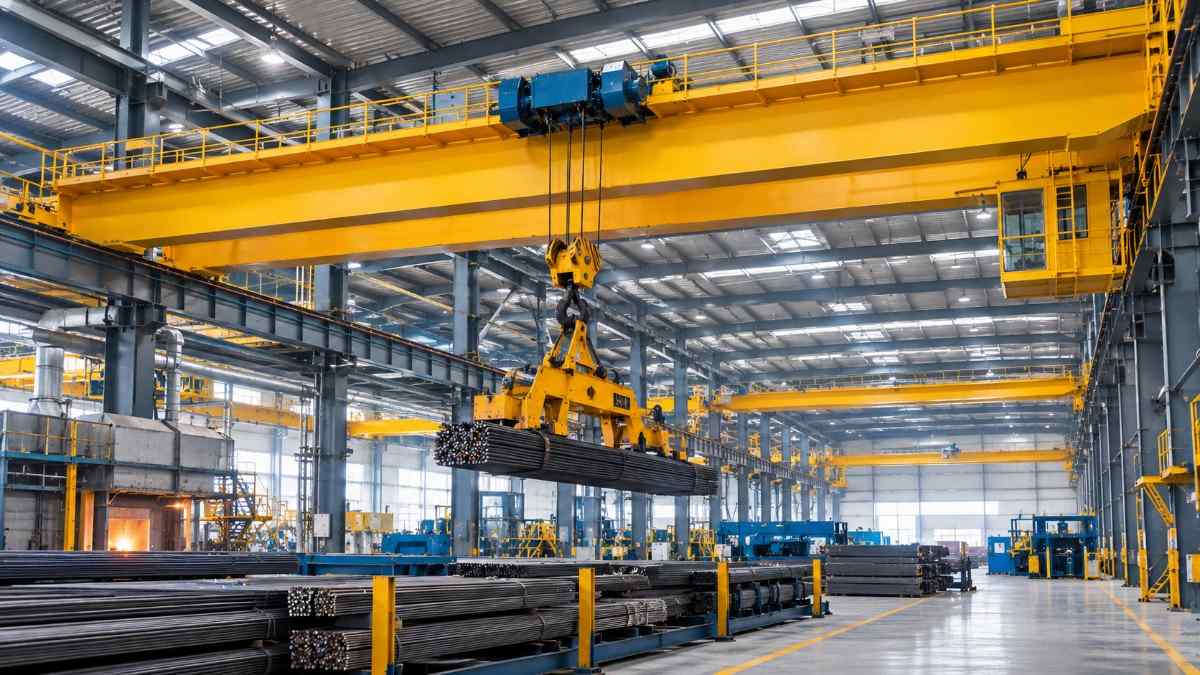
Finding the right steel plant crane manufacturer is perhaps the most important decision a procurement manager or plant owner will make. A poorly designed crane can increase both safety risks and downtime while excessively increasing maintenance costs.
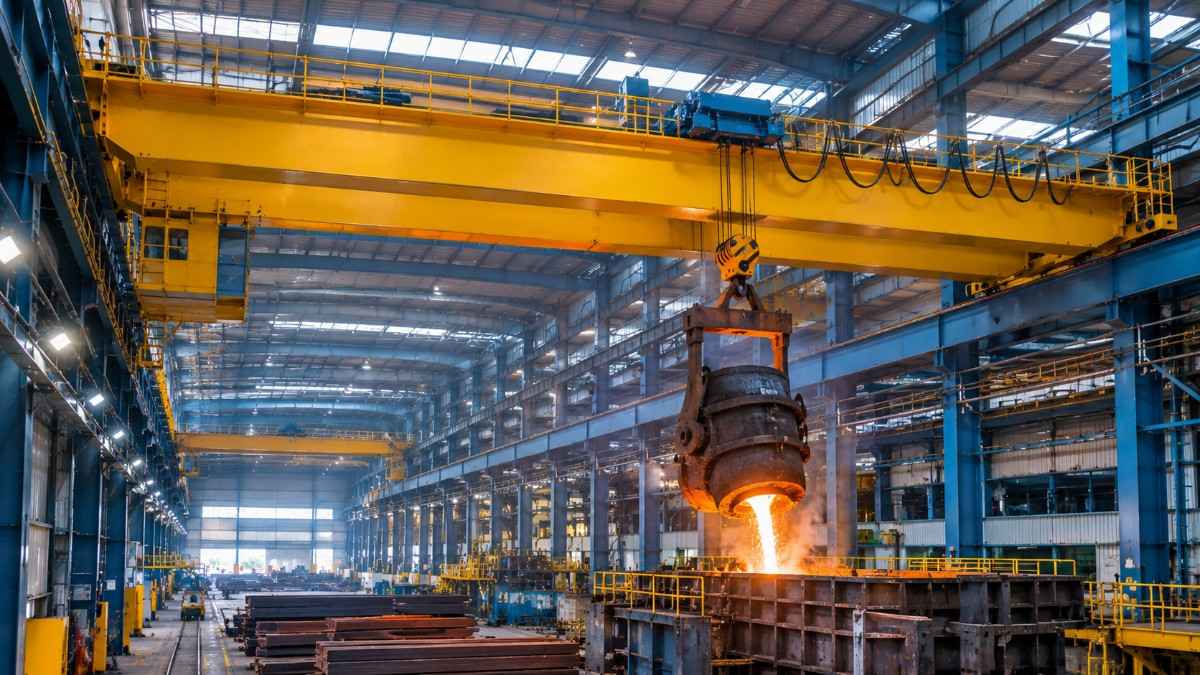
If you run or manage a steel plant, you already know that an overhead crane for steel plant operations is not a luxury. It is the backbone of your material handling process. From moving billets and coils to shifting ladles of molten metal, the right crane decides how smoothly your production line runs.
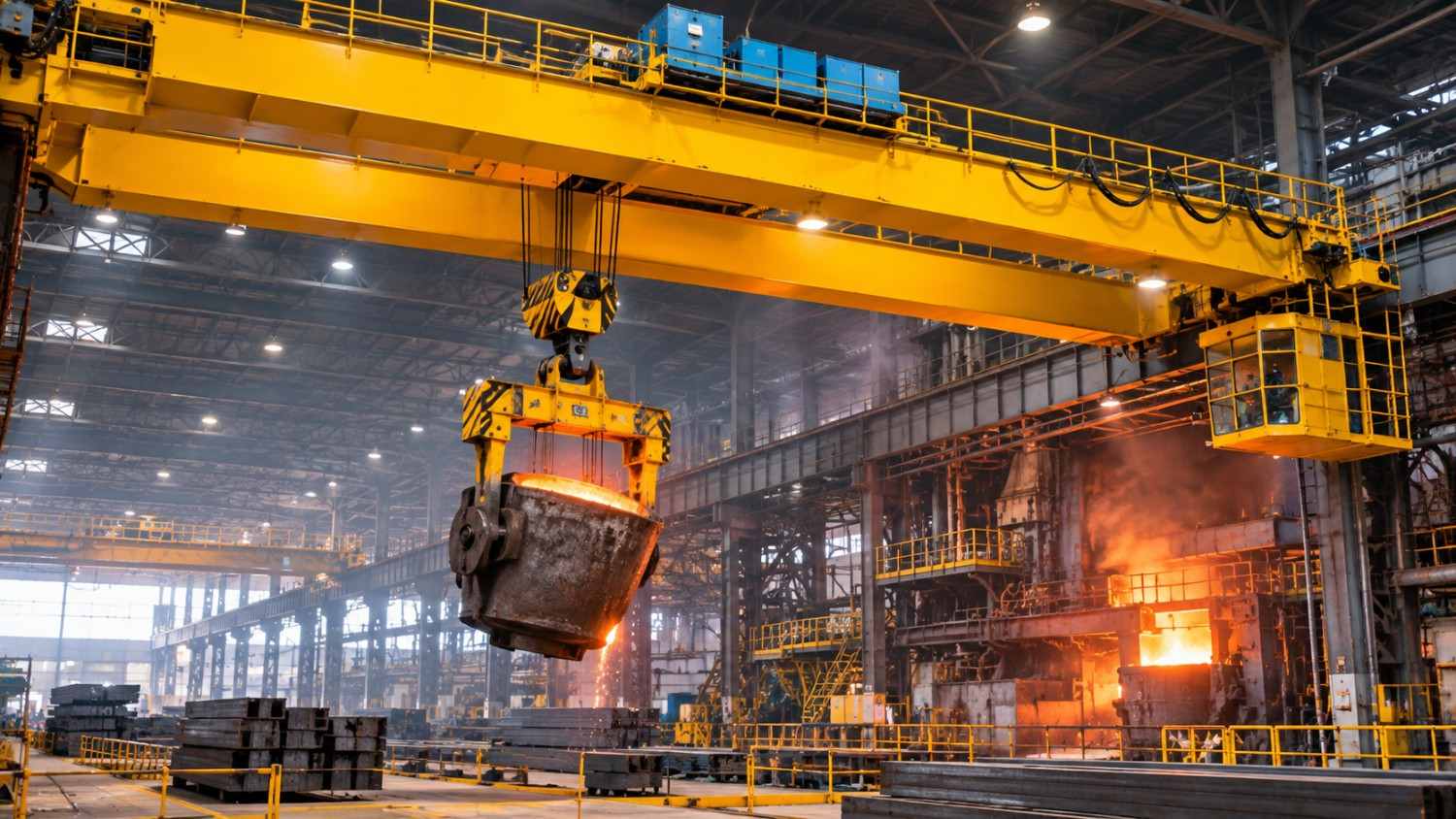
Discover how EOT cranes support steel plant operations, from material handling to molten metal lifting. Learn about crane types, duty classes, safety features, and how to choose the right EOT crane for your steel plant.
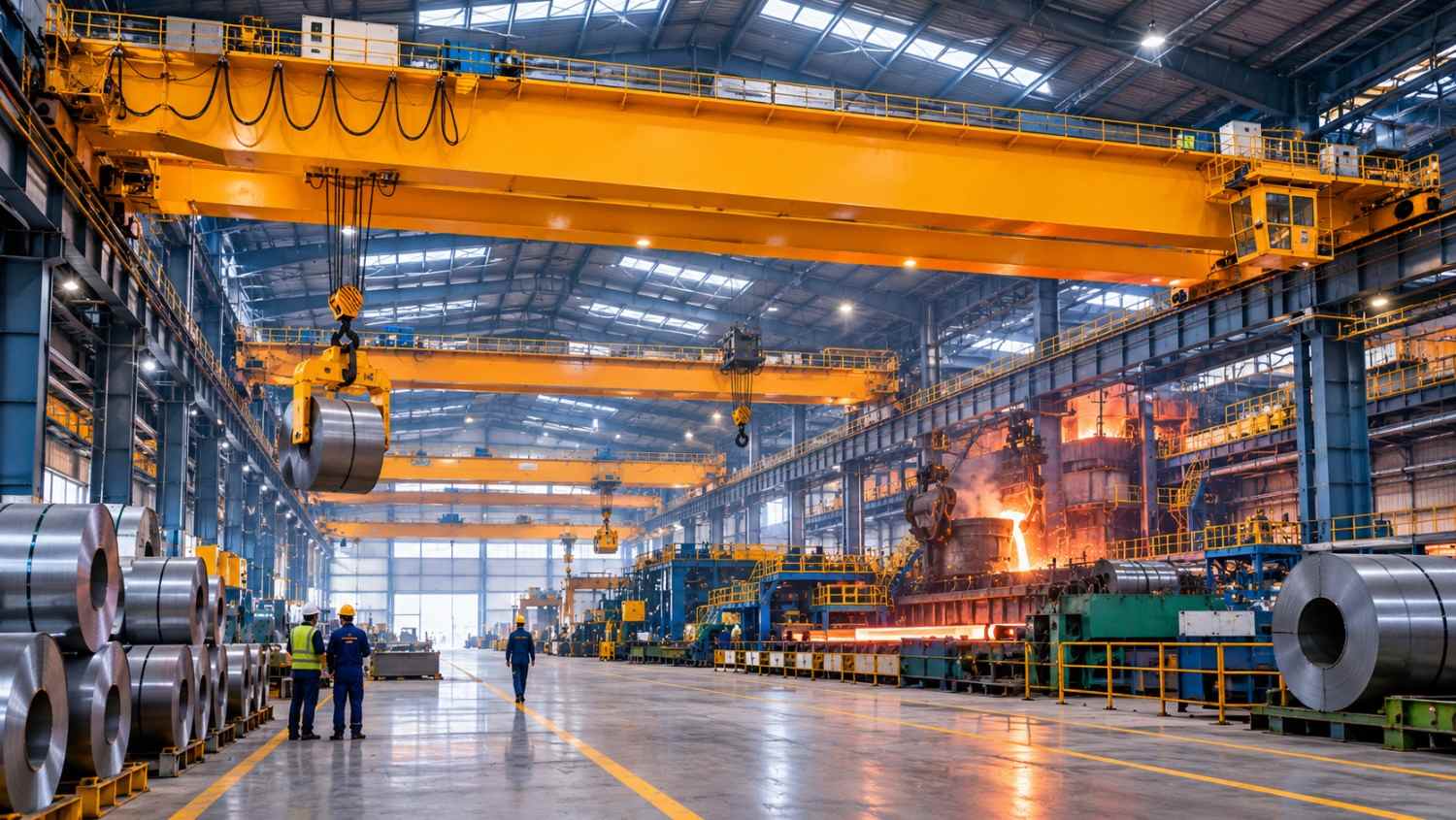
An honest, researched look at the top 5 crane manufacturers for steel plants in India, covering ladle, grab bucket, and coil handling cranes.
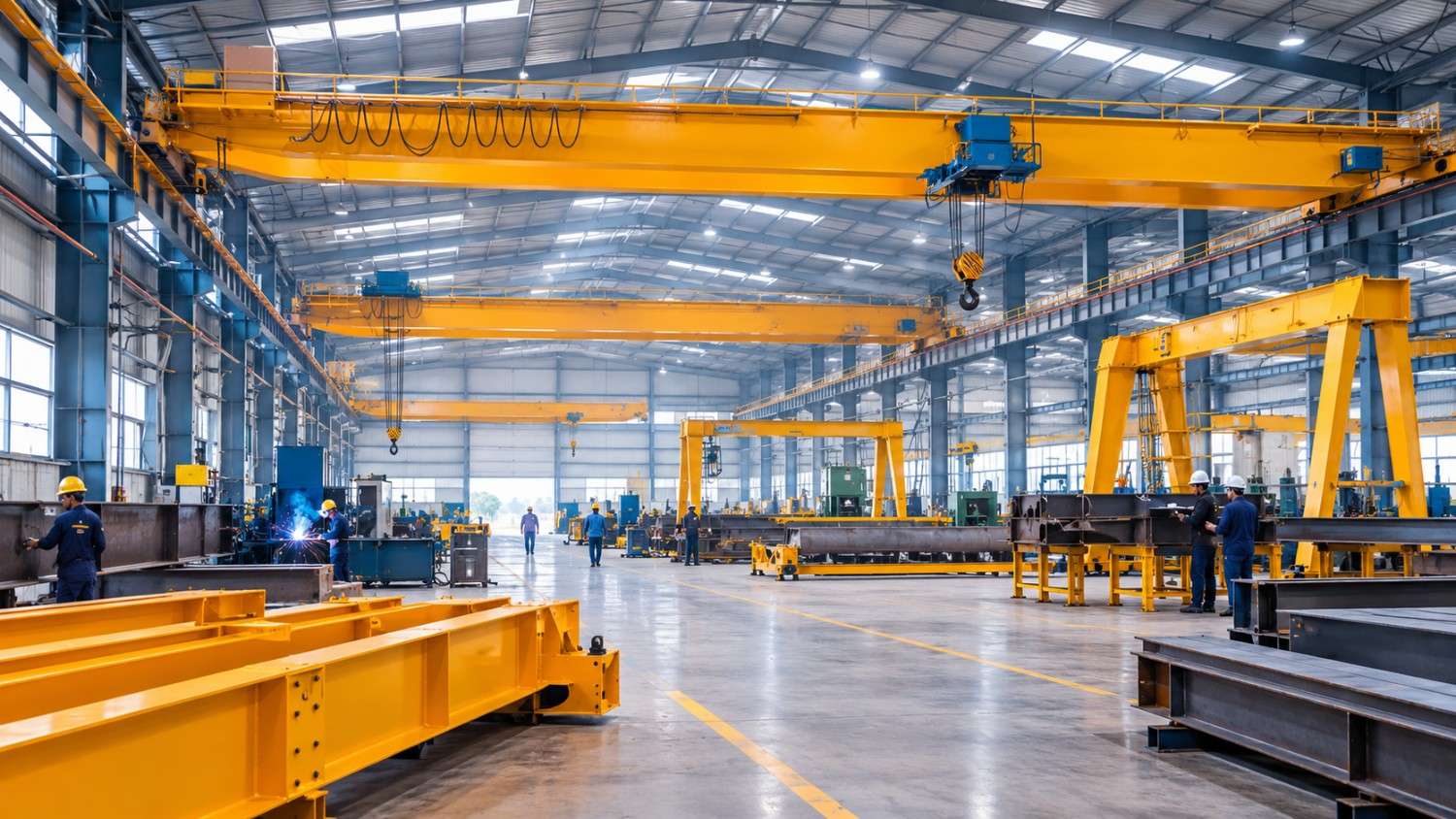
A real, researched look at the top 10 crane manufacturers in North India, covering Delhi NCR, Punjab, Haryana, UP, and Rajasthan, with what actually sets each one apart.
If you are looking for a 10 ton overhead crane for your factory or warehouse, the primary question that arises in your mind is whether this capacity will cater to your daily operations or it will turn out to be a useless and bulky addition to your storage.
Looking for a reliable partner for your next industrial project?