English
Contact
Configure
Catalog
I've sat through enough vendor meetings to know the difference between a company that talks well and one that builds well. They're rarely the same thing.
This guide is for anyone trying to cut through that noise, whether you're setting up a new factory, expanding an existing plant, or just replacing a crane that's finally given up after years of service. Let's get into what actually matters.
India's manufacturing sector has been expanding rapidly across steel, cement, automotive, and logistics. With that growth comes a real, practical need for material handling equipment that can keep pace.
A report from the India Brand Equity Foundation noted that the country's manufacturing output has been steadily climbing as part of broader industrial policy pushes. Translation: more factories are opening, and almost all of them need some form of overhead lifting equipment.
I've noticed that a lot of first-time buyers underestimate how specialized this industry actually is. A crane isn't a generic piece of machinery you order off a catalog and expect to fit perfectly. It's closer to a tailored suit. Get the measurements wrong, and it never sits right.
This is where things get murky for buyers. Plenty of businesses market themselves as crane manufacturers when, in reality, they're sourcing parts from elsewhere and slapping their name on the final product.
Here's what to actually look for:
Times Krane, based out of Faridabad in Haryana, has built its presence around exactly these fundamentals. The team handles design, fabrication, and after-sales service rather than outsourcing the parts that actually determine reliability.
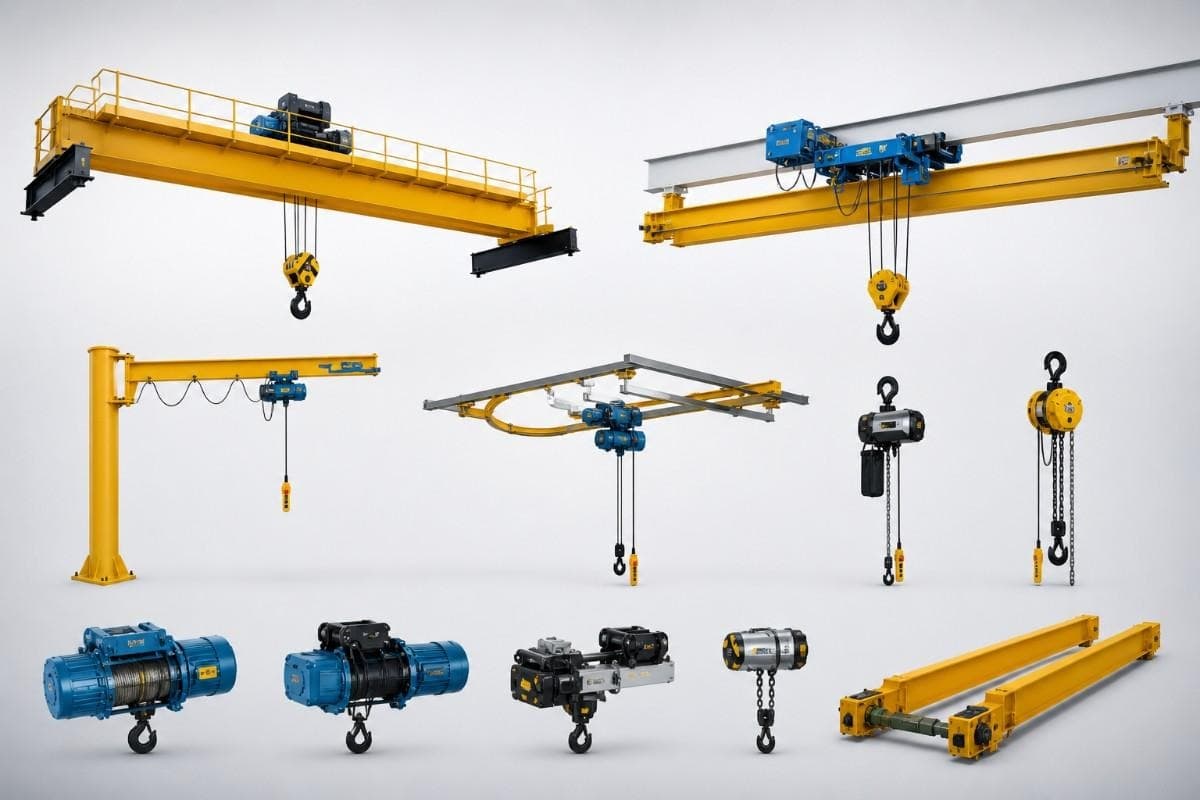
A genuine crane company in India typically offers more than one product line, because no two industries lift the same way. Here's a quick breakdown:
These run on rails mounted high along factory walls. Common in steel plants, automobile units, and heavy fabrication shops.
Ground-supported and ideal for outdoor yards, ports, and spaces where overhead rail installation isn't practical.
Smaller, more localized lifting solutions often used in workshops or specific work cells within a larger facility.
A mix of ground support and structural support, used where building columns can't bear the full load alone.
If a supplier only offers one type and tries to convince you it fits every scenario, that's usually a red flag worth paying attention to.
When I tried helping a friend shortlist vendors for his new warehouse last year, the process taught me more than any brochure could. We visited three manufacturing units in person, and the differences were obvious within minutes of walking the floor.
One unit had half-finished girders sitting under open skies, rusting slightly. Another had a properly documented quality control process at every fabrication stage. Guess which one we picked.
In my experience, the companies worth trusting almost always welcome plant visits without hesitation. The ones that stall or redirect you to "just trust our portfolio" are telling you something important, even if they don't say it directly.
Here's something nobody tells first-time buyers: buying the crane is the easy part. Keeping it running for the next decade is where the real relationship with your supplier begins.
A crane installed in a factory near Pune needs the same reliability as one installed in Faridabad. If your crane company in India can't offer maintenance support across regions, you're setting yourself up for long downtime windows whenever something goes wrong.
Industry data on industrial equipment maintenance consistently shows that scheduled preventive checks can reduce major breakdowns by 60 to 70 percent. That's not a small number when production downtime is involved.
I've seen this pattern repeat across multiple industries, so let's name it clearly.
Avoiding these five mistakes alone will put you ahead of most buyers in this space.
Times Krane has positioned itself as a manufacturer that focuses on practical engineering rather than flashy promises. The emphasis stays on understanding the client's actual operational needs, factory layout, load requirements, and usage frequency, before any fabrication begins.
What stood out to me while researching feedback from various industrial clients is the consistency in service follow-through. It's one thing to sell a crane. It's another to still be answering calls three years after installation when a part needs replacing.
That kind of consistency tends to separate companies that last from the ones that fade out after a few years in a competitive market.
Every factory floor is different. Ceiling height, load type, frequency of use, even ambient temperature in certain industrial environments, all influence how a crane should be engineered.
A company that pushes the same standard design onto every client is cutting corners somewhere. Genuine manufacturers ask detailed questions before they ever start drafting a design.
Choosing the right crane company in India isn't something you rush. It's a decision that affects your daily operations for years, sometimes decades, depending on how well the equipment is built and maintained.
Visit the facility if you can. Ask for certificates. Talk to existing clients if possible. And remember that the cheapest quote isn't always the smartest long-term investment.
Times Krane has built its reputation around getting the fundamentals right, honest engineering, proper testing, and support that doesn't disappear after installation. Whatever you decide, make sure your supplier can say the same.
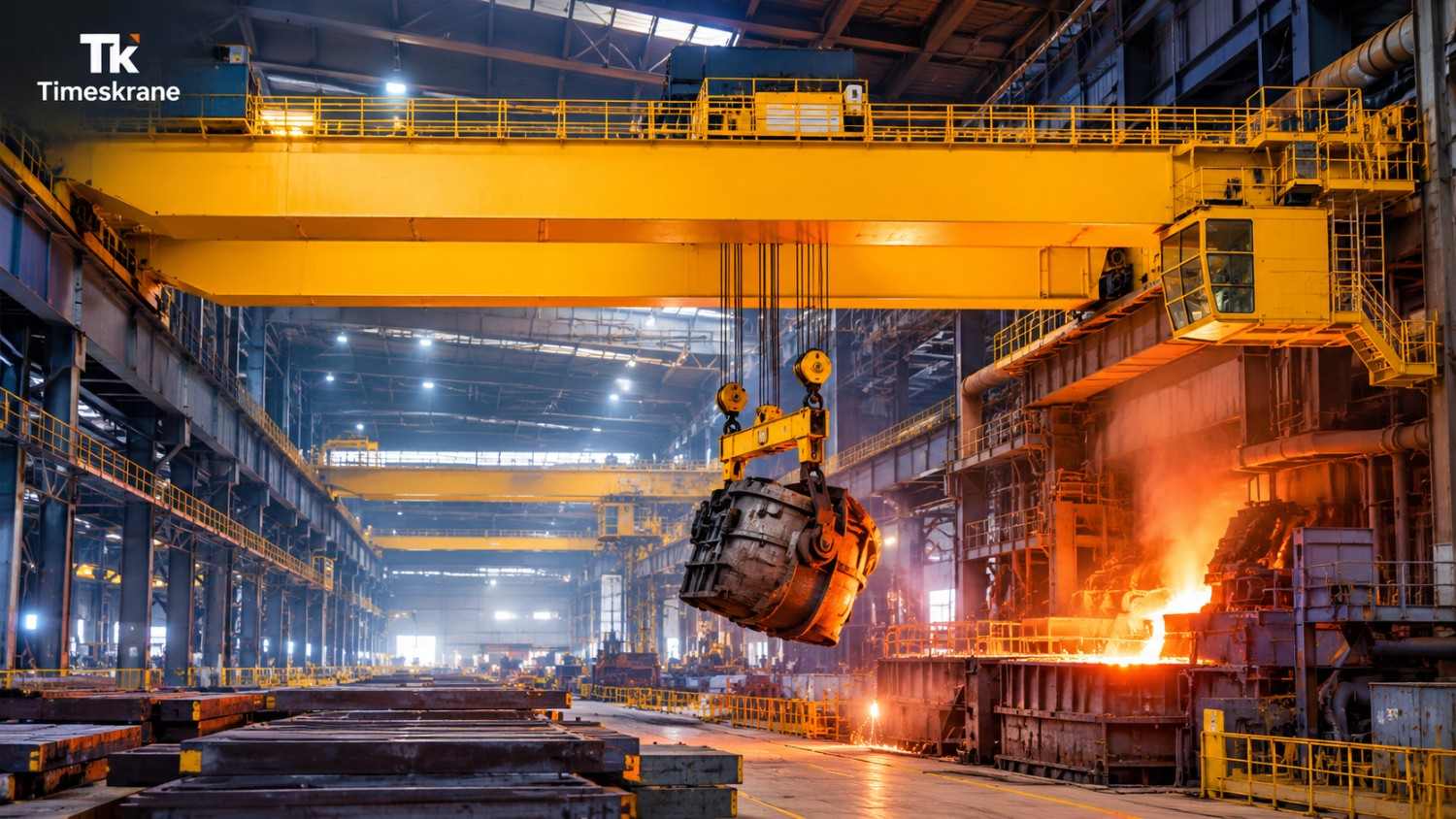
An honest breakdown of what makes a crane genuinely heavy duty for steel plant use, covering duty classification, capacity, and safety features buyers often miss.
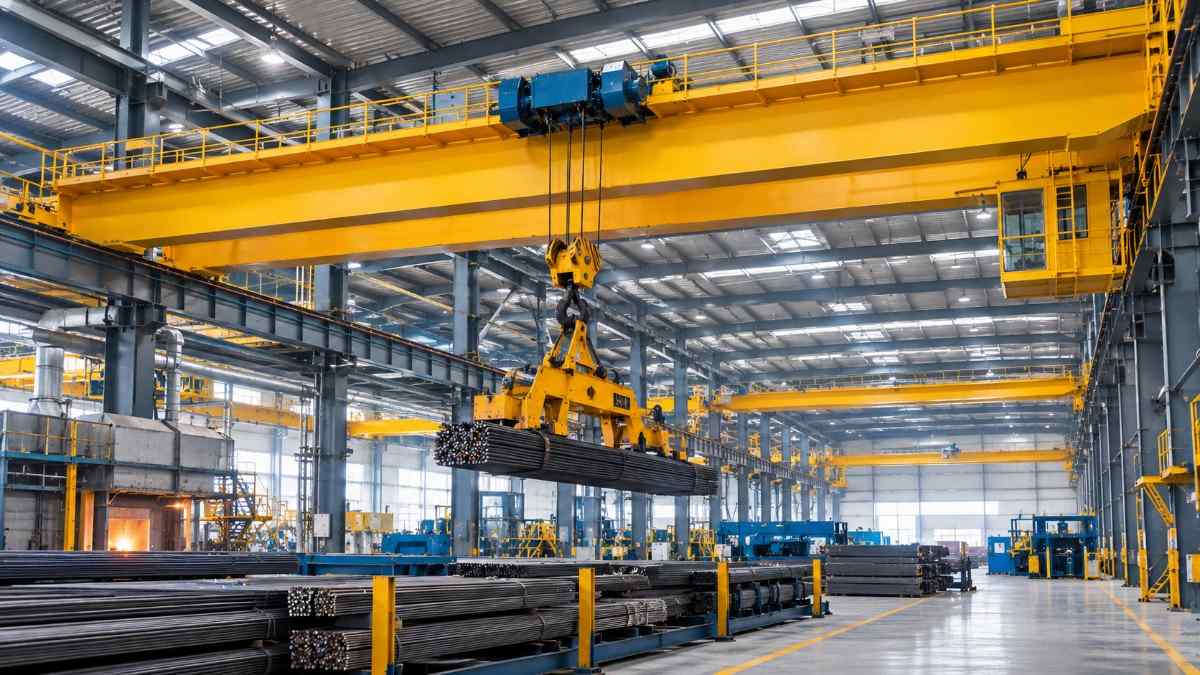
Finding the right steel plant crane manufacturer is perhaps the most important decision a procurement manager or plant owner will make. A poorly designed crane can increase both safety risks and downtime while excessively increasing maintenance costs.
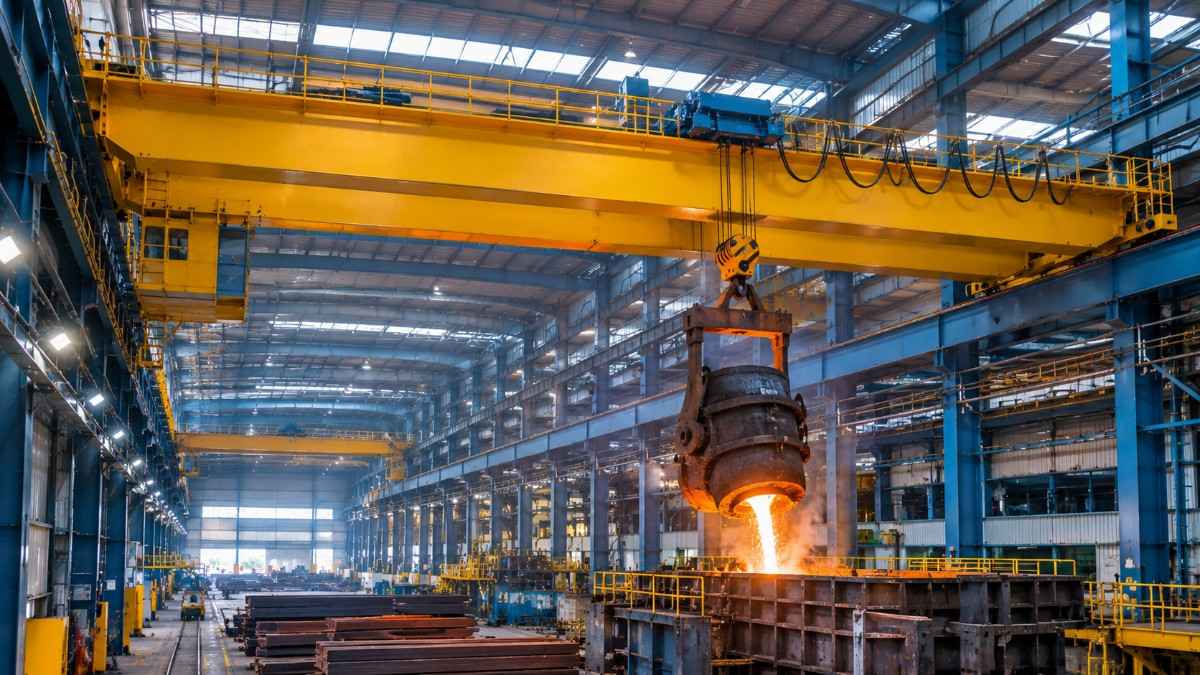
If you run or manage a steel plant, you already know that an overhead crane for steel plant operations is not a luxury. It is the backbone of your material handling process. From moving billets and coils to shifting ladles of molten metal, the right crane decides how smoothly your production line runs.
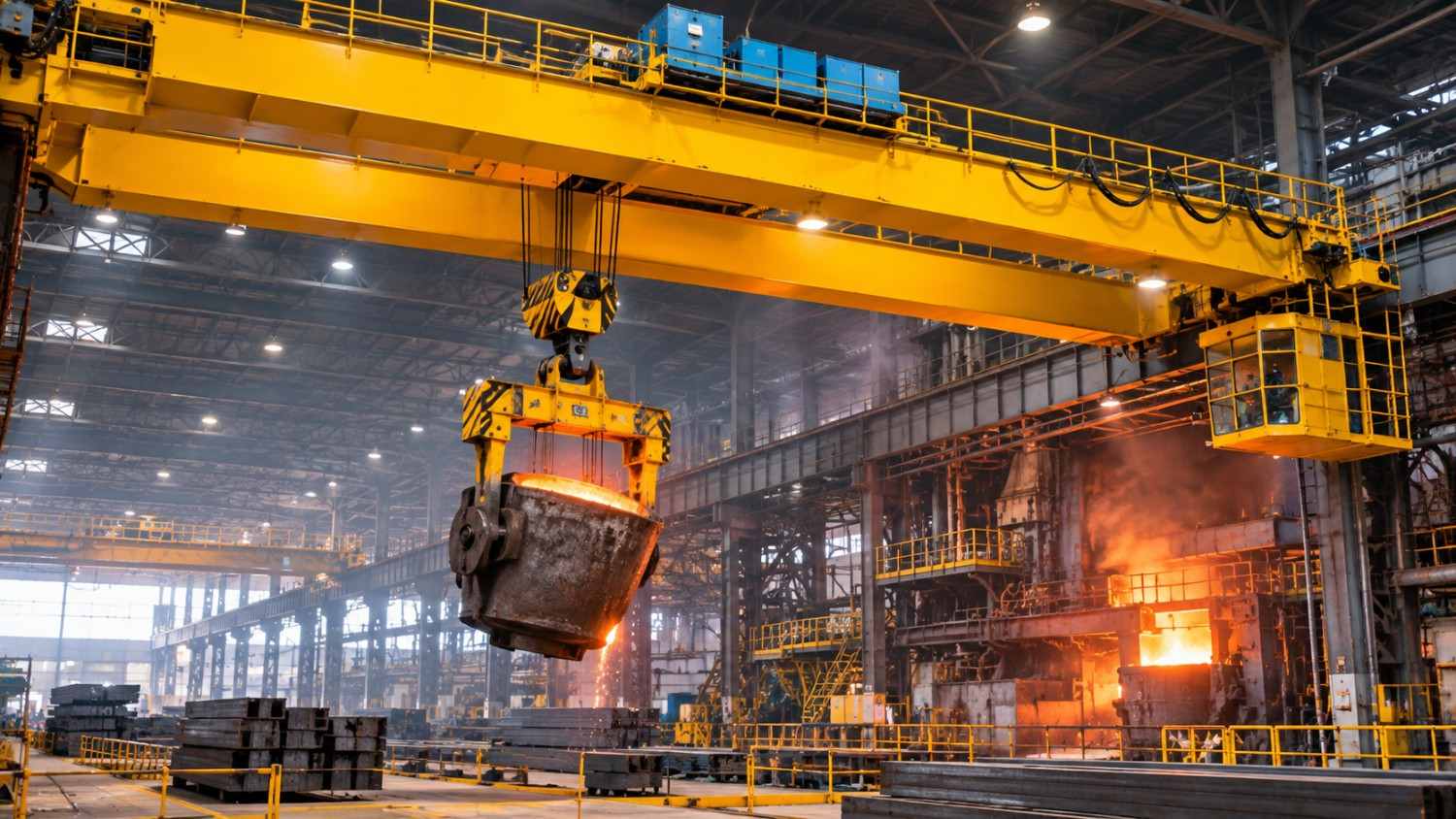
Discover how EOT cranes support steel plant operations, from material handling to molten metal lifting. Learn about crane types, duty classes, safety features, and how to choose the right EOT crane for your steel plant.
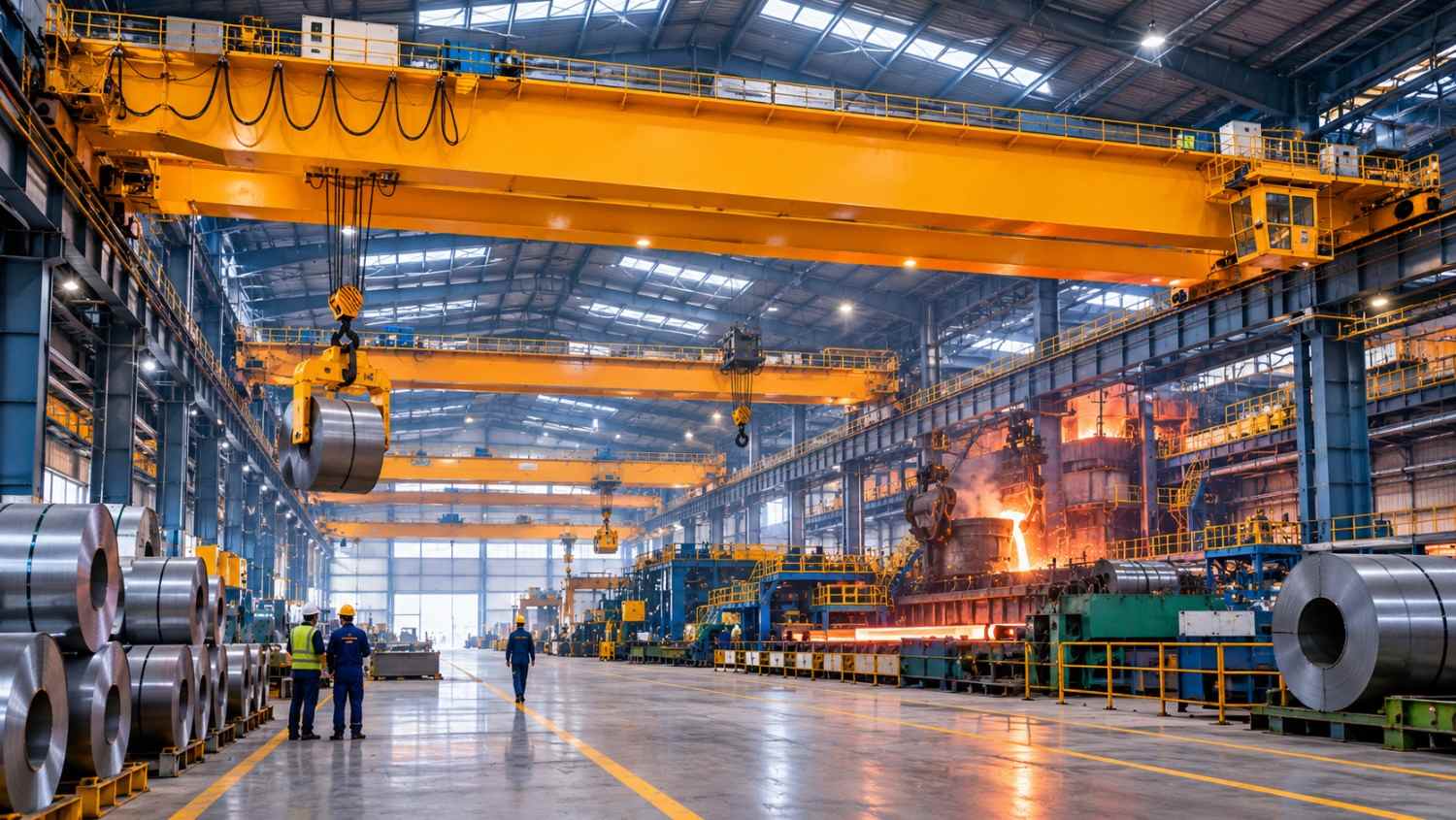
An honest, researched look at the top 5 crane manufacturers for steel plants in India, covering ladle, grab bucket, and coil handling cranes.
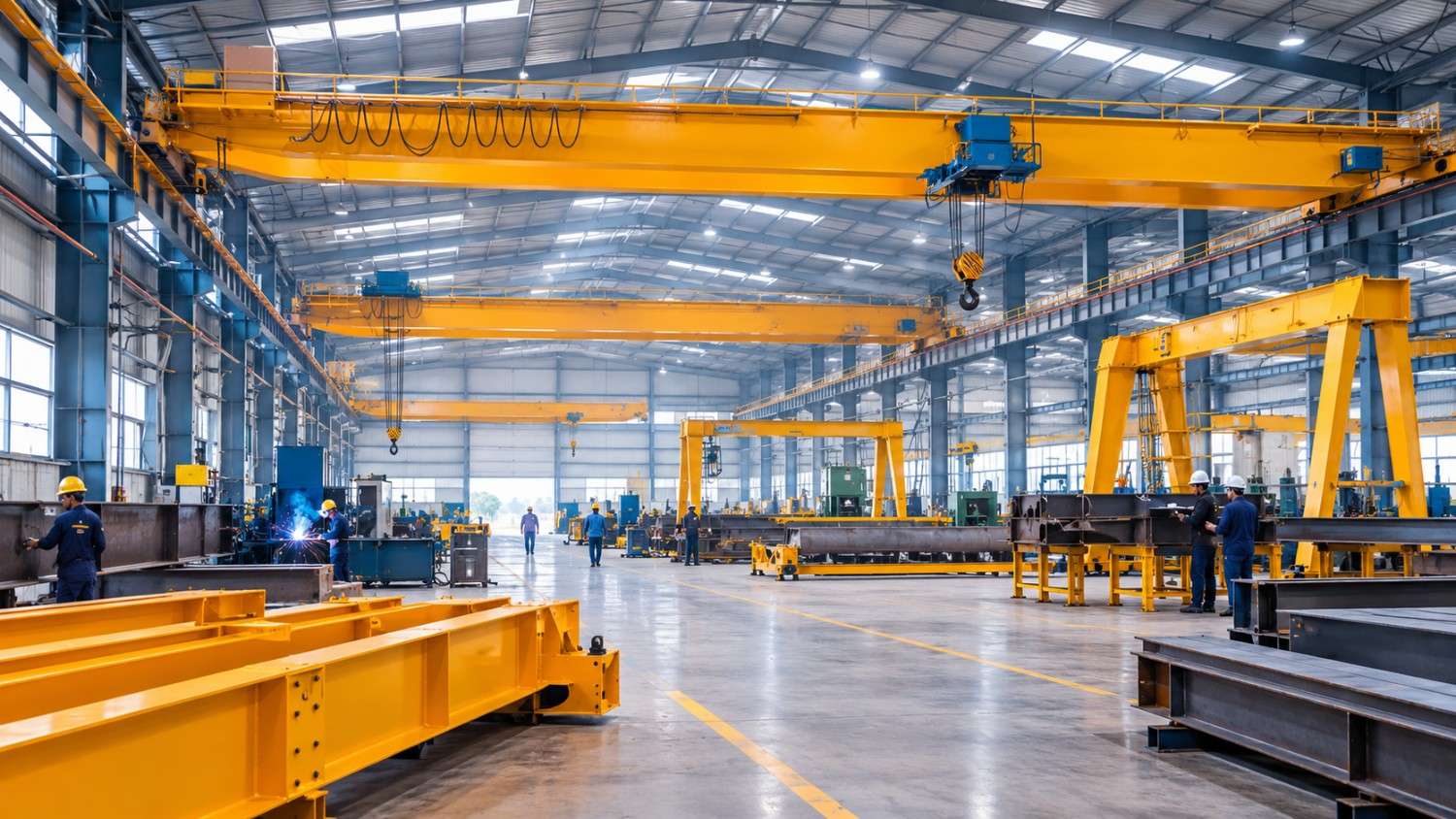
A real, researched look at the top 10 crane manufacturers in North India, covering Delhi NCR, Punjab, Haryana, UP, and Rajasthan, with what actually sets each one apart.
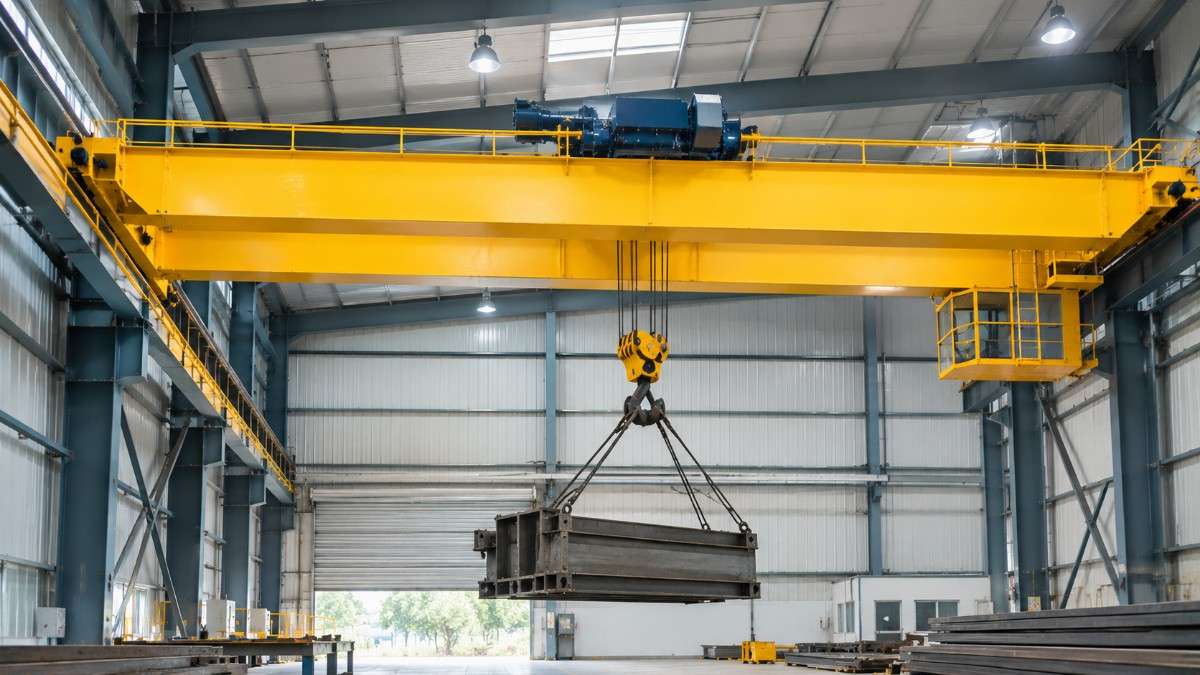
If you are looking for a 10 ton overhead crane for your factory or warehouse, the primary question that arises in your mind is whether this capacity will cater to your daily operations or it will turn out to be a useless and bulky addition to your storage.
Looking for a reliable partner for your next industrial project?