English
Contact
Configure
Catalog
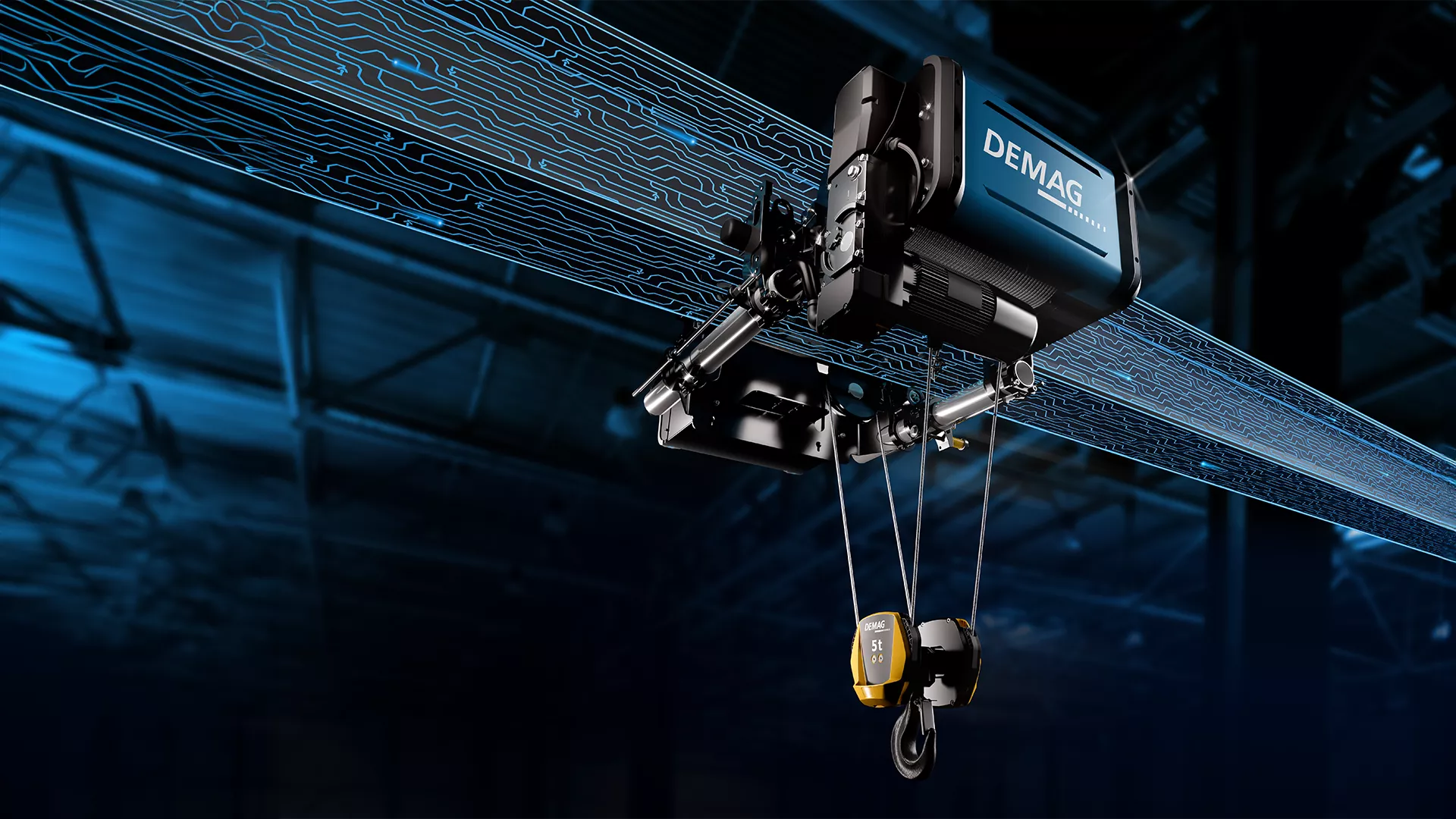
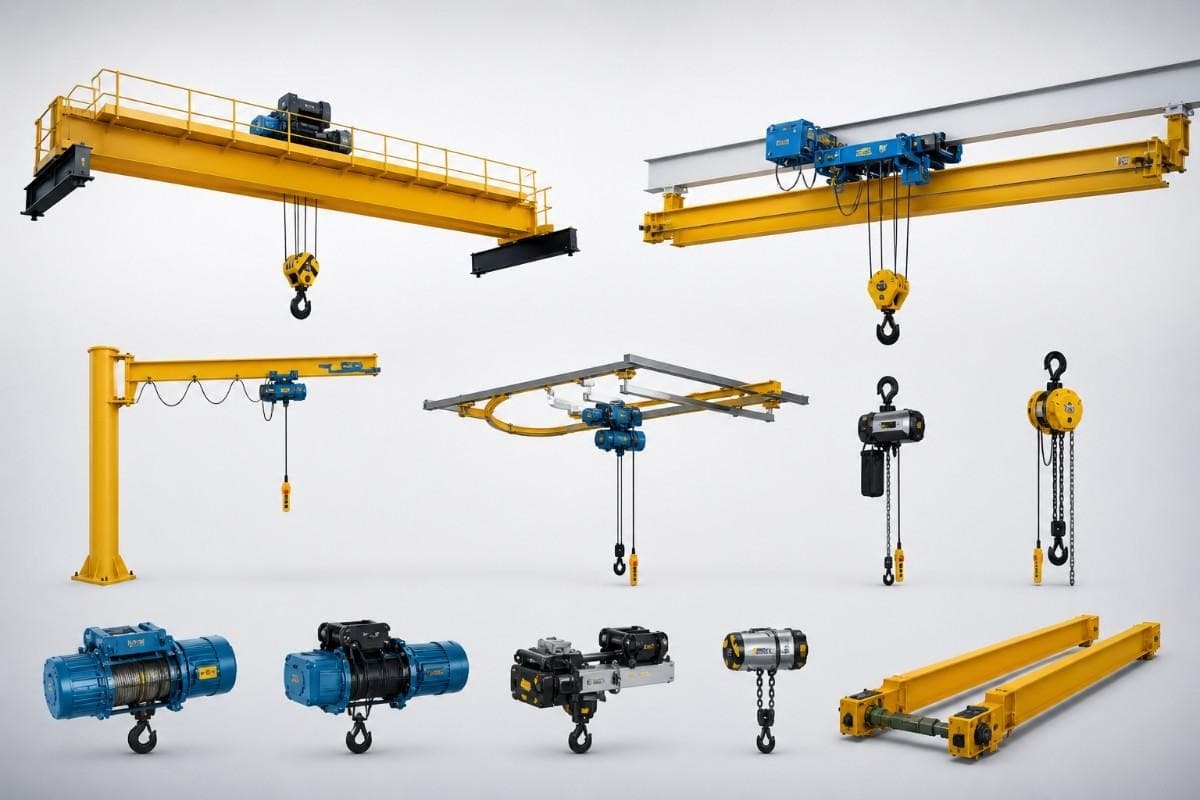
A chain hoist may seem like a simple piece of equipment, but its role is critical. It helps move materials, machinery, and components with precision while reducing manual effort and workplace risks. The quality of the hoist depends largely on the expertise of the manufacturer behind it.
If you're researching chain hoists for your business, understanding what separates leading manufacturers from average suppliers can help you make a smarter investment.
A chain hoist is a mechanical lifting device designed to raise and lower heavy loads using a chain mechanism.
Chain hoists are commonly used across industries because they offer reliable lifting performance while occupying minimal space.
There are two primary categories:
Both types serve important roles depending on operational requirements.
A chain hoist uses a lifting chain and gear mechanism to multiply force and move loads efficiently.
In electric models, an electric motor performs the lifting operation. In manual systems, the operator applies force through a hand chain.
The result is controlled lifting and lowering of heavy materials with enhanced safety.
Not all chain hoists are built to the same standards.
The best chain hoist manufacturers focus on engineering precision, product durability, safety compliance, and long-term performance.
A poorly manufactured hoist can lead to:
On the other hand, a quality chain hoist supports smooth operations for years when maintained properly.
I've noticed that businesses often focus only on lifting capacity when selecting equipment. However, manufacturing quality and reliability are equally important factors.
Leading chain hoist manufacturers typically offer multiple product categories.
Manual chain hoists are ideal for environments where electrical power is unavailable or where lifting frequency is relatively low.
Electric chain hoists use motorized systems to perform lifting operations.
Some applications require specialized lifting solutions.
Manufacturers can customize hoists based on:
Chain hoists play a vital role in numerous industries.
Factories use chain hoists for moving raw materials, machinery parts, and production equipment.
Material handling becomes easier and more efficient with properly selected hoists.
Fabrication and assembly operations often depend on lifting equipment for precision handling.
Chain hoists support lifting tasks involving structural components and equipment.
Vehicle manufacturers use chain hoists during assembly, maintenance, and repair operations.
Heavy metal products require safe and reliable lifting solutions.
When evaluating manufacturers, several factors deserve attention.
Strong engineering capabilities contribute to product reliability and safety.
High-grade components improve durability and long-term performance.
Reliable manufacturers implement strict quality control throughout production.
Modern chain hoists should include features that support safe operation.
After-sales support helps maintain equipment performance throughout its operational life.
When I tried evaluating lifting equipment suppliers for an industrial project, technical support and service capabilities often became deciding factors.
A well-designed chain hoist combines strength, efficiency, and safety.
Robust materials contribute to long service life.
Efficient mechanical design ensures consistent lifting performance.
Brakes play a critical role in load control and safety.
Compact equipment allows easier installation and operation.
Leading manufacturers often include:
Choosing the right hoist begins with understanding your operational needs.
Determine the maximum load the hoist must lift.
The required lifting distance influences hoist selection.
Heavy-duty applications may require higher-duty equipment.
Factors such as dust, moisture, and temperature can affect equipment performance.
Experienced manufacturers often provide better long-term reliability and support.
In my experience, selecting equipment based on operational requirements rather than assumptions leads to significantly better results.
Experienced manufacturers provide more than just equipment.
Quality engineering reduces the likelihood of operational issues.
Properly designed lifting systems contribute to safer working environments.
Manufacturers can recommend suitable solutions based on specific applications.
Ongoing maintenance and service support improve equipment lifespan.
Specialized applications often require tailored lifting equipment.
Regular maintenance is essential for safe and efficient operation.
Look for signs of wear, corrosion, or damage.
Proper lubrication reduces friction and extends component life.
Verify that all safety mechanisms function correctly.
Inspect hooks for cracks, deformation, or excessive wear.
Periodic evaluations help identify issues before they become serious problems.
I've noticed that facilities following preventive maintenance programs often experience fewer operational disruptions and improved equipment reliability.
Modern lifting technology continues to evolve.
Real-time monitoring allows operators to track equipment performance.
Sensors can identify potential issues before failures occur.
Electric hoists increasingly use advanced motor technologies.
Modern safety systems continue to improve operator protection.
According to industrial equipment reliability research, companies implementing predictive maintenance strategies often reduce equipment downtime while improving operational efficiency.
When searching for dependable chain hoist manufacturers, businesses need a partner with proven expertise and a commitment to quality.
Times Krane provides lifting solutions designed to support diverse industrial applications.
Our product expertise includes:
At Times Krane, we believe every lifting application deserves a carefully engineered solution. We work closely with customers to understand their operational challenges and recommend equipment that supports productivity, safety, and long-term performance.
When I tried comparing various lifting solution providers over the years, the companies that consistently focused on customer requirements rather than simply selling equipment often delivered the best long-term results. That customer-first philosophy remains central to Times Krane.
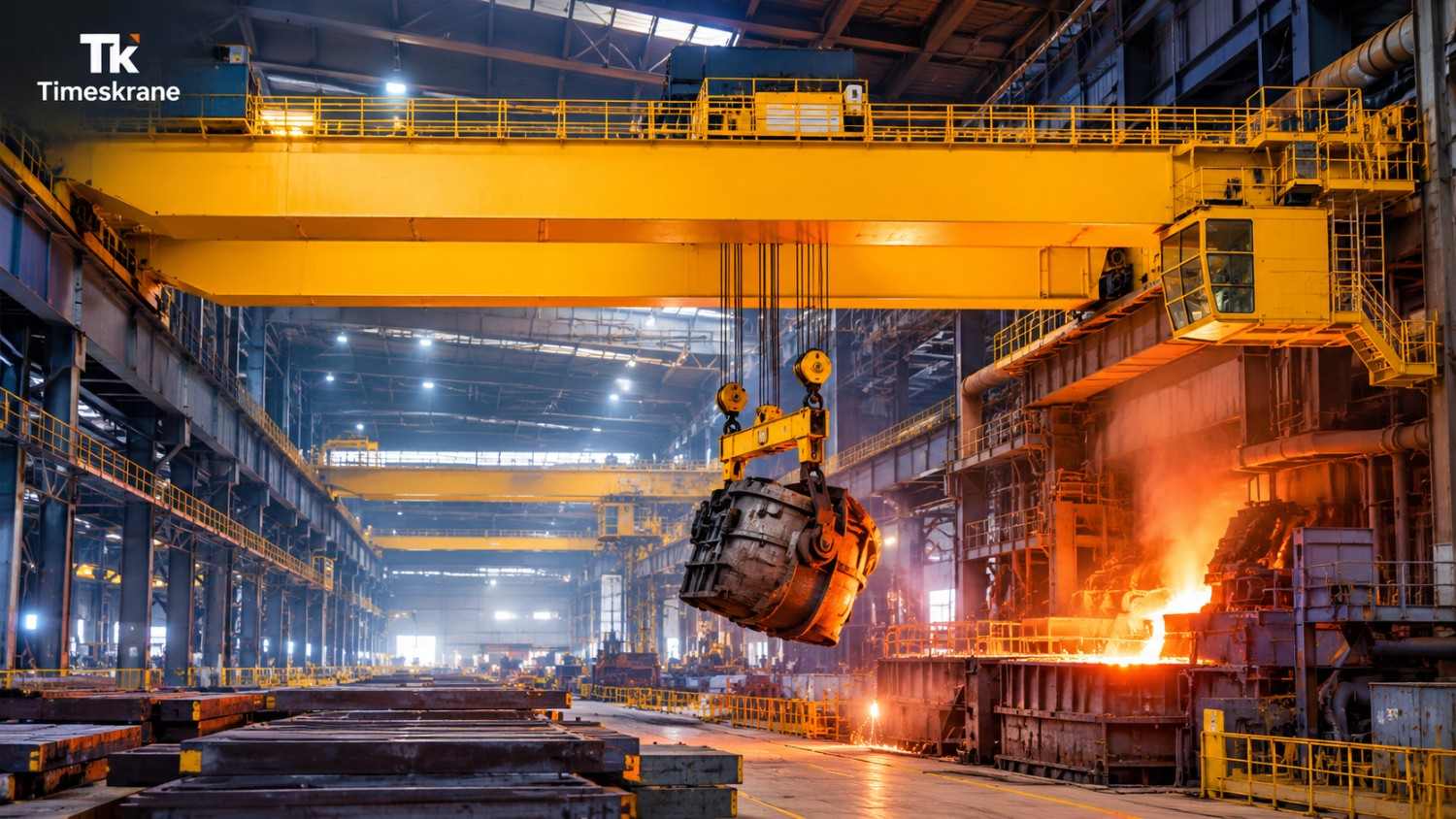
An honest breakdown of what makes a crane genuinely heavy duty for steel plant use, covering duty classification, capacity, and safety features buyers often miss.
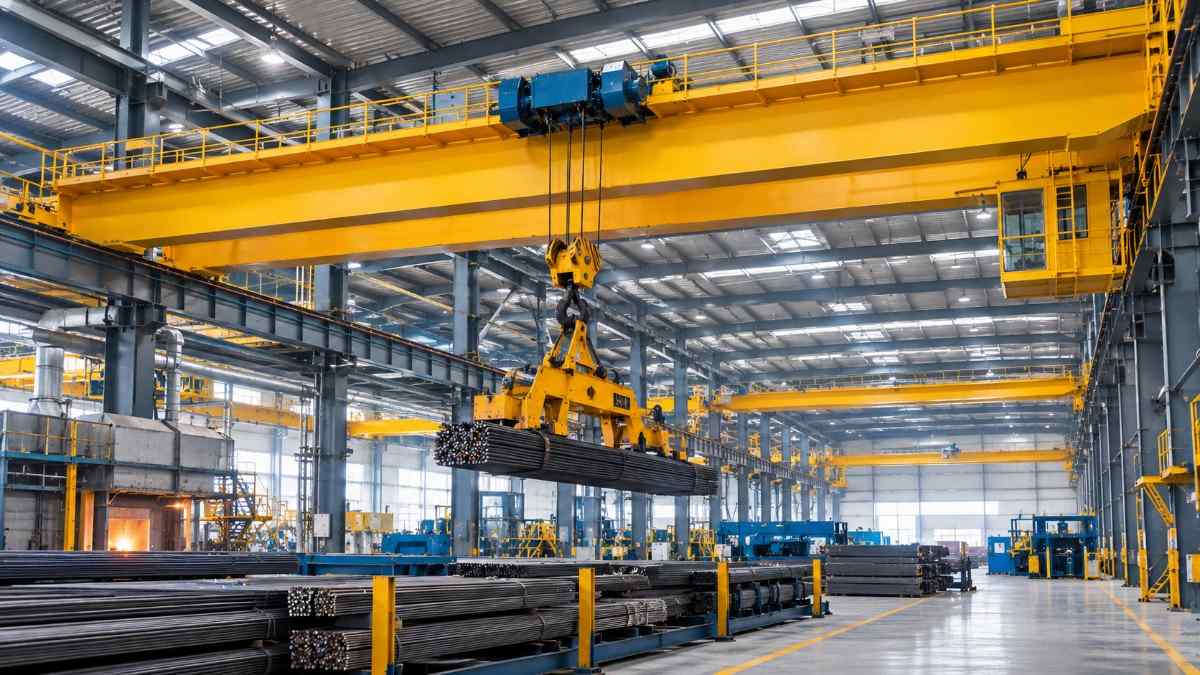
Finding the right steel plant crane manufacturer is perhaps the most important decision a procurement manager or plant owner will make. A poorly designed crane can increase both safety risks and downtime while excessively increasing maintenance costs.
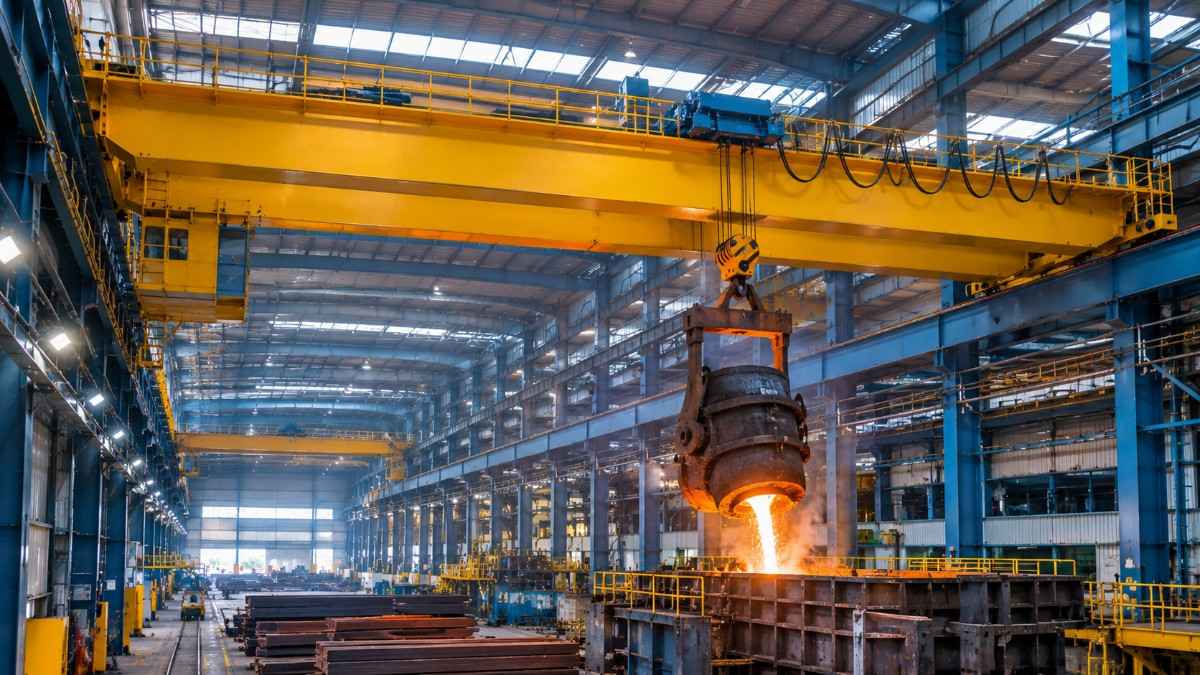
If you run or manage a steel plant, you already know that an overhead crane for steel plant operations is not a luxury. It is the backbone of your material handling process. From moving billets and coils to shifting ladles of molten metal, the right crane decides how smoothly your production line runs.
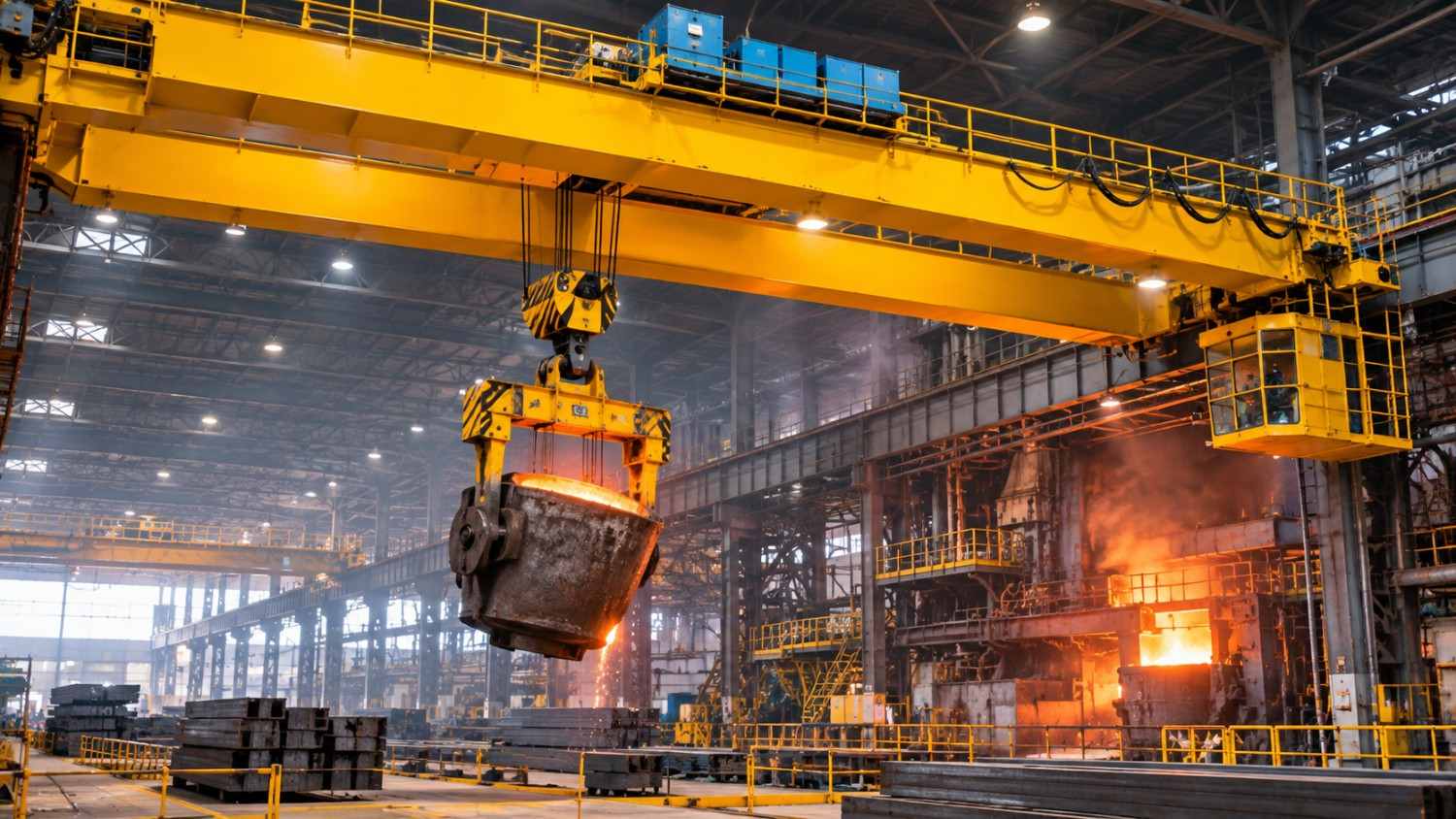
Discover how EOT cranes support steel plant operations, from material handling to molten metal lifting. Learn about crane types, duty classes, safety features, and how to choose the right EOT crane for your steel plant.
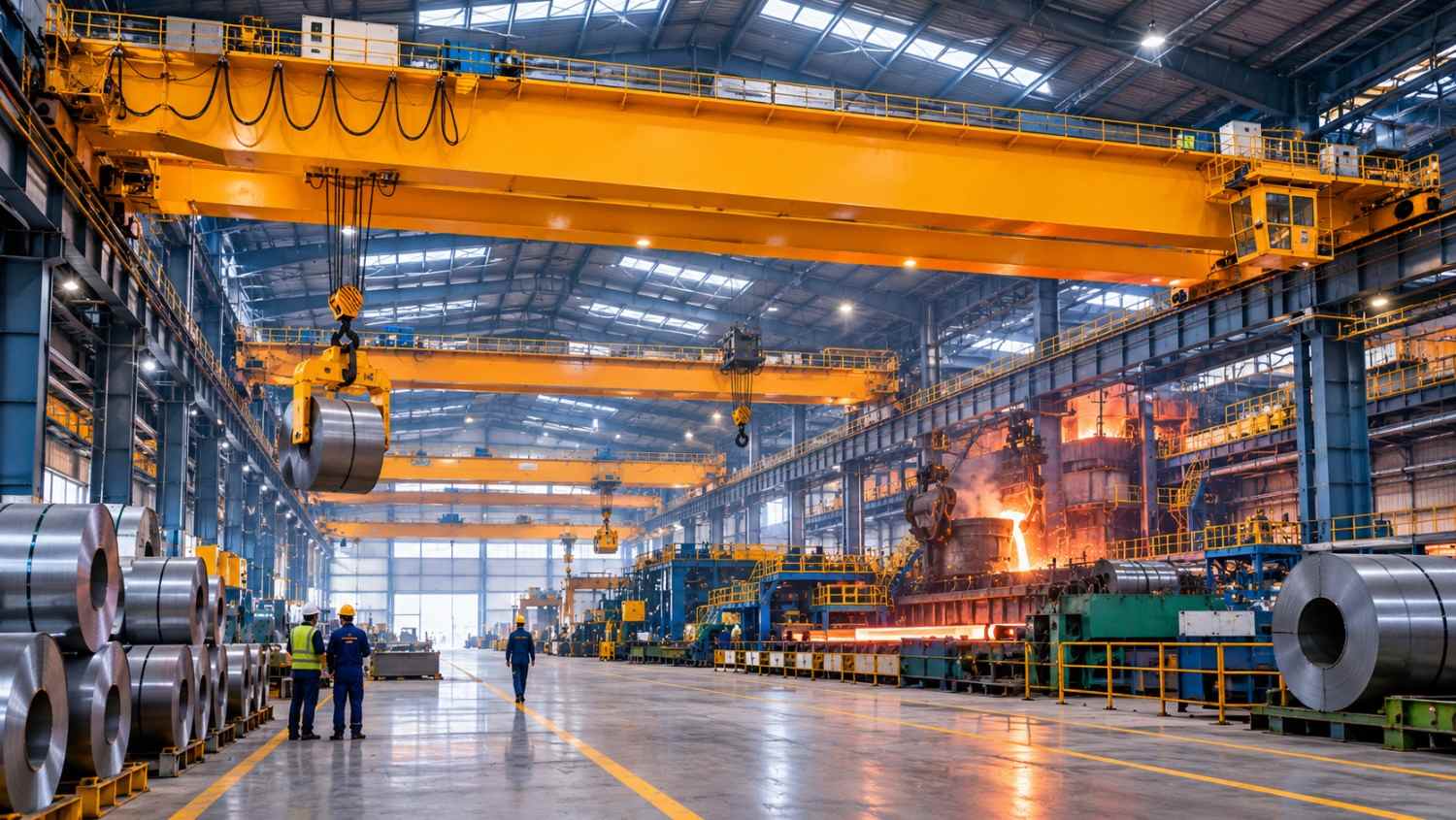
An honest, researched look at the top 5 crane manufacturers for steel plants in India, covering ladle, grab bucket, and coil handling cranes.
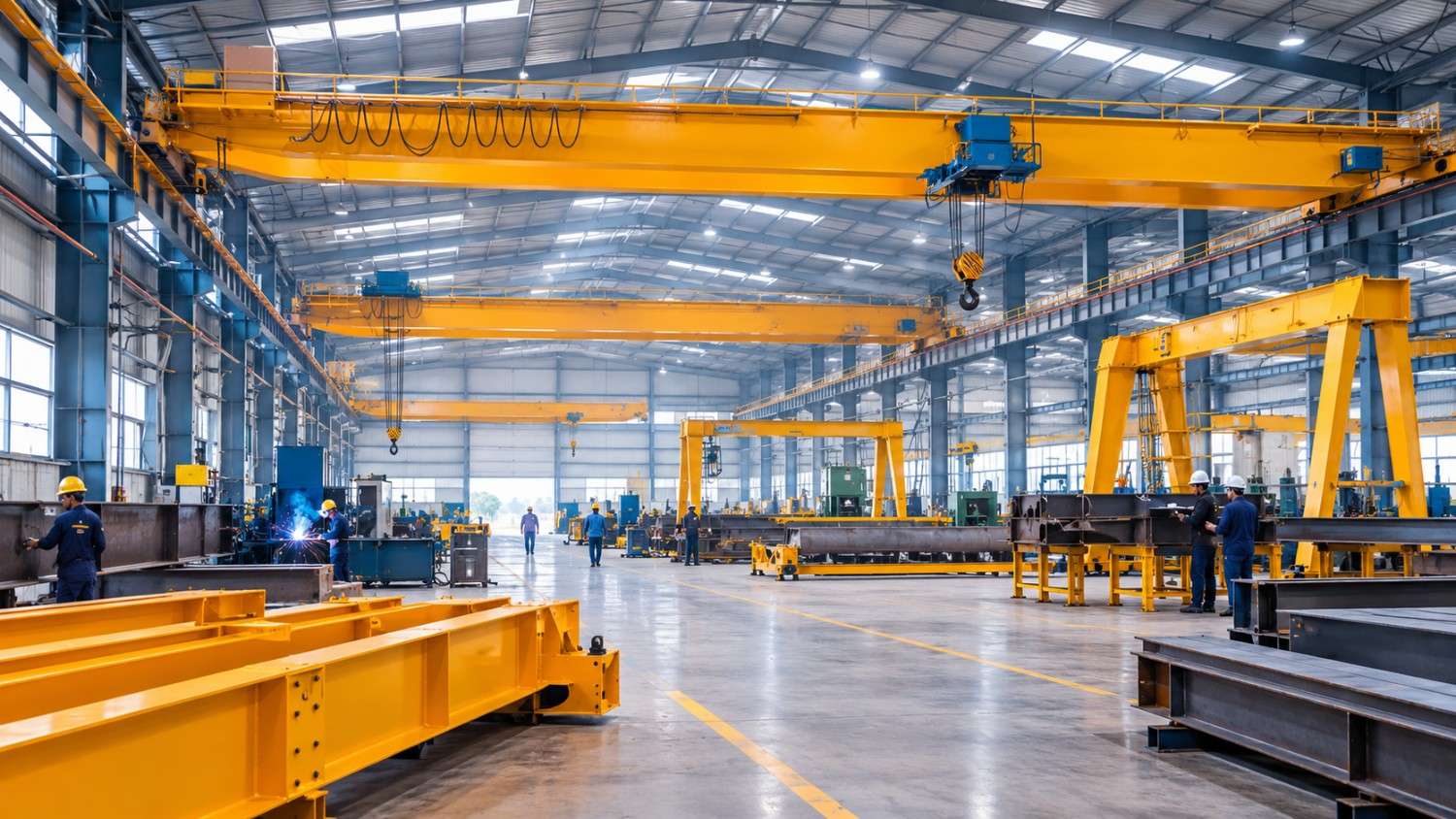
A real, researched look at the top 10 crane manufacturers in North India, covering Delhi NCR, Punjab, Haryana, UP, and Rajasthan, with what actually sets each one apart.
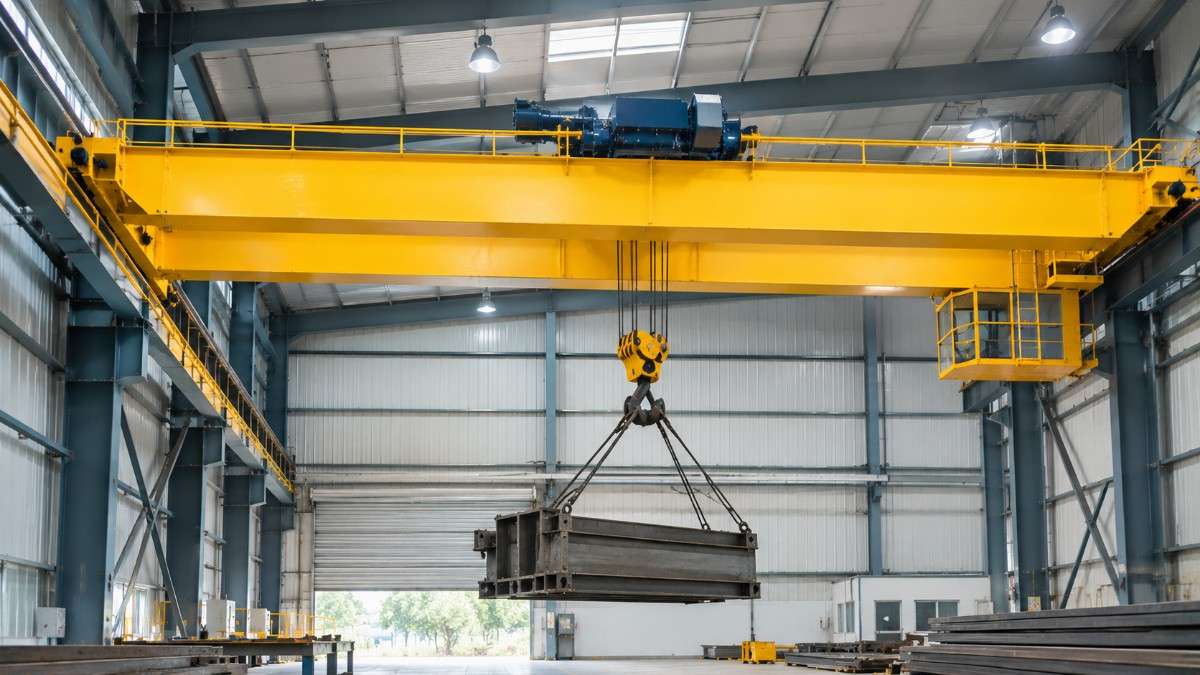
If you are looking for a 10 ton overhead crane for your factory or warehouse, the primary question that arises in your mind is whether this capacity will cater to your daily operations or it will turn out to be a useless and bulky addition to your storage.
Looking for a reliable partner for your next industrial project?