
Buy EOT Crane Online
Table of Content
Buy EOT Crane Online
Buying an EOT crane is not like buying off the shelf equipment. There is no "add to cart" and checkout button, and honestly, there should not be. A crane has to match your building, your load, your production line, and your safety requirements exactly. One wrong span or lifting height and the crane simply will not do its job properly.
That said, the process does not have to feel confusing or slow either. At Timeskrane, buying an EOT crane follows a clear path from the first conversation to the day it starts lifting on your floor. This guide walks you through exactly what happens at each stage, so you know what to expect before you even pick up the phone.
Ready to start?
Send an enquiry and our team will call you back to understand your requirement.
Why the EOT Crane Buying Process Looks Different from Regular Purchases
An EOT crane is built for your specific building and your specific load, not picked off a shelf. That is the biggest reason the process runs through a few structured steps instead of a single click purchase. Skipping any one of these steps, like site verification or design approval, usually leads to problems after installation, wrong span, insufficient headroom, or a duty class that cannot handle daily use.
The good news is that once you understand the stages, the whole journey becomes easy to follow, and most of the heavy lifting, no pun intended, is done by the manufacturer's team, not you.
Step 1: Enquiry and Requirement Discussion
Everything starts with a simple enquiry. You can call, email, or fill out a form on our website with basic details such as the load you need to lift, your industry, and your building size if you already know it. Our team will get in touch within a short time to understand your operation better.
At this stage, we usually ask questions like:
- What is the maximum weight you need to lift
- What industry or application is this for
- Do you have an existing building or is this a new construction
- Is this a replacement crane or a first time installation
You do not need exact numbers at this point. Rough estimates are enough to start the conversation.
Step 2: Site Visit and Technical Assessment
Once we have a basic understanding of your requirement, our engineering team schedules a site visit. This step matters more than people expect. A site visit lets us measure the actual span, check the available headroom, look at the column or wall structure, and understand how the crane will fit into your daily workflow.
During the visit, we typically check:
- Building width and length for span planning
- Ceiling height and any obstructions for lifting height
- Existing structure strength, in case the crane will be mounted on walls or columns
- Power supply availability and electrical layout
- How frequently the crane will be used, which affects duty class
If a physical visit is not possible right away, our team can also work from building drawings and photographs to get started, followed by a visit before final confirmation.
Step 3: Design Proposal and Quotation
Based on the site assessment, our design team prepares a detailed proposal. This includes the crane type, whether single girder or double girder, span, lifting height, hoist specification, control method, and the working duty class suited to your operation.
Along with the design, you receive a clear quotation. If you want to understand how pricing typically works across different capacities before this stage, our eot crane cost guide is a useful reference to set expectations.
This is also the point where you can raise changes. Maybe you want a longer span for future expansion, or a different control option. Our team will revise the proposal until it matches your actual need.
Step 4: Design Approval
Once you are happy with the proposal, the design moves to formal approval. This usually includes detailed drawings showing the crane dimensions, structural loads, and layout inside your building. Approving this drawing is an important checkpoint because it locks in the technical specifications before manufacturing begins.
We recommend having your site engineer or plant manager review this drawing as well, since they understand the day to day working conditions best.
Step 5: Manufacturing
With the design approved, manufacturing begins at our facility. This stage includes fabrication of the main girder, end carriages, hoist assembly, and electrical panel, followed by assembly and testing before dispatch. Every crane goes through quality checks and load testing to confirm it performs safely at its rated capacity.
Manufacturing timelines depend on the crane size and complexity, and our team keeps you updated on progress so there are no surprises closer to the delivery date.
Step 6: Delivery and On Site Installation
Once manufacturing and testing are complete, the crane components are transported to your site. Our installation team handles the on site assembly, including mounting the runway beams, positioning the bridge, connecting the hoist, and wiring the electrical system.
After installation, the crane goes through a final round of load testing and safety checks before it is handed over for use. Our team also walks your operators through basic controls and safety practices at this stage.
Step 7: After Sales Support
The relationship does not end at handover. A crane needs regular upkeep to keep running safely and efficiently for years. Once your crane is up and running, it is worth setting up a maintenance routine early. Our preventive maintenance checklist is a good starting point if you want to understand what regular upkeep should look like.
We also offer service support, spare parts, and periodic inspections to keep your crane compliant with safety standards over its working life.
What You Should Prepare Before Reaching Out
To speed up the process on your end, it helps to have a few basic details ready, even if they are approximate:
- The heaviest load you expect to lift regularly
- Your building dimensions, or at least a rough idea of the shed width
- How often the crane will run through the day
- Any deadline you are working with for installation
None of this needs to be exact. Our team will refine every detail during the site visit and design stage.
How Long Does the Whole Process Take
Timelines vary based on crane size, customization, and site readiness, but most projects move through enquiry, site visit, and design approval within a few weeks. Manufacturing and installation take longer for larger or more customized cranes. Your dedicated point of contact will give you a realistic timeline once the design is finalized, so you can plan your production schedule around it.
Choosing the Right Manufacturer for This Journey
The buying process only works smoothly if the manufacturer treats every stage seriously, not just the sale. Before you commit, it is worth checking how a supplier handles site visits, design revisions, and after sales support, not just their crane pricing. If you want a broader view of what separates a dependable supplier from the rest, our page on how to choose the right eot crane manufacturer covers the key things to look for.
Conclusion
Buying an EOT crane is a process built around precision, not speed for its own sake. Each step, from the first enquiry to final installation, exists to make sure the crane you receive actually fits your building and your operation. Once you understand the journey, it becomes a lot less intimidating and a lot more predictable.
If you are ready to get started, send an enquiry today and our team will guide you through every step, right from the first call to the day your crane goes live.
Recent Posts
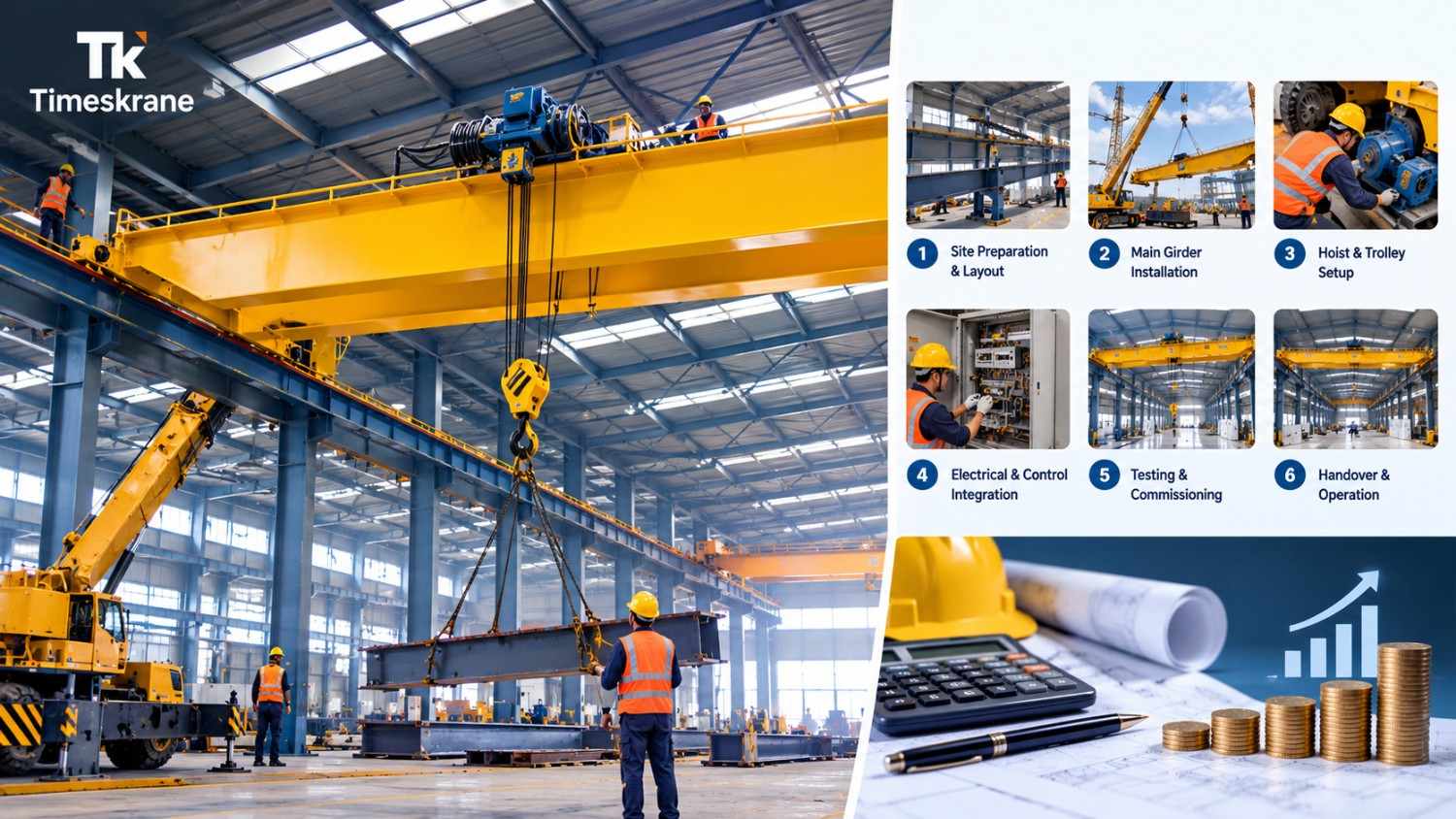
EOT Crane Installation Process and Cost in India
The complete EOT crane installation process in India, covering site survey, runway beams, load testing, and what installation actually costs beyond the crane price.
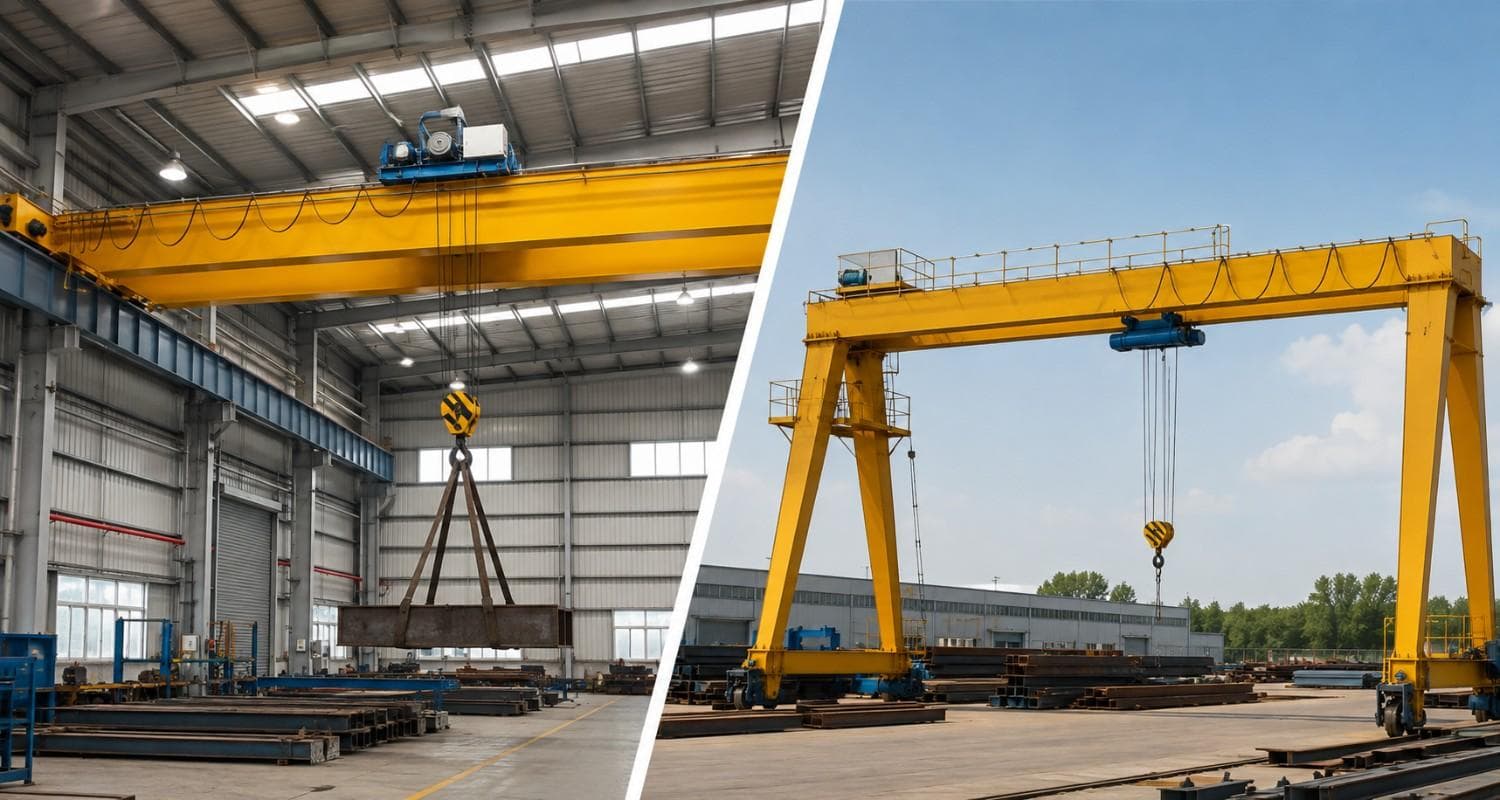
EOT Crane vs Gantry Crane: Which One Does Your Factory Actually Need?
EOT cranes and gantry cranes both lift heavy loads, but they suit very different factories. This guide walks through a simple decision tree covering building structure, floor space, budget, and indoor vs outdoor use, so you can confidently choose the right crane for your facility.

EOT Crane Safety Compliance in India
IS 3177, IS 807, Factories Act rules, and how third-party load testing and certification work for EOT cranes in India.

EOT Crane AMC Cost & Whats Included in 2026
What's actually included in an EOT crane AMC, how comprehensive and non-comprehensive contracts differ, and what drives the cost in India.
Need a Custom Lifting Solution?
Let’s Talk!
Looking for a reliable partner for your next industrial project?
- Expert Consultation
- Pan-India Service