English
Contact
Configure
Catalog
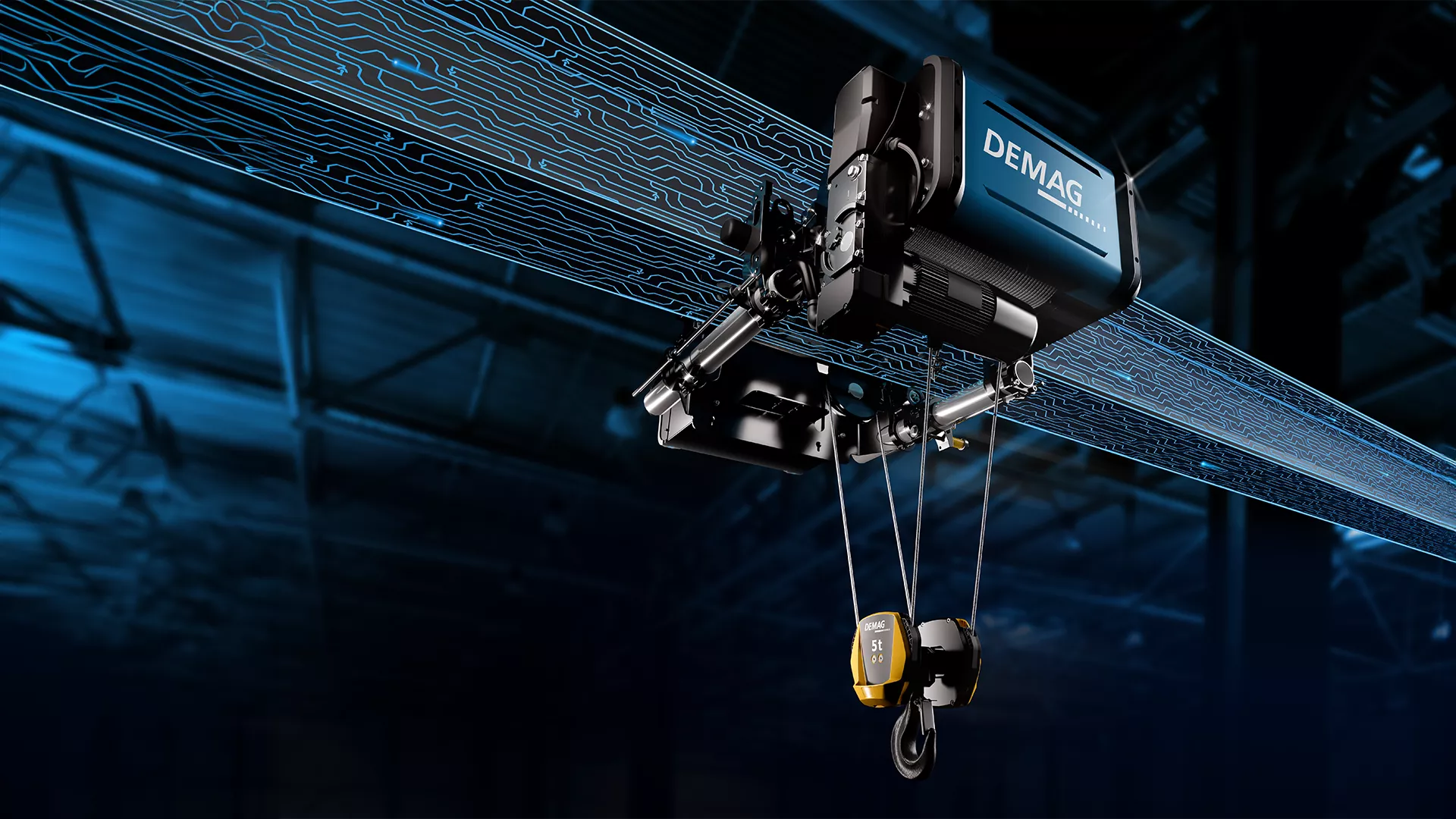
If even one component underperforms, the entire lifting operation can slow down or become unsafe.
That’s why understanding EOT crane components matters whether you manage a factory, supervise maintenance teams, or simply want to choose the right crane system for your facility.
At Times Krane, we’ve seen industries avoid major operational issues simply by paying closer attention to component quality and maintenance practices.
EOT crane components are the mechanical, structural, and electrical parts that make an Electric Overhead Traveling crane function safely and efficiently.
Each component has a specific job. Some handle lifting, others manage movement, and several focus entirely on safety and control.
Think of an EOT crane like the human body. The girder acts as the backbone, motors behave like muscles, brakes provide control, and the electrical system works like the nervous system connecting everything together.
Understanding each component helps you make better maintenance and purchasing decisions.
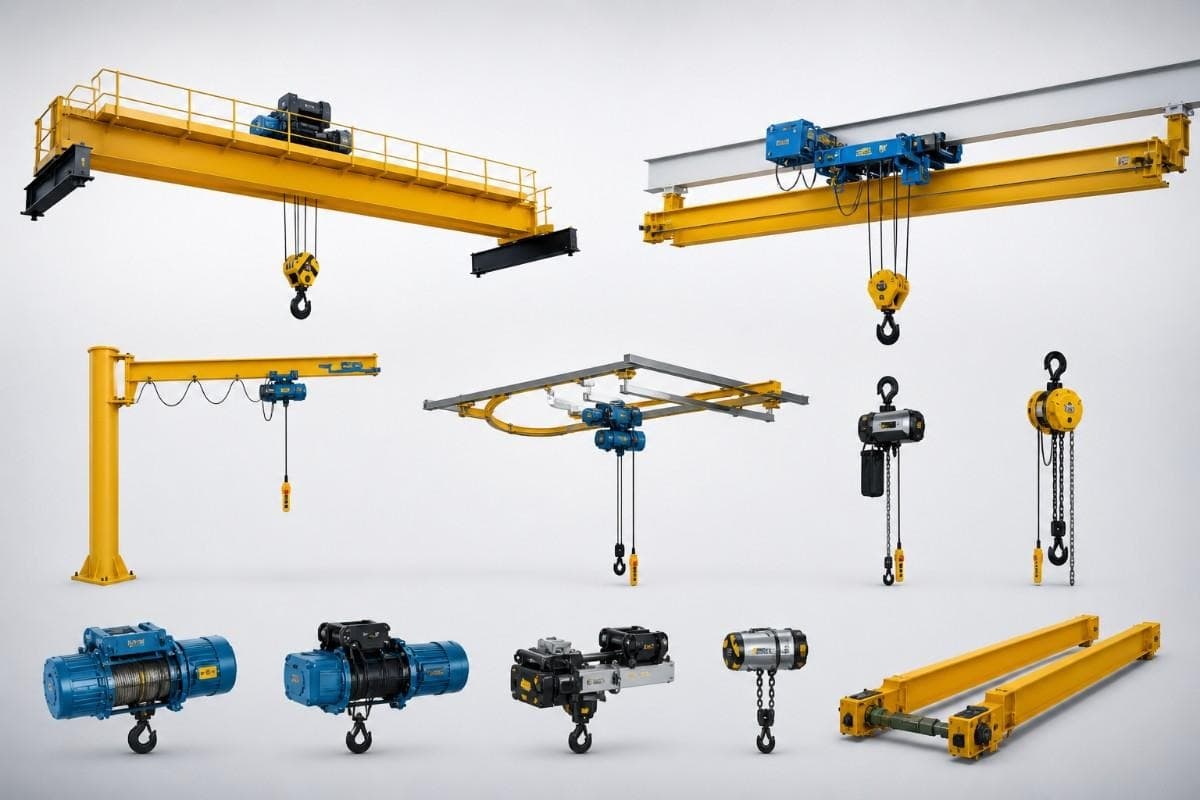
The bridge girder is the main horizontal beam that supports the crane structure.
There are generally two types:
The girder carries the trolley and hoist system while moving across the runway.
In my experience, girder quality directly affects crane stability and long-term durability. Poor structural fabrication often leads to vibration issues during heavy lifting.
The hoist performs the actual lifting and lowering operation.
Common hoist types include:
The hoist system contains:
A reliable hoist ensures smooth and controlled lifting performance.
The trolley carries the hoist along the bridge girder horizontally.
Without the trolley, the crane could only lift loads vertically. This component allows flexible movement across the work area.
End carriages are mounted on both sides of the bridge girder and support crane travel along runway rails.
These assemblies include:
I’ve noticed that wheel alignment problems in end carriages often create uneven crane movement and premature rail wear.
The hook connects the crane to the load being lifted.
Hooks are usually made from forged high-strength steel for better durability and safety.
Modern hook assemblies may include:
Mechanical strength alone isn’t enough. The electrical system controls precision, speed, and safety.
The control panel acts as the brain of the crane system.
It manages:
Limit switches prevent unsafe crane movement by stopping operations before components exceed safe limits.
Pendant controls allow operators to move the crane safely from the ground.
Wireless control systems improve flexibility and operator visibility.
When I tried using remote-controlled cranes during a workshop visit, I immediately noticed how much easier it became to position loads accurately in crowded workspaces.
The festoon system manages and protects moving electrical cables during crane travel.
Drive systems are responsible for crane movement.
Motors power:
The gearbox transfers motor power efficiently to crane movements.
Brakes stop crane movement safely during operation or power failure.
A study published by the Crane Manufacturers Association of America highlighted that properly maintained braking systems significantly reduce industrial crane accidents.
Structural integrity matters more than many people realize.
These beams support crane movement throughout the facility.
Rails guide the crane during travel operations.
Larger cranes often include maintenance platforms for safe inspection access.
Safety features protect both workers and equipment.
Stops lifting beyond rated capacity.
Allows operators to stop crane functions instantly during emergencies.
Useful in facilities operating multiple cranes on the same runway.
These alert workers about crane movement or operational hazards.
At Times Krane, safety-focused crane design remains one of the biggest priorities because industrial environments leave little room for equipment failure.
An EOT crane works like a coordinated team.
Here’s a simplified workflow:
Every component depends on the others for smooth operation.
Even strong crane systems experience wear over time.
Continuous lifting causes rope fatigue and fraying.
Poor brake maintenance can create serious safety risks.
Overloading or insufficient ventilation often causes overheating.
Misaligned rails affect crane travel and wheel performance.
Loose wiring and damaged connections may disrupt crane operations.
I’ve noticed maintenance teams often focus heavily on visible mechanical parts while overlooking smaller electrical components that are equally critical.
Preventive maintenance extends crane lifespan significantly.
Check:
Proper lubrication reduces friction and wear.
Waiting too long usually increases repair complexity later.
Skilled operators reduce unnecessary strain on components.
Detailed records help identify recurring operational issues.
Cheap components may save money initially but often create expensive downtime later.
High-quality EOT crane components help improve:
In my experience, businesses that invest in reliable components typically experience fewer interruptions and smoother production cycles.
Not every industrial facility needs the same crane setup.
Before selecting components, evaluate:
For example, a steel plant handling molten materials requires very different crane specifications compared to a warehouse handling packaged goods.
At Times Krane, the focus goes beyond manufacturing cranes. The goal is to provide dependable lifting systems built with durable, performance-driven components.
Industries value:
A properly engineered crane system can improve productivity for years when built using reliable components and maintained correctly.
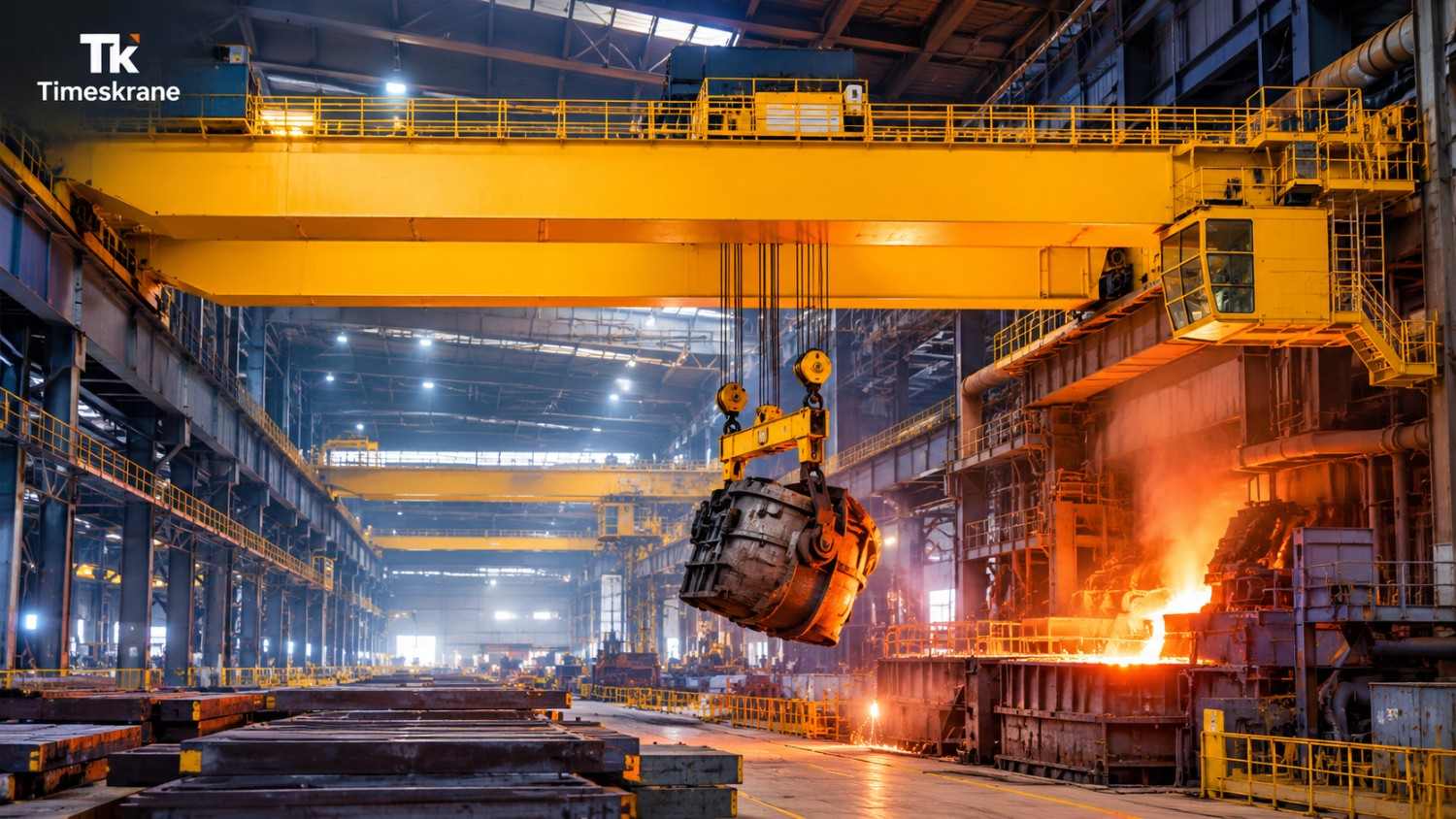
An honest breakdown of what makes a crane genuinely heavy duty for steel plant use, covering duty classification, capacity, and safety features buyers often miss.
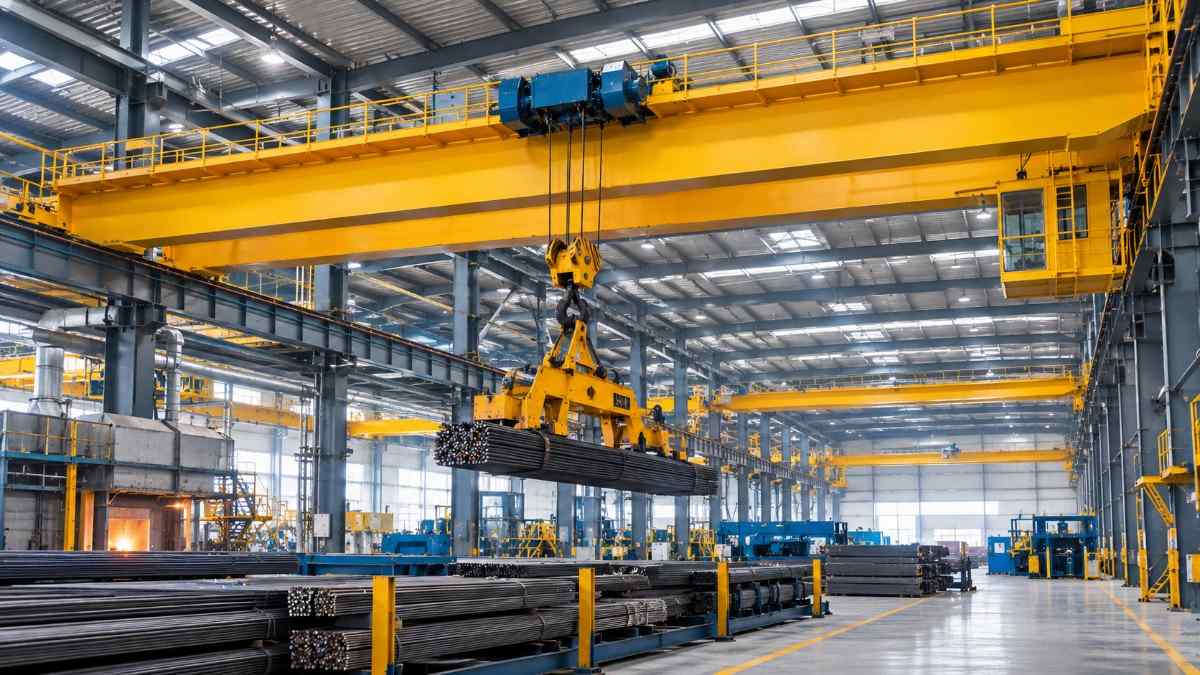
Finding the right steel plant crane manufacturer is perhaps the most important decision a procurement manager or plant owner will make. A poorly designed crane can increase both safety risks and downtime while excessively increasing maintenance costs.
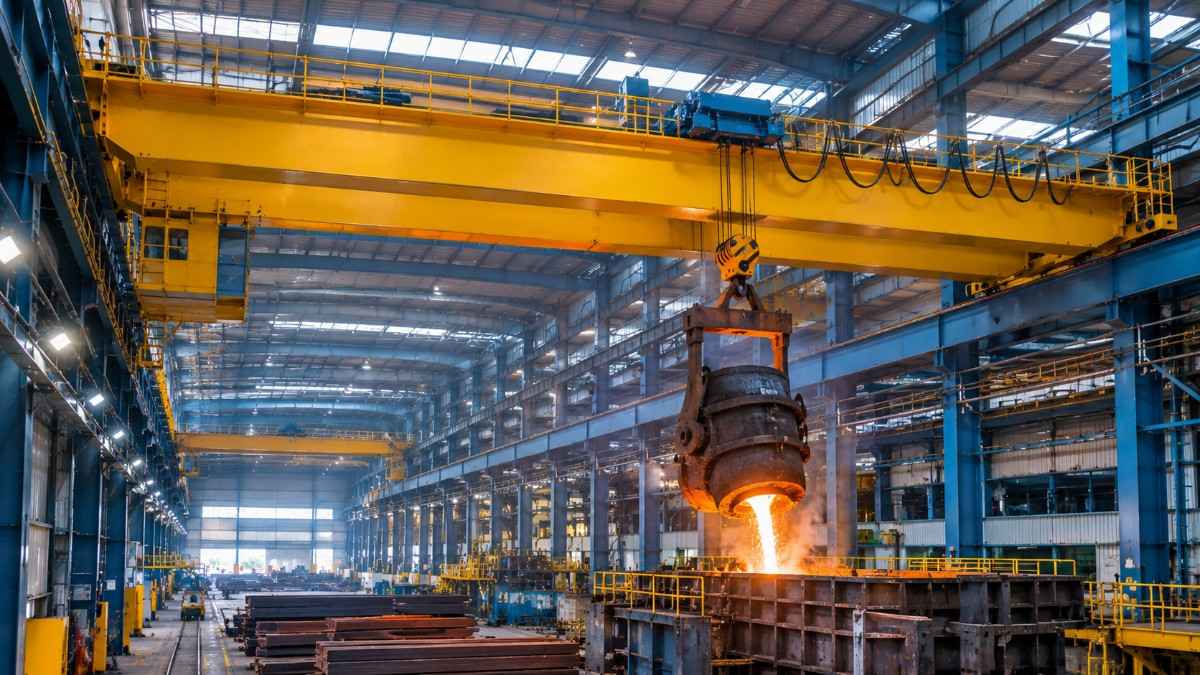
If you run or manage a steel plant, you already know that an overhead crane for steel plant operations is not a luxury. It is the backbone of your material handling process. From moving billets and coils to shifting ladles of molten metal, the right crane decides how smoothly your production line runs.
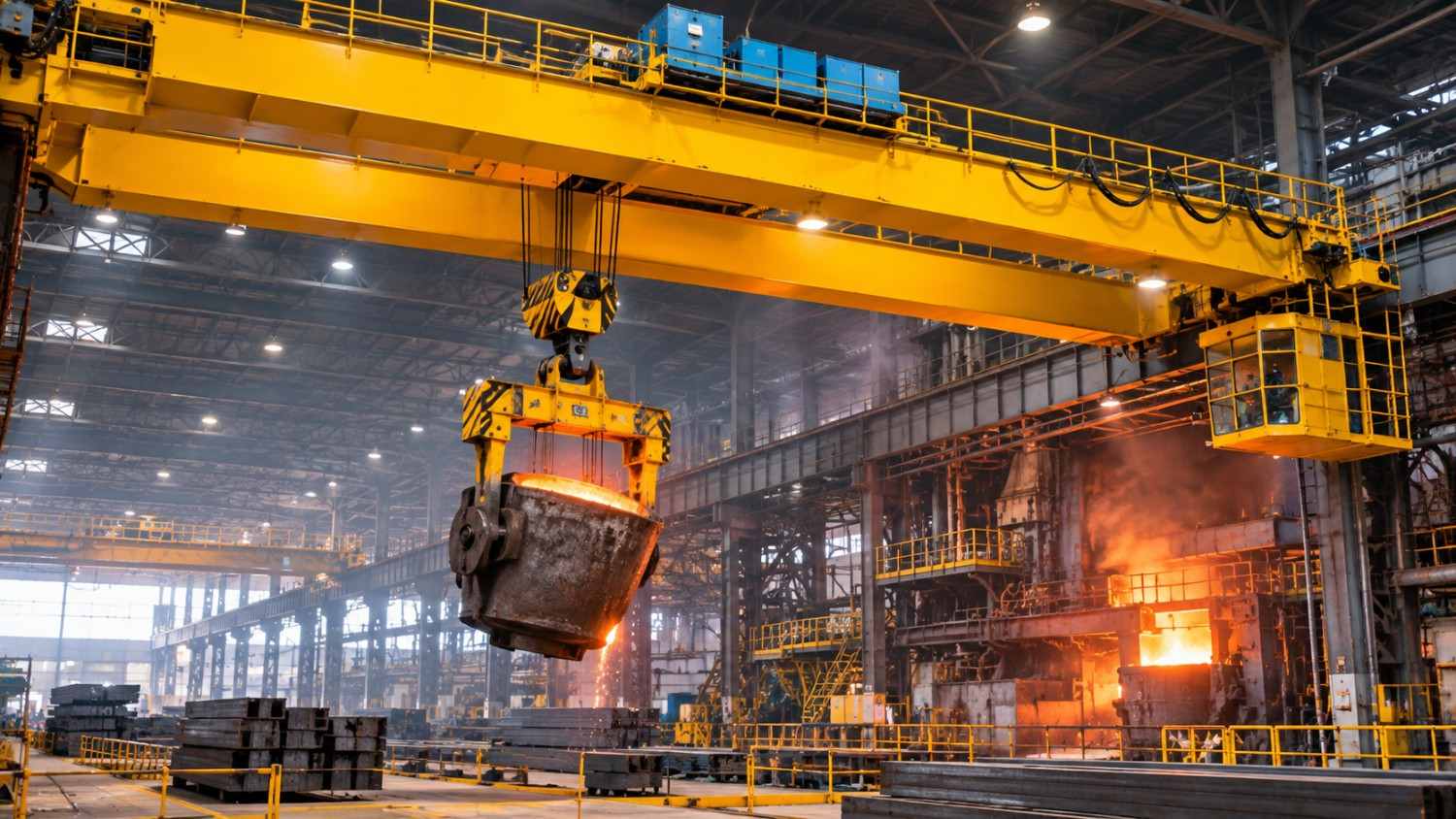
Discover how EOT cranes support steel plant operations, from material handling to molten metal lifting. Learn about crane types, duty classes, safety features, and how to choose the right EOT crane for your steel plant.
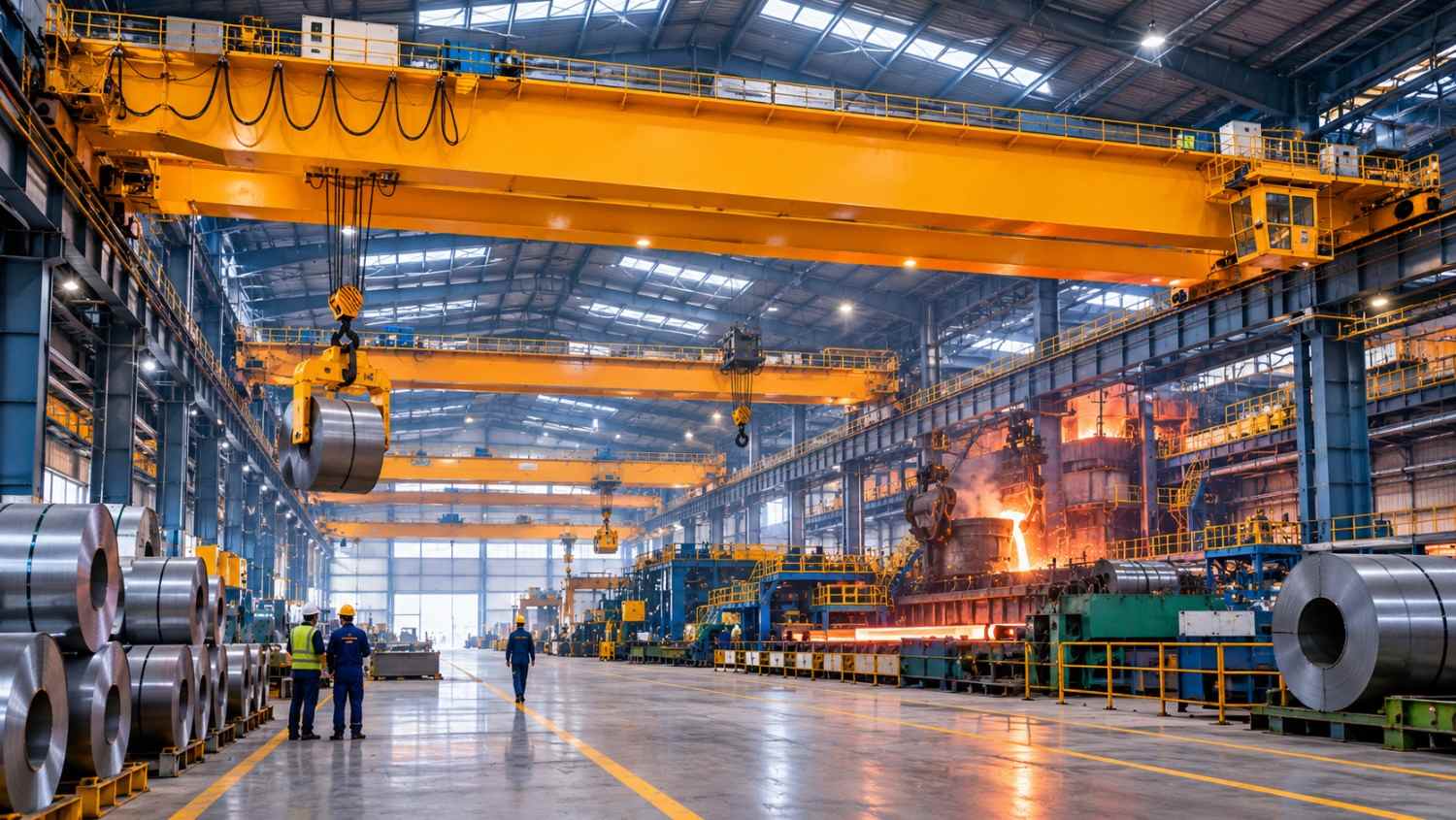
An honest, researched look at the top 5 crane manufacturers for steel plants in India, covering ladle, grab bucket, and coil handling cranes.
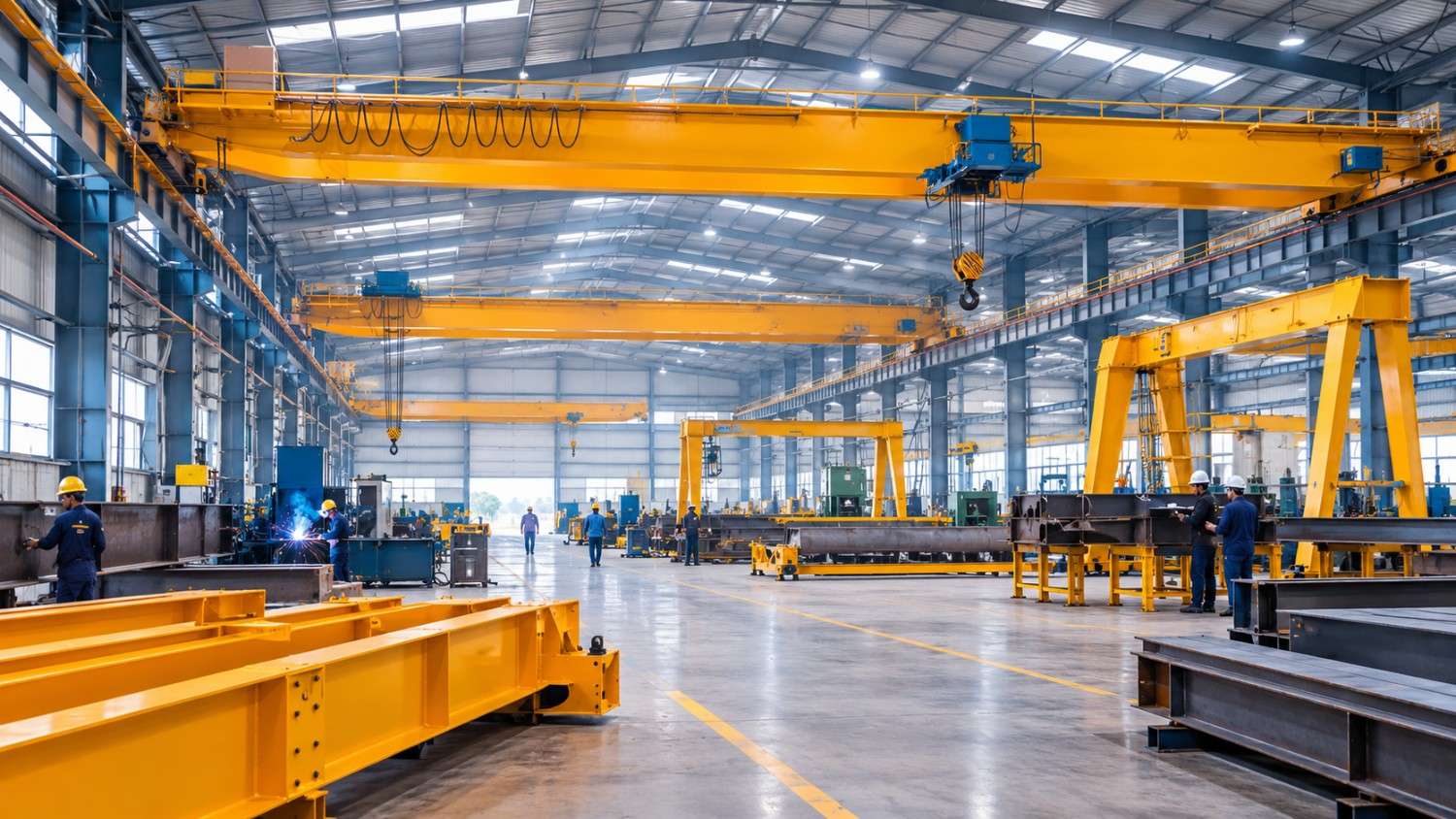
A real, researched look at the top 10 crane manufacturers in North India, covering Delhi NCR, Punjab, Haryana, UP, and Rajasthan, with what actually sets each one apart.
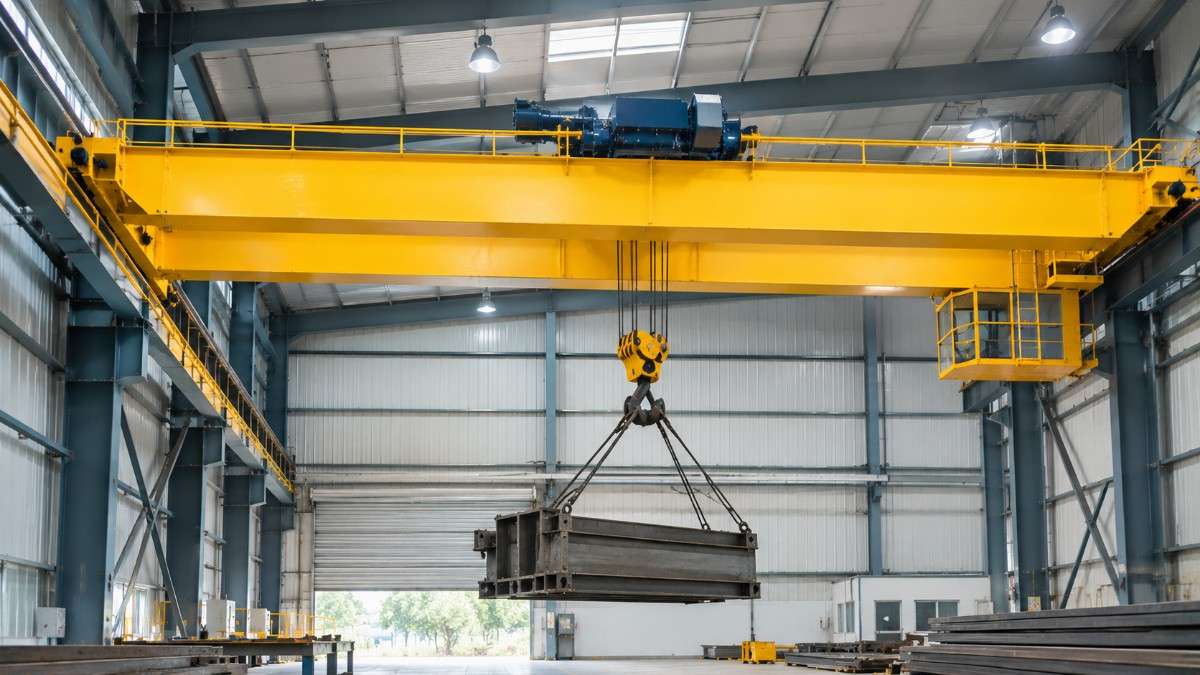
If you are looking for a 10 ton overhead crane for your factory or warehouse, the primary question that arises in your mind is whether this capacity will cater to your daily operations or it will turn out to be a useless and bulky addition to your storage.
Looking for a reliable partner for your next industrial project?