English
Contact
Configure
Catalog
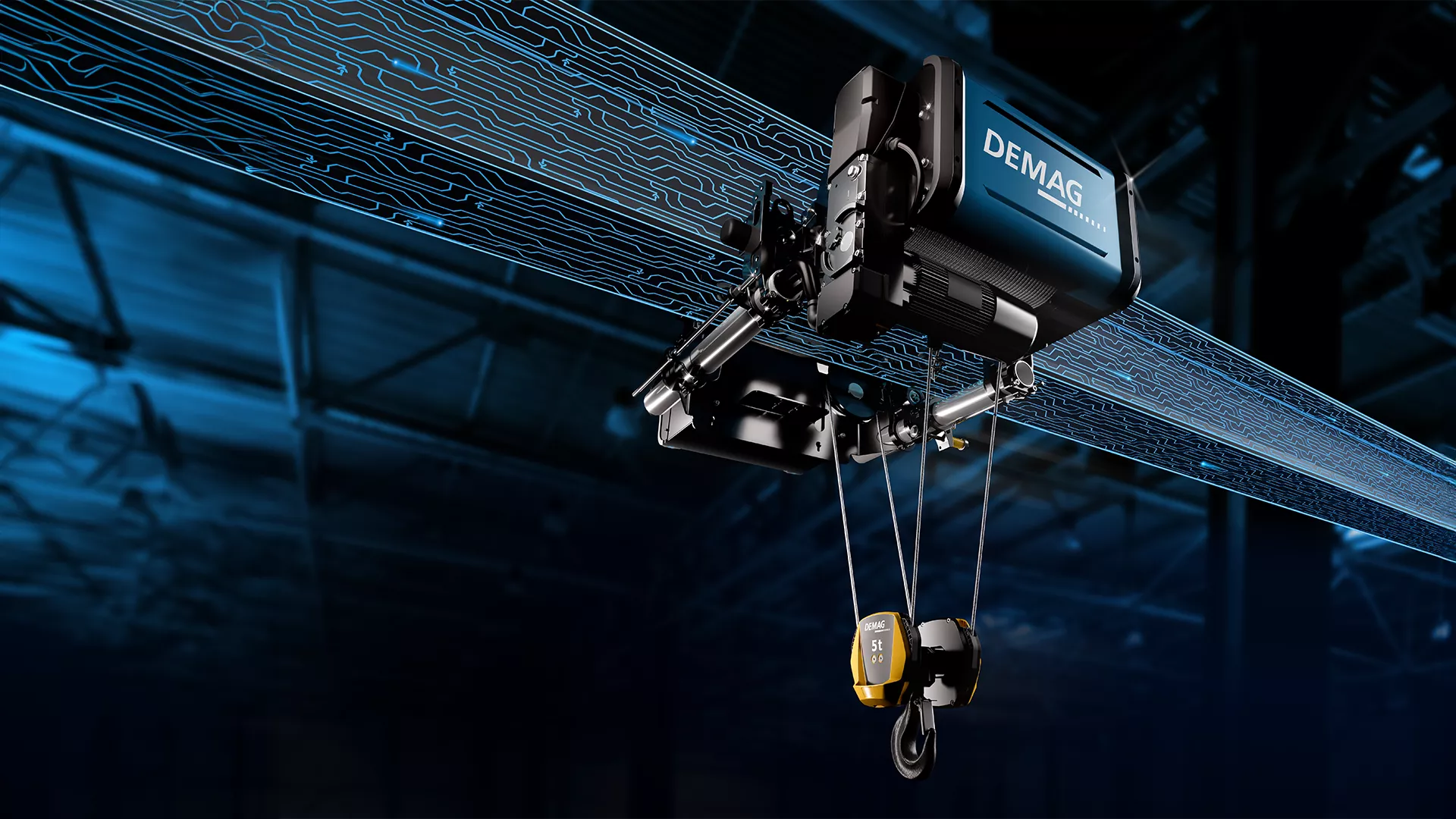
That distinction matters more than most buyers realize until something breaks at 2 AM and there's nobody to call.
I've spent years around factory floors, watching cranes get installed, stress tested, and sometimes returned because they simply weren't built for the load they were promised to handle. So let's talk plainly about what makes an EOT crane company worth your trust, and why the Indian market is more crowded with mediocre options than you'd expect.
EOT stands for Electric Overhead Traveling crane. Picture a crane that rides on rails fixed high up along the walls of your factory or warehouse, moving materials from one end of the floor to the other without anyone needing to drag, push, or forklift anything across the ground.
It's the backbone of material handling in places like steel plants, cement units, automobile assembly lines, and ports. Without one, you're basically running a 21st century factory with 19th century logistics.
In my experience walking through dozens of manufacturing units across Haryana and Gujarat, the units that invest in a well-built EOT crane system cut their material handling time by nearly 30 to 40 percent. That's not a marketing number. That's what shows up when you compare before-and-after shift logs.
India's manufacturing sector has been on a tear. According to the Ministry of Commerce and Industry, the country's industrial output has grown steadily as part of the broader push toward self-reliant manufacturing under initiatives like Make in India.
That growth means more factories, more steel fabrication units, more warehouses, and a lot more demand for equipment that can move heavy loads safely and quickly.
Here's the catch though. Demand surges always attract opportunists. You'll find no shortage of companies online claiming to be the "best EOT crane company in India," but very few actually have:
This is exactly where Times Krane has built its reputation, by focusing on the boring but essential stuff: structural integrity, accurate load testing, and being available when clients actually need support.
I'll be honest, when I first started evaluating crane suppliers for a client's expansion project, I made the rookie mistake of trusting glossy brochures over actual plant visits. Big mistake.
Here's what I'd tell anyone doing this now.
A real manufacturer won't hesitate. If a company gets evasive about showing you their fabrication facility, that's your answer right there.
Every EOT crane should go through rigorous load testing before delivery. Ask for test certificates. A trustworthy EOT crane company in India will hand these over without making it feel like you're asking for a state secret.
Cranes for a cement plant look nothing like cranes for a pharma warehouse. Versatility across sectors usually signals real engineering depth, not just repeated copy-paste manufacturing.
This one's underrated. A crane installed in Coimbatore needs the same level of support as one in Faridabad. If a company can't service pan-India, you're signing up for headaches down the line.
I've noticed that plant managers often focus heavily on delivery timelines and overlook long-term reliability. That's understandable; deadlines are stressful. But a poorly fabricated EOT crane doesn't just slow you down once. It slows you down every single week through micro-breakdowns, alignment issues, and unplanned maintenance.
One factory owner I spoke with in Rajasthan described switching suppliers after his original crane kept jamming mid-lift. "It wasn't even the motor," he said. "It was the whole girder design. Nobody checked it properly before installation."
That's the kind of story that repeats more often than the industry likes to admit.
Times Krane operates out of Faridabad, Haryana, and has built its identity around manufacturing rather than just assembling. The team handles everything from design consultation to fabrication, installation, and after-sales maintenance.
What stands out, at least from what I've seen in client feedback, is the emphasis on customization. Not every factory has the same ceiling height, load requirement, or operational rhythm. A cookie-cutter crane rarely fits a real-world factory floor.
Times Krane's approach leans into understanding the actual use case first, then engineering around it. That's a subtle difference, but it's the difference between a crane that lasts fifteen years and one that needs major repairs within three.
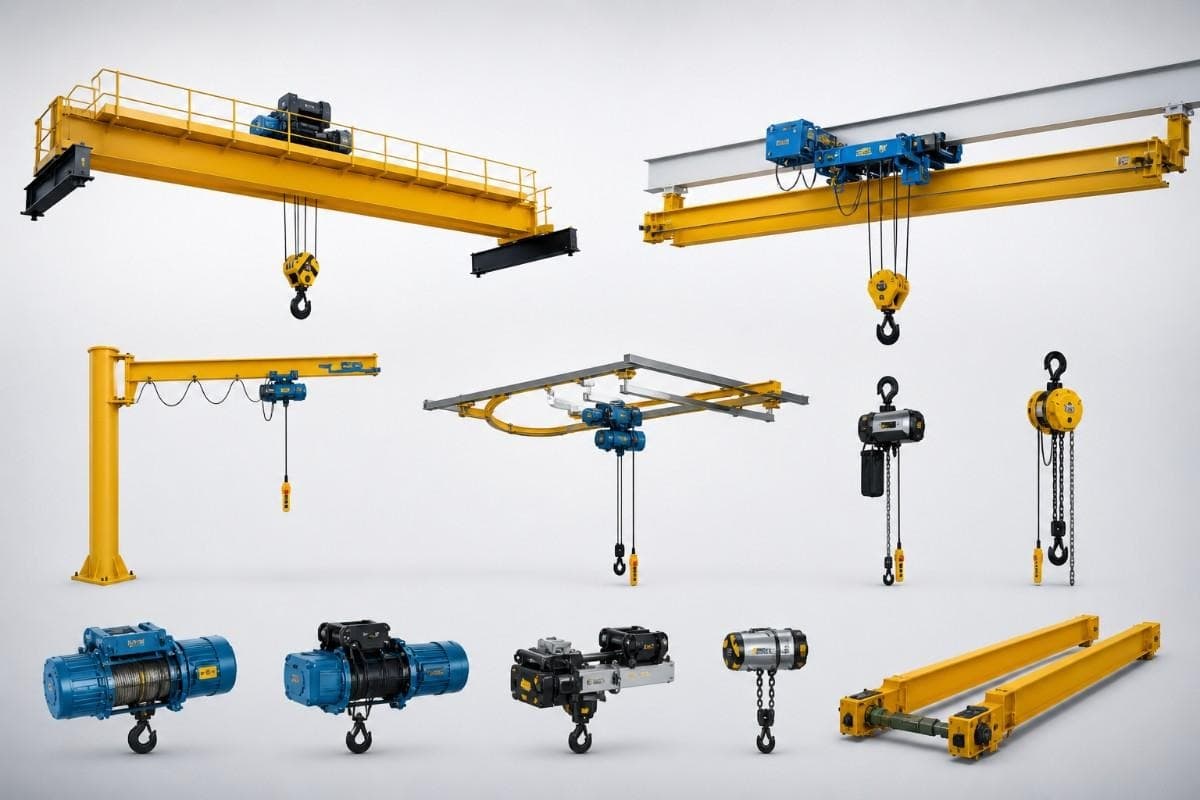
If you're new to this, here's a quick breakdown of the common types you'll come across:
Each of these serves a different operational need, and picking the wrong type is a common (and expensive) mistake.
When I tried comparing crane longevity across different manufacturers for a research piece a while back, the pattern was clear. Cranes that lasted longest shared three traits:
It really is that simple. The engineering matters, but the relationship with your supplier matters almost as much.
Most people assume EOT cranes are "install and forget" machines. They're not. Routine inspection of wire ropes, hooks, motors, and control panels can prevent almost 70 percent of unexpected breakdowns, based on patterns I've observed across multiple industrial sites.
If your EOT crane company in India doesn't offer a maintenance plan or at least guide you toward one, that's a gap you'll feel eventually.
Picking the right EOT crane company isn't about finding the flashiest website or the fastest sales call. It's about finding a team that understands your floor, your load requirements, and your long-term operational goals.
Times Krane has built its name by focusing on exactly that, practical engineering, honest communication, and support that doesn't disappear after the invoice is signed.
Whether you're setting up a new manufacturing line or replacing an aging crane system, take your time evaluating suppliers properly. The right choice today saves you years of frustration later.
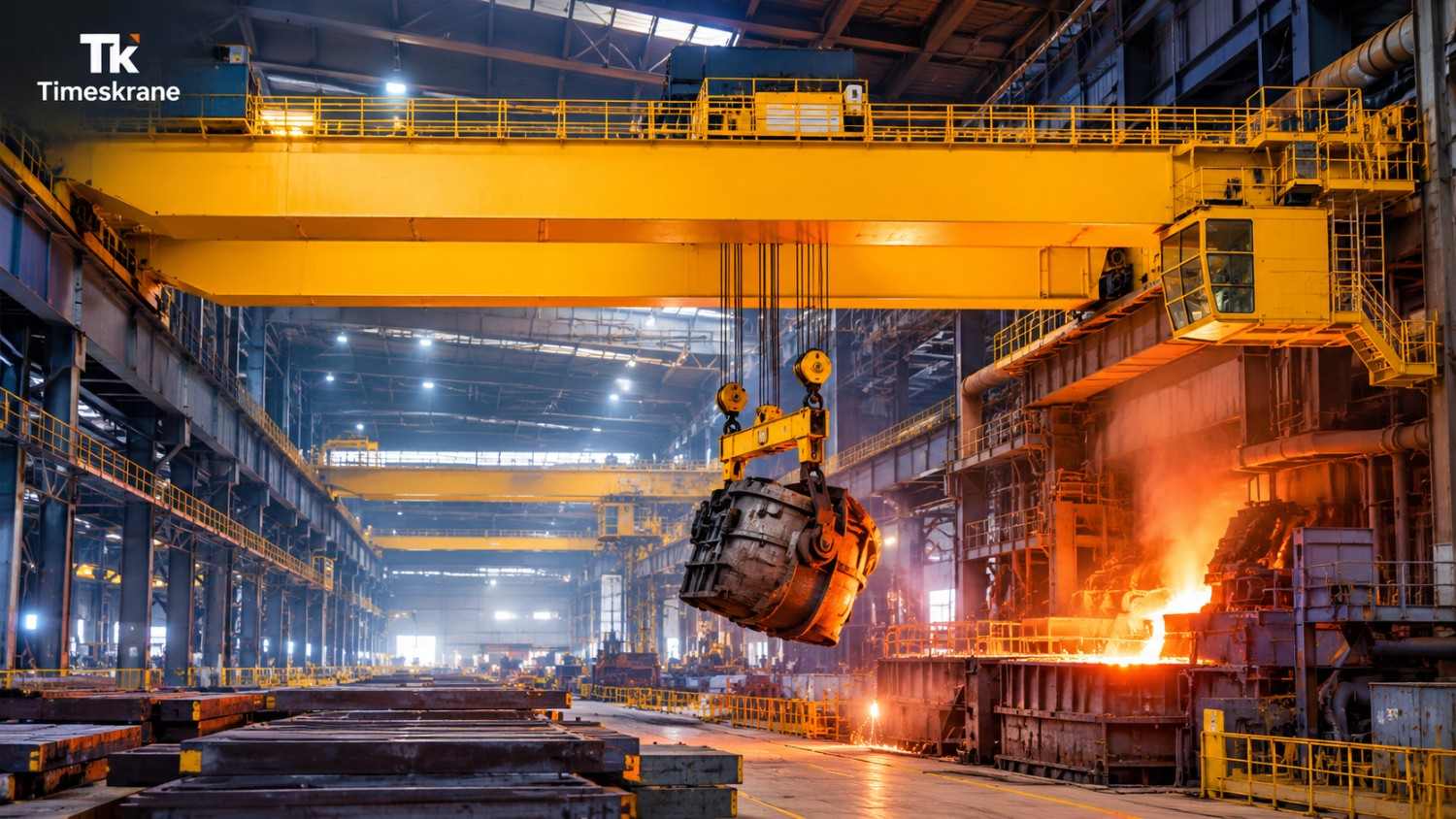
An honest breakdown of what makes a crane genuinely heavy duty for steel plant use, covering duty classification, capacity, and safety features buyers often miss.
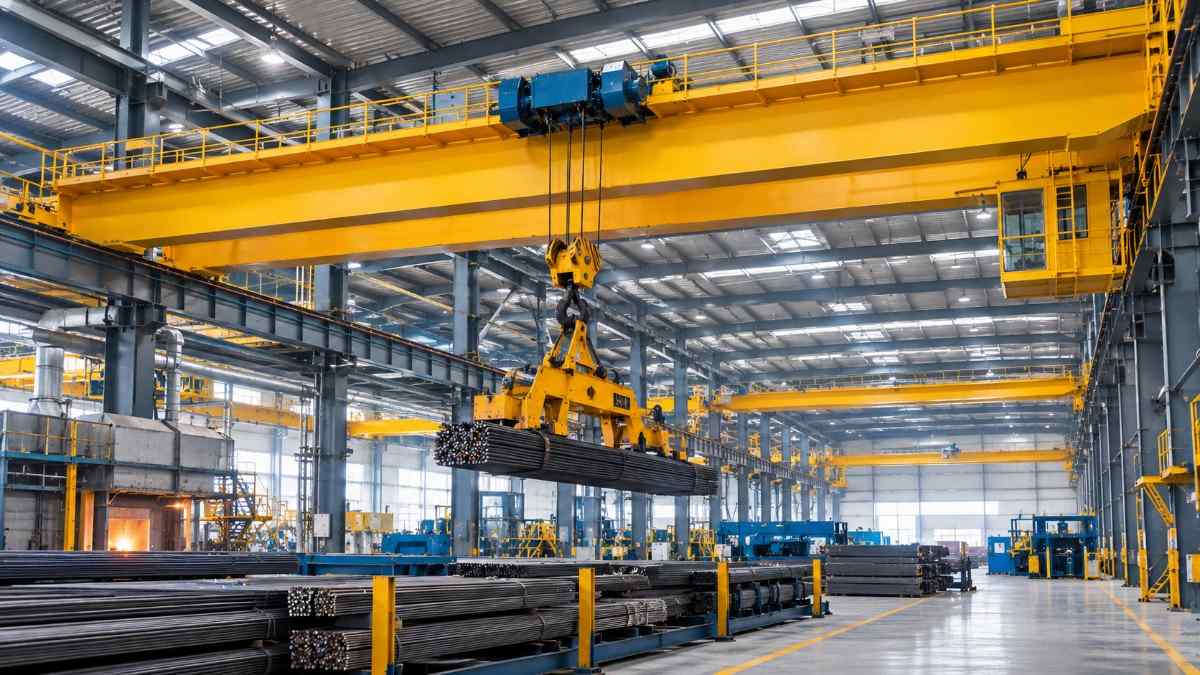
Finding the right steel plant crane manufacturer is perhaps the most important decision a procurement manager or plant owner will make. A poorly designed crane can increase both safety risks and downtime while excessively increasing maintenance costs.
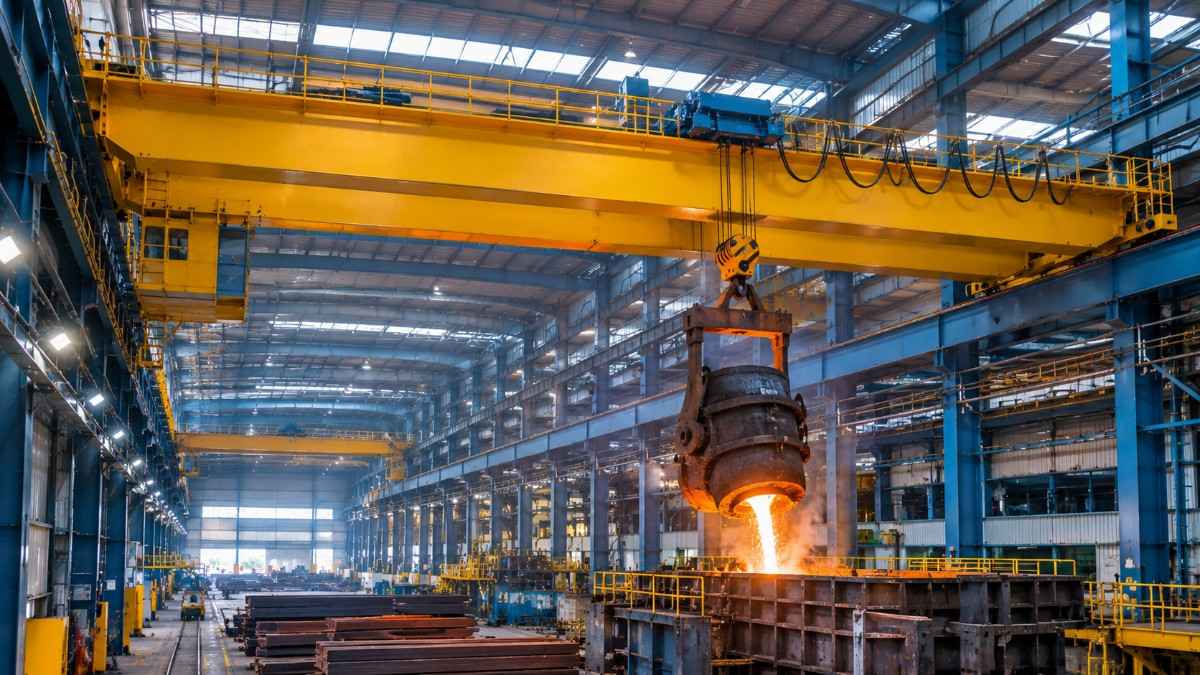
If you run or manage a steel plant, you already know that an overhead crane for steel plant operations is not a luxury. It is the backbone of your material handling process. From moving billets and coils to shifting ladles of molten metal, the right crane decides how smoothly your production line runs.
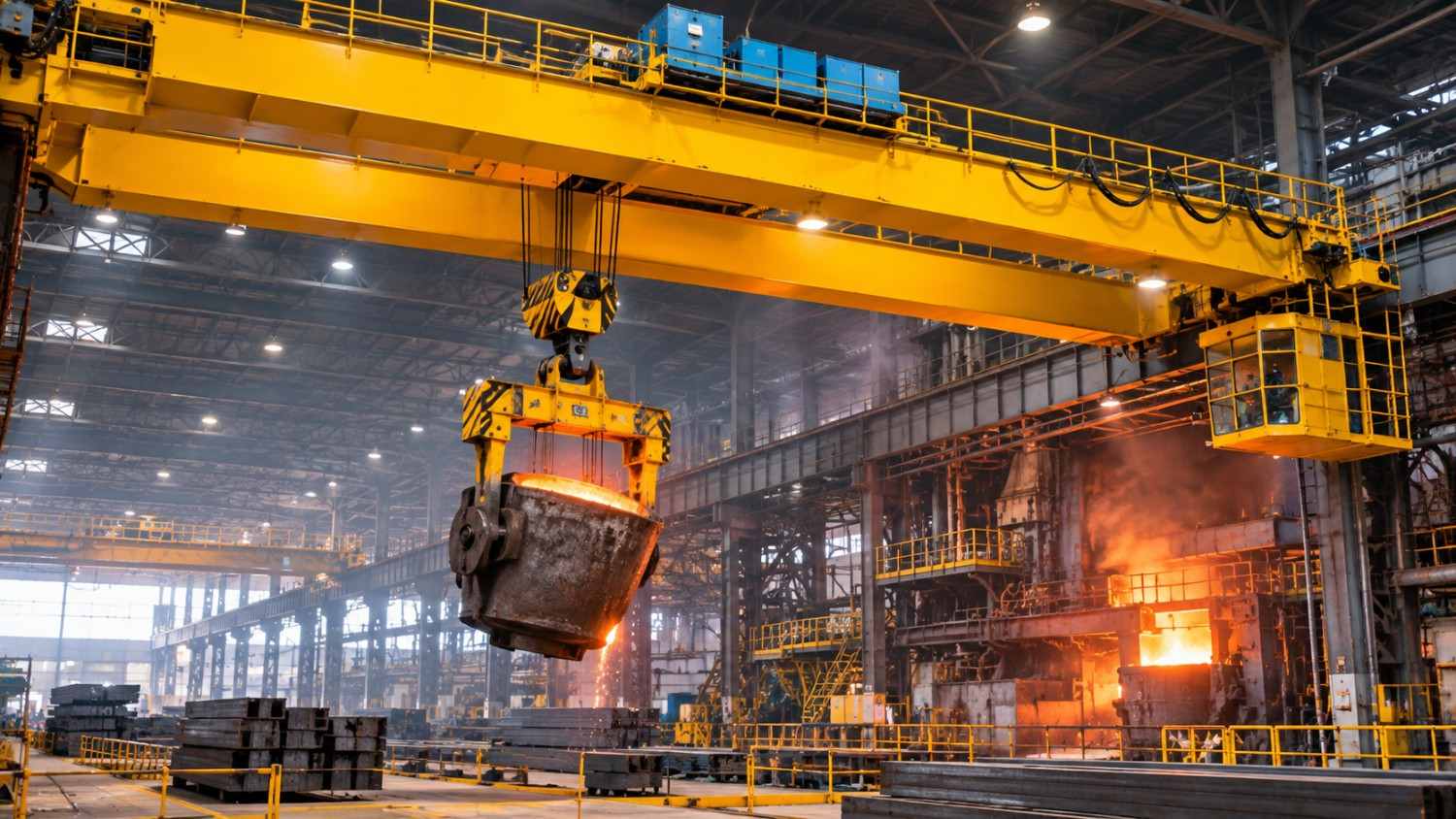
Discover how EOT cranes support steel plant operations, from material handling to molten metal lifting. Learn about crane types, duty classes, safety features, and how to choose the right EOT crane for your steel plant.
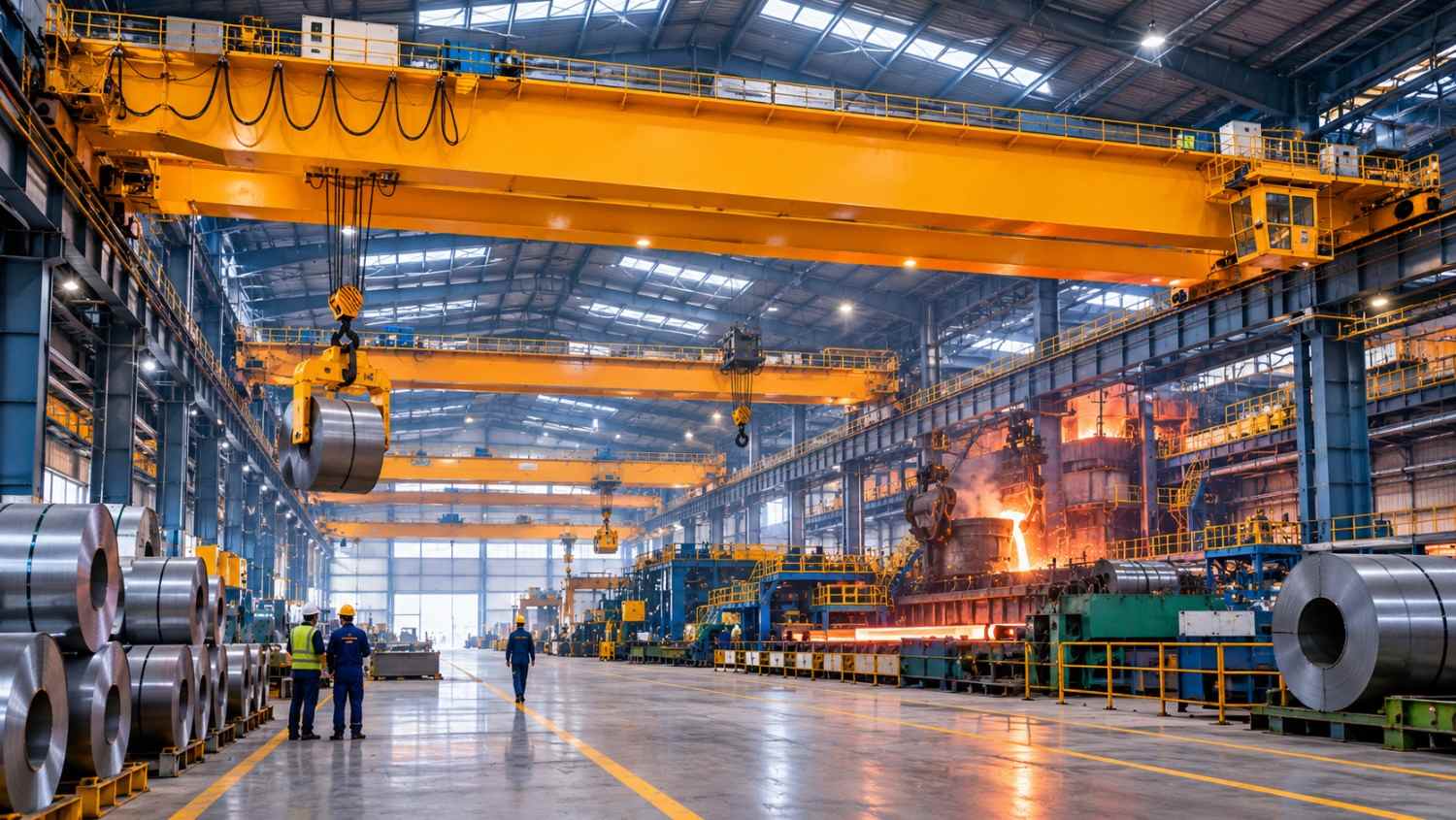
An honest, researched look at the top 5 crane manufacturers for steel plants in India, covering ladle, grab bucket, and coil handling cranes.
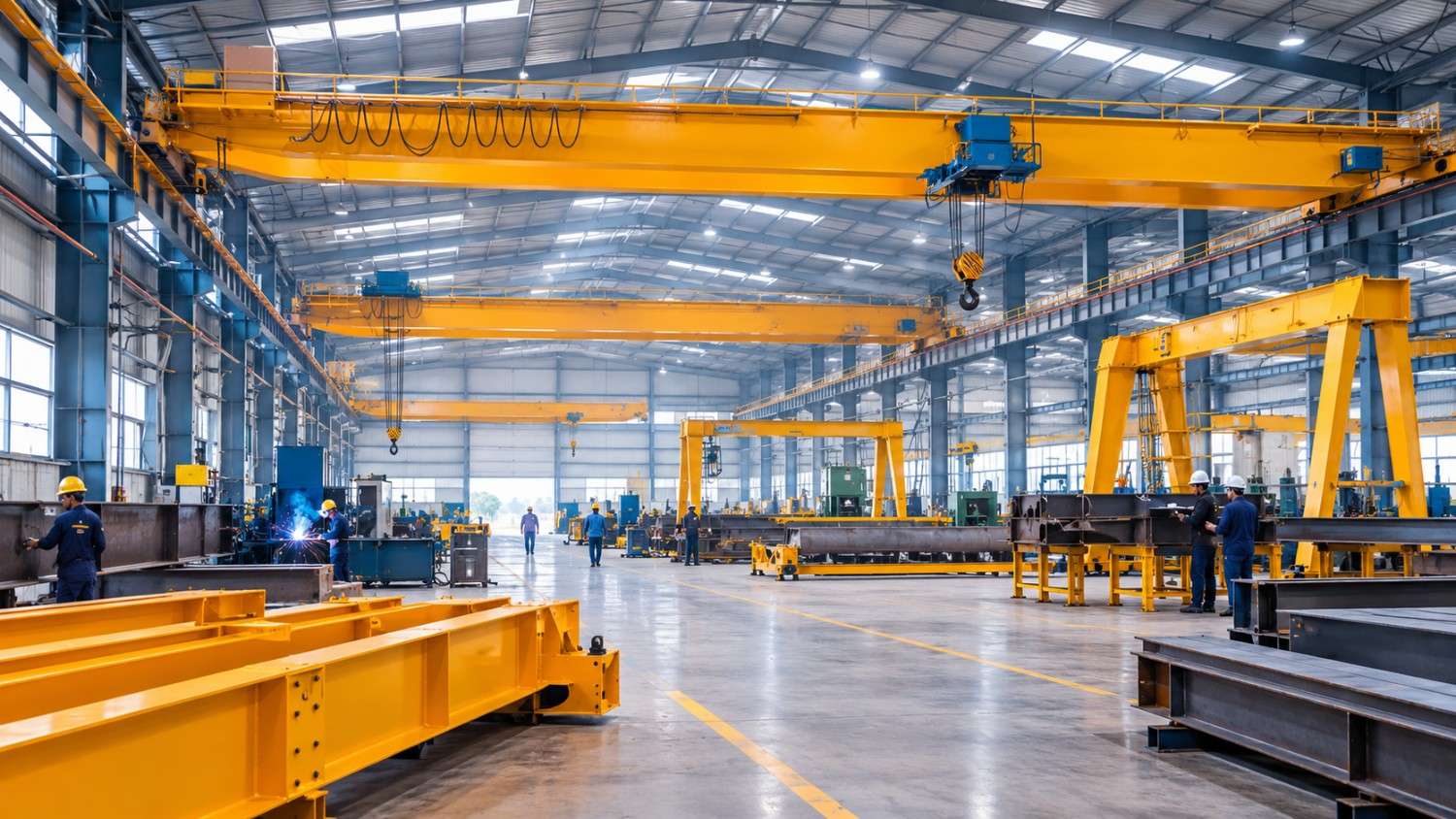
A real, researched look at the top 10 crane manufacturers in North India, covering Delhi NCR, Punjab, Haryana, UP, and Rajasthan, with what actually sets each one apart.
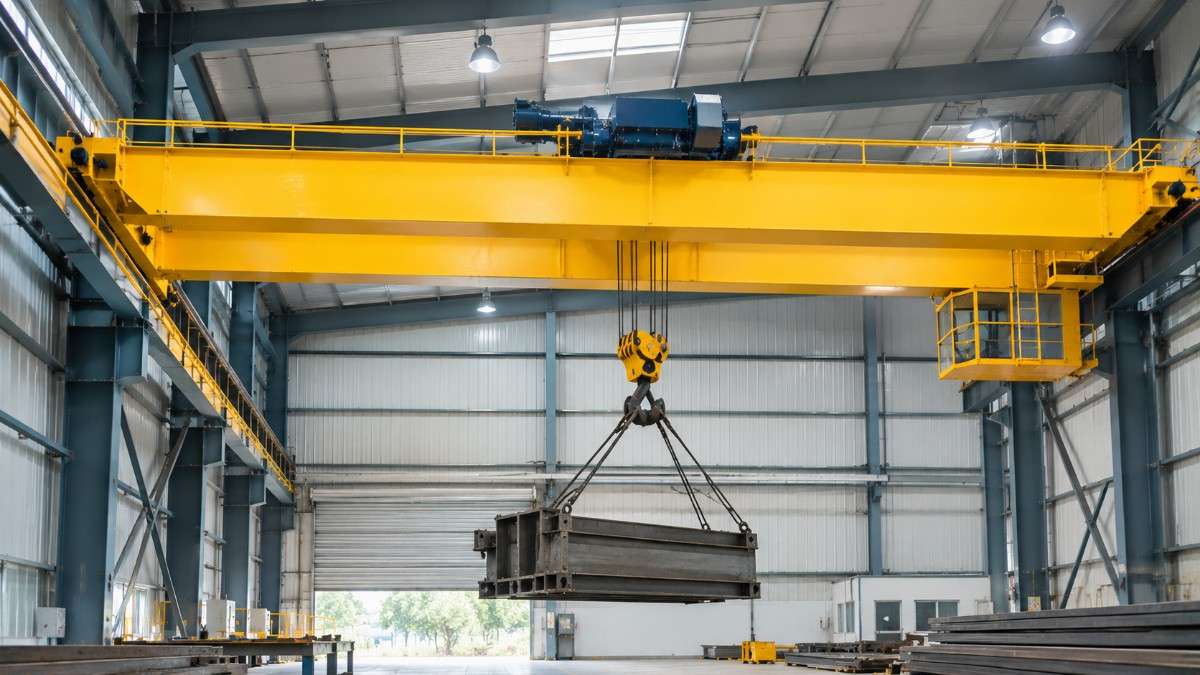
If you are looking for a 10 ton overhead crane for your factory or warehouse, the primary question that arises in your mind is whether this capacity will cater to your daily operations or it will turn out to be a useless and bulky addition to your storage.
Looking for a reliable partner for your next industrial project?