
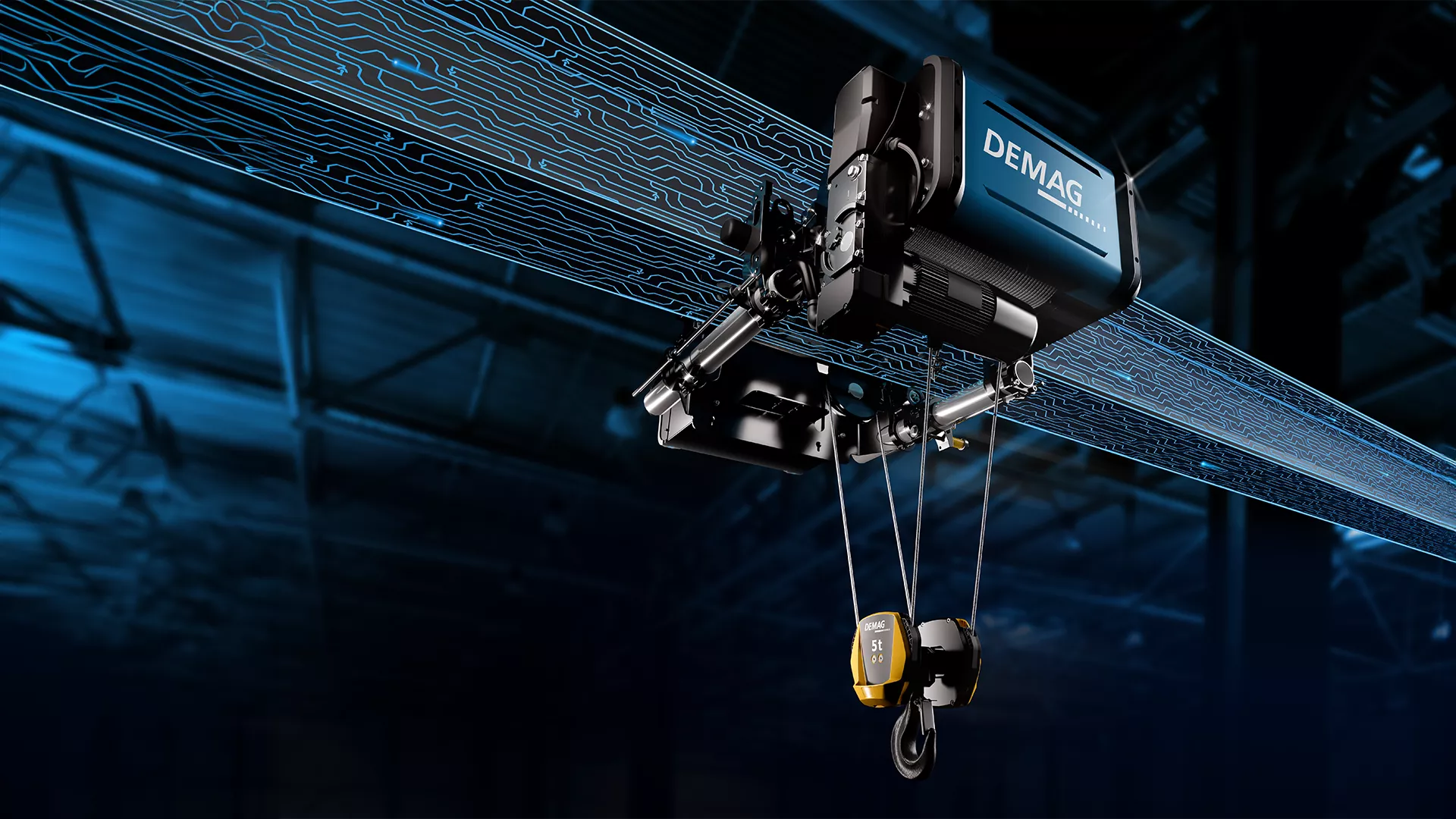
A Complete Guide to Demag Crane Spare Parts and Their Uses
Table of Content

A Complete Guide to Demag Crane Spare Parts and Their Uses
A worn brake lining or a failed limit switch can stop a production bay within minutes. Demag crane spare parts decide how quickly you recover, and whether the crane stays safe while you do. This guide covers Demag spares by system, shows how to identify the right part, and lists what to keep in stock. It is written for maintenance and procurement teams running Demag overhead cranes, hoists and KBK systems in Indian plants.
Demag Spare Parts Quick Reference
Use this table as a working crane spare parts list. Details for each system follow below.
| Part | What it does | Replace or service when | On-site stock |
|---|---|---|---|
| Wire rope | Carries the load | Broken wires, diameter loss, corrosion or kinks | One per hoist |
| Hook block | Load attachment | Throat wear, deformation, rough swivel | Spare for critical hoists |
| Brake lining and disc | Holds the load | Wear to minimum thickness, glazing, oil contamination | Yes |
| Brake coil and rectifier | Releases the brake | Overheating or failure to release | Yes |
| Limit switch | Stops over-travel | Fails the function test or is damaged | Yes |
| Gearbox seal kit | Keeps oil in | Oil leaks or abnormal noise | Yes |
| Travel wheel and bearing | Carries the crane on the rail | Flange wear, flat spots, heat or noise | Bearings yes |
| Collector shoe | Picks up power | Worn contacts, intermittent faults | Yes |
| Pendant button and cable | Operator control | Worn contacts, damaged cable | One spare pendant |
| Contactor and relay | Switches motor circuits | Pitted or welded contacts | Yes |
| VFD fan and control board | Speed control | Overheating or drive alarms | Spare drive for critical hoists |
| End buffer | Absorbs impact | Cracks, compression, hardening | Yes |
How to Identify the Right Demag Crane Parts
Most ordering errors start with incomplete data. Before you contact a supplier, collect the crane serial number from the data plate, the hoist type and size, and the motor and gearbox designations. Add the brake type, voltage and frequency, and any part numbers printed on the old component.
Photographs of the part and its mounting position help a supplier cross-reference the correct item when the original manual is missing. Check whether your hoist is a rope hoist such as the DHR or DVR, or an electric chain hoist, because the spares differ.
Price depends on the model, quantity, whether the part is genuine or an equivalent, and how urgently you need it. A supplier cannot quote reliably without the data above.
Demag Hoist Parts
The hoist carries the highest mechanical stress on the crane, so Demag hoist parts are the most frequent orders.
Wire rope and rope drum
Rope is a consumable. ISO 4309 sets discard criteria that cover broken wires, diameter loss, corrosion and deformation such as kinks. Replacement rope must match the original construction, diameter, lay and grade, or it will affect drum grooving and load capacity.
Rope life depends on duty. It can fall under a year in severe multi-shift service and stretch to several years in light duty, so let inspection decide, not the calendar. Drum grooves and bearings should be checked at each rope change.
Hook block
Check the hook throat for wear and opening, the swivel bearing for roughness, and the lower sheaves for groove wear. Use the limit in your manufacturer's manual. A hook that is deformed or cracked must be replaced, not repaired.
Gearbox and motor
Gearbox spares are mostly seals, bearings, gaskets and gear sets. Oil leaks and abnormal noise are the usual triggers. Motor spares include bearings, cooling fan parts and terminal components, while a failed winding means rewinding or replacing the motor.
Hoist brake
The brake holds the load if power or control fails, so treat it as a safety part. Spring-applied, electrically released disc brakes use linings, discs, springs and coils. Replace linings at minimum thickness. Do not defer this work.
Limit switches
Upper and lower limit switches prevent rope overwinding. Test them on a schedule and replace any unit that fails. A faulty upper limit is a direct safety hazard.
Chain hoist parts
Electric chain hoists use a load chain, chain guides, a chain container, a hook and a brake. Chain stretch and link wear set the replacement point. Pairing a worn chain with a new sprocket, or the reverse, shortens the life of both.
Travel Unit and Structural Parts
Travel units move the crane along the runway and the trolley along the bridge. Wheels wear through flange contact, flat spots from brake lock-up and rail misalignment. Replacement wheels must match the original tread diameter, flange profile and bore.
Wheel bearings carry the full crane weight in motion. Heat, noise or play means replace them before the wheel seizes and damages the rail. Travel gearboxes need seal, bearing and oil service, and travel motors on VFD-controlled cranes should be replaced only with units that match the drive settings.
Cracked or compressed end buffers lose their ability to absorb impact, so replace them before the next collision, not after it. Loose rail clips let the rail move under dynamic loads and cause tracking faults.
For motor, gearbox and wheel replacements, see our geared motors, motors and wheel range pages.
Demag Pendant, Electrical and Safety Parts
Pendant and radio control
Demag pendant parts take the most hand wear on any crane. The common replacements are push-button contacts, spring returns, strain relief, the emergency stop and the pendant cable itself. Modular pendants let you change a single button without replacing the station. For radio remotes, transmitter batteries are the most frequent item, followed by housings and receiver units.
Power supply and drives
Collector shoes wear from sliding contact, and worn shoes cause intermittent faults that are often misdiagnosed as control problems. Festoon cables fail from repeated flexing at the hangers. On VFD cranes, drive cooling fans, capacitors and control boards are the usual spares. Keep a spare drive for any hoist where downtime is costly.
Control panel and protection devices
Contactors lose contact tips to arcing, and panels need fuses, breakers, terminals and, on newer cranes, PLC modules. Overload devices and anti-collision sensors must be calibrated and tested at set intervals. Replace the sensing element or sensor head when it drifts or fails. A crane that cannot protect itself should not be lifting.
Demag Brake Replacement: What to Check Before You Order
Brakes are the most common emergency order, so confirm the details before you buy. Identify the brake type from the motor or brake nameplate, then record the lining thickness, disc condition and coil voltage. Measure the air gap and note whether the brake is on a hoist or a travel motion, because the parts and tolerances differ.
Replace linings and discs as a matched set where the manual requires it, and renew springs if they have lost tension. After fitting, test that the brake holds a rated load and releases cleanly, and record the result. If the new lining wears quickly, look for oil leaks, voltage problems or overloading before you reorder.
KBK Light Crane System Spares
Demag KBK systems use lighter components, and spares follow the profile type. Track sections, trolleys, end stops, suspension fittings and festoon parts are the usual requests. If you run a KBK light crane system or KBK Aluline, send the profile size and photographs of the fitting you need to replace.
Genuine vs Equivalent Parts
Demag cranes are designed as integrated systems. A brake lining with the wrong friction coefficient changes stopping distance, and a bearing with the wrong internal clearance runs hot. For safety-critical items such as brakes, hooks, ropes and overload devices, use genuine or verified OEM-equivalent parts with documentation and traceability.
Equivalent parts can make sense for non-critical items, provided the supplier can show the specification. Avoid any seller who cannot supply technical documents for what they sell. Our guide on how to choose the right Demag crane supplier lists what to ask.
Which Parts to Stock First: A Simple Criticality Ranking
Not every part deserves shelf space. Rank each part by what a failure costs you, not by its price.
Class A parts stop the crane or create a safety risk, such as brake components, limit switches, ropes and control boards. Stock these on site. Class B parts cause slow or degraded operation, such as collector shoes, bearings and pendant contacts. Keep a small stock. Class C parts are cheap and easy to source locally, such as common fuses and fasteners, so reorder them when needed.
Revisit the ranking after any breakdown. Outdoor and semi-gantry cranes may also need wind sensors and cable reels on the list. Track every replacement per crane so that your reorder levels reflect real wear.
Demag Spare Parts to Keep in Stock
A practical starter inventory for each crane includes:
- One complete wire rope per hoist
- Brake linings for every hoist and travel brake
- Brake coils or rectifiers for critical hoists
- Hoist and travel limit switches
- Gearbox seal kits
- Travel wheel bearings
- Collector shoes and pendant contacts, plus one spare pendant
- Common fuses, contactors and relay coils
- End buffer elements
Tune this list to the crane's age, duty and cost of downtime. Our preventive maintenance checklist for 2026 shows which items to inspect first, and the EOT crane AMC guide explains how service contracts can cover parts.
Demag Spare Parts Supplier: How Times Krane Helps
Times Krane supplies spare parts for Demag and other industrial overhead crane systems, and supports plants across India, including Delhi NCR. Send your crane data, photographs and old part numbers, and the team will help identify the correct specification and source it. We can also advise on replacement intervals for your duty cycle, which cuts both unplanned failures and over-maintenance.
Parts work often connects to service. Read what a professional Demag crane service covers and Demag and Kone crane service and spare parts for the wider picture. After brake, hook or rope replacements, confirm testing requirements with your competent person, as set out in our EOT crane safety compliance guide.
Get Demag Spare Parts Support
Send your crane serial number, hoist type and photographs of the worn part, and we will help you identify and source the right component.
Request Spare Parts Support or call +91 98100 40296.
Recent Posts
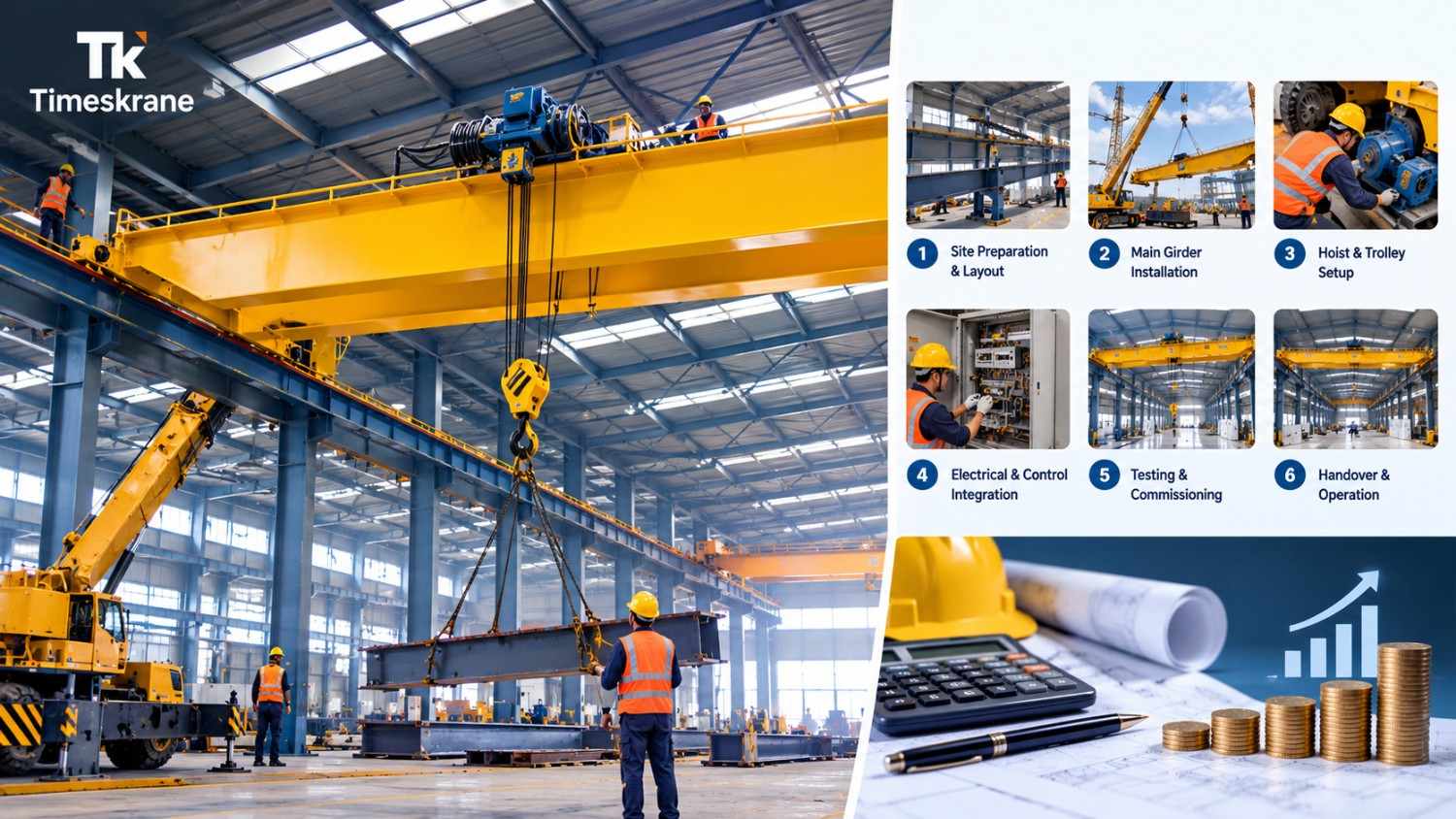
EOT Crane Installation Process and Cost in India
The complete EOT crane installation process in India, covering site survey, runway beams, load testing, and what installation actually costs beyond the crane price.
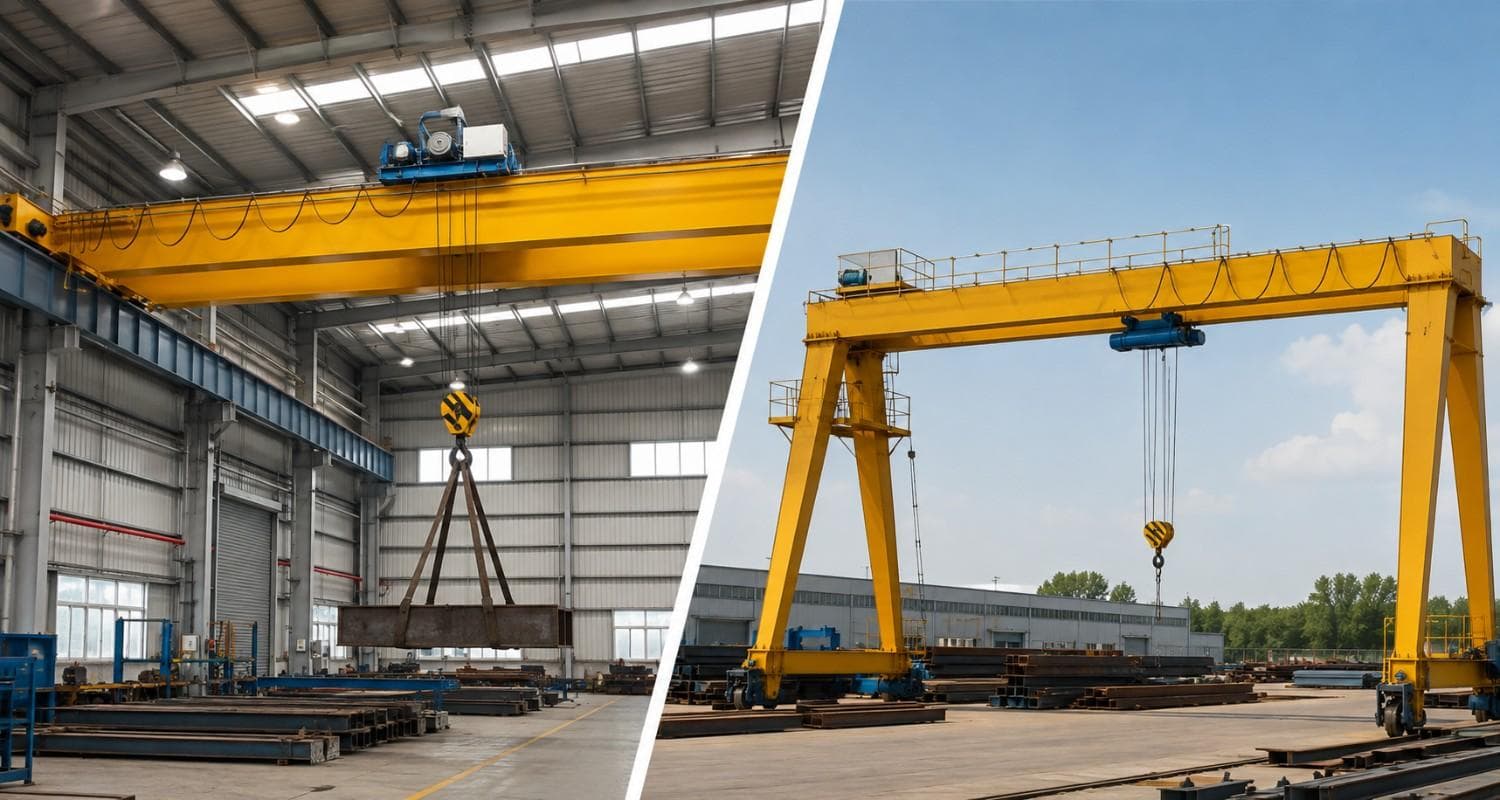
EOT Crane vs Gantry Crane: Which One Does Your Factory Actually Need?
EOT cranes and gantry cranes both lift heavy loads, but they suit very different factories. This guide walks through a simple decision tree covering building structure, floor space, budget, and indoor vs outdoor use, so you can confidently choose the right crane for your facility.

EOT Crane Safety Compliance in India
IS 3177, IS 807, Factories Act rules, and how third-party load testing and certification work for EOT cranes in India.

EOT Crane AMC Cost & Whats Included in 2026
What's actually included in an EOT crane AMC, how comprehensive and non-comprehensive contracts differ, and what drives the cost in India.
Need a Custom Lifting Solution?
Let’s Talk!
Looking for a reliable partner for your next industrial project?
- Expert Consultation
- Pan-India Service