
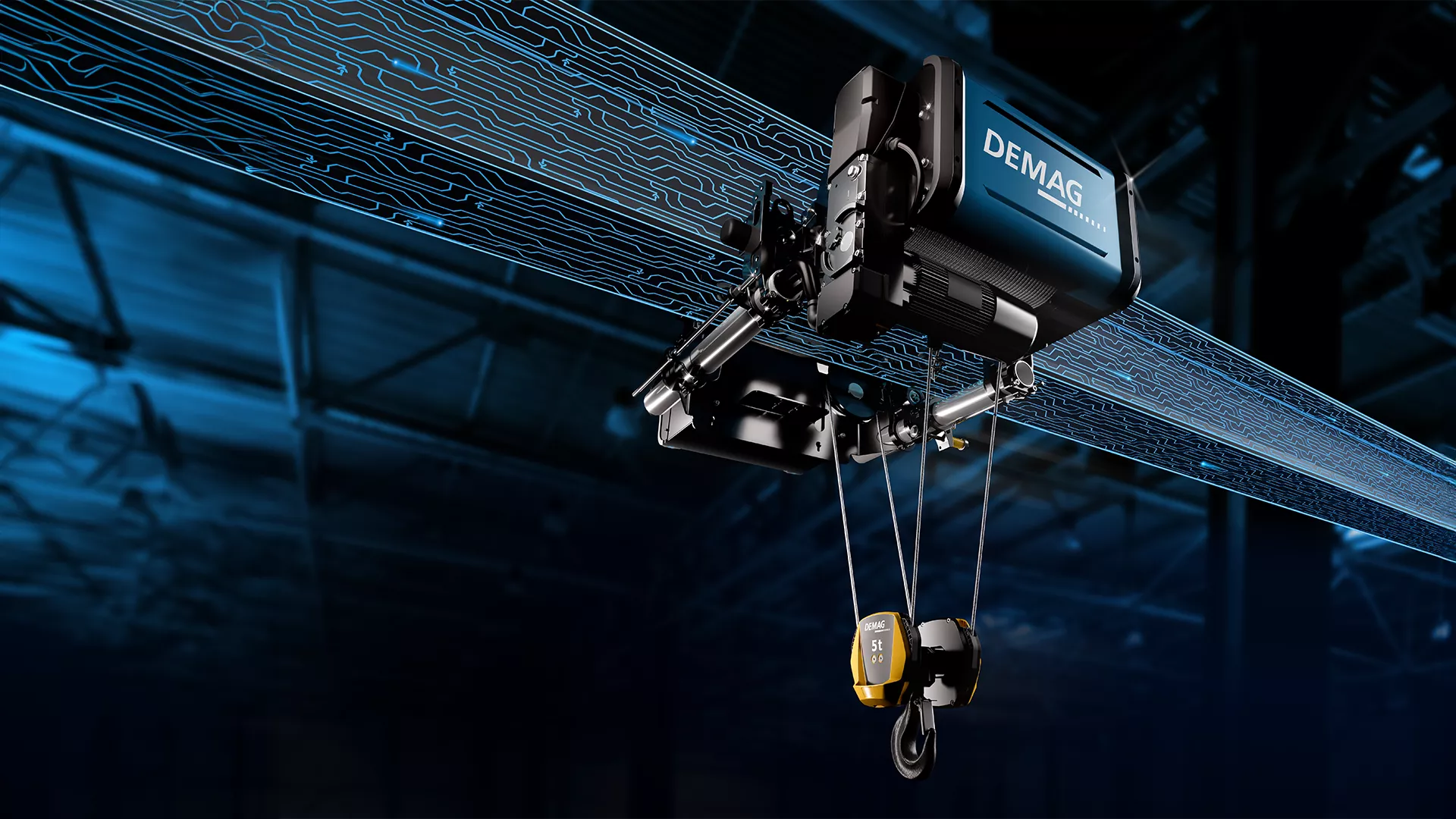
Complete Guide to EOT Cranes for Industrial Use
Table of Content
.jpeg&w=3840&q=75)
Complete Guide to EOT Cranes for Industrial Use
EOT Cranes are the unsung heroes of factories and warehouses across India, effortlessly lifting heavy loads where forklifts fear to tread. If you're managing a manufacturing unit in Gurugram or expanding operations in Mumbai, understanding these Electric Overhead Travelling cranes can transform your workflow. I've chatted with plant engineers who swear by the right EOT Cranes. They save time, cut costs, and boost safety. Let's dive into this complete guide with practical insights, no jargon overload.
What Are EOT Cranes and Why Do They Matter?
At their core, EOT Cranes are overhead cranes that run on elevated runways along factory ceilings, moving loads horizontally and vertically. "EOT" stands for Electric Overhead Travelling think of them as giant trolleys powered by electricity, hoisting anything from steel beams (5 tons) to delicate pharma equipment (50+ tons).
In India's industrial boom steel plants, auto assembly lines, logistics hubs EOT Cranes handle 70% of heavy lifting tasks. Why? They're space-efficient (no floor clutter), precise, and scalable. A wrong setup? Downtime and accidents. With TimesKrane's TK series, compliant with IS 807/3177, you get reliability tailored for harsh Indian conditions like dust and monsoons.
Picture this: A Gurugram factory zips 10-ton coils without breaking a sweat, thanks to smooth EOT Cranes. That's the difference between chaos and efficiency.
Types of EOT Cranes: Pick the Perfect Fit
Not all EOT Cranes are built the same. Here's the breakdown:
-
Single Girder EOT Cranes: One bridge beam, ideal for loads up to 20 tons. Compact, cost-effective for smaller bays. TimesKrane's single girder models shine in workshops lightweight yet sturdy.
-
Double Girder EOT Cranes: Dual beams for 20-100+ tons, higher hook heights. Perfect for steel mills or shipyards where stability rules.
-
Underhung vs. Top-Running: Underhung saves headroom; top-running handles heavier spans.
Specialized Variants: Class C/D for moderate/heavy duty, with options like flameproof for petrochemicals or anti-corrosion for ports.
Choose based on your span (5-30m typical), duty class (M3-M8), and speed needs. TimesKrane configures via their online tool super handy!
Key Components of EOT Cranes Explained Simply
EOT Cranes have five main parts working in harmony:
-
Bridge Girder: The horizontal spine (single/double I-beam), spanning runway length.
-
End Carriages: Wheels and motors for cross-travel along runways.
-
Hoist/Trolley: The lifting heart wire rope or chain, with hook block. TimesKrane uses premium hoists for precise 0.5m/min speeds.
-
Runway System: Rails fixed to ceiling beams, with end stops.
-
Controls: Pendant, radio remote, or cabin modern ones add VFD for smooth starts, slashing sway by 50%.
Electricals include festoon cables or conductor bars for power. Safety features? Overload limiters, emergency stops, and slack rope detection mandatory for IS standards. TimesKrane integrates IoT for real-time monitoring, alerting via app if vibrations spike.
Pro tip: Inspect brakes yearly; they're your safety net.
How EOT Cranes Work: A Day-in-the-Life View
Setup: Runways bolted 10-15m high, crane bridges on top. Operator pushes pendant or remote hoist lifts load, trolley moves crosswise, bridge travels lengthwise. Speeds: Hoist 4-8m/min, trolley 20m/min, bridge 30-60m/min.
In action: A Pune auto plant uses TimesKrane EOT Cranes to flip 15-ton engines flawlessly. Power draw? 3-phase 415V, efficient with VFDs saving 25% energy. Cycle time per lift: Under 2 minutes for most jobs.
Human touch: I once saw a operator high-five after a flawless 50T shift EOT Cranes build that confidence.
Benefits of EOT Cranes for Indian Industries
Why invest in EOT Cranes?
- Efficiency Boost: 3x faster than manual lifts; covers full bay without repositioning.
- Safety First: Reduces worker strain; stats show 40% fewer accidents vs. mobile cranes.
- Cost Savings: Low maintenance (₹50K/year vs. ₹2L for alternatives), 15-20 year life.
- Versatility: From pharma cleanrooms to steel forges. TimesKrane adapts for Gujarat textiles or Bengal ports.
- Scalability: Add capacity as you grow modular designs rule.
ROI? Recouped in 2-3 years via productivity. In Gurugram's manufacturing hubs, EOT Cranes are non-negotiable.
Installation and Maintenance: Get It Right
Installation (2-4 weeks): Site survey, runway fab, crane assembly, load testing to 125% capacity. TimesKrane's pan-India team handles it, including Haryana fast-tracks.
Maintenance Checklist:
-
Daily: Visuals, lubricate wires.
-
Weekly: Brake checks, end stops.
-
Annual: Gearbox oil, FIP testing (₹20-50K).
-
AMC: TimesKrane offers 24/7, with spares stocked in Gurugram.
Common issues? Wire wear (fix early), misalignment (re-level runways). Neglect? ₹10L downtime per week!
Safety Standards and Regulations in India
All EOT Cranes must meet IS 807 (design), IS 3177 (runways), Factories Act. Duty classes: M1 (light) to M8 (extreme). Overload protection, audible alarms non-negotiable. TimesKrane exceeds with FEM/ISO, third-party certified.
Training: Operators need 40-hour certs. Real story: A Faridabad plant avoided disaster thanks to auto-cutoffs on their TK crane.
Choosing the Right EOT Crane Capacity and Specs
Calculate: Load x Cycles/day x Duty. Example: 5T x 200 cycles = Class D single girder.
-
Span: Measure bay accurately (+10% buffer).
-
Height: Hook to floor minus 1m.
-
Environment: IP55 for dust, Class F insulation for heat.
TimesKrane's engineers visit sites free game-changer for custom fits.
Cost Factors and Budgeting for EOT Cranes
Base price: ₹15-20L for 5T single girder; ₹50L+ for 20T double. Add 20% for install/VFD/IoT.
TimesKrane: Transparent quotes, financing options. Long-term: Energy savings pay back fast.
Shop smart: Compare TCO, not sticker price.
Future Trends in EOT Cranes
Automation rules: AI anti-collision, remote diagnostics. TimesKrane leads with IoT-ready EOT Cranes for Industry 4.0. Green tech? Regenerative braking cuts power 30%. Expect wireless controls standard by 2027.
Why Partner with TimesKrane for Your EOT Cranes
Gurugram-based since 1988, TimesKrane (Times Cranes Pvt. Ltd.) crafts TK EOT Cranes for every need pan-India service, custom builds, unmatched support. From Delhi NCR to Chennai, clients love the zero-downtime record. Download their catalog; start lifting smarter today!
Wrapping Up: Power Up with EOT Cranes
EOT Cranes aren't just machines they're your production lifeline. Follow this guide, lean on experts like TimesKrane, and watch operations soar. Questions? Their team in Gurugram is a call away. Here's to heavier lifts and lighter worries!
Recent Posts
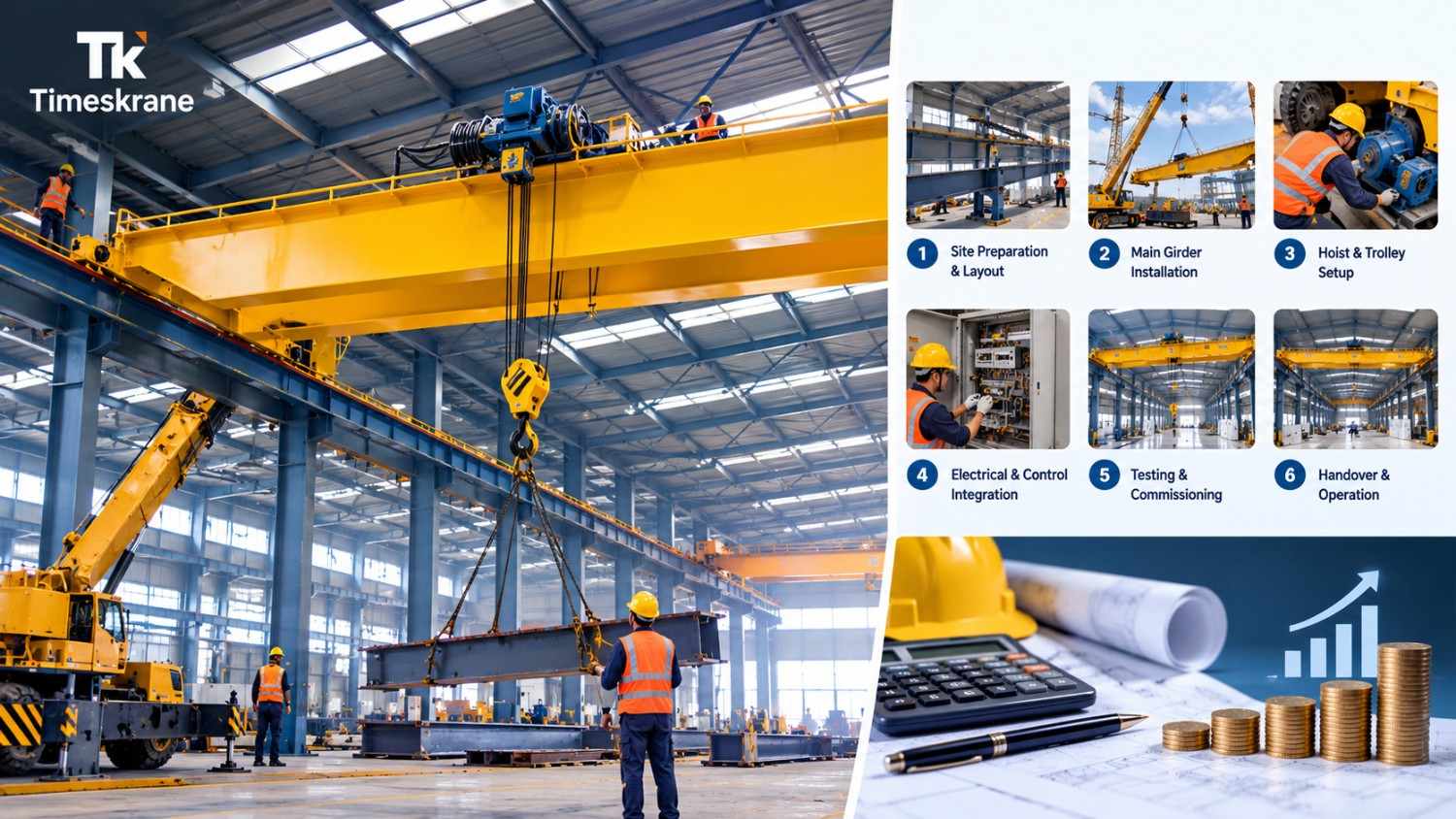
EOT Crane Installation Process and Cost in India
The complete EOT crane installation process in India, covering site survey, runway beams, load testing, and what installation actually costs beyond the crane price.
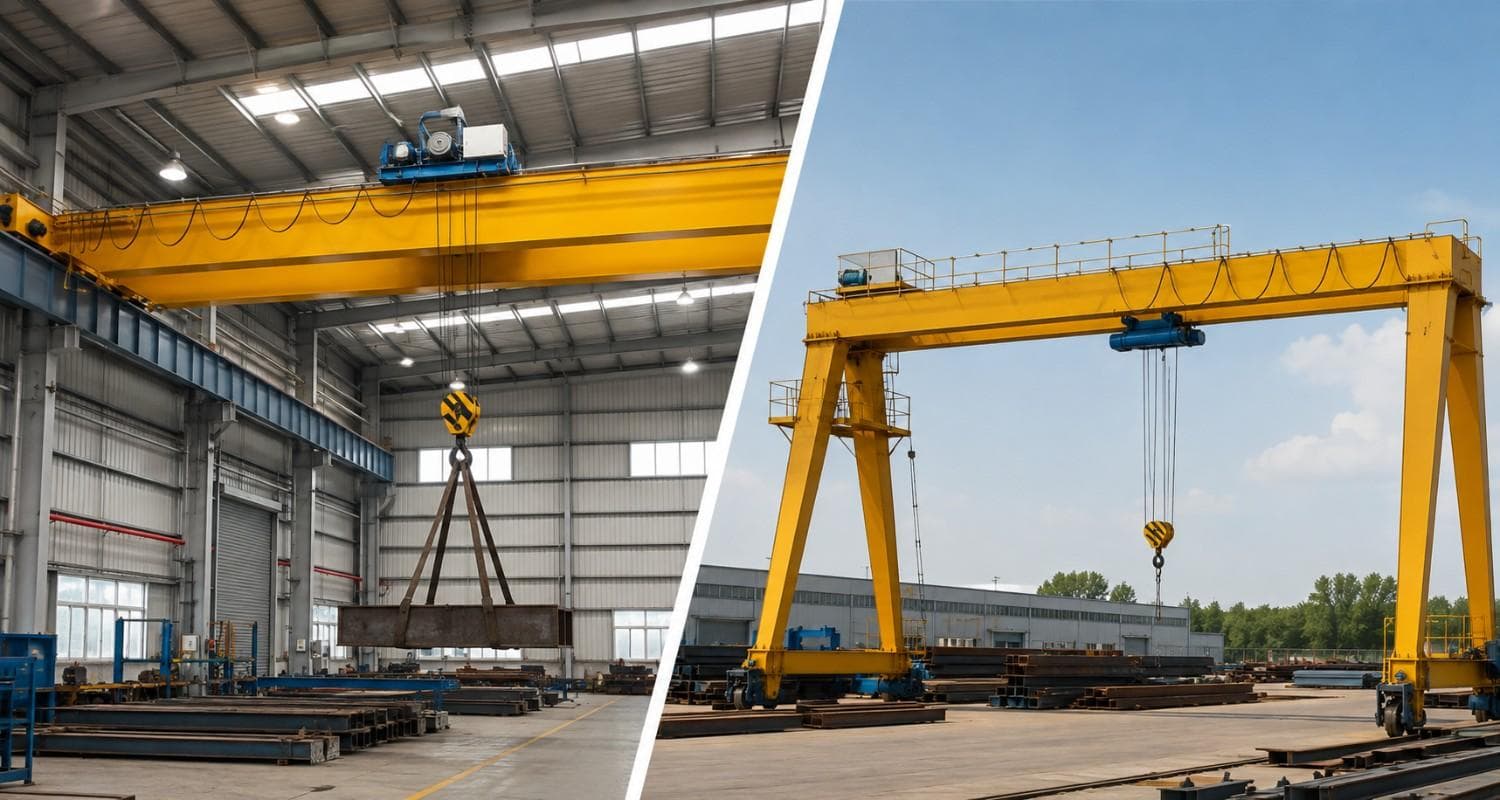
EOT Crane vs Gantry Crane: Which One Does Your Factory Actually Need?
EOT cranes and gantry cranes both lift heavy loads, but they suit very different factories. This guide walks through a simple decision tree covering building structure, floor space, budget, and indoor vs outdoor use, so you can confidently choose the right crane for your facility.

EOT Crane Safety Compliance in India
IS 3177, IS 807, Factories Act rules, and how third-party load testing and certification work for EOT cranes in India.

EOT Crane AMC Cost & Whats Included in 2026
What's actually included in an EOT crane AMC, how comprehensive and non-comprehensive contracts differ, and what drives the cost in India.
Need a Custom Lifting Solution?
Let’s Talk!
Looking for a reliable partner for your next industrial project?
- Expert Consultation
- Pan-India Service