English
Contact
Configure
Catalog
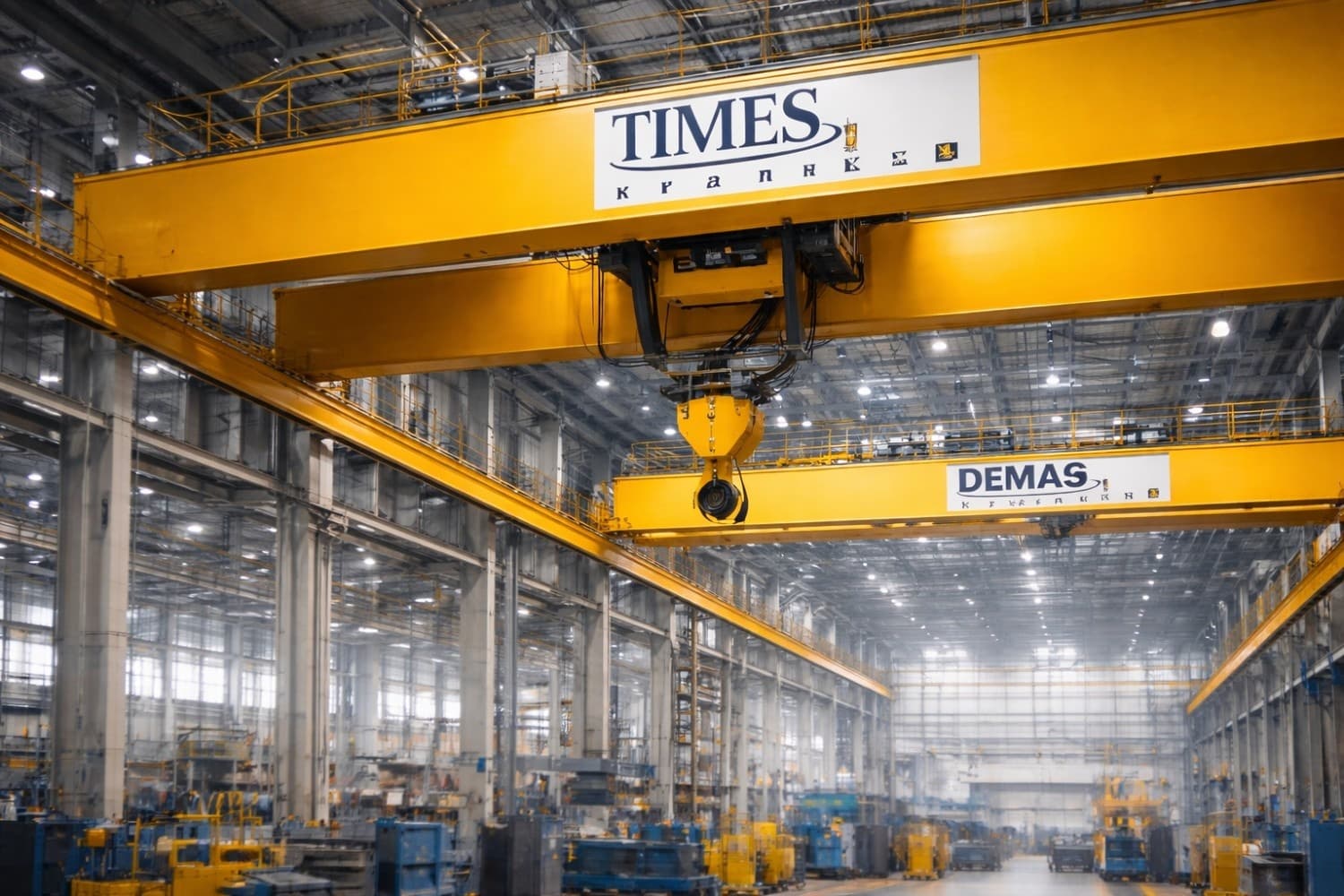
Ahmedabad is Gujarat's industrial powerhouse. From the chemical clusters of Vatva and Odhav to the automotive hubs around Sanand and the engineering zones of Naroda and Kathwada, the city's manufacturing belt is one of the most active in western India. Overhead cranes are central to daily operations across almost every one of these industrial zones, and the demand for well-engineered, reliably supported lifting systems has never been higher.
An overhead crane, also commonly called an EOT crane or bridge crane, is an industrial lifting system that travels along elevated rails mounted at the top of a workshop or bay. The bridge spans the width of the bay, the trolley and hoist travel across the bridge, and the hoist provides vertical lifting. Together, they give you complete three-dimensional load movement across the working envelope of your facility.
The practical value is enormous. Floor space stays clear. Production flow is not interrupted by ground-level handling equipment. Heavy loads are moved precisely and safely, repeatedly, without operator fatigue or injury risk. For industries that handle large components, heavy dies, steel sections, or bulky equipment, an overhead crane is not a luxury. It is a production essential.
In my experience, the facilities that invest in a properly specified overhead crane early in their growth see a measurable impact on both throughput and workplace safety within the first year of operation. Those that delay often end up dealing with the consequences of inadequate material handling until the situation becomes operationally unsustainable.
Gujarat's industrial policy has been one of India's most aggressive in attracting manufacturing investment. The growth of auto OEM plants around Sanand, the expansion of chemical processing clusters in Vatva and Odhav, the development of pharmaceutical manufacturing along the Ahmedabad-Baroda expressway corridor, and the continued strength of textile machinery and engineering sectors across Naroda have all contributed to sustained demand for material handling equipment.
I've noticed that facilities in Gujarat's newer industrial developments tend to be better planned structurally, with adequate headroom and bay widths that can accommodate overhead crane systems from the outset. Older facilities in zones like Kathwada and Odhav sometimes need more creative engineering solutions to retrofit an overhead crane into an existing structure.
Both scenarios are manageable. But they require different approaches, and that difference is exactly why working with a manufacturer who brings real engineering capability to the conversation matters.
Understanding your options before you speak to any supplier gives you a significant advantage in the selection process.
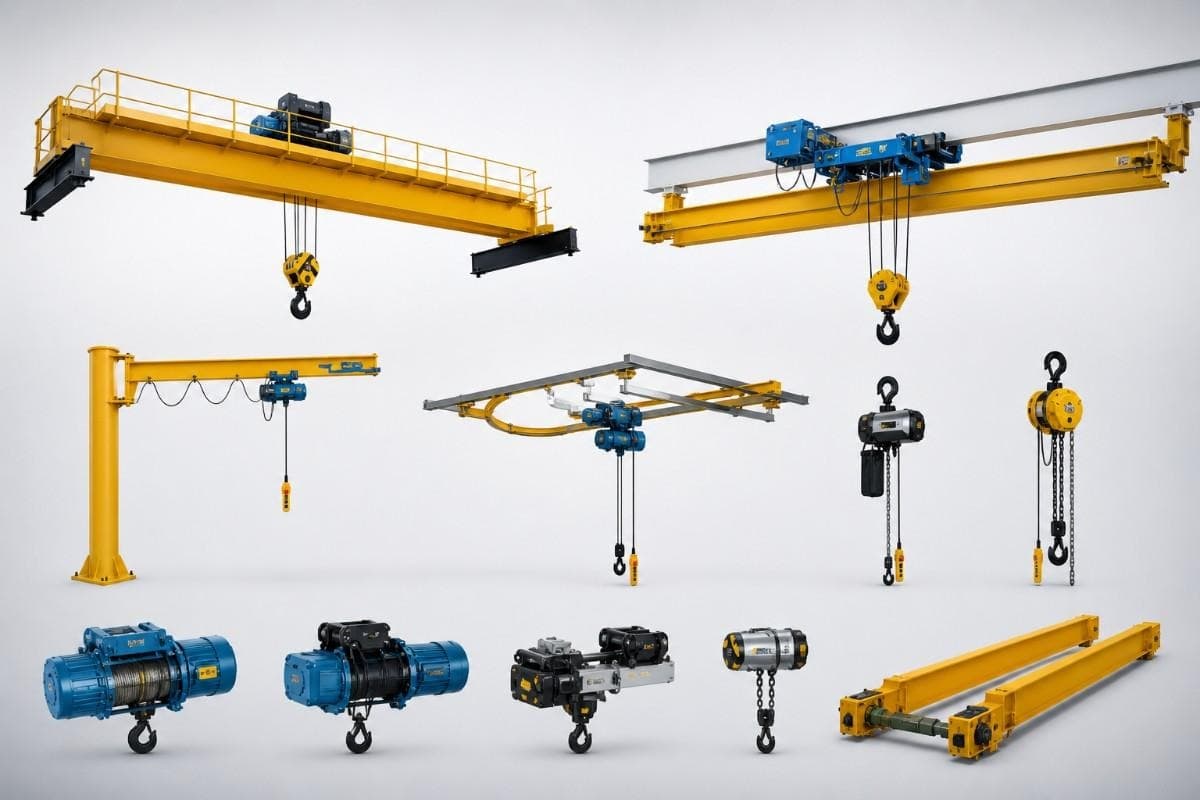
One bridge girder spans the bay with the hoist and trolley running on the bottom flange. This is the most widely used configuration for light to medium duty applications. It is economical, relatively quick to install, and works well in standard bay heights where headroom is not severely constrained.
Best suited for: component manufacturing, general fabrication, warehouses, assembly lines, FMCG plants, light engineering units.
Two parallel bridge girders with the crab and hoist mounted on top. This configuration delivers significantly higher hook heights, greater span capability, and the ability to handle much heavier loads over demanding multi-shift duty cycles.
Best suited for: steel processing, heavy fabrication, foundries, press shops, chemical plant equipment handling, large bay manufacturing.
The crane hangs from the bottom flange of the roof structure rather than running on top of separate runway beams. Ideal when headroom is limited or when the crane needs to service multiple interconnected bays without separate rail infrastructure.
Best suited for: automotive component plants, multi-bay facilities, units with structural headroom constraints, facilities requiring lateral transfer between bays.
A modular, flexible overhead handling system built from a standardised track and component range. It can be configured in straight runs, curves, switches, and complex layouts to serve multiple workstations from a single interconnected system.
Best suited for: assembly stations, ergonomic workstations, precision manufacturing, light repetitive part handling, electronics production.
A self-supporting overhead crane that runs on floor-level rails rather than relying on the building's roof structure. Used when the building cannot carry overhead crane loads or when outdoor material handling is required.
Best suited for: outdoor storage yards, facilities without adequate roof structure for overhead cranes, construction sites, pre-cast concrete yards.
The market has a wide mix of suppliers. Genuine manufacturers, regional resellers, and agents for distant factories all present themselves similarly in online listings and trade directories. The difference matters enormously when something goes wrong.
Here is a practical checklist to separate real manufacturers from intermediaries:
When I tried this checklist while evaluating crane vendors for a pharmaceutical equipment manufacturer in the Ahmedabad region, the number of suppliers who could satisfy all seven criteria completely was a fraction of those who initially appeared credible. That filtering process was invaluable.
Getting these defined before your first supplier conversation leads to much faster, more accurate proposals and prevents the back-and-forth that delays projects unnecessarily.
Each of these parameters directly affects the crane's structural design, mechanical specification, and electrical configuration. Changing one often has knock-on effects on the others, which is why a site survey by the manufacturer before finalising the specification is strongly recommended.
A common mistake buyers make is equating a large product catalogue with genuine engineering capability. A supplier can list dozens of crane types in a brochure without having the in-house capability to design, fabricate, or commission any of them properly.
According to a 2022 industry analysis by the Material Handling Industry Federation of India, over 40% of overhead crane failures reported in industrial facilities were attributed to incorrect specification at the time of purchase, either wrong duty class, undersized structural members, or inadequate foundation and runway beam design. That statistic puts the weight of responsibility squarely on the manufacturer's engineering team, not just the buyer.
An overhead crane manufacturer with real engineering depth will conduct a site survey, produce structural calculations, specify the runway beam and rail system alongside the crane, and provide documentation that allows an independent engineer to review the design. If a supplier cannot offer this level of technical engagement, the risk sits entirely with the buyer after installation.
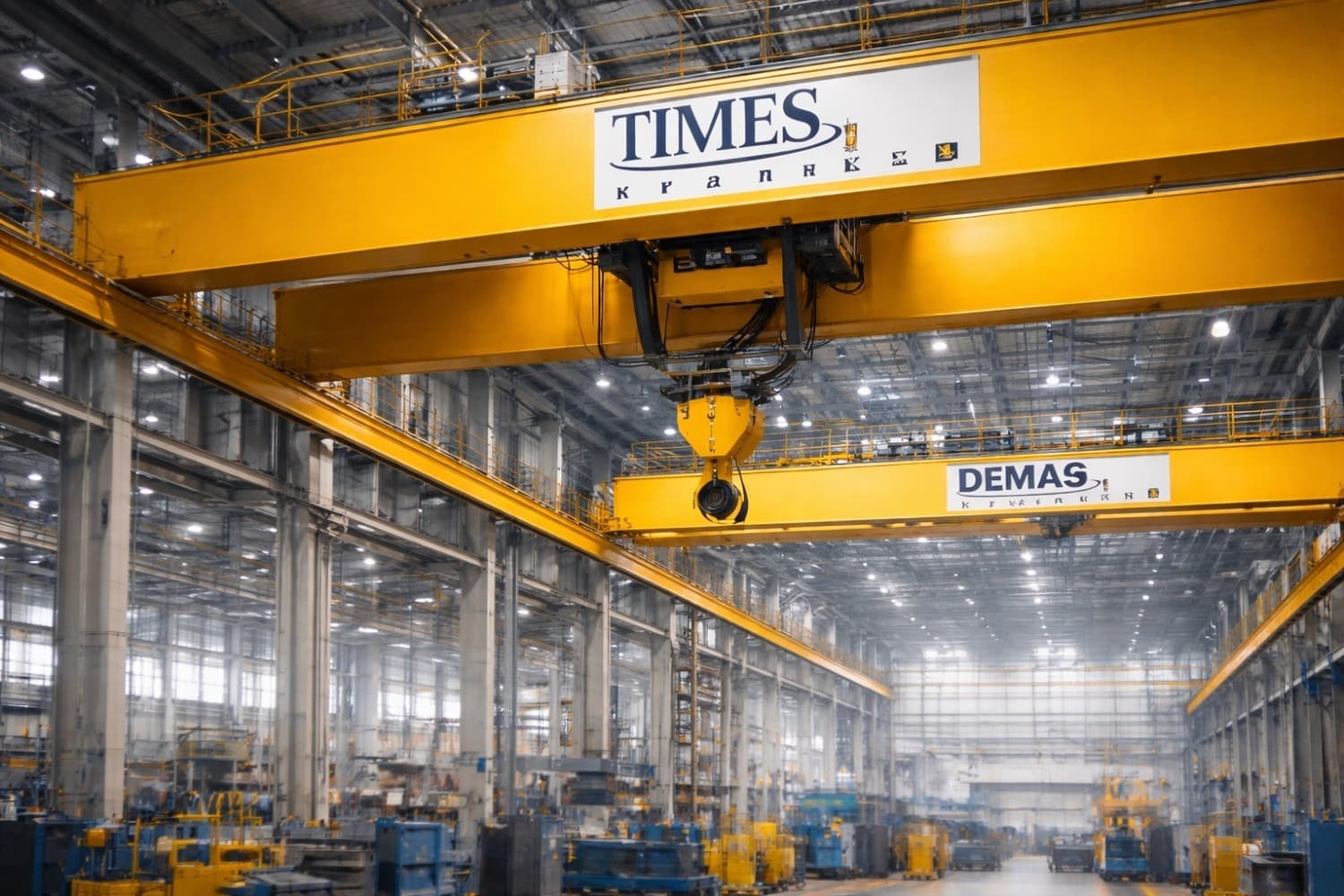
Times Krane, the crane manufacturing division of Times Industrial Engineers Pvt. Ltd., has been building industrial lifting solutions since 2012, backed by a parent organisation with industrial roots going back to 1988. Their manufacturing facility in Faridabad serves clients across India's major industrial corridors, including Gujarat and the Ahmedabad region.
For Ahmedabad buyers, the practical value of working with Times Krane lies in their approach to application-specific design. Rather than fitting your facility around a standard product, their engineering team works from your actual bay dimensions, load requirements, duty cycle, and structural constraints to produce a crane that is genuinely designed for your operation.
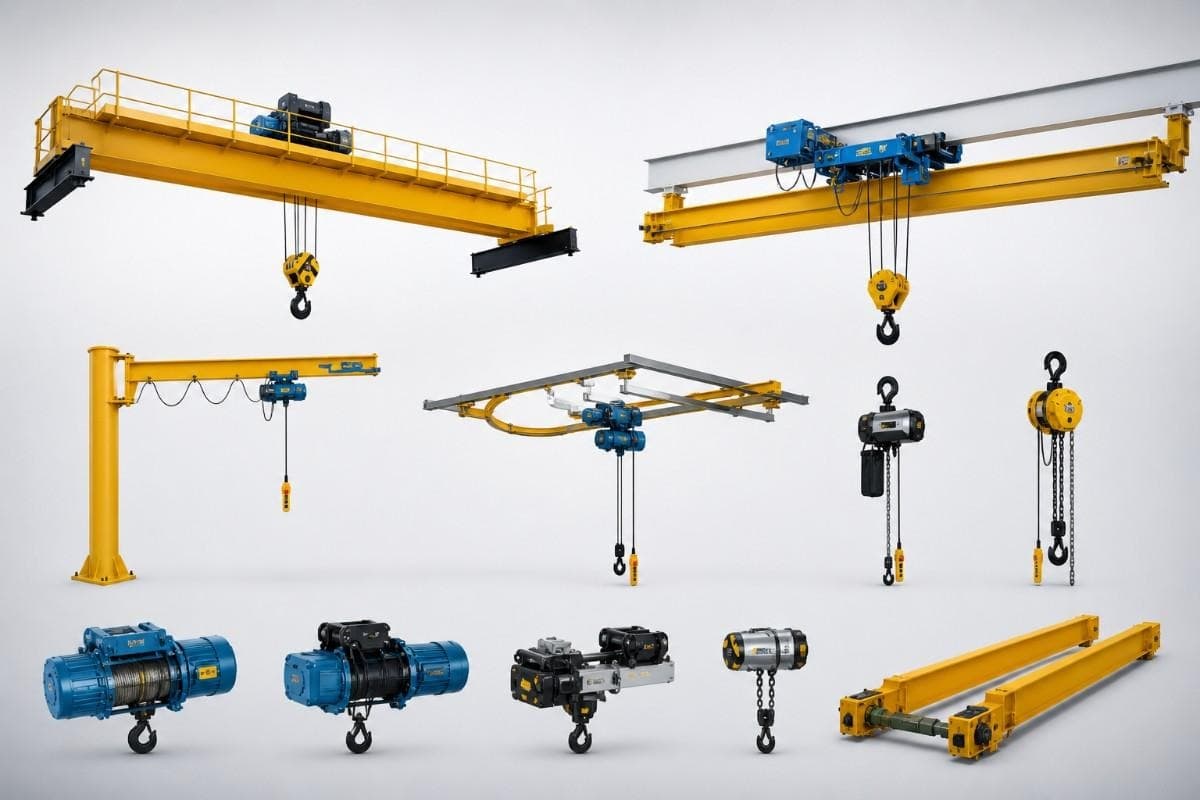
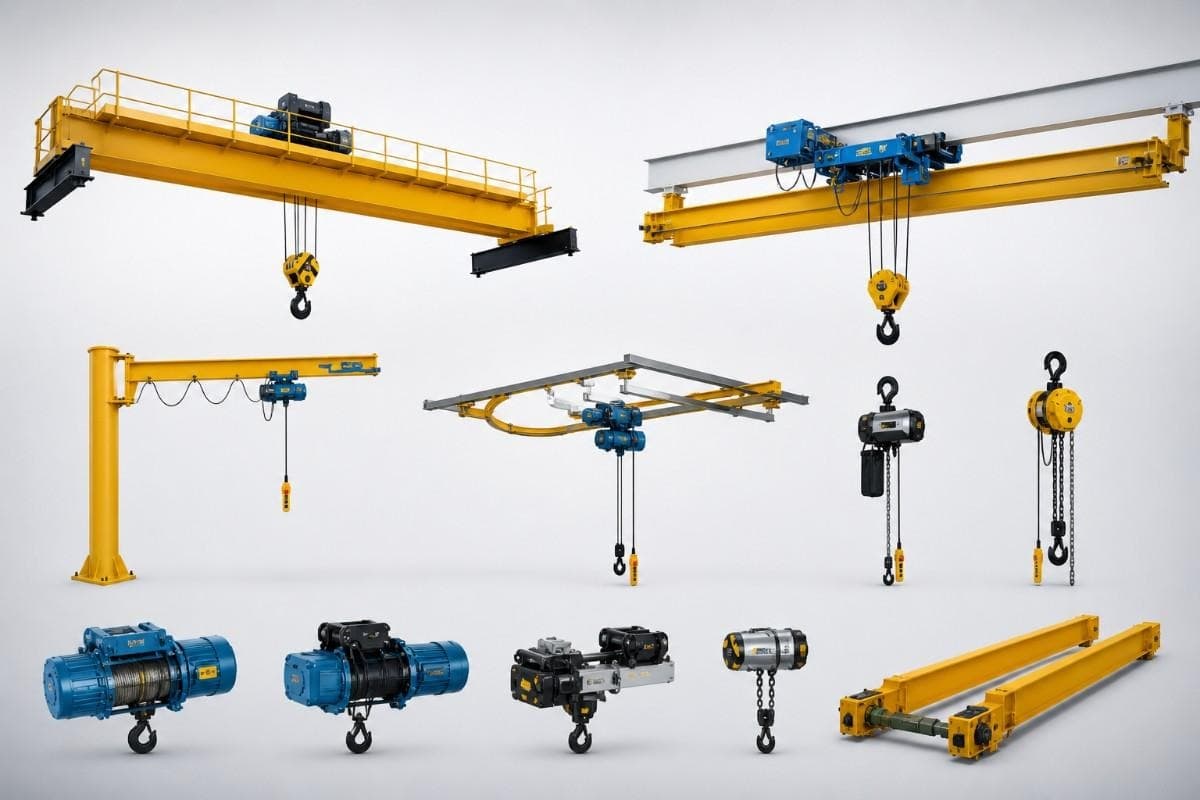
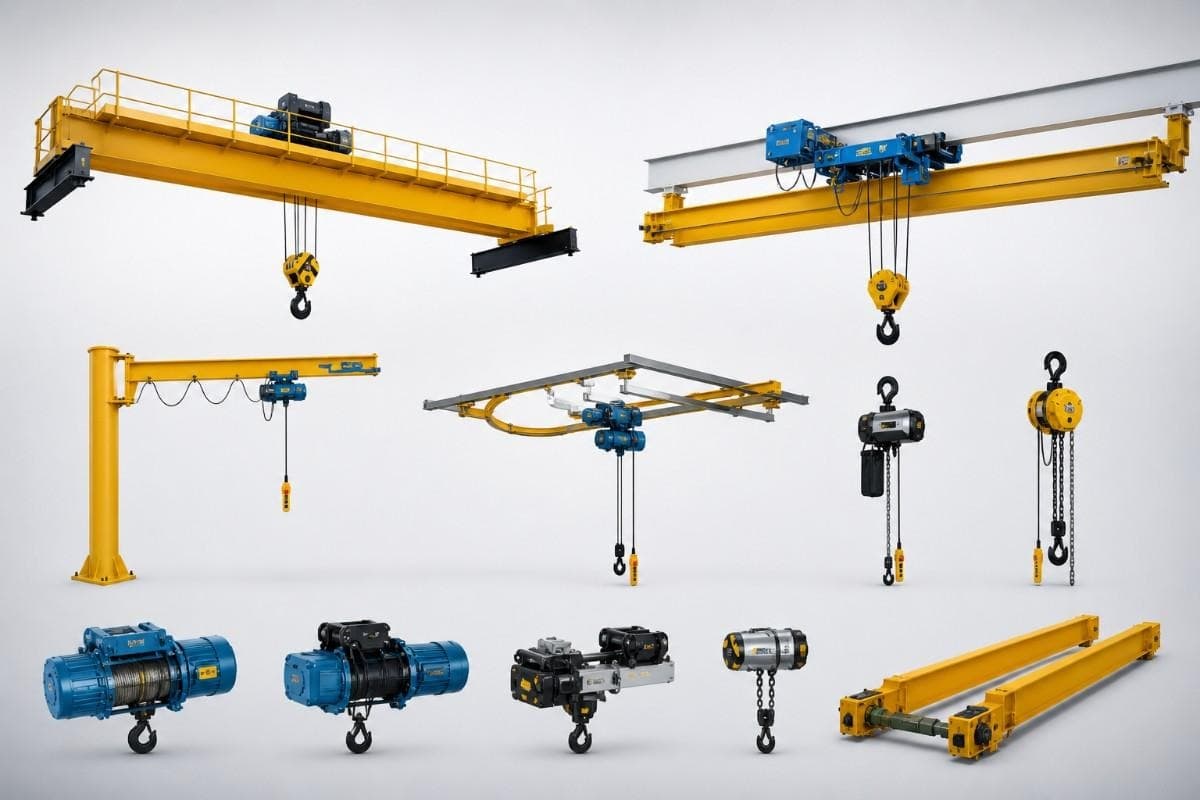
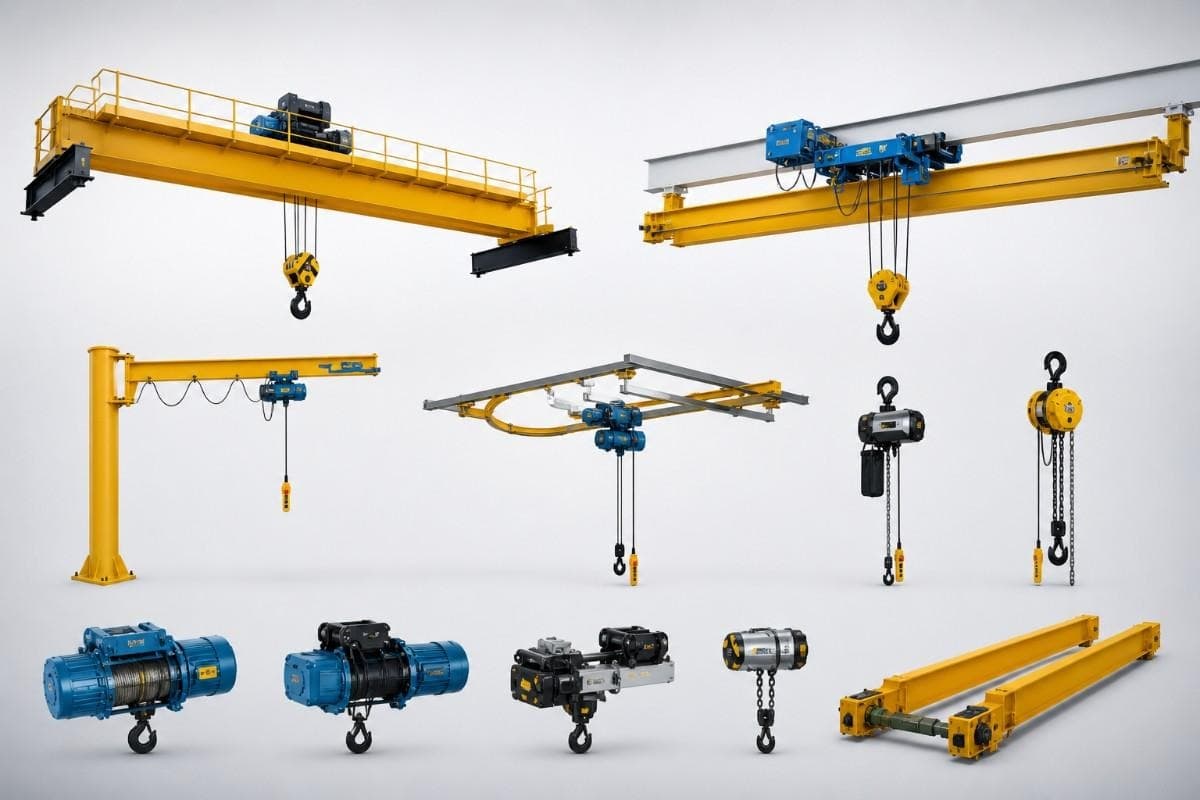
Their product range covers single and double girder EOT cranes, underslung cranes, KBK modular crane systems, gantry cranes, rope hoists, and chain hoists. That breadth means you are not being pushed toward a solution that suits the supplier's catalogue. You are being matched to a solution that suits your application.
A well-specified overhead crane from a good manufacturer is designed to last twenty to twenty-five years with proper maintenance. The maintenance programme you establish in the first year of operation largely determines whether you achieve that lifespan or spend significant money on premature repairs and emergency downtime.
A sensible maintenance schedule for an overhead crane in an Ahmedabad industrial environment should include:
Your manufacturer should provide a maintenance manual at handover. If they do not offer one proactively, request it explicitly before signing off on commissioning.
The range of overhead crane users across Ahmedabad's industrial belt is broad and growing:
If your facility involves moving heavy loads repeatedly within a bay, warehouse, or yard, an overhead crane is almost certainly the safest and most efficient solution available.
The crane market rewards patience and thoroughness in the buyer. Suppliers who pressure you to decide quickly, who cannot provide structural calculations, or who deflect detailed technical questions are telling you something important about what the post-sale experience will look like.
Take the time to verify credentials, visit a reference installation if you can, and make sure the manufacturer has both the engineering capability and the service reach to support your facility in Ahmedabad for the long term.
If you are actively evaluating overhead crane manufacturers in Ahmedabad, Times Krane is a name worth investigating seriously. Their manufacturing depth, engineering rigour, and pan-India service capability make them a credible and accountable choice for Gujarat-region industrial buyers.
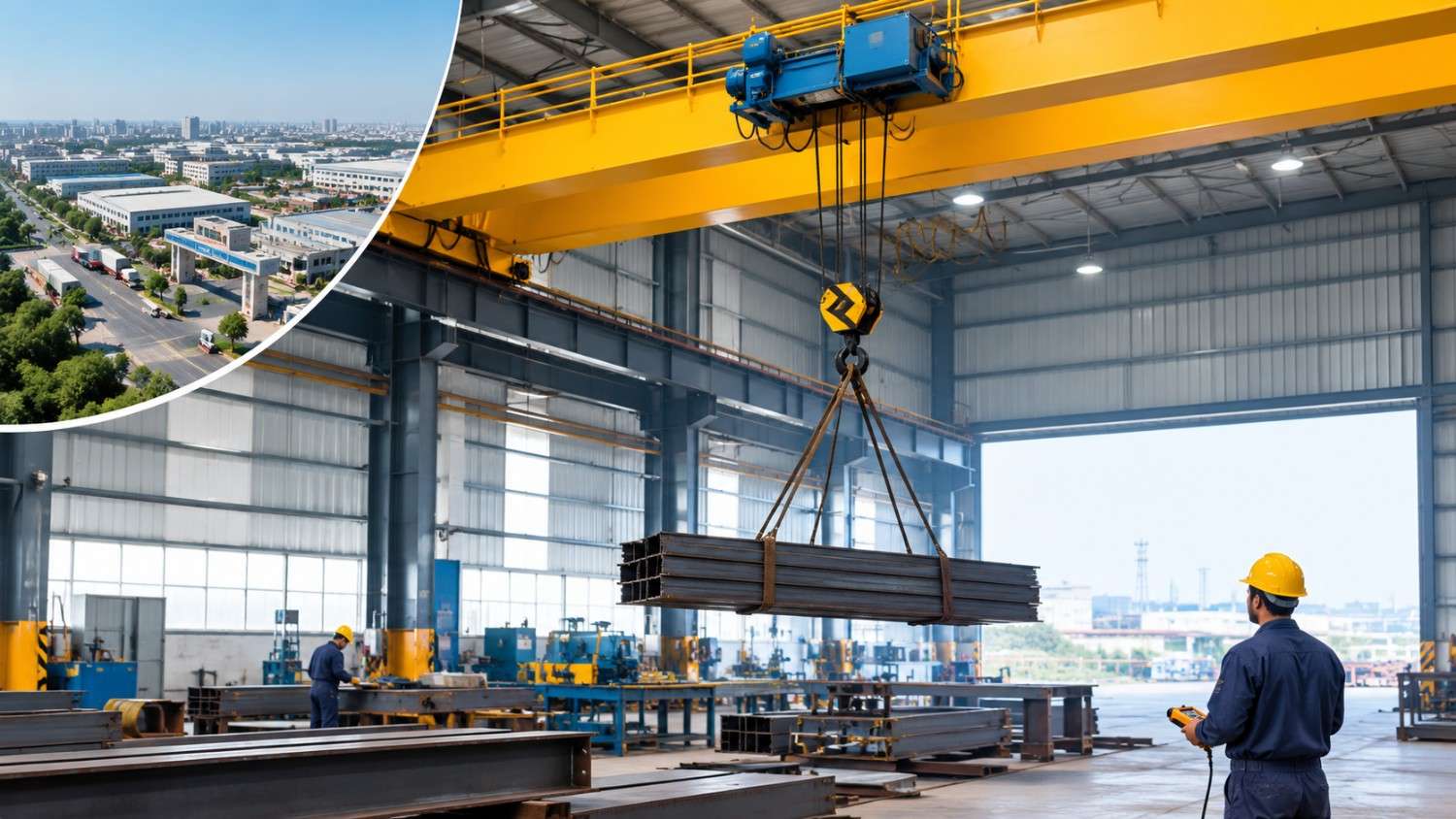
A no-fluff guide to picking crane manufacturers in Vatva, Ahmedabad, covering FLP cranes for chemical units, real cost factors, and buyer mistakes to avoid.
If you're looking for a dependable EOT crane manufacturer in Delhi NCR, you've probably already realized the region has no shortage of options. The problem is filtering out the ones who actually manufacture from the ones who just package and resell.
Finding dependable EOT crane manufacturers in Ludhiana can make a huge difference to the efficiency and safety of your industrial operations. Whether you run a manufacturing facility, fabrication unit, warehouse, steel plant, engineering workshop, or logistics center, the right crane system helps move heavy loads faster, safer, and with less effort.
Delhi and the surrounding NCR belt are home to thousands of manufacturing units, fabrication shops, and industrial facilities. And almost every one of them, at some point, needs a crane. The problem is that finding a trustworthy EOT crane manufacturer in Delhi is harder than it should be.
Ahmedabad's industries move fast, and the material handling equipment supporting them needs to keep pace without compromise. If you are searching for a crane manufacturer in Ahmedabad who can deliver engineering depth, documented compliance, and reliable after-sales support rather than just a machine with a price tag, this page is worth your time.
Most plants in Chennai have an overhead crane for the bay and nothing else for individual workstations. That gap costs operators time on every single shift. If you are looking for jib crane manufacturers in Chennai who can actually close that gap with a well-engineered, workstation-level lifting solution, this page will walk you through everything you need to know before making a decision.
Choosing the wrong EOT crane manufacturer in Hyderabad can set your entire project back by months. The stakes are high, the options are many, and most buyers do not know what to look for until something goes wrong.
Looking for a reliable partner for your next industrial project?