English
Contact
Configure
Catalog
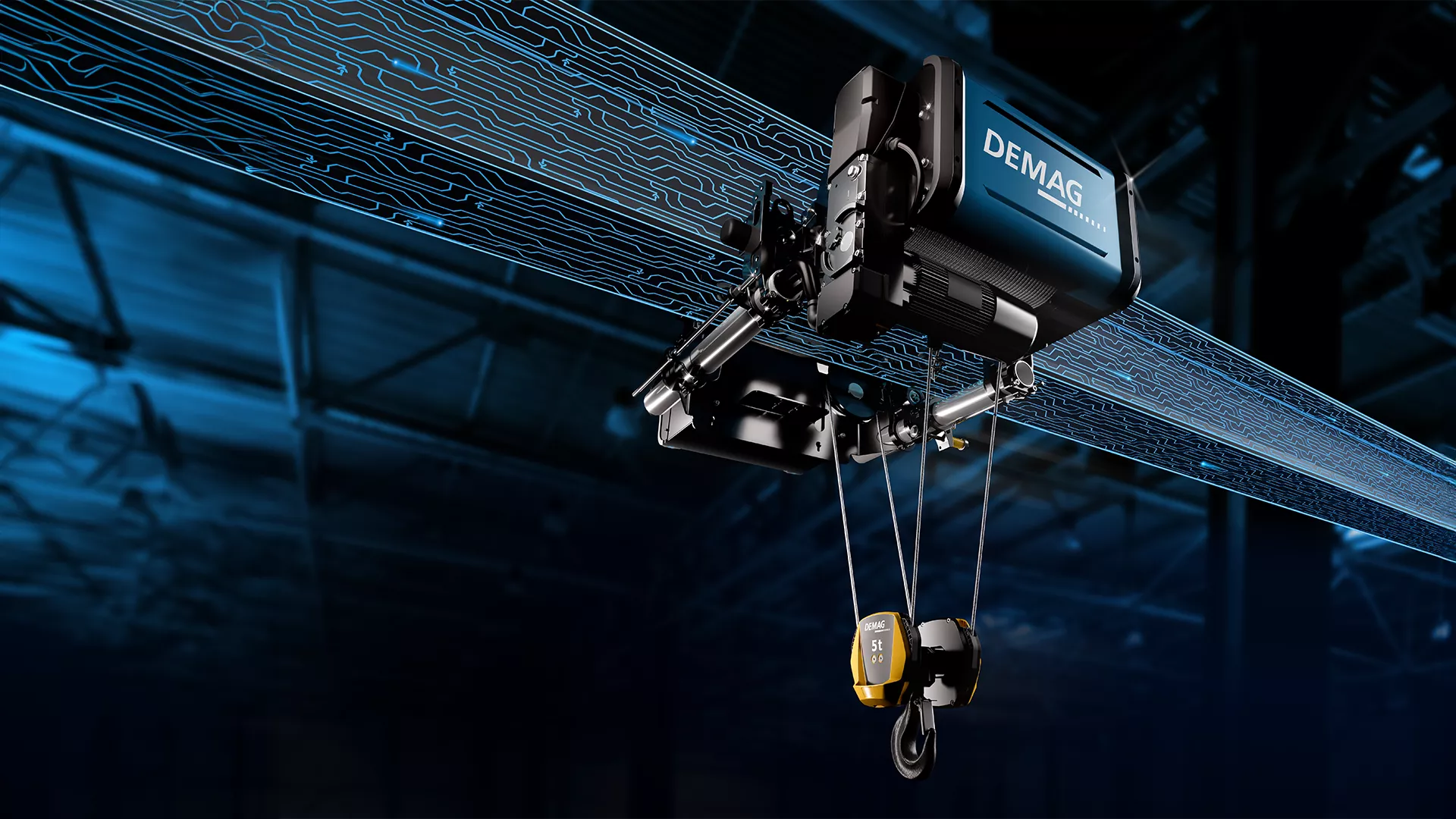
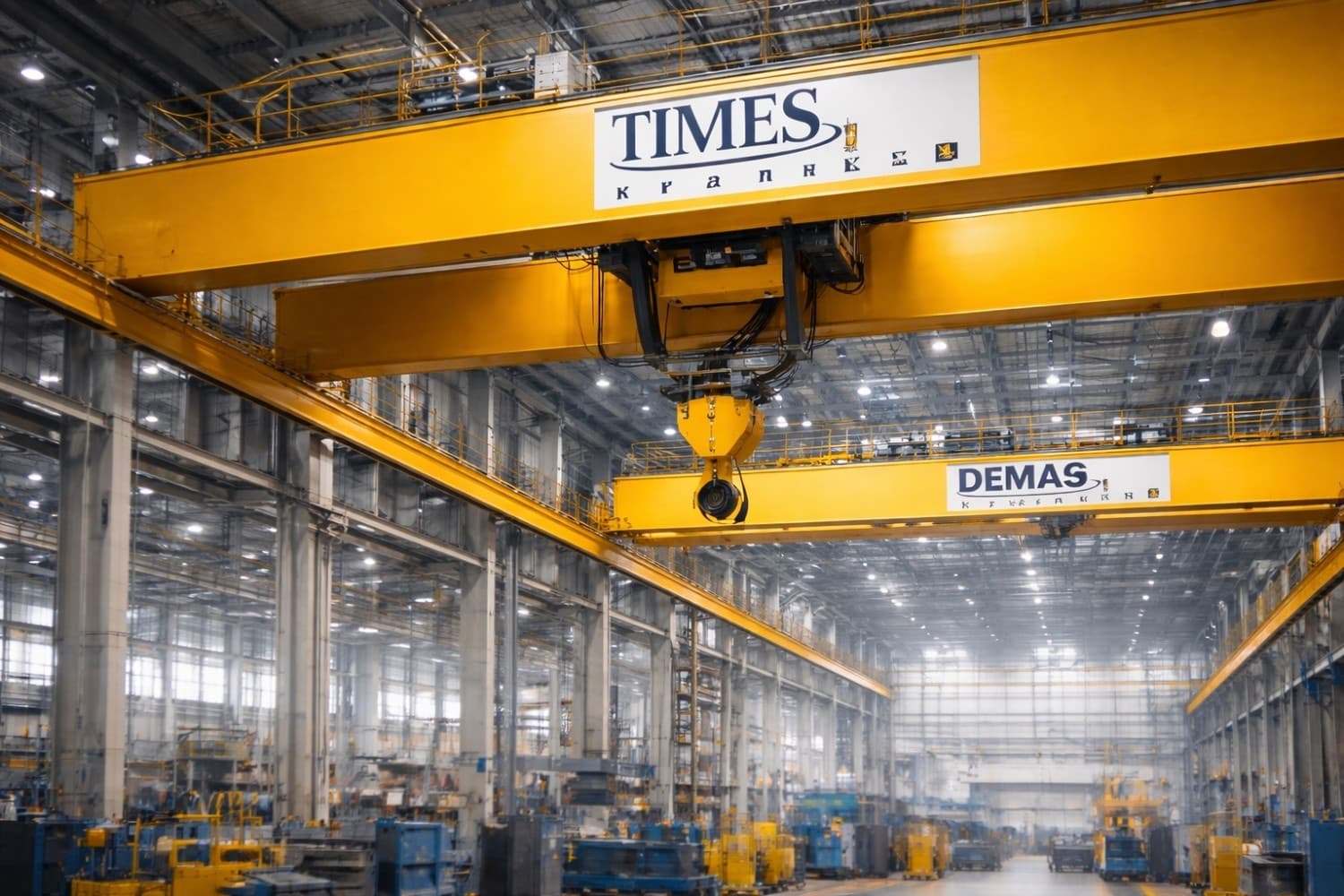
Maharashtra is one of India's most industrially active states. From Mumbai's port-linked logistics corridors to Pune's automotive belt, from Nashik's engineering clusters to Nagpur's growing manufacturing zones, the state's industrial diversity is remarkable. And each of those industries has distinct lifting requirements that a single off-the-shelf crane solution cannot address equally well.
An EOT crane, Electric Overhead Travel crane, runs on rails fixed to the building structure. The bridge travels along the runway, the trolley moves across the bridge, and the electric hoist manages vertical load movement. The result is a system that can move heavy materials across an entire production floor with precision, safety, and speed that no manual or fork-based system can match.
The productivity case is well established. According to the Material Handling Equipment Manufacturers Association of India, facilities that transition from manual lifting to mechanized overhead systems report an average efficiency improvement of 28 to 40 percent within the first eighteen months of operation. That number holds across manufacturing, logistics, and processing environments.
In my experience, the real challenge is not convincing Maharashtra plant managers that they need an EOT crane. Most already know they do. The challenge is helping them specify and procure the right one for their specific application rather than settling for whatever the nearest supplier has in stock.
Maharashtra is not a uniform industrial landscape. Different regions have different dominant industries, and that directly shapes what kind of EOT crane is appropriate.
Mumbai's industrial belt, including Thane, Ambernath, Bhiwandi, and Kalyan, is home to chemical plants, pharmaceutical manufacturers, logistics hubs, and engineering units. Chemical and pharma environments often require weatherproof or flameproof crane configurations depending on zone classification. Logistics hubs need fast, reliable, and easy-to-operate systems. Engineering units want heavy-duty cranes that can handle continuous high-frequency operation.
Pune is Maharashtra's automotive and engineering manufacturing powerhouse. The Pimpri-Chinchwad, Chakan, and Ranjangaon MIDC areas have dense concentrations of auto component manufacturers, heavy engineering units, and precision manufacturing facilities. These applications typically demand double girder EOT cranes with higher duty class ratings, good span coverage, and precise trolley travel speeds.
Nashik hosts a significant wine and food processing industry alongside engineering and electronics manufacturing. The requirements vary considerably between a food processing unit needing a hygienic crane installation and an engineering shop needing a robust heavy-duty system. Getting the application analysis right here is especially important.
Nagpur is emerging as a logistics and manufacturing hub, anchored by its central geographic position and expanding MIDC zones. Warehousing, logistics, and general manufacturing are the dominant applications, where single girder EOT cranes and underslung configurations are commonly the appropriate solution.
Aurangabad has a strong automotive component manufacturing base. These facilities run high-frequency lifting operations and need cranes rated for Class III or Class IV duty cycles. Reliability and after-sales service access are particularly important considerations here given the distance from major service centres.
Before you engage any EOT crane manufacturer in Maharashtra, understand what configurations exist and what each one is genuinely best suited for. Picking the wrong type is as problematic as picking the wrong capacity.
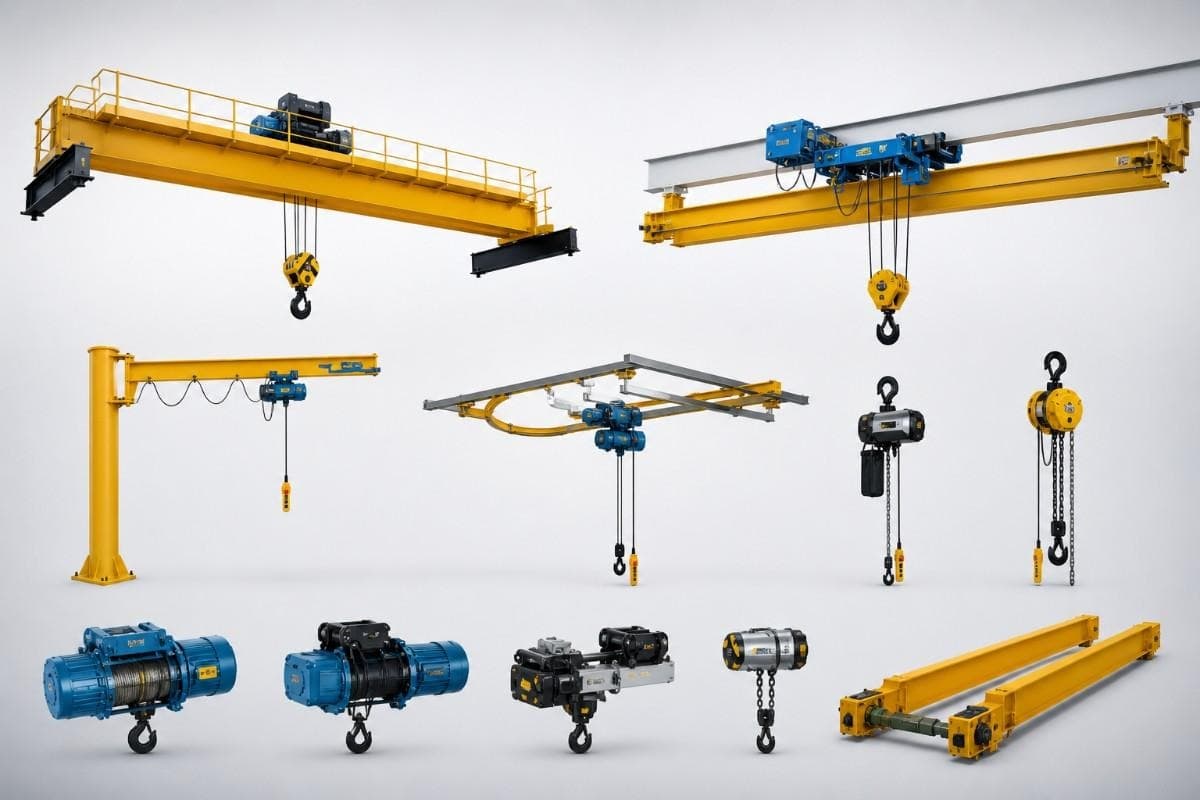
One bridge girder supports the hoist trolley underneath. This is a lighter, more economical configuration suited for loads typically up to 10 tonnes and moderate spans. The right choice for warehouses, light fabrication shops, pharmaceutical plants, and general manufacturing facilities where crane usage is moderate.
Two bridge girders with the hoist running on top-mounted rails between them. This configuration handles heavier loads, longer spans, and higher hook heights. If your facility runs the crane continuously under significant loads, this is where the conversation should begin.
The crane hangs below the runway beams. This is the solution for facilities where headroom is limited or where the existing building structure makes a top-running installation difficult. Frequently used in retrofit projects and in pharmaceutical or food processing environments where ceiling clearance is constrained.
The most common configuration for new industrial facilities in Maharashtra's expanding MIDC zones. The crane runs on top of runway rails, allowing maximum hook height utilization. For greenfield projects, this is typically the preferred configuration where headroom allows.
This is where many buyers go wrong. They equate a lower quote with a better deal without understanding what they are actually comparing. Here is a structured approach to evaluating any manufacturer or supplier you are considering.
When I tried applying this checklist with a procurement team at an Aurangabad auto component manufacturer, it eliminated six of nine shortlisted vendors within two rounds of questioning. The checklist reveals capability gaps very efficiently.
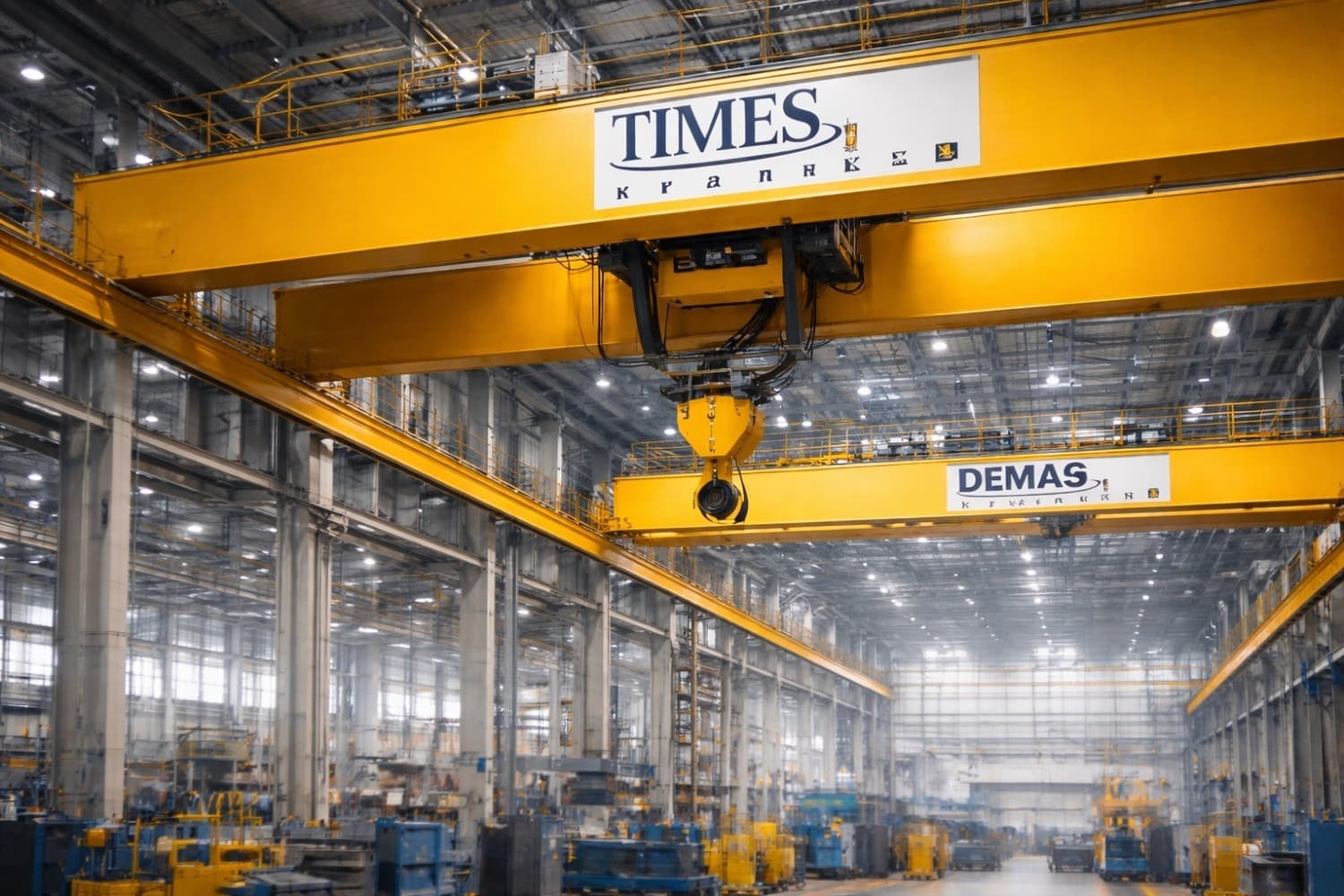
Among the manufacturers operating in this space, Times Krane has a background that holds up to scrutiny. The company operates under Times Industrial Engineers Pvt Ltd, founded in 1988, with the dedicated TK Crane manufacturing division active since 2012. Over that period they have built cranes for manufacturing, engineering, construction, and processing facilities across India.
What consistently stands out about their approach is the emphasis on engineering cranes to the client's actual application rather than recommending the nearest catalog option. Span, hook height, duty class, environmental conditions, control system preferences, and site-specific constraints are all factored into the design process.
Their service network covers Maharashtra including Mumbai, Pune, Nashik, Nagpur, and surrounding industrial corridors. For buyers across Maharashtra, that regional accessibility translates into realistic post-installation support rather than a head-office phone number that routes service calls through a distant team.
I've noticed that manufacturers with genuine regional service presence have significantly better client retention rates over a five to seven year period compared to those who treat after-sales as a secondary function. The correlation is not coincidental.
Going into a crane manufacturer meeting without your technical parameters ready is a missed opportunity. The quality of recommendation you receive depends entirely on the quality of information you provide.
Here is what to have prepared:
Showing up with these numbers signals to the manufacturer that you know your application. You will receive better recommendations as a direct result.
A crane purchase is a twenty-year commitment if it is done right. The installation and commissioning phase is where many projects lose quality ground, often because buyers treat it as an afterthought to the procurement process.
Times Krane provides installation and commissioning through trained engineers who manage the complete process from runway rail alignment and girder erection through electrical commissioning, load testing, and operator training. This end-to-end accountability matters enormously. When one party is responsible for the entire system performing correctly, problems get resolved rather than attributed to someone else in the supply chain.
After commissioning, a structured preventive maintenance programme is the single most important factor in long-term crane performance. Most crane failures are not sudden events. They are the result of gradual degradation that scheduled inspections would have identified and corrected early.
Request a maintenance schedule as part of your project handover documentation. A manufacturer who provides this proactively is telling you something important about how they view the client relationship beyond the point of sale.
Selecting the right EOT crane manufacturer in Maharashtra is one of the most consequential procurement decisions your facility will make. A correctly specified, properly built, and diligently maintained crane will serve your operations reliably for two decades. A poorly chosen one will generate cost and disruption well beyond what any initial saving justified.
Take the time to prepare your technical parameters. Use the evaluation checklist without shortcutting it. Ask questions that require genuine engineering knowledge to answer. And choose a manufacturer whose service network in Maharashtra is as strong as their manufacturing capability.
The investment you make in this decision upfront will pay returns across every year of the crane's operational life.
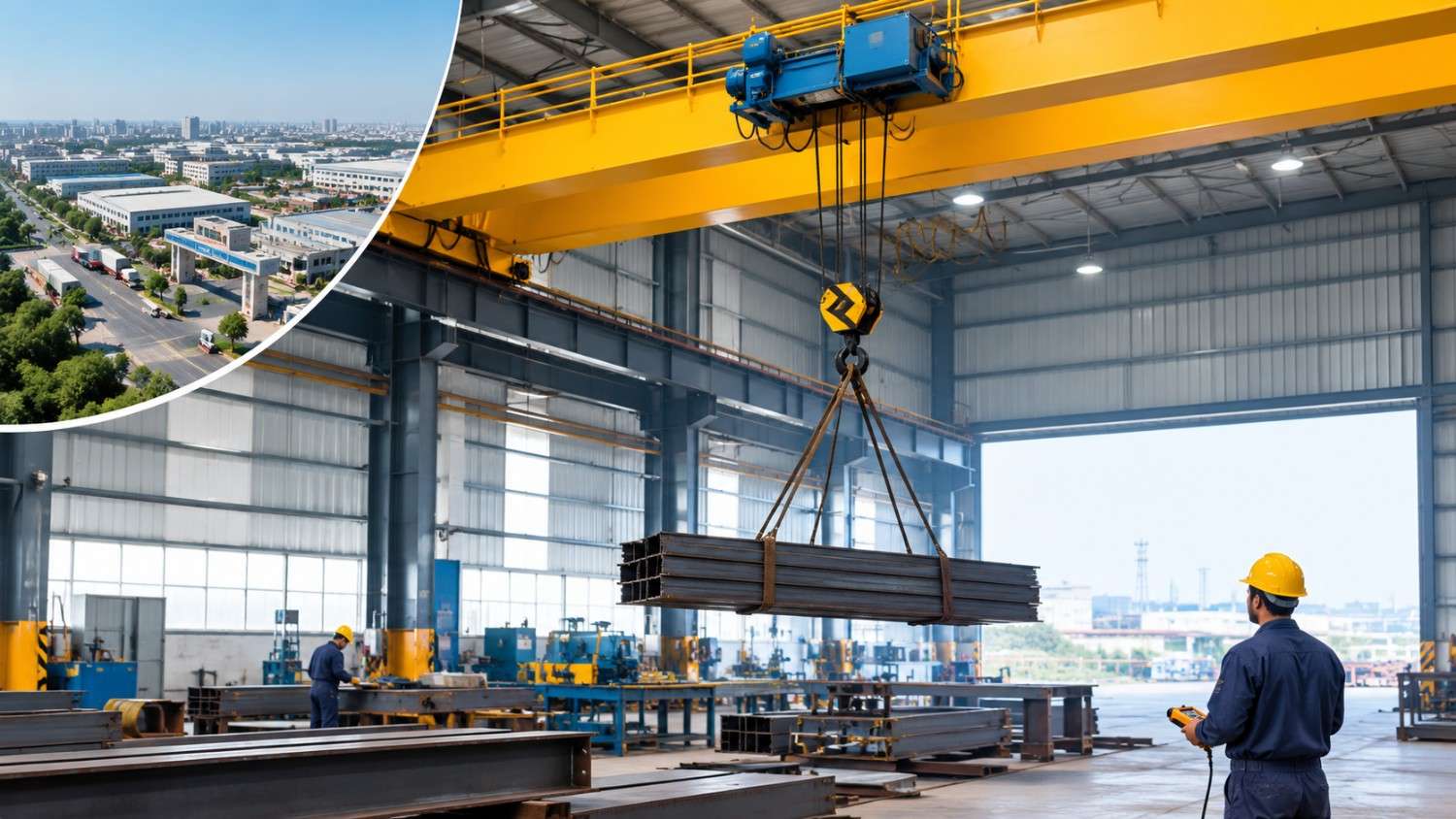
A no-fluff guide to picking crane manufacturers in Vatva, Ahmedabad, covering FLP cranes for chemical units, real cost factors, and buyer mistakes to avoid.
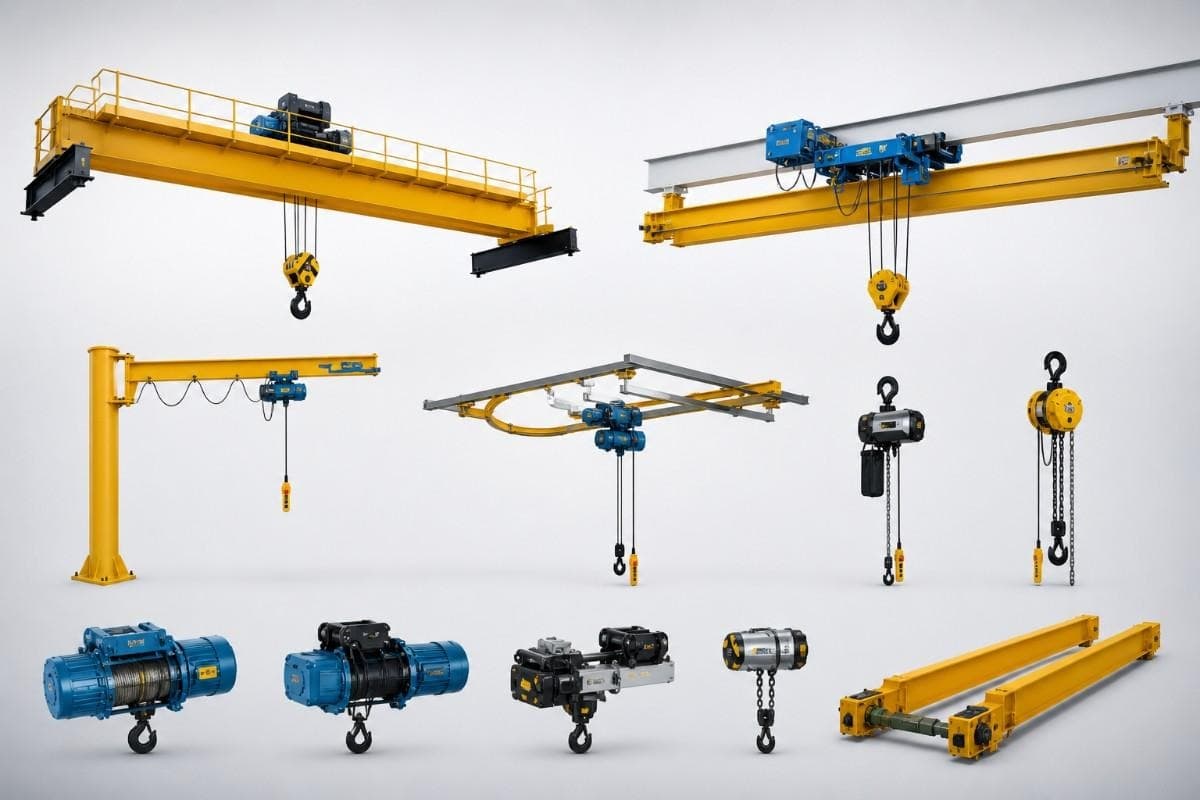
If you're looking for a dependable EOT crane manufacturer in Delhi NCR, you've probably already realized the region has no shortage of options. The problem is filtering out the ones who actually manufacture from the ones who just package and resell.
Finding dependable EOT crane manufacturers in Ludhiana can make a huge difference to the efficiency and safety of your industrial operations. Whether you run a manufacturing facility, fabrication unit, warehouse, steel plant, engineering workshop, or logistics center, the right crane system helps move heavy loads faster, safer, and with less effort.
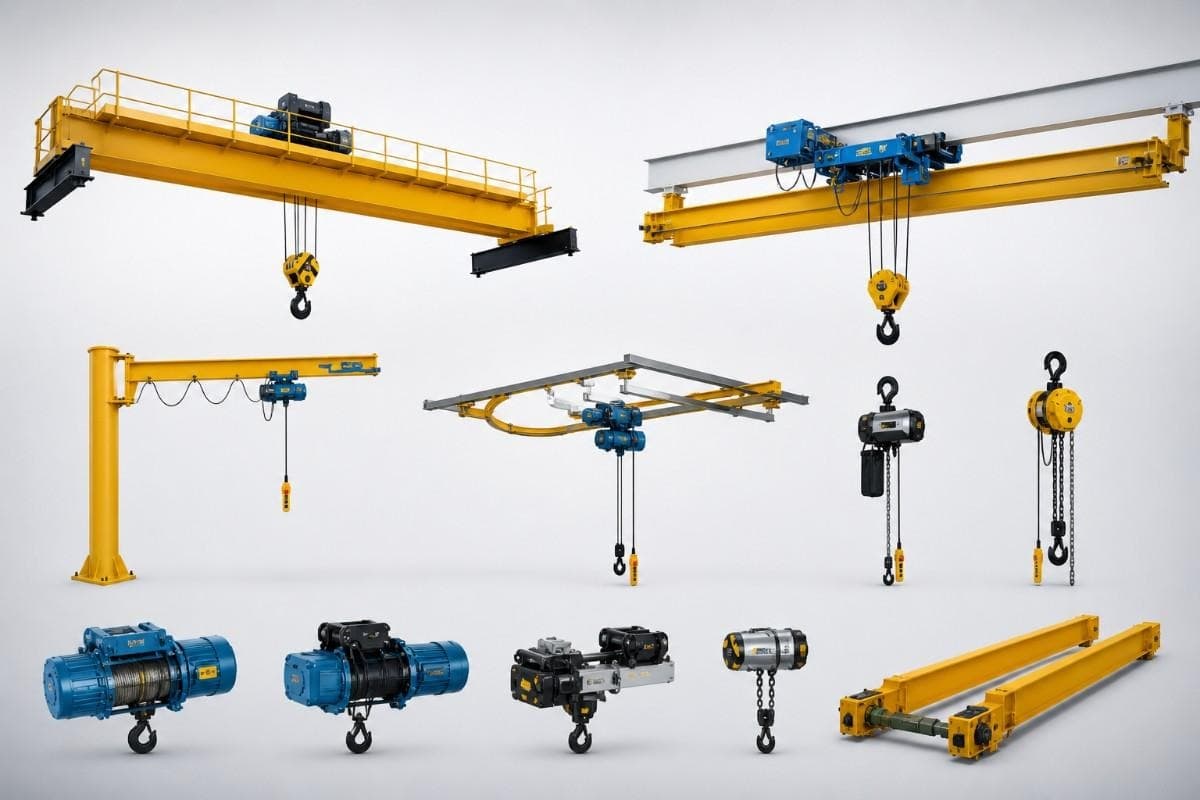
Delhi and the surrounding NCR belt are home to thousands of manufacturing units, fabrication shops, and industrial facilities. And almost every one of them, at some point, needs a crane. The problem is that finding a trustworthy EOT crane manufacturer in Delhi is harder than it should be.
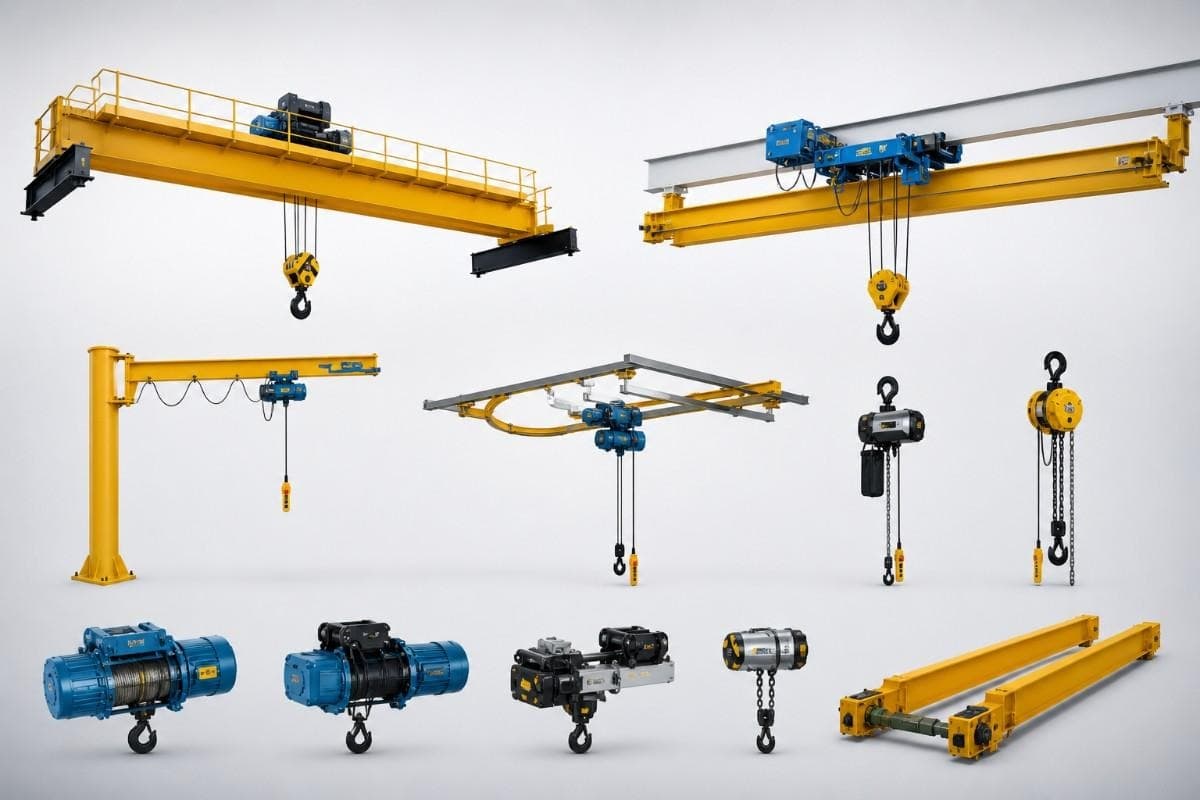
Ahmedabad's industries move fast, and the material handling equipment supporting them needs to keep pace without compromise. If you are searching for a crane manufacturer in Ahmedabad who can deliver engineering depth, documented compliance, and reliable after-sales support rather than just a machine with a price tag, this page is worth your time.
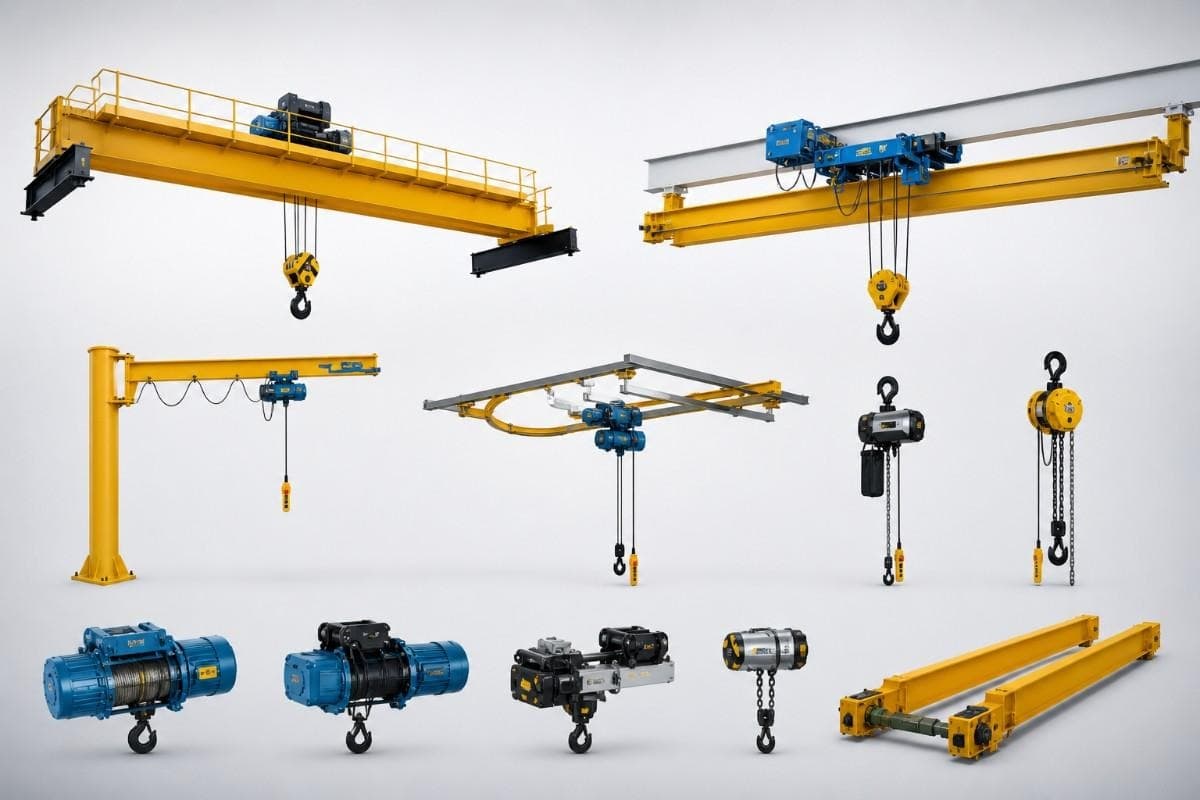
Most plants in Chennai have an overhead crane for the bay and nothing else for individual workstations. That gap costs operators time on every single shift. If you are looking for jib crane manufacturers in Chennai who can actually close that gap with a well-engineered, workstation-level lifting solution, this page will walk you through everything you need to know before making a decision.
Choosing the wrong EOT crane manufacturer in Hyderabad can set your entire project back by months. The stakes are high, the options are many, and most buyers do not know what to look for until something goes wrong.
Looking for a reliable partner for your next industrial project?