English
Contact
Configure
Catalog
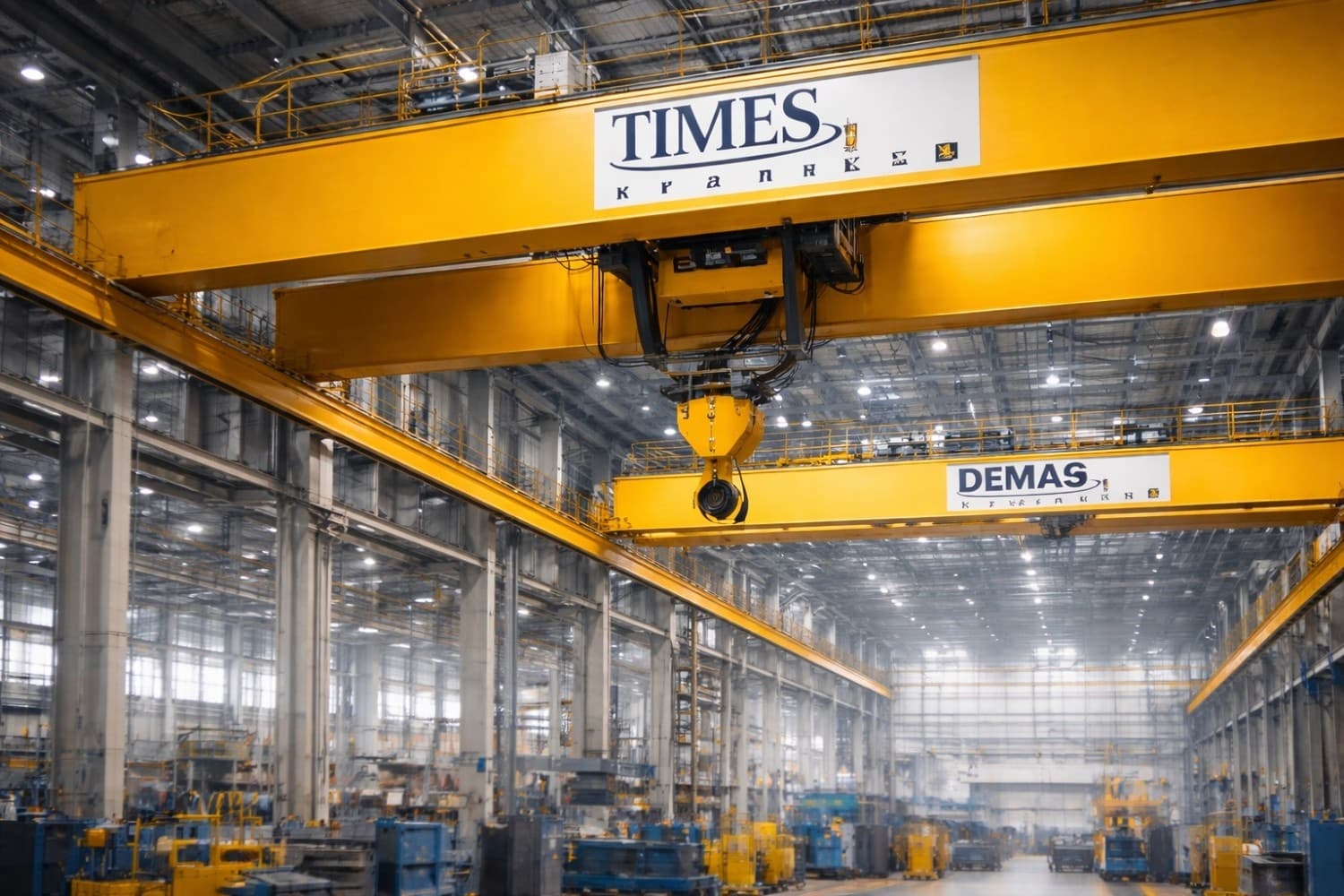
Pune is one of India's most industrially active cities. From Chakan to Talegaon, from Pimpri-Chinchwad to Pirangut, the city's manufacturing belt spans dozens of industrial zones with thousands of active production facilities. Automotive, engineering, defence, pharmaceuticals, logistics, the range is enormous. And across almost every one of these sectors, overhead cranes are a core part of daily operations
An Electric Overhead Travelling (EOT) crane moves heavy loads across a bay using three axes of motion: along the length of the runway, across the width via the trolley, and vertically through the hoist. The result is precise, efficient, and safe load movement that no ground-based equipment can match inside a production bay.
In my experience working with manufacturing clients across the Pune belt, the shift from floor-level material handling to an overhead crane system is one of the most transformative upgrades a facility can make. Floor space opens up. Cycle times drop. And the constant anxiety about forklift-related damage or accidents reduces significantly.
Pune's industries are increasingly running multi-shift operations with tight production schedules. In that environment, equipment reliability isn't a nice-to-have. It's critical.
The market for an EOT crane in Pune covers a wide range of products and configurations. Before you shortlist any supplier, it helps to understand what your actual choices are.
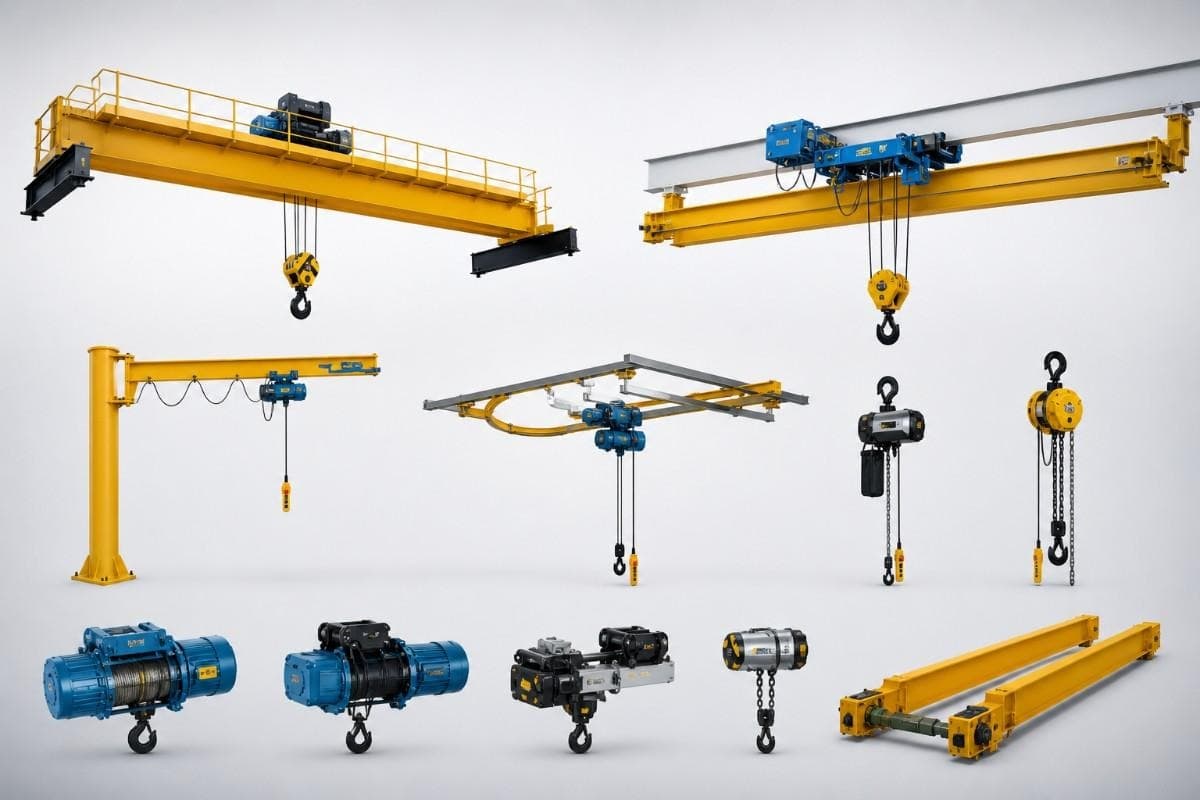
This is the workhorse of light to medium duty applications. One bridge girder spans the bay, with the hoist and trolley running underneath on the bottom flange. It's straightforward to install, relatively compact, and well-suited for standard bay heights.
Best suited for: general fabrication shops, component assembly lines, warehouses, FMCG plants, light engineering units.
Two parallel bridge girders with the crab and hoist mounted on top. This configuration delivers higher hook heights, greater span coverage, and the ability to handle much heavier loads reliably over long operating periods.
Best suited for: heavy press shops, steel processing units, foundries, defence manufacturing, large bay industrial plants.
Suspended from the bottom flange of the roof structure rather than from a separate rail system. Particularly useful when overhead space is limited or when you need crane coverage across multiple interconnected bays.
Best suited for: automotive component plants, multi-bay facilities, units with structural headroom constraints.
A flexible, track-based system that can be configured in straight runs, curves, and even switch arrangements. Built for ergonomic, repetitive light-duty handling tasks at individual workstations.
Best suited for: assembly stations, tool rooms, precision manufacturing, electronics production lines.
Pune's industrial geography is genuinely diverse, and that diversity creates specific crane challenges that not every supplier is equipped to handle.
I've noticed that facilities in older industrial zones like Pimpri-Chinchwad often have legacy building structures with limited headroom and non-standard bay widths. Newer zones like Chakan tend to have purpose-built structures with better headroom but sometimes longer bay spans that demand more robust bridge designs.
What this means practically is that a crane bought off a catalogue rarely fits perfectly. You need a manufacturer who will survey your facility, understand your structural constraints, and design accordingly. That's different from a supplier who simply ships a standard product and leaves installation to chance.
According to a 2023 report by the Indian Crane Manufacturers' Association, customised overhead crane solutions now account for over 60% of industrial crane orders in Maharashtra, reflecting how site-specific requirements have become the norm rather than the exception.
There are dozens of companies who will tell you they supply EOT cranes in Pune. The real question is who actually manufactures, and who just resells.
Here's a checklist to help you separate genuine manufacturers from middlemen:
None of these questions are unreasonable. Any serious manufacturer will answer them without hesitation.
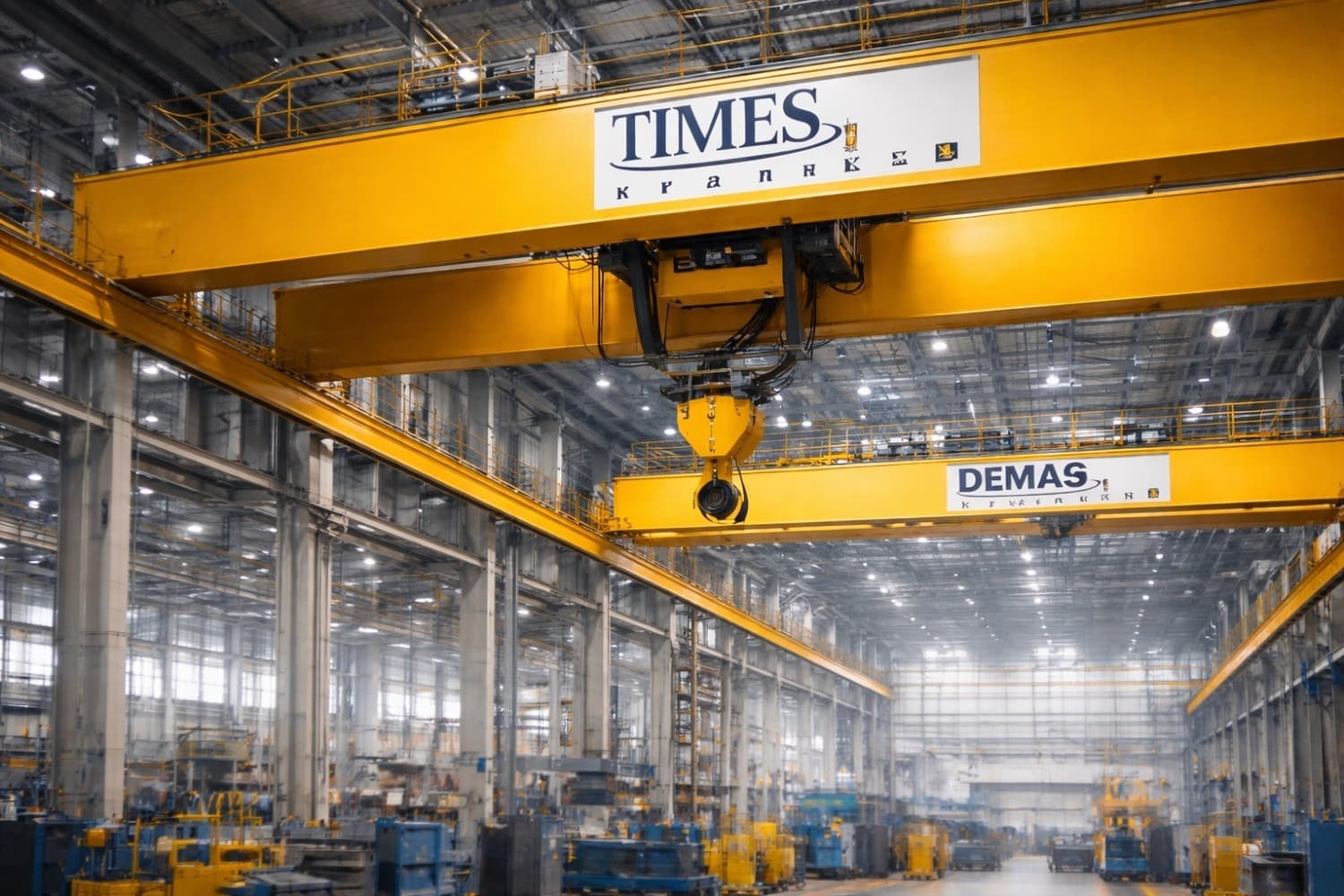
Times Krane, part of Times Industrial Engineers Pvt. Ltd., brings over three decades of industrial experience to the crane manufacturing space. The TK Crane division, launched in 2012, has steadily built a presence across India's major industrial corridors, including Maharashtra.
What sets them apart for Pune-based buyers is their approach to customisation. Rather than fitting your facility around a standard product, they design the crane around your specific bay dimensions, load requirements, and duty cycle. Their product range spans single and double girder EOT cranes, underslung systems, KBK modular crane systems, rope hoists, and chain hoists, covering virtually every application type you'd encounter in Pune's varied industrial landscape.
When I tried reaching out to multiple crane suppliers for a comparison on behalf of a client in the Chakan area, Times Krane stood out for one specific reason: they asked the right questions upfront. Bay drawings, structural details, load cycle frequency, shift patterns. That's what a manufacturer who actually builds cranes does. That's not what a reseller does.
Getting these right before you place your order will save you significant trouble later:
Each of these parameters interacts with the others. Changing one often affects the rest. A good crane manufacturer will work through these with you systematically before producing any drawings or quotation.
Here's a scenario that plays out more often than it should. A plant manager in Pune buys the cheapest EOT crane available to meet a budget target. Within eight months, the crane is frequently tripping on overload, the brakes are wearing faster than expected, and downtime is occurring twice a week.
The repair costs, lost production, and eventual crane replacement end up costing three times what a properly specified crane would have cost in the first place.
The crane is not where you cut the budget. It's a production asset that needs to work every day for twenty years. The right specification and the right manufacturer are investments, not costs.
Regardless of who manufactures your crane, a proper maintenance routine protects both your investment and your workers.
Key maintenance activities to schedule from day one:
Your crane should come with a maintenance manual at handover. If it doesn't, request one before you sign off on the installation.
The industrial mix across Pune's various zones creates a wide base of EOT crane users:
If your facility involves repeated heavy load movement within a bay or yard, overhead crane technology is almost certainly the most efficient and safe solution available.
Take your time. A crane purchase is not something to rush because a supplier is pushing a deadline. The right manufacturer will respect your due diligence process, answer your questions thoroughly, and give you time to verify their track record.
Visit a facility where their crane is already running if you can. Talk to the plant manager there about how the crane has performed and what the after-sales experience has been like. That kind of firsthand verification is worth more than any brochure.
If you're actively looking for a quality EOT crane in Pune, start with manufacturers who have genuine fabrication capability, proven IS compliance, and a service presence in Maharashtra. Times Krane fits that description and is a solid starting point for your evaluation.
A no-fluff guide to picking crane manufacturers in Vatva, Ahmedabad, covering FLP cranes for chemical units, real cost factors, and buyer mistakes to avoid.
If you're looking for a dependable EOT crane manufacturer in Delhi NCR, you've probably already realized the region has no shortage of options. The problem is filtering out the ones who actually manufacture from the ones who just package and resell.
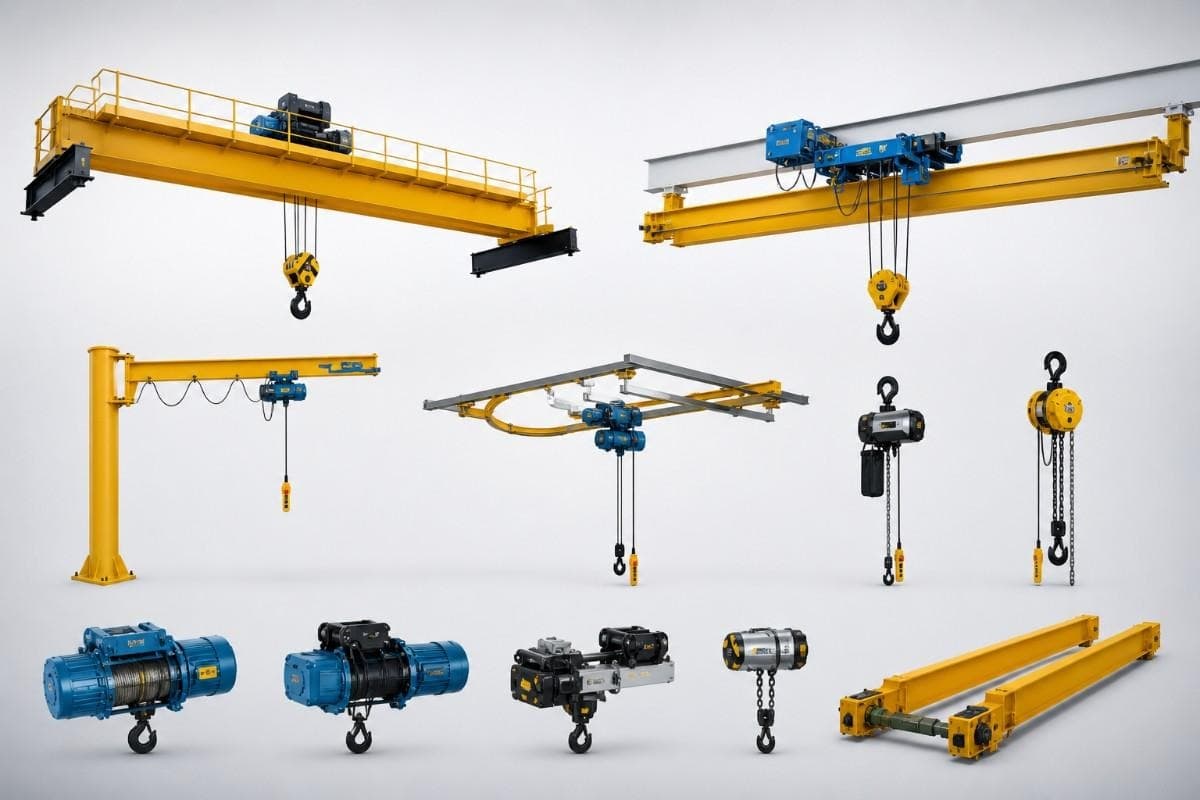
Finding dependable EOT crane manufacturers in Ludhiana can make a huge difference to the efficiency and safety of your industrial operations. Whether you run a manufacturing facility, fabrication unit, warehouse, steel plant, engineering workshop, or logistics center, the right crane system helps move heavy loads faster, safer, and with less effort.
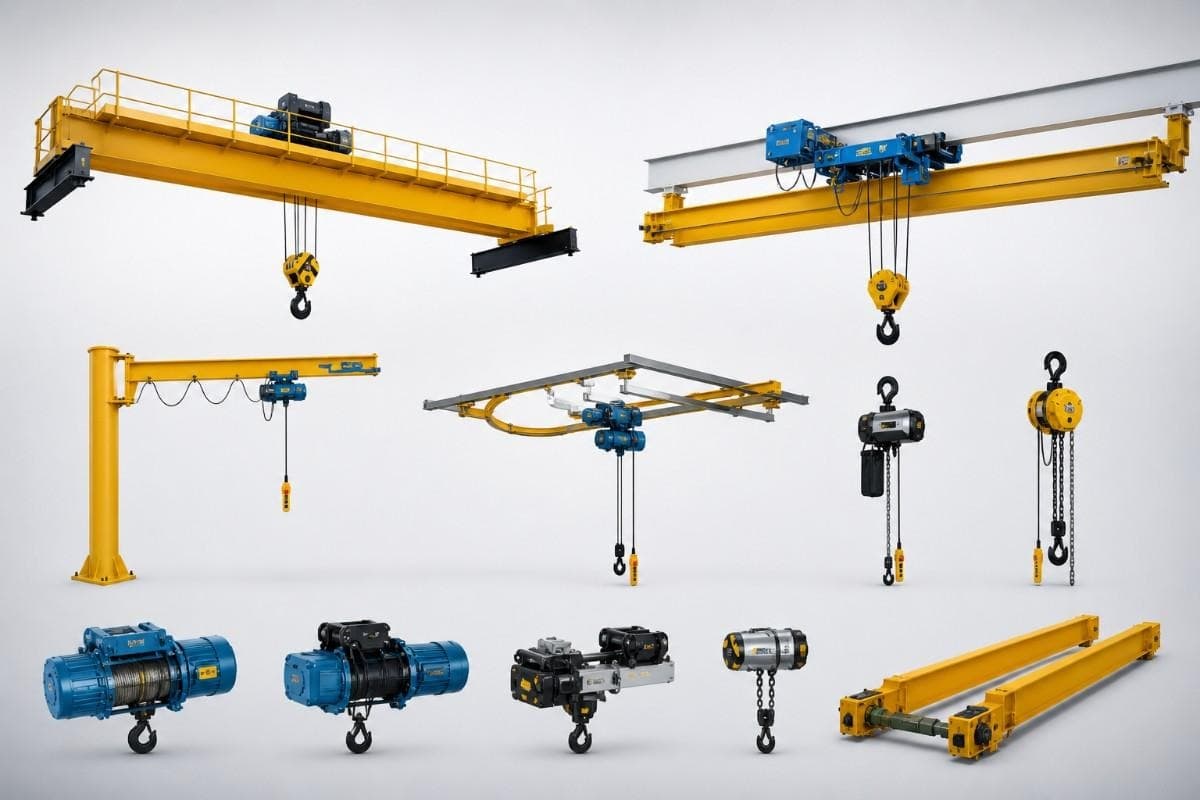
Delhi and the surrounding NCR belt are home to thousands of manufacturing units, fabrication shops, and industrial facilities. And almost every one of them, at some point, needs a crane. The problem is that finding a trustworthy EOT crane manufacturer in Delhi is harder than it should be.
Ahmedabad's industries move fast, and the material handling equipment supporting them needs to keep pace without compromise. If you are searching for a crane manufacturer in Ahmedabad who can deliver engineering depth, documented compliance, and reliable after-sales support rather than just a machine with a price tag, this page is worth your time.
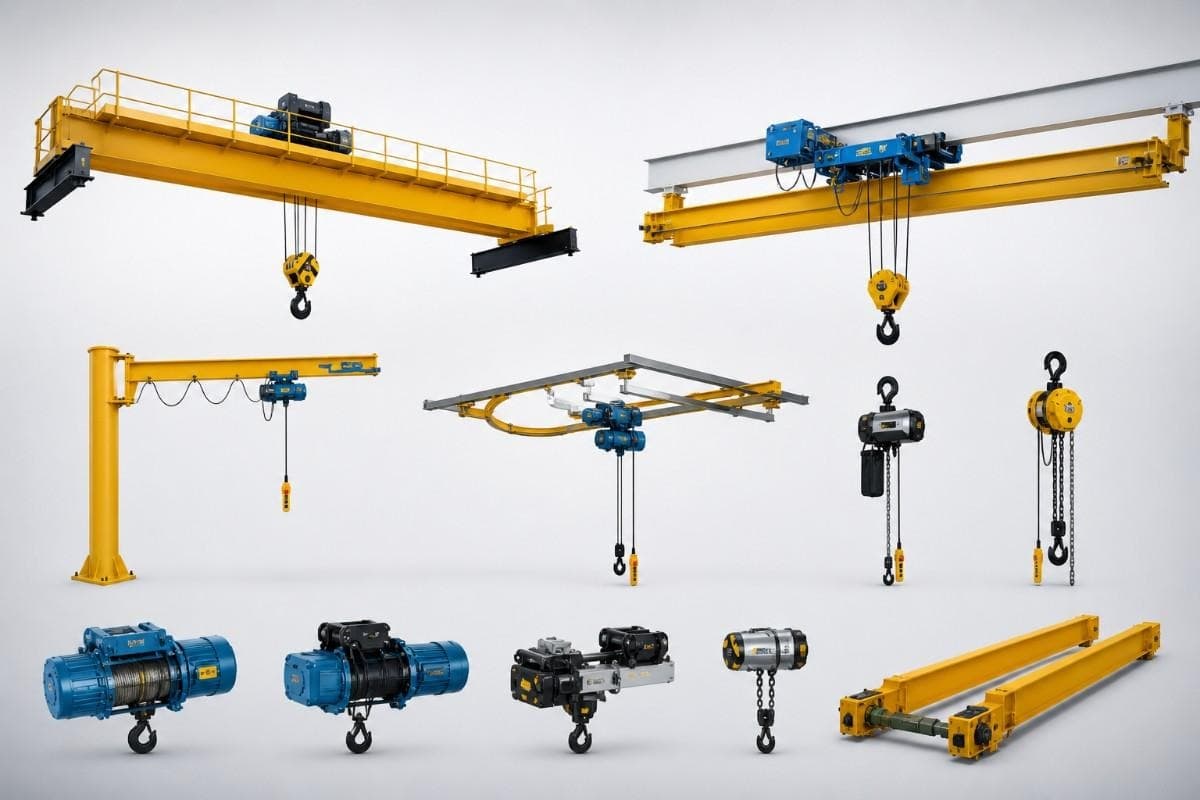
Most plants in Chennai have an overhead crane for the bay and nothing else for individual workstations. That gap costs operators time on every single shift. If you are looking for jib crane manufacturers in Chennai who can actually close that gap with a well-engineered, workstation-level lifting solution, this page will walk you through everything you need to know before making a decision.
Choosing the wrong EOT crane manufacturer in Hyderabad can set your entire project back by months. The stakes are high, the options are many, and most buyers do not know what to look for until something goes wrong.
Looking for a reliable partner for your next industrial project?