English
Contact
Configure
Catalog
Whether you're setting up a new factory in Pune, expanding a warehouse in Nagpur, or upgrading your steel yard in Nashik, the crane you pick will quietly shape how efficiently your entire operation runs. This guide is here to cut through the noise.
Maharashtra is one of India's most industrially active states. From auto manufacturing belts in Pune to petrochemical clusters near Mumbai and steel processing units across Nagpur, the demand for heavy-duty lifting solutions is constant and growing.
In my experience working alongside several plant engineers across the state, the conversation almost always comes back to the same point: reliable cranes are not a luxury, they are infrastructure. A plant that runs on a crane that keeps breaking down is not really running at all.
According to industry data shared by the Indian Hoist and Crane Manufacturers Association, the material handling equipment market in India is growing at approximately 7 to 9 percent annually, with Maharashtra contributing a significant share of that demand. That kind of growth means more manufacturers are entering the space every year, which makes choosing wisely even more critical.
Before you approach any supplier, it helps to know exactly what kind of crane your application needs. When I tried mapping out requirements for a medium-scale fabrication unit, the first mistake most buyers make was immediately obvious: they focus on brand before function.
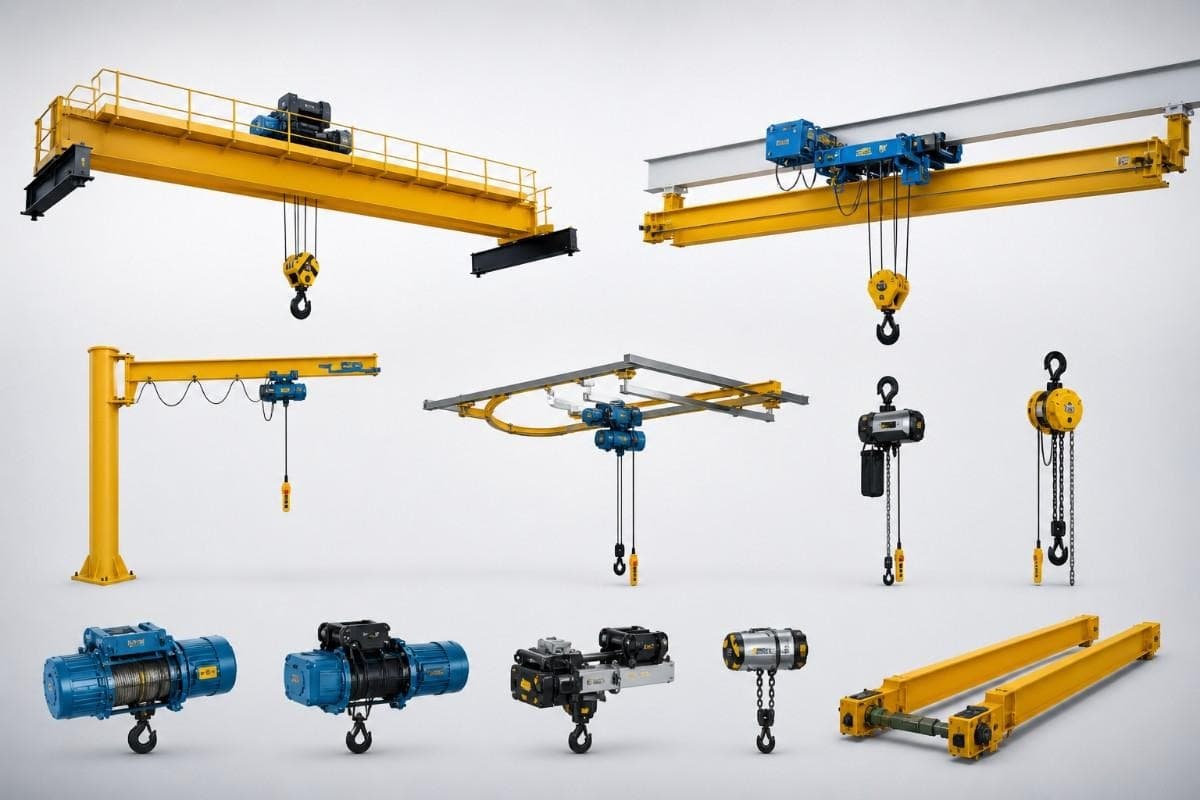
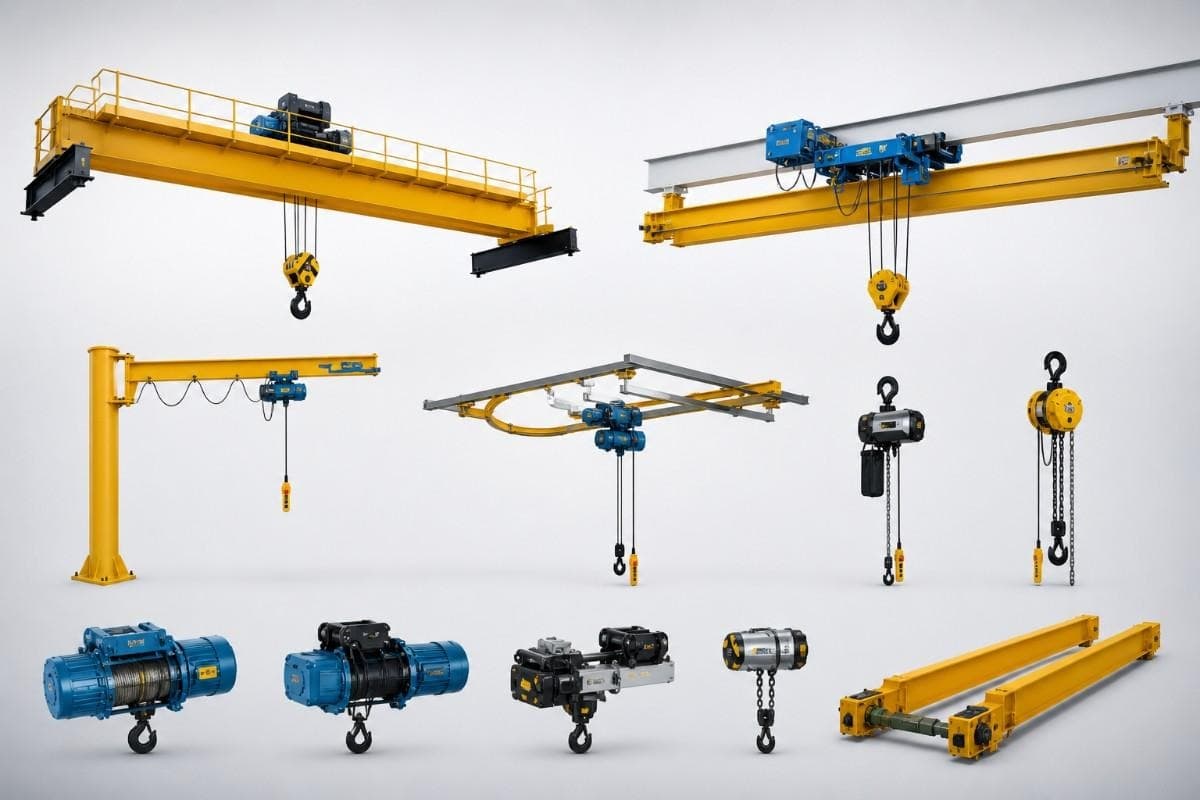
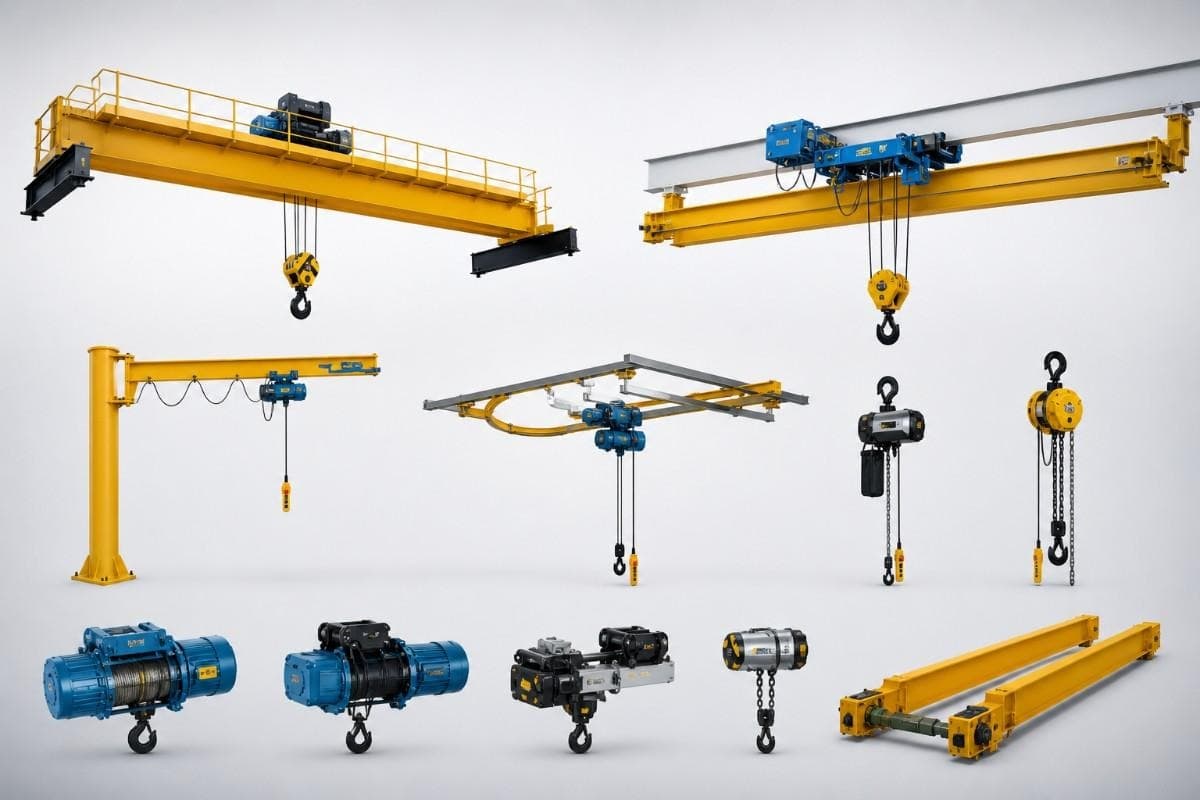
Here is a quick breakdown of the most commonly manufactured and used crane types across Maharashtra's industrial sector:
Each of these serves a specific purpose. No single type is universally "better." The right answer depends on your bay dimensions, load capacity, duty cycle, and available headroom.
Not every manufacturer that claims to build cranes actually engineers them well. This is a distinction that took me a while to fully appreciate.
A good manufacturer does not just cut steel and weld it together. They perform structural load calculations, fatigue analysis, and FEM-based design verification. Ask any prospective supplier whether they design in-house or outsource it. The answer tells you a lot.
The quality of structural steel, hoisting motors, gearboxes, and electrical panels matters enormously. Look for manufacturers who source material conforming to IS 2062 standards and use FLP (flameproof) or VFD (variable frequency drive) systems where your application demands it.
Reputable crane manufacturers in Maharashtra will design their equipment to conform to Bureau of Indian Standards guidelines, particularly IS 807 and IS 3177. International buyers or export-oriented plants may also need CMAA compliance. Do not skip this verification step.
This is honestly where most buyers get burned. A crane can be purchased from a manufacturer 1,200 km away, but when something breaks at 2 AM before a major dispatch, who shows up? I've noticed that the best manufacturers maintain dedicated service teams or authorised service partners within Maharashtra itself. That local presence matters far more than most people realise before they actually need it.
A manufacturer who has supplied cranes to a pharmaceutical plant has a very different product calibration than one who specialises in steel mills. Ask for references in your sector. Visit a running installation if you can.
Maharashtra's industrial landscape is diverse, and that diversity creates highly specific crane requirements across sectors:
Automobile and Auto Ancillary: Pune's sprawling auto belt, home to names like Tata Motors, Bajaj, and hundreds of tier-1 and tier-2 suppliers, demands precision overhead cranes that handle components with care, not just raw weight.
Steel and Fabrication: Nagpur and Nashik have significant steel processing activity. These environments call for cranes with high duty cycles, excellent thermal resistance, and robust gearbox design.
Cement and Mining: The Vidarbha region has active mining zones where gantry cranes and heavy-duty hoists are standard equipment.
Ports and Logistics: Mumbai's port ecosystem, along with JNPT, requires specialised dock cranes and container handling equipment with tight safety margins.
Pharmaceuticals and Food Processing: These sectors need cranes that meet hygiene standards and often require enclosed hoisting systems or stainless steel contact surfaces.
Here is a practical checklist that I always recommend buyers walk through before committing:
Times Krane is a Faridabad-based crane manufacturer with a strong supply footprint across Maharashtra and other major industrial states. What sets them apart is not just the hardware, they engineer solutions.
From EOT cranes to gantry cranes, underslung systems, and custom material handling setups, Times Krane covers the full spectrum. Their engineering team works directly with your project specifications, which means you get a crane designed for your exact application rather than a one-size-fits-all product pulled from a catalogue.
In my experience reviewing crane deliveries across different projects, the manufacturers who invest in proper documentation, including drawings, FEM reports, and load test certificates, are almost always the ones whose equipment runs trouble-free for years. Times Krane follows this approach consistently.
Their service reach extends across Maharashtra, covering Mumbai, Pune, Nashik, and Nagpur, which means you are not left stranded when you need after-sales support. For buyers who prioritise both quality engineering and responsive service, they are worth a serious conversation.
I've noticed that buyers who end up regretting their crane purchase almost always made one of these errors:
Going purely on the lowest price. Crane pricing is a reflection of engineering inputs. A dramatically cheaper crane usually means cheaper components, thinner structural sections, or cut corners in testing.
Not specifying the duty class. IS 807 defines duty classes M1 through M8. A crane meant for M4 duty will fail prematurely in an M6 environment. Be specific about your operational cycle when requesting a quote.
Skipping site assessment. Bay dimensions, floor loading capacity, runway beam span, and power availability all affect crane design. A manufacturer who does not ask for these details before quoting is not engineering your crane properly.
Ignoring long-term AMC options. Annual Maintenance Contracts save money in the long run and ensure your crane stays within safe operating parameters year after year.
A no-fluff guide to picking crane manufacturers in Vatva, Ahmedabad, covering FLP cranes for chemical units, real cost factors, and buyer mistakes to avoid.
If you're looking for a dependable EOT crane manufacturer in Delhi NCR, you've probably already realized the region has no shortage of options. The problem is filtering out the ones who actually manufacture from the ones who just package and resell.
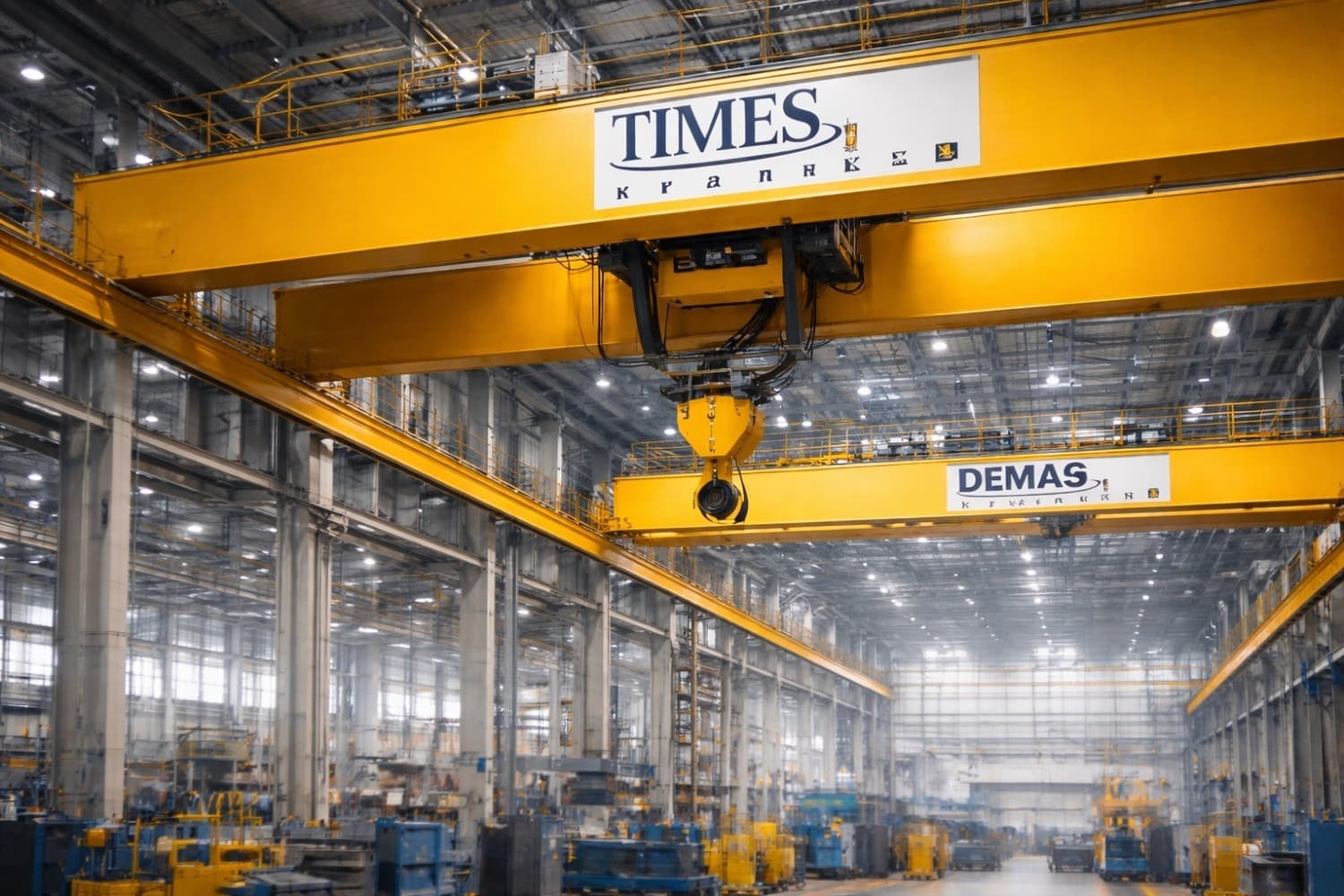
Finding dependable EOT crane manufacturers in Ludhiana can make a huge difference to the efficiency and safety of your industrial operations. Whether you run a manufacturing facility, fabrication unit, warehouse, steel plant, engineering workshop, or logistics center, the right crane system helps move heavy loads faster, safer, and with less effort.
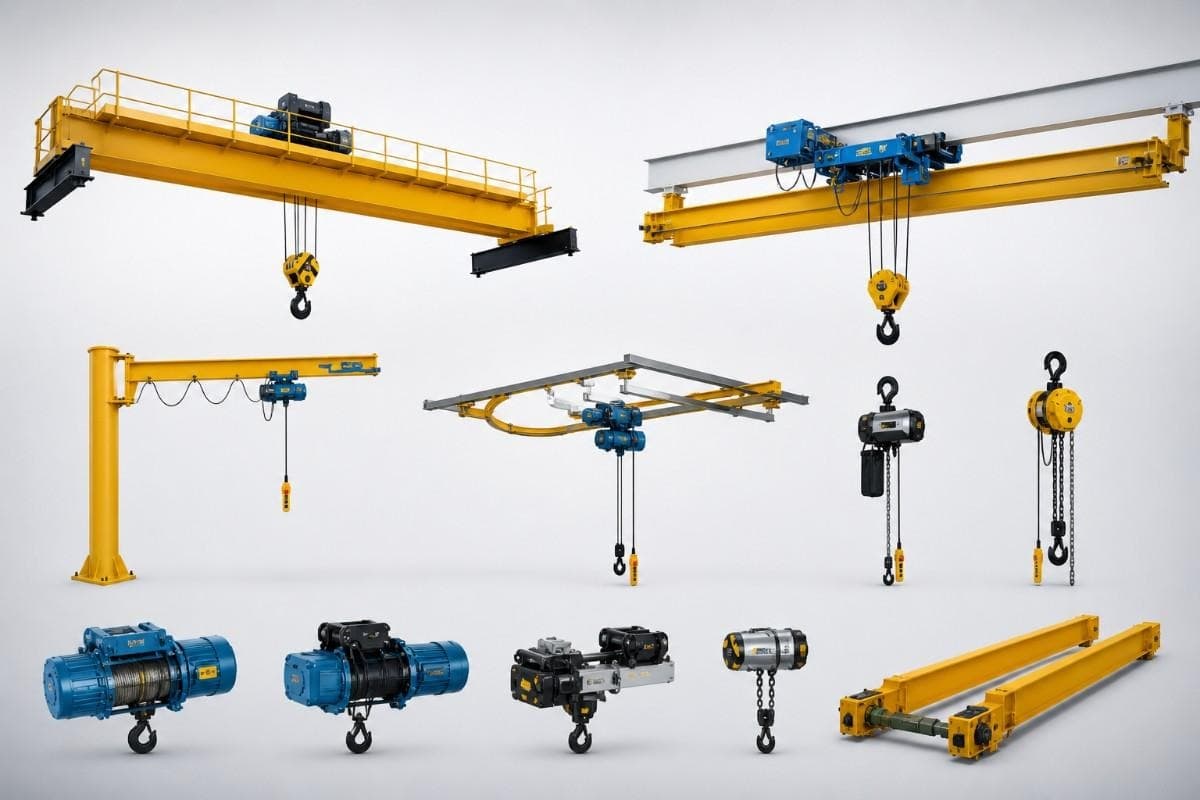
Delhi and the surrounding NCR belt are home to thousands of manufacturing units, fabrication shops, and industrial facilities. And almost every one of them, at some point, needs a crane. The problem is that finding a trustworthy EOT crane manufacturer in Delhi is harder than it should be.
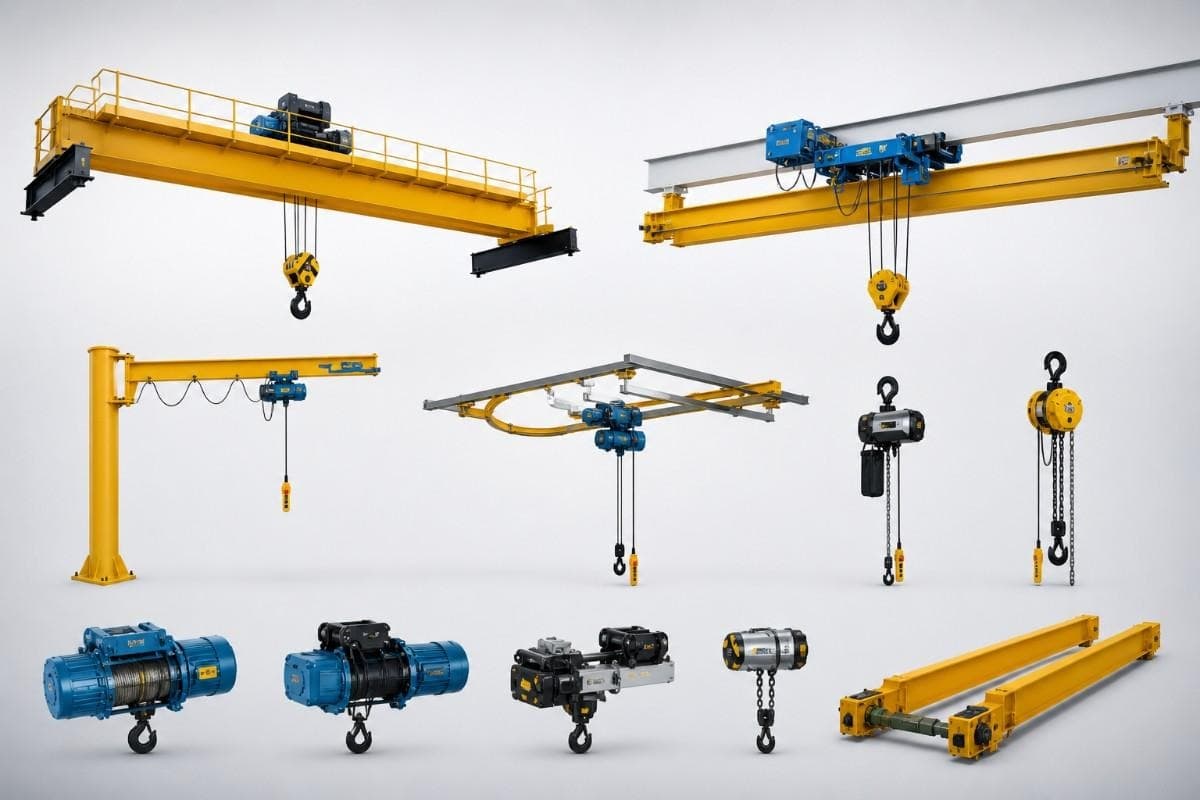
Ahmedabad's industries move fast, and the material handling equipment supporting them needs to keep pace without compromise. If you are searching for a crane manufacturer in Ahmedabad who can deliver engineering depth, documented compliance, and reliable after-sales support rather than just a machine with a price tag, this page is worth your time.
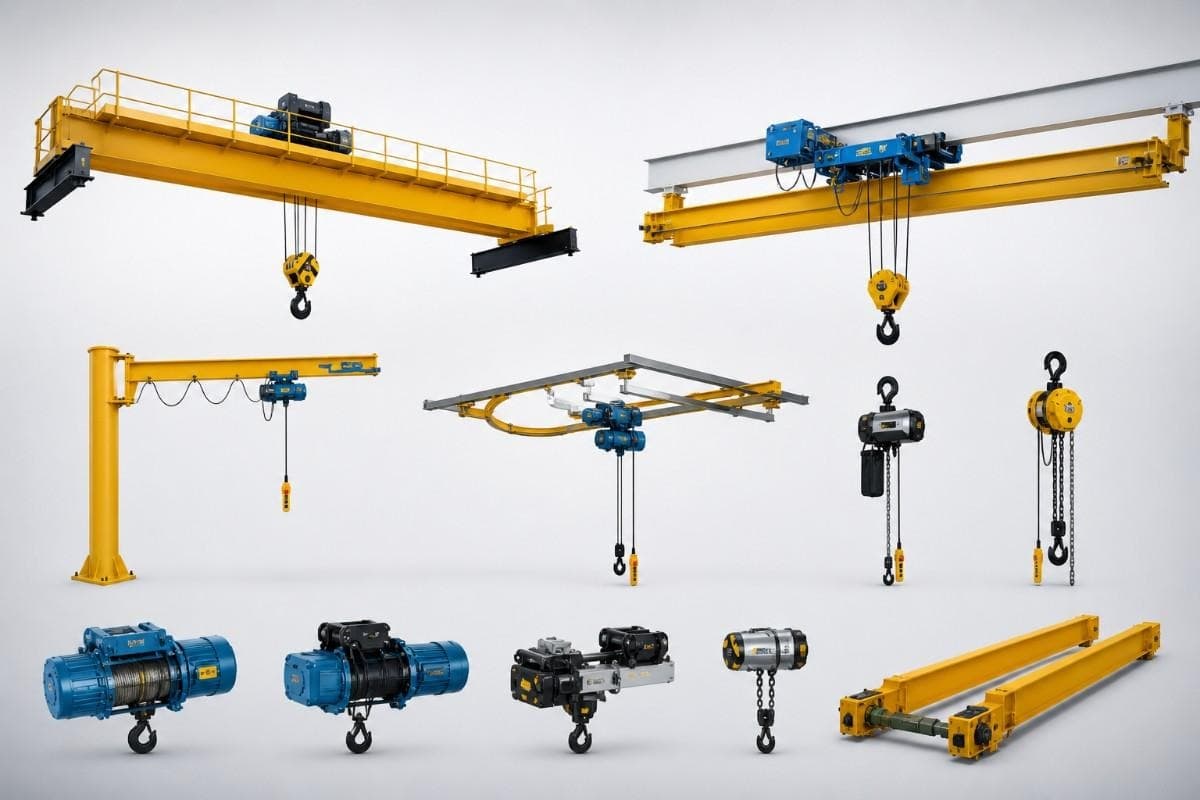
Most plants in Chennai have an overhead crane for the bay and nothing else for individual workstations. That gap costs operators time on every single shift. If you are looking for jib crane manufacturers in Chennai who can actually close that gap with a well-engineered, workstation-level lifting solution, this page will walk you through everything you need to know before making a decision.
Choosing the wrong EOT crane manufacturer in Hyderabad can set your entire project back by months. The stakes are high, the options are many, and most buyers do not know what to look for until something goes wrong.
Looking for a reliable partner for your next industrial project?