English
Contact
Configure
Catalog
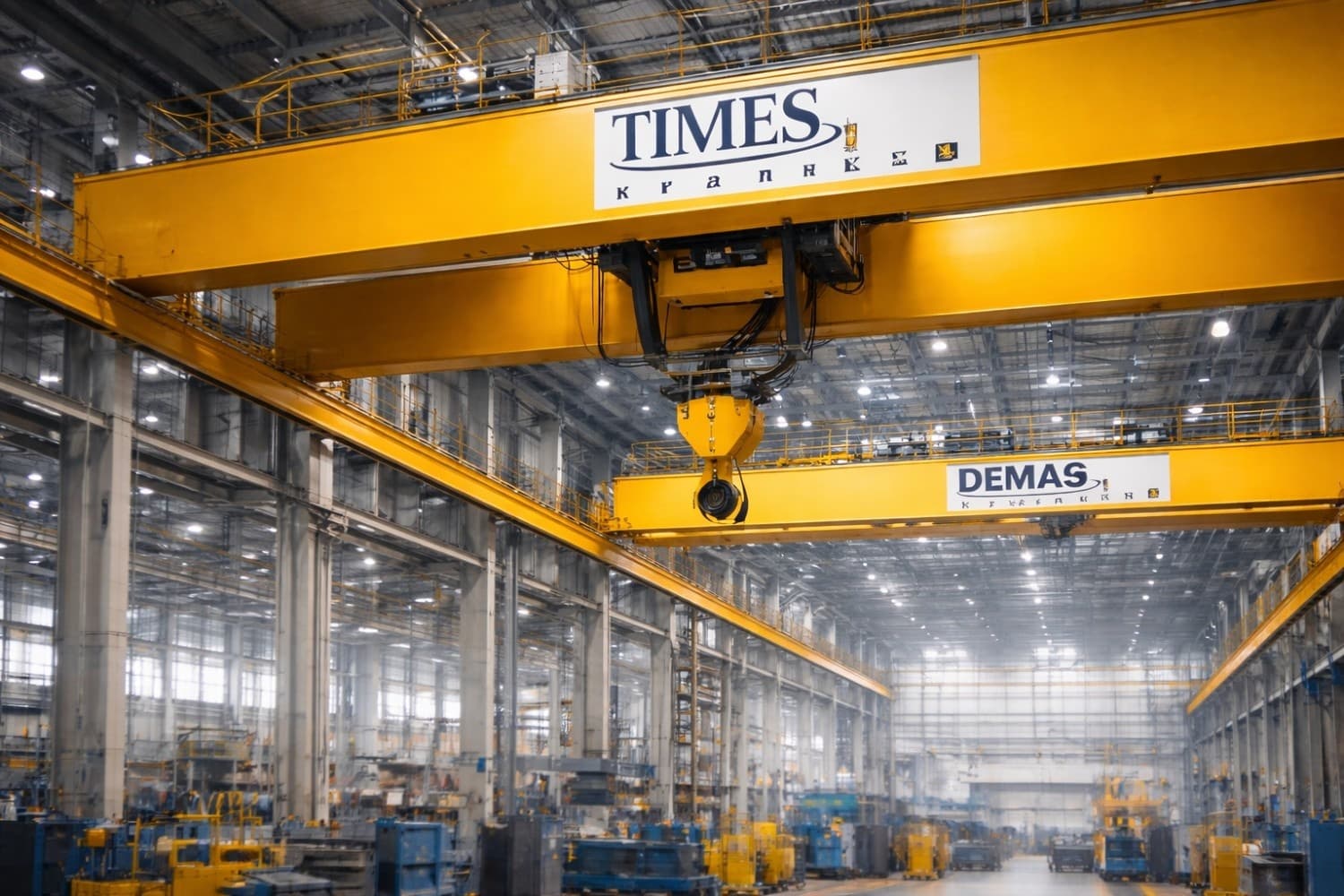
Pune is one of Maharashtra's most industrially diverse cities. From the automotive corridors of Chakan and Pimpri-Chinchwad to the engineering clusters near Bhosari and the logistics hubs along the Pune-Mumbai expressway, heavy material handling is a daily operational reality for thousands of facilities here. Gantry cranes play a critical role in many of these environments, especially where overhead cranes aren't feasible or outdoor lifting is required.
A gantry crane is a type of overhead crane that supports itself on freestanding legs rather than relying on the building's roof structure for support. The bridge girder spans between two vertical legs, and the entire structure either travels on floor-level rails or remains stationary depending on the design.
This distinction matters a lot. If your building's roof structure can't carry the load of an overhead travelling crane, or if you need to lift heavy materials in an open yard, a storage area, or a space without overhead support beams, a gantry crane is often the most practical answer.
In my experience, gantry cranes are frequently overlooked during facility planning and then urgently needed six months after commissioning when someone realises the forklift simply can't handle a 10-tonne die change safely. Getting ahead of that need saves significant time and operational stress.
Not every gantry crane is the same, and choosing the wrong type for your application is a real risk. Here's a breakdown of the main configurations:
Both legs run on floor-level rails, with the bridge girder spanning between them. This is the most stable and load-capable configuration. It's used extensively in outdoor yards, fabrication shops, pre-cast concrete facilities, and heavy manufacturing plants.
Best suited for: outdoor material yards, heavy fabrication, railway workshops, defence manufacturing facilities.
One leg runs on a floor-level rail while the other end of the bridge girder is supported by a runway beam attached to the building wall or column. This hybrid design is useful when you want to maximise usable floor area while keeping one side wall-supported.
Best suited for: facilities where a full gantry crane footprint would reduce usable floor space, or where one wall can carry runway beam loads.
A smaller, manually repositionable gantry structure on wheeled legs. No floor rails required. Built for light to medium loads in maintenance bays, tool rooms, or workshops where flexibility of positioning is more important than high capacity.
Best suited for: maintenance workshops, tool rooms, machinery installation and removal tasks, light fabrication areas.
One bridge girder with the hoist and trolley running underneath. Lighter, more economical, and well-suited for moderate load requirements.
Best suited for: warehouses, component manufacturing, general industrial yards, storage facilities.
Two parallel bridge girders with the crab and hoist mounted on top. Designed for heavier loads, longer spans, and more demanding duty cycles.
Best suited for: steel yards, shipbuilding support facilities, heavy press shops, large outdoor storage and processing areas.
Pune's manufacturing ecosystem is genuinely varied. The automotive sector alone has a mix of OEM plants with purpose-built facilities and smaller tier-2 and tier-3 suppliers operating in older, less structurally robust buildings.
I've noticed that facilities in zones like Bhosari and Pimpri-Chinchwad frequently have roof structures that weren't designed to carry overhead crane loads. In those situations, a gantry crane running on floor rails is not just a preference. It's the only viable option for safe overhead lifting without expensive structural reinforcement.
At the same time, newer industrial developments around Chakan and Ranjangaon tend to have better-specified structures, but often include large outdoor logistics and storage areas where a floor-supported gantry crane is the natural fit.
Understanding where your facility sits in this spectrum determines what gantry crane configuration actually makes sense for you.
The market has a wide range of players. Some are genuine manufacturers with in-house fabrication and engineering capability. Others are traders or agents who source from third parties and have limited accountability once the crane is installed.
Here is a practical list of what to verify before you commit to any supplier:
When I tried this approach while evaluating suppliers for a heavy fabrication unit near Talegaon, the list of vendors who could answer all seven questions confidently and completely was very short. That short list is where the real conversations should happen.
According to the Bureau of Indian Standards, gantry cranes used in industrial applications must be designed to handle both static and dynamic loads within defined safety factors. The structural design must account for wheel loads, wind loads for outdoor cranes, and the effects of acceleration and deceleration on the bridge and trolley.
What this means practically for a buyer in Pune is that your crane should be designed by a qualified structural engineer, not assembled from standard sections without proper calculation. The leg profiles, bridge section size, end carriage design, and rail size all need to be specified based on your actual load, span, and operating conditions.
A gantry crane is deceptively simple in appearance. Two legs, a bridge, a hoist. But the engineering behind a properly designed one is anything but simple, especially when you're looking at spans beyond 10 metres or loads above 5 tonnes.
Times Krane, operating under Times Industrial Engineers Pvt. Ltd., has been building industrial lifting solutions since 2012, backed by a parent company with industrial roots going back to 1988. Their manufacturing facility in Faridabad handles in-house design, fabrication, and quality testing before any crane leaves the factory.
For Pune-based buyers, what matters is their ability to design and manufacture to site-specific requirements rather than catalogue standards. A gantry crane for a Pune fabrication yard has different span, load, and environmental requirements than one for a Delhi logistics hub. Times Krane's engineering team works from your actual facility parameters to produce a crane that fits your application rather than the other way around.
Their product range includes both single and double girder gantry cranes, semi-gantry configurations, and portable gantry options for lighter applications, covering most of what you'd encounter across Pune's varied industrial landscape.
Getting clear on these before your first supplier conversation will dramatically improve the quality of proposals you receive:
Getting all of these defined before you talk to a manufacturer allows for accurate technical proposals rather than vague estimates that shift significantly once the actual parameters are specified.
A gantry crane is only as safe as its operators and its maintenance programme. This is not an area where you can afford shortcuts.
Before commissioning any new gantry crane at your Pune facility, make sure these are in place:
A properly operated gantry crane is one of the safest pieces of equipment on a factory floor. A poorly operated one is one of the most dangerous. The difference comes down to training and discipline.
Across Pune's industrial zones, gantry cranes serve a wide variety of sectors:
If your operation involves moving loads that are too heavy, too awkward, or too risky to move with ground-level equipment, a gantry crane is almost certainly the answer.
Buying a gantry crane is a long-term investment in your production infrastructure. The crane you install today will be part of your operations for the next fifteen to twenty years. Treat the selection process accordingly.
Talk to more than one manufacturer. Compare not just specifications but also their willingness to engage with your technical requirements, their documentation standards, and their service capability in your region. A manufacturer who asks good questions about your facility before quoting is a manufacturer who actually understands what they're building.
If you're searching for credible gantry crane manufacturers in Pune, put Times Krane on your evaluation list. Their engineering depth, in-house manufacturing capability, and pan-India service reach make them a practical and accountable choice for Pune-region buyers who need more than just a catalogue crane.
A no-fluff guide to picking crane manufacturers in Vatva, Ahmedabad, covering FLP cranes for chemical units, real cost factors, and buyer mistakes to avoid.
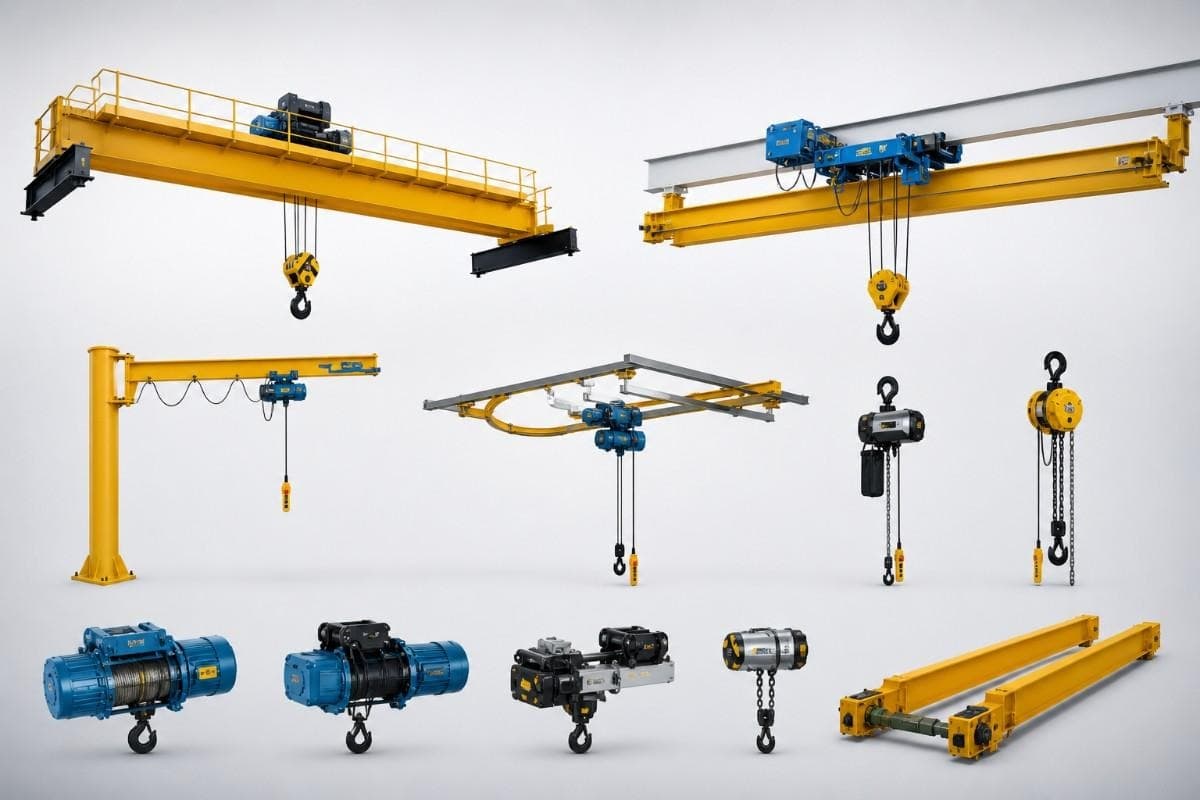
If you're looking for a dependable EOT crane manufacturer in Delhi NCR, you've probably already realized the region has no shortage of options. The problem is filtering out the ones who actually manufacture from the ones who just package and resell.
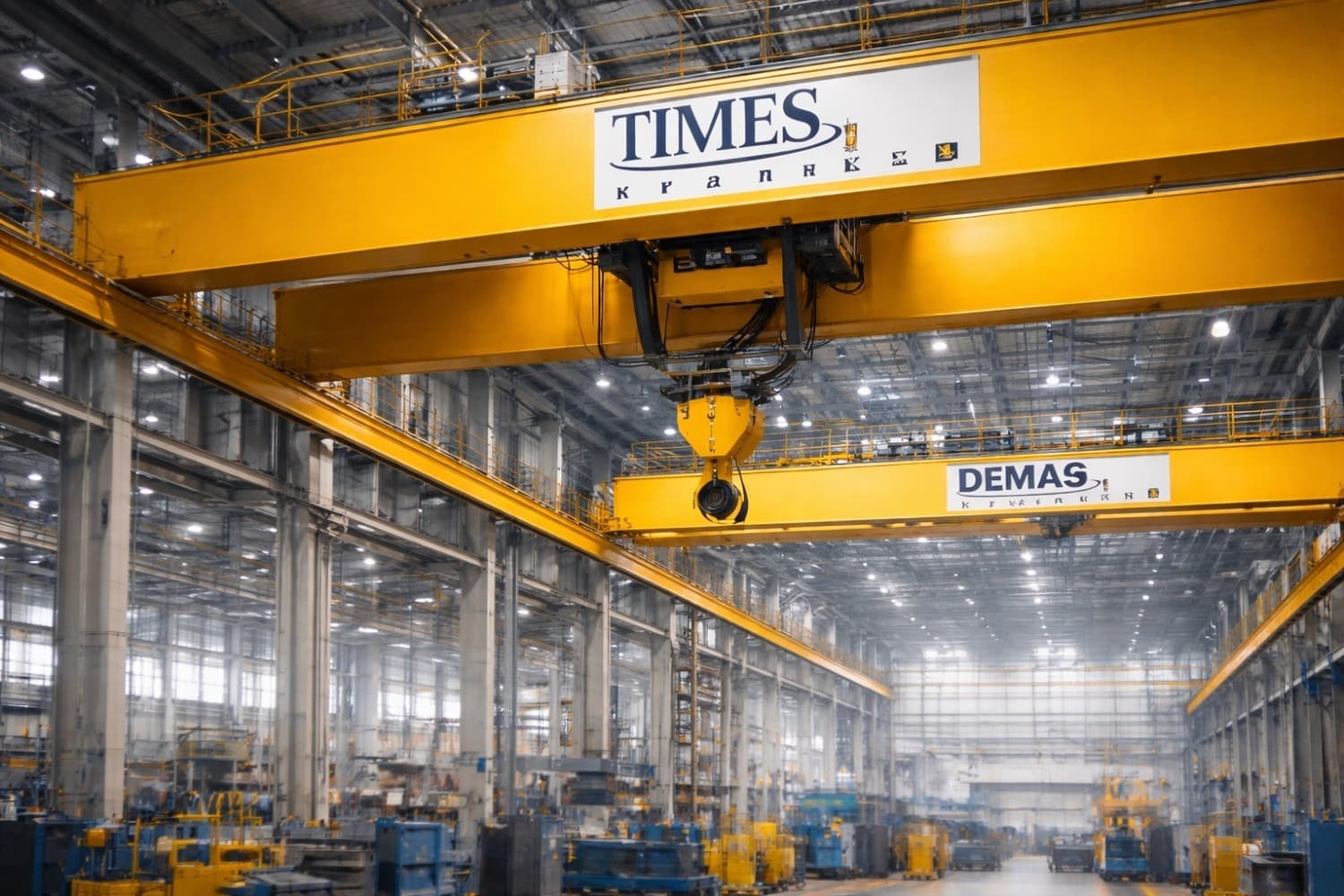
Finding dependable EOT crane manufacturers in Ludhiana can make a huge difference to the efficiency and safety of your industrial operations. Whether you run a manufacturing facility, fabrication unit, warehouse, steel plant, engineering workshop, or logistics center, the right crane system helps move heavy loads faster, safer, and with less effort.
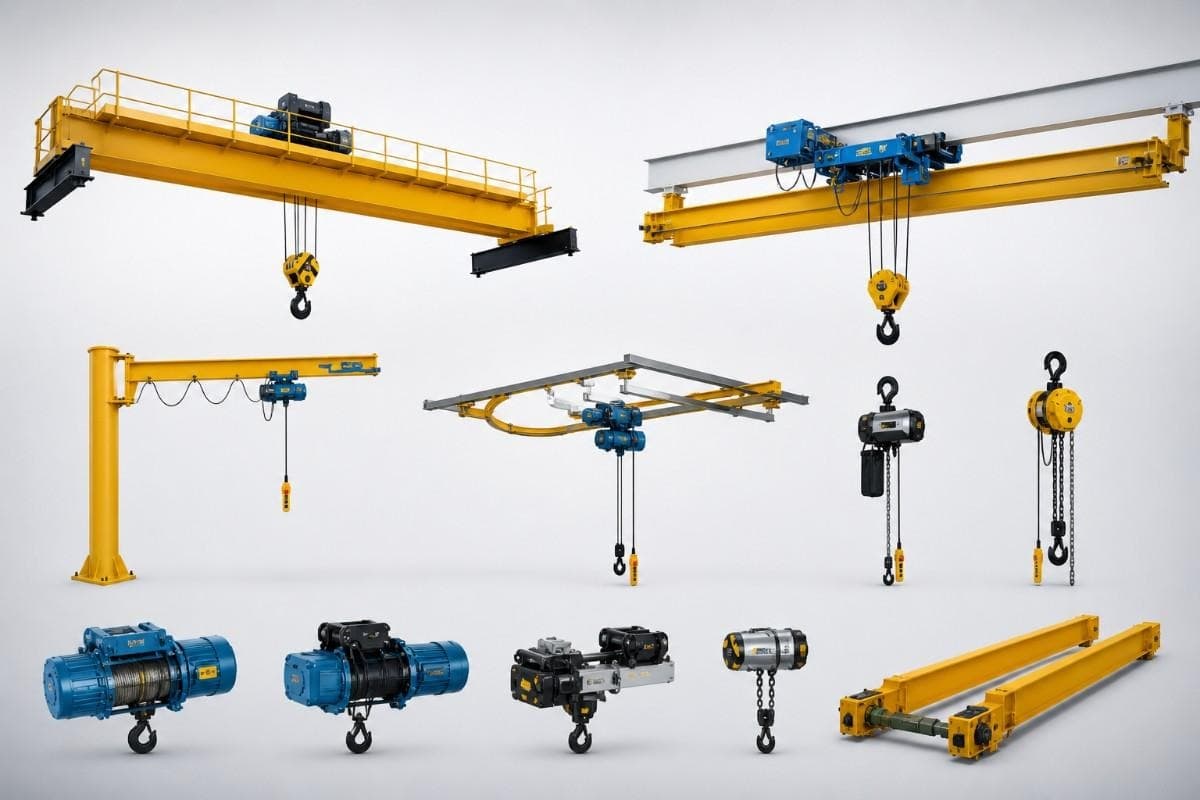
Delhi and the surrounding NCR belt are home to thousands of manufacturing units, fabrication shops, and industrial facilities. And almost every one of them, at some point, needs a crane. The problem is that finding a trustworthy EOT crane manufacturer in Delhi is harder than it should be.
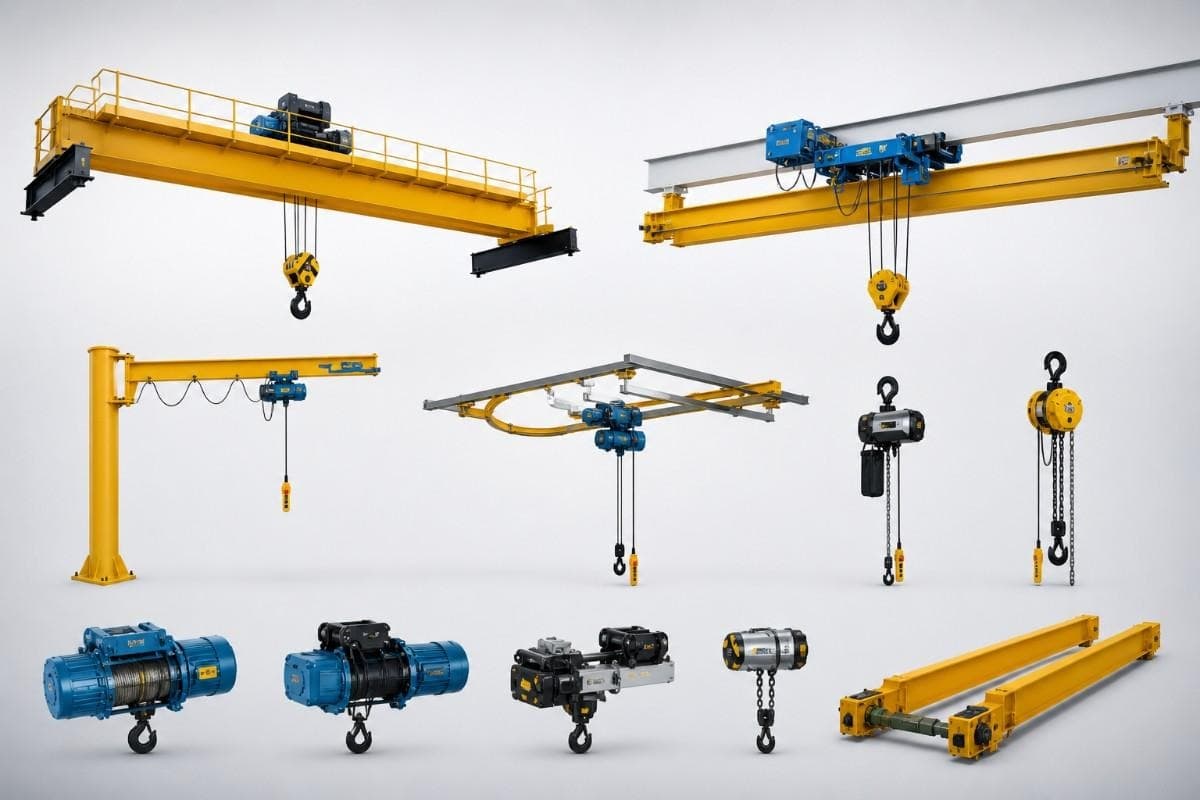
Ahmedabad's industries move fast, and the material handling equipment supporting them needs to keep pace without compromise. If you are searching for a crane manufacturer in Ahmedabad who can deliver engineering depth, documented compliance, and reliable after-sales support rather than just a machine with a price tag, this page is worth your time.
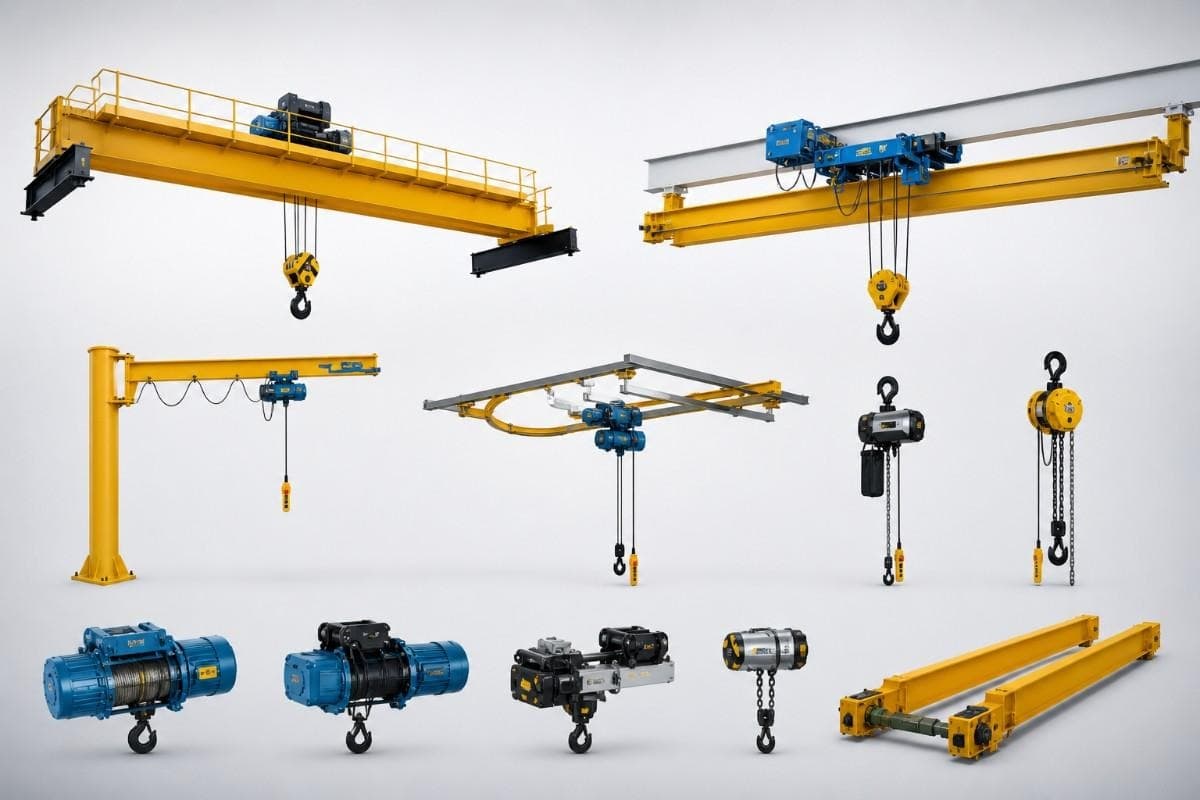
Most plants in Chennai have an overhead crane for the bay and nothing else for individual workstations. That gap costs operators time on every single shift. If you are looking for jib crane manufacturers in Chennai who can actually close that gap with a well-engineered, workstation-level lifting solution, this page will walk you through everything you need to know before making a decision.
Choosing the wrong EOT crane manufacturer in Hyderabad can set your entire project back by months. The stakes are high, the options are many, and most buyers do not know what to look for until something goes wrong.
Looking for a reliable partner for your next industrial project?