English
Contact
Configure
Catalog
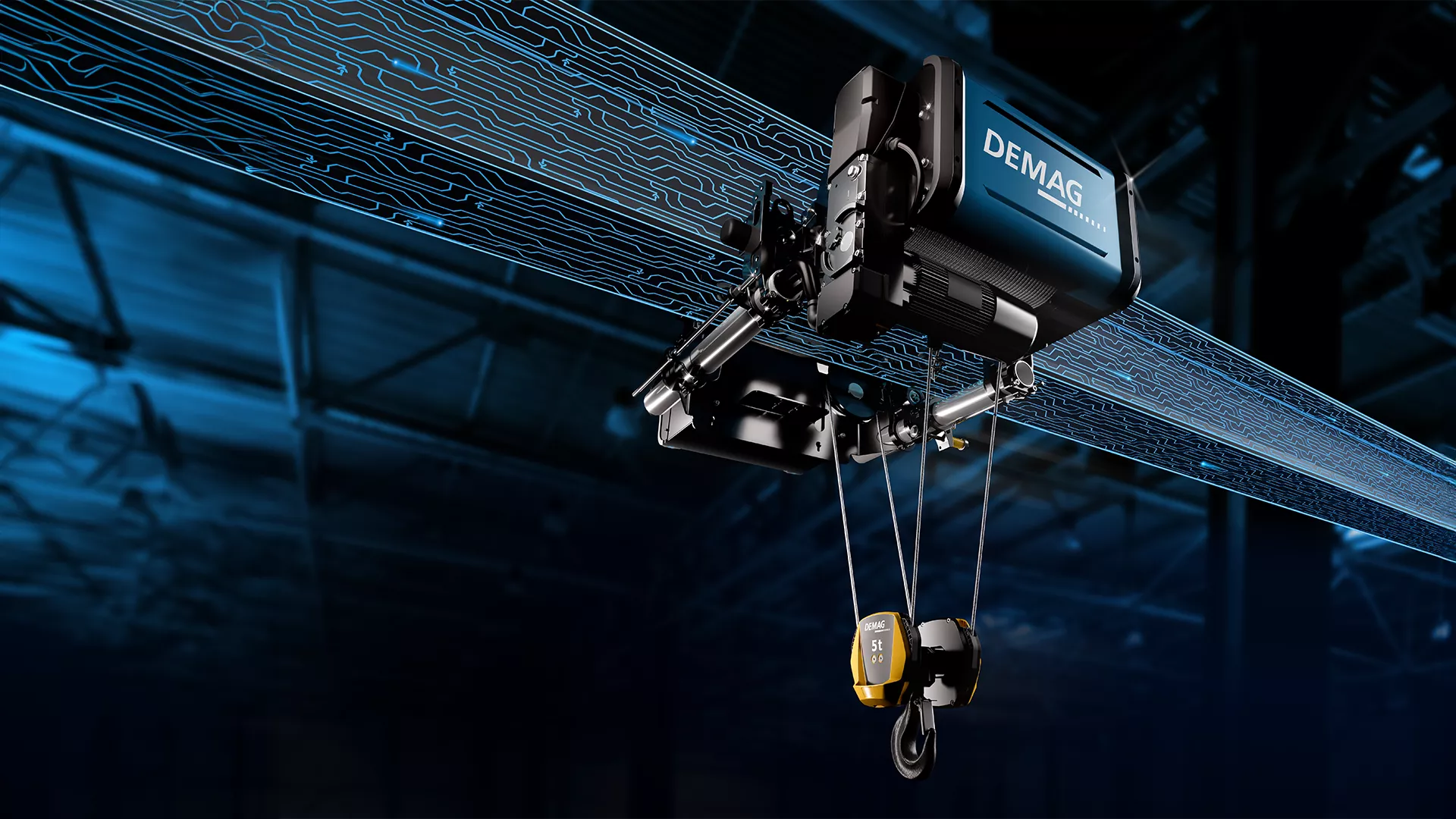
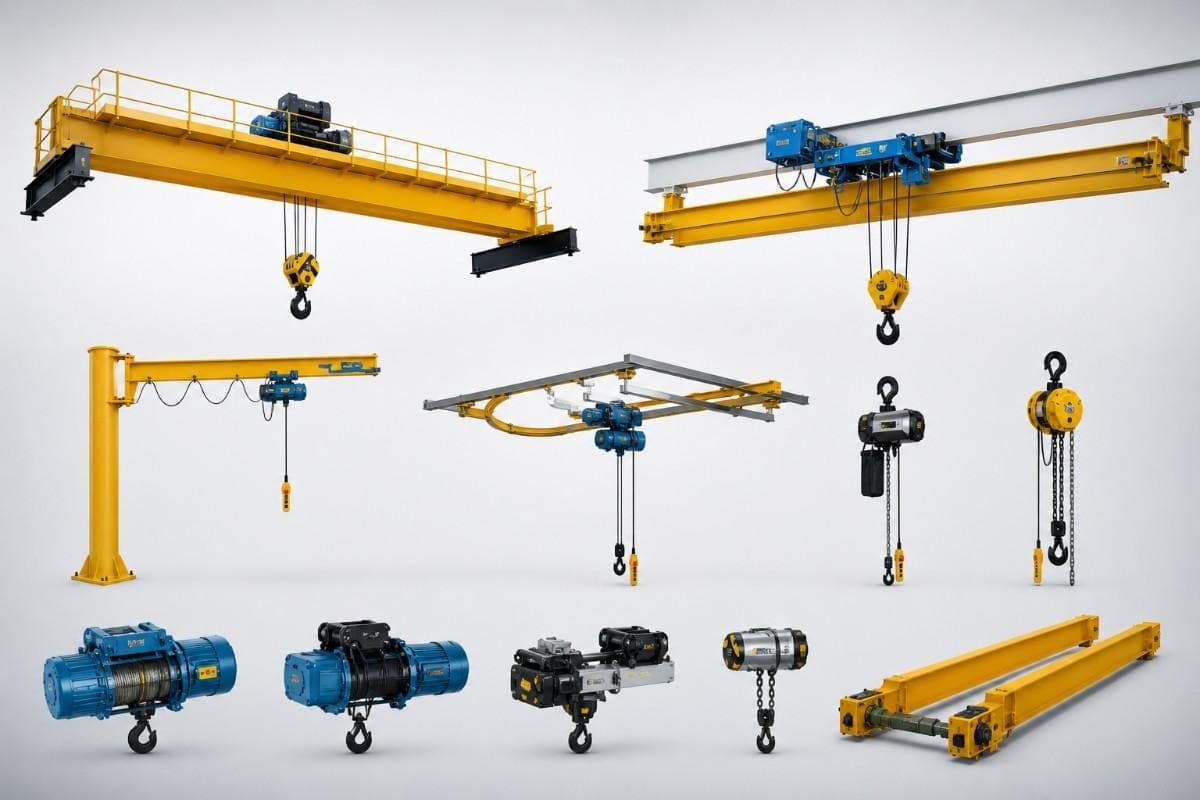
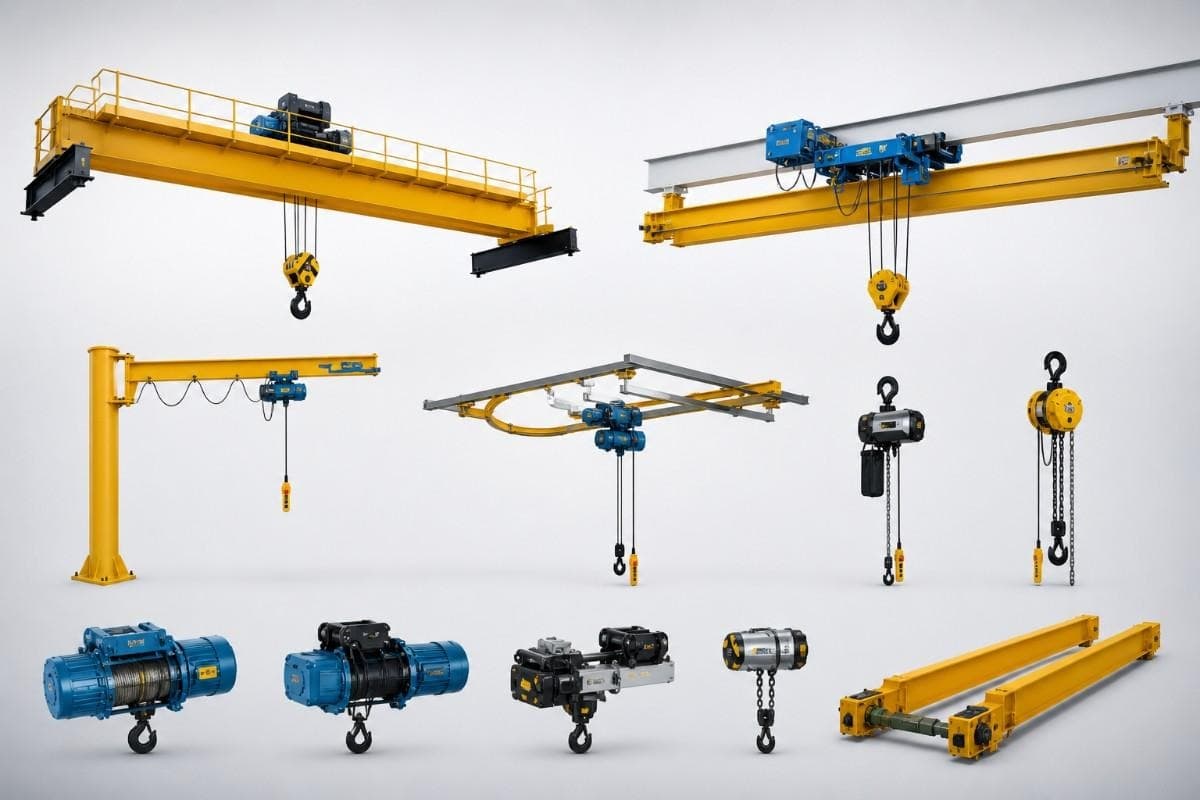
Gantry cranes are built for heavy-duty outdoor and semi-outdoor applications. Unlike overhead EOT cranes that run on rails mounted to the building structure, gantry cranes stand on their own legs. That gives them flexibility. You can deploy them in open yards, near railway sidings, in fabrication sheds without proper roof-mounted rails, or anywhere an overhead crane simply cannot reach.
Chennai, with its rapidly growing industrial base, auto-component sector, port infrastructure, and heavy engineering units around Ambattur, Sriperumbudur, Manali, and Ennore, has significant demand for well-built gantry cranes. The need is not just for any crane. It is for one that holds up in the coastal climate, handles consistent heavy lifting cycles, and meets IS and CE safety standards without compromise.
A lot of plant managers I have spoken to initially confuse gantry cranes with overhead bridge cranes. The structural logic is similar, but the application is quite different.
A gantry crane runs on ground-level rails or wheels. Its bridge structure is supported by two vertical legs that travel along those rails. This self-supporting design means you do not need a reinforced roof structure or column-mounted runway beams. For many Chennai industries working out of older factory sheds or open fabrication yards, this is a practical advantage.
Overhead cranes need the building to carry the load. Gantry cranes carry themselves. That distinction matters enormously when you are planning a lift in a space that was not originally designed for an overhead crane.
There is also the matter of mobility. Some gantry crane variants, particularly the rubber-tyred gantry type, can move freely without any rails at all. Port terminals and container yards around Chennai Port and Kattupalli use these extensively.
Not every gantry crane is built for the same job. In my experience, one of the most common sourcing mistakes is buying a crane type that does not match the actual workflow. Here is a breakdown of the main types and where they genuinely fit.
This is the most common configuration for light to medium duty applications. A single box girder forms the bridge span, with the hoist running underneath on the bottom flange. It is economical, easy to install, and works well in workshops, storage yards, and assembly areas with lifting requirements typically up to 20 tonnes.
When you need heavier lifts, longer spans, or a hook that needs to travel higher, the double girder configuration is the answer. Two parallel girders form the bridge, and the hoist trolley runs on top. This design offers better stability and is used in heavy fabrication shops, steel yards, and port handling operations. Capacity ranges can go well beyond 100 tonnes with the right engineering.
One leg runs on a ground rail, and the other end of the bridge is supported by a runway beam fixed to the wall or column of the building. A semi gantry crane is ideal when you have one solid structural wall on one side of the workspace but open ground on the other. I have noticed this configuration used frequently in Chennai's auto-component workshops where the plant layout doesn't allow a full free-standing gantry.
Lightweight, usually aluminium or mild steel, and wheel-mounted for easy manual repositioning. These are not for heavy industry but are genuinely useful in maintenance bays, tool rooms, and small fabrication units where you occasionally need a lift without a permanent crane installation.
Used primarily in container terminals and large logistics parks. These cranes straddle container stacks and can move independently without rails. Given Chennai's role as a major port city, demand for this crane type among logistics operators is real and growing.
Chennai sits on the Coromandel Coast. The humidity is high, the salt content in the air near the port areas is significant, and the temperature swings between seasons are not trivial. All of this affects metal structures over time.
Corrosion resistance is not optional here. A crane built with standard mild steel and basic primer paint will start showing rust damage within a couple of years in the coastal belt of Chennai. Reputable gantry crane manufacturers in Chennai or those supplying to this region account for this by using hot-dip galvanising, epoxy-based protective coatings, or marine-grade surface treatment on structural components.
According to a study published by the Indian Institute of Metals, coastal industrial environments in South India can accelerate steel corrosion rates by 3 to 5 times compared to inland locations. That figure should inform every buying decision when you are procuring a crane for any Chennai coastal industrial zone.
Beyond corrosion, Chennai's industries run long shifts. Auto-component plants around Sriperumbudur operate three shifts a day. A gantry crane in that environment needs to be rated for heavy-duty or extra-heavy-duty service class, not just a standard M3 or M4 classification. Always check the FEM or IS duty class when comparing suppliers.
When I tried evaluating crane suppliers for a client in the past, the most revealing question I asked was simple: can you show me a crane you have built for a similar application, still running? Most manufacturers either deflect or offer a vague reference list. The ones who answer confidently and provide a real site visit opportunity are the ones worth talking to.
Here is what matters most when shortlisting gantry crane manufacturers in Chennai or across India:
Times Krane, based out of Faridabad with a pan-India supply footprint, brings over 35 years of industrial engineering experience to every crane it builds. The company's fabrication facility follows a structured manufacturing process from raw material inspection to final load testing before any unit leaves the workshop.
What sets Times Krane apart for customers in Chennai and Tamil Nadu is the combination of custom engineering and after-sales support. Every gantry crane is designed to the specific span, capacity, duty class, and site conditions of the buyer. There is no standard off-the-shelf unit pushed onto every customer. The engineering team reviews your layout drawing, headroom constraints, wheel load limitations, and operational shift requirements before finalizing the design.
In my experience, manufacturers who ask the right questions before quoting are the ones who deliver cranes that actually perform as expected once installed.
Times Krane has supplied cranes to industries across sectors including steel fabrication, automotive, chemical, cement, and port logistics. Its product range covers single girder gantry cranes, double girder gantry cranes, semi gantry cranes, and full EOT crane systems, with hoisting capacities ranging from 1 tonne to over 100 tonnes.
Chennai's industrial geography is diverse. Gantry cranes find active use across:
Each of these environments has specific crane requirements. A one-size approach does not work across such varied applications.
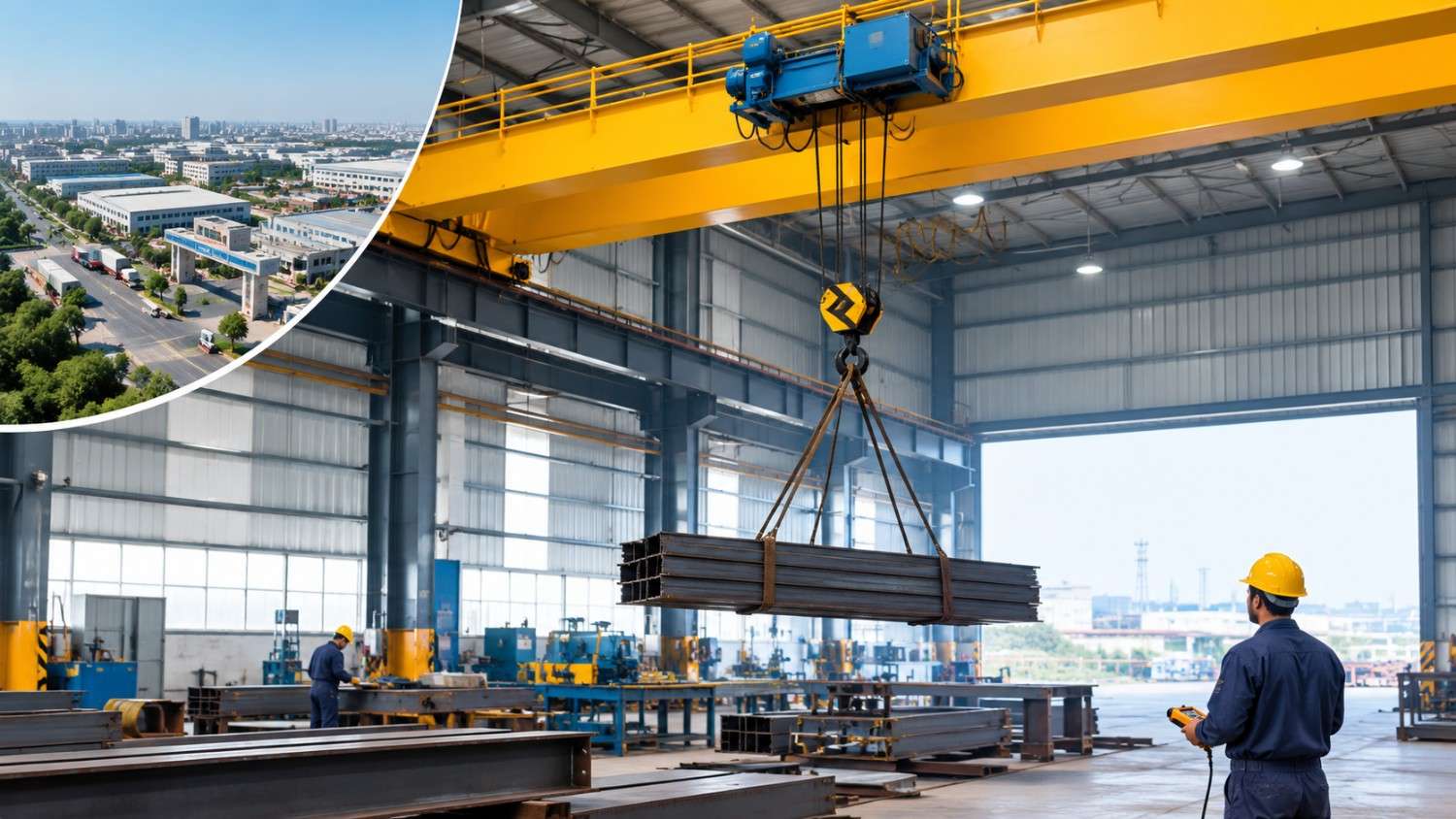
A no-fluff guide to picking crane manufacturers in Vatva, Ahmedabad, covering FLP cranes for chemical units, real cost factors, and buyer mistakes to avoid.
If you're looking for a dependable EOT crane manufacturer in Delhi NCR, you've probably already realized the region has no shortage of options. The problem is filtering out the ones who actually manufacture from the ones who just package and resell.
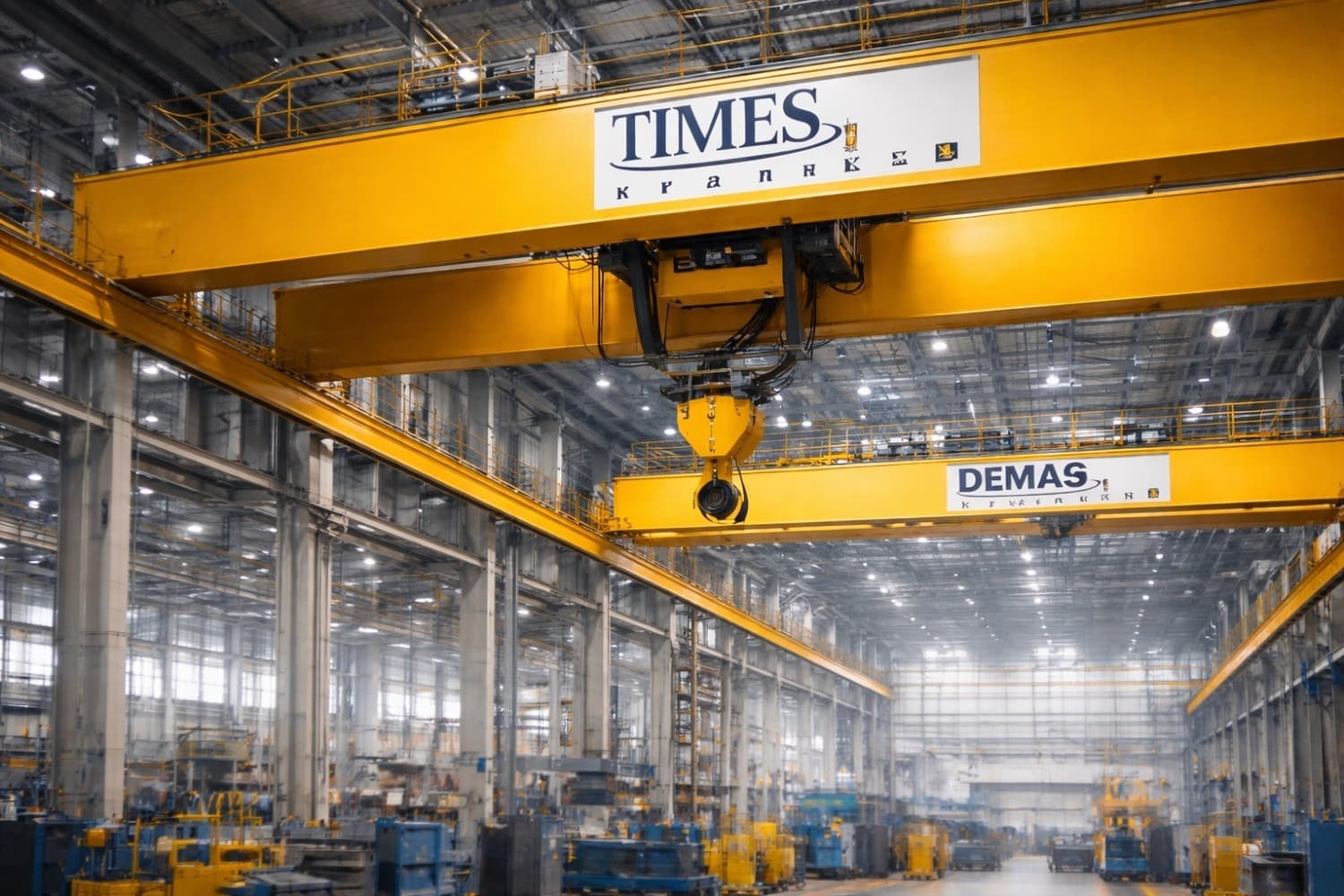
Finding dependable EOT crane manufacturers in Ludhiana can make a huge difference to the efficiency and safety of your industrial operations. Whether you run a manufacturing facility, fabrication unit, warehouse, steel plant, engineering workshop, or logistics center, the right crane system helps move heavy loads faster, safer, and with less effort.
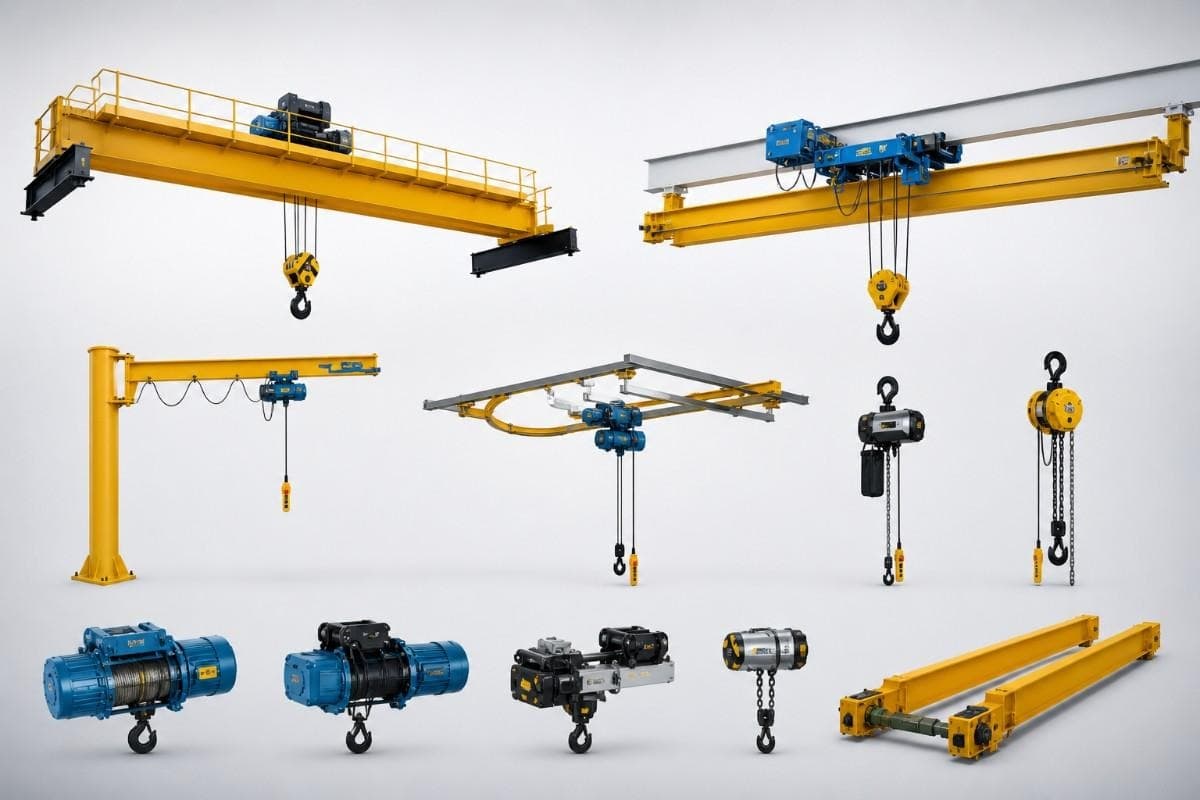
Delhi and the surrounding NCR belt are home to thousands of manufacturing units, fabrication shops, and industrial facilities. And almost every one of them, at some point, needs a crane. The problem is that finding a trustworthy EOT crane manufacturer in Delhi is harder than it should be.
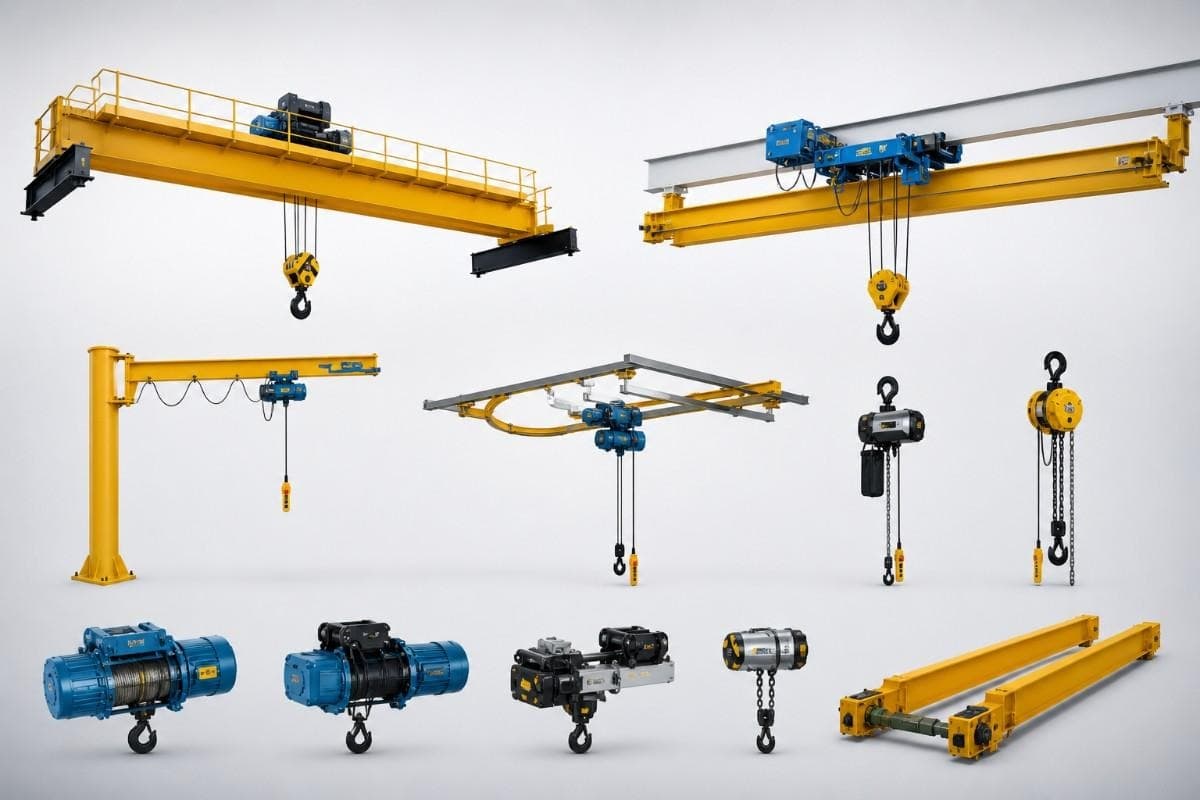
Ahmedabad's industries move fast, and the material handling equipment supporting them needs to keep pace without compromise. If you are searching for a crane manufacturer in Ahmedabad who can deliver engineering depth, documented compliance, and reliable after-sales support rather than just a machine with a price tag, this page is worth your time.
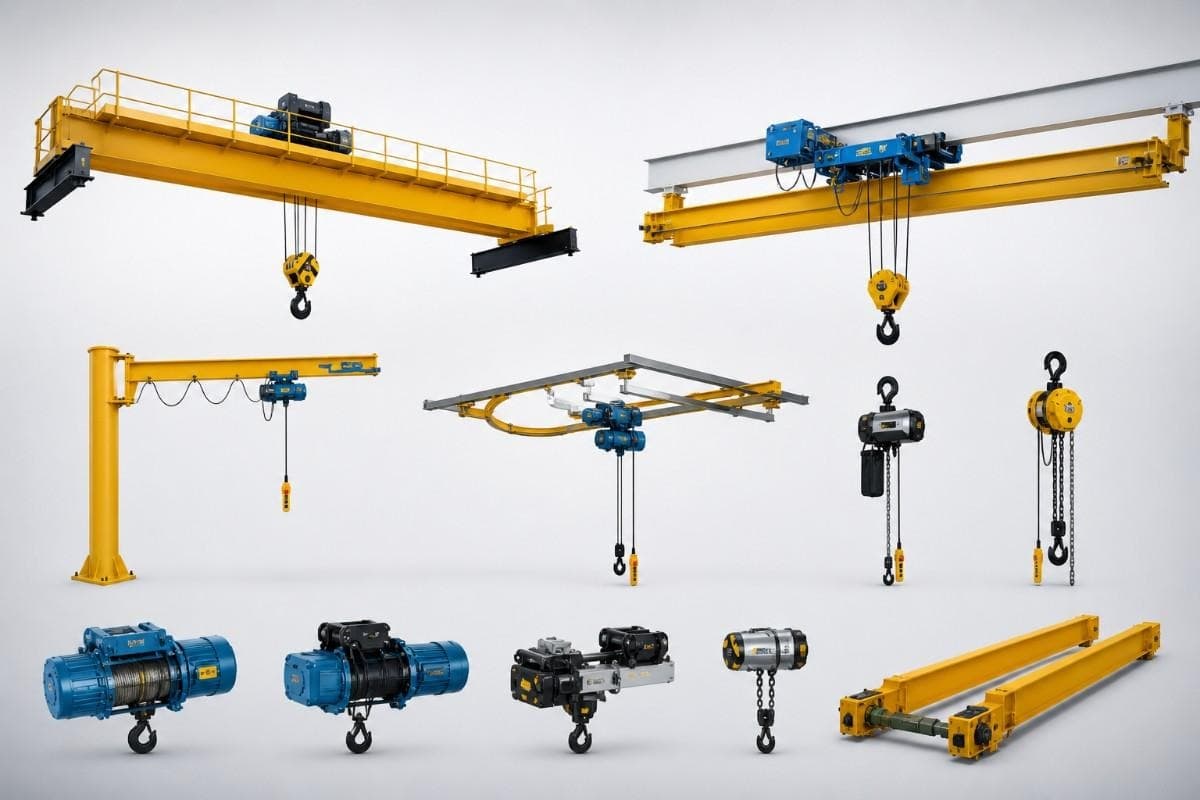
Most plants in Chennai have an overhead crane for the bay and nothing else for individual workstations. That gap costs operators time on every single shift. If you are looking for jib crane manufacturers in Chennai who can actually close that gap with a well-engineered, workstation-level lifting solution, this page will walk you through everything you need to know before making a decision.
Choosing the wrong EOT crane manufacturer in Hyderabad can set your entire project back by months. The stakes are high, the options are many, and most buyers do not know what to look for until something goes wrong.
Looking for a reliable partner for your next industrial project?