English
Contact
Configure
Catalog
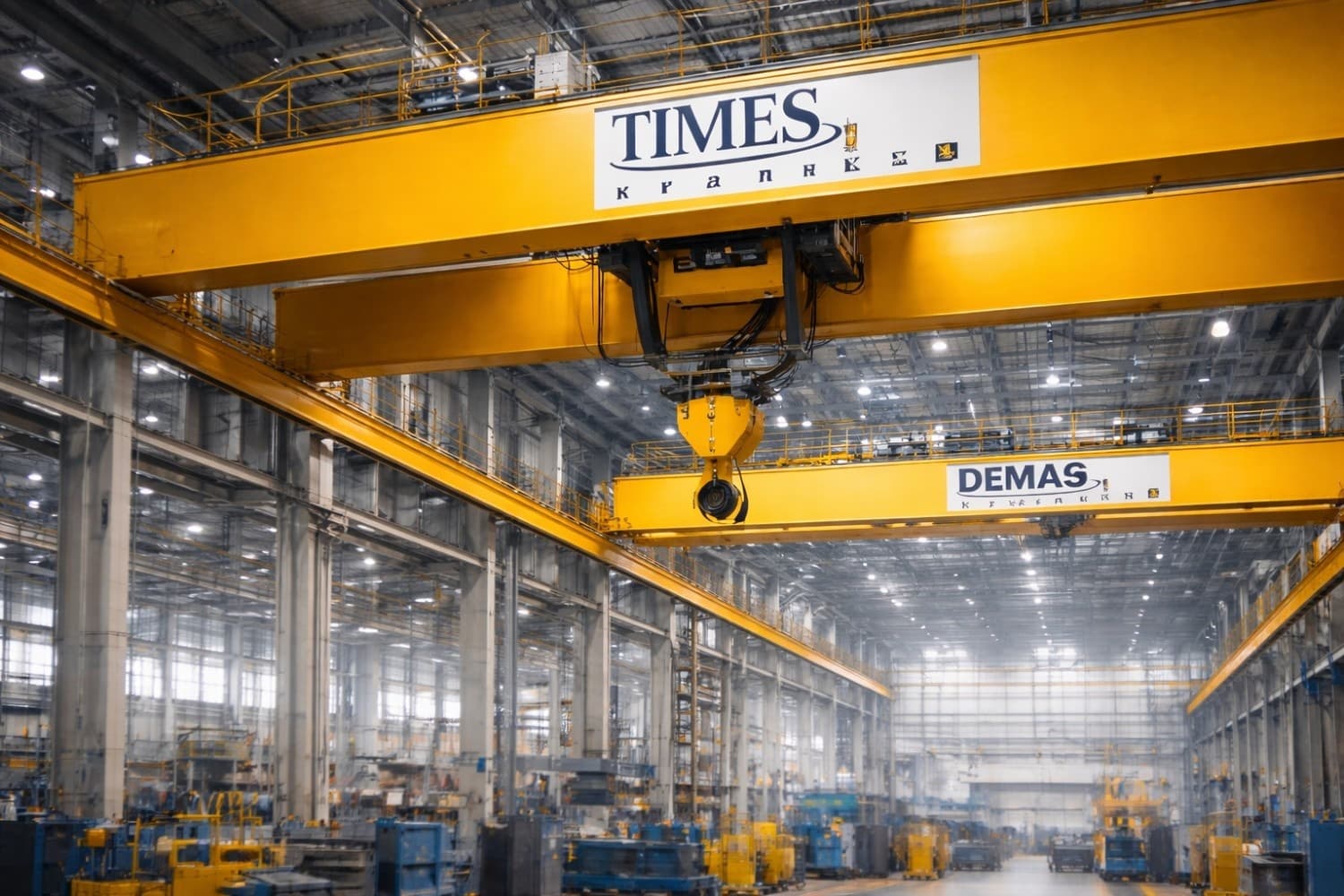
Vapi is one of Gujarat's most industrially dense corridors, home to hundreds of chemical, pharmaceutical, textile, and engineering units. Getting your material handling right here is not optional. It directly affects how safely and efficiently your entire operation runs.
EOT stands for Electric Overhead Travel. It is a crane that runs on elevated runways fixed to the building structure, with an electric hoist that lifts and lowers loads. The entire system moves in three directions: the bridge travels along the runway, the trolley moves across the bridge, and the hoist moves vertically.
Simple in concept, but critically important in execution.
In my experience, when plant managers in Vapi describe bottlenecks in production, manual material movement is almost always somewhere on that list. Heavy drums, chemical reactor components, large machine parts that take four workers and twenty minutes to shift manually can be handled in two minutes with an EOT crane. One unit. One operator. Far safer outcome.
According to a report by the Federation of Indian Chambers of Commerce and Industry, material handling inefficiencies account for up to 25 percent of total production delays in mid-size manufacturing plants. That number gets a lot of attention when plant heads finally read it.
An EOT crane does not just lift things. It restructures your workflow.
Vapi is not a generic industrial zone. It is home to one of the largest concentrations of chemical and pharmaceutical manufacturing units in India. The Vapi Industrial Estate and surrounding GIDC areas have their own operational realities that a crane manufacturer must understand before recommending a solution.
Corrosion is a constant threat. Chemical fumes, moisture, and reactive substances attack equipment relentlessly. Any EOT crane deployed in a Vapi chemical plant must have appropriate surface treatment, weatherproof electrical enclosures, and in some cases explosion-proof motor configurations for hazardous zone compliance.
I've noticed that buyers who skip the hazardous zone classification discussion during procurement end up with cranes that need expensive retrofitting within eighteen months. It is a preventable problem.
Cleanroom and pharmaceutical manufacturing environments have hygiene and contamination control requirements. Cranes in these settings need specific paint systems, sealed motor housings, and sometimes stainless steel components. Standard industrial crane configurations are not automatically suitable here.
Textile machinery is heavy, bulky, and awkward to move. Engineering fabrication shops deal with steel structures and large component assemblies. Both applications need cranes with good span coverage, appropriate hook heights, and smooth travel speeds to avoid load swing.
The point is this: Vapi is diverse. A single generic crane specification will not serve all these industries equally well. You need a manufacturer who understands the difference and engineers accordingly.
Before you speak to any EOT crane manufacturer in Vapi or a supplier serving the region, understand what configurations exist and what each one is best suited for.
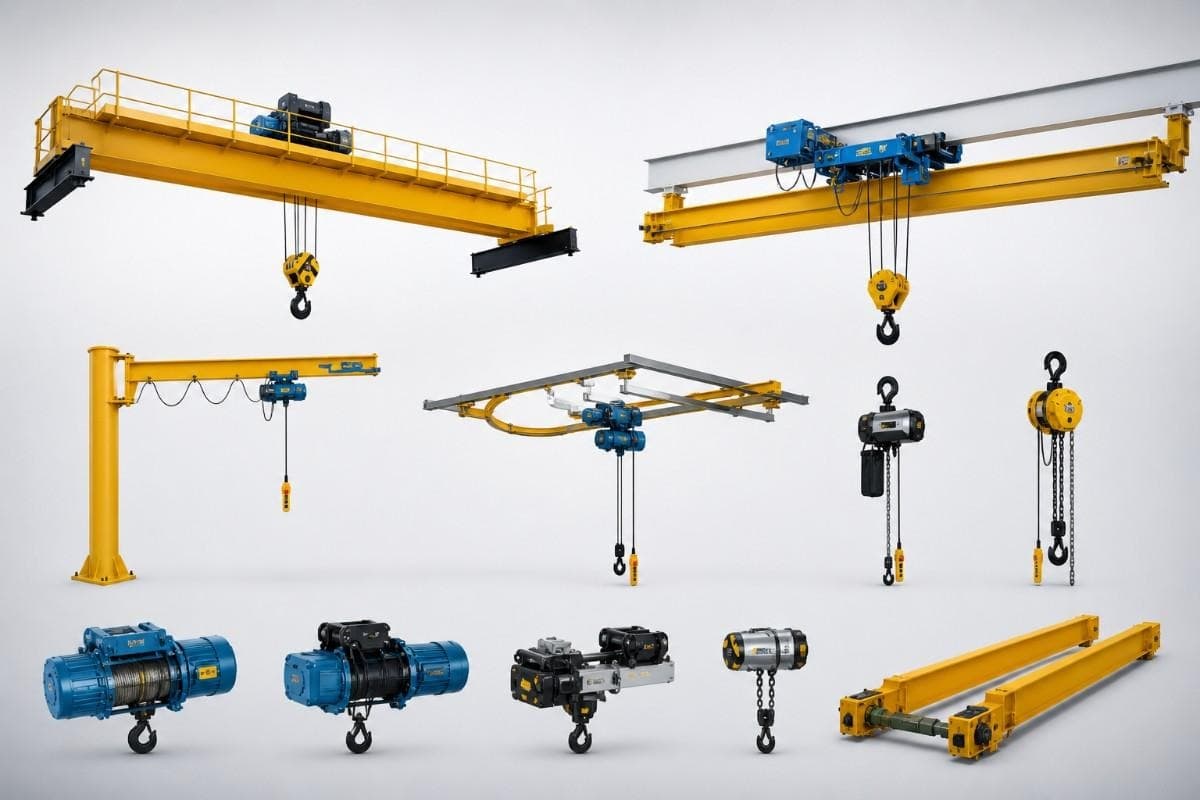
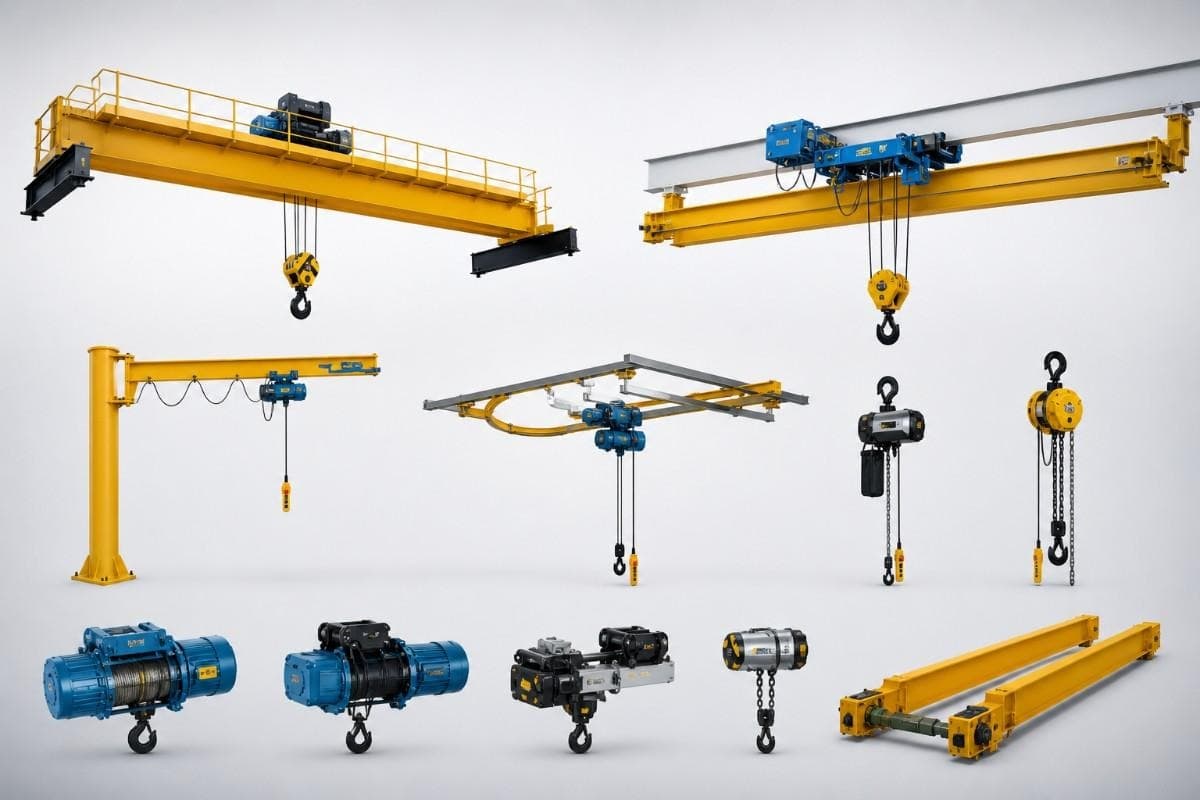
One bridge girder supports the hoist trolley. This is a lighter, more economical configuration suitable for loads typically up to 10 to 12 tonnes and moderate span requirements. It works well in smaller fabrication shops, warehouses, and light manufacturing units.
Two bridge girders with the hoist trolley running on top rail. This configuration handles heavier loads, longer spans, and higher hook heights. It is the preferred choice for steel processing, heavy component manufacturing, and any application that demands a Class III or Class IV duty cycle.
The crane hangs below the runway beams rather than sitting on top. This is useful when headroom is limited or when the building structure has lower clearance. I've seen underslung configurations work very well in pharmaceutical plants where ceiling height is a constraint.
The crane sits on top of runway rails mounted on the building columns. This is the most common configuration and allows for maximum hook height utilization. If headroom is available, this is generally the recommended configuration for most industrial applications.
Choosing the right manufacturer matters more than choosing the right crane model. A well-designed crane built poorly is just as problematic as a poorly designed one.
Here is a practical checklist to help you evaluate any manufacturer or supplier you're considering:
When I tried working through this checklist with a procurement team at a Gujarat-based chemical company, it immediately surfaced three suppliers who could not answer the duty cycle and hazardous zone questions confidently. Those conversations saved a potentially costly decision.
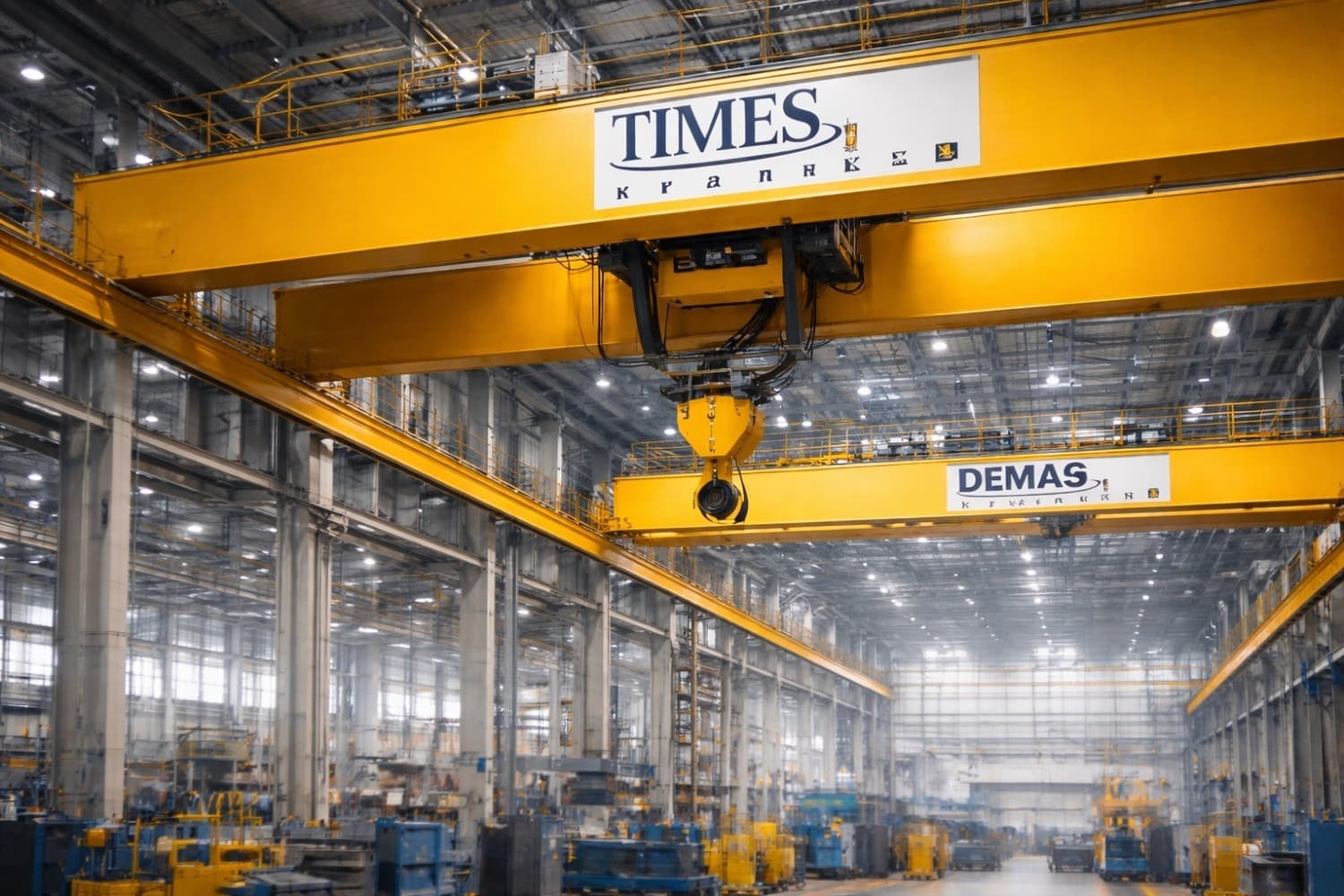
Times Krane operates under the banner of Times Industrial Engineers Pvt Ltd, a company with roots going back to 1988. The crane division was formally launched in 2012 under the TK Crane brand, and since then they have built a track record across manufacturing, engineering, and construction sectors throughout India.
What sets them apart is not just the years of experience but the approach to customization. Every facility is different. Span requirements, hook heights, duty classifications, and operational environments vary. Times Krane engineers each crane to the specific parameters of your facility rather than fitting your requirements into a standard catalog option.
Their service network covers Gujarat comprehensively, including Vapi, Surat, Ahmedabad, Vadodara, and Rajkot. For a buyer in Vapi, that means post-installation support is a realistic promise, not just a sales claim.
I've noticed that manufacturers with strong regional service networks have significantly lower crane downtime rates at client facilities over a three to five year ownership period. Service access matters as much as build quality.
A productive conversation with any EOT crane manufacturer in Vapi should cover these parameters without exception:
Go into your first manufacturer meeting with most of these numbers already prepared. It changes the quality of the conversation entirely.
A crane that is installed correctly and maintained on schedule will serve your facility reliably for fifteen to twenty years. One that is rushed through installation or left without proper maintenance attention will start causing problems within three to four years.
Times Krane provides installation support and commissioning by trained engineers. This includes alignment of runway rails, commissioning of hoisting and travel mechanisms, operator training, and load testing with certification.
After commissioning, establish a scheduled preventive maintenance program. Most crane failures in industrial plants are not sudden catastrophic events. They are gradual degradation events that preventive maintenance would have caught and corrected early.
Selecting the right EOT crane manufacturer in Vapi is a decision that will affect your facility's productivity, safety record, and maintenance budget for the next two decades. Take it seriously.
Get your technical parameters clear. Ask the right questions. Evaluate manufacturers on engineering competence and service capability, not just delivery timelines. And make sure whoever you choose understands the specific demands of Vapi's industrial environment, because a crane that is right for a warehouse in Pune may not be right for a chemical plant on the Vapi GIDC corridor.
The details matter. Get them right from the start.
A no-fluff guide to picking crane manufacturers in Vatva, Ahmedabad, covering FLP cranes for chemical units, real cost factors, and buyer mistakes to avoid.
If you're looking for a dependable EOT crane manufacturer in Delhi NCR, you've probably already realized the region has no shortage of options. The problem is filtering out the ones who actually manufacture from the ones who just package and resell.
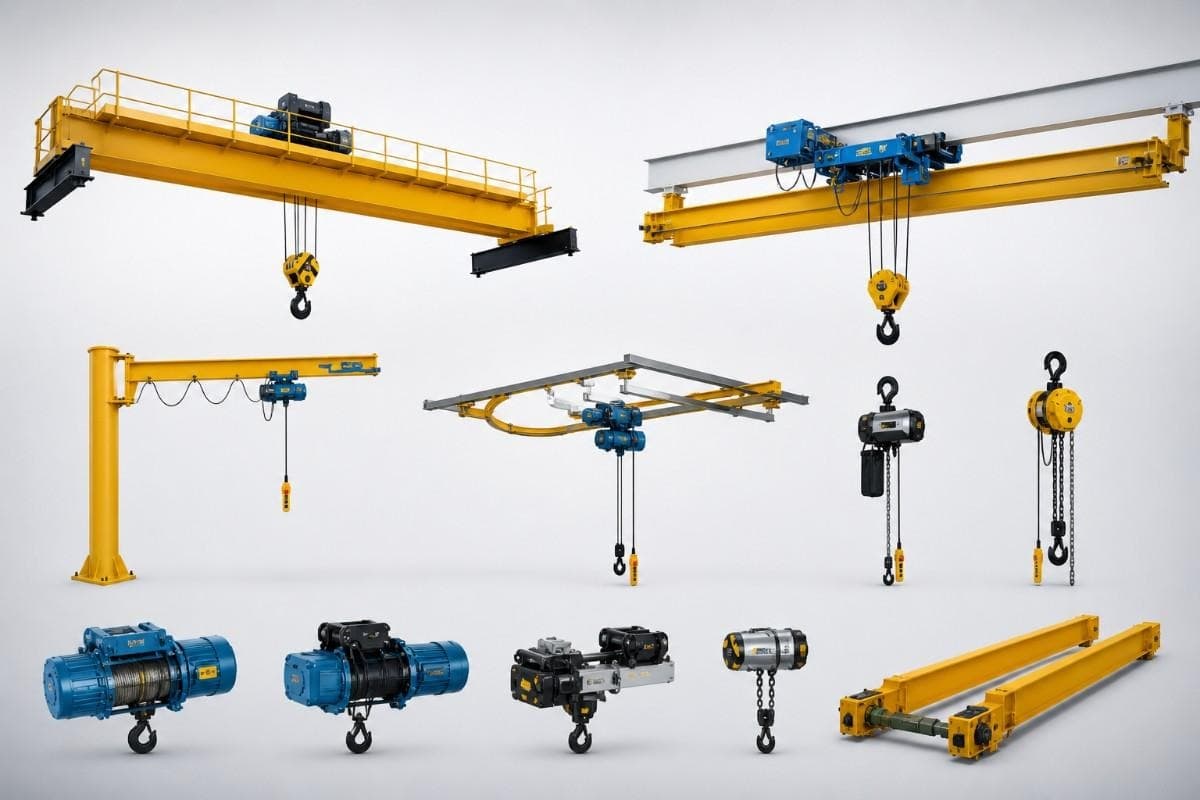
Finding dependable EOT crane manufacturers in Ludhiana can make a huge difference to the efficiency and safety of your industrial operations. Whether you run a manufacturing facility, fabrication unit, warehouse, steel plant, engineering workshop, or logistics center, the right crane system helps move heavy loads faster, safer, and with less effort.
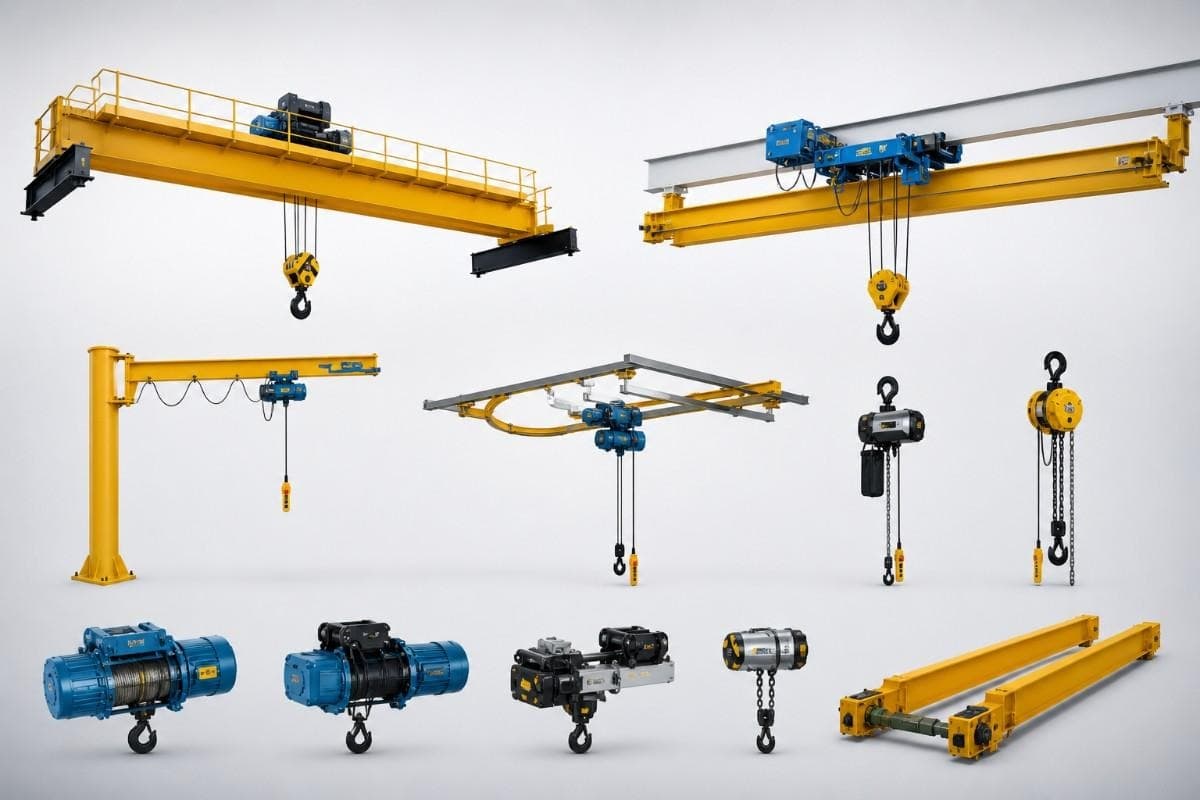
Delhi and the surrounding NCR belt are home to thousands of manufacturing units, fabrication shops, and industrial facilities. And almost every one of them, at some point, needs a crane. The problem is that finding a trustworthy EOT crane manufacturer in Delhi is harder than it should be.
Ahmedabad's industries move fast, and the material handling equipment supporting them needs to keep pace without compromise. If you are searching for a crane manufacturer in Ahmedabad who can deliver engineering depth, documented compliance, and reliable after-sales support rather than just a machine with a price tag, this page is worth your time.
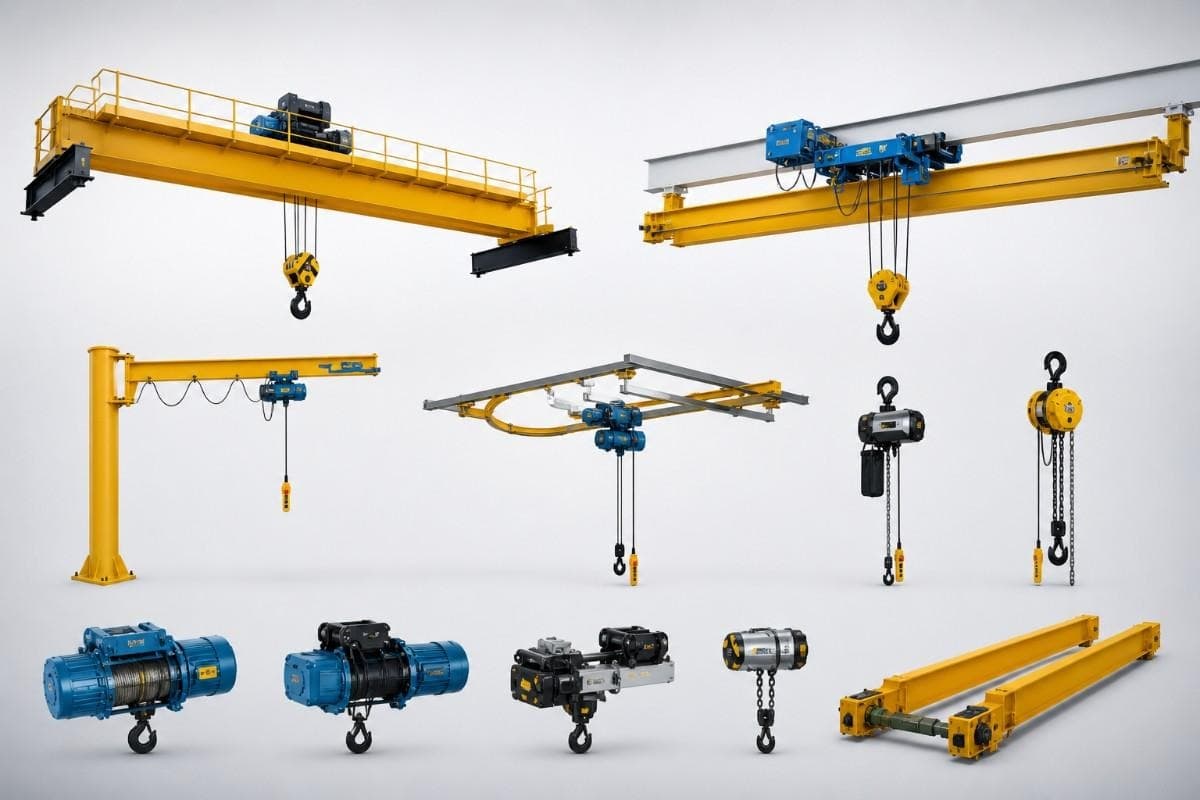
Most plants in Chennai have an overhead crane for the bay and nothing else for individual workstations. That gap costs operators time on every single shift. If you are looking for jib crane manufacturers in Chennai who can actually close that gap with a well-engineered, workstation-level lifting solution, this page will walk you through everything you need to know before making a decision.
Choosing the wrong EOT crane manufacturer in Hyderabad can set your entire project back by months. The stakes are high, the options are many, and most buyers do not know what to look for until something goes wrong.
Looking for a reliable partner for your next industrial project?