English
Contact
Configure
Catalog
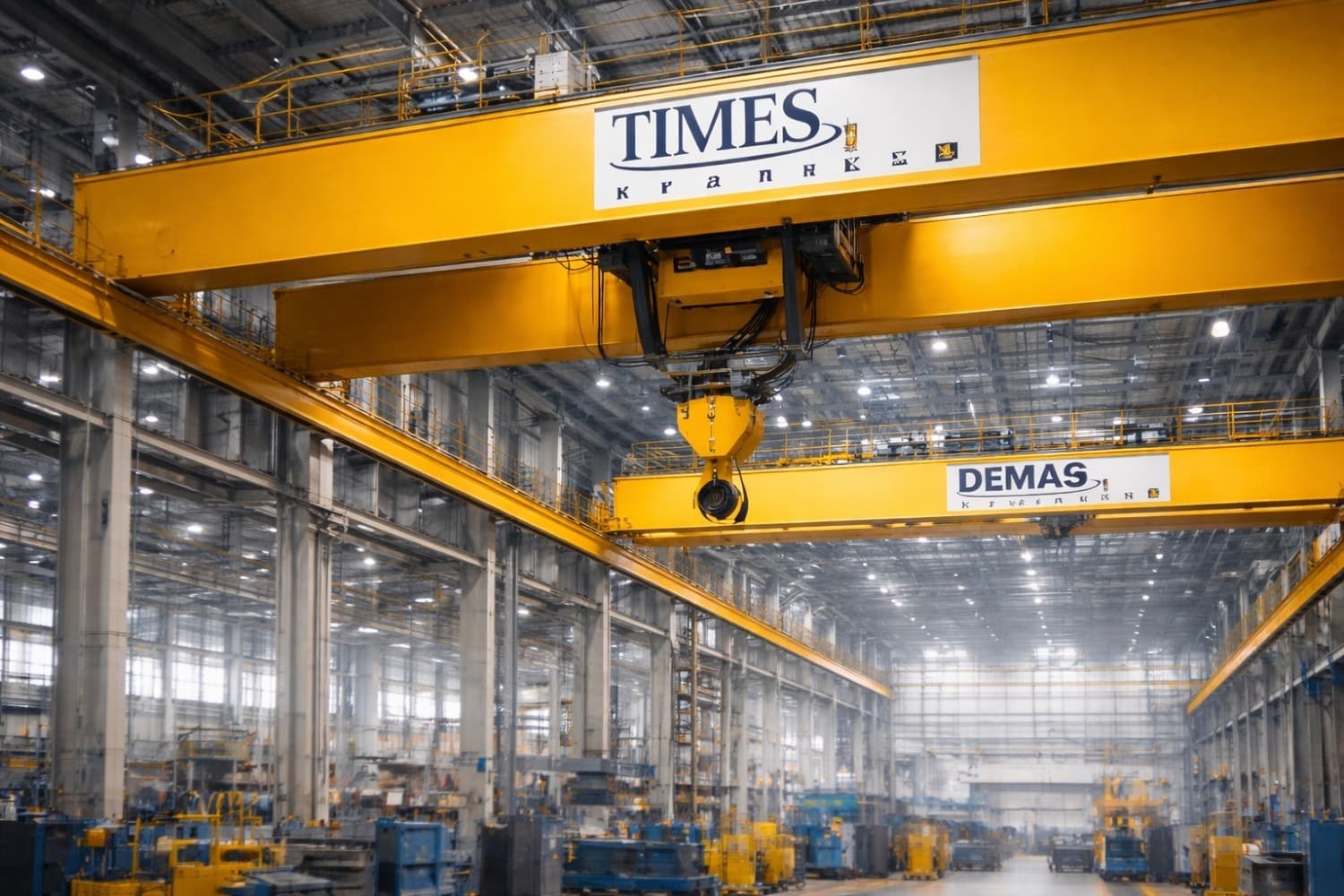
Ambernath is a significant industrial hub in the Thane district of Maharashtra. With a dense concentration of chemical plants, engineering units, pharmaceutical facilities, and heavy manufacturing operations spread across its MIDC zones, the demand for robust and correctly specified lifting equipment here is real and growing. Getting it right matters.
An EOT crane, short for Electric Overhead Travel crane, runs on rails fixed to the building structure. The bridge moves along the runway, the trolley moves across the bridge, and the electric hoist lifts and lowers your load. Three axes of movement, all electrically controlled, all working together to move heavy materials safely and efficiently across your production floor.
The mechanics are straightforward. The engineering behind sizing one correctly is not.
In my experience, the biggest mistakes in crane procurement do not happen when buyers choose the wrong brand. They happen when buyers skip proper application analysis and end up with a crane that is either underpowered for the actual workload or over-engineered for a light application where a simpler solution would have performed better.
A study published by the Bureau of Indian Standards in partnership with industry bodies found that improper duty class selection accounts for nearly one in three premature crane failures in Indian industrial facilities. That is a preventable statistic entirely within your control if you approach the buying process correctly.
Ambernath is not a single-industry town. Its MIDC areas house a genuinely diverse industrial mix, and each sector has its own material handling challenges.
Ambernath has a notable concentration of chemical manufacturing units. Corrosive atmospheres, reactive fumes, and in some zones, explosive atmosphere classifications make crane specification here more demanding than in a standard fabrication shop. Weatherproof enclosures, corrosion-resistant surface treatments, and in specific zones, flameproof or ATEX-rated electrical components are not optional extras. They are baseline requirements.
I've noticed that buyers from chemical plants often come into conversations with manufacturers without knowing their hazardous zone classification. That one piece of missing information can completely change what crane configuration is appropriate and safe for your facility.
Heavy fabrication shops in Ambernath deal with steel structures, large machine assemblies, and production components that are simply too heavy and awkward to move manually. These applications typically demand double girder EOT cranes rated for Class III or Class IV duty cycles, where the crane operates under significant load frequently throughout the working day.
Pharmaceutical manufacturing environments have strict hygiene and contamination control protocols. Cranes installed here need sealed electrical enclosures, specific paint systems that resist cleanroom chemical exposure, and smooth, vibration-free travel to protect sensitive processing equipment.
Ambernath's position in the Mumbai metropolitan region makes it a logistics hub as well. Warehouses and distribution centers need cranes that are reliable, fast to operate, and easy for non-specialist staff to control. Single girder configurations with radio remote controls work particularly well in these environments.
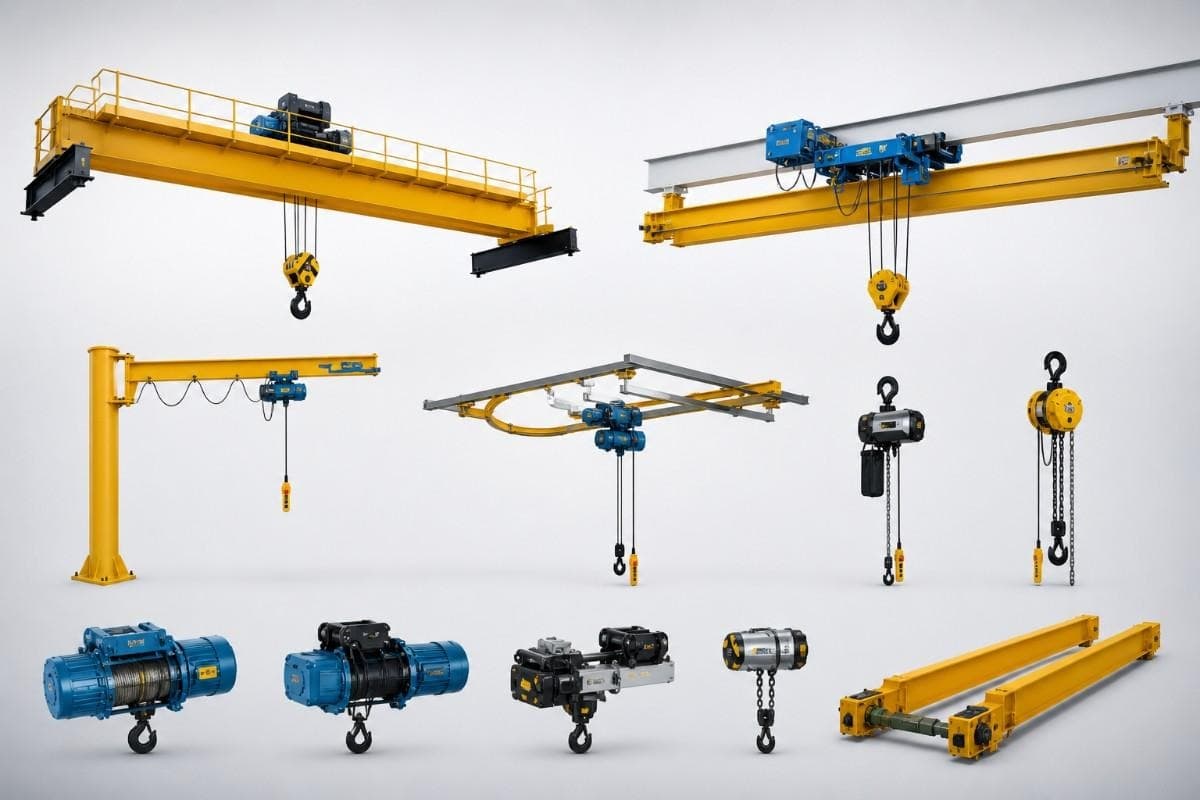
Before you speak to any EOT crane manufacturer in Ambernath or a supplier covering the region, know what your options are. Choosing a configuration without understanding the differences is like ordering a vehicle without knowing whether you need a truck or a sedan.
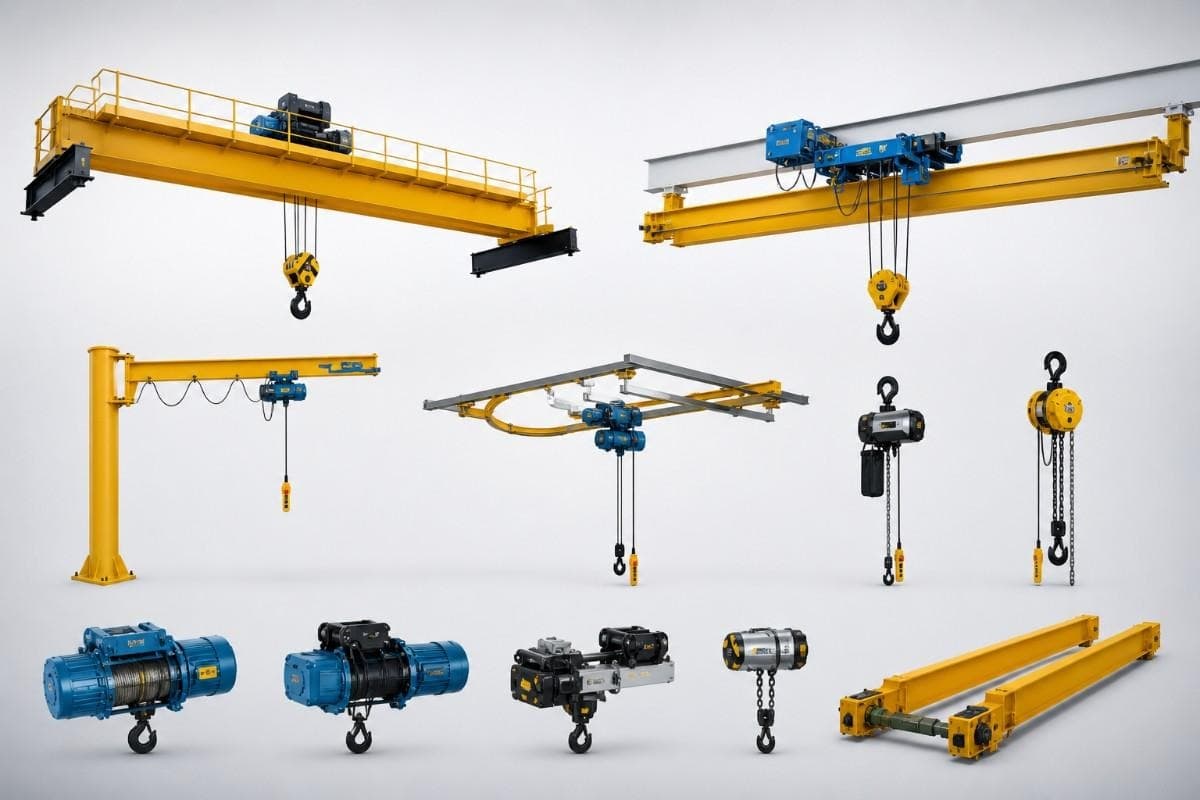
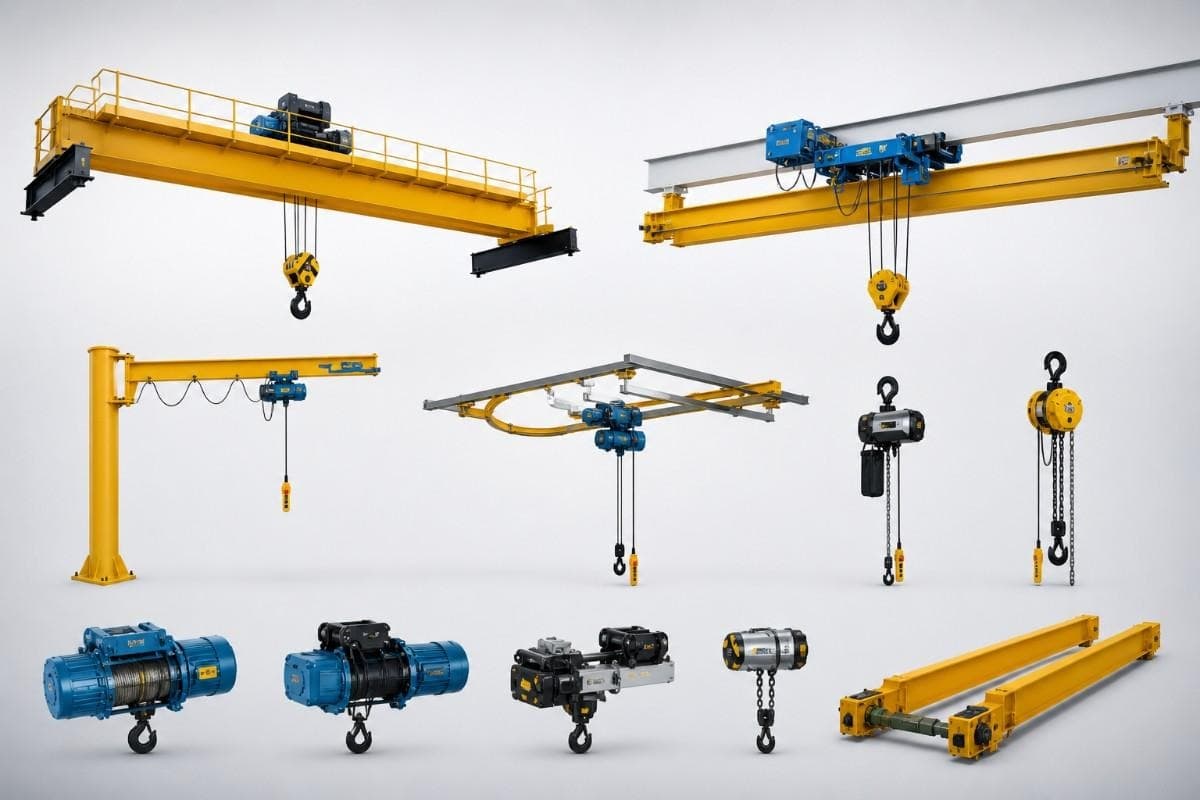
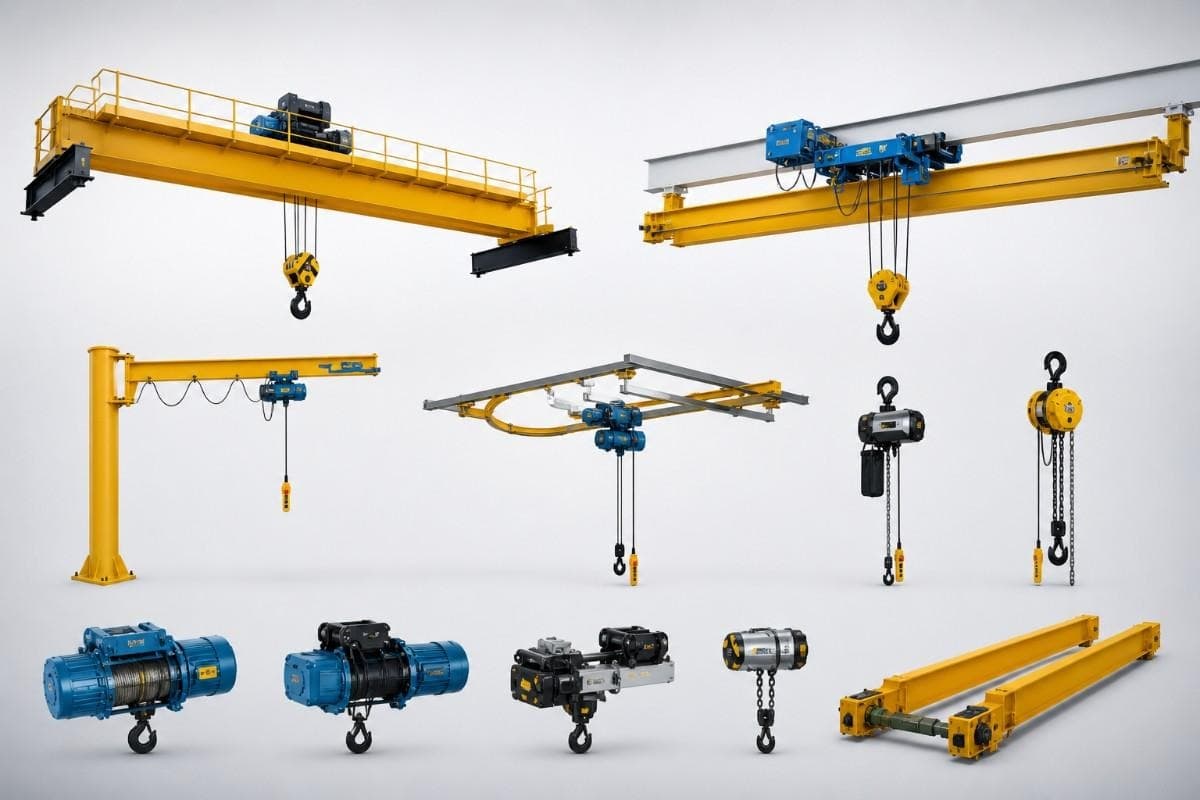
One bridge girder carries the hoist trolley underneath. This is a lighter, more economical option for loads typically up to 10 tonnes and moderate spans. It is the right starting point for warehouses, light manufacturing units, and facilities where crane usage is moderate and lifting loads are within range.
Two bridge girders with the hoist trolley running on a top-mounted rail between them. This handles heavier loads, longer spans, and higher hook heights. If your facility runs the crane continuously or handles substantial loads daily, this is the configuration your discussion should begin with.
The crane hangs below the runway beams rather than sitting on top. This configuration is valuable when ceiling height is limited or when the existing building structure does not easily accommodate a top-running system. It is frequently used in retrofit installations and pharmaceutical plants where ceiling clearance is at a premium.
The standard configuration for new industrial facilities where headroom allows. The crane runs on top of runway rails mounted on building columns, allowing maximum hook height utilization. For greenfield projects and major facility upgrades in Ambernath's MIDC areas, this is typically the recommended starting point.
The market has a lot of suppliers. Some are genuine manufacturers with full engineering capability. Others are traders who source components from various places, assemble them, and present the result as their own product. Knowing the difference is important.
Here is a practical evaluation checklist:
When I tried using this checklist while evaluating suppliers for a mid-size chemical unit in Maharashtra, the list of credible candidates narrowed from nine to two within the first round of conversations. The questions work because they require knowledge to answer correctly.
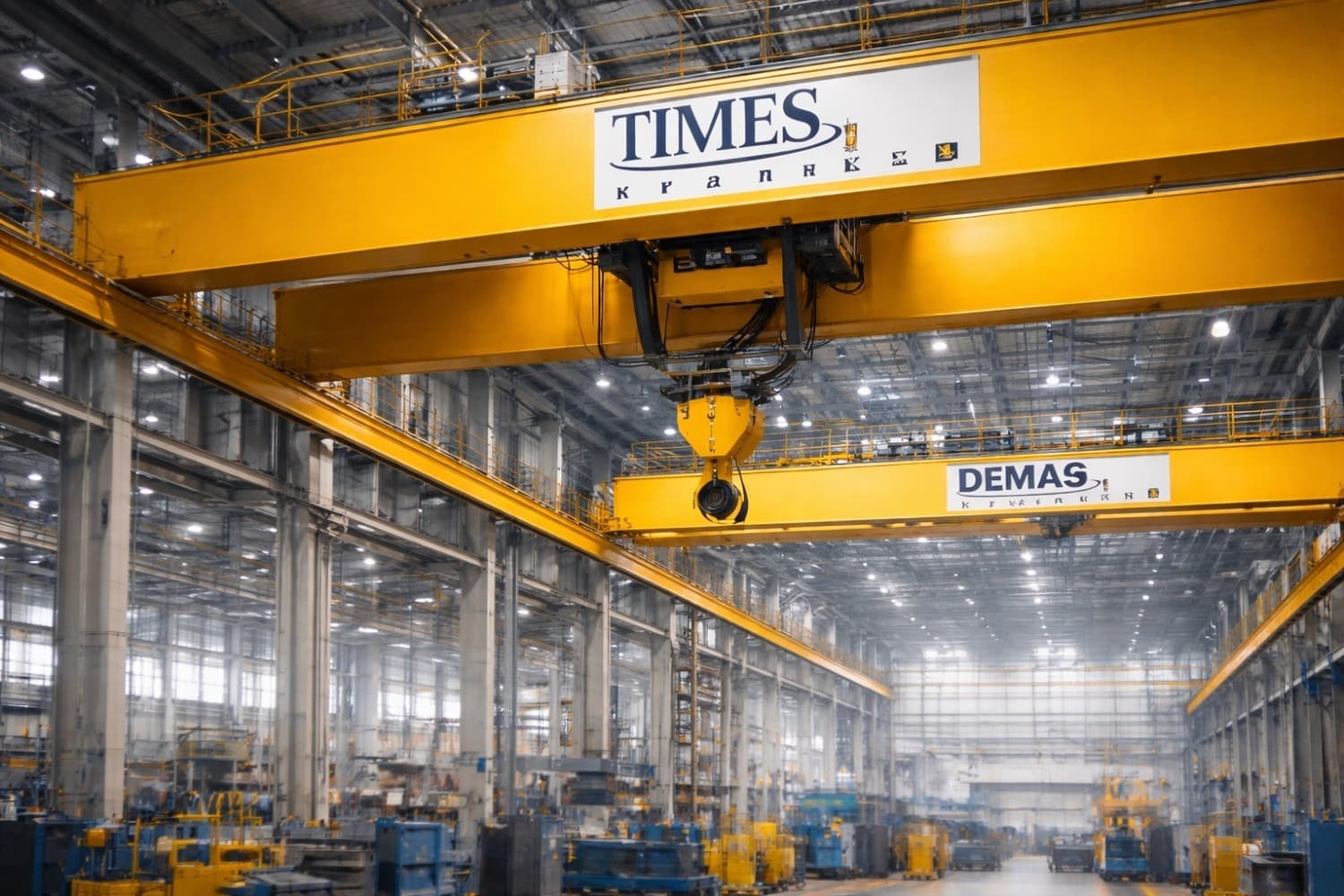
Among the manufacturers worth considering, Times Krane has the kind of industrial background that actually matters in this market. Operating as part of Times Industrial Engineers Pvt Ltd, a company founded in 1988, their dedicated crane division under the TK Crane brand has been active since 2012 and has built a track record across demanding industrial applications throughout India.
What I find consistently reliable about their model is the commitment to application-specific engineering. They do not fit your requirements into a pre-packaged catalog solution. Span, hook height, duty class, environmental conditions, and control preferences are all factored into what they design and build for each client.
Their service network covers Maharashtra including Mumbai and surrounding industrial corridors, which means post-installation support for an Ambernath facility is a realistic and accessible commitment, not a vague promise made during the sales process.
Walking into a manufacturer meeting without your technical parameters is the equivalent of approaching an architect without knowing how many rooms you need. You will get a general impression but not a useful answer.
Here is what you need to have prepared:
Go into your first conversation with these numbers. You will immediately distinguish experienced manufacturers from generalist suppliers by how they respond to your data.
A crane that is installed and commissioned correctly will serve your Ambernath facility for fifteen to twenty years with proper care. One that is rushed through installation or left without a structured maintenance programme will start generating problems much sooner than it should.
Times Krane provides installation and commissioning support through trained engineers who manage the complete process from runway rail alignment and girder installation through to electrical commissioning, load testing, and operator training. This end-to-end accountability matters. It means one party is responsible for the entire system performing correctly, not multiple vendors pointing fingers at each other when something is not right.
After commissioning, establish a preventive maintenance programme with clearly scheduled inspection intervals. Most crane breakdowns in industrial plants are not sudden. They are the end result of gradual wear that proper maintenance would have detected and corrected before a failure occurred.
Request a maintenance schedule document from your manufacturer at handover. A good one will provide it without needing to be asked twice.
Finding the right EOT crane manufacturer in Ambernath is a decision worth spending real time on. A correctly specified, properly built, and well-maintained crane will deliver reliable service across your facility for twenty years or more. A poorly chosen one will remind you of the decision regularly through breakdowns, repairs, and operational inefficiencies.
Know your numbers. Ask the right questions. Verify engineering competence before you discuss anything else. And choose a manufacturer whose after-sales commitment is as strong as their manufacturing capability.
Your facility's productivity and safety record depend on this decision far more than most buyers initially realize.
A no-fluff guide to picking crane manufacturers in Vatva, Ahmedabad, covering FLP cranes for chemical units, real cost factors, and buyer mistakes to avoid.
If you're looking for a dependable EOT crane manufacturer in Delhi NCR, you've probably already realized the region has no shortage of options. The problem is filtering out the ones who actually manufacture from the ones who just package and resell.
Finding dependable EOT crane manufacturers in Ludhiana can make a huge difference to the efficiency and safety of your industrial operations. Whether you run a manufacturing facility, fabrication unit, warehouse, steel plant, engineering workshop, or logistics center, the right crane system helps move heavy loads faster, safer, and with less effort.
Delhi and the surrounding NCR belt are home to thousands of manufacturing units, fabrication shops, and industrial facilities. And almost every one of them, at some point, needs a crane. The problem is that finding a trustworthy EOT crane manufacturer in Delhi is harder than it should be.
Ahmedabad's industries move fast, and the material handling equipment supporting them needs to keep pace without compromise. If you are searching for a crane manufacturer in Ahmedabad who can deliver engineering depth, documented compliance, and reliable after-sales support rather than just a machine with a price tag, this page is worth your time.
Most plants in Chennai have an overhead crane for the bay and nothing else for individual workstations. That gap costs operators time on every single shift. If you are looking for jib crane manufacturers in Chennai who can actually close that gap with a well-engineered, workstation-level lifting solution, this page will walk you through everything you need to know before making a decision.
Choosing the wrong EOT crane manufacturer in Hyderabad can set your entire project back by months. The stakes are high, the options are many, and most buyers do not know what to look for until something goes wrong.
Looking for a reliable partner for your next industrial project?